Website: Eurasia.com

  • Teniz Resources Secures 39,000 Hectares for Copper Exploration in Kazakhstan

    Teniz Resources Secures 39,000 Hectares for Copper Exploration in Kazakhstan

    Teniz Resources Ltd, a company led by geologist Madina Kapenova, has been granted access to nearly 39,000 hectares for copper exploration in Kazakhstan. The Akimat of the Atbasar district issued three permits valid until 2031, allowing the company to conduct geological surveys and search for copper deposits in sedimentary rocks. The total area covered by these permits is approximately 38,838.7 hectares, equivalent to around 388 square kilometres. The first permit grants access to 14,458.8 hectares in the Sepievsky rural district, while the other two cover 21,645.1 hectares in the Pokrovsky and Makeevsky rural districts, and an additional 2,734.8 hectares in the Sepievsky village district. The permits are set to expire on May 8, 2031, for the first two areas, and June 28, 2031, for the third.

    While the specific mineral resources are not detailed in the permits, Teniz Resources is associated with a project named Teniz — Sediment-Hosted Copper, as noted on the Aurora Group’s website. The company asserts that the Teniz basin is promising for discovering significant copper deposits in sedimentary formations, with surface manifestations of copper identified in at least five priority zones for further study.

    Founded in the Astana International Financial Centre in August 2024, Teniz Resources is solely owned by Madina Kapenova, who also serves as the CEO, director, secretary, and authorised signatory. Kapenova has a strong background in geology, having previously worked at the Zhayrem Mining and Concentration Complex and in various capacities within the Ministry of Industry and Infrastructural Development of Kazakhstan. The ongoing expansion of geological exploration in Kazakhstan is crucial, especially as the country faces the gradual depletion of known mineral reserves. Recent government initiatives aim to auction off 100 mineral sites under simplified rules, highlighting the increasing importance of discovering new deposits.
  • Strengthening Europe’s Defence Supply Chains Through Resilient Raw Materials

    Strengthening Europe’s Defence Supply Chains Through Resilient Raw Materials

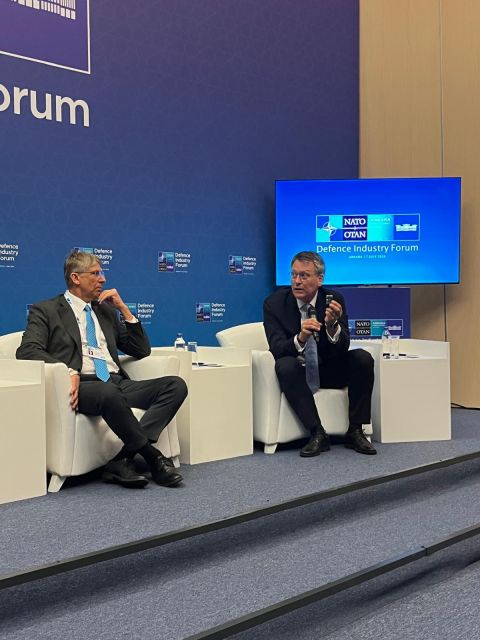
    At the NATO Summit Defence Industry Forum held in Ankara, Euromines President Jan Moström emphasised the critical role of raw materials in ensuring resilient supply chains for Europe’s defence and industrial sectors. The forum brought together leaders from various industries, including semiconductors and automotive, to discuss strategies for future-proofing supply chains amidst rising geopolitical tensions. Moström highlighted that secure access to critical raw materials is essential for maintaining Europe’s industrial competitiveness and technological leadership, particularly in the context of increasing strategic competition.

    During the panel discussion titled “Resilient by Design: Future-proofing Allied Supply Chains,” Moström outlined four key policy priorities aimed at bolstering Europe’s industrial preparedness. Firstly, he advocated for a shift from “just-in-time” to “just-in-case” supply chains, which would better equip industries to handle crises. Secondly, he called for stable and predictable investment conditions, stressing that mining projects require long-term certainty to thrive. Thirdly, he urged the importance of building and maintaining supply chains during peacetime to ensure readiness in times of crisis. Lastly, he emphasised the need to reduce legislative fragmentation and administrative burdens to accelerate the development of strategic projects that Europe urgently needs.

    The discussion underscored that a secure industrial base begins well before the manufacturing stage, rooted in a competitive and responsible mining sector. Moström’s insights reflect a growing recognition that coherent policies and long-term investment certainty are vital for strengthening Europe’s security and industrial base. As NATO and its allies work towards reinforcing industrial resilience, the role of raw materials in this equation cannot be overstated. The forum concluded with a call for strategic prioritisation of secure access to these materials, which are foundational to the continent’s defence capabilities.


  • Eurasian Resources Group Commits $1 Billion to Kazakhstan’s Industrial Future

    Eurasian Resources Group Commits $1 Billion to Kazakhstan’s Industrial Future

    Eurasian Resources Group (ERG) has announced a significant investment of approximately $1 billion in Kazakhstan, aimed at bolstering the country’s industrial potential and long-term competitiveness. This investment strategy is rooted in the belief that the most impactful investments are those that continue to create value well beyond the initial capital commitment. ERG’s development program is designed not only to expand its business operations but also to enhance regional economies and contribute to the overall economic landscape of Kazakhstan.

    The investment initiative is set to modernise mining operations and production facilities, promote cleaner energy solutions, and accelerate the digital transformation within the industry. By the end of next year, ERG anticipates creating over 1,100 new jobs, while also contributing an estimated $1.3 billion annually to Kazakhstan’s GDP through direct production and associated economic activities. Key projects under this initiative include the Bolashak Mine, ERG Green, Spetskoks, and various renewable energy ventures, all of which reflect a commitment to industrial performance and environmental responsibility.

    Kudrat Shamiyev, CEO of ERG Kazakhstan, emphasised that effective leadership is about making decisions that will positively impact future opportunities, not just immediate financial results. He highlighted the extraordinary industrial potential of Kazakhstan and the necessity for strategic partnerships, continuous innovation, and responsible environmental practices to unlock this potential. The projects currently underway are viewed as foundational steps towards a more robust industrial future for Kazakhstan, reinforcing the notion that investment should focus on building a stronger future for the nation.


  • Eldorado Gold Reports Progress on Skouries Project and Q2 2026 Financial Results

    Eldorado Gold Reports Progress on Skouries Project and Q2 2026 Financial Results

    Eldorado Gold Corporation has announced that its Skouries Project in Greece has reached 97% completion and is on track to commence production of copper-gold concentrate in the third quarter of 2026, with full commercial production expected by the fourth quarter. The project is anticipated to contribute significantly to the company’s growth, with projections for 2026 indicating gold production between 60,000 to 100,000 ounces and copper production of 20 to 40 million pounds. This development is part of Eldorado’s broader strategy to enhance its operational portfolio and cash flow generation.

    In its second quarter financial results for 2026, Eldorado reported gold production of 104,616 ounces and revenues of $487.5 million, reflecting a favourable gold price environment despite a decrease in production compared to the previous year. The company’s total cash costs per ounce sold increased to $1,432, influenced by higher production costs and lower sales volumes. Eldorado’s net earnings attributable to shareholders rose to $172.8 million, or $0.69 per share, signalling a strong performance amid ongoing investments in growth projects.

    The Skouries Project, part of the Kassandra Mines Complex, is expected to play a pivotal role in Eldorado’s future operations, with a feasibility study indicating a 20-year mine life and average annual production of 140,000 ounces of gold and 67 million pounds of copper. The company has secured concentrate sales agreements for the expected production volumes in 2026 and is actively working on finalising additional agreements to cover production through 2029. With significant capital investments planned, Eldorado is well-positioned for a successful ramp-up to commercial production, supported by a robust operational framework and strategic partnerships.


  • European Metals Association Supports Establishment of EU’s Critical Raw Materials Centre

    European Metals Association Supports Establishment of EU’s Critical Raw Materials Centre

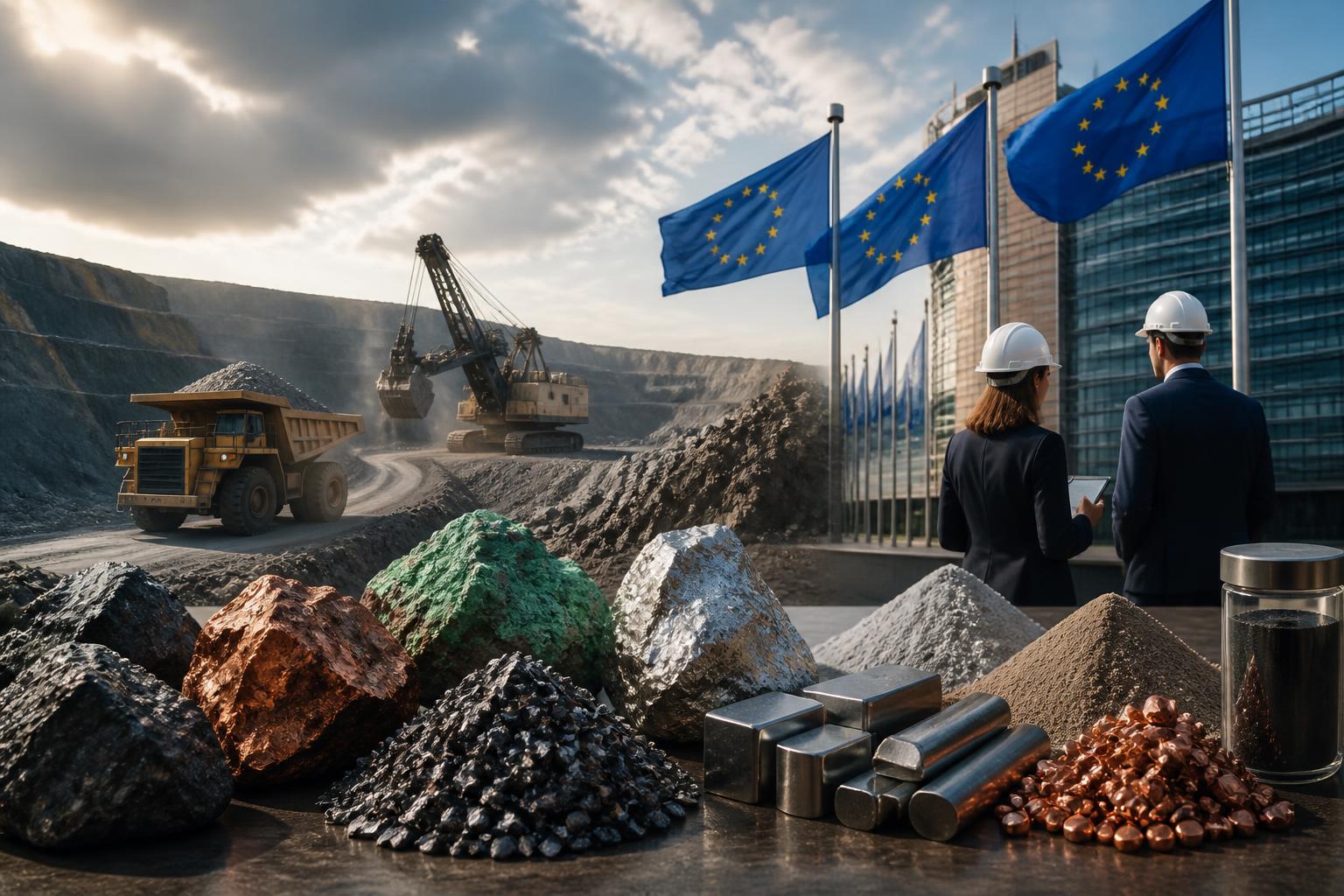
    The European Metals Association has expressed strong support for the objectives of the Critical Raw Materials Act (CRMA), aimed at enhancing the resilience and sustainability of Europe’s raw materials value chains. The association welcomes the establishment of an EU Critical Raw Materials Centre, which is intended to provide crucial support for projects related to critical raw materials (CRMs). This includes diversifying supply, offering financial and technical assistance, pooling demand, and providing market intelligence focused on ensuring supply security.

    In its response to a public consultation, the European Metals Association outlined several key recommendations for the CRM Centre. These include the need for robust market intelligence capabilities to monitor the dynamics of critical raw materials markets and the downstream demand from European industries. The association advocates for the Centre to operate as an independent body, equipped with the necessary financial tools to facilitate CRM investments in close collaboration with member states and industry stakeholders. Additionally, they stress the importance of strategic stockpiling, which should be risk-based and developed in cooperation with industry, ensuring that it does not distort market conditions.

    The association also highlighted the necessity of a dedicated Critical Raw Materials Fund, which should combine various financial instruments to support both existing industrial bases and new strategic projects across the CRM value chain. Furthermore, they called for improved regulatory coherence across EU legislation to eliminate barriers that hinder investment in the raw materials sector. The European Metals Association’s comprehensive recommendations aim to strengthen the EU’s critical raw materials value chain, ensuring that Europe can secure its supply of essential materials amidst growing global demand and geopolitical challenges.


  • Sweden Declares Critical Minerals Mining a National Security Interest

    Sweden Declares Critical Minerals Mining a National Security Interest

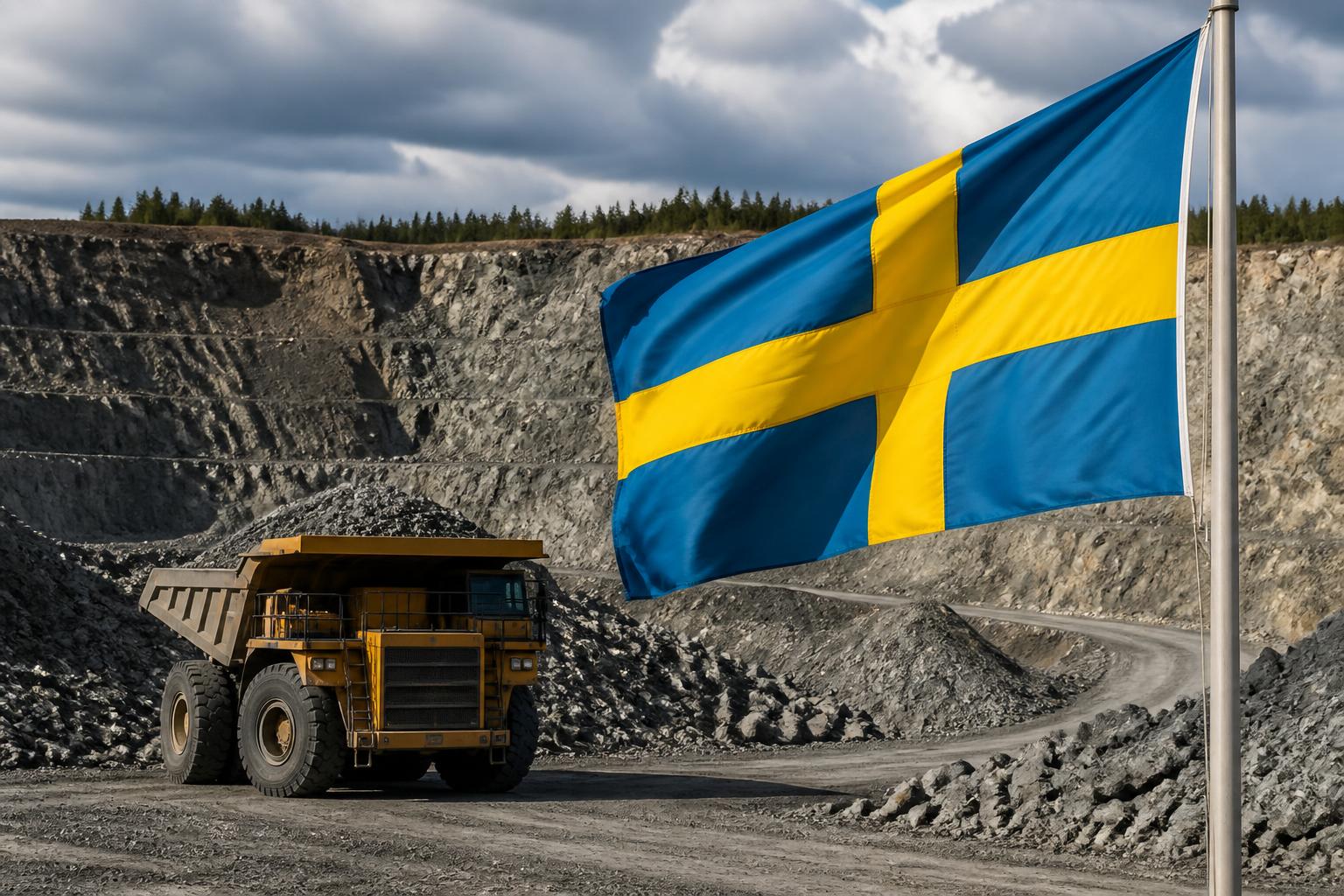
    In a significant move to bolster its mining sector and reduce reliance on foreign sources, particularly China, Sweden has officially designated the mining of critical metals and rare earth minerals as a national security interest. This announcement was made by Ebba Busch, Sweden’s Enterprise Minister and Deputy Prime Minister, on 23 July 2026. The strategy aims to enhance Sweden’s position in the global mining landscape, especially as China currently dominates the rare earth market, accounting for approximately 69% of global production. This dependency has raised concerns among Western nations, prompting Sweden to take decisive action to secure its mineral supply chains.

    Central to Sweden’s strategy is the Per Geijer deposit located at LKAB’s Kiruna mine, which is one of the European Union’s flagship projects aimed at reducing reliance on Chinese imports. The deposit boasts an impressive 1.2 billion tonnes of total mineral resources, including 2.2 million tonnes of rare earth oxides. Johan Menckel, the newly appointed President and CEO of LKAB, emphasised the company’s potential role in shaping Europe’s industrial value chains. The Swedish government plans to expedite the environmental permitting process for mining projects by establishing a dedicated authority, addressing current delays that hinder project approvals.

    Additionally, the government is exploring the establishment of a state-owned investment company to further support the mining sector. Deputy Prime Minister Busch highlighted the necessity for Sweden to leverage its rich natural resources and world-class mining companies. The strategy also includes a review of the mineral fee structure to ensure that local communities benefit more directly from mining activities. However, the expansion of mining rights has raised concerns among Sweden’s indigenous Sami population, who fear that increased mining activities could threaten their traditional way of life. As Sweden moves forward with its ambitious mining strategy, it must balance economic interests with the rights and concerns of local communities.


  • US Outpaces Europe in Critical Minerals Investment, Raising Supply Concerns

    US Outpaces Europe in Critical Minerals Investment, Raising Supply Concerns

    The United States is significantly outspending Europe in the race to secure critical minerals, according to a report from The Wall Street Journal. Over the past five years, Washington has committed approximately $46 billion to critical raw materials projects through various financial mechanisms, including grants, loans, and tax incentives. This figure is roughly eight times greater than the amount allocated by the European Union, as highlighted by an analysis from the French Institute of International Relations. This disparity in investment raises concerns that European manufacturers may remain overly reliant on Chinese supplies, which could jeopardise their competitiveness in the global market.

    The aggressive strategy adopted by the US has already begun to disrupt European efforts to establish independent supply chains for critical minerals. For instance, Pensana, a London-based rare earth developer, has shifted its plans for a processing plant from the UK to the US in order to take advantage of financing from the Export-Import Bank. Similarly, the Brazilian rare earth producer Serra Verde has secured US government-backed financing and has entered into a long-term agreement to sell its magnetic rare earth production, further illustrating the impact of US investment on international supply chains.

    In response to these developments, European industry leaders are expressing concerns about the potential for the US to dominate emerging non-Chinese supply chains. Pensana’s founder, Paul Atherley, described the situation as akin to ‘friendly fire’ among Western nations. In light of these challenges, the European Union is formulating its own response, which includes plans for a €3 billion financing hub, the establishment of strategic stockpiles, and partnerships with resource-rich countries such as Canada, Argentina, Norway, and South Africa. By 2030, the EU aims to ensure that no single country provides more than 65% of its strategic raw material needs, a goal that reflects the bloc’s commitment to diversifying its supply sources and reducing dependence on any one nation.


  • Chinese Investor Injects $5 Million into Kazakhstan’s Mining Exploration Sector

    Chinese Investor Injects $5 Million into Kazakhstan’s Mining Exploration Sector

    A new mining exploration company, Zhongjian Hengxin Mining, has been registered at the Astana International Financial Centre (AIFC) with a significant capital investment of $5 million from Chinese investors. The company, established by Jian Zheng, aims to engage in geological exploration and related services to facilitate mineral extraction. This investment marks a notable entry into Kazakhstan’s mining sector, which has been increasingly attracting foreign capital, particularly from China.

    The registration of Zhongjian Hengxin Mining on June 22, 2026, aligns with a growing trend of Chinese companies establishing a presence in Kazakhstan’s mining industry. Notably, the address of the new company has already been home to several other Chinese firms involved in similar activities, including Tianshan Resources, which was registered in June and is also focused on mining services. This trend underscores the strategic interest of Chinese corporations in Kazakhstan’s rich mineral resources, particularly in light of Zijin Mining Group’s recent acquisition of RG Gold, a gold mining company operating in the Akmolinsk region.

    The influx of Chinese investment, exemplified by Zijin Mining Group’s commitment of $600 million towards the development of the Raigorodok gold deposit, highlights the potential for growth in Kazakhstan’s mining sector. As more companies like Zhongjian Hengxin Mining emerge, the collaboration between Kazakhstan and Chinese investors is expected to strengthen, paving the way for enhanced exploration and extraction activities in the region, which is rich in various minerals.


  • US Extends Critical Minerals Lead With $46B Push

    US Extends Critical Minerals Lead With $46B Push

    The United States is significantly outpacing Europe in securing critical minerals outside China, raising concerns about potential European dependence on Chinese supplies for years to come. According to analysis by the French Institute of International Relations cited by The Wall Street Journal, Washington has committed approximately $46 billion to critical raw materials projects over the past five years through a combination of grants, loans, and tax incentives – roughly eight times the amount allocated by the European Union during the same period. This substantial funding disparity underscores the strategic importance both superpowers place on securing reliable supplies of essential minerals needed for clean energy transition, defence applications, and advanced manufacturing.

    The aggressive US strategy extends beyond domestic investment, with Washington actively negotiating preferential access to mineral resources in key countries including the Democratic Republic of Congo and Ukraine, whilst simultaneously backing overseas projects through comprehensive financing programmes. This multi-faceted approach has already begun to disrupt European efforts to establish independent supply chains. London-based rare earth developer Pensana, which is developing the Longonjo project in Angola, has shifted its plans for a processing plant from Britain to the United States to pursue Export-Import Bank financing. Similarly, Brazilian rare earth producer Serra Verde, which operates a mine in Goiás state, secured US government-backed financing and subsequently agreed to sell its magnetic rare earth production under a long-term arrangement supported by Washington. These high-profile shifts demonstrate the competitive advantage the US financing ecosystem provides to critical minerals projects globally.

    European industry leaders have expressed significant concerns about the implications of this trend, with some warning that the US could come to dominate emerging non-Chinese supply chains. Pensana founder Paul Atherley characterised the situation as “friendly fire” to other Western countries, highlighting the tension between allied nations competing for the same resources. In response, the European Union is mobilising its own resources and diplomatic efforts. The bloc has announced plans for a €3-billion ($3.4 billion) financing hub, strategic stockpiles, and strategic partnerships with countries including Canada, Argentina, Norway, and South Africa. By 2030, the EU aims to ensure that no single country supplies more than 65 per cent of its strategic raw material needs, representing a comprehensive approach to reducing supply chain vulnerability and building resilience in critical minerals sourcing.


  • EU-Africa Critical Minerals Cooperation

    EU-Africa Critical Minerals Cooperation

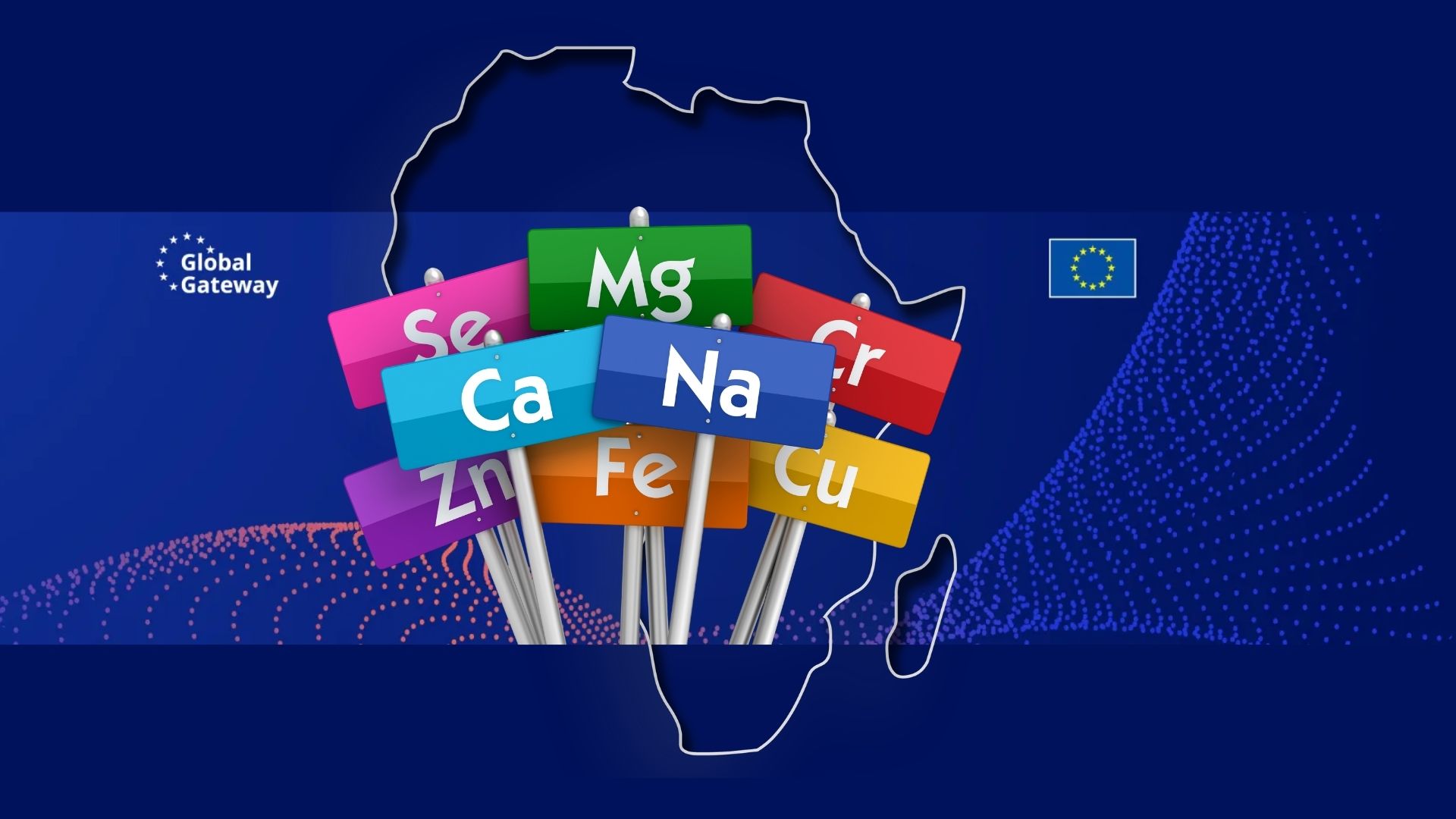
    As the European Union accelerates its green and industrial transitions, securing reliable access to critical raw materials has become a strategic imperative. The continent faces significant supply chain vulnerabilities, with China controlling approximately 70% of global mineral processing and refining capacity. Global demand for lithium alone is projected to surge by more than 350% by 2040, intensifying competition among major economies for secure sources. The European Critical Raw Materials Act represents the EU’s comprehensive response to these challenges, with Africa emerging as a central pillar of the bloc’s diversification strategy.

    The EU has already established critical minerals partnerships with several African nations, including South Africa, Rwanda, Namibia, the Democratic Republic of the Congo, and Zambia, backed by substantial financing commitments through the Global Gateway initiative, which aims to mobilise €300 billion in public and private investments. However, current cooperation frameworks remain heavily focused on extraction rather than value-added activities such as processing and manufacturing. This approach creates tension with sustainability objectives and fails to deliver the mutual economic benefits that African governments increasingly demand. Mining operations risk driving deforestation, water and soil pollution, whilst their substantial energy requirements may divert critical resources from domestic electrification in a region where approximately 600 million people lack access to affordable energy.

    To achieve genuine supply chain diversification and ensure commercially viable partnerships, the EU must fundamentally reshape its approach. This requires closing coordination gaps across fragmented EU and member state initiatives, introducing demand aggregation and non-price public procurement criteria, and expanding circular economy cooperation including battery recycling and mine tailings reprocessing. Critically, the EU should adopt phased public-private partnership models that combine upfront infrastructure investment with binding commitments to mining, processing and refining activities. Development cooperation must be aligned with critical mineral initiatives to strengthen local infrastructure, skills and regulatory capacity. Long-term purchasing and offtake agreements for processed or refined minerals, coupled with robust environmental, social and governance safeguards and meaningful community engagement, are essential to prevent the perpetuation of the resource curse and ensure that African countries derive tangible, lasting benefits from their mineral wealth.