Website: Eurasia.com

  • Cove Kaz Capital Group Launches Definitive Feasibility Study for Northern Katpar Tungsten Project in Kazakhstan

    Cove Kaz Capital Group Launches Definitive Feasibility Study for Northern Katpar Tungsten Project in Kazakhstan

    Cove Kaz Capital Group LLC, a U.S.-based company dedicated to the development of critical mineral resources in Kazakhstan, has announced the commencement of a Definitive Feasibility Study (DFS) for its Northern Katpar tungsten project. The study, which is set to begin in July 2026 and conclude by the end of 2027, aims to support a Final Investment Decision and meet the due diligence requirements of potential financing partners, including U.S. financial institutions. The Northern Katpar project is held by Severniy Katpar LLP, in which Cove Kaz holds a 70% controlling interest.

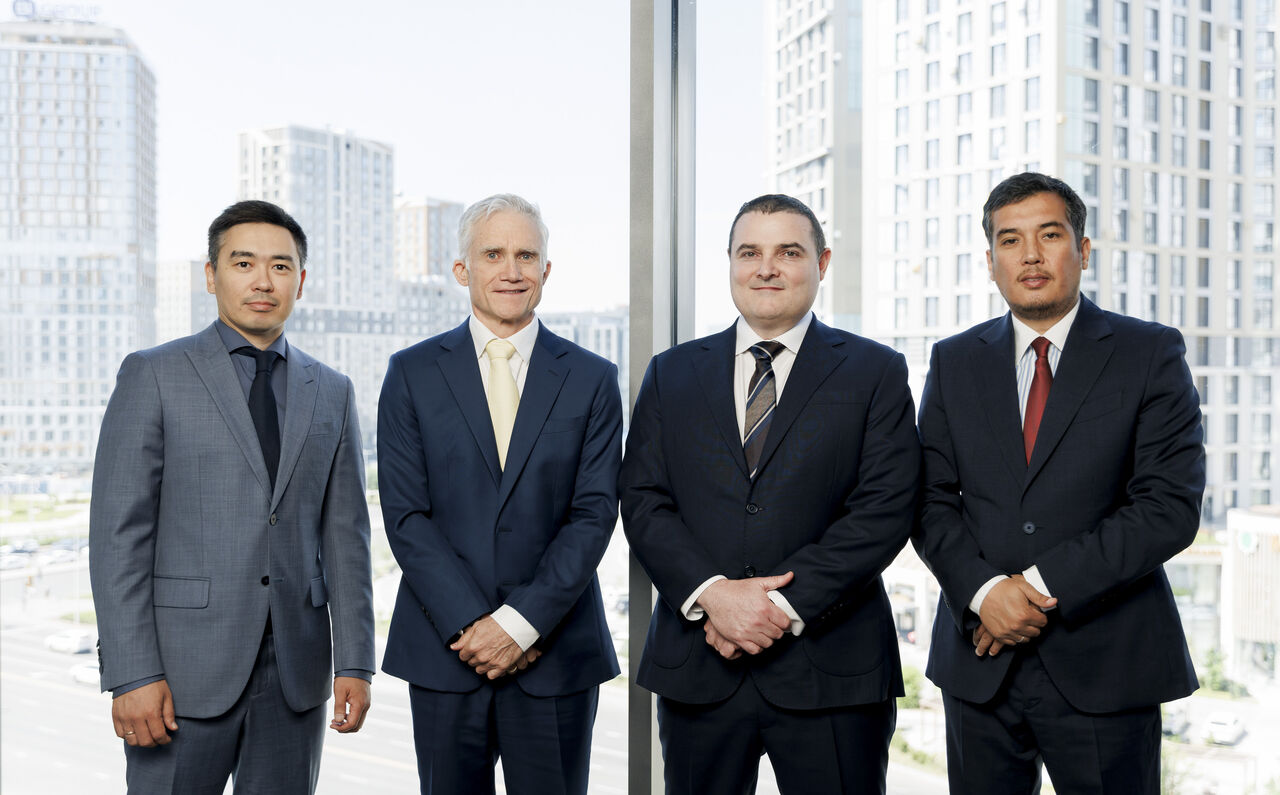
    The engagement of top global engineering firms marks a significant step in the project’s development. DRA Global has been appointed as the lead contractor, responsible for mineral processing, while ERM will oversee geology, mine planning, and environmental frameworks. Knight Piésold will provide expertise in geotechnical and hydrological services. This consortium of contractors will work alongside Cove Kaz’s experienced in-house team, led by CEO Dominic Heaton, who has a proven track record in tungsten mining.

    The DFS will outline the overall mine plan for Northern Katpar and inform the construction of a refinery designed to produce ammonium paratungstate (APT), a key tungsten product. The project is positioned to address the current global tungsten supply deficit, which is particularly acute given the systemic shortages that existing mines cannot meet. With significant undeveloped tungsten resources, the Northern Katpar and Upper Kairakty deposits are expected to contribute approximately 12,000 metric tonnes per annum to global production, representing a substantial share of the market. Cove Kaz Capital Group aims to establish a long-term, secure supply of tungsten to support critical industrial and high-technology applications.
  • Nordic Innovation Launches Call for Proposals on Secondary Critical Raw Materials Value Chains

    Nordic Innovation Launches Call for Proposals on Secondary Critical Raw Materials Value Chains

    Nordic Innovation has announced a call for proposals aimed at developing industry-driven value chains for secondary critical raw materials (CRMs) in the Nordic region. With a budget of 10 million NOK ( €915,219.99), the initiative seeks to enhance the recycling and domestic supply of CRMs, which are essential for the green and digital transitions. The deadline for submission is set for 23 September 2026, with project funding ranging from 2 to 5 million NOK per project. The funding decision will be made in November 2026, with projects expected to commence in the fourth quarter of 2026 and run for a maximum of 36 months.

    The call for proposals is part of the Nordic Innovation programme, Innovative Solutions for 2030, which aims to accelerate the introduction of solutions for the green transition. The Nordic region is estimated to have around 900,000 tonnes of CRMs embedded in waste and industrial side streams, highlighting the untapped potential for recycling and resource recovery. However, the lack of functioning value chains poses a significant challenge, as many initiatives fail to progress beyond early-stage development. This funding opportunity aims to address these barriers by supporting projects that validate key assumptions in the value chain and bring together relevant actors across the industry.

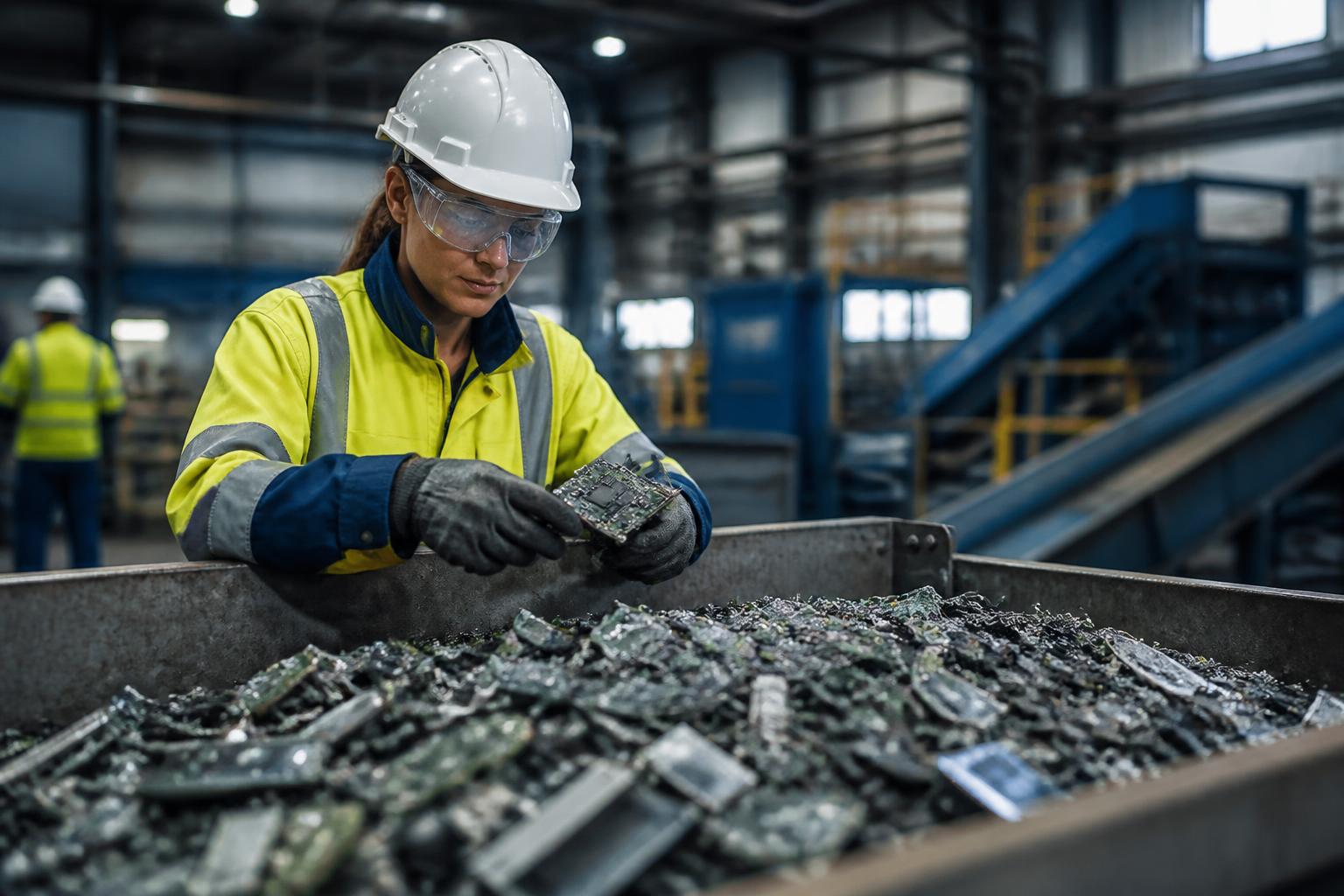
    Eligible projects must focus on developing concrete value chains for secondary CRMs, such as those derived from batteries, electronic waste, and construction waste. The evaluation criteria for proposals will consider the project’s impact, relevance to Nordic Innovation’s mission, and the competence of the consortium involved. Strong industrial involvement and access to relevant material streams will be crucial for successful applications. The initiative is expected to contribute to strengthening Nordic competitiveness, resource security, and the development of circular value chains for critical raw materials.


  • DMT GROUP Engages in Technical Due Diligence for German Raw Materials Fund Projects

    DMT GROUP Engages in Technical Due Diligence for German Raw Materials Fund Projects

    DMT GROUP, a prominent player in the mining and commodities sector, has been appointed to conduct technical due diligence for projects under the German Raw Materials Fund, which was established by the German government. This initiative aims to secure long-term access to critical raw materials, reduce strategic dependencies, and enhance the competitiveness of German and European industries. The fund is managed by KfW on behalf of the Bundesministerium für Wirtschaft und Energie, with PwC overseeing the overall coordination of due diligence processes. DMT’s role focuses on evaluating the technical viability of various projects, assessing factors such as project implementation, process chains, infrastructure, cost assumptions, and potential technical risks.

    Julia Ridder, Project Manager for Technical Due Diligence at DMT, highlighted the comprehensive approach taken during the evaluation process. The technical due diligence involves a thorough examination of essential factors, including geology, mining operations, processing methods, logistics, and implementation strategies. This meticulous analysis aims to provide a reliable foundation for investment decisions that will bolster the supply of raw materials in Germany and across Europe. The results of these evaluations will inform technical assessments, recommendations, and risk analyses, ensuring that investments are based on solid technical groundwork.

    Jens-Peter Lux, Managing Director at DMT, emphasised the significance of the German Raw Materials Fund as a strategic tool for advancing critical raw material projects. He noted that similar initiatives are emerging in other European countries, reflecting a broader commitment to enhancing national security regarding raw material supplies. This fund represents a crucial step towards fostering long-term cooperation within the extractive sector across Europe, aiming to strengthen the region’s resilience and competitiveness in the global market.


  • RAW MATTERS Podcast Celebrates 1,000 Followers and Prepares for Season 2

    RAW MATTERS Podcast Celebrates 1,000 Followers and Prepares for Season 2

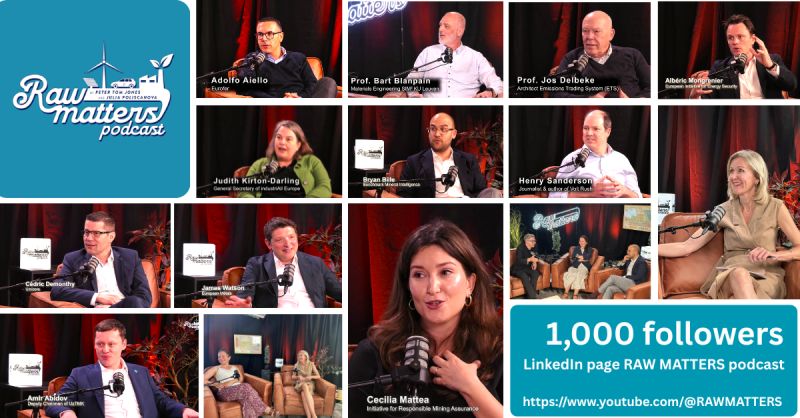
    The RAW MATTERS podcast has reached a significant milestone, celebrating 1,000 followers. While this number might not seem impressive in the vast landscape of social media, it holds substantial meaning for a niche podcast dedicated to addressing complex issues within the mining and critical minerals sectors. The podcast, which aims to foster informed discussions and enhance public understanding of the intricate relationships between critical minerals, industrial policy, clean technologies, climate action, economic resilience, and strategic autonomy, has garnered appreciation from its guests, listeners, and supporters.

    Launched just six months ago, RAW MATTERS was conceived with the intention of transcending siloed debates and promoting a holistic view of the mining industry and its impact on various sectors. The podcast’s mission aligns with the growing recognition of the importance of critical minerals in achieving sustainable development and climate goals. As highlighted by guest Salvatore Pinizzotto, the podcast advocates for a comprehensive approach that encompasses financing, permitting, legislation, mining, refining, and cleantech manufacturing, all working in concert to address the challenges facing the industry.

    Looking ahead, RAW MATTERS is gearing up for its second season, with the first recordings scheduled to commence on 15 September. Listeners can catch up on all 12 episodes of Season 1, hosted by Peter Tom Jones and Julia Poliscanova, available on platforms such as YouTube, Spotify, and Apple Podcasts. The podcast continues to strive for a systems perspective in its discussions, aiming to contribute to better decision-making in the critical minerals sector and beyond.


  • Kazakhstan’s Uranium Production Surges by 9% in H1 2026, Reports Kazatomprom

    Kazakhstan’s Uranium Production Surges by 9% in H1 2026, Reports Kazatomprom

    Kazakhstan has reported a significant increase in its uranium production for the first half of 2026, with output rising by 9% compared to the same period last year. According to Kazatomprom, the world’s largest uranium producer, the country produced 13,291 tonnes of uranium in the first six months of 2026, up from 12,242 tonnes in the first half of 2025. This growth highlights Kazakhstan’s pivotal role in the global uranium market, particularly as demand for nuclear fuel continues to rise amid a global push for cleaner energy sources.

    Kazatomprom, which is majority-owned by the Kazakh State fund Samruk-Kazyna, primarily sells uranium oxide concentrate under long-term contracts, with only a small fraction of its production being sold on the spot market. This strategic approach allows the company to maintain stable revenue streams while managing market fluctuations. The increase in production is indicative of Kazakhstan’s commitment to enhancing its mining capabilities and meeting the growing international demand for uranium, especially as many countries look to nuclear energy as a viable alternative to fossil fuels.

    The rise in uranium output also reflects broader trends in the mining sector, where companies are increasingly focusing on sustainable practices and efficient production methods. As Kazakhstan continues to expand its uranium production, it reinforces its position as a key player in the global energy landscape, contributing to the transition towards more sustainable energy solutions. With Kazatomprom listed on the London Stock Exchange since 2019, the company’s performance is closely watched by investors and analysts alike, signalling the importance of uranium in the future energy mix.


  • European Metals Day 2026: Shaping the Future of Europe’s Metals Sector

    European Metals Day 2026: Shaping the Future of Europe’s Metals Sector

    On 29 September 2026, the European Metals community will convene at the European Parliament in Brussels for the highly anticipated #MetalsDay26. This flagship event will bring together members of the European Metals sector, invited guests, policymakers, and industry leaders to engage in critical discussions about the future of Europe’s metals value chains. The event, hosted by prominent Members of the European Parliament (MEPs) including Radan Kanev, Prof. Yannis Maniatis, and Bruno Tobback, promises to be a significant platform for dialogue and collaboration.

    The agenda for #MetalsDay26 includes panel discussions featuring contributions from notable MEPs such as Hildegard Bentele, Sara Matthieu, and Christophe Grudler. Together, these industry leaders and policymakers will address Europe’s key industrial priorities, focusing on competitiveness, sustainability, circularity, and the strategic role of metals in facilitating the green and digital transitions. As Europe strives to enhance its industrial resilience and achieve strategic autonomy, this event aims to foster meaningful dialogue across the metals value chain, contributing to the shaping of the European metals sector’s future.

    European Metals Day 2026 is expected to play a vital role in aligning the interests of various stakeholders within the metals industry, ensuring that Europe remains at the forefront of global metal production and innovation. By addressing pressing issues and exploring collaborative opportunities, the event seeks to strengthen the position of European metals in a rapidly evolving industrial landscape.


  • Kazakhstan to Build Copper Smelting Plant in Balkhash with 750 Billion Tenge Investment

    Kazakhstan to Build Copper Smelting Plant in Balkhash with 750 Billion Tenge Investment

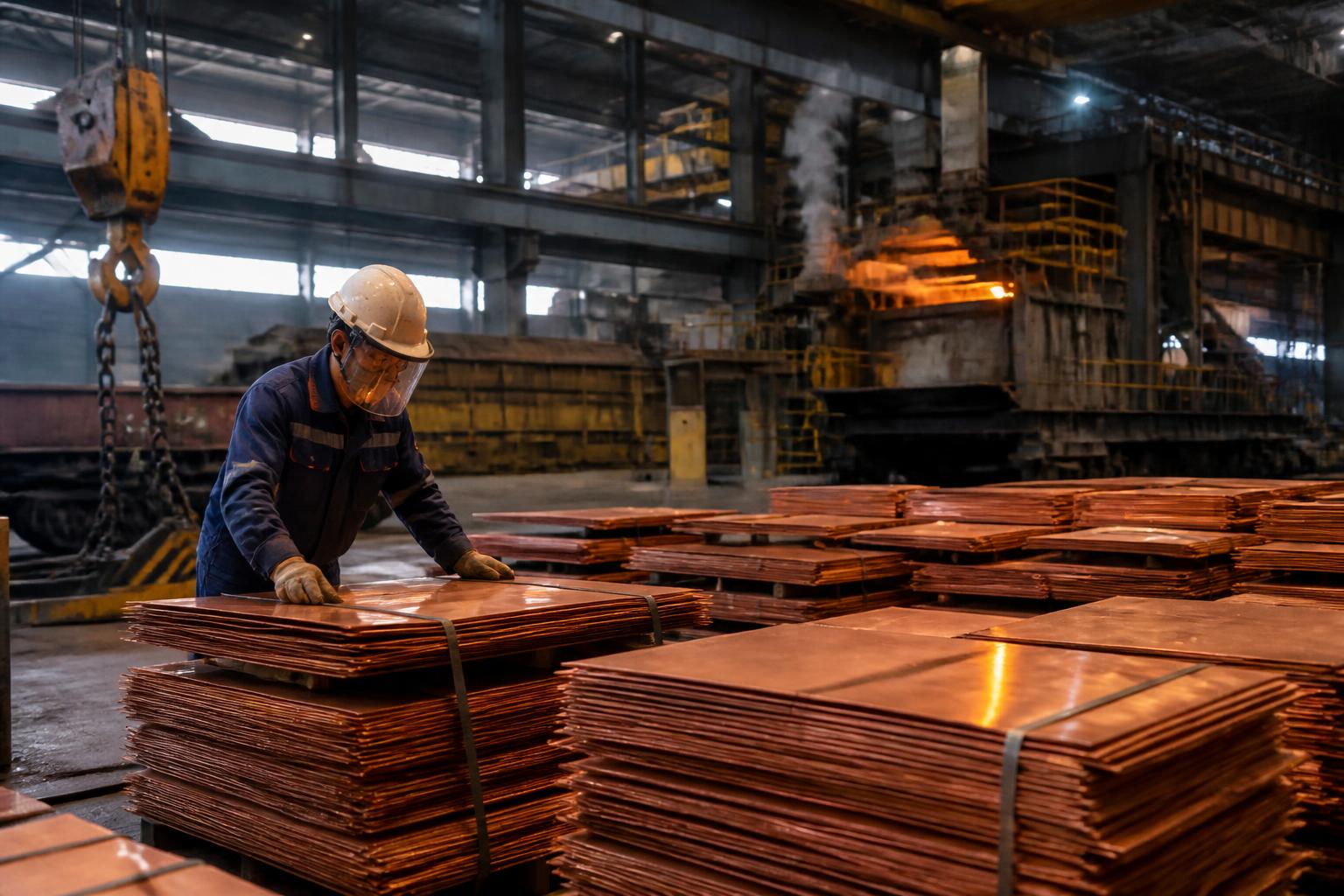
    The government of Kazakhstan has approved an investment agreement for the construction of a copper smelting plant in Balkhash, Karaganda region, with a total investment of 750 billion tenge. The agreement was signed by Prime Minister Olzhas Bektenov and involves the Ministry of Industry and Construction along with Qazaq Smelter LLP. Construction is set to begin in 2027, with the plant expected to commence operations by 2030.

    The new facility will boast an annual production capacity of 300,000 tonnes of cathode copper, alongside the production of 10 tonnes of gold, 300 tonnes of silver, and over 1.5 million tonnes of sulphuric acid. This ambitious project is anticipated to create approximately 1,200 permanent jobs, significantly contributing to the local economy. The introduction of these new capacities is projected to increase Kazakhstan’s copper production by 50%, raising annual output to over 800,000 tonnes.

    Furthermore, the export of high-value-added products is expected to rise from 460,000 tonnes to 760,000 tonnes of copper annually. The plant will be equipped with modern technologies and digital solutions, aligning with global standards in the mining and metallurgy sectors. This initiative underscores Kazakhstan’s commitment to enhancing its mining industry and boosting economic growth through strategic investments.


  • Nordic Region’s Role in Strengthening Europe’s Supply of Critical Raw Materials

    Nordic Region’s Role in Strengthening Europe’s Supply of Critical Raw Materials

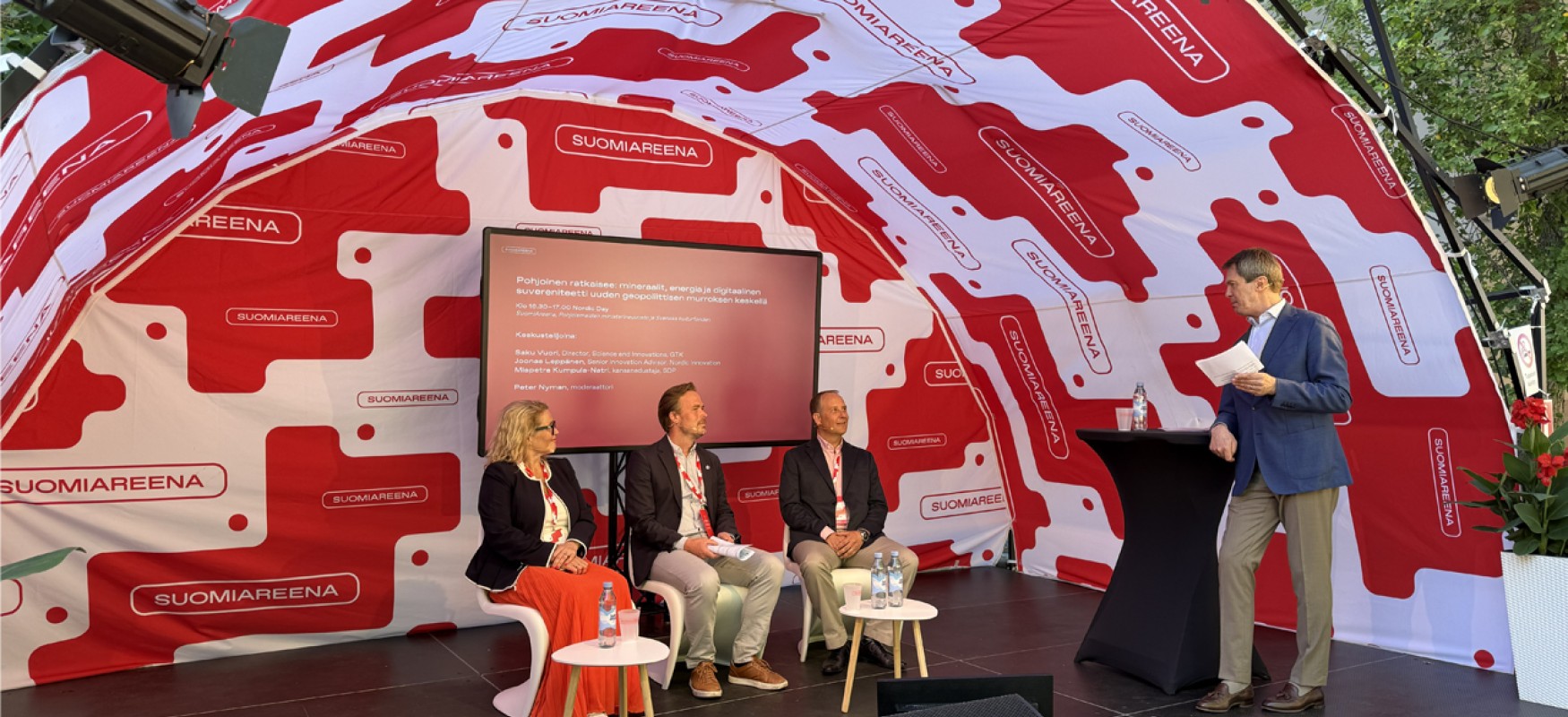
    A recent report highlights the Nordic region’s significant potential to enhance Europe’s supply of critical and strategic raw materials amid rising global demand and geopolitical uncertainties. As competition for these essential resources intensifies worldwide, the interplay between the green and digital transitions, along with evolving geopolitical dynamics, is reshaping both demand and supply systems. In this context, the ability to deliver reliable, scalable, and timely supplies of metals and minerals has become paramount, alongside ensuring resource availability.

    The report identifies the Nordic region as a selective yet strong contributor to Europe’s raw material supply chain. Its strengths lie in its strategic role within global value chains, characterised by a selective, complementary, and long-term contribution that supports diversification and resilience rather than merely replacing existing global networks. The analysis underscores the connection between EU and global geopolitical strategies and the strengthening of national and EU supply chains, suggesting a future where mineral value chains are more sustainable and secure.

    The Nordic region boasts significant geological potential for various critical raw materials, including lithium, copper, cobalt, graphite, nickel, and rare earth elements. However, the challenge lies not in the existence of these resources but in the ability to develop and coordinate them efficiently and sustainably to mitigate vulnerabilities in European supply chains. The report calls for sustained investment in geological knowledge, coordinated development efforts, and long-term policy support to unlock the full potential of the Nordic region as a key component of a more resilient European raw materials system.


  • Hongda Group Plans Major Lead and Zinc Project in Kazakhstan

    Hongda Group Plans Major Lead and Zinc Project in Kazakhstan

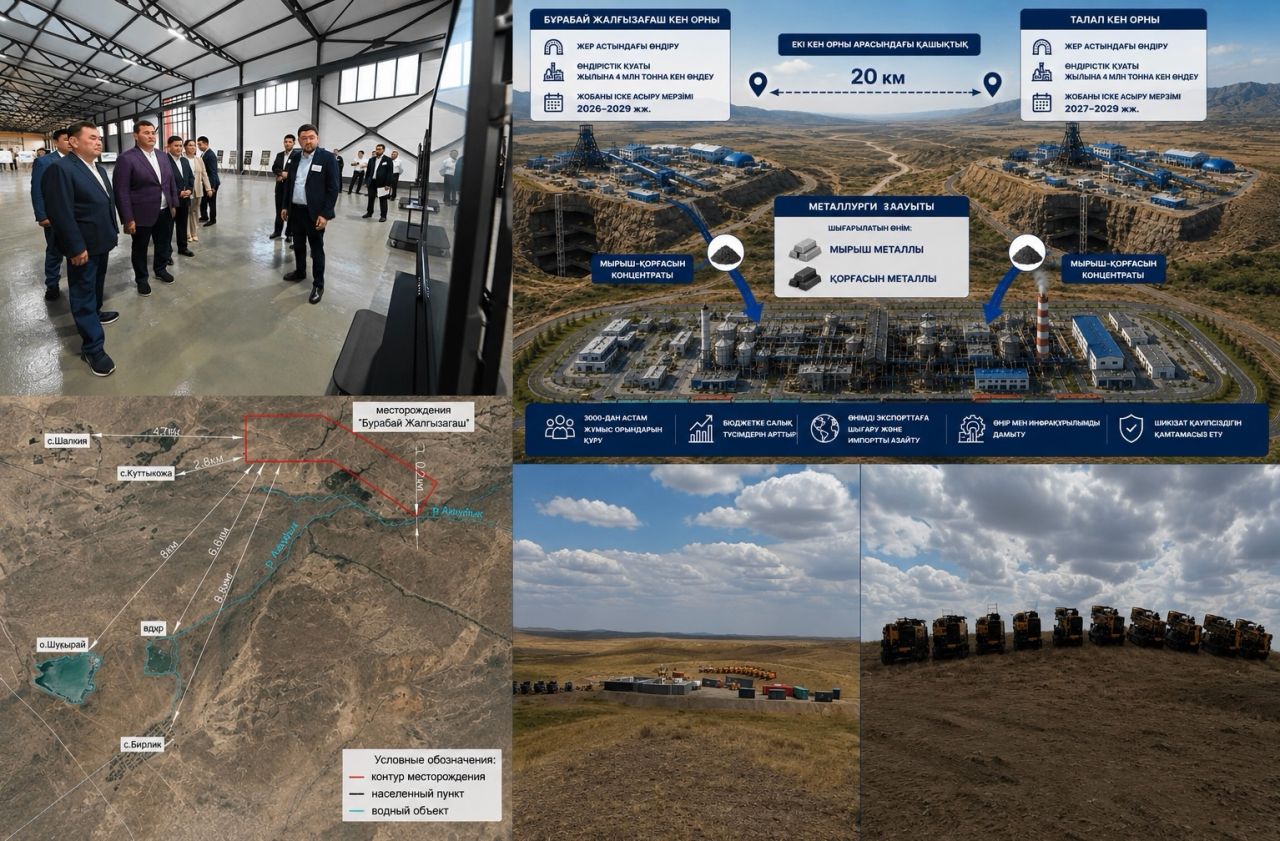
    Hongda Group is set to embark on a significant investment project in Kazakhstan that could surpass Kazcink, positioning itself as the largest producer of lead and zinc in Central Asia. The initiative, valued at $1.3 billion, was highlighted during a recent visit by Kazakhstan’s First Deputy Prime Minister, Nurlan Naliyev, to the Kyzylorda region. The project entails the construction of two underground mines and two processing plants in the Zhanakorgan district, with a combined capacity of 8 million tonnes of ore per year, alongside a full-cycle metallurgical plant. This development is expected to create over 3,000 jobs, contributing significantly to the local economy.

    The project will focus on the Talap and Burabay-Zhalgyzaghash deposits, located approximately 20 km apart. The Burabay-Zhalgyzaghash site will be developed using underground mining techniques to a depth of 500 meters. Both deposits are part of the Akuyuk-Maidantal lead-zinc ore district in the Karatau region, which is also home to the largest deposit in the area, Shalkiya. Initial exploration activities in this region took place between 1980 and 1985, with detailed surveys conducted from 2010 to 2012. The estimated reserves are classified as C2, with forecasted resources rated as P1. Geologists have noted an average zinc content of 2.01% and lead content of 1.62%, with potential for resource growth at depth.

    Investors have indicated that the metallurgical plant will have an annual output of 420,000 tonnes of zinc and 220,000 tonnes of lead, totalling 640,000 tonnes of metals. In comparison, Kazcink is projected to produce 251,800 tonnes of zinc and 76,700 tonnes of lead by 2025. Upon reaching full operational capacity, the new complex could produce 66.8% more zinc and nearly three times the amount of lead than Kazcink. If the project meets its outlined parameters, it stands to become the largest lead and zinc producer in Central Asia. Notably, the Chinese investors have already committed around 9 billion tenge to geological exploration, operating 15 drilling rigs simultaneously. Although official reserves have yet to be disclosed, the scale of drilling and the proposed processing capacity suggest a substantial resource base. An official groundbreaking ceremony is anticipated later this year, marking a significant step in the development of this ambitious project.


  • Uzbekistan and KAIST Explore Collaborative Opportunities in Metallurgy and Education

    Uzbekistan and KAIST Explore Collaborative Opportunities in Metallurgy and Education

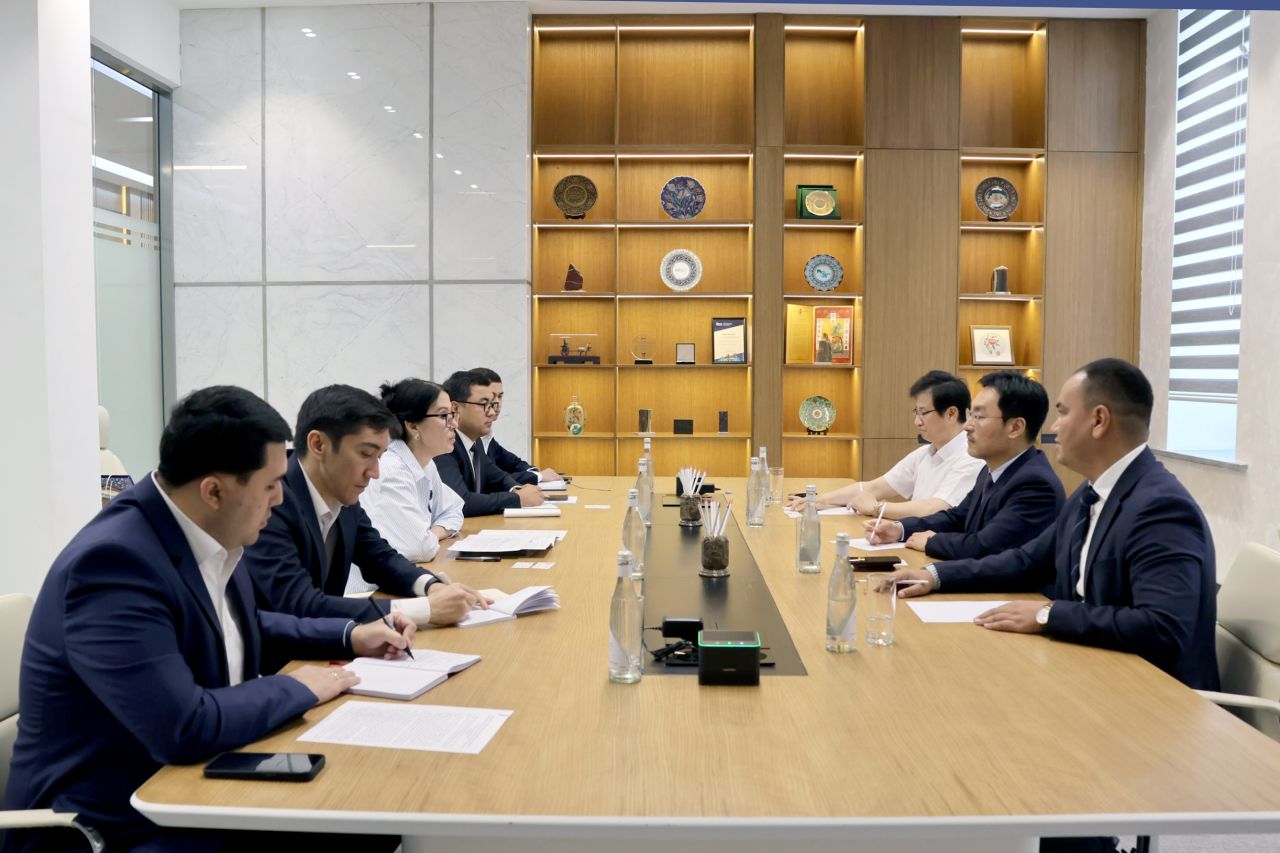
    On 31 July 2026, F. Khamidova, the First Deputy Minister of Mining Industry and Geology of Uzbekistan, met with a delegation from the Korea Advanced Institute of Science and Technology (KAIST), led by Professor Shin Byungha, the Head of the Department of Materials Science and Engineering. The meeting focused on enhancing scientific, technological, and academic cooperation between Uzbekistan and South Korea, particularly in the metallurgical sector.

    The discussions highlighted the potential for joint projects aimed at introducing advanced mineral processing technologies and promoting collaborative research initiatives. Both parties recognised the importance of integrating cutting-edge technology into Uzbekistan’s mining and metallurgy sectors to boost efficiency and sustainability. The meeting also underscored the significance of educational collaboration, with plans for academic exchange programmes and the training of highly qualified specialists to strengthen the workforce in both countries.

    As a result of the meeting, Uzbekistan and KAIST agreed to continue developing joint initiatives and to prepare proposals that would further enhance bilateral cooperation in science, education, and technology. This partnership is expected to foster innovation and drive growth in the mining and metallurgy sectors, positioning both nations as leaders in the field.