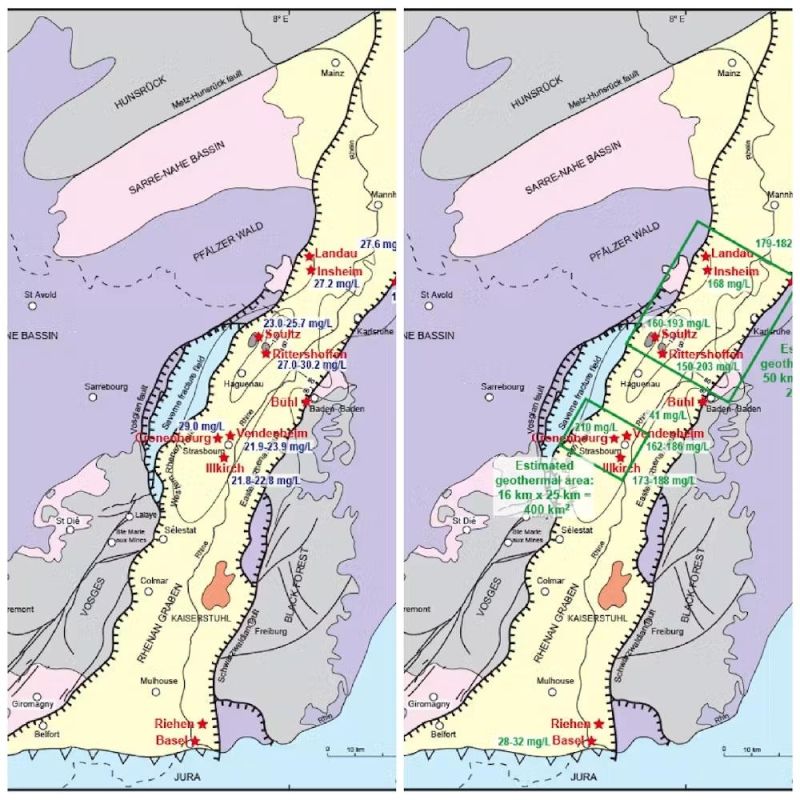
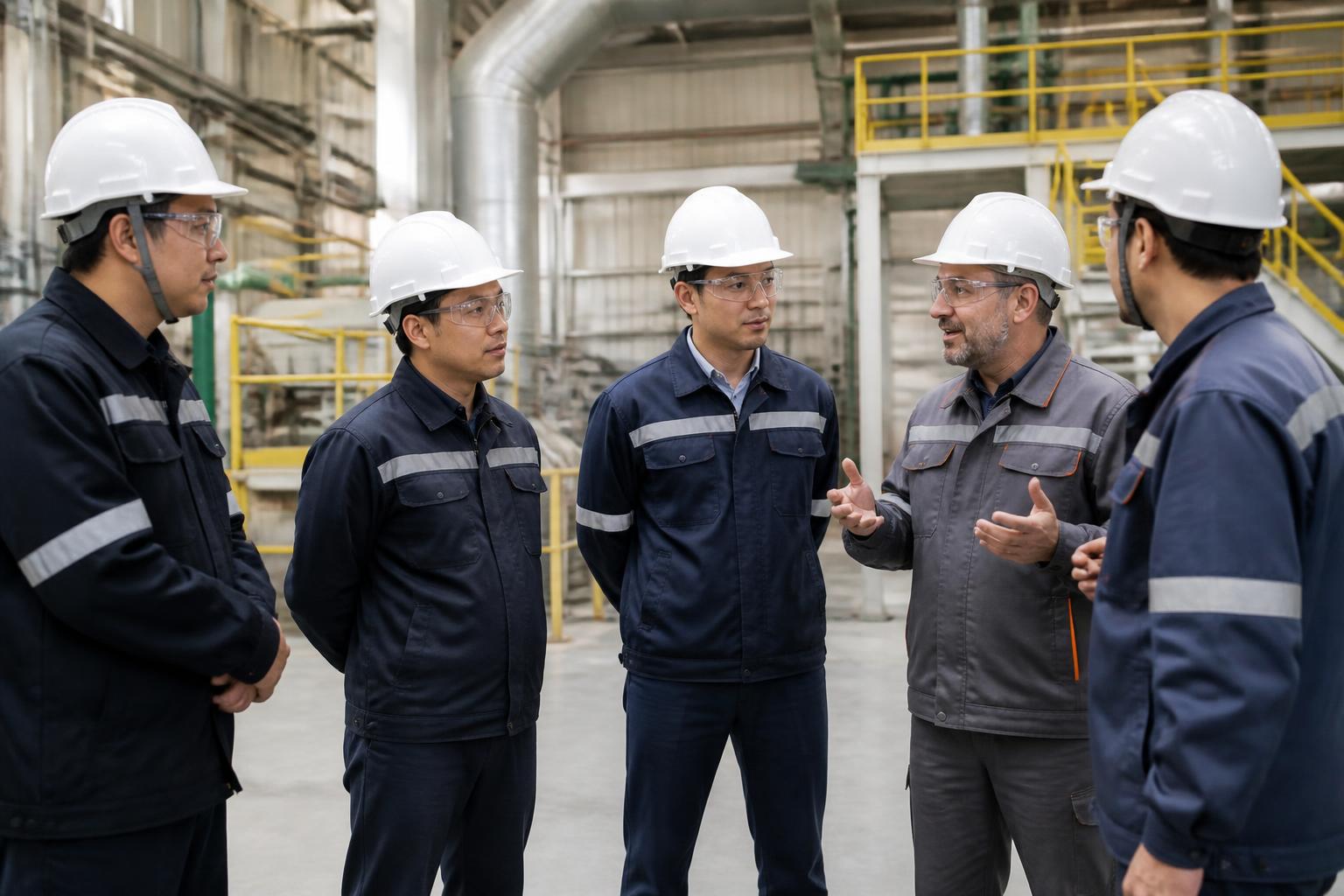
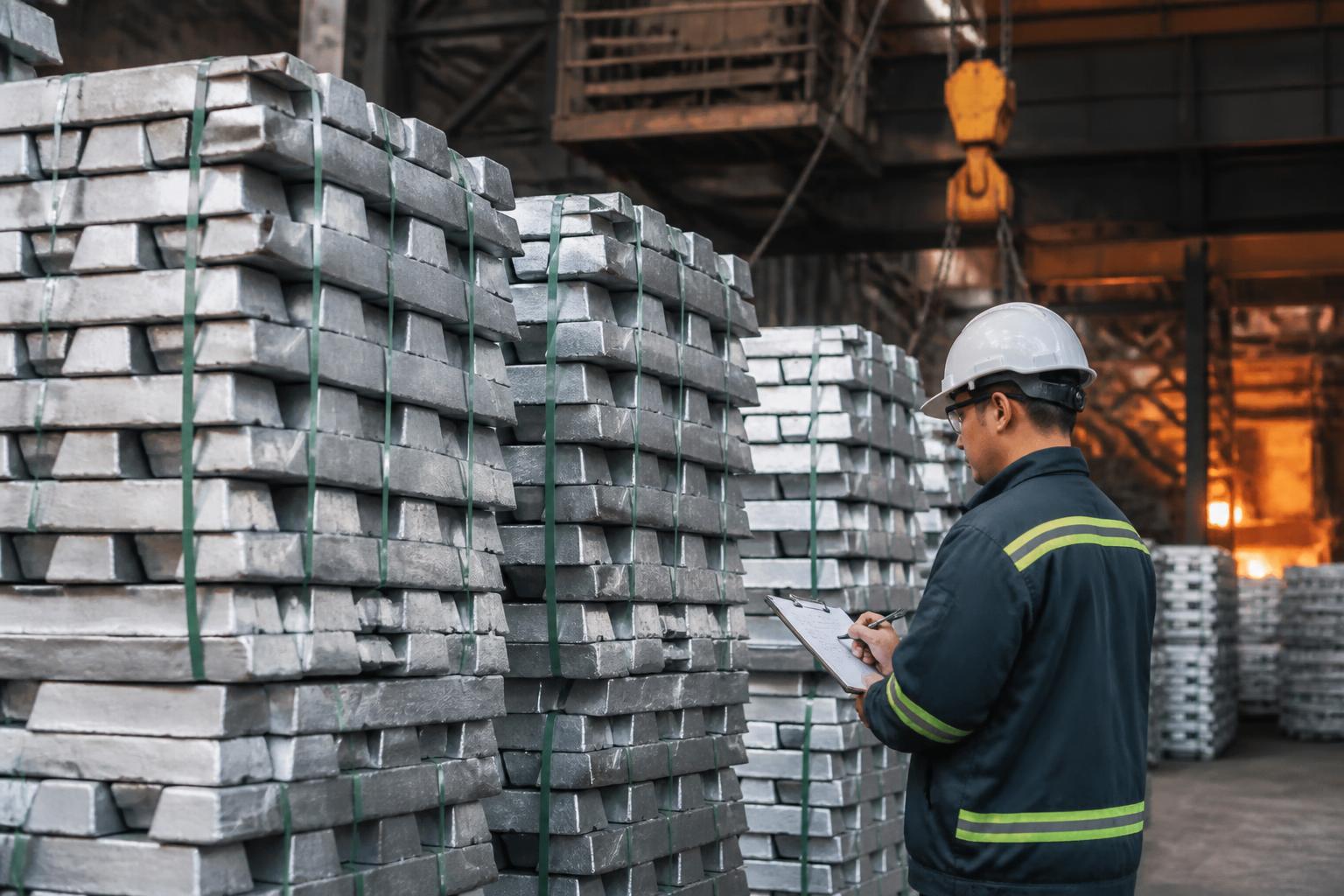
The Rhine Graben, a geological formation located between France and Germany, is emerging as a significant potential source of strategic metals, specifically lithium and rubidium. A recent study highlights the region’s promising resources, which are found in the hot, saline waters of its geothermal systems. As Europe seeks to reduce its reliance on external sources, particularly China, for these critical elements, the Rhine Valley could play a pivotal role in meeting the growing demand, especially for lithium used in electric vehicle batteries.
Lithium demand is surging due to its essential role in the production of electric vehicle batteries, while rubidium, though less known, is vital for advanced technologies including optics and atomic clocks. The study suggests that the geothermal brines in the Rhine Graben, which are already being harnessed for energy production, could also be tapped for their rich lithium and rubidium content. The brines contain approximately 174 mg/L of lithium and 25 mg/L of rubidium, making them among the richest sources globally.
The research updates previous estimates of lithium reserves in the Rhine Graben, now suggesting they could range from 1 million to 16 million tonnes, with an average estimate of 6.2 million tonnes. This is a significant increase from earlier figures, indicating the region’s potential to contribute substantially to Europe’s lithium supply, especially as global production is projected to rise.
Rubidium resources are also noteworthy, estimated between 150,000 and 2.3 million tonnes, which could incentivize further exploration and extraction efforts. The study proposes that integrating lithium and rubidium extraction into existing geothermal energy operations could be a sustainable approach, potentially producing 3,000 to 9,000 tonnes of lithium annually, meeting a considerable portion of France’s projected needs by 2035.
However, several challenges remain before these resources can be fully exploited. Technical hurdles include identifying the most productive areas within the complex geological formations and improving extraction technologies. Additionally, environmental concerns, particularly the risk of induced seismicity associated with deep geothermal energy, must be addressed to gain public support.
Initial pilot projects in the region are already underway, with ambitions to establish Alsace as a hub for low-carbon lithium production. As the exploration and extraction of these strategic metals progress, the Rhine Graben could soon become a key player in Europe’s quest for energy independence and sustainability.
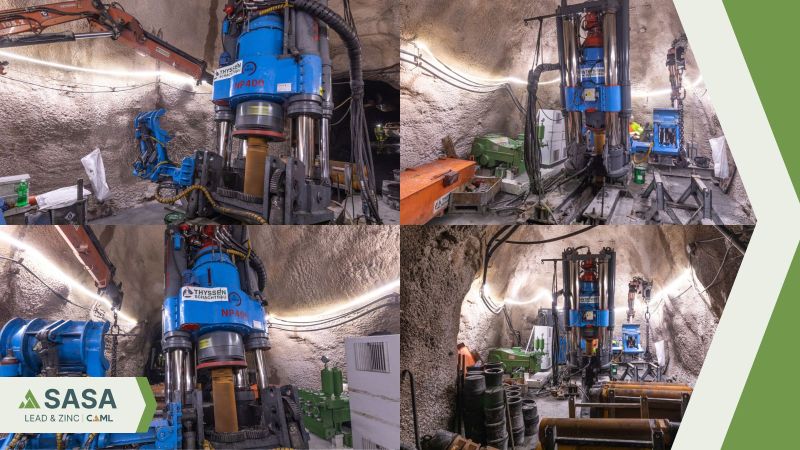
Sasa has successfully completed a significant raisebore project that has delivered over 1.5 kilometres of ventilation raises, ore passes, and waste passes, marking a crucial step in supporting the mine’s long-term operational future. This extensive project is designed to improve underground ventilation, which is vital for maintaining a safe and efficient mining environment. Additionally, the new infrastructure will optimise the transport of ore and waste, facilitating smoother operations and enhancing access to future mining areas.
The completion of this project is particularly important as Sasa continues its development towards the 700 and 600 levels of the mine. By improving ventilation and transport systems, the mine is poised to increase its productivity and operational efficiency. The enhancements are expected to not only support current mining activities but also lay the groundwork for future expansions and developments within the mine.
As the mining industry faces increasing demands for efficiency and sustainability, projects like Sasa’s raisebore initiative highlight the importance of investing in infrastructure that supports both operational goals and environmental considerations. The successful execution of this project underscores Sasa’s commitment to advancing its mining operations while ensuring safety and sustainability are at the forefront of its development strategy.
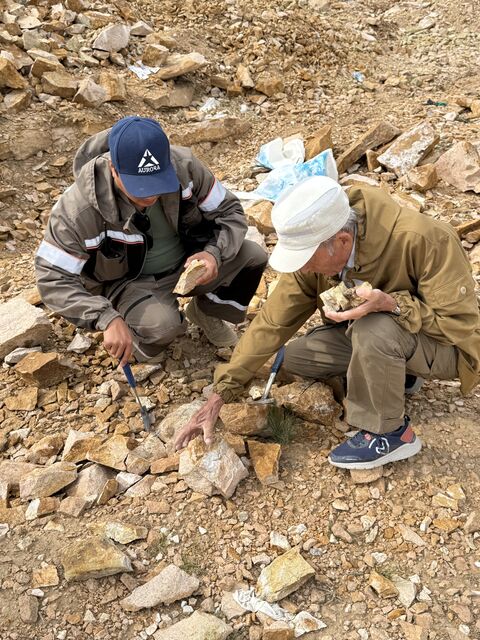
In a recent visit to the Globmine Resources gold project located in the Sayak district of Northern Balkhash, a team of geologists, including two of Kazakhstan’s most esteemed exploration experts, Yerlan Nabiev and Daulet Muratbekov, highlighted the importance of experience and innovation in mineral exploration. Major mineral discoveries are seldom the result of luck; they stem from decades of accumulated knowledge, disciplined exploration, and a synergy between experience, capital, and cutting-edge technology.
Yerlan Nabiev, a veteran geologist with over fifty years of experience in the Sayak region, has played a pivotal role in the discovery and evaluation of numerous mineral deposits. His extensive knowledge has earned him recognition as a ‘Discoverer of Mineral Deposits’ in Kazakhstan. Alongside him, Daulet Muratbekov brings decades of field experience across Northern Balkhash, contributing to a rich understanding of the area’s geology.
During the site visit, the team engaged in discussions about mineralisation, structural controls, and future exploration phases. A notable remark from Nabiev resonated with the team: ‘I have worked in this region for fifty years. At best, we have explored only about thirty percent of it. There are still many discoveries waiting to be made.’ This statement underscores the vast potential that remains untapped in the region, serving as a roadmap for future exploration efforts.
Aurora, the company behind the project, is committed to building a world-class exploration enterprise by preserving and transferring geological knowledge across generations. This commitment goes beyond traditional methods of documentation; it involves hands-on engagement in the field with seasoned geologists who have significantly contributed to Kazakhstan’s mineral discovery landscape.
By integrating the expertise of local geologists with modern techniques such as geophysics, remote sensing, 3D modelling, and adherence to CRIRSCO reporting standards, Aurora aims to enhance its exploration capabilities. The Sayak copper-gold district has already yielded some of Kazakhstan’s most significant mineral discoveries, and Aurora believes that this is just the beginning of a new chapter in the region’s geological narrative. With a focus on innovation and collaboration, the company is poised to uncover further valuable resources in the Sayak district.
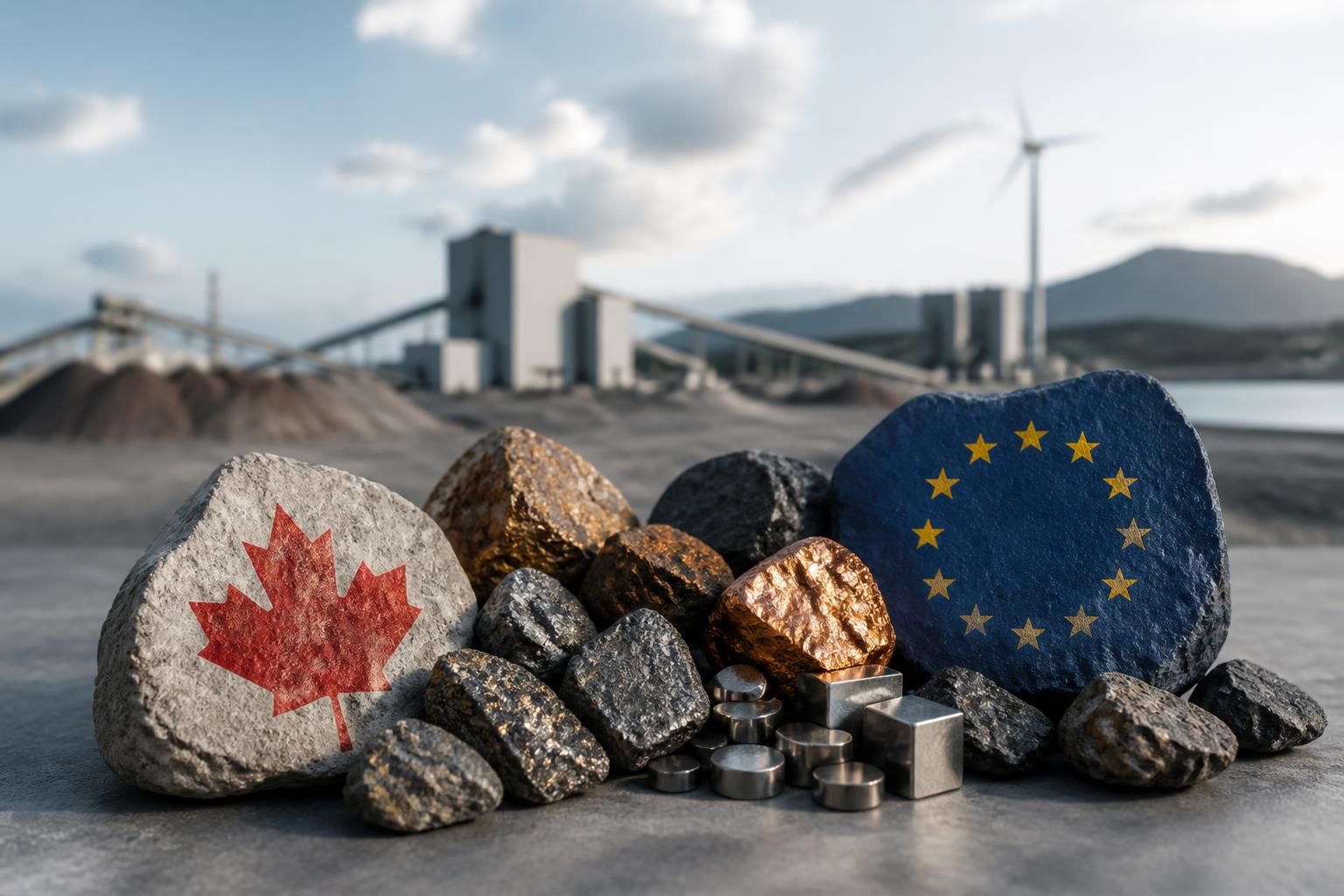
In recent years, Canada and the European Union have significantly enhanced their transatlantic relationship, particularly in the realm of critical minerals supply chains. This collaboration gained momentum following the implementation of the EU’s Critical Raw Materials Act (CRMA) in May 2024, which set ambitious targets for the EU to meet its own strategic raw materials needs. By 2030, the EU aims to ensure that at least 40% of its annual consumption of these materials is processed within its borders, alongside goals for domestic extraction and recycling. This benchmark highlights the importance of the midstream sector, where processing and refining activities bridge the gap between raw mining and manufacturing.
The EU’s heavy reliance on imports for refined materials, which rose from 83% in 2011 to 90% by 2023, underscores the urgency of developing a more resilient supply chain. China’s dominance in the processing of critical minerals, controlling 19 out of 20 energy-transition minerals, has raised concerns in Europe, particularly as Chinese export controls have led to production stoppages in European factories. Despite these challenges, Europe possesses a robust base of metals smelters that can be modernised and expanded with targeted investments.
The CRMA aims to foster economic and social development by encouraging processing in developing countries, while also ensuring that Europe can source value-added materials directly from its partners, rather than relying on Chinese processing. The EU’s strategy includes prioritising essential materials for future technologies, streamlining project permitting, facilitating finance, and establishing strategic partnerships with non-EU countries.
While the 40% benchmark is not legally binding, it serves as a guiding principle for the EU’s efforts to enhance its refining capacity. Progress has been mixed, with notable advancements in lithium and nickel refining, but significant gaps remain in areas like magnesium and titanium. Canada, with its own Critical Minerals Strategy, is well-positioned to become a leader in the global mining sector, leveraging its processing capabilities and access to low-cost, low-carbon energy.
The bilateral relationship between Canada and the EU is further strengthened by the Comprehensive Economic and Trade Agreement (CETA) and the 2021 strategic partnership on critical raw materials. However, both parties must focus on solidifying projects and co-investments to secure minerals and refined metals. Collaborative efforts, such as the G7 Critical Minerals Production Alliance and NATO’s initiative on critical raw materials, highlight the potential for Canada and the EU to work together in building resilient supply chains.
As the global landscape evolves, Canada and the EU must address the challenges posed by export controls and price volatility in the critical minerals market. By focusing on midstream cooperation, shared projects, and predictable offtake agreements, they can establish a stable foundation for the materials essential to clean technology, digital innovation, and defence industries. The midstream sector represents a crucial area for building resilience and ensuring secure supply chains, where Canada’s strengths in extraction and Europe’s processing expertise can create a mutually beneficial partnership.
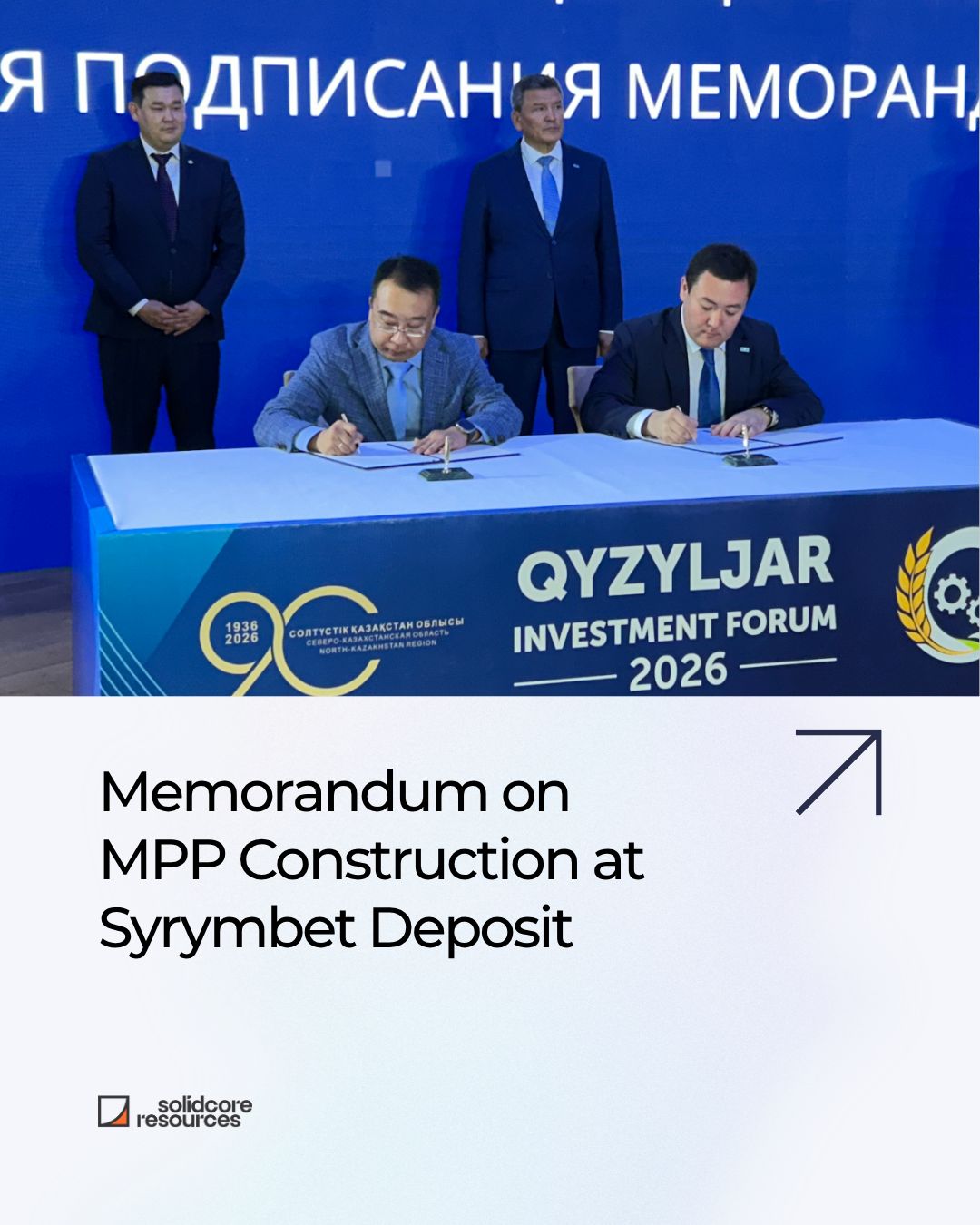
Tin One Mining, a subsidiary of Solidcore Resources, has signed a significant Memorandum with the Department of Entrepreneurship and Industrial-Innovative Development of the North Kazakhstan region Akimat, marking a pivotal step in the development of the Syrymbet tin deposit. This agreement was formalised during the Qyzyljar Investment Forum 2026, where both parties committed to the construction of a mining and processing plant (MPP) at the site, which is recognised as the largest undeveloped tin deposit in Central Asia.
The memorandum solidifies prior discussions regarding the project, which is expected to create substantial employment opportunities and bolster the industrial capacity of the region. The initiative aims to modernise local engineering and transport infrastructure, thereby enhancing the overall economic landscape of North Kazakhstan. The Department of Entrepreneurship and Industrial-Innovative Development will play a crucial role in facilitating the project, ensuring collaboration with government entities, and providing support throughout the investment process.
Tin One Mining has announced plans to invest a minimum of KZT 150 billion (over US$ 315.5 million) into the development of the Syrymbet deposit, which includes the construction of the MPP and associated infrastructure. The company is dedicated to employing modern extraction and processing technologies that meet global standards for environmental protection and operational safety. Approximately 800 jobs are expected to be created, with a focus on hiring local residents who possess the required qualifications and skills.
The Syrymbet deposit, discovered in 1985, holds significant reserves, accounting for more than 70% of Kazakhstan’s total tin reserves. The JORC compliant Mineral Resource estimate indicates a total of 492.4 thousand tonnes of tin at a grade of 0.40%, alongside 91.4 thousand tonnes of copper at a grade of 0.07%, equating to approximately 5.9 million ounces of gold equivalent. This project not only represents a major investment in the mining sector but also underscores the potential of Kazakhstan’s mineral wealth in contributing to the region’s economic development.
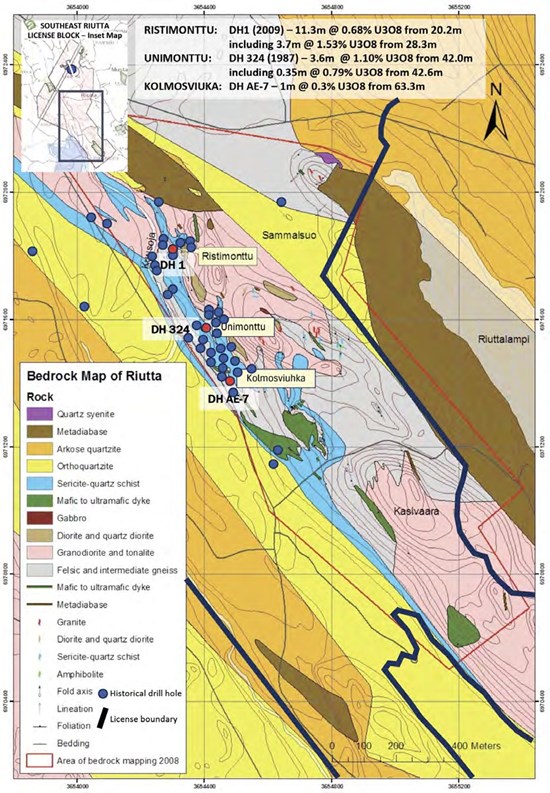
NordX Metals Corp. has announced promising assay results from a historical drill core resampling program at its wholly-owned Riutta project, located near Joensuu in eastern Finland. The results confirm significant shallow uranium mineralization, with the most notable finding being an intersection of 11.3 metres grading 0.68% U3O8 from a depth of 21.2 metres in drill hole AREVA DH1. This hole, drilled in 2008 by AREVA (now Orano), had previously gone unassayed due to the company’s global restructuring and a downturn in uranium prices. The core was later acquired by Mawson Resources, which reported a historical result in 2011 consistent with NordX’s recent findings.
In addition to the standout result from the Ristimonttu prospect, other notable intervals were identified, including 2 metres at 0.20% U3O8 and 1.75 metres at 0.033% U3O8 from other drill holes. The resampling program also revealed anomalous grades of copper and silver, indicating a potentially rich mineral environment. Jon Franklin, President and Director of NordX, expressed excitement over the results, highlighting the potential for significant near-surface uranium mineralization along a 3.6-kilometre trend at Riutta.
The Riutta uranium occurrence has a rich history, first discovered in 1958, with four exploration campaigns conducted over the years. Despite extensive drilling, only a limited number of holes have been drilled in recent decades. The project has yielded over 500 mineralized boulders, with many assaying above 1% uranium. The geological setting of Riutta is interpreted as a structurally controlled, low-temperature hydrothermal uranium system, suggesting further exploration could uncover additional resources.
The resampling was conducted under strict quality assurance protocols, ensuring the reliability of the assay data. The results have been reviewed by a qualified geologist, adding credibility to the findings. NordX aims to advance its exploration efforts at Riutta, capitalising on the confirmed mineralization to attract investment and support further development of the project.
In summary, the confirmation of significant uranium mineralization at the Riutta project marks a pivotal moment for NordX Metals, positioning the company for potential exploration success in Finland’s uranium sector. As the demand for uranium continues to grow, the results from Riutta could play a crucial role in meeting future energy needs.
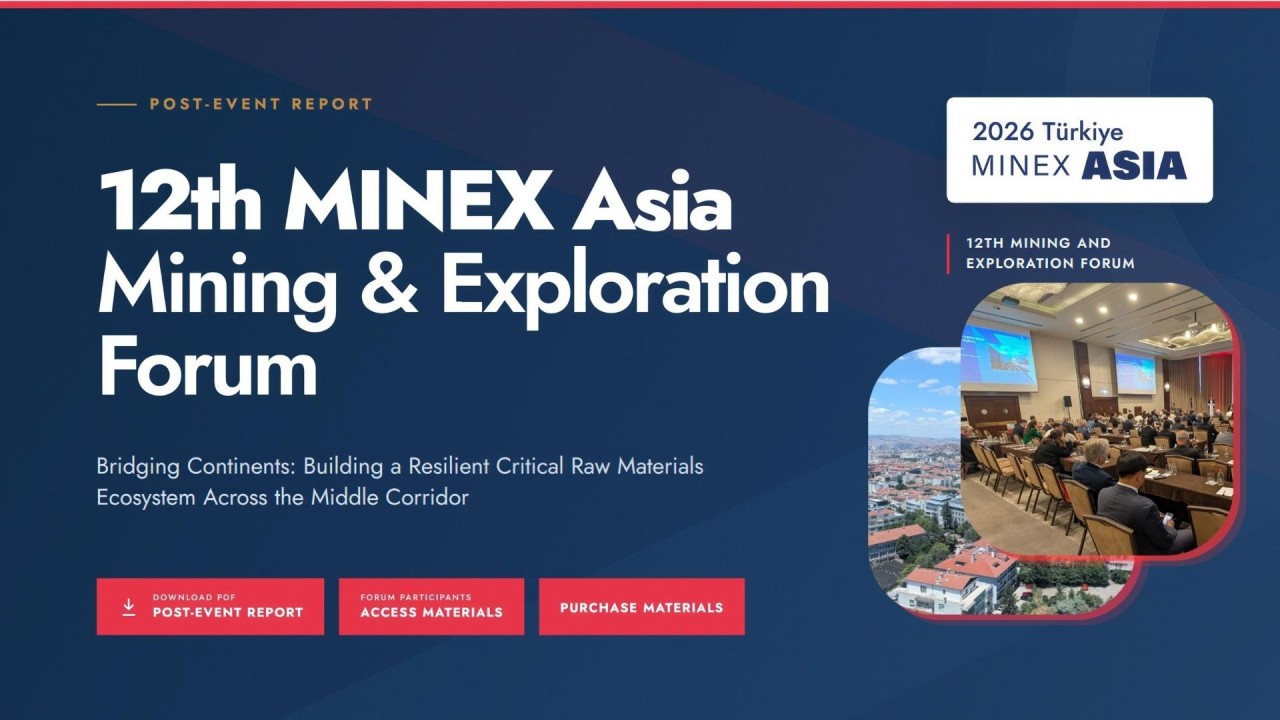
What MINEX Asia in Ankara told us about the next chapter of the Middle Corridor — and why the conversation now belongs in London.
In mid April in Astana, and again in Ankara in late June, I watched the same shift happen in real time. The debate about critical raw materials — who has them, who needs them, who should be worried about China — quietly stopped being interesting to the people in the room. Reserves, corridor geography, geopolitical alignment: those questions have answers now. Everyone in senior mining, development finance and government policy already knows them. What they came to Ankara to argue about was something narrower and much harder.
Not whether the Middle Corridor matters. But who finances it, who processes on it, who certifies its output, and who staffs it.
The assumption era is over
The 12th MINEX Asia Forum in Ankara brought together 140 delegates from 16 countries — engineers, ministry officials, multilateral bankers, laboratory operators, tailings specialists — and I noticed something I had not seen with quite the same force at earlier editions. Nobody was still making the strategic case. It was being assumed. Türkiye’s General Directorate of Mining and Petroleum Affairs speaker put it plainly: the country is no longer positioning itself as a reserve holder. It is positioning itself as an industrial bridge — the refinery, the workforce, the standards regime — between Central Asian ore and European demand.
That is a shift with consequences. If reserves are the starting point rather than the argument, then the real contest is over the intermediate layer: processing capacity, laboratory infrastructure, project bankability, tailings engineering, ESG certification, the availability of trade finance instruments that actually move tonnes of processed material rather than fund single mega-projects. This is where the room disagreed, and where the disagreements were worth having.
Two forums, one diagnosis
Put MINEX Kazakhstan in April alongside MINEX Asia in June and a consistent diagnosis emerges. In Astana, the surprise takeaway from Day 1 was not geological. It was that Kazakhstan has, in the phrase used by Nightingale International, a narrative deficit. The country appears in Western media coverage of critical minerals mainly as a footnote to Chinese dominance rather than as an author of its own story — despite 9,500 mineral deposits, a $1 billion DBK financing programme for rare-earth processing, and reforms that have pushed the country into the global top ten for mining investment attractiveness from 104th a decade ago.
Ankara made a parallel point in a different vocabulary. Geological wealth does not automatically translate into investment. It never has. The missing ingredient is not more MoUs between capitals. It is the workaday infrastructure — accredited laboratories, JORC- and UMREK-compliant reporting, GISTM-aligned tailings design, sovereign-scale processing capacity, and the kind of trade finance that treats critical minerals as a flow rather than a project. Kazakhstan and Türkiye are, from opposite ends of the corridor, converging on the same answer: extraction is not enough, and speaking louder about extraction will not fix it.
Speed is the variable nobody has solved
Ankara convened the largest single gathering of international financial institutions ever assembled at a MINEX Asia Forum — EBRD, EIB, KfW IPEX-Bank, IFC, UK Export Finance, ADB and BORG Capital Insights, all on the same panels, actively banking and investing in raw materials projects across the Middle Corridor. That, in itself, is a datapoint: the multilateral and export-credit community now treats Central Asian and Türkiye-adjacent critical minerals not as a policy interest but as a live pipeline.
Which is what made the most uncomfortable moment of the forum, for me, so telling. It was not on any panel. It was in the corridor conversation that followed the financing session. The mandates are there. The appetite is there. What is not there is speed. Western permitting and financing cycles routinely take three to five years. Chinese state capital deploys in eighteen to twenty-four months. That gap is not a policy problem for Brussels or Washington to solve on Central Asia’s behalf. It is a structural feature of how Western DFIs are governed, and it is the single variable that will determine whether the Middle Corridor becomes a supply line or a slogan.
The corollary is that first-loss capital, blended finance, and offtake-backed instruments — the least glamorous parts of the toolkit — matter more than another declaration of strategic alignment. The bankers I spoke with knew this. The question is whether their institutions are governed to act on it.
The quieter takeaways
Two threads deserve more attention than they will get. The first is workforce. Devrim Aksu closed Day 1 with the observation that every projection of regional CRM growth quietly assumes a workforce that does not yet exist — digitally trained, remote-operations capable, and drawing meaningfully on women, who remain a structurally underused reserve in mining talent pipelines across the region. No amount of financing solves this. It has a decade-long horizon and needs to start now.
The second is ESG, and specifically the reframing that Tunç Berkman offered in one line: mining’s greatest resource is no longer underground — it is public trust. That is not a slogan. It is a description of the mechanism by which projects with credible environmental and social governance move faster through Western permitting, attract patient capital sooner, and reach production ahead of peers who treated ESG as a compliance overhead. In a speed-constrained system, this is a decisive edge.
Why London is the logical next stop
The MINEX Forum series was built to move the same conversation through the geographies that actually have to reach agreement with each other. MINEX Kazakhstan showed a producer country working out how to move up the value chain. MINEX Asia showed a midstream candidate — Türkiye — arguing for its role as the refinery and the workforce between the ore and the market. What is missing from that arc is the room where the deal actually gets papered, financed and listed. That room is London.
https://2026.minexeurasia.com/
On 30 November, as part of London Mining Week, we convene the 14th edition of the MINEX Eurasia Conference. It has long been the cross-border forum for mining and mineral exploration across Central Asia, the Caucasus and Mongolia. Last year’s edition drew 135 senior delegates, more than three-quarters of them decision-makers, with a ministerial keynote from Central Asia. This year we are expecting 150 to 200 participants, with the programme built around the five questions Ankara pushed to the front of the queue: critical minerals, financing, the Middle Corridor, AI, and ESG.
We are co-organising with the Eurasian Critical Minerals Organisation and working closely with the UK Department for Business & Trade’s regional representatives across Central Asia and Türkiye. Overseas delegations are expected to include senior officials and mining company representatives from Kazakhstan, Uzbekistan, Mongolia, Tajikistan, Kyrgyzstan, Turkmenistan, Armenia, Azerbaijan, Ukraine and Türkiye. If Ankara made the case that processing is the strategic question, London on 30 November is where that case meets the capital and the counsel that decide whether it moves.
Read the record. Join us in London.
If you were not in Ankara, the post-event report is the closest thing to being in the room — statistics, speaker roster, and the argument as it unfolded across the two days: MINEX Asia 2026 post-event report. And the companion record from Astana in April, tracing where the value-added agenda started this cycle, is here: MINEX Kazakhstan 2026 media release.
Then join us in London on 30 November: MINEX Eurasia 2026 — the preliminary agenda is here and the background on the conference is here. The corridor question does not resolve itself in Central Asia. It resolves — or fails to — in the room where the buyers, the regulators and the capital actually meet the suppliers. That room is London Mining Week. I hope to see you there.
I attend a lot of conferences on mining and critical raw materials. You probably do too. And if you have sat through as many of them as I have over the past 20+ years, you will have noticed a pattern: the diagnosis of Europe’s critical raw materials predicament has become a genre unto itself. Permitting is too slow. Capital is too shy. China is too dominant. Public consent is too fragile. Energy is too expensive. The Critical Raw Materials Act is too regulatory, or not regulatory enough, or the wrong kind of regulatory. Everyone leaves the room nodding gravely. Almost everyone leaves with no exit.
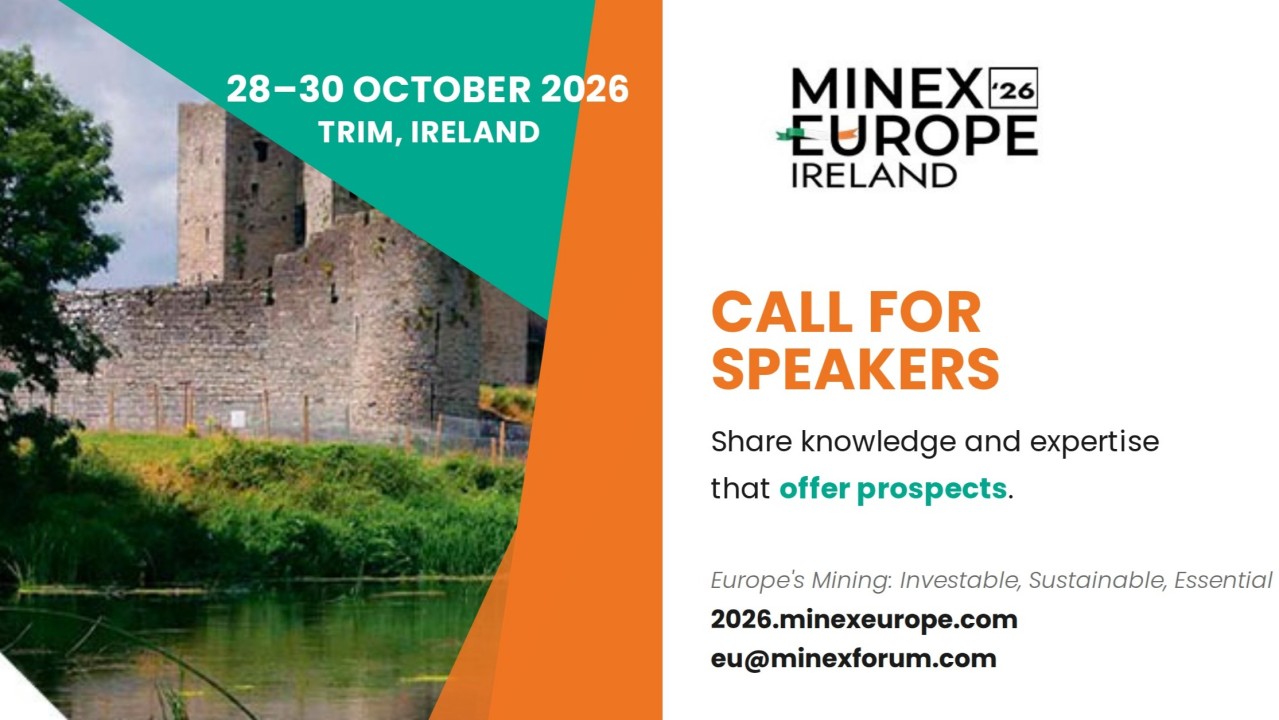
We are not convening the 10th MINEX Europe Forum to run that programme again.
We are looking for speakers with the expertise, the operating experience and – frankly – the imagination to move the conversation past the lament. If your contribution is a well-referenced argument that European mining is finished, that Brussels has broken the sector, or that the whole enterprise is a lost cause, we thank you in advance and respectfully suggest you will find a warmer welcome elsewhere. What we want at the MINEX Europe is people who can answer the harder question: what actually works, and how do we scale it?
The policy clock is ticking
On 3 December 2025, the Commission published the RESourceEU Action Plan, its acceleration package for the CRMA. At its centre sits a proposal for a European Critical Raw Materials Centre — a body with a genuinely operational mandate: developing systemic intelligence on primary and secondary CRM markets, monitoring strategic projects across their lifecycle, facilitating strategic stockpiles in coordination with Member States and industry, and undertaking joint purchasing and demand-supply matching for European buyers.
On 19 May 2026, the Commission opened a call for evidence and public consultation on the Centre, running until 29 July 2026. It named four policy options it will assess:
Facilitating access to public funding and private investment for CRM projects.
Strengthening the market position of European companies in global markets.
Supporting industry in mitigating the impact of supply chain disruptions.
Improving access to CRM market intelligence.
By the time we meet in Trim on 28 October, the consultation will have closed, and the Commission will be turning submissions into a legislative proposal. That is a live window. The Forum is a chance for the sector to articulate — on the record, in the room — what it actually needs from those four options rather than what it fears from them.
A few inconvenient truths we think are worth remembering
Before we get to the questions, a corrective for the doom-and-gloom reflex. The story of European mining is not the story it is often told to be.
European mining is, on a per-tonne basis, among the safest and least environmentally impactful in the world. Fatality and severe-injury rates in EU jurisdictions are an order of magnitude below those in most extraction hubs across Asia, Africa and parts of Latin America — a function of stringent occupational health and safety law, digital underground monitoring, and heavy automation.
Nordic and Iberian operations run on grids roughly 30% less carbon-intensive than the OECD mining benchmark, thanks to nuclear, hydro and wind. The EU's Best Available Techniques regime forces water, dust and effluent standards that most jurisdictions do not attempt. Extractive waste volumes remain a legitimate and unresolved challenge — we will not pretend otherwise — but the per-unit environmental performance of European operations is, by international comparison, exceptional.
And the prize is real. Europe is the world's second-largest consumer market, with annual household expenditure of roughly USD 9.6 trillion — larger than China's, and served by consumers with more than double the per-capita purchasing power of their Chinese counterparts.
That is not a marginal detail. It is the strategic case for reindustrialisation. Batteries, magnets, semiconductors, defence platforms, medical devices and clean-energy hardware are all built on critical raw materials — and they are all sold, in disproportionate measure, into European wallets. Bringing the value chain closer to that demand is the jobs argument, the tax-base argument and the sovereignty argument in a single package.
That is the ground we want us all to stand on. From there, the questions get harder.
The questions we want the Forum to answer
If you have credible, evidence-backed thinking on any of the following, we want you on the podium at the MINEX Europe in Ireland.
On the arithmetic. Eurometaux estimates Europe needs at least ten new mines, fifteen new processing facilities and fifteen recycling plants for strategic materials by 2030. Euromines puts the mining figure at 20–30 projects. No new mine has opened in the EU in fifteen years.
What is the credible pathway from that starting position to those numbers — not in slogans, but in project pipelines, permit timelines and capital structures?
On the CRM Centre itself. If the Commission proposes it in the second half of 2026, what should it actually do first?
Joint purchasing for which materials, on what terms? Strategic stockpiles held by whom, financed how, released under what triggers? Market intelligence at what granularity — and who inside the Centre has the mandate and the skills to interpret it?
We would rather debate this now, with the operators and off-takers in the room, than read the trade press about it in 2027.
On the mid-stream. Europe frequently has the rock, and increasingly has the gigafactory, but too often loses the value in between.
What does a European precursor-and-conversion industry look like when it is actually built, financed and offtake-secured? Who is doing it?
On China. The relationship is neither a partnership of equals nor a confrontation Europe can win by decoupling alone.
What does a mature, honest European strategy toward Chinese capital, Chinese technology and Chinese processing capacity look like — one that neither denies the dependency nor pretends it can be legislated away in five years?
On capital. Strategic project designation is a badge. It is not a cheque.
Where is the equity, the mezzanine, the offtake-linked debt and the blended public-private structure that actually gets a European lithium refinery or a rare-earth separation plant to financial close? Who has done it, and what can the rest of us learn?
On social licence. The safest mining regime in the world still struggles to get consent from the communities living above the orebody.
What is genuinely working — in Sweden, in Portugal, in Spain, in Ireland — to build durable local agreement rather than merely legal compliance?
On the recycling promise. 25% of strategic materials from secondary sources by 2030.
What does the honest scale-up curve look like, and where are the bottlenecks nobody wants to name at the industry breakfast?
What we are offering
A room of roughly 200 + senior participants from around 150 organisations across European and Global mining, downstream industry, finance and policy.
Bring evidence. Bring the operating scars. Bring a proposal that a colleague from another part of the value chain could act on the Monday after. Leave the funeral oration at home.
Presentation options and speaker registration are available on the website. To secure the current rate, please apply before 15 September 2026.
The Zijin RG Gold team recently visited the Tau-Ken Altyn refinery, a key player in Kazakhstan’s precious metals refining sector. This visit provided the team with an opportunity to observe the complete production cycle, including the organisation of technological processes, the accounting system for precious metals, and the approaches to quality assurance, industrial safety, and production control. Such professional meetings are crucial for exchanging experiences and fostering a deeper understanding of industry specifics, ultimately strengthening collaboration among enterprises united by the common goal of developing a modern, efficient, and responsible mining and metallurgical industry.
During the visit, the Zijin RG Gold team expressed gratitude to the Tau-Ken Altyn staff for their openness and the informative tour, which showcased practical experiences in the field. The interaction highlighted the importance of such engagements in enhancing professional competencies and laying the groundwork for future cooperation. The visit underscores the commitment of both companies to advancing the mining sector in Kazakhstan through shared knowledge and best practices.
As the mining industry continues to evolve, initiatives like this play a pivotal role in ensuring that companies remain competitive and compliant with international standards. The collaboration between Zijin RG Gold and Tau-Ken Altyn reflects a broader trend in the industry towards increased cooperation and knowledge sharing, which is essential for sustainable growth and innovation in the mining sector.
The London Metal Exchange (LME), the world’s oldest and largest industrial metals exchange, has announced a proposal to expedite the listing process for new metal brands. This initiative aims to enhance the efficiency of the exchange and strengthen its physical market infrastructure, as outlined in a recent consultation paper. The LME is currently seeking feedback from its members regarding several key proposals, including the introduction of indelible markings for aluminum, zinc, and lead, as well as the possibility of allowing the outdoor storage of primary aluminum in Hong Kong.
One of the most significant changes proposed is the reduction of the minimum production period required before a brand listing application can be considered. Currently set at 12 months, this period would be cut to six months for most metals, including aluminum, lead, zinc, nickel, and tin. For copper, producers would still need to demonstrate six months of production before applying, but the timeline for Stage Two testing would remain at 12 months. This adjustment is expected to facilitate quicker entry for new producers into the market, thereby increasing competition and potentially benefiting consumers.
Additionally, the LME is considering allowing primary aluminum to be stored outdoors in Hong Kong, a move that could alleviate storage constraints that have previously hampered aluminum arbitrage between mainland China and the LME warehouse network. The exchange is also proposing that new brands and shapes of primary aluminum, lead, and zinc carry permanent production cast markings to prevent issues arising from damaged or detached labels. These proposals are part of the LME’s ongoing efforts to modernise its operations and maintain its position as a leading player in the global metals market.