Website: Eurasia.com

  • Transformation is Shaping Almalyk Mining and Metallurgical Complex

    Transformation is Shaping Almalyk Mining and Metallurgical Complex

    Uzbekistan is witnessing the emergence of a new industrial identity — one grounded in sustainability, efficiency, and global competitiveness. At the heart of this transformation stands the Almalyk Mining and Metallurgical Complex (AMMC), which is rapidly evolving from a traditional industrial flagship into a high-tech, responsible enterprise meeting international standards.

    The ongoing transformation at AMMC spans several key areas: finance, corporate governance, environmental responsibility, and digitalisation. This ambitious programme represents a strategic initiative poised to significantly influence the pace and quality of the company’s development in the years ahead.


    Transparency Through Numbers

    Openness begins with accurate reporting. Since 2019, AMMC has adopted International Financial Reporting Standards (IFRS), a critical step towards improving transparency and boosting the company’s investment appeal.

    “The transition to IFRS enabled AMMC to obtain international credit ratings from the world’s leading agencies. These ratings were instrumental in successfully securing nearly $2 billion in funding from international financial institutions and banks — directly, without intermediaries,” said Boburjon Siddiqjonov, Head of the Project Office for Transformation, ESG, and International Ratings.

    This achievement has helped reduce the company’s debt burden and freed up resources for strategic investment in AMMC’s continued development.


    Corporate Governance: From Compliance to Excellence

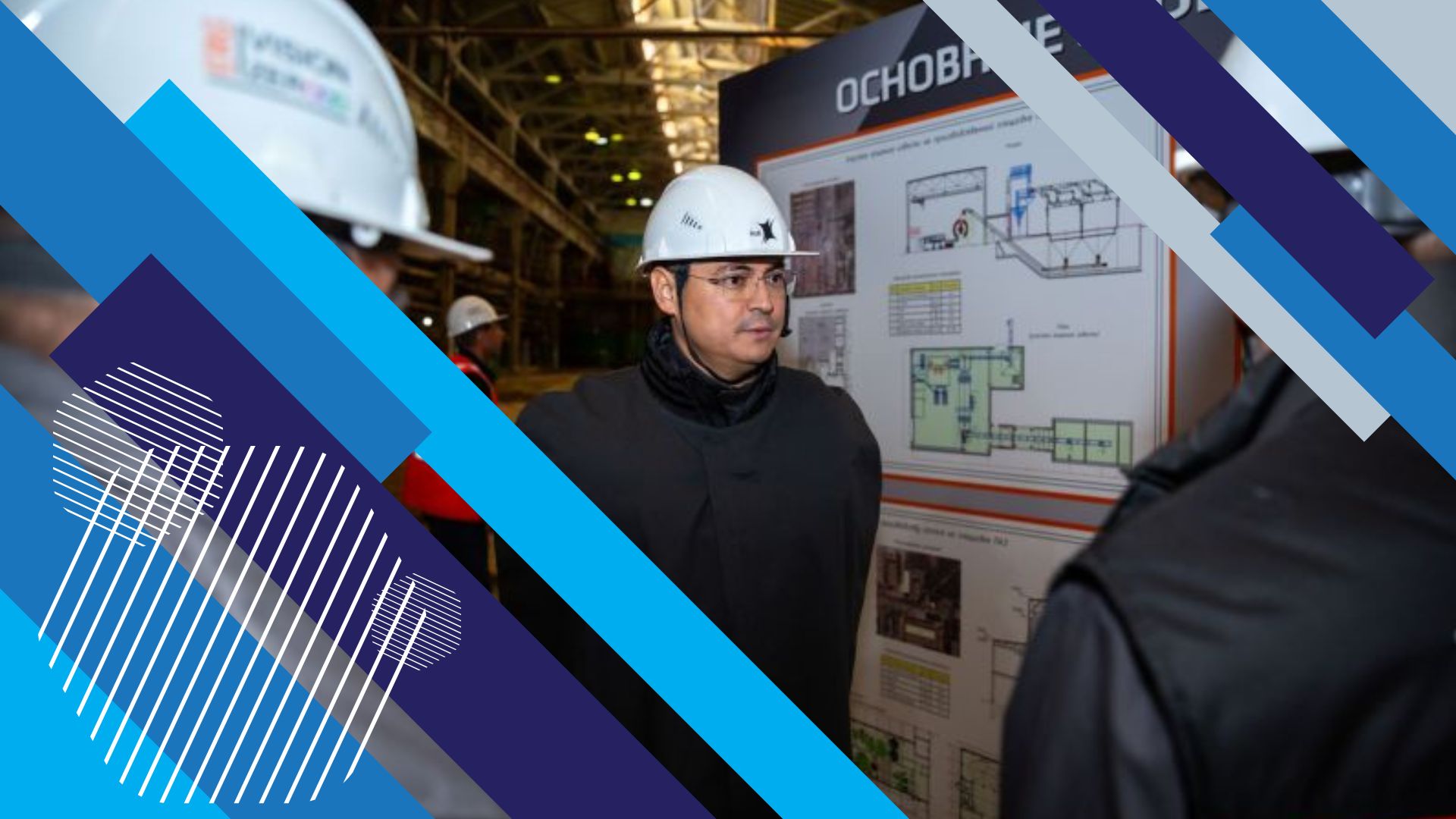
    A critical part of AMMC’s transformation lies in rethinking its management practices. To ensure the enterprise is not only efficient but also sustainable and globally competitive, a dedicated project office for transformation, ESG, and international ratings has been established. This team is tasked with implementing global best practices — from transparent reporting to strategic planning.

    “Key reforms were carried out in collaboration with leading consultancy firms. For example, AMMC’s mineral reserves were re-evaluated using the globally recognised JORC Code. In parallel, a comprehensive development strategy was drawn up through to 2030,” Siddiqjonov added.

    Efforts have also been made to combat corruption and ensure procurement transparency. A thorough audit conducted with major international firms identified vulnerabilities and offered corrective measures. Additionally, the entire “copper chain” — from open-pit mining to the smelting plant — underwent an in-depth evaluation, resulting in a new roadmap to optimise production processes.


    Environmental Responsibility: A Mark of Global Standards

    AMMC is currently pursuing certification under The Copper Mark, an international seal of approval for responsible copper producers. This certification is crucial to enhancing global competitiveness. It allows the company to sell its products at a premium, attract green financing — particularly in Europe — and take part in environmentally focused investment programmes.

    AMMC has also received an ESG rating of ‘3’ with a score of 56 from Sustainable Fitch — the highest among Uzbekistan’s mining and metallurgical enterprises and one of the top ratings in Central Asia.

    This year, AMMC plans to unveil a greenhouse gas emissions reduction strategy, aiming to cut emissions by at least 15% by 2030. In addition, it will plant 370,000 trees annually as part of its broader ecological initiative.


    Digital Transformation in Action

    Digitalisation is another cornerstone of AMMC’s transformation. Financial and accounting reports are now generated automatically using the 1C:ERP system, halving the time needed to prepare documents.

    Warehouse, fuel, and weighing operations have all been automated. At the copper concentration plant, digital weighing systems with 99.8% accuracy have been installed. Moreover, a contactless fuelling system has been introduced — drivers now use ID cards instead of relying on operators, streamlining the process and mitigating corruption risks. These improvements have already saved 89 billion Uzbek soms in diesel costs alone.

    “Digitalisation is already generating an annual economic return of 9.1 billion soms for the company,” Siddiqjonov noted.


    What’s Next for AMMC?

    2025 is set to be a pivotal year. AMMC plans to secure a climate strategy grant from the Asian Development Bank and to begin reporting under the new IFRS S1 and S2 climate standards.

    “Our team faces ambitious goals: complete The Copper Mark certification, publish the first climate report, prepare for a Eurobond issuance, and obtain ISO certification in information security,” said the company representative.

    AMMC’s transformation is far more than a company-wide initiative — it’s a reflection of a broader national agenda aimed at building a modern, resilient, and competitive economy. By embracing global best practices and pursuing strategic long-term priorities, AMMC is helping to shape Uzbekistan’s industrial future.
  • Kyrgyzstan: Changes at the Kumtor Gold Mine

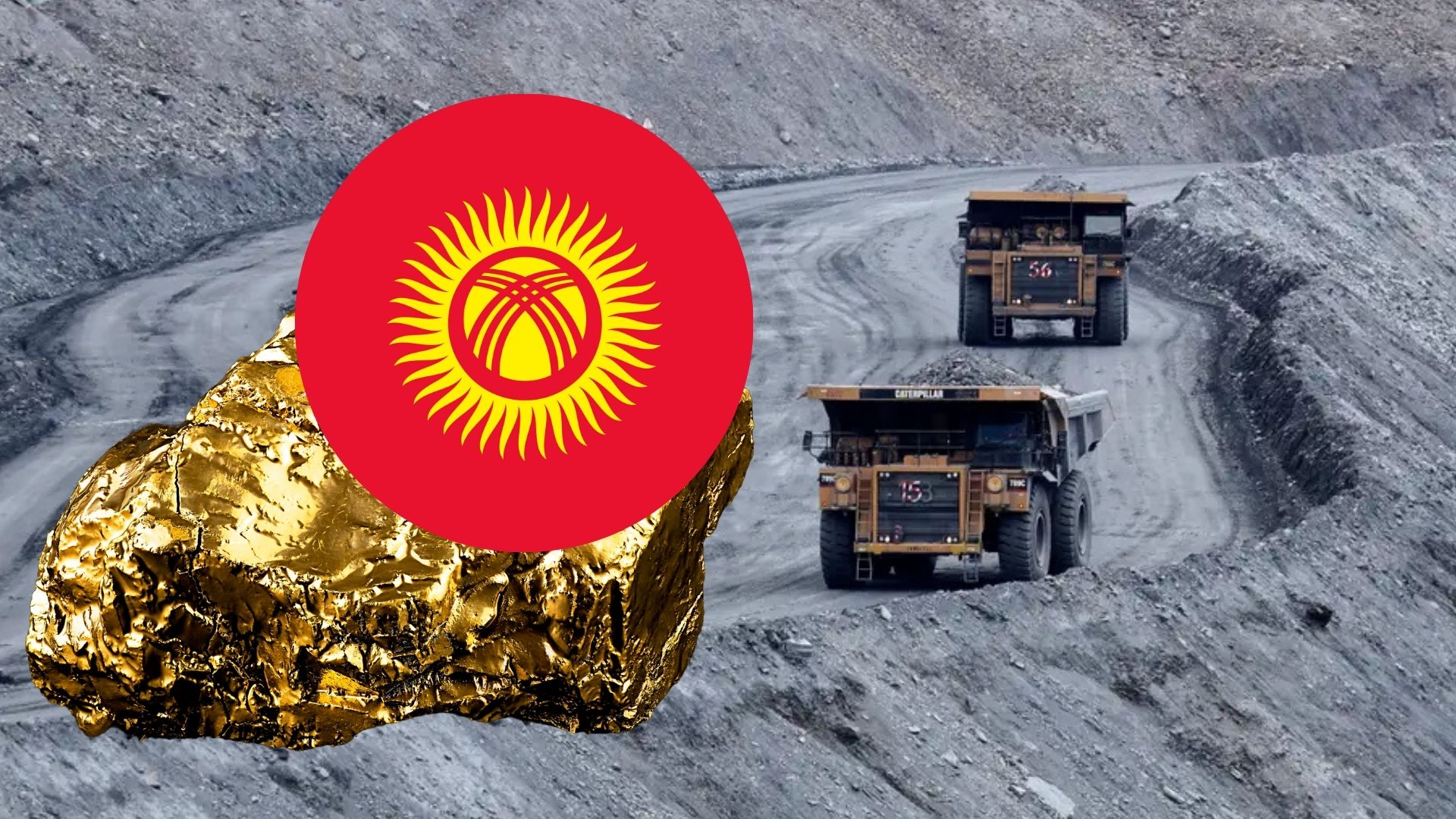
    Kyrgyzstan: Changes at the Kumtor Gold Mine

    Three years ago, Kyrgyzstan and the Canadian company Centerra Gold inked an agreement to settle mutual claims. This landmark decision saw full control of the Kumtor gold mine revert to the Official Bishkek.

    Background to the Kumtor Mine

    The Kumtor Gold Company (KGC), a significant contributor to Kyrgyzstan’s GDP (around 10 per cent), was nationalised several years prior. Tensions surrounding the KGC escalated in May 2021 when the Kyrgyz cabinet introduced temporary external management. Before this, the Kumtor mine was operated by Centerra Gold Inc., a Canadian firm established in 2004 following a restructuring of assets from Cameco, a major global uranium producer. It was with Cameco that the government of independent Kyrgyzstan signed the general agreement for the Kumtorzoloto project in December 1992. Commercial gold production at the site commenced in 1997.

    The path to nationalisation was long and debated. In April 2022, the settlement agreement with Centerra Gold Inc. was finally signed, resolving nearly three decades of periodic calls within Kyrgyzstan for the mine’s nationalisation. Notably, the current President Sadyr Japarov was a vocal advocate for this, having raised concerns about Kumtor’s privatisation as early as 2012 and leading a parliamentary commission to scrutinise the company, although the idea did not gain parliamentary support at the time.

    “Nationalisation of Kumtor Was Necessary”

    Gani Abdrasilov, a former advisor to the Kyrgyz Prime Minister, economic analyst, and member of the parliamentary commission on Kumtor, explained that in 2012, while preparing a report for the commission’s then-chairman, Sadyr Japarov, he analysed the economic activities of Cameco and Centerra Gold Inc., specifically examining financial flows and identifying alleged corruption schemes. According to him, international auditing firms were brought in, and they determined that the total lost profit at that point amounted to US$3.5 billion, encompassing both economic and environmental damages.

    Speaking to DW, Mr Abdrasilov asserted that the nationalisation of Kumtor was essential and non-negotiable, as it concerned a national asset and the country’s image. “This is our deposit, which ranks seventh in the world in terms of gold reserves. And why should we give it to someone or operate as a joint venture?” he questioned.

    Mr Abdrasilov believes the Kyrgyz authorities should again engage independent international auditors to recover the lost profits.

    Two Sides to Kumtor’s Operations

    In contrast, Ishimbay Chunuev, President of the Kyrgyz Society of Subsoil Experts and former Director of the State Agency for Geology and Mineral Resources, who worked at the gold mine for 17 years, sees two sides to the Kumtor issue. On one hand, it facilitated the training of local personnel, but on the other, the experience of dealing with the investor proved negative. He noted, however, “It’s easy to say now in hindsight. The finances there are huge – around US$800 million. About 450-500 million went into the construction of the road and the processing plant alone. We didn’t even have 100 million… The issue with investors is another matter, of course, but that involves politics and corruption.”

    Mr Chunuev believes that production at Kumtor has continued post-nationalisation thanks to the national specialists who have been trained over nearly 30 years. He estimates that the mine’s reserves allow for operation until approximately 2040. However, he stresses that for more accurate assessments in the mining sector, Kyrgyzstan should join CRIRSCO (Combined Reserves International Reporting Standards Committee), an international public organisation that includes countries like the USA, Canada, Australia, the UK, China, Russia, Kazakhstan, Mongolia, and Turkey. He points out that this would enable Bishkek to implement international reporting standards for exploration results, mineral resource and reserve estimates.

    Environmental Concerns Linger

    Kaliya Moldogazieva, an independent environmental and health expert and a member of interdepartmental and state commissions on Kumtor, stated that the environmental community was primarily concerned about the state of the environment following the KGC’s nationalisation. Over the years of the mine’s operation, environmental incidents such as a cyanide spill into the Barskoon River and the impact of waste storage on the Lysyi and Davydov glaciers have occurred.

    Ms Moldogazieva highlighted that gold extraction at the site continues to be via open-pit mining. “Around 17 tonnes of explosives are used daily. Even when the Canadians were here, experts and government bodies urged them to switch to underground mining, which is safer,” she recalled, adding, “Of course, now the profit from gold mining goes to the state, but what will be the environmental consequences?”

    Ms Moldogazieva emphasised the need to develop a programme to prevent negative environmental impacts. She believes the government needs clarity on two aspects: the reclamation process and the mine closure concept, which should be updated every three years to reflect changes such as remaining resources or accumulated waste. Furthermore, she called for greater transparency and dialogue with the public, potentially through meetings or site visits to Kumtor for interested parties.

    Changes in Kumtor’s Operations

    In January 2025, changes occurred in the management of Kumtor Gold Company CJSC, with Buzurman Subanov appointed as the new President and Chairman of the Board by the board of directors. Previously, he served as the Deputy Chairman of Kyrgyzaltyn OJSC, a state-owned enterprise specialising in gold deposit development, which is now the sole shareholder of KGC.

    DW reached out to KGC to inquire about the changes in the company’s operations since its transition to state ownership and the priorities of Mr Subanov in his new role.

    “My main task as the head of the company is to ensure the smooth operation of all structural divisions of our enterprise to achieve the set goals,” Mr Subanov responded. He stated that KGC currently employs around 3,600 people, with an additional 1,000 specialists involved through contracting organisations. “After the foreign partners left the project, the working conditions of the company’s employees have not fundamentally changed. We have not cut salaries, nor have we cancelled other payments due to our employees,” he affirmed.

    Regarding financial and production figures, KGC’s revenue from May 2021 to December 2024, since the introduction of external management and subsequent transfer of the Kumtor mine to state ownership, amounted to over US$3.4 billion, with a net profit exceeding US$1.2 billion. The company reported paying US$891.6 million to the state budget in taxes and other payments.

    On the environmental front, KGC mentioned the commencement of a project for underground mining of gold-bearing ore, with an initial phase targeting the extraction of approximately 115 tonnes of gold. Looking ahead, the company intends to undertake a project to extract gold from the processed ore stored in the mine’s tailings facilities.

    However, the management of KGC insists on a nuanced phrasing: “To say that the Kumtor mine was nationalised is fundamentally incorrect.” They clarify that it was not a nationalisation but a “return” of the Kumtor deposit to the ownership of the republic.

  • France to Push for Safeguards Against Chinese Steel Imports After ArcelorMittal Layoffs

    France to Push for Safeguards Against Chinese Steel Imports After ArcelorMittal Layoffs

    France and other European nations plan to push for protective measures against Chinese steel imports, following job cuts at ArcelorMittal’s French sites. The steel giant announced plans to eliminate 600 positions due to the ongoing crisis in Europe’s steel industry, which faces challenges from high energy costs, cheap Chinese imports, and U.S. tariffs.

    French government spokesperson Sophie Primas stated that existing steel import quotas are insufficient and that stronger action is needed. European steelmakers argue that China’s overproduction is harming their competitiveness. The announcement follows similar cuts by Tata Steel in the Netherlands, raising concerns over government-backed decarbonisation efforts in the industry.

  • Europe’s Strategic Lithium Player Targets 2027 Production

    Europe’s Strategic Lithium Player Targets 2027 Production

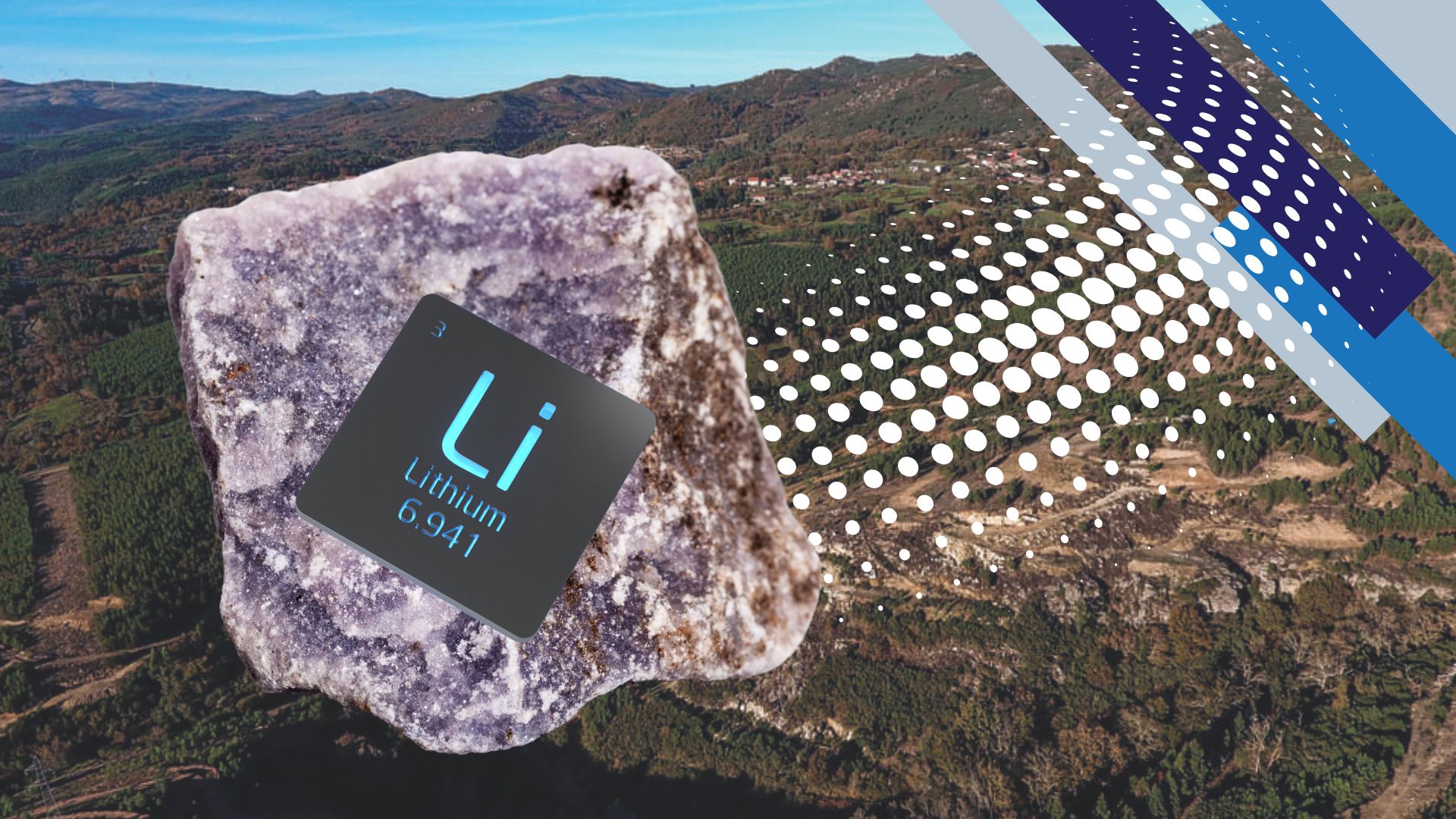
    As Europe races to secure its position in the global energy transition, Savannah Resources is emerging as a critical player in the continent’s efforts to establish a domestic lithium supply chain. With production from its flagship Barroso Lithium Project in northern Portugal targeted for 2027, Savannah aims to become a leading producer of lithium concentrate in Europe—just as demand from electric vehicles (EVs) and energy storage systems is poised to surge once again.

    Navigating a Volatile Lithium Market

    Despite recent price turbulence and investor hesitation across the lithium sector, Savannah’s CEO Emanuel Proença remains confident. Speaking in a recent interview, he highlighted that while lithium prices are near cyclical lows, global demand still grew over 25% in 2024, with long-term fundamentals underpinned by electrification trends.

    We’ve seen booms and busts, and right now we’re likely at or just past the bottom. But demand hasn’t slowed down—if anything, new sectors like battery storage are adding pressure.

    This long-term view positions Savannah to benefit from a projected rebound in lithium prices—analysts expect a recovery to $1,500–$2,000/ton around the time Barroso enters production.

    The Barroso Lithium Project: A European Standout

    The Barroso project is among the most advanced hard rock lithium ventures in Europe. In its initial phase, it aims to produce 200,000 tons of spodumene concentrate annually at 5.5% lithium content—a scale reminiscent of Australian success story Pilbara Minerals in its early days.

    With a defined resource of 28 million tons and mineralization open in multiple directions, the project offers both scale and growth potential. Key operational advantages include:

    • Low strip ratio of 6:1, described by Proença as “one of the best in the sector
    • Recovery rate of 73%, nearing industry-leading standards
    • Access to skilled labor and renewable energy, enhancing ESG credentials
    • Potential by-product revenue from quartz, feldspar, and mica for regional ceramics and insulation industries

    Building a European Lithium Ecosystem

    The European Union’s Critical Raw Materials Act has accelerated policy and funding support for strategic mining projects. As Europe looks to reduce its dependence on Chinese-dominated battery supply chains, the Barroso project is being hailed as a flagship initiative.

    If this were a football match, we’d be in the 15th minute of the first half—and China already scored. But Europe still has a lot of game left to play.
    — Emanuel Proença

    Savannah has already seen strong institutional support:

    • letter of intent from Germany’s KfW development bank, backed by Allianz Trade
    • Strategic designation under the EU’s raw materials initiative, unlocking favorable financing
    • First offtake agreement with AMG Critical Materials, who also became a shareholder, lending both credibility and commercial momentum

    Community Engagement: A Core Strategy

    Mining in Europe often faces social challenges, but Savannah’s approach emphasizes transparency and inclusion. The Barroso site—located in an economically underserved region—requires no residential relocations, and hiring is already underway.

    The community understands we’re here to do something positive. This project is becoming more Portuguese, more accepted.

    Local ownership is also growing, with Portuguese shareholders now holding 25% of the company—a rarity for mining projects in the region.

    Roadmap to 2027

    Savannah plans to complete its Definitive Feasibility Study by late 2025, followed by construction in 2026 and production start in 2027. The project is largely permitted, with land control being the final key focus.

    Even at current lithium prices, Proença says the project remains viable. “Our break-even sits around $600/ton. We’re aiming to land right in the middle of the global cost curve—but in Europe.

    Investment Case: Why Savannah Stands Out

    Savannah Resources presents a compelling investment story built around timing, location, and policy tailwinds:

    • Strategic European positioning aligns with policy goals of supply independence
    • Production aligned with expected market upswing
    • Cost-competitive operation with strong recovery and strip ratios
    • Validation from commercial partners and EU institutions
    • Social license and local support offer smoother development

    Europe’s Lithium Moment

    As the EU’s green industrial strategy matures, securing critical mineral supplies has gone from aspirational to imperative. Europe’s decision to re-enter mining after decades of hesitation signals a sea change in economic policy—one that could elevate Savannah Resources as a cornerstone of the continent’s lithium future.

    Or, as Proença puts it:
    Europe might not be fast, but it delivers—and this project is part of that delivery.

  • ERG is Definitely Not for Sale

    ERG is Definitely Not for Sale

    Amid recent media speculation regarding the possible sale of Eurasian Resources Group (ERG), including reports of a $5 billion proposal from US investor James Cameron, Shukhrat Ibragimov—Chairman of the Board of Directors and Chief Executive Officer of ERG—has firmly denied any such negotiations.

    “ERG is definitely not for sale,” stated Ibragimov, emphasiaing that there are no ongoing discussions about the sale of the company.

    Ibragimov also reaffirmed the Group’s strategic direction, noting the management’s full commitment to “further consistent, sustainable development” and confirming there are “no changes to business as usual.” At the end of 2024, ERG’s Board of Directors adopted a new strategy aimed at further development and investment across the company’s enterprises, which has since been actively implemented.

    The company’s focus on long-term growth and creating value for all stakeholders remains unchanged, with ongoing initiatives supporting both sustainable development and ERG’s position as a key player in Kazakhstan and Africa.

  • U.S. Strengthens Critical Minerals Alliance with Uzbekistan in Bid to Counter China

    U.S. Strengthens Critical Minerals Alliance with Uzbekistan in Bid to Counter China

    The United States has ramped up its efforts to secure critical mineral supplies by signing a new cooperation agreement with Uzbekistan, focused on boosting American mining investments in the Central Asian nation.

    The announcement follows a series of high-level meetings in Washington, where an Uzbek delegation engaged with U.S. business leaders. While specific companies and investment figures were not disclosed, Uzbekistan’s government confirmed that the deal includes commitments to invest in mineral exploration and extraction, the construction of grinding equipment, and specialist training for Uzbek workers.

    The initiative builds on a September memorandum of understanding aimed at enhancing collaboration in the critical minerals sector. On Wednesday, U.S. Secretary of State Marco Rubio met with Uzbek Foreign Minister Bakhtiyor Saidov, underscoring Washington’s intent to strengthen strategic ties in mineral-rich Central Asia.

    “There’s great potential ahead for investments between our countries and cooperation in the critical minerals and other sectors,” Rubio posted on social media following the meeting.

    Uzbekistan, with its extensive deposits of key elements such as rare earths, lithium, and uranium, has been actively courting foreign investors. In early 2025, President Shavkat Mirziyoyev launched a $2.6 billion national program to develop 76 mining projects targeting 28 different elements. The initiative focuses on utilizing advanced technologies to extract raw materials, improve mineral purity, and produce higher value-added products.

    For the U.S., Uzbekistan represents a vital link in reshaping global supply chains away from China’s dominance. The Trump administration has also expanded its critical mineral diplomacy beyond Central Asia, initiating talks with Pakistan, Ukraine, and the Democratic Republic of Congo. These countries hold strategic reserves of minerals essential for defence, battery manufacturing, and clean energy technologies.

    As competition intensifies for access to global mineral reserves, Uzbekistan’s alignment with U.S. strategic goals may position it as a key player in future resource security initiatives.

  • Kazakhstan to Auction 50 Gold and Rare Metal Deposits in June 2025

    Kazakhstan to Auction 50 Gold and Rare Metal Deposits in June 2025

    Kazakhstan’s Ministry of Industry and Construction has announced that 50 deposits containing gold and rare metals will be made available for exploration and production rights via an electronic auction set for June 2025.

    Almas Kushumov, Director of the Ministry’s Department of Subsoil Use, revealed the plans during the MINEX Kazakhstan forum. According to Kushumov, the auction will include deposits with confirmed balance reserves of gold, coal, rare metals, and polymetals.

    The auction will take place through the Unified Subsoil Use Platform (minerals.e-qazyna.kz), and all procedures — including document submission — will be handled online. Licenses granted through this process will cover both exploration and production, with the latter valid for 25 years.

    Companies from the United States, European Union, and China have already expressed interest and submitted applications. The Ministry expects to publish the full list of 50 available deposits in the coming days.

    Between 2023 and 2024, Kazakhstan successfully awarded 117 deposits through similar electronic auctions, raising more than KZT29 billion (approximately $55.9 million) in signing bonuses.

    Kazakhstan currently has over 9,000 registered deposits, including 987 solid mineral sites. Due to outdated geological data—some of it over 30 years old—the government is putting strong emphasis on both exploration and production.

    The 2018 introduction of the Code on Subsoil and Subsoil Use has notably improved the investment environment, reportedly tripling private capital inflow into the sector.

    The state mining firm Tau-Ken Samruk is also pushing forward with exploration at the Kuirektykol rare earth site, where recent studies suggest the potential for significant new reserves that could elevate Kazakhstan’s standing as a global rare earth leader.

  • Uzbekistan to Launch IPOs of Major State-Owned Companies from 2025 to 2028

    Uzbekistan to Launch IPOs of Major State-Owned Companies from 2025 to 2028

    Uzbekistan will offer shares of key state-owned enterprises on both domestic and international stock exchanges between 2025 and 2028, according to a presidential decree published on Lex.uz.

    The privatization plan includes initial public offerings (IPOs) and secondary public offerings (SPOs) of minority stakes in several strategic companies. These are:

    • Navoi Mining and Metallurgical Company (NMMC) – 10–15% (IPO)

    • Uzbekistan National Investment Fund JSC – 25% (IPO)

    • Navoiuran State Enterprise – 10–15% (IPO)

    • Uzbekistan Airways JSC – 15–20% (IPO)

    • Almalyk Mining and Metallurgical Complex (AMMC) – 10–15% (IPO)

    • National Electric Grids of Uzbekistan JSC – 10–20% (IPO)

    • Uzbektelecom JSC – 10–15% (SPO)

    • Uzbekhydroenergo JSC – 15–20% (IPO)

    • Regional Electric Grids JSC – 20–25% (IPO)

    • Uztransgaz JSC – 15–20% (IPO)

    • Uzbekistan Airports JSC – 15–20% (IPO)

    • Hududgazta’minot JSC – 15–20% (IPO)

    The IPO process will be conducted in partnership with Franklin Templeton Asset Management, a major U.S.-based investment firm. The move is expected to attract international investors and foster greater transparency and modernization in Uzbekistan’s economic sectors.

    The State Commission for Privatization and Coordination of State Asset Privatization Processes has been granted the authority to adjust the size of the share packages, sales formats, and timing of the offerings as needed.

  • EU’s Lithium Gamble in Serbia Faces Political Turmoil and Public Backlash

    EU’s Lithium Gamble in Serbia Faces Political Turmoil and Public Backlash

    The European Union’s ambitious transition to electric vehicles has hit a political and environmental wall in Serbia, as the Jadar lithium mining project—touted as a game-changer for Europe’s battery supply—becomes entangled in controversy, public protests, and fears of corruption, Politico reports.

    The Jadar deposit, considered one of the richest in Europe, could power up to a million electric vehicles annually and potentially meet a quarter of Europe’s lithium demand. Unsurprisingly, the EU had eyed the site as a cornerstone for its Critical Raw Materials Act (CRMA), aimed at reducing reliance on China for essential resources.

    Developed by mining giant Rio Tinto, the project initially appeared to align with Brussels’ green goals. However, it has triggered fierce resistance in Serbia over environmental concerns and deep mistrust in government transparency. Public sentiment has turned sharply against the mine, seeing it as a symbol of elite corruption and foreign exploitation.

    “If the EU backs Jadar, it sends the message that economic interests override its core values,” warned Aleksandar Matković, a Serbian researcher and protest organizer. The opposition movement, gaining traction as part of broader anti-government unrest, intensified after a state-friendly documentary branded activists as “foreign agents.”

    Even EU Commissioner for Industry, Thierry Breton, notably excluded any non-EU projects—including Jadar—from the March 2025 list of CRMA strategic ventures. Though the Commission reiterated its commitment to Serbia as a strategic partner, critics speculate that Jadar’s controversial status may have played a role.

    Tensions escalated further when Serbian President Aleksandar Vučić met with EU leaders, facing sharp criticism for democratic backsliding. While Vučić accused protesters of being Western-funded, EU officials insisted on reforms in media freedom, anti-corruption efforts, and election integrity.

    Despite the official suspension of the project in January 2022 following mass protests, Rio Tinto has remained active in Serbia—maintaining offices, acquiring over 500 properties, and claiming $500 million already invested. Critics see this as a sign the project is merely paused, not canceled.

    Environmental activist Marija Vuković voiced the growing fear in the region of Loznica, near the proposed site: “People don’t trust the government. They believe their land and water will be sacrificed for someone else’s gain.”

    While some locals welcome the promise of jobs, others are wary of irreversible environmental damage and the potential transformation of the region into a “sacrifice zone.”

    EU policymakers now face a dilemma: Can they back a project so vital to Europe’s green future without appearing complicit in environmental degradation and democratic decline?

    The stakes go beyond lithium. Serbia’s geopolitical balancing act—between the EU, Russia, and China—adds layers of complexity. A move by Brussels perceived as aligning with Vučić could backfire, undermining EU credibility in the Balkans.

    “The EU cannot afford to seem like it’s trading values for minerals,” Matković concluded. “That would betray the very essence of the European project.”

  • Uzbekistan’s Tech Metals Plant Joins International Tungsten Industry Association

    Uzbekistan’s Tech Metals Plant Joins International Tungsten Industry Association

    The Uzbek Technological Metals Plant (UKTM) has officially joined the International Tungsten Industry Association (ITIA), according to the Uzbek news agency UzA. The ITIA brings together leading global companies involved in the extraction and processing of tungsten. With this move, Uzbekistan becomes the first Central Asian country to be represented in the association.

    UKTM expects that membership in the ITIA will grant access to vital data and analytics on the global tungsten market and allow the plant to participate in international industry events.

    The plant was established in June 2024 by the Almalyk Mining and Metallurgical Combine under presidential directive. It is tasked with developing and processing Uzbekistan’s reserves of rare and rare-earth metals, including lithium, tungsten, tantalum, niobium, magnesium, and others.

    The enterprise is planning 34 research and geological exploration projects worth a total of $40 million. Farhad Abdullaev, formerly head of the Uchtepa district in Tashkent, has been appointed Chairman of the Board.

    Earlier this year, Uzbekistan announced its intention to launch rare-earth material projects worth $500 million. President Shavkat Mirziyoyev instructed a 10–15% reduction in production costs at Navoi Mining and Metallurgical Combine (NMMC), as well as the expansion of localization and industrial cooperation.

    In March, the President was presented with industrial projects totaling $2.6 billion, aimed at developing minerals critical to Uzbekistan’s economy. Among them was the development of the Ingichka deposit and value-added tungsten concentrate enrichment, expected to double its added value.

    The ITIA, founded in 1988, conducts tungsten market research, monitors regulatory developments, and coordinates scientific research. It currently includes 51 member companies from countries such as the U.S., Canada, the UK, Germany, China, and Japan.