Website: Eurasia.com

  • ERG Denies Sale Rumors, Confirms Commitment to Long-Term Growth

    ERG Denies Sale Rumors, Confirms Commitment to Long-Term Growth

    In response to recent media speculation over the past few weeks, including reports regarding a supposed offer from Mr. James Cameron to purchase the company, Shukhrat Ibragimov, Chairman of the Board and CEO of Eurasian Resources Group (ERG), clarified that no negotiations concerning the sale of ERG are taking place.

    ERG reaffirmed its full commitment to the Group’s consistent and sustainable business development. There have been no changes in the company’s usual operations. At the end of 2024, ERG’s Board of Directors adopted a new strategy focused on further development and investment into its assets, and the company is actively implementing this plan.

    ERG’s focus on long-term growth and value creation for all its stakeholders remains unchanged.

  • Navoi Mining and Metallurgical Combine Produces Gold Worth $2.2 Billion in Q1 2025

    Navoi Mining and Metallurgical Combine Produces Gold Worth $2.2 Billion in Q1 2025

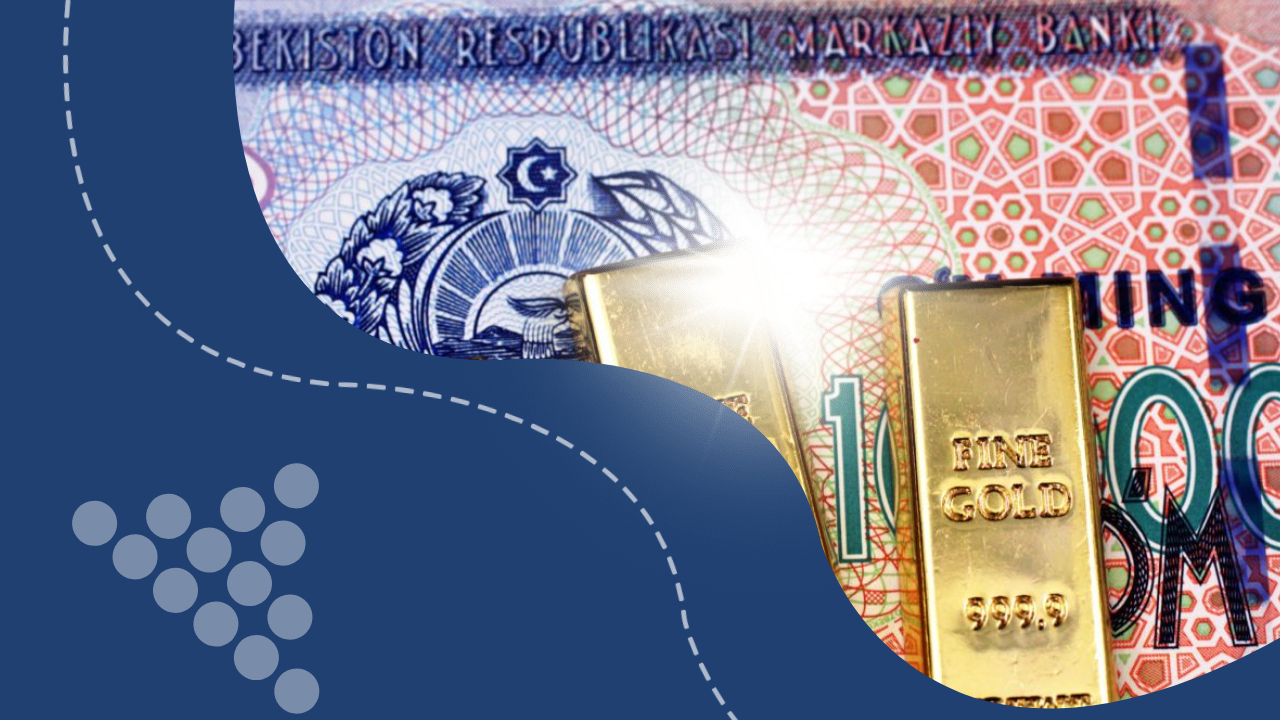
    In the first quarter of 2025, the Navoi Mining and Metallurgical Combine (NMMC) produced goods worth 27.8 trillion Uzbek soums (approx. $2.2 billion), according to the company’s press service.

    From January to March, NMMC extracted 753,500 ounces of gold. The combine also invested $118.4 million under its investment program and created nearly 700 new jobs. Through cost optimization efforts, the company managed to reduce production costs by 786 billion soums.

    During the reporting period, the combine completed the feasibility study for operations at the Muruntau deposit. This project aims to increase ore supply to the second hydrometallurgical plant to 60 million tonnes.

    In addition, over 100 units of equipment were acquired to support development at the Kokpatas and Daugyztau deposits.

    Previously, Kursiv Uzbekistan reported that NMMC received the highest rating for its anti-corruption performance.

  • Kazakhstan Invests in Skills: The Future of Science and Workforce in the Mining Industry

    Kazakhstan Invests in Skills: The Future of Science and Workforce in the Mining Industry

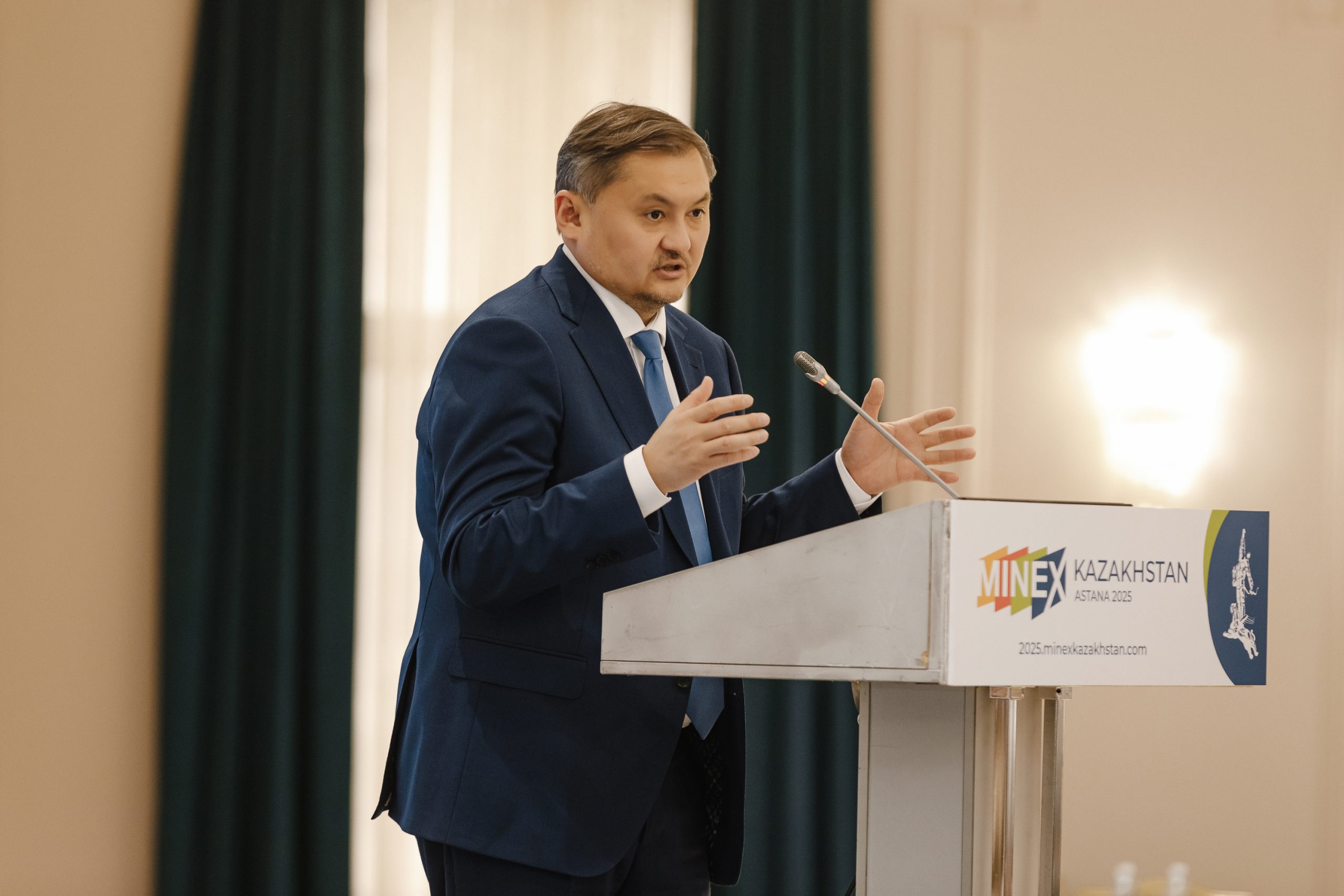
    At the MINEX Kazakhstan Mining and Geological Forum, a session was held on the future of scientific research and workforce development in the country’s mining sector. The event was moderated by Bakyt Manasbayeva, Deputy Executive Director of the Association of Mining and Metallurgical Enterprises (AMME).

    Kazakhstan’s Minister of Science and Higher Education, Sayasat Nurbek, outlined key directions in scientific and technological policy. He emphasized the shift toward an open science model focused on university-based research and greater involvement of private companies. The National Academy of Sciences has now been granted the status of the highest scientific authority, and the Science Fund is being transformed from a grant-giving body into a fund of funds capable of launching joint venture and investment initiatives. Regional science will also gain momentum through newly established science and technology councils under regional administrations.

    In terms of workforce development, Minister Nurbek announced the entry of top international universities such as the University of Exeter and the Colorado School of Mines into Kazakhstan. A new technical university is being opened in Zhezkazgan on the basis of the Kazakhmys geological cluster, and another is planned in Astana with a focus on mining and metallurgy.

    He also highlighted the launch of the Atlas of New Professions six years ago, which maps out future job trends in nine priority economic sectors. The mining and metallurgical industry’s atlas was one of the first to be developed, with regional versions already implemented in nine areas of the country.

    Bakyt Manasbayeva noted that up to 45% of employees at some enterprises are under 35, and this share continues to grow. Young professionals see the industry as offering stability, career growth, and social support. She stressed the need to update the Atlas in response to growing digitalization, automation, environmental concerns, and geopolitical shifts that are changing required skillsets.

    The updated Atlas now includes roles such as mining digitalization specialist, ESG data analyst, rare metals expert, cybersecurity engineer for industrial systems, and digital twin specialist. In the coming months, in-depth interviews with industry experts and employers will be conducted to refine competence matrices and career pathways, culminating in a new version of the Atlas tailored to education, business, and youth.

    The session also featured insights from scientific and industry leaders on commercializing technologies, training a new generation of mining professionals, and the future of geological exploration.

  • Kazakhstan Leads Central Asia in Industrial Output

    Kazakhstan Leads Central Asia in Industrial Output

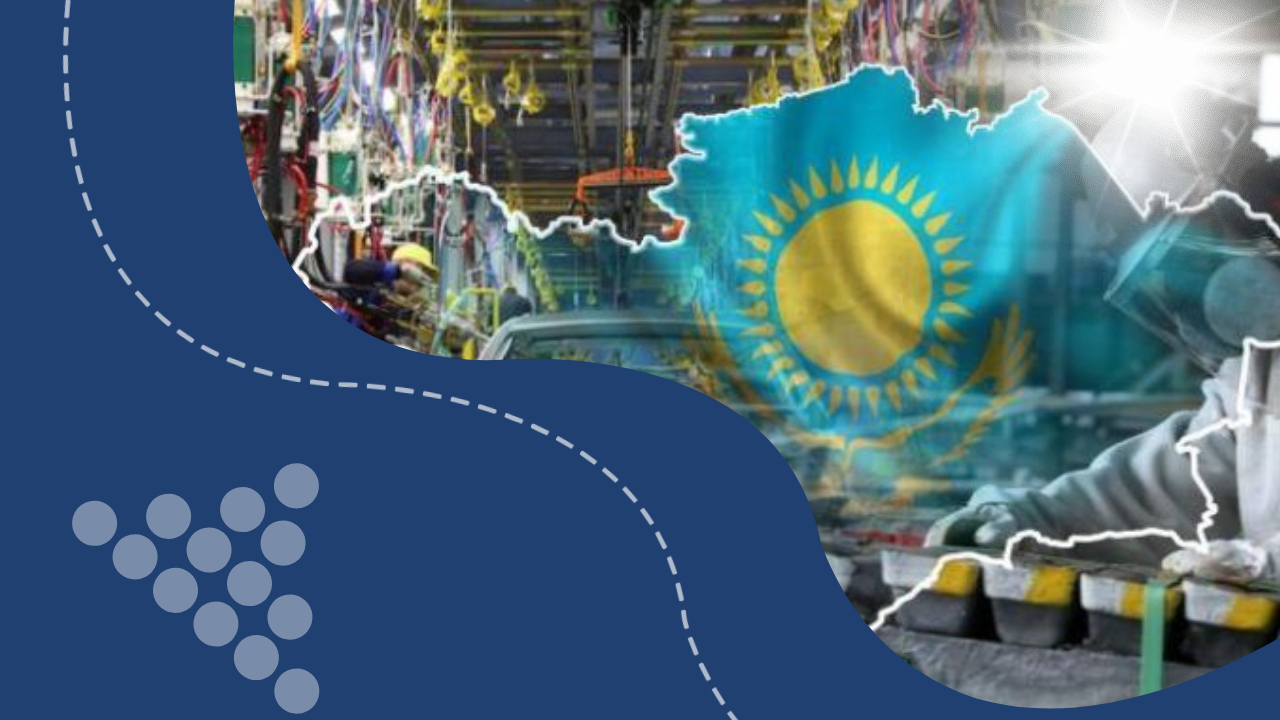
    In 2024, Kazakhstan emerged as the industrial leader of Central Asia, with total industrial output reaching $106.8 billion, according to the Ministry of Industry. This figure surpasses Uzbekistan’s output by 1.5 times, Kyrgyzstan’s by 16 times, and Turkmenistan’s by nearly 22 times.

    Kazakhstan ranked second in the region for processing volume at $52.2 billion, trailing only Uzbekistan. The country also placed second in the CIS, following Russia, which recorded $1.3 trillion in industrial output, including $896.5 billion from manufacturing. Other notable CIS figures include:

    • Uzbekistan: $68.3B (processing: $58B)

    • Belarus: $62.4B (processing: $56B)

    • Azerbaijan: $37.7B (processing: $11.2B)

    • Armenia: $7.6B (processing: $5.5B)

    • Moldova: $7.6B (processing: $4.6B)

    • Kyrgyzstan: $6.7B (processing: $5.2B)

    • Tajikistan: $4.9B

    • Turkmenistan: $0.5B (processing only)

    In 2024, Kazakhstan launched 180 industrial projects worth 1.3 trillion tenge, generating 14,400 permanent jobs. Key highlights include:

    • KamLitKZ Foundry (Kostanay): 45K tons of cast iron parts annually, 500 jobs

    • Boguty Tungsten Mining (Almaty): 3.3M tons of ore/year, 10K tons of concentrate, 350 jobs

    • Kyzyl Aray Copper: 30K tons of cathode copper/year, 780 jobs

    • Ulytau Gold: Producing 1.78 tons of gold and 1.98 tons of silver/year, 300 jobs

    • KZTA Valve Factory: 45K units/year, 200 jobs

    • TechnoNICOL Insulation Plant (Almaty): 1.4M m³ of stone wool/year, 220 jobs

    In 2025, 190 projects valued at 1.5 trillion tenge are expected to create 20,000 new jobs. Notable plans include:

    • Astana Motors Auto Plant (Almaty): $182B tenge, 2.2K jobs, capacity: 90K vehicles/year

    • KIA Plant (Kostanay): $90B tenge, 1.5K jobs, 70K vehicles/year

    • Liman Field Development (Aktobe): $241.4B tenge, 460 jobs, 1.2M tons of ore/year

    • Ekibastuz FerroAlloys Plant (Pavlodar): $92.4B tenge, 800 jobs, 240K tons of ferrosilicon/year

    • PZTM Rail Welding Plant (Aktobe): $21.4B tenge, 297 jobs, 825 km of rails and 290K sleepers/year

    • TEMPO Kazakhstan Steel Pipe Plant (Karaganda): $15B tenge, 400 jobs, 250K tons/year

    • QazAlPack Aluminum Packaging Modernization (Shymkent): $21.7B tenge, 112 jobs, 1.15B cans/year

    • Silumin of Qazaqstan Radiator Plant (Karaganda): $18.6B tenge, 183 jobs, 3.7M units/year

    President Kassym-Jomart Tokayev continues to emphasize the strategic importance of manufacturing, which experts say reflects a structural transformation of the economy, rising value-added production, and increased investment appeal.

    Meanwhile, S&P Global Ratings reaffirmed Kazakhstan’s sovereign credit rating at ‘BBB-/A-3’ with a stable outlook, citing strong fiscal and external buffers as key factors supporting resilience to external shocks.

  • US Investor James Cameron Offers $5B to Acquire Eurasian Resources Group Amid Kazakhstan’s Rare Earth Push

    US Investor James Cameron Offers $5B to Acquire Eurasian Resources Group Amid Kazakhstan’s Rare Earth Push

    US businessman James Cameron has made a $5 billion offer to acquire Eurasian Resources Group (ERG), according to a letter sent to the company’s board, as the Kazakh mining giant prepares to play a central role in Kazakhstan’s rare earths expansion.

    ERG, headquartered in Luxembourg and 40% owned by the Kazakh government, is a key global producer of copper, cobalt, aluminum, and iron ore. Last year, the company launched a task force to explore Kazakhstan’s reserves of rare earth and rare metals—a strategic move gaining momentum amid geopolitical tensions and a global race to secure critical minerals.

    Talks between ERG and Cameron—not related to the film director of the same name—have reportedly been ongoing since late 2024, according to sources familiar with the matter. Cameron previously served as chairman of FTSE 250 mining firm Petropavlovsk.

    While ERG, the Kazakh government, and Cameron have not publicly commented, the letter seen by Reuters states that Goldman Sachs is in early discussions to advise on the potential acquisition. Financing would be secured through a mix of Cameron’s own capital and equity from investors in the US, Australia, and the Middle East.

    The move comes at a critical time, as Kazakhstan announced a rare earth discovery exceeding 20 million metric tons—a find that could position the country among the top three rare earth holders globally, behind China and Brazil. Prime Minister Olzhas Bektenov has confirmed that previously classified Soviet-era geological data is being declassified to support exploration and investment.

    ERG is poised to play a pivotal role in the country’s plan to increase rare earth production by 40% by 2028. The group once produced one-fifth of the world’s gallium, a strategic metal in semiconductor production, until Chinese output caused a price collapse in 2012. China has since banned gallium exports to the US, further driving American interest in alternative sources.

    The deal could mark a new chapter for ERG, following the death of board chairman and co-founder Alexander Mashkevich last month. With only Patokh Chodiev remaining from the original founding trio, Cameron’s bid could reshape the company’s leadership and strategic direction.

  • Euromines Event Highlights Europe’s Urgent Raw Material and Defense Challenges

    Euromines Event Highlights Europe’s Urgent Raw Material and Defense Challenges

    On April 9, 2025, Euromines hosted a high-level conference in Brussels titled “Geopolitics at Play: The War Below for Europe’s Defense”, bringing together leading policymakers and industry experts to tackle the continent’s growing vulnerabilities in defense, energy security, and raw material supply chains.

    Amid escalating geopolitical tensions and fragile global supply networks, the event addressed how Europe can secure its industrial and strategic autonomy in an increasingly volatile world.

    Six Key Takeaways from the Event:

    1. Securing Critical Raw Materials for Defense
      The EU’s dependence on imports for rare earths, lithium, and titanium poses a serious threat to defense readiness. The Critical Raw Materials Act is a step towards ensuring the EU can access these materials independently and sustainably.

    2. Europe’s Defense Strategy: Readiness 2030
      As part of broader defense initiatives like “Readiness 2030” and “Rearm Europe”, the EU is addressing capability gaps while reinforcing material support to Ukraine and ensuring a sustainable supply of key defense-related inputs.

    3. Strategic Stockpiling and Policy Gaps
      The need for raw material stockpiling during crises was emphasized. However, funding mechanisms and legal frameworks to implement this effectively remain unclear, signaling a critical policy gap.

    4. Energy Security Amid Geopolitical Risk
      With the continued energy standoff involving Russia, Europe must diversify its supply chains and reduce dependence on China and other dominant suppliers by deepening international cooperation.

    5. Global Partnerships and Supply Chain Resilience
      Collaborations with resource-rich nations, including South Africa, and multilateral efforts like the Mineral Security Partnership are seen as pivotal for securing raw material flows and attracting private investment into the sector.

    6. Transatlantic Cooperation Is Key
      A united Europe-North America front remains vital in navigating current and future security challenges. Strengthened transatlantic ties are viewed as a foundation for Europe’s long-term defense and industrial resilience.

    The event underscored that securing Europe’s raw materials is no longer just an economic issue—it’s a matter of defense and strategic survival.

  • Altynalmas Outlines Ambitious Development Plans for Maikainzoloto During Executive Visit

    Altynalmas Outlines Ambitious Development Plans for Maikainzoloto During Executive Visit

    Balamir Makhanov, Chairman of the Board of JSC “AK Altynalmas”, has visited the Maikainzoloto site as part of a working trip, where he met with the company’s workforce to present a roadmap for future development.

    Altynalmas, one of Kazakhstan’s top three gold producers, continues to invest in modernization and expansion across five key regions. The Maikainzoloto asset, recently integrated into the company’s strategic portfolio, is now a focal point for comprehensive growth.

    “Maikainzoloto is a valuable asset within our company structure. We see significant potential here and are committed to ensuring its sustainable development through modernization, new technologies, and resource base expansion,” said Makhanov during the meeting.

    To extend operational life and boost production, five new exploration licenses have been acquired. Among the most promising sites is the Alpys deposit, where exploration is already planned. Additionally, the company aims to construct a processing plant to treat historic tailings, accumulated since the deposit was first developed.

    Altynalmas continues to emphasize corporate social responsibility, focusing on occupational safety, modern personnel and equipment tracking systems, working conditions, and professional development programs. The company also actively supports local communities, investing in social infrastructure, education, and sports initiatives.

    As part of the visit, Altynalmas officially introduced Daniyal Nabiev as the new General Director of Maikainzoloto. With extensive management experience in industrial enterprises, Nabiev’s appointment reflects Altynalmas’ commitment to robust and dynamic growth.

    The outlined development strategy and leadership transition underscore Altynalmas’ determination to strengthen its position in the mining sector while contributing to the socio-economic growth of the Pavlodar region.

  • Kazakhstan Eyes Russian Participation in First Nuclear Power Plant Project

    Kazakhstan Eyes Russian Participation in First Nuclear Power Plant Project

    Kazakhstan’s Foreign Minister Murat Nurtleu has expressed hope that Russia will participate in building the country’s first nuclear power plant (NPP). The statement was made during his meeting with Russian Foreign Minister Sergey Lavrov, according to TASS.

    “We already have over 170 joint projects with Russian businesses, and the NPP construction is among the most strategic. I hope our respective ministries will move forward with the necessary work,” Nurtleu noted.

    The project has strong public support — a referendum held on October 6, 2024, showed 71.12% of Kazakhstani voters are in favor of building a nuclear power plant. Four international companies are currently under consideration to supply technology and lead construction:

    • Rosatom (Russia)

    • CNNC (China)

    • KHNP (South Korea)

    • EDF (France)

    According to Deputy Minister of Energy Sungat Yessimkhanov, the contractor selection will be completed by June 2025. President Kassym-Jomart Tokayev has previously confirmed that the NPP will be developed through an international consortium, should the public support it.

    The first NPP will be located in the village of Ulken, Almaty region. Preparatory work has already begun, with plans to create an industrial zone, social infrastructure, and to modernize local roads and water supply systems to support NPP operations.

    Speaking at the recent National Kurultai, a major national forum, President Tokayev revealed even more ambitious plans:

    “Kazakhstan will not stop at one NPP. We are preparing to establish three nuclear power plants, alongside the formation of a dedicated Nuclear Energy Agency.”

    The push for nuclear energy comes amid Kazakhstan’s broader strategy to diversify its energy mix, reduce emissions, and strengthen energy security in the region.

  • Navoi Mining and Metallurgical Works Posts Strong Q1 Results Amid Sustainability and Efficiency Push

    Navoi Mining and Metallurgical Works Posts Strong Q1 Results Amid Sustainability and Efficiency Push

    Navoi Mining and Metallurgical Works (NGMK) reported steady operational performance for Q1 2025, with a production volume of 27.8 trillion UZS, marking a 0.7% year-on-year increase.

    Gold output reached 753,500 ounces, slightly up from 748,100 ounces in the same period of 2024, reinforcing NGMK’s position as a leading gold producer. The company invested $118.4 million under its Investment Program, while 697 new jobs were created in the quarter.

    Cost optimization efforts resulted in a 786 billion UZS reduction in production expenses. Under the Localization Program, products worth 349.8 billion UZS were sold, and inter-industry cooperation purchases exceeded 1.8 trillion UZS.

    NGMK’s flagship Muruntau deposit, the world’s largest gold reserve (101 million ounces), remains its core asset, with total company reserves estimated at 148 million ounces.

    In February, Sustainable Fitch assigned NGMK an ESG rating of “3”, the first public ESG rating in Uzbekistan’s mining sector — highlighting progress in environmental, social, and governance practices.

    Key sustainability initiatives included:

    • Planting 65,850 seedlings along the M-37 highway and at GMZ-1;

    • Over 300,000 trees planted across industrial sites, all tracked via an electronic platform as part of the “Green Space” project;

    • Ongoing “Labor Protection Month” initiative aimed at reducing workplace injuries;

    • Recognition as a national leader in cybersecurity for 2024.

    To expand the company’s resource base, NGMK is actively adopting advanced exploration and development practices.

    Corporate governance remained robust:

    • 3 meetings of the Supervisory Board, covering 11 key issues;

    • 25 meetings of the Board of Directors, resulting in 41 decisions.

    NGMK continues to balance production growth with environmental responsibility and workforce safety, setting benchmarks in Uzbekistan’s mining sector.

  • 15th MINEX Kazakhstan Forum Highlights Second Phase of Mining Law Reform

    15th MINEX Kazakhstan Forum Highlights Second Phase of Mining Law Reform

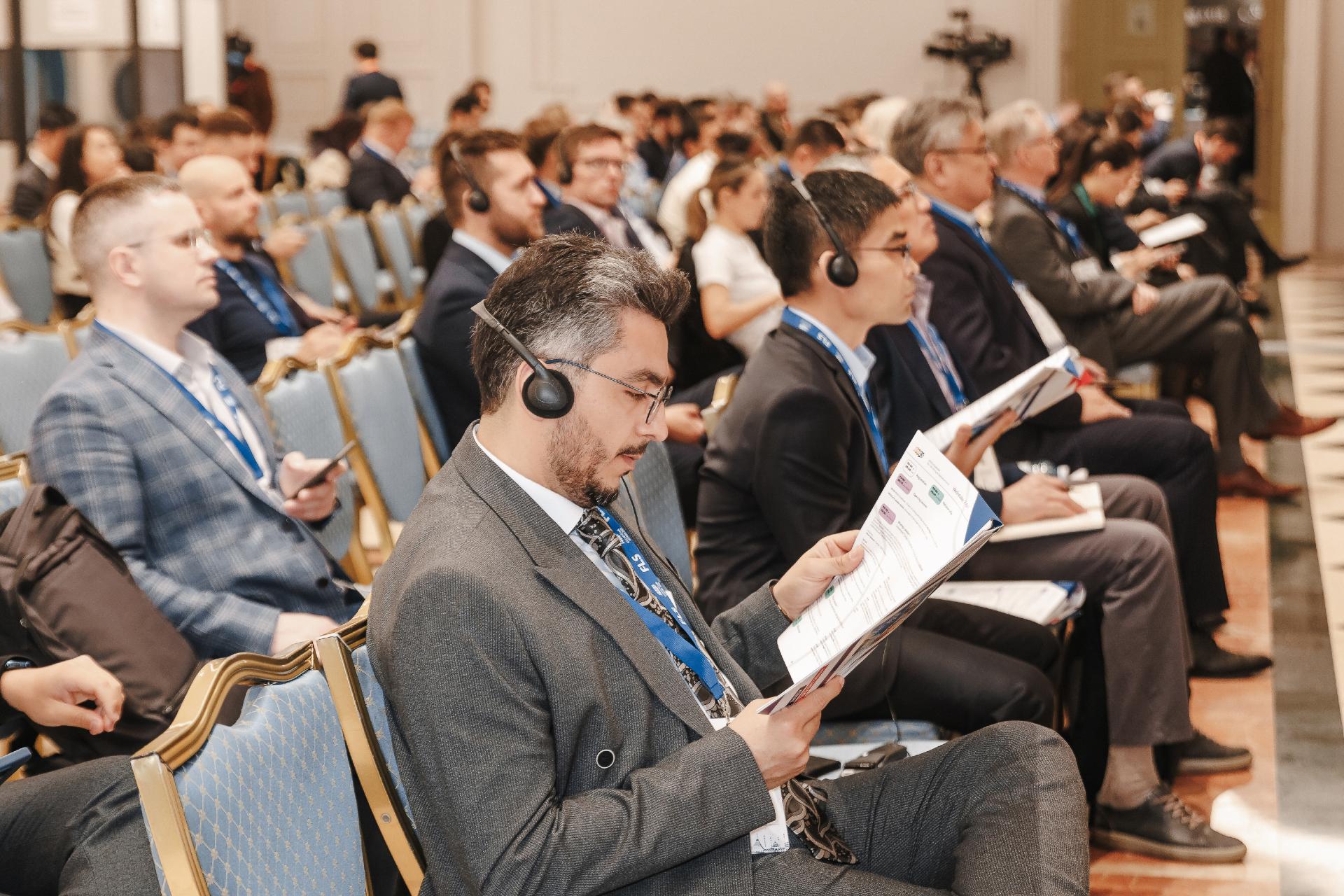
    The 15th anniversary MINEX Kazakhstan Forum has officially opened in Astana, bringing together over 450 delegates and more than 100 speakers from 30 countries, including Central Asia, Europe, the Americas, the Middle East, Southeast Asia, Africa, and Australia. The forum emphasizes Kazakhstan’s growing importance in the global mineral resource market.

    The central theme of the event is “A New Era in Kazakhstan’s Mineral Development: From Exploration to Processing.” Key discussions focused on sustainable development, ESG principles, technological innovation, digitization, investment, exploration, and cross-border cooperation.

    During the plenary session, Nikolai Radostovets, Executive Director of the Republican Association of Mining and Metallurgical Enterprises (AGMP), highlighted the need to continue reforms in subsoil use and taxation.

    He praised the government’s proactive efforts in attracting both domestic and foreign investment in geological exploration. Over 3,000 licenses have been issued, demonstrating momentum in the sector. However, Radostovets emphasized that a second phase of subsoil use reform is necessary to address remaining legislative gaps.

    Notably, he proposed splitting the current Subsoil Code into two separate laws — one for hydrocarbons and another for solid minerals — to better address the specific needs of each sector.

    Radostovets also outlined key priorities for transforming the sector:

    • Classifying exploration expenses as tax-deductible,

    • Introducing agreements for processing low-grade deposits,

    • Stimulating the processing of technogenic mineral formations,

    • Developing a new Tax Code with provisions tailored to the mining sector.

    One of the central issues is the introduction of royalties for new and existing deposits. While initial industry reactions were hesitant, similar to past transitions from contracts to licensing, Radostovets expressed optimism that fair and competitive royalty rates will encourage investment and higher value-added processing.

    The executive also called for greater alignment between the Subsoil Code and other legislation, such as the Water and Land Codes, to address legal inconsistencies.

    Legislative amendments — more than 60 proposals — are currently under review by the Ministry of Industry and Construction. A working group will begin public discussions in the coming weeks, and the finalized amendments are expected to be submitted to Parliament in September 2025.

    Radostovets stressed the importance of coal as a strategic resource, advocating for investment in coal chemistry despite global calls to move away from coal combustion. He also promoted the development of industrial clusters, including copper and aluminum clusters, to support local value-added production.

    “We are optimistic. The MINEX Kazakhstan Forum not only facilitates dialogue and debate but helps us move forward with meaningful reforms in Kazakhstan’s mining sector,” Radostovets concluded.