Website: Eurasia.com

  • Gold Drives Uzbekistan’s Export Surge in Q1 2025, Making Up Nearly Half of Total Shipments

    Gold Drives Uzbekistan’s Export Surge in Q1 2025, Making Up Nearly Half of Total Shipments

    Uzbekistan’s National Statistics Committee has released its foreign trade data for the first quarter of 2025, revealing that gold remains the country’s top export commodity. According to the report, gold accounted for 44% of total export value, with shipments totaling $3.65 billion—an increase of 36.8% compared to the same period last year.

    The majority of these exports occurred in February and March, a trend driven by rising global demand and soaring gold prices.

    Other notable export figures include coal, coke, and briquettes, which tripled to $400,000, and natural gas, which grew to $94.3 million in value. However, exports of oil and oil products dropped by 16.7% year-on-year to $109.5 million.

    On the import side, Uzbekistan brought in $48.8 million worth of coal, down 7.1% from a year ago. Oil imports also declined to $443.1 million, marking a 16% decrease. The most significant drop was seen in gas imports, which plummeted 8.5-fold to just $38.5 million during the reporting period.

  • Uzbekistan Opens Nation’s First 1,000-Meter Skip Shaft at Zarmitan Mine

    Uzbekistan Opens Nation’s First 1,000-Meter Skip Shaft at Zarmitan Mine

    On April 30, 2025, Uzbekistan marked a historic milestone in its mining industry with the inauguration of the country’s first 1,000-meter-deep skip shaft. The event was held at the Zarmitan deposit, part of the Southern Mining Department in the Koshrabot district of Samarkand Region, under the investment project “Development of Lower Horizons of the Zarmitan Deposit.”

    The ceremonial launch was attended by Deputy Minister of Mining and Geology U. Yusupov, Chairman of the Board of NMMC JSC K. Sanakulov, leaders of the plant’s enterprises, representatives of Mine Construction Alliance S.r.o, media personnel, plant workers, and industry veterans.

    As part of the project, the skip shaft—measuring 6.5 meters in diameter—was deepened to 1,000 meters. This engineering achievement, which incorporates innovative construction solutions and digital technologies, will significantly boost ore transport efficiency, reduce operational costs, and create 90 new jobs. The projected annual economic benefit is estimated at 19.2 billion Uzbek soums.

  • Kazakhstan Extends Export Bans to Boost Domestic Processing of Raw Materials

    Kazakhstan Extends Export Bans to Boost Domestic Processing of Raw Materials

    Kazakhstan’s Interagency Commission on Foreign Trade Policy and Participation in International Economic Organizations has continued to drive the domestic processing of raw materials by extending export bans. The government outlined the results of a recent meeting on the official website of the Prime Minister of the Republic.

    The government has decided to extend the ban on the transportation of liquefied gas, a measure initially implemented to prevent fuel shortages on the domestic market.

    Additionally, a six-month export ban has been imposed on steel billets and semi-finished products. This measure is not new but has already yielded positive results. According to the Interagency Commission, domestic metallurgical plants have shifted their focus to deeper processing of raw materials and have increased rebar exports by 30,000 tons.

    The authorities also plan to support the metallurgy sector with anti-dumping duties on seamless pipes from China and galvanized steel from Ukrainian producers.

    Another import restriction will apply to stone products and drywall from countries outside the Eurasian Economic Union, with local companies’ capacities deemed sufficient to meet domestic demand.

  • District Metals’ Viken Project Now Second Largest Uranium Deposit Globally Following Major Resource Update

    District Metals’ Viken Project Now Second Largest Uranium Deposit Globally Following Major Resource Update

    District Metals (TSXV: DMX) has unveiled a significant upgrade to its Viken uranium project in central Sweden, announcing a new resource estimate that positions the project as the second largest uranium deposit in the world. The update has driven a substantial increase in the company’s share price, reflecting investor enthusiasm.

    The updated resource now totals 456 million indicated tonnes with a grade of 175 parts per million (ppm) uranium oxide (U3O8), equating to 176 million contained pounds of U3O8. This marks an almost ninefold increase compared to the previous 2010 resource estimate. Inferred resources also saw a significant boost, growing by 44% to 4.33 billion tonnes at a grade of 161 ppm U3O8, yielding 1.53 billion contained pounds.

    District CEO Garrett Ainsworth expressed that the impressive growth in the resource estimate highlights the strong continuity in grade and thickness of the mineralized Alum Shale formation across the Viken deposit. He also mentioned the potential for further expansion of the inferred resource, further underscoring the project’s promising future.

    Following the announcement, District Metals’ shares surged by 23%, reaching C$0.35 per share in afternoon trading on Tuesday, giving the company a market capitalization of C$45.9 million.

    Sweden’s Uranium Revival
    The new resource estimate for Viken is bolstered by the growing momentum for uranium in Sweden. The country is on the cusp of lifting its 2018 ban on uranium exploration and mining. The Swedish government, led by Prime Minister Ulf Kristersson, has been pushing to overturn the ban since 2023, with legislative changes expected to come into effect by January 2024.

    While Sweden’s uranium output is small on the global stage, its resources represent 27% of Europe’s total, according to the Swedish Geological Survey. The global demand for uranium, driven by the need for zero-emission energy sources, is also creating a favorable environment for Sweden’s uranium projects.

    Global Ranking of Viken
    Viken’s resource estimate places it among the largest uranium projects in the world. District Metals’ analysis, compared to other global uranium projects, positions Viken just below BHP’s Olympic Dam polymetallic project in South Australia, based on the total contained uranium.

    Additional Critical Minerals
    In addition to uranium, the Viken deposit hosts significant amounts of other critical minerals. The indicated vanadium resource has increased more than 16 times, with 2.85 billion pounds of vanadium oxide (V2O5) at a grade of 2,836 ppm. The inferred vanadium resource has grown by 45% to 24.29 billion pounds at a grade of 2,543 ppm V2O5.

    The indicated zinc resource totals 413 million pounds, grading 411 ppm zinc, and the inferred resource adds 3.9 billion pounds at a grade of 417 ppm. The nickel resources are also notable, with 332 million pounds of nickel in the indicated category at a grade of 330 ppm, and 3 billion pounds in the inferred category at a grade of 321 ppm.

    Next Steps
    The Swedish government’s plans to lift the uranium mining ban will influence District’s decision on whether to proceed with a preliminary economic assessment for Viken in the fourth quarter of 2023. The new resource estimate is based on 122 holes, including drilling data from previous operators between 2006 and 2012.

  • U.S. and Ukraine Near Landmark Deal on Mineral Access and Reconstruction Fund

    U.S. and Ukraine Near Landmark Deal on Mineral Access and Reconstruction Fund

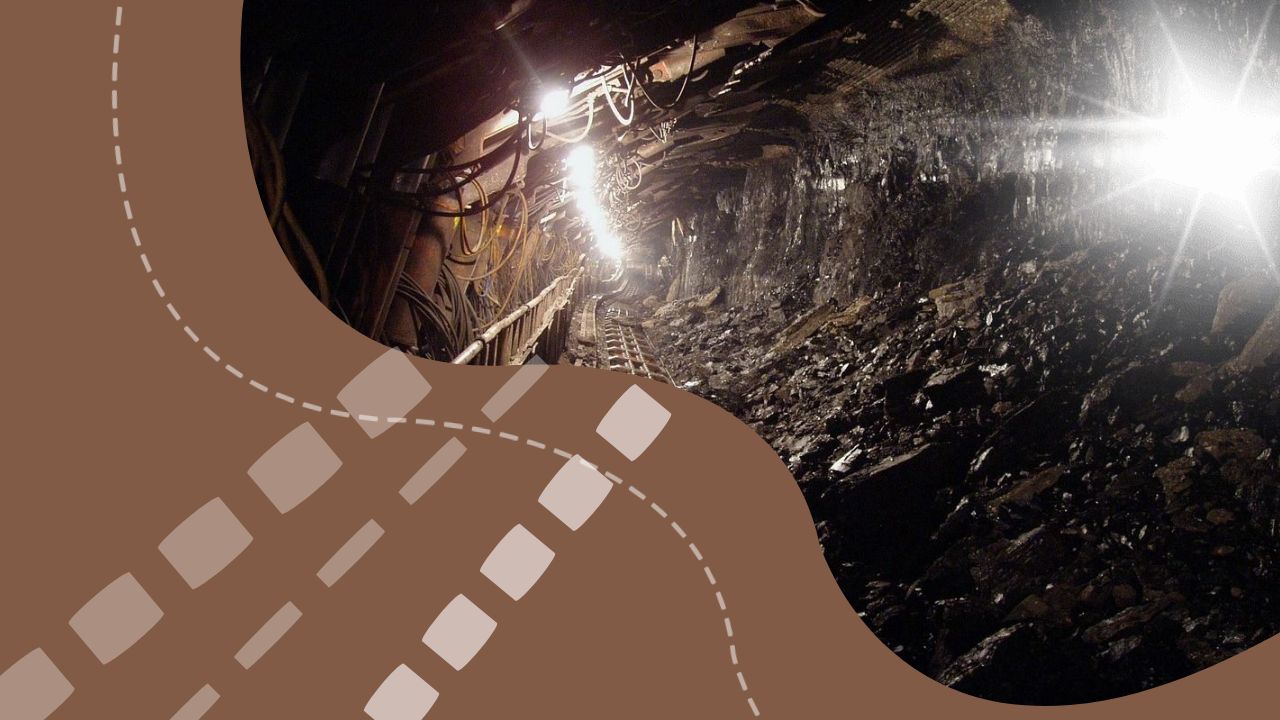
    The United States and Ukraine are poised to finalize a landmark strategic agreement that would grant Washington preferential access to future Ukrainian mineral and energy projects in exchange for continued military aid and investment, according to multiple media reports.

    A draft of the agreement, obtained by Reuters, outlines the creation of a joint U.S.-Ukrainian reconstruction fund. This fund would receive 50% of profits and royalties from newly issued resource permits. While the U.S. will not directly own Ukrainian assets or infrastructure, the deal secures American or U.S.-designated entities first-in-line access to new mineral and energy development licenses.

    The proposed agreement exempts existing contracts and drops earlier provisions that would have allowed U.S. influence over Ukraine’s gas infrastructure.

    Bloomberg reported that the deal covers a wide range of critical resources including graphite, aluminum, oil, and natural gas. With Ukraine holding an estimated $15 trillion in mineral reserves—among the largest in Europe—the agreement positions the country as a key supplier of strategic raw materials.

    Ukrainian Prime Minister Denys Shmyhal described the plan as a “strategic investment partnership” that will help rebuild Ukraine and secure its long-term development. Crucially, only future U.S. military aid will be counted as contributions to the fund—previous military support, amounting to tens of billions of dollars, will not be monetized under this framework.

    The deal requires ratification by Ukraine’s parliament. Economy Minister Yulia Svyrydenko is currently in Washington to finalize negotiations.

    The agreement aligns with U.S. President Donald Trump’s broader policy goals, including securing critical resources and promoting a negotiated ceasefire with Russia. Although peace talks remain stalled, recent backchannel diplomacy—including a private meeting between Presidents Trump and Zelensky at the Vatican—suggests renewed communication.

  • Kazakhmys to Launch Fund for Preservation of Lake Balkhash Ecosystem

    Kazakhmys to Launch Fund for Preservation of Lake Balkhash Ecosystem

    A new initiative to establish a dedicated fund for the preservation of the Ili-Balkhash basin and Lake Balkhash’s ecosystem was announced during a seminar held at the Central Asian Institute for Environmental Research (CAIER) in Almaty.

    The event, titled “Development of the Master Plan for the Preservation of Lake Balkhash Ecosystem,” brought together representatives from Kazakhmys Corporation, Kazakhstan’s Ministry of Water Resources and Irrigation (MWRI), international organizations, the French Consulate General in Almaty, as well as scientists and experts.

    According to Saken Shayakhmetov, Deputy Chairman of Kazakhmys for Sustainable Development and Communications, the seminar successfully fostered a shared understanding among stakeholders on next steps and responsibilities.

    A joint roadmap will now be developed by Kazakhmys and the MWRI for implementing the Master Plan, which includes selecting a pool of actionable projects. The roadmap will cover key areas such as assessing the quality of surface and groundwater in the basin, launching a digital platform for real-time lake monitoring, and automating hydraulic infrastructure.

    As part of this strategy, Kazakhmys has committed to creating a dedicated fund to support initiatives aimed at preserving water resources, biodiversity, and ecosystems in the region. The fund will operate alongside the Ministry, drawing in experts and identifying impactful projects for implementation across the company’s regions of operation.

    First Vice Minister of Water Resources and Irrigation Bolat Bekniyaz noted that for too long, Lake Balkhash issues were tackled in isolation. The new Master Plan aims to provide a unified, multi-sectoral strategy for sustainable water resource management, balancing ecological, economic, and societal interests.

    The initiative is also supported by French partners, including the French Development Agency (AFD) and the Bureau of Geological and Mining Research (BRGM), who are currently collecting field data and plan to conduct on-site inspections of wells, hydrological posts, and irrigated lands in the lake basin.

  • EU Grants $36 Million to Advance Cinovec Lithium Project in Czech Republic

    EU Grants $36 Million to Advance Cinovec Lithium Project in Czech Republic

    The European Union has approved a $36 million grant to support the development of the Cinovec lithium project in the Czech Republic, marking a significant step in the bloc’s push to secure domestic supplies of critical raw materials.

    The funding, sourced from the EU’s Just Transition Fund, will be administered by the Czech Ministry of Environment and is conditional on the submission and approval of the project’s environmental impact assessment (EIA) by the end of 2025.

    European Metals Holdings (EMH), which holds a majority stake in the project, stated that the grant will accelerate key stages of development and may enable increased lithium output through improved economies of scale. EMH Executive Chairman Keith Coughlan noted that the funding would allow the company to “fast-track a number of critical path items” on the road to construction.

    Located in the Krusné Hory Mountains near the German border, Cinovec is the largest known hard rock lithium deposit in the EU. The project was designated as a Strategic Project under the EU Critical Raw Materials Act in March, and has also been recognized as a Strategic Deposit by the Czech government—two distinctions that are expected to streamline the permitting process and attract further institutional support.

    EMH has engaged engineering firm DRA Global Limited to complete a definitive feasibility study by the end of 2025. If environmental approval is secured, construction permits could follow within two years.

    In its latest financial update, EMH reported a cash balance of A$4.3 million and no debt as of the end of the first quarter. With Cinovec central to Europe’s ambitions for EV battery production and renewable energy storage, the EU’s financial backing is seen as a strategic investment in securing long-term raw material independence.

  • Germany Bets on Ion Pump Technology to Extract Lithium Sustainably from Geothermal Brine

    Germany Bets on Ion Pump Technology to Extract Lithium Sustainably from Geothermal Brine

    Germany is taking a bold step toward energy independence and environmental sustainability with the launch of the “Thermion” project, aimed at extracting lithium from geothermal brine using an innovative ion pump technology. Spearheaded by the Fraunhofer Institute for Solar Energy Systems ISE and supported by the Federal Ministry for Economic Affairs and Climate Protection, the project targets lithium-rich geothermal sources in the Upper Rhine Graben—a region considered highly promising for such extraction.

    Unlike conventional lithium mining from hard rock or salt flats—which causes significant CO₂ emissions, consumes large amounts of water, and damages local ecosystems—this method offers a clean alternative. The ion pump selectively captures lithium from thermal water extracted from depths of 3 to 5 kilometers, with the brine subsequently returned to its source almost unchanged. This closed-loop process not only conserves resources but also avoids chemical contamination and landscape disruption.

    The Thermion project will focus on both scientific evaluation of regional lithium reserves and the development of a scalable, efficient extraction process. Operating at 15 to 20 bar and 70°C within existing geothermal power systems, the ion pump enhances economic viability by utilizing dual infrastructure for both energy and lithium production.

    Backed by €2.6 million in government funding, the three-year initiative also envisions the future extraction of other valuable minerals such as cesium, rubidium, and cobalt. If successful, it could significantly reduce Germany’s dependence on lithium imports from countries like Australia and China, strengthen its battery production sector, and help meet growing demand for this critical mineral—expected to rise six-fold by 2030.

    However, challenges remain. To make geothermal lithium extraction a competitive and scalable solution, quicker project approvals and improved cost efficiency are essential. Public support will also be crucial, necessitating transparent communication and community engagement. With legislative support like the proposed Geothermal Acceleration Act, Germany could set a global example for clean, local resource extraction integrated with renewable energy.

  • Uzbekistan’s Mining Minister Meets Traxys North America to Boost Investment and Cooperation

    Uzbekistan’s Mining Minister Meets Traxys North America to Boost Investment and Cooperation

    The Minister of Mining Industry and Geology of Uzbekistan, B. Islamov, held a meeting with a delegation led by Mark Kristoff, President of Traxys North America LLC.


    During the discussions, the delegation was briefed on Uzbekistan’s ongoing reforms aimed at modernizing its mining and geological sectors. The meeting focused on opportunities to strengthen international cooperation, attract foreign investment into mineral exploration, and improve production processes.


    Both parties expressed mutual interest in expanding collaboration, with emphasis on leveraging Traxys’s global experience and capital in support of Uzbekistan’s resource development goals.

  • Solidcore Reports Sharp Drop in Gold Output and Revenue Due to Sanctions and Delays

    Solidcore Reports Sharp Drop in Gold Output and Revenue Due to Sanctions and Delays

    Solidcore Resources reported a significant decline in gold-equivalent output for Q1 2025, producing 68,000 ounces — a 42% decrease compared to the same period last year. The company attributed the shortfall to delays in shipping concentrates from the Bakyrchik deposit (part of the Kyzyl project) to the Amur Hydrometallurgical Plant.
    In its statement, Solidcore highlighted ongoing “operational challenges” at the plant in Russia’s Khabarovsk region due to international sanctions. Last year, the company divested its Russian assets to Mangazeya Mining.
    As Solidcore prepares to launch the Irtysh Hydrometallurgical Complex in Kazakhstan’s Pavlodar region, it remains reliant on Russian facilities for processing its complex refractory and double-refractory ores. As a result, 41,000 ounces of gold in concentrate have accumulated over the quarter, with shipments to Amursk now expected to resume in May.
    The production drop was accompanied by a steep fall in sales: only 38,000 ounces of finished product were sold in Q1, down 67% year-on-year. Revenue shrank 2.7 times to $109 million.
    Despite these setbacks, ore extraction rose by 13% to 1.32 million tonnes, mainly due to the Kyzyl project. Total ore processing remained stable at 1.57 million tonnes. At the Varvarinskoye site, ore grades declined as expected, while Bakyrchik saw an improvement.