Website: Asia.com

  • Kazakhstan’s Ascendant Role in the Global Uranium Market

    Kazakhstan’s Ascendant Role in the Global Uranium Market

    A New Era for Uranium Mining

    The global uranium market is experiencing what industry leaders describe as a “second uranium renaissance” or, as Cameco’s Sean Quinn prefers to call it, a “rejuvenation.” This revival is marked by robust demand, structural supply shortfalls, and growing support for nuclear energy from both political entities and financial institutions.

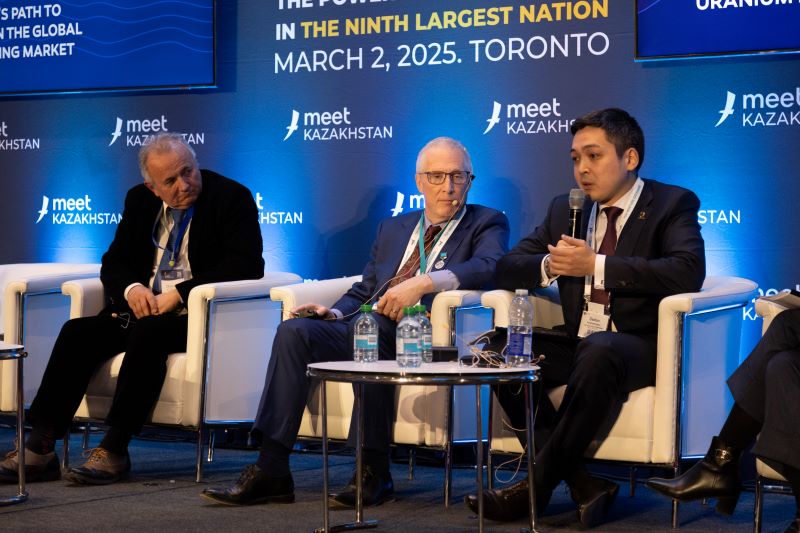
    During a panel discussion at the MeetKazakhstan conference held on 2 March 2025 at the 93rd PDAC‘2025 Convention in Toronto, key players from Kazatomprom, Cameco, and Orano shared insights into Kazakhstan’s remarkable journey to becoming the world’s leading uranium producer and discussed the future landscape of the industry.

    Kazatomprom: Strategic Vision and Market Discipline

    Dastan Kosherbayev, Chief Director for Strategy and International Development at Kazatomprom, emphasized the company’s multi-vector policy that mirrors Kazakhstan’s broader approach to international relations. “We pursue no geopolitical ambition and we’re driven strictly by business or commercial interests,” Kosherbayev stated, highlighting the company’s long-standing partnerships with major industry players.

    Kazatomprom became the world’s number one uranium producer in 2011 and the top seller in 2018, maintaining what Kosherbayev described as an “impeccable record” of delivering on all obligations since the company’s establishment in 1997.

    The company’s competitive advantage lies in its geology and mining methods. Kazakhstan’s uranium deposits allow for cost-efficient extraction using in-situ recovery (ISR), which Kosherbayev noted is “the most environmentally friendly method that enables us to produce uranium without disrupting any other activities.”

    Market Discipline and Global Presence

    A key factor in the uranium market’s recovery has been Kazatomprom’s commitment to market discipline. Since 2017, the company has implemented production cuts that removed 48,000 tons of uranium from the market, helping eliminate surplus and revitalize the industry.

    Kazatomprom maintains a diverse sales portfolio, with transportation routes through both the Northern route via St. Petersburg and the Trans-Caspian International Transport Route, providing logistical flexibility for deliveries to Western markets.

    Updated Strategic Direction

    Kosherbayev revealed that Kazatomprom has recently updated its long-term strategy, focusing on five major strategic goals:

    1. Replenishing the resource base to address the upcoming structural uranium deficit expected at the beginning of the next decade
    2. Exploring potential opportunities in conversion and enrichment, though “not at any cost”
    3. Investigating possible expansion into rare earth metals, leveraging existing capabilities at their Ulba Metallurgical Plant
    4. Enhancing trading functions through Kazatomprom’s Swiss trading facility
    5. Continuing commitment to ESG principles

    When asked about international expansion, Kosherbayev indicated that Kazatomprom is open to opportunities but prioritizes securing guaranteed demand. “A lot of behind-the-scenes work is carried out currently, and should something arise, we’re going to notify the general public in due course,” he explained.

    Partnerships: Keys to Success in Kazakhstan

    Cameco’s Long-Term Perspective

    Sean Quinn, Senior Vice-President and Chief Legal Officer at Cameco, shared insights from his company’s nearly three-decade involvement in Kazakhstan. Cameco’s interest dates back to 1992, shortly after Kazakhstan declared independence, with JV Inkai being formed in 1998 and beginning production in 2008.

    Quinn attributed their success to several factors: “We’ve taken a very long-term view… geographical diversity is important to Cameco… and we’ve had a patient, long-term focus.” He added that having significant operating assets in different jurisdictions, particularly in Northern Saskatchewan, has allowed the company to weather industry ups and downs.

    Orano’s Evolution from Exploration to Innovation

    Christian Polak, Senior Advisor for Strategy and Partnership at Orano Mining, traced his company’s journey in Kazakhstan back to the 1990s. “In 1996, we signed an agreement with Kazatomprom. We set up the company KATCO where Orano is 51% and Kazatomprom is 49%,” Polak explained.

    He emphasized the importance of the initial decade spent building relationships and understanding the country before beginning production in 2006. KATCO now employs approximately 1,200 people.

    The partnership has evolved beyond commercial relationships to include scientific collaboration. In 2022, Orano signed a memorandum of understanding with Kazatomprom during the Kazakh president’s visit to France, establishing around 20 scientific projects focused on geology, processing, mining, and environment.

    Sustainable Development and Future Outlook

    Polak highlighted Orano’s commitment to sustainable mining practices in Kazakhstan. “Even as we continue to produce, we have to think about the future of the country and the future of deposits,” he stated. Orano works closely with Kazatomprom to develop technologies that predict environmental conditions after production ends.

    Building positive relationships with local communities is equally important: “We have to share very closely with the populations… to restitute what we found before we arrived.”

    Looking ahead, all three companies see opportunities for growth as nuclear energy gains renewed support globally. Quinn mentioned Cameco’s investments in Westinghouse and other fuel cycle opportunities like Global Laser Enrichment (GLE) as providing “even greater exposure to some of that untapped demand.”

    Kosherbayev noted that while uranium accounts for 90% of Kazatomprom’s revenue, the company is exploring opportunities to extract valuable by-products such as rare earth elements, beryllium, tantalum, and niobium from its mining operations.

    A United Industry

    Despite being competitors, the panel emphasized the collaborative nature of the uranium industry. As Kosherbayev concluded, “We may have our differences, but we are like a family… siblings may have their own differences internally, but externally we all come as a big family.”

    This spirit of cooperation, combined with strategic vision and sustainable practices, positions Kazakhstan and its international partners to continue leading the global uranium market as nuclear energy plays an increasingly important role in the world’s energy transition.
  • EU Weighs Import Curbs and Export Duties to Protect Metals Industry

    EU Weighs Import Curbs and Export Duties to Protect Metals Industry

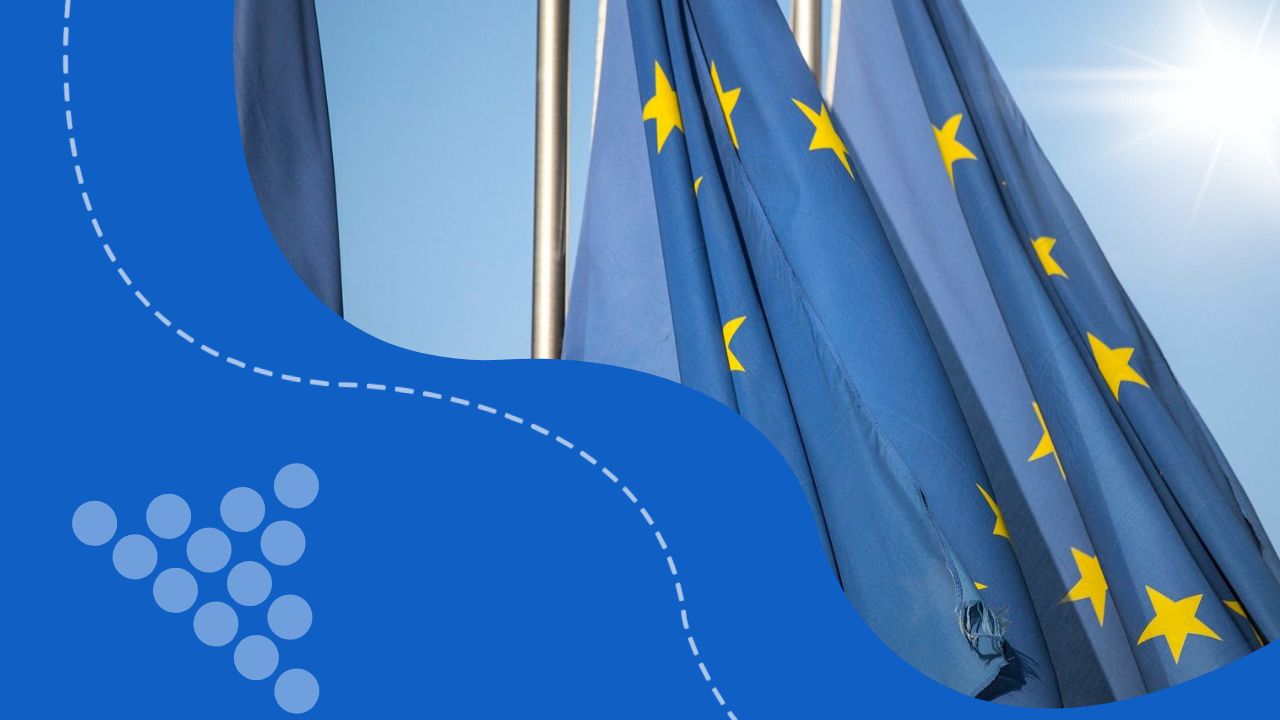
    The European Commission is considering new trade restrictions on metal imports and exports to counter the impact of U.S. tariffs and protect the EU’s struggling metals industry, according to a draft policy document.

    With concerns that U.S. metal tariffs under the Trump administration could divert excess aluminum to Europe, the EU is evaluating potential import curbs. Additionally, it is planning duties on scrap metal exports to bolster domestic production. The EU already has safeguards in place for steel, including import limits, and launched a probe into alloy imports last December. However, European producers have called for further measures to address the global oversupply, particularly from China.

    The draft document highlights that EU metal producers have lost significant market share over the past decade, with half of primary production capacity remaining curtailed since 2021. The U.S. tariffs on aluminum are expected to exacerbate these challenges, increasing the risk of trade diversion from multiple countries.

    To reinforce its trade defense strategy, the EU plans to introduce a “melted and poured rule,” aimed at preventing importers from disguising a metal’s true origin by making minor modifications. A new proposal for steel trade measures, based on tariff rate quotas, is also expected by the third quarter of 2024 to replace the current system, which expires in 2026.

    Additionally, the Commission is considering imposing export duties of up to 25% on scrap metals as part of a broader steel and metals action plan. The initiative is a key component of the EU’s Clean Industrial Deal, designed to strengthen European industry and enhance competitiveness against Chinese and U.S. rivals. The final plan is set to be announced on Wednesday, though revisions may still be made.

  • Kazakhstan and China Discuss Nuclear Energy Cooperation

    Kazakhstan and China Discuss Nuclear Energy Cooperation

    Kazakhstani President Kassym-Jomart Tokayev met with Shen Yanfeng, General Director of China National Nuclear Corporation (CNNC), to explore opportunities for collaboration in nuclear energy.

    During the discussion, Tokayev outlined Kazakhstan’s strategic plans for the sector, highlighting the recent establishment of the Nuclear Energy Agency to oversee the industry’s systematic development. He expressed interest in CNNC’s extensive expertise as a leading force in China’s nuclear sector.

    Shen Yanfeng, in turn, provided an overview of CNNC’s projects both within China and internationally. The meeting also covered potential cooperation in advancing peaceful nuclear technologies and training Kazakhstani specialists.

    CNNC, founded in 1999, is China’s largest state-owned enterprise dedicated to nuclear energy development, technological innovation, and research.

  • Uzbekistan and Limaomaoli Metal Company Discuss Syurenota Iron Ore Project

    Uzbekistan and Limaomaoli Metal Company Discuss Syurenota Iron Ore Project

    On March 14, Uzbekistan’s Deputy Minister of Investments, Industry, and Trade, Ilzat Kasymov, met with Song Liping, CEO of Limaomaoli Metal Company, to discuss the development of the Syurenota iron ore deposit in the Tashkent region.

    The meeting covered the project’s progress, challenges faced by the investors, and potential areas for further cooperation. Representatives of the Chinese company expressed appreciation for the support received and reaffirmed their commitment to strengthening the partnership.

    Founded in November 2019, Limaomaoli Metal Company specializes in mineral exploration and iron ore extraction.

  • Kazakhstan to Launch 190 Industrial Projects Worth $3 Billion in 2025

    Kazakhstan to Launch 190 Industrial Projects Worth $3 Billion in 2025

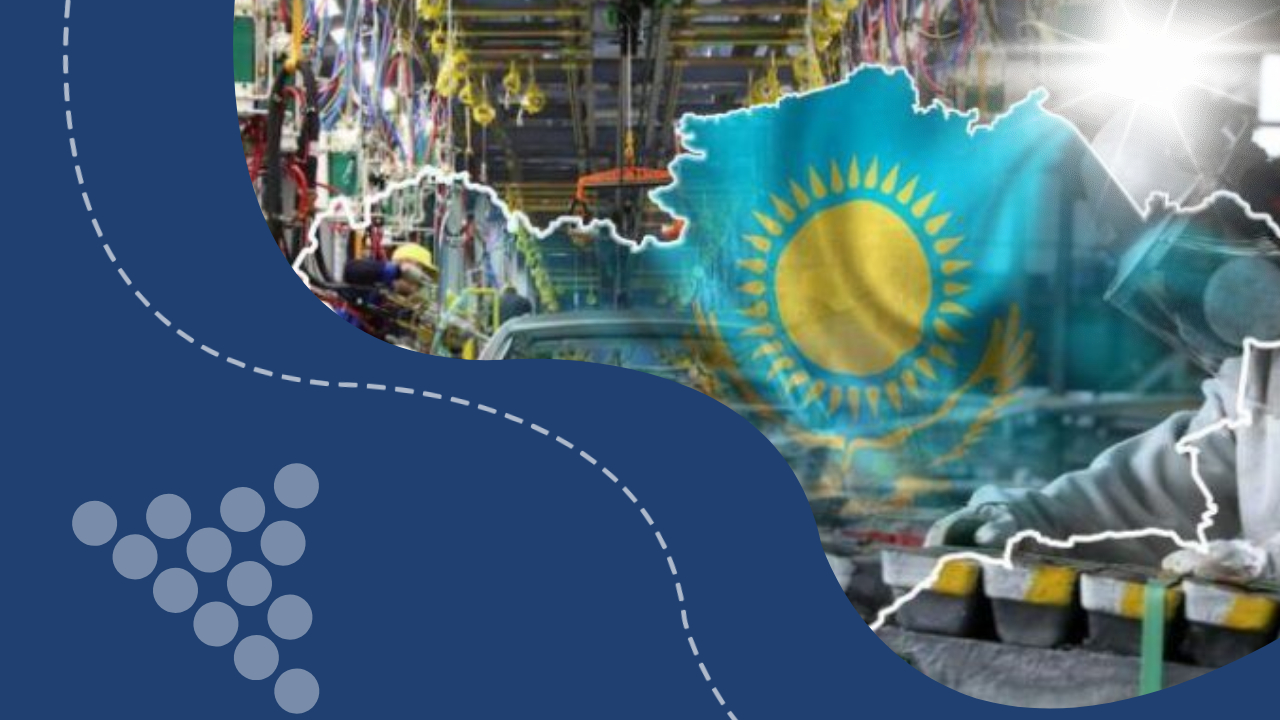
    Kazakhstan is set to implement 190 industrial projects worth 1.5 trillion tenge ($3 billion) in 2025, marking the highest number of such initiatives in the past five years. This announcement was made by the Ministry of Industry and Construction of Kazakhstan, highlighting the country’s push to boost its industrial sector.

    Among these projects are nine major investments in metallurgy, machine building, and the chemical industry, with plans for completion by 2035. Once these new enterprises reach their full operational capacity, the total value of their output is expected to reach $7.3 billion annually.

    Key projects include the launch of hot-briquetted iron production, the construction of a copper smelting plant, a potash salt production complex, and a hydrometallurgical plant. Additionally, Kazakhstan will ramp up production of hydrogen peroxide, liquid glass, sulfuric acid, mineral fertilizers, polypropylene, and yellow phosphorus, according to Sputnik Kazakhstan.

    These initiatives are part of Kazakhstan’s broader strategy to diversify its economy and strengthen its industrial base, positioning the country as a key player in regional and global markets.

  • ERG Expands Academic Mobility Program to Enhance Vocational Training in Kazakhstan

    ERG Expands Academic Mobility Program to Enhance Vocational Training in Kazakhstan

    Under the academic mobility program, students from various regions of Kazakhstan are gaining hands-on experience at partner colleges and industrial facilities. Eurasian Resources Group (ERG) has announced a new phase of collaboration with the Alliance of Colleges, a community of technical and vocational education organizations established with ERG’s support in 2022.

    This month, a group of students from the Kentau Multidisciplinary College in the Turkistan regioncompleted a two-week internship at the Khromtau Mining and Technical College. During the program, they studied 14 production-related topics, including occupational safety, electrical safety, and fire safety. The training incorporated augmented reality technologies, such as simulators for portable drilling machines and dump trucks, providing students with immersive learning experiences. Additionally, the students underwent practical training at the Don Mining and Processing Plant, operated by Kazchrome, a subsidiary of ERG.

    The academic mobility initiative enables ERG to strengthen its collaboration with educational institutions in regions where the company operates. ERG emphasizes that this program is part of a comprehensive workforce development strategy aligned with the national government’s goals. Notably, 2025 has been declared the Year of Working Professions in Kazakhstan, highlighting the importance of vocational training and skilled labor.

  • Orano and Navoiyuran Sign Agreement to Develop South Djenghildy Uranium Deposit in Uzbekistan

    Orano and Navoiyuran Sign Agreement to Develop South Djenghildy Uranium Deposit in Uzbekistan

    French nuclear giant Orano and Uzbek state-owned Navoiyuran have signed a groundbreaking agreement to advance the industrial development of the South Djenghildy uranium deposit in Uzbekistan. The partnership, facilitated through their joint venture Nurlikum Mining, aims to significantly boost uranium production, reaching up to 700 tons annually within a decade.

    The agreement integrates the South Djenghildy project into Navoiyuran’s existing industrial infrastructure, with the Uzbek company serving as the project operator. Notably, the deal introduces a new partner, Japanese corporation ITOCHU, which has acquired a minority stake in the joint venture. While specific ownership details remain undisclosed, the collaboration underscores a shared commitment to advancing the mining project.

    Orano highlighted that the partnership reflects the determination of all parties to expand the South Djenghildy project, leveraging certified resources to ensure stable uranium production for at least ten years. The project is part of a broader strategic framework agreement signed between Orano and Uzbekistan in 2022, which also includes plans for extensive geological exploration to potentially double the joint venture’s mineral resources.

    Xavier Saint-Martin Tillet, Senior Executive Vice President of Orano Mining, emphasized the project’s role in diversifying the group’s raw material sources. He noted that Orano is applying its geological and technical expertise to further develop the initiative.

    Navoiyuran, the fifth-largest uranium producer globally, specializes in uranium mining and processing, supplying uranium oxide to meet the growing global demand for clean energy. The partnership aligns with Uzbekistan’s ambitions to strengthen its position in the global uranium market.

    In related developments, KATCO, a joint venture between Orano Mining and Kazakhstan’s Kazatomprom, announced plans to launch a uranium processing complex at the Moyynkum deposit in Kazakhstan’s Turkistan region by mid-2025. The facility is expected to produce 2,045 tons of uranium annually, contributing to a total output of 4,000 tons per year.

  • Kazakhstan to Supply EU with Critical Raw Materials Under New Agreements

    Kazakhstan to Supply EU with Critical Raw Materials Under New Agreements

    Kazakhstan has signed a landmark agreement to supply the European Union (EU) with critical raw materials, essential for modern industries and technologies. The deal was finalized during a visit by European Commissioner for International Partnerships Jutta Urpilainen to Kazakhstan, as reported by the EU Representation in the country.

    The agreement includes a €3 million contract aimed at fostering cooperation between the EU and Central Asia in the field of critical raw materials. Funding will be provided by the European Bank for Reconstruction and Development (EBRD), with a focus on joint projects to establish reliable supply chains for these resources. Critical raw materials, such as rare earth metals, copper, aluminum, uranium, phosphorus, and potassium, are vital for sectors like technology, energy, defense, and transportation.

    Urpilainen emphasized the importance of the partnership, stating, “Europe needs reliable access to critical raw materials to modernize its economy. We are committed to mutually beneficial cooperation with Kazakhstan in their extraction and development. This partnership supports all Central Asian countries, boosts Kazakhstan’s economy, strengthens its industrial potential, and creates new opportunities for businesses, innovation, and high-quality jobs.”

    In addition to the raw materials agreement, the EU and Kazakhstan signed a €200 million loan deal between the European Investment Bank (EIB) and the Kazakhstan Development Bank. The EU will provide an €18 million guarantee for the loan, which Kazakhstan plans to allocate toward developing transport infrastructure and renewable energy sources.

    During the visit, Kazakh President Kassym-Jomart Tokayev also met with Urpilainen at the Akorda Presidential Palace, underscoring the growing partnership between Kazakhstan and the EU.

  • Condor Energies Secures Lithium Production License in Kazakhstan’s Kolkuduk Field

    Condor Energies Secures Lithium Production License in Kazakhstan’s Kolkuduk Field

    Condor Energies Inc., a Calgary-based energy company, has secured a license to produce solid minerals at the Kolkuduk field in Kazakhstan, spanning 6,800 hectares. The company believes the field holds significant lithium reserves, bolstering its position in the global critical minerals market.

    The Kolkuduk field is adjacent to the Sayakbay field, a 37,300-hectare site already managed by Condor. Both fields are located in a geologically active region characterized by faults that facilitate the accumulation of mineralized brines in underground reservoirs. Initial geological exploration at Kolkuduk has revealed approximately 130 milligrams of lithium per liter of brine water, with historical data indicating the presence of other valuable minerals such as rubidium, strontium, and cesium in brine reservoirs up to 1,000 meters deep.

    Don Streu, Condor’s President and CEO, emphasized the strategic importance of the project, stating, «Condor’s focus on developing critical minerals in Kazakhstan aligns with the global push to create diverse, secure, and sustainable supply chains.» Kazakhstan’s geographic location, situated between Europe and China—two of the largest consumers of critical minerals—further enhances the project’s potential.

    In addition to its mineral exploration, Condor announced in January 2024 that it had secured natural gas quotas to produce 350 tons of liquefied petroleum gas (LPG) daily starting in 2025. This volume could power 125 railway engines or 215 dump trucks with a capacity of 150 tons each, showcasing the company’s diversified energy portfolio.

  • Orano Launches Uranium Mining Project in Uzbekistan with Nurlikum Mining JV

    Orano Launches Uranium Mining Project in Uzbekistan with Nurlikum Mining JV

    French nuclear fuels company Orano announced on Wednesday that it will begin developing the South Djengeldi uranium mining project in Uzbekistan. This initiative is part of its Nurlikum Mining joint venture with Navoiyuran, Uzbekistan’s state-owned mining company. The project is expected to operate for over a decade, with peak production projected at 700 metric tons of uranium annually, according to Orano’s statement.

    In a significant development, Japan’s ITOCHU Corporation has acquired a minority stake in the joint venture. The partners plan to launch an exploration program aimed at at least doubling the joint venture’s mineral resources. This collaboration underscores the growing international interest in Uzbekistan’s uranium reserves and highlights the country’s strategic importance in the global nuclear energy sector.

    The South Djengeldi project marks a key step in Orano’s expansion efforts and strengthens its partnership with Uzbekistan, a country rich in uranium resources. The involvement of ITOCHU Corporation further enhances the project’s potential, bringing additional expertise and investment to the venture.