Website: Asia.com

  • Uzbekistan and KAIST Explore Collaborative Opportunities in Metallurgy and Education

    Uzbekistan and KAIST Explore Collaborative Opportunities in Metallurgy and Education

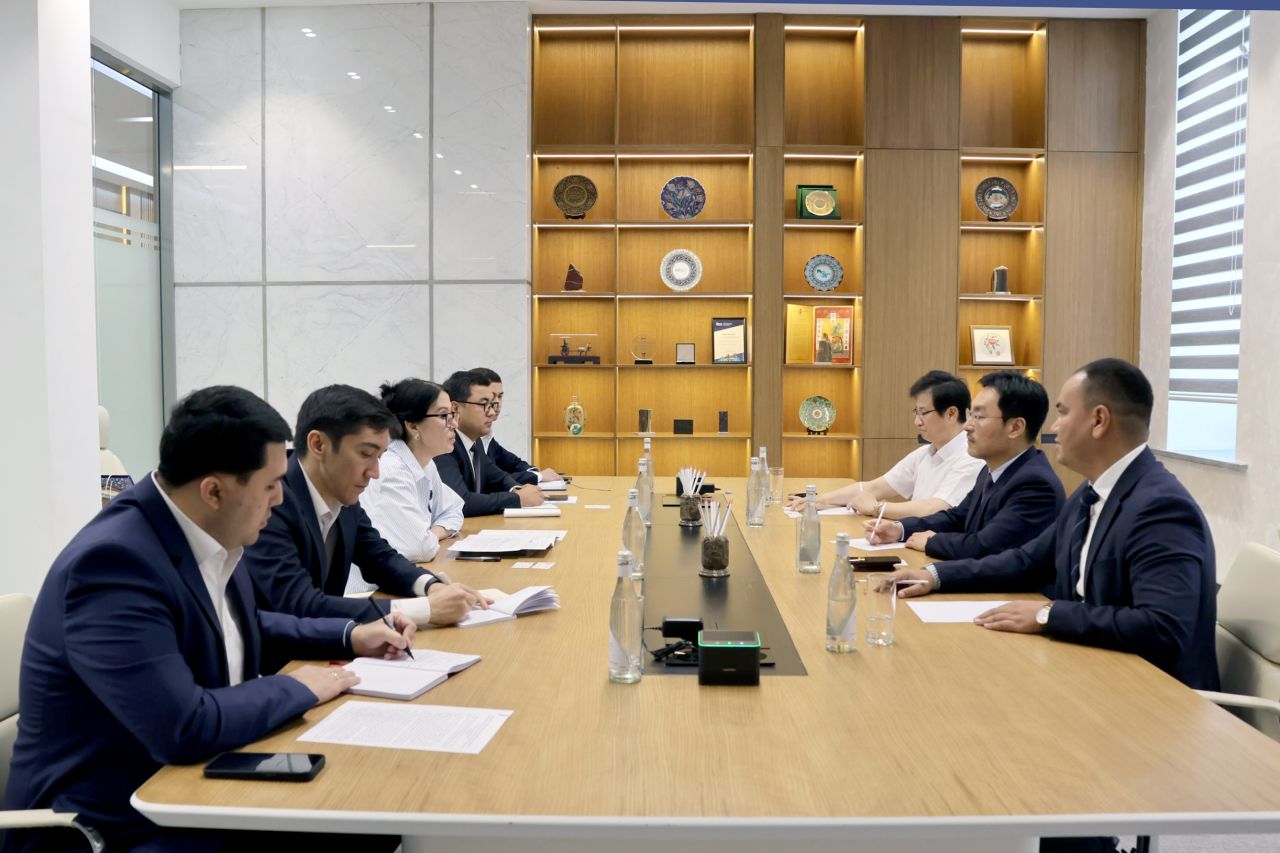
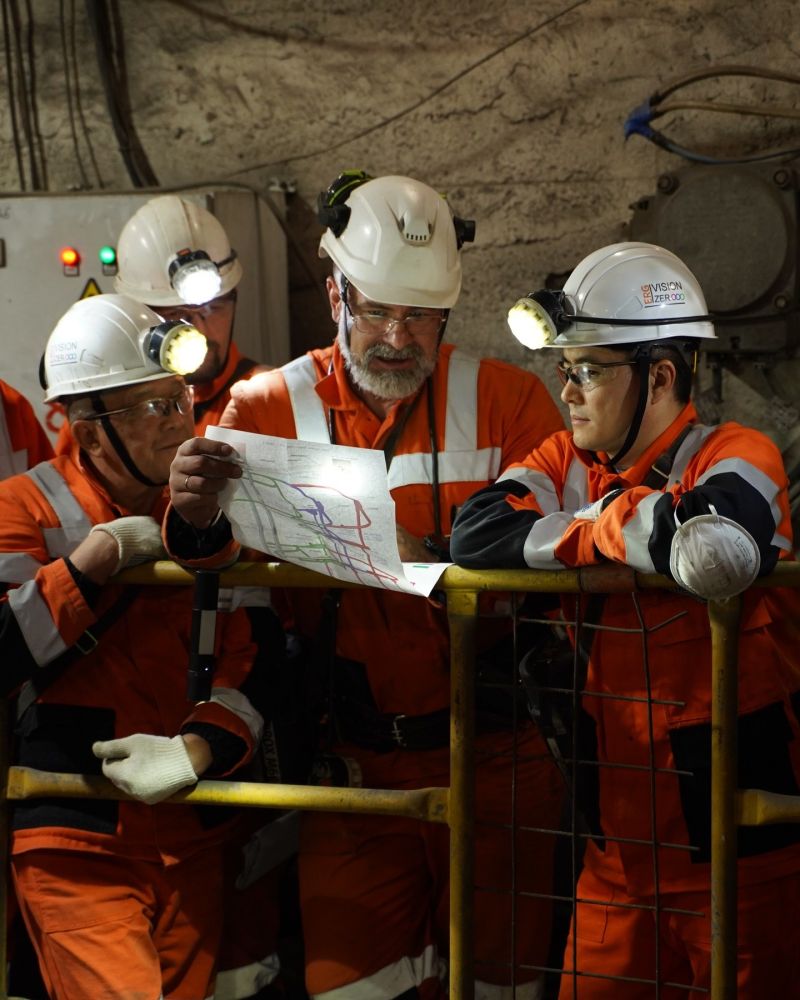
    On 31 July 2026, F. Khamidova, the First Deputy Minister of Mining Industry and Geology of Uzbekistan, met with a delegation from the Korea Advanced Institute of Science and Technology (KAIST), led by Professor Shin Byungha, the Head of the Department of Materials Science and Engineering. The meeting focused on enhancing scientific, technological, and academic cooperation between Uzbekistan and South Korea, particularly in the metallurgical sector.

    The discussions highlighted the potential for joint projects aimed at introducing advanced mineral processing technologies and promoting collaborative research initiatives. Both parties recognised the importance of integrating cutting-edge technology into Uzbekistan’s mining and metallurgy sectors to boost efficiency and sustainability. The meeting also underscored the significance of educational collaboration, with plans for academic exchange programmes and the training of highly qualified specialists to strengthen the workforce in both countries.

    As a result of the meeting, Uzbekistan and KAIST agreed to continue developing joint initiatives and to prepare proposals that would further enhance bilateral cooperation in science, education, and technology. This partnership is expected to foster innovation and drive growth in the mining and metallurgy sectors, positioning both nations as leaders in the field.
  • Teniz Resources Secures 39,000 Hectares for Copper Exploration in Kazakhstan

    Teniz Resources Secures 39,000 Hectares for Copper Exploration in Kazakhstan

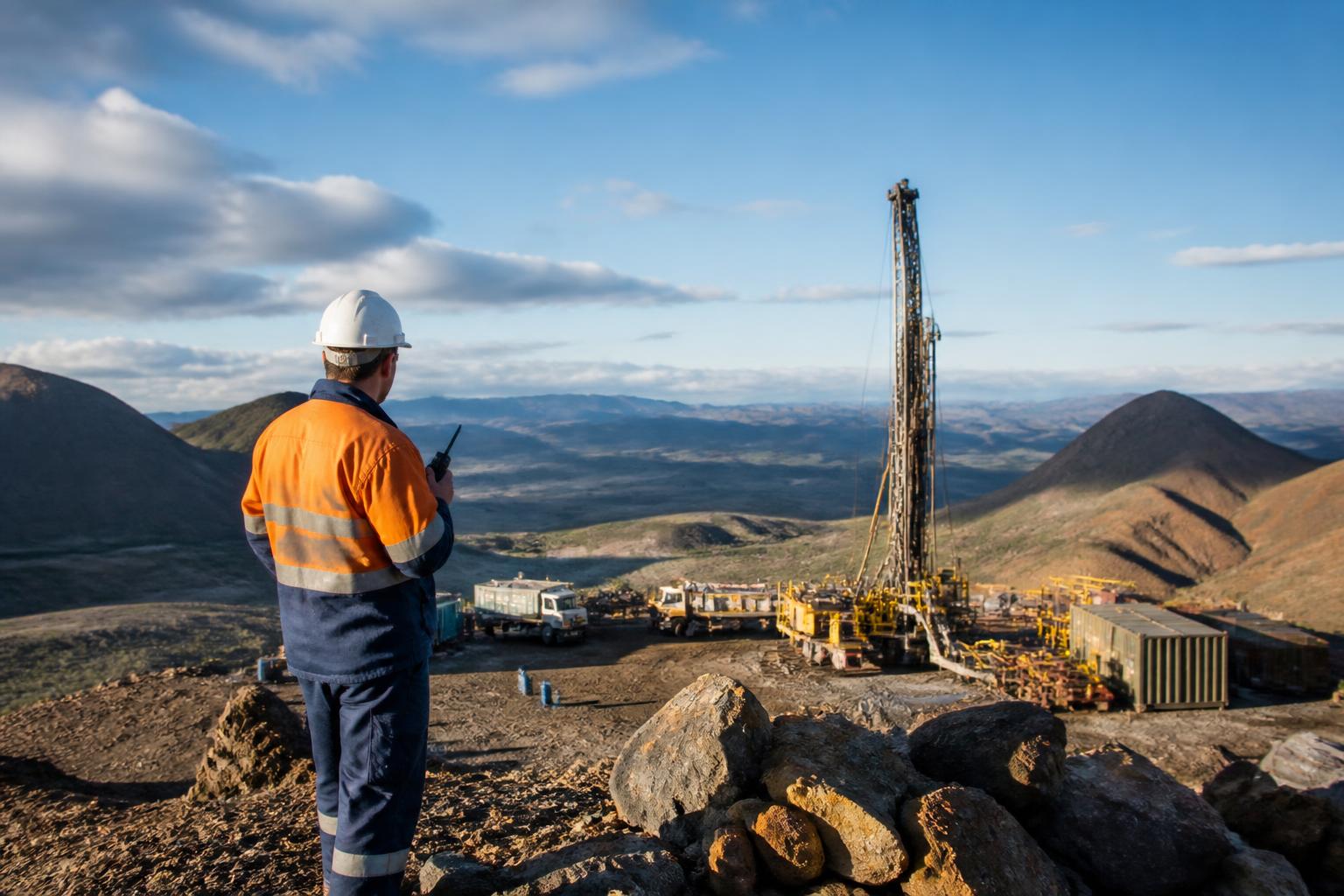
    Teniz Resources Ltd, a company led by geologist Madina Kapenova, has been granted access to nearly 39,000 hectares for copper exploration in Kazakhstan. The Akimat of the Atbasar district issued three permits valid until 2031, allowing the company to conduct geological surveys and search for copper deposits in sedimentary rocks. The total area covered by these permits is approximately 38,838.7 hectares, equivalent to around 388 square kilometres. The first permit grants access to 14,458.8 hectares in the Sepievsky rural district, while the other two cover 21,645.1 hectares in the Pokrovsky and Makeevsky rural districts, and an additional 2,734.8 hectares in the Sepievsky village district. The permits are set to expire on May 8, 2031, for the first two areas, and June 28, 2031, for the third.

    While the specific mineral resources are not detailed in the permits, Teniz Resources is associated with a project named Teniz — Sediment-Hosted Copper, as noted on the Aurora Group’s website. The company asserts that the Teniz basin is promising for discovering significant copper deposits in sedimentary formations, with surface manifestations of copper identified in at least five priority zones for further study.

    Founded in the Astana International Financial Centre in August 2024, Teniz Resources is solely owned by Madina Kapenova, who also serves as the CEO, director, secretary, and authorised signatory. Kapenova has a strong background in geology, having previously worked at the Zhayrem Mining and Concentration Complex and in various capacities within the Ministry of Industry and Infrastructural Development of Kazakhstan. The ongoing expansion of geological exploration in Kazakhstan is crucial, especially as the country faces the gradual depletion of known mineral reserves. Recent government initiatives aim to auction off 100 mineral sites under simplified rules, highlighting the increasing importance of discovering new deposits.


  • Eurasian Resources Group Commits $1 Billion to Kazakhstan’s Industrial Future

    Eurasian Resources Group Commits $1 Billion to Kazakhstan’s Industrial Future

    Eurasian Resources Group (ERG) has announced a significant investment of approximately $1 billion in Kazakhstan, aimed at bolstering the country’s industrial potential and long-term competitiveness. This investment strategy is rooted in the belief that the most impactful investments are those that continue to create value well beyond the initial capital commitment. ERG’s development program is designed not only to expand its business operations but also to enhance regional economies and contribute to the overall economic landscape of Kazakhstan.

    The investment initiative is set to modernise mining operations and production facilities, promote cleaner energy solutions, and accelerate the digital transformation within the industry. By the end of next year, ERG anticipates creating over 1,100 new jobs, while also contributing an estimated $1.3 billion annually to Kazakhstan’s GDP through direct production and associated economic activities. Key projects under this initiative include the Bolashak Mine, ERG Green, Spetskoks, and various renewable energy ventures, all of which reflect a commitment to industrial performance and environmental responsibility.

    Kudrat Shamiyev, CEO of ERG Kazakhstan, emphasised that effective leadership is about making decisions that will positively impact future opportunities, not just immediate financial results. He highlighted the extraordinary industrial potential of Kazakhstan and the necessity for strategic partnerships, continuous innovation, and responsible environmental practices to unlock this potential. The projects currently underway are viewed as foundational steps towards a more robust industrial future for Kazakhstan, reinforcing the notion that investment should focus on building a stronger future for the nation.


  • Chinese Investor Injects $5 Million into Kazakhstan’s Mining Exploration Sector

    Chinese Investor Injects $5 Million into Kazakhstan’s Mining Exploration Sector

    A new mining exploration company, Zhongjian Hengxin Mining, has been registered at the Astana International Financial Centre (AIFC) with a significant capital investment of $5 million from Chinese investors. The company, established by Jian Zheng, aims to engage in geological exploration and related services to facilitate mineral extraction. This investment marks a notable entry into Kazakhstan’s mining sector, which has been increasingly attracting foreign capital, particularly from China.

    The registration of Zhongjian Hengxin Mining on June 22, 2026, aligns with a growing trend of Chinese companies establishing a presence in Kazakhstan’s mining industry. Notably, the address of the new company has already been home to several other Chinese firms involved in similar activities, including Tianshan Resources, which was registered in June and is also focused on mining services. This trend underscores the strategic interest of Chinese corporations in Kazakhstan’s rich mineral resources, particularly in light of Zijin Mining Group’s recent acquisition of RG Gold, a gold mining company operating in the Akmolinsk region.

    The influx of Chinese investment, exemplified by Zijin Mining Group’s commitment of $600 million towards the development of the Raigorodok gold deposit, highlights the potential for growth in Kazakhstan’s mining sector. As more companies like Zhongjian Hengxin Mining emerge, the collaboration between Kazakhstan and Chinese investors is expected to strengthen, paving the way for enhanced exploration and extraction activities in the region, which is rich in various minerals.


  • Kazakhstan to Import Zinc Ore from Afghanistan Under New Supply Agreement

    Kazakhstan to Import Zinc Ore from Afghanistan Under New Supply Agreement

    Kazakhstan has signed a significant trade agreement to import zinc ore from Afghanistan, marking an expansion of the country’s raw material sourcing strategy. The agreement was formalised during the opening of Kazakhstan’s Trade House in Kabul, where Shalkiya Zinc LTD, a subsidiary of the National Mining Company Tau-Ken Samruk, entered into a contract with Afghan German Bakhtar Company for the supply of zinc ore.

    Under the terms of the contract, Shalkiya Zinc LTD will purchase up to 30,000 tonnes of zinc ore annually, with a total contract value of $18.88 million. The ore will be shipped to Kazakhstan under DAP (Delivered at Place) conditions, meaning Afghan German Bakhtar Company will assume all transportation costs and associated risks, whilst Shalkiya Zinc LTD will handle customs duties and unloading operations. This arrangement provides a clear division of responsibilities and ensures efficient logistics for the supply chain.

    The initiative builds on previous exploratory work conducted by Tau-Ken Samruk, which collected samples from the Pami-Kakrak deposit in Bamian Province during autumn 2025. Laboratory analysis conducted by Kazzinc confirmed that the imported mineral raw material can be integrated into the existing technological processes of Kazakhstan’s mining and processing plants. This validation demonstrates the compatibility of Afghan ore with Kazakhstan’s current production infrastructure, making the partnership commercially viable.

    The new supply channel arrives at a critical time for Kazakhstan’s zinc sector. According to the Bureau of National Statistics, zinc production declined during the first five months of 2026, with copper-zinc ore output falling 18.8 per cent year-on-year to 2.2 million tonnes, and refined zinc production dropping 12.9 per cent to 93,000 tonnes. The Afghan ore imports are expected to help stabilise and support these production figures. Additionally, other Kazakhstani companies, including ERG, are exploring similar opportunities for mineral resource development in Afghanistan, with ERG considering chrome mining ventures potentially structured as joint enterprises.


  • Navoi Mining and Metallurgical Combine Reports Strong H1 2026 Results with 1.5 Million Ounces of Gold Production

    Navoi Mining and Metallurgical Combine Reports Strong H1 2026 Results with 1.5 Million Ounces of Gold Production

    The Navoi Mining and Metallurgical Combine (NGMK), a major mining enterprise in Uzbekistan, has released its operational results for the first half of 2026, demonstrating robust performance across key metrics. During the six-month period, the company produced 1.508 million troy ounces of gold, solidifying its position as a significant player in Central Asia’s precious metals sector. The monetary value of total production reached 86.2 trillion Uzbek som, reflecting both strong operational efficiency and favorable market conditions for gold during the reporting period.

    The company’s investment program showed substantial capital deployment, with 236.8 million dollars invested in development and expansion initiatives during the first half of 2026. This significant investment underscores NGMK’s commitment to modernizing its operations and enhancing production capacity. Additionally, the enterprise created 1,008 new jobs during the same period, contributing to employment growth in the Navoi region and supporting the broader economic development objectives of Uzbekistan’s mining sector.

    NGMK has also made notable progress on its localization program, producing domestically-sourced products valued at 808.7 billion som. Furthermore, the company procured approximately 4.2 trillion som worth of products through inter-industry industrial cooperation initiatives. These figures demonstrate the combine’s strategic focus on supporting local supply chains and fostering industrial integration within Uzbekistan’s economy, while maintaining operational excellence in gold production and processing.


  • IEA Warns Critical Mineral Supply Concentration and Export Restrictions Pose Growing Economic Security Risks

    IEA Warns Critical Mineral Supply Concentration and Export Restrictions Pose Growing Economic Security Risks

    The International Energy Agency’s (IEA) 2026 Global Critical Minerals Outlook, released today, paints a stark picture of mounting vulnerabilities in the supply chains for minerals essential to the global energy transition and high-tech industries. The report finds that despite a rebound in prices in 2025 and early 2026 due to tightening supply conditions, investment in critical mineral projects fell by 9% in 2025, ending several consecutive years of growth. This decline is attributed to price volatility and escalating geopolitical tensions, which have been exacerbated by a wave of new export restrictions from dominant suppliers. Geographic concentration has intensified, particularly in refining, with top refiners—Indonesia for nickel and China for other key energy minerals—accounting for over three-quarters of total growth in refined supply over the past two years. In markets for manganese, nickel, and graphite, virtually all supply growth came from the dominant supplier. The report highlights that rare earth export controls introduced by China in April 2025 forced some automakers to reduce production or temporarily suspend operations. Further controls announced in October 2025, though delayed for one year, could jeopardize an estimated $6.5 trillion in annual downstream production outside China if fully enacted. However, there are signs of progress. Public finance commitments for critical mineral supply expansion more than quadrupled between 2023 and 2025, reaching $65 billion. In rare earth refining, new projects in the United States and increased production in Malaysia reduced the top supplier’s share from over 90% in 2023 to 85% in 2025, with projections to fall to 70% by 2035. Gaps between projected demand and anticipated supply for copper and lithium have also narrowed. Despite these gains, the report identifies a structural imbalance: investment is concentrated in mining, while refining and downstream capacity expansion lag. For rare earths, planned refining capacity reaches only about two-thirds of expected mine output by 2035, and planned magnet production amounts to just one-third. The IEA urges policymakers to focus on strategic minor minerals, where small markets but outsized economic impacts from disruptions offer opportunities for cost-effective supply security improvements. IEA Executive Director Fatih Birol emphasized that while critical minerals account for a small share of final product prices—allowing diversification costs to be absorbed with limited consumer impact—addressing technology, equipment bottlenecks, and workforce skills is essential. The report recommends emergency preparedness, enabling investment, and closing gaps in technology and skills to build resilient supply chains.


  • Uzbekistan’s Uzmetkombinat Launches First Casting and Rolling Complex, Boosting Steel Production Capacity

    Uzbekistan’s Uzmetkombinat Launches First Casting and Rolling Complex, Boosting Steel Production Capacity

    Uzbekistan has marked a significant milestone in its industrial development with the commissioning of the country’s first casting and rolling complex at the Uzbek Metallurgical Plant (Uzmetkombinat) in Bekabad. President Shavkat Mirziyoyev personally attended the launch ceremony, underscoring the strategic importance of the project for the nation’s mining and metallurgical sector.

    The new facility is designed to produce hot-rolled sheet metal, a product previously not manufactured domestically, and will enable the plant to produce up to 1 million tons of sheet metal annually, valued at approximately 8 trillion soums. This output is expected to fully meet the sheet metal needs of metallurgical enterprises in Tashkent and Samarkand, while creating around 1,200 new high-paying jobs. The launch is part of broader reforms that have attracted about US$2 billion in foreign investment to Uzbekistan’s mining and metallurgical industry over the past decade. During this period, 31 large production capacities have been commissioned, and the number of enterprises has exceeded 150. Annual metal product output has surged from 800,000 tons in 2016 to 3 million tons today, with value rising from 1.5 trillion soums to 23 trillion soums. The industry now produces around 80 new types of products for mechanical engineering, electrical engineering, defense, and energy sectors, diversifying beyond its traditional focus on construction-grade rolled metal. President Mirziyoyev emphasized that economic growth and infrastructure projects will drive demand for metal products up by about 1.5 times. Future plans include increasing the use of domestic raw materials, with iron ore reserves estimated at 1.5 billion tons. The development of the Tebinbulak deposit is expected to boost steel production to 1 million tons per year within three to four years, while processing ore from the Surun-ota deposit will yield 600,000 tons of iron ore raw materials annually. A new US$180 million metallurgical plant is also planned. Additionally, US$30 million will be invested to double steel ball production capacity from 250,000 to 500,000 tons per year. The creation of the Industrial Park of Ecological Technologies of Uzbekistan on site will host six projects worth US$70 million for producing large-diameter pipes, overhead cranes, and filtration equipment, generating another 660 jobs. The complex is expected to introduce energy-efficient technologies and digital solutions, boosting labor productivity and product quality.


  • Anglo Asian Mining Achieves Record First-Half Production as Demirli Copper Mine Ramp-Up Accelerates

    Anglo Asian Mining Achieves Record First-Half Production as Demirli Copper Mine Ramp-Up Accelerates

    Anglo Asian Mining Plc has reported record half-year production results, driven by the accelerated ramp-up of its Demirli copper mine in Azerbaijan. The company’s copper output surged to 5,129 tonnes in the second quarter of 2026, a 38% increase from the 3,711 tonnes produced in the first quarter. Demirli alone contributed 3,250 tonnes of copper during Q2, while the company’s Gedabek operation added 1,879 tonnes. Total first-half copper production reached 8,840 tonnes, a dramatic rise from just 1,188 tonnes in the same period last year. The company also generated a $39.9 million increase in net cash during the quarter, ending June with $69.8 million in cash and reducing debt to $12.2 million. Concentrate sales for the first half totaled 58,577 dry metric tonnes, valued at $125.9 million, with Demirli accounting for $71.4 million of that revenue. Gold production reached 12,329 ounces and silver output hit 92,855 ounces in the half year. Anglo Asian has reaffirmed its full-year guidance of 20,000–25,000 tonnes of copper, 28,000–33,000 ounces of gold, and 170,000–210,000 ounces of silver, with Demirli expected to reach steady-state production during the third quarter. The record performance underscores the successful execution of the company’s growth strategy in Azerbaijan’s mining sector, positioning Anglo Asian for continued strong output in the second half of the year.


  • Middle East Conflict Disrupts Supply of Aluminum, Sulfur, and Critical Minerals Raw Materials

    Middle East Conflict Disrupts Supply of Aluminum, Sulfur, and Critical Minerals Raw Materials

    The ongoing Middle East conflict has triggered significant disruptions in the supply of aluminum, sulfur, and raw materials essential for critical mineral production, according to the International Energy Agency’s (IEA) ‘Global Critical Minerals Market Review 2026’ report. While the primary focus of the conflict has been on oil and gas markets, the closure of the Strait of Hormuz has severely impacted mineral and metal markets. Middle Eastern countries account for approximately 8% of global aluminum production, and production restrictions at several regional plants have intensified market pressures. The region also supplies about a quarter of the world’s sulfur, with half of global seaborne shipments passing through the Strait of Hormuz. Sulfur is a critical input for producing sulfuric acid, which is vital for fertilizer manufacturing and processing a range of critical minerals, including copper, lithium, cobalt, nickel, and rare earth elements. The supply disruptions prompted China to restrict sulfuric acid exports in May 2026, further straining supply chains in both the critical minerals and fertilizer sectors. The resulting rise in sulfuric acid prices has increased production costs for industries reliant on critical minerals, with sulfuric acid expenses in some cases surpassing energy costs to become the largest component of production expenses. This development underscores the vulnerability of global critical mineral supply chains to geopolitical instability and highlights the strategic importance of the Strait of Hormuz for mineral trade.