The largest business federations in the United States and the European Union have jointly called upon leaders convening for a summit on Friday to swiftly resolve an ongoing dispute regarding the metals tariffs imposed during the Trump administration. Additionally, they emphasized the need for increased cooperation in the realm of critical minerals, which are vital for facilitating the green transition.
The U.S. Chamber of Commerce and BusinessEurope issued this call to action on Monday, in anticipation of President Joe Biden’s meeting with European Commission Chief Ursula von der Leyen and European Council President Charles Michel in Washington. The European Union aims to prevent the reinstatement of import tariffs on steel and aluminum, as imposed by former President Donald Trump, and to establish a mutually beneficial agreement that supports EU exporters of critical minerals to the United States.
Highlighting their concerns, the two business groups underscored the risks posed by protectionist policies, citing anemic economic growth and misguided narratives surrounding industrial decline. They cautioned that such policies could hinder innovation and impede prosperity. Consequently, the groups urged officials from both the EU and the U.S. to reach a lasting agreement that prevents any reimplementation of metals tariffs by the U.S., while also addressing the challenges posed by global excess capacity and carbon emissions in metals production.
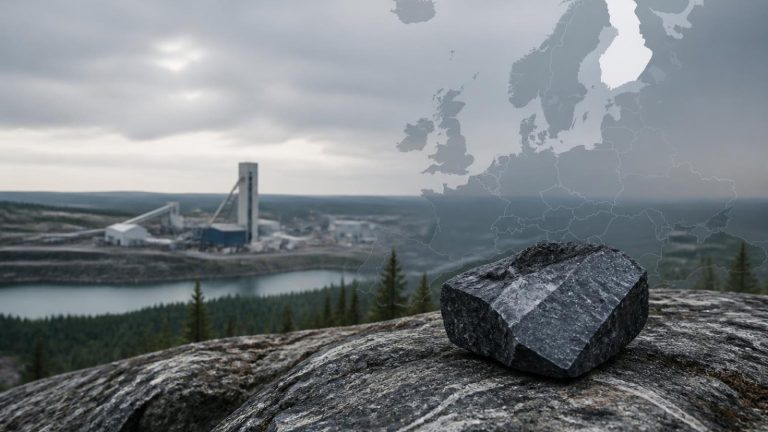
Furthermore, the business federations stressed the importance of transatlantic collaboration with countries that possess significant reserves of critical minerals. This collaborative approach seeks to reduce reliance on any single country, particularly China, which currently holds a dominant position. In order to advance the green transition, the groups emphasized that global mining companies must substantially increase their production of critical minerals, such as lithium, cobalt, copper, nickel, and rare earths, by 500% over the next decade. This ambitious goal is crucial for driving the necessary advancements in sustainable technology.