Tag: mining

  • Boldyn Networks and Nokia Launch Private 5G to Revolutionize Mining at Callio Pyhäjärvi

    Boldyn Networks and Nokia Launch Private 5G to Revolutionize Mining at Callio Pyhäjärvi

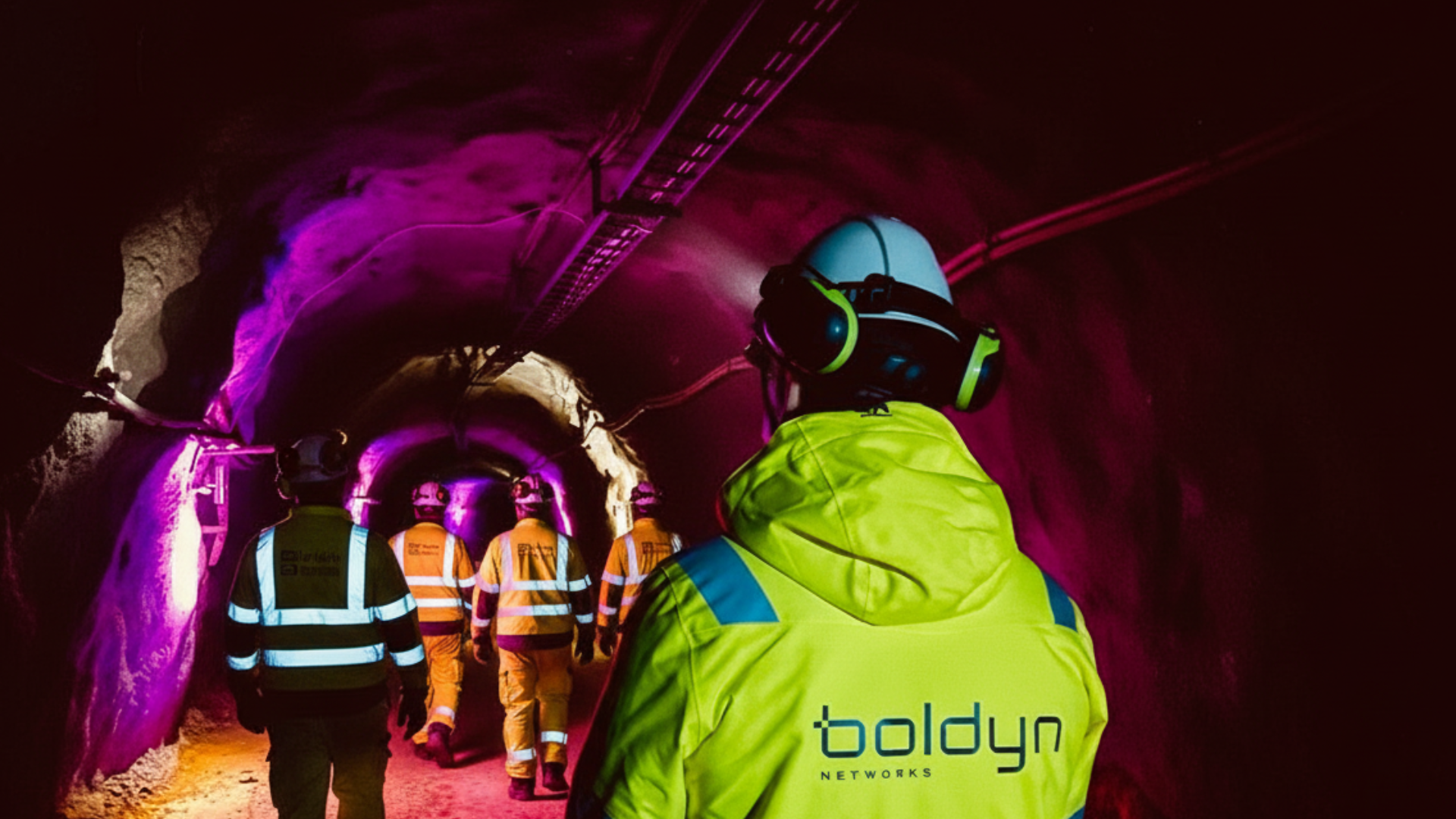
    Boldyn Networks, in collaboration with Nokia, has deployed a private 5G network at the Callio FutureMINE site in Pyhäjärvi, Finland. The project transforms one of Europe’s deepest mines into a next-generation testbed for mining innovation.

    The site, which operated as a copper mine for more than 60 years, now provides a real-world environment for technology companies to trial and validate mining equipment.

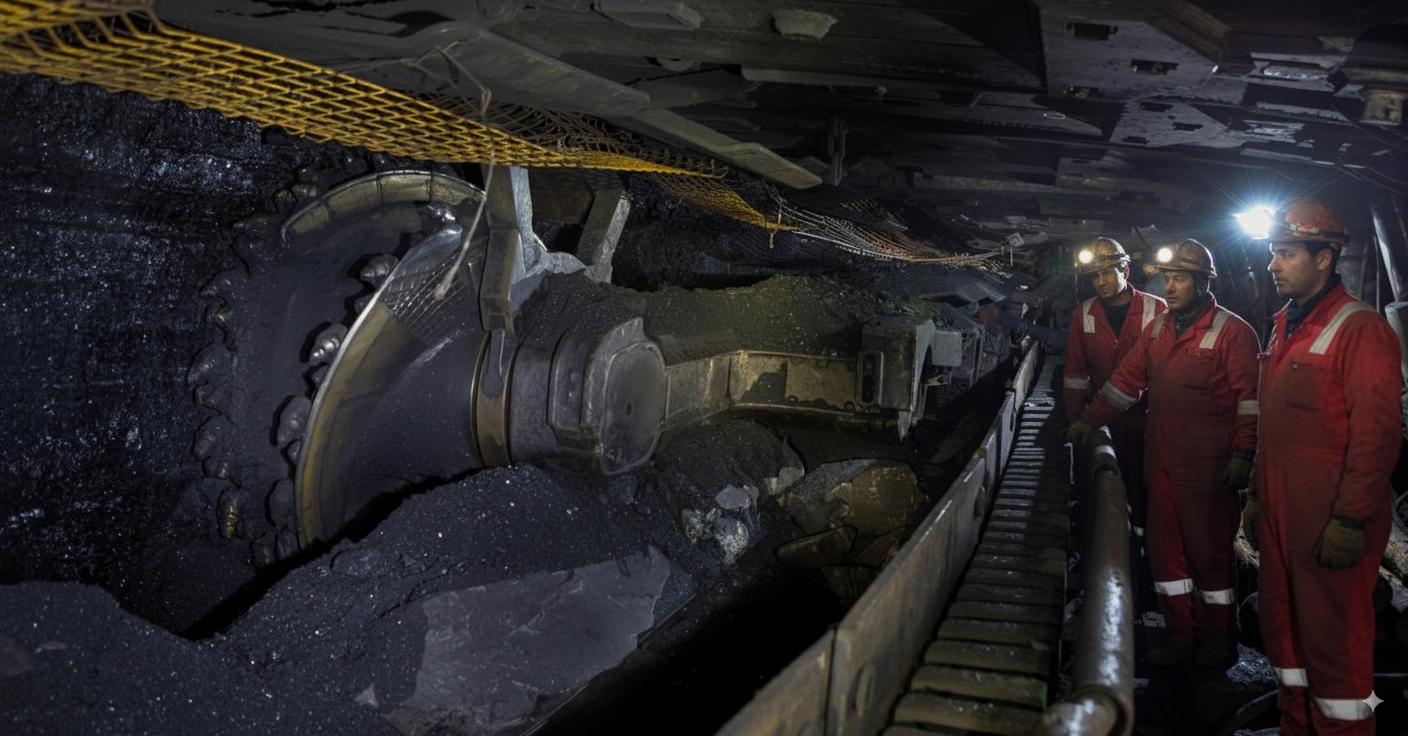
    Underground mines present some of the most extreme challenges for communications. Their depth, complex tunnel structures, and harsh conditions make reliable connectivity difficult to achieve. The Boldyn solution, powered by Nokia’s Modular Private Wireless (MPW), is designed to deliver stable, high-performance coverage across multiple underground levels and a tunnel system stretching several kilometres to depths of up to 1.5 kilometres. The network offers ultra-low latency and high bandwidth, enabling the deployment of advanced mining applications that improve safety, automation, and operational efficiency.

    The private 5G system forms the foundation of Callio’s ambition to operate as a fully automated test mine. It enables the remote control of machinery and vehicles from the surface, reducing the need for personnel in hazardous environments while maximising productivity and minimising downtime.

    Several advanced technologies are already being tested at the facility. Automation and tele-remote systems allow autonomous vehicles and equipment to be operated from above ground, supporting safer and more efficient mining. A next-generation voice communication system replaces outdated walkie-talkies with reliable mobile connectivity across all levels of the mine, enhancing coordination and response times.

    In addition, Finnish software firm Cybercube is testing digital twin and real-time positioning technology, which integrates 3D mapping with operational control. This provides continuous visibility of personnel, vehicles, and assets in environments where GPS is unavailable. Such tools improve situational awareness, evacuation planning, and overall safety management.

    The deployment demonstrates how secure, industrial-grade 5G networks can meet the unique demands of mining. By enabling automation, real-time control, and continuous communications, the Callio project showcases how next-generation connectivity can transform underground operations, making them safer, more sustainable, and more efficient.

  • China Tightens Grip on Tajikistan’s Antimony Industry

    China Tightens Grip on Tajikistan’s Antimony Industry

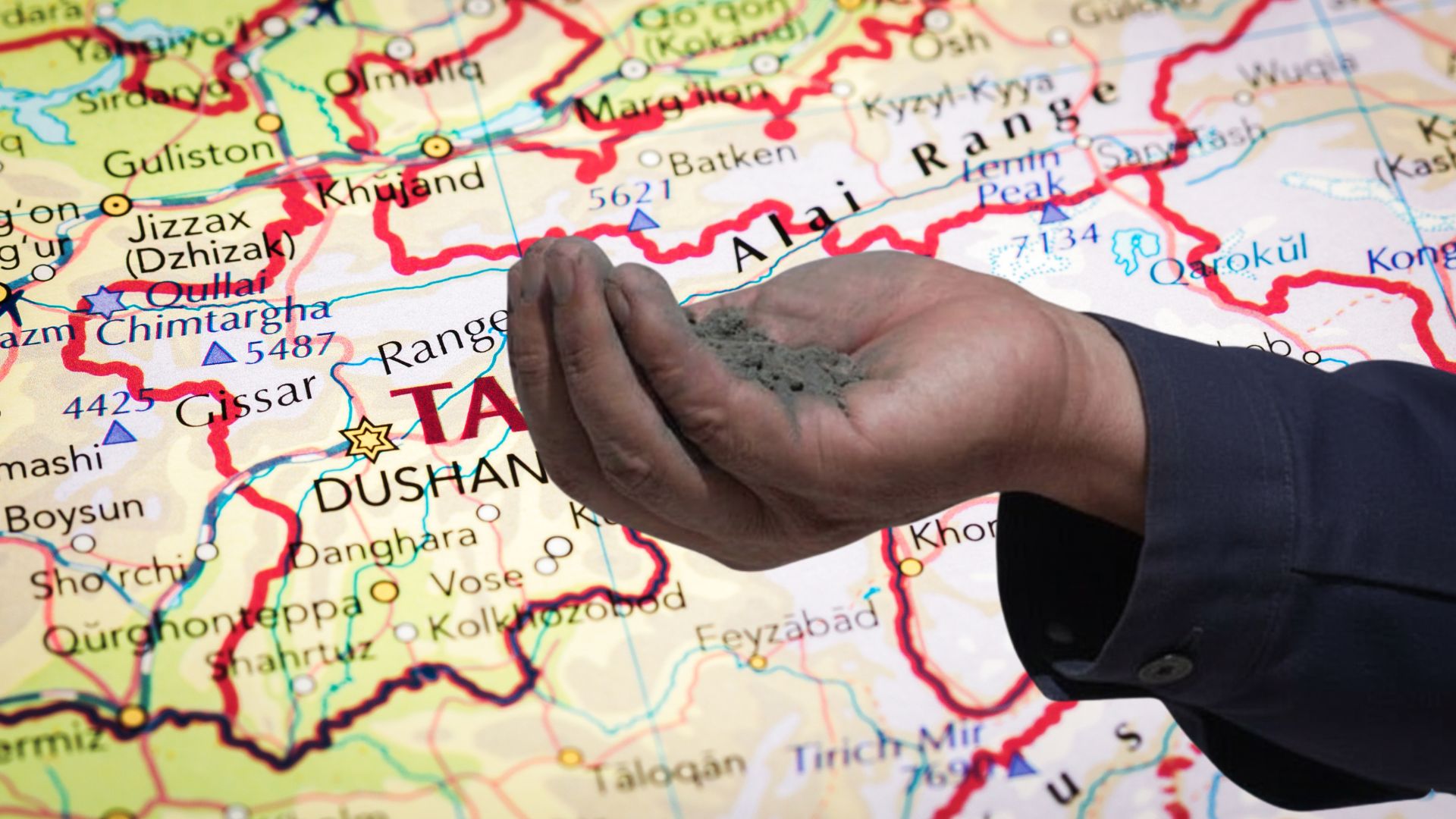
    In Tajikistan’s mountainous heartland, the Soviet-era Saritag antimony mine stands testament to China’s growing influence in Central Asia. Run by the joint venture Talco Gold, a collaboration between Tajik and Chinese companies, the mine produces over 5,000 tonnes of antimony concentrate daily, crucial for many industrial applications. The ore is crushed, ground in large drums, and then separated from the metal using chemical reagents before being dried and bagged as 30% pure antimony. This large-scale operation was made possible by a significant Chinese investment in 2022, which is now being followed by the construction of a new purification plant.

    Pictures of Tajikistan’s long-time President Emomali Rakhmon coexist with portraits of Chinese leader Xi Jinping on posters juxtaposing the country’s past with its present economic reality. While remnants of the Soviet era remain, China has overtaken Russia as the dominant power in the region’s crucial mining sector.

    The full potential of the mine is yet to be unlocked. China’s ambitious $359 million project aims to build a state-of-the-art purification plant on the site, allowing for even greater control over the antimony production chain.

    The Chinese investment, pouring in, signals a strategic move to secure access to vital resources and cement political ties. While offering much-needed economic boost to Tajikistan, it raises concerns about resource dependence and potential environmental consequences.

    This narrative paints a picture of delicate balance: economic prosperity coupled with increasing reliance on a single partner, leaving Tajikistan to navigate the complex landscape of China’s expanding geopolitical footprint in Central Asia.

  • Kyrgyzstan Boosts Mineral Output in Early 2025 Amid Sector Consolidation

    Kyrgyzstan Boosts Mineral Output in Early 2025 Amid Sector Consolidation

    Kyrgyzstan recorded significant growth in gold, silver, coal, and natural gas production during the first half of 2025, according to data from the Kyrgyz Geological Service. Despite the increase, the number of active companies in the sector fell, reflecting a wave of license revocations and industry consolidation.

    Compared to the same period in 2024, the country produced an additional 700 kg of gold and 1.1 million cubic meters of natural gas. Silver production surged from 198 kg to 3.8 tons, while coal output rose from 3.1 million to 4.4 million tons.

    The state resource balance for January–June 2025 was as follows:

    • Regular gold: 5.8 tons

    • Placer gold: 57 kg (up from 28.3 kg)

    • Silver: 3.8 tons (up from 198 kg)

    • Coal: 4.4 million tons (up from 3.1 million tons)

    The sector also delivered stronger fiscal results, with tax and non-tax revenues climbing from 17.9 billion KGS ($205.2 million) in 2024 to 27.8 billion KGS ($318.5 million) in 2025. Industrial production reached 30.7 billion KGS ($352 million), an increase of nearly 3 billion KGS ($34.4 million).

    At the same time, licensing activity slowed. Authorities revoked 199 production licenses in the first half of 2025, citing inactivity, while only 15 new licenses were issued, compared with 26 during the same period last year. Expired permits were reallocated to other operators.

    Officials welcomed the rise in output as a positive contribution to GDP and a sign of improved efficiency. However, the report warned of risks to construction resources such as marble, sand, and gravel, which are being rapidly depleted due to high demand from the building sector.

    Experts caution that while the surge in mining strengthens revenues and energy security, long-term sustainability will require careful planning to prevent overexploitation of finite resources.

  • The Devil is in the Detail: Key Concerns of Kazakhstan’s Mining Sector Investors

    The Devil is in the Detail: Key Concerns of Kazakhstan’s Mining Sector Investors

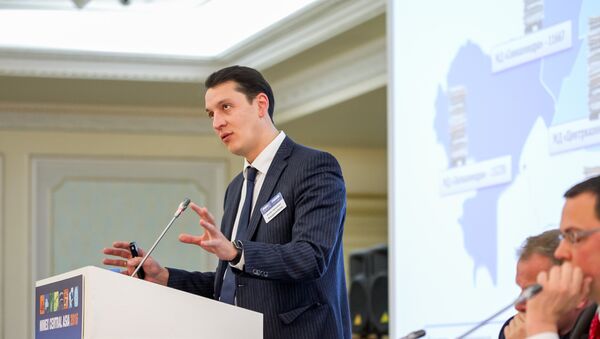
    While Kazakhstan has established itself as one of the most attractive jurisdictions for geological exploration investment, recent developments have unsettled international partners. Ruslan Baimishev, President of the Kazakhstan Mining Chamber, outlined these concerns during a panel discussion in Almaty, as reported by LS.

    Baimishev noted that major industry players invest with long-term horizons—often 10 to 15 years—making regulatory stability crucial. He acknowledged that reforms in 2018 had positioned Kazakhstan as a globally competitive mining jurisdiction. However, he warned against backtracking, citing attempts to reintroduce restrictive policies, such as stricter reserve reporting rules and restricted access to geological data.

    “During the last parliamentary session, several draft laws initially welcomed by MPs were later amended, effectively reverting to outdated practices and deviating from international standards,” Baimishev explained. Though these changes were ultimately halted, the mere attempt sent worrying signals to investors.

    Another pressing issue is tax reform. The new Tax Code, set to take effect in 2026, introduces higher land lease fees, which could discourage large-scale exploration. Baimishev argued that while the intent—to incentivise faster project development—is logical, investors need clarity on post-exploration taxation. He also criticised proposed royalty rates, which, despite being marketed as investor-friendly, may apply unevenly, disadvantaging existing license holders.

    On a positive note, Baimishev praised ongoing government-business dialogue and improvements in geological data accessibility. However, he urged further refinements, particularly in licensing procedures for restricted areas.

    Separately, Nikolai Radostovets of the Republican Association of Mining and Metallurgical Enterprises raised concerns over a proposed 1% R&D levy. While 30% would fund geological studies—a sector priority—he argued the remaining 70% should support industry-specific innovation rather than being absorbed into the state budget.

    Saken Shayakhmetov of Kazakhmys added that without strategic R&D investment, Kazakhstan risks falling behind technologically as mineral reserves deplete.

  • U.S. and Ukraine Earmark $150 Million for Minerals Deal

    U.S. and Ukraine Earmark $150 Million for Minerals Deal

    The United States and Ukraine have committed $150 million to establish a reconstruction investment fund designed to channel foreign capital into Ukraine’s natural resources sector.

    Announced on 17 September by Ukraine’s Economy Minister, Oleksii Sobolev, the fund will see Washington and Kyiv invest $75 million each, with the U.S. contribution provided through the International Development Finance Corporation (DFC). Ukraine will finance its share in two instalments, drawn from this year’s and next year’s budgets.

    “This is definitely enough to make the first proper large-scale investments,” Sobolev told journalists.

    The initiative forms part of a wider U.S.-Ukraine resources agreement, signed in April, granting Washington favourable access to projects in natural resources, infrastructure, and defence. The fund will operate on a project-by-project basis, with both parties contributing only once an investment is approved.

    DFC officials visited Ukraine earlier this month, inspecting potential starter projects such as titanium, zirconium, and hafnium deposits in Kirovohrad Oblast. Mateo Goldman, DFC’s Senior Vice President for Investments, said: “Our $75 million investment is a major step to activating the fund and opening the Ukrainian market to new investment opportunities.”

    The fund’s board is expected to finalise its structure by late November, including the appointment of an administrator and approval of investment guidelines.

    Prime Minister Yulia Svyrydenko described the initial funding as a demonstration of “trust and long-term commitment” from Washington, noting that reinvested profits over the next decade will bolster Ukraine’s economic recovery.

    With U.S. interest in Ukraine’s critical raw materials and gas reserves, Kyiv hopes the partnership will accelerate both energy security and post-war reconstruction.

  • Kazakhstan’s Critical Minerals in Focus at the BKS webinar

    Kazakhstan’s Critical Minerals in Focus at the BKS webinar

    Kazakhstan’s ambition to transform itself into a linchpin of the global critical minerals supply was in sharp focus at the British-Kazakh Society’s (BKS) latest webinar, “Critical Minerals – A Closer Look at Kazakhstan and the Resource Base.”

    Hosted online on 16 September, the event brought together government representatives, leading analysts, and industry insiders to scrutinise the nation’s mineral endowment, discuss its strategy for long-term sustainability, and evaluate opportunities for international partnership and investment.

    Geological Promise and Policy Drive
    In his welcome address, Yerlan Zeineshev, Economic Counsellor at the Kazakhstan Embassy in the UK, underscored the nation’s geological riches—including rare earths, lithium, copper, uranium, titanium, and vanadium—and signalled Kazakhstan’s determination to become “a key supplier for global critical mineral needs.” The country already produces 17 of the 34 critical minerals on the UK’s essential list, with potential to expand further given the right investment and technology.

    Mr Zeineshev highlighted March 2024’s UK-Kazakhstan critical minerals roadmap, emphasising mutual aims for research, private investment, and technology transfer. He pledged continued reform to ensure an open, investor-friendly environment—citing adoption of international best practice in mining codes, long-term investment agreements, and digitalisation of geological data.

    Supply Chain Resilience and Global Partnerships
    Speakers and panellists closely examined how Kazakhstan’s neutral geopolitical stance and its position on the Trans-Caspian International Transport Route position the country as a reliable partner for nations seeking to diversify supply chains. As Enzo Grazella, Senior Analyst at the Critical Minerals Association, noted, this offers both Europe and the UK an alternative source to mitigate risk and reduce overreliance on a handful of global producers.

    The UK government’s updated critical minerals strategy and increased focus on supply chain security were cited as drivers for stepped-up bilateral engagement, particularly in mining, refining, recycling, and advanced manufacturing. Initiatives backed by UK export finance, the European Bank for Reconstruction and Development (EBRD), and local reforms are fostering a more attractive investment climate.

    Resource Development and Value Addition
    Arkhat Kurmanbekov, Deputy Director General of Kazakhstan’s National Center for Technology Foresight, outlined the scale of Kazakhstan’s geological survey initiatives, with record levels of exploration funding and ambitious targets to increase the area surveyed to over 2.2 million km² by 2026. The nation aims not only to expand extraction but also to move up the value chain through domestic processing, production of battery materials, heat-resistant alloys, semiconductor materials, and recycling technologies. Industry success stories—such as providing titanium to Boeing and Airbus, or pioneering full-cycle beryllium plants—underline local expertise.

    Market Dynamics, Price Volatility, and Sustainability Challenges
    Caroline Messecar, Strategic Markets Editor at Fastmarkets Metals and Mining, discussed acute market vulnerability arising from concentrated global production—particularly for rare earth magnets vital to electric vehicles and wind turbines. China commands up to 89% of global magnet supply, and recent export controls have forced international markets to scramble for alternative sources, underscoring the strategic importance of new suppliers like Kazakhstan.

    The panel noted that establishing downstream industries (such as magnet manufacturing) requires more than raw materials: it needs multidisciplinary technical skills, transparent and sustainable production, and robust ESG standards. Both Kazakh and UK speakers reaffirmed their commitments to high environmental and social standards, clarifying that responsible development can coexist with commercial viability.

    Whatch the webinar recoding
    Video provided for the MINEX Forum readers by the British-Kazakh Society

  • Mongolia Unveils Oyut Copper Deposit with 357 Million Tons of Ore

    Mongolia Unveils Oyut Copper Deposit with 357 Million Tons of Ore

    A newly discovered mineral deposit named Oyut has been identified within the territories of Bayan-Undur and Jargalant districts in Mongolia’s Orkhon province, as reported by Montsame. Preliminary geological exploration indicates that the Oyut deposit contains approximately 357 million tons of ore reserves, positioning it as a potential asset of significant scale, comparable to Mongolia’s largest copper and molybdenum ore mining operation at Erdenet.

    On September 7, Mongolian Prime Minister Zandansahtar Gombojav attended the official opening and preparatory activities for the operational launch of the Oyut deposit. The Prime Minister has authorised a feasibility study for the construction of a concentrator designed to process between 5 to 10 million tons of ore annually. Early estimates suggest that the deposit could sustain operations for 30 to 35 years, marking it as a long-term strategic resource. The initial geological exploration was conducted independently by specialists from the Erdenet Mining Corporation, with senior engineers from the corporation overseeing the project’s design and construction.

    Prime Minister Gombojav emphasised Mongolia’s constitutional commitment to equitable resource distribution, stating that the benefits derived from subsoil resources will be consolidated into the National Sovereign Wealth Fund and fairly allocated to all citizens. The Oyut copper deposit is strategically located approximately 8 kilometres from the Erdenetyn-Ovoo deposit, the foundation of the Erdenet Mining Corporation, and just 3 kilometres from the infrastructure of the Industrial and Technology Park near Erdenet city.

    The launch of operations at the Oyut deposit is anticipated to make a substantial contribution to the Sovereign Wealth Fund. It is also expected to serve as a key driver of socio-economic development in Erdenet city, Orkhon aimag, the Northern region, and Mongolia as a whole. This discovery underscores Mongolia’s potential to leverage its mineral resources for long-term economic growth and development.

  • Mining & Metals Analytical Report Highlights Kazakhstan’s Potential as a Mineral Investment Hub

    Mining & Metals Analytical Report Highlights Kazakhstan’s Potential as a Mineral Investment Hub

    A new analytical report produced by AIFC highlights Kazakhstan’s significant potential to become a leading hub for mineral investment, positioning the country as a crucial player in the global energy transition. The report, which includes what is believed to be the first-ever comparative benchmark of Kazakhstan against major mining jurisdictions like Canada, Chile, Australia, and Indonesia, concludes that while the nation has vast untapped potential, it must take specific steps to fully capitalize on it.

    The report identifies several key actions necessary to support this ambition. These include a strategic focus on active investment in junior mining companies, which are vital for early-stage exploration. The country also needs to provide a stable legal and regulatory framework to attract and retain foreign investment. Finally, Kazakhstan must align its development strategy with its mineral strengths and global trends, focusing on the materials most in demand for clean energy technologies.

    The report’s findings are underpinned by compelling data points that showcase Kazakhstan’s existing role and future prospects in the mining and metals sector. In 2024, the industry attracted $3 billion in gross foreign direct investment, accounting for 17% of the national total. Mining and metals also made up a substantial 12.1% of the country’s GDP last year. Despite its established importance, a staggering 65% of Kazakhstan’s geological area remains unexplored, presenting a monumental opportunity for new discoveries. These domestic figures are set against the backdrop of a global context where an estimated $2.1 trillion in mining investment will be needed by 2050 to meet the demands of a net-zero world.

  • SSGPO Secures $400 Million Syndicated Loan for Strategic Expansion

    SSGPO Secures $400 Million Syndicated Loan for Strategic Expansion

    Sokolovsko-Sarbayskoye Mining Production Association (SSGPO), part of the Eurasian Resources Group (ERG), has opened a new syndicated credit line worth up to $400 million with other firms under common control, according to its recently published financial report. The agreement was finalised in February 2025 and is set to run until 2029. The document states that the interest rate on the loans, denominated in US dollars and euros, will be a market rate.

    This latest move follows a similar arrangement made in 2024, when SSGPO signed a syndicated credit line agreement with affiliated companies for up to $300 million, with a repayment deadline of the end of 2028. Furthermore, SSGPO acts as a co-guarantor for ERG’s loans, alongside other subsidiaries within the group. As part of the new credit line, SSGPO provided a loan of $6 million to an unnamed company under common control in June 2025.

    SSGPO’s core business is the extraction and processing of iron ore. The company holds a number of iron ore mining contracts in the Kostanay region, which are due to expire in 2033, 2035, and 2040. In addition, SSGPO is currently constructing a hot-briquetted iron plant in Rudny, which is scheduled to commence operations in late 2027. The company’s financial performance for 2024 showed an increase in revenue to 424.1 billion tenge from 389.6 billion tenge in the previous year, although it recorded a loss of 69.3 billion tenge, a slight improvement on the 71.4 billion tenge loss in 2023. The sole owner of SSGPO is ERG Iron Ore Holding B.V., which is part of the broader ERG group. The Eurasian Resources Group itself is co-owned by the Ministry of Finance of the Republic of Kazakhstan, which holds a 40% stake, with the remaining shares divided between the heirs of Alexander Mashkevich and the Ibragimov family, each with 20.7%, and Patokh Shodiev, who holds 18.6%. The Ibragimov family is listed by Forbes as the seventh wealthiest in Kazakhstan, with a net worth of $2.06 billion.

  • France’s EMILI Project: A Game-Changer for European Lithium Production

    France’s EMILI Project: A Game-Changer for European Lithium Production

    The EMILI project in Beauvoir, France, has taken a major step forward following the visit of Minister of Industry and Energy Marc Ferracci. Recognised as a project of major national interest, EMILI is home to Europe’s largest lithium deposit and the fourth largest globally.

    A recently completed pre-feasibility study revealed a higher-than-expected lithium grade, extending the project’s lifespan from 25 to 50 years. This long-term outlook cements EMILI’s role in bolstering European sovereignty over critical battery materials and supporting the continent’s electric vehicle ambitions.

    “Beneath our feet lies a lithium deposit recognised as a project of major national interest, the fourth largest in the world and the largest in Europe,” said Guillaume Delacroix, Senior Vice President Performance Minerals EMEA & APAC.

    EMILI benefits from France’s new regulatory framework that accelerates mining development, alongside eligibility for €200 million in tax credits once operations commence. With a focus on high environmental and social standards, the project is poised to become a cornerstone of Europe’s clean energy future.

    Learn more here.