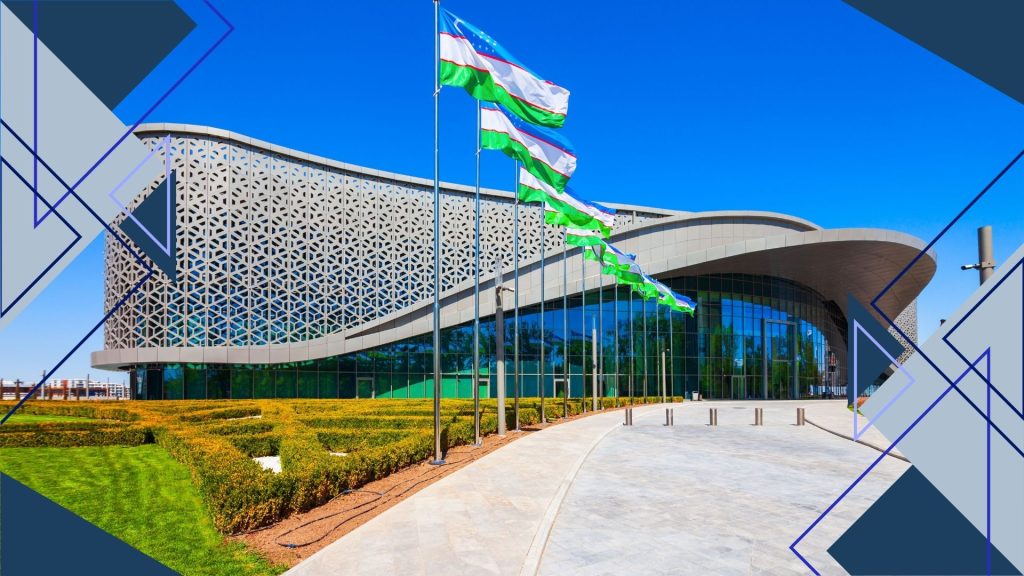
The United States and Central Asia advanced the C5+1 format on multiple fronts in the same week, with a cultural cooperation meeting in Tashkent on 5 June followed days later by a critical minerals dialogue session in Astana — a sequence that reflects the format’s deliberate expansion from security and energy diplomacy into a more comprehensive regional engagement framework.
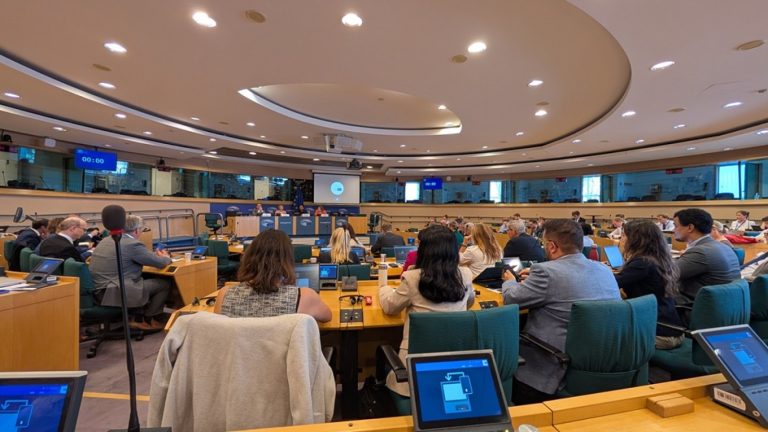
The Tashkent meeting brought together culture ministers from all five Central Asian states alongside US Under Secretary of State for Public Diplomacy Sarah Rogers. Participants discussed the formation of a permanent C5+1 Working Group on Culture, a joint Culture and Innovation Forum, expanded places for Central Asian cultural professionals in US education and exchange programmes, and closer cooperation in the creative industries. Uzbekistan proposed establishing joint English for Culture centres with US partners at cultural education institutions — a concrete institutional base for an agenda that has previously remained at the level of declarations. The meeting concluded with a protocol reaffirming commitments from the November 2025 Washington summit, covering joint events in art, literature, theatre, cinema and music, museum partnerships, heritage digitisation and tourism routes.
The cultural diplomacy track sits alongside the more commercially focused critical minerals agenda that brought the C5+1 format to Astana for the 10 June Critical Minerals Dialogue, held immediately before the Astana Mining and Metallurgy Congress on 11 to 12 June. The congress programme covers investment conditions, taxation, transport and logistics, copper as a strategic metal and the transition from mineral resources to funded investment projects, with B2B and B2G meetings and a site visit to a Qarmet enterprise on 13 June. Companies and organisations from Kazakhstan, Canada, China, Germany, Saudi Arabia, Sweden and the United States are among confirmed participants.
Kazakhstan’s position at the centre of these discussions reflects its genuine strategic weight. The country accounted for 39% of global uranium production and 48.8% of global natural uranium exports in 2024, while hard minerals and metals made up 18% of exports by value. Refined copper exports generated $2 billion that year, zinc $788 million and silver $588 million. Kazakhstan is also working to develop rare earth potential into bankable projects, following the 2025 announcement of the Zhana Kazakhstan deposit with estimated resources exceeding 20 million metric tonnes containing neodymium, cerium, lanthanum and yttrium.
The week’s sequence illustrates how the C5+1 format is evolving from broad diplomatic declarations toward working-level deliverables. Leaders set priorities in Washington in November 2025; ministers and sectoral officials are now converting those priorities into practical workstreams. For the United States, critical minerals represent the strongest economic rationale for maintaining the format’s momentum. For Central Asian governments, the incentive is technology transfer, financing, market access and a larger share of value captured domestically from their own resources.