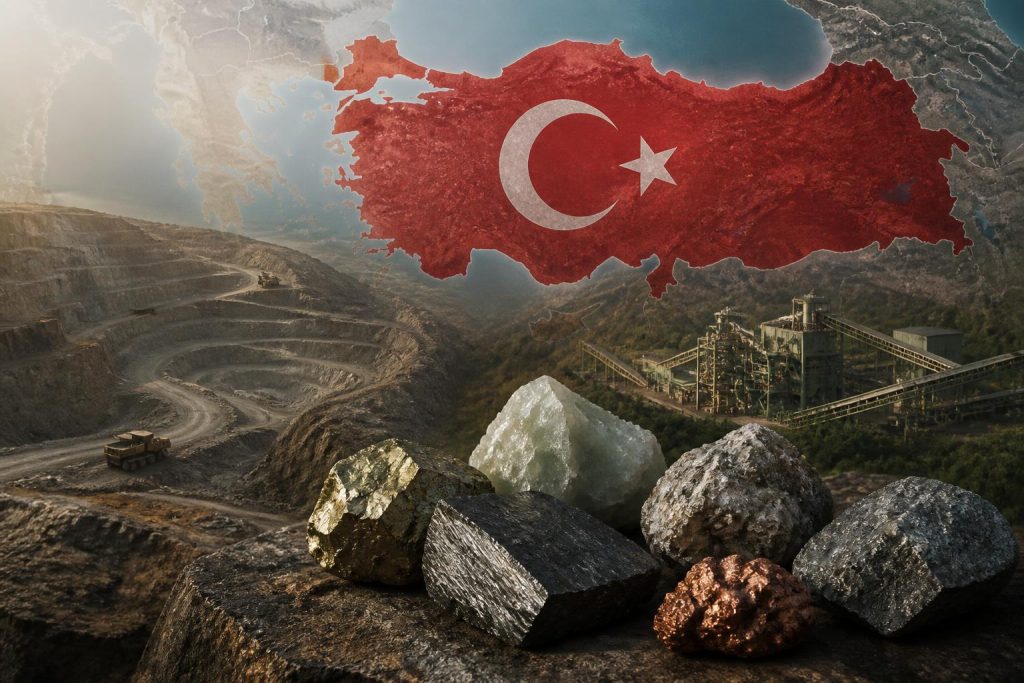
In the August 2026 issue of Ekonomi-Analiz, a new article titled “The New World’s Oil: Critical Minerals and Turkey’s Strategic Position” by Selçuk Bostancı, Corporate Communications Coordinator at MAPEG explores the evolving significance of critical minerals in the global economy and Turkey’s potential to emerge as a key player in this arena. The article argues that critical minerals, including lithium, cobalt, nickel, graphite, and rare earth elements, have transcended their traditional roles as mere inputs for the mining sector. Instead, they are now viewed as essential components of energy security, industrial capacity, and national defence, positioning them at the forefront of global competition akin to oil and natural gas.
Why these minerals matter so much
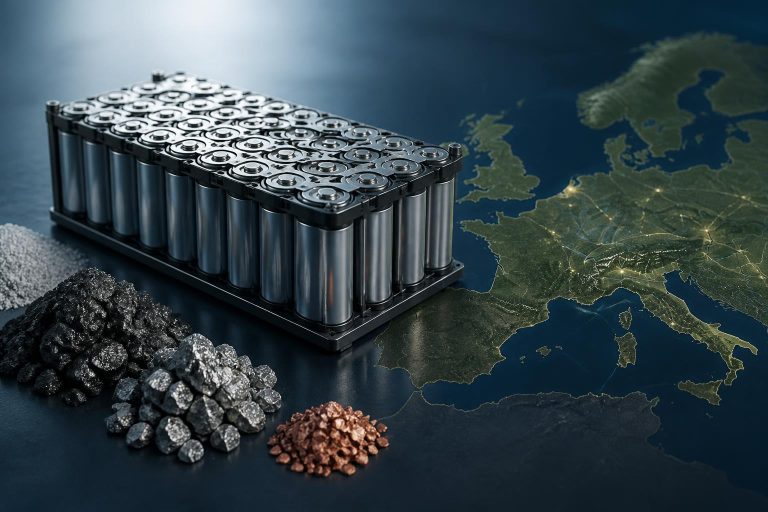
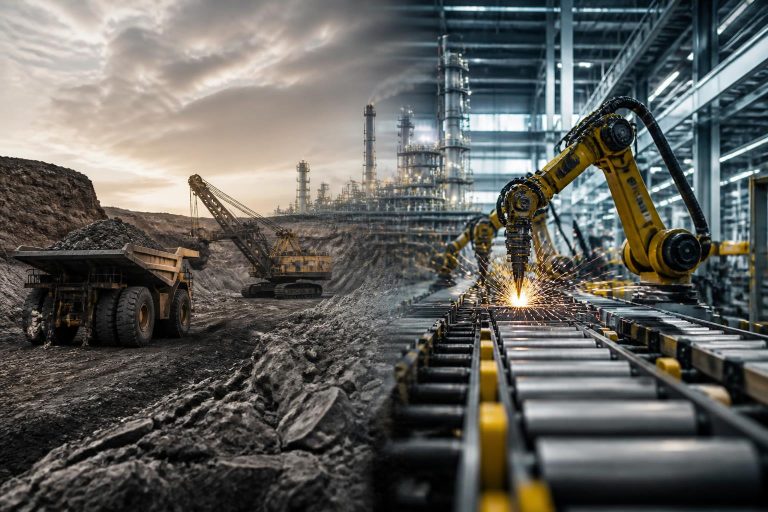
The reasoning given is straightforward: nearly every piece of modern technology — from smartphones and electric vehicles to wind turbines, defense systems, space technology, and data centers — depends on these raw materials. Being “critical” isn’t just about scarcity; it’s about how essential a mineral is to the economy, energy, defense, or advanced technology, and how disruptive it would be if supply were interrupted. Lithium, nickel, cobalt, and graphite are singled out for battery technology; rare earths for electric motors and high-performance magnets; and copper for everything from power grids to electric vehicles. The piece frames this as a value chain running from mining through refining, advanced materials, and finished products — arguing that while advanced technology is the visible face of the energy and tech transition, mining is its invisible foundation.
A global race is underway
Citing the International Energy Agency’s 2026 projections under its “Stated Policies” scenario, the article notes that demand for critical minerals is expected to nearly double by 2040. But the bigger issue, it argues, isn’t rising demand itself — it’s that production and especially processing capacity are concentrated in a small number of countries, turning critical minerals into a matter of supply security. This is pushing the US, China, and the EU, among others, to pursue new mining investment, processing facilities, recycling, and strategic stockpiles. The EU’s Critical Raw Materials Act, for instance, sets 2030 targets for extraction, processing, and recycling. The underlying point: future competition won’t just be between countries that hold mineral resources, but between those that can actually process those resources into high-value products.
Turkey’s strategic standing
Turkey’s geological diversity is presented as a real opportunity in this new landscape. A Critical and Strategic Minerals Report published by the Ministry of Energy and Natural Resources identifies 37 mineral types considered critical or strategic for the country.
One standout example cited is the rare earth element site at Eskişehir-Beylikova. More than 125,000 meters of drilling there identified an estimated resource of around 694 million tons of rare earth material, and a pilot production facility is already running. Work is now underway to build out full industrial-scale capacity, including separation and processing. The article uses Beylikova to make a broader point: strategic value today isn’t just about owning a deposit — it depends equally on extracting, separating, and processing the ore into high-value products that industry can actually use. It notes that Turkey’s mineral assets — boron chief among them — along with its rare earth work and other critical minerals initiatives, show mining increasingly being tied together with technology and industry.
Giving back to nature while extracting
Growing demand for critical minerals comes with a responsibility, the article argues: sustainable mining. Today’s approach to mining isn’t just about extracting economic value from the ground — it also means restoring sites back to nature and the community once operations end.
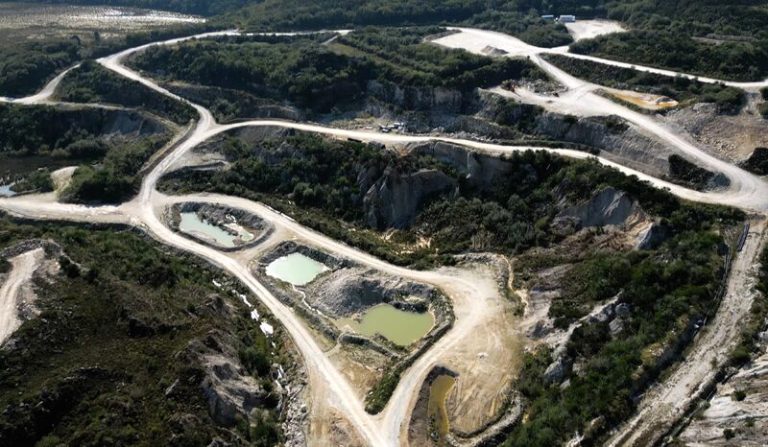
It points to concrete evidence of this in Turkey through MAPEG’s (General Directorate of Mining and Petroleum Affairs) nationwide project tracking rehabilitated mining sites and mining-related social responsibility work, known as TÜRMES. As of August 2026, the project has documented 205 rehabilitated mining sites across 35 provinces, covering roughly 13,252 hectares of restored land, with close to 23.9 million trees and plants replanted, and 185 mining-related social responsibility projects recorded. This data is made publicly available and transparent through a TÜRMES information map on MAPEG’s website, letting anyone see how sites across different regions of Turkey have been returned to nature after mining activity. The article presents these figures as proof that a mining model which “produces while also giving back to nature” is achievable with the right planning and rehabilitation practices.
Turning underground value into future value
The closing section argues that as electrification, defense technology, digitalization, and AI continue to advance, mineral raw materials will only grow more strategically important. Turkey, with its mineral diversity, mining experience, industrial base, and geostrategic location, is well positioned for this shift. But the article stresses that future value in mining won’t be measured by reserve size alone — it will come from combining resources with science and technology, converting them into high-value products, and doing so sustainably. It suggests this is exactly why the “new world’s oil” comparison for critical minerals keeps gaining resonance: what will ultimately determine future wealth isn’t simply what lies underground, but what we’re able to turn that underground value into — above ground, and with nature in mind.