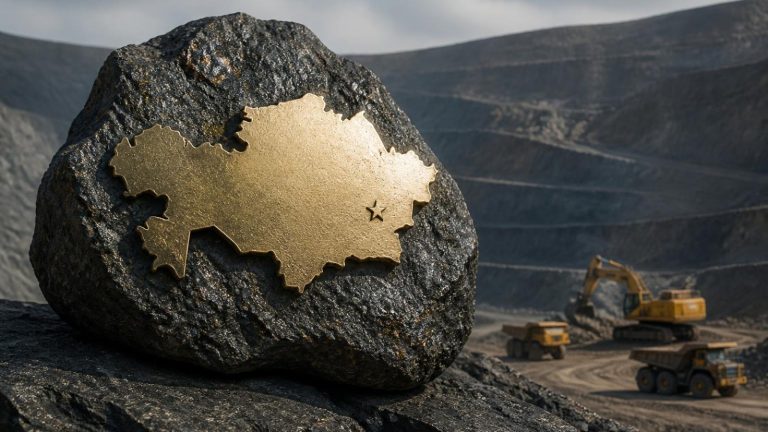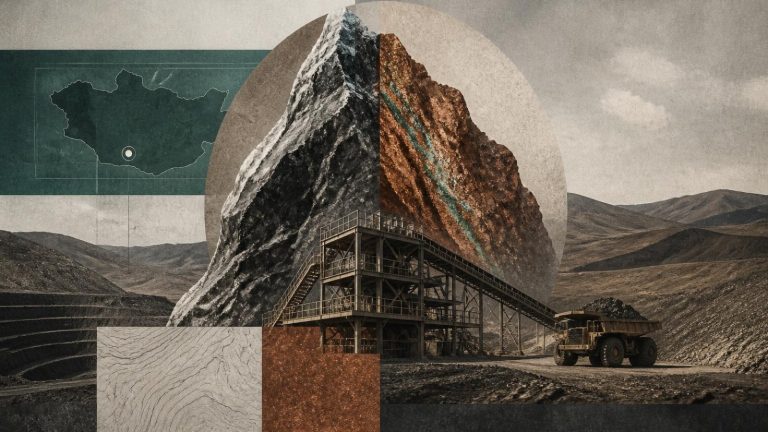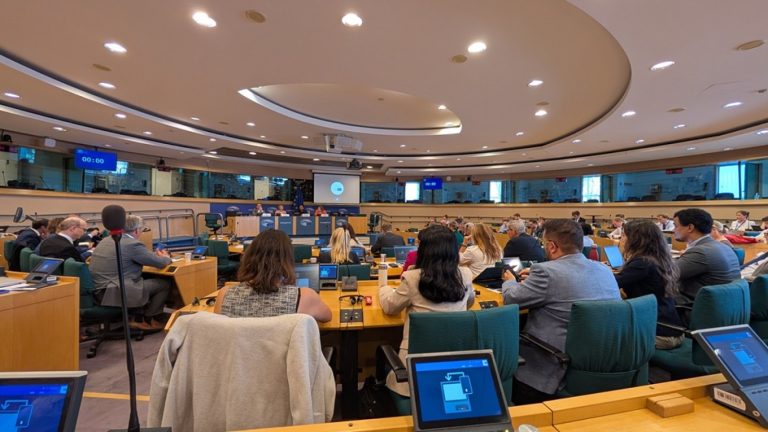
Kazakhstan’s political party Ädilet has convened a Business Council meeting bringing together representatives of major mining and metallurgical companies, industry associations and state bodies to debate how the country can retain more value from its mineral wealth domestically rather than exporting raw materials.
The meeting concluded that deep processing, enterprise modernisation and production of high value-added goods must become the central priorities for Kazakhstan’s mining and metallurgical complex. The sector already accounts for approximately 8% of GDP, with production exceeding 14 trillion tenge and exports reaching $21.4 billion last year, according to figures presented by national mining holding Tau-Ken Samruk — but participants agreed the industry’s potential is substantially higher.
Ädilet party chairman Aibek Dadebay framed the transition to deep processing as both an economic and a social justice issue. “This is not only an economic question. It is a question of fairness. The wealth of the land must be converted into the wealth of the people. That is why Ädilet fully supports the president’s strategic course toward deep processing, construction of new facilities and increasing output of higher value-added products,” he said.
Discussion moved from strategic priorities to practical barriers: railway freight tariffs, enterprise modernisation costs, engineering workforce shortages and geological exploration funding. Tau-Ken Samruk chairman Nariman Absametov highlighted the growing strategic importance of rare and rare earth metals. “Access to rare and rare earth minerals is becoming one of the most important factors in the country’s global competitiveness. Kazakhstan possesses a unique mineral resource base, and its effective development will strengthen the country’s position in world markets,” he said.
Dadebay said proposals from businesses, industry associations and experts would be systematised into a unified package of Ädilet initiatives on mining and metallurgical sector development. “Our task is to ensure that dialogue between business and the state continues on a daily basis,” he said.