Global supply chains are already buckling under China’s rare earth export controls — but an even larger threat is brewing in the base metals sector, where Western smelters are being pushed to the brink by China’s overcapacity and collapsing processing fees.
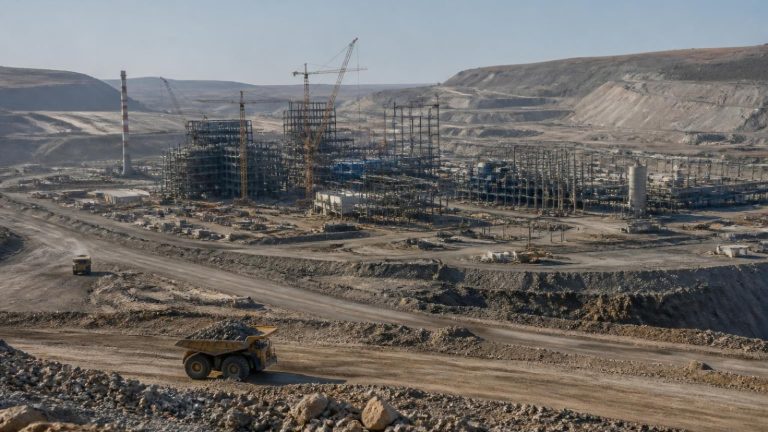
Copper smelters in Namibia and the Philippines have recently shuttered, while Glencore warns its Mount Isa plant in Australia is no longer viable. The crisis has prompted urgent calls to save Nyrstar’s zinc and lead smelters and Rio Tinto’s Tomago aluminum operation.
At the heart of the issue is China’s rapid smelting expansion, which is saturating the global market. Chinese refiners recently agreed to process copper concentrates from Chile at zero fees — a historic inversion where smelters typically charge miners. In some cases, smelters are even paying miners, wiping out margins and driving global treatment charges to record lows.
Zinc tells a similar story: despite booming mine output, spot smelter fees are struggling to rebound after turning negative last year. China is flooding the market with processed metals while continuing to expand capacity, including building new smelters in Indonesia, which now supplies half the world’s nickel.
While Chinese smelters benefit from state support, vertical integration, and cheap electricity, Western smelters are being crushed by high energy prices and policy gaps. In Europe, aluminum and zinc plant closures followed the 2022 energy crisis. Meanwhile, the U.S. and Australia face tough decisions over keeping critical facilities afloat.
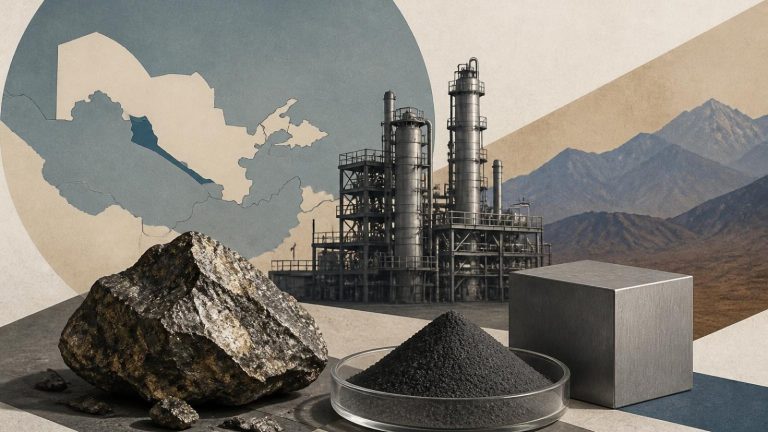
Western governments are finally taking notice. The EU is promoting power purchase agreements and faster grid access for energy-intensive sectors. The U.S. and allies are rethinking how to protect their strategic midstream assets, which not only refine base metals but also recover vital by-products like gallium, tellurium, and antimony — now restricted by China.
Without urgent support, experts warn that China could soon extend its dominance from rare earths to base metals, turning smelters into the next front in the geopolitical resource war.