Month: January 2025

  • Lykos Metals Updates Shareholders on Bosnia Mining Projects

    Lykos Metals Updates Shareholders on Bosnia Mining Projects

    Lykos Metals Limited has provided shareholders with key updates on its mining projects in Bosnia and Herzegovina, highlighting progress and strategic adjustments. The company has accepted the government’s proposal to reduce the tenement application size for its Sockovac project, allowing it to prioritize primary drill targets. Meanwhile, the Jezero project’s exploration permit has been extended, with new results indicating promising mineralization.

    Beyond exploration, Lykos Metals is actively evaluating potential acquisitions and capital-raising opportunities to bolster its financial position and maximize shareholder value. These strategic initiatives align with the company’s long-term vision of expanding its asset portfolio and strengthening its presence in the region’s mining sector.

    Lykos Metals focuses on epithermal gold and polymetallic mineralization in Bosnia and Herzegovina. The company remains committed to advancing its projects through exploration and targeted investments.

  • Europe Sleepwalking into Critical Raw Materials Crisis, Warns Expert

    Europe Sleepwalking into Critical Raw Materials Crisis, Warns Expert

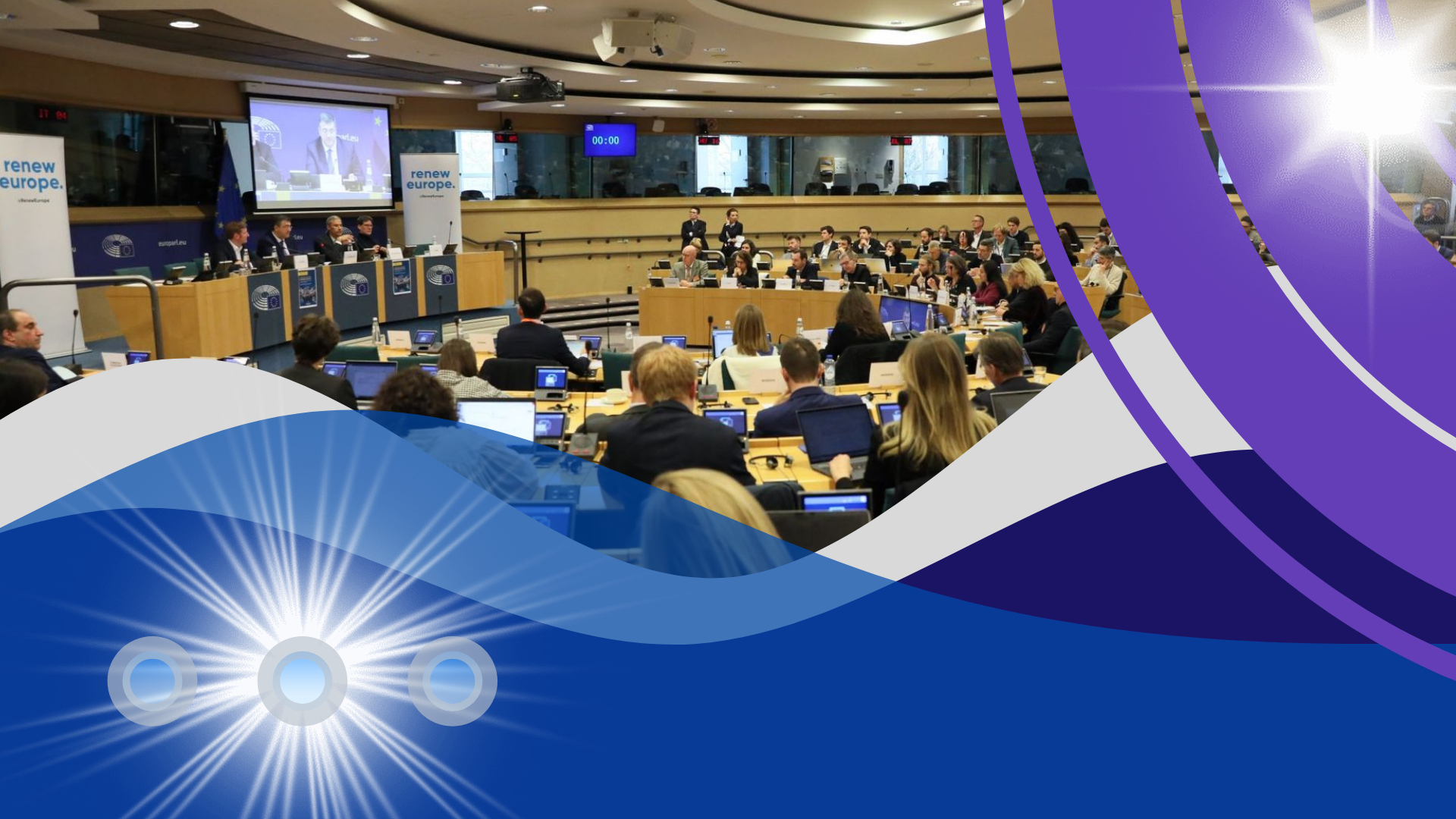
    29 January 20205, Brussels, Belgium — Peter Tom Jones, Director of the KU Leuven Institute for Sustainable Metals and Minerals (SIM2), issued a stark warning to European policymakers yesterday, declaring that failure to secure a self-sufficient critical raw materials (CRM) supply chain would leave Europe at the mercy of China. His remarks came during a high-stakes panel discussion in the European Parliament titled “Supporting the European Automotive Sector to Meet EU Green Transition Goals in Global Competition”, part of a broader event on supporting the EU automotive sector’s green transition.

    Europe’s “Abdication of Responsibility”

    Jones criticised Europe’s historic neglect of upstream mining and refining activities, accusing the bloc of outsourcing CRM production to the Global South while focusing solely on high-value downstream manufacturing. “This has been a significant abdication of our social and environmental responsibilities,” he said, arguing that reliance on external suppliers has left Europe exposed in an era of escalating geopolitical tensions.

    The panel, moderated by MEP Yvan Verougstraete and featuring industry leaders like Julia Poliscanova (Transport & Environment) and Sigrid de Vries (ACEA), highlighted the urgency of addressing supply chain vulnerabilities as the EU races to meet 2030 climate goals.

    China’s Vertical Dominance vs. Europe’s “Siloed Thinking”

    Jones underscored China’s dominance in building a vertically integrated “mine-to-EV” value chain, contrasting it with Europe’s fragmented approach. “While China plans strategically for the long term, Europe remains siloed and reactive,” he said, pointing to the recent shift by European automakers from nickel-manganese-cobalt (NMC) to lithium-iron-phosphate (LFP) batteries. This pivot, he warned, has destabilized Europe’s nascent mining and refining sectors, which lack the infrastructure to support LFP production at scale.

    Compounding these challenges are China’s anticipated export restrictions on magnet and LFP battery technologies—a move Jones called “existential” for Europe’s green transition.

    Call to Action: 15 Mining, Refining, and Recycling Projects by 2030

    Jones urged rapid implementation of the EU’s Critical Raw Materials Act (CRMA), demanding immediate support for at least 15 strategic mining projects, 15 refining facilities, and 15 battery/magnet recycling plants. “With just five years until 2030, we cannot afford delays,” he stressed, warning that opposition from “ideologically driven anti-mining activists” threatens Europe’s energy transition.

    His proposal aligns with calls from industry groups like Eurometaux and Euromines, which have long advocated for streamlined permitting and funding for CRM projects.

    The Path Forward: “Evidence-Based Environmentalism”

    Jones concluded with a plea for pragmatism, advocating “evidence-based environmentalism” that balances ecological concerns with strategic needs. “We must engage companies, governments, and the public to develop an ESG-proof model for responsible metal production in Europe,” he said.

    The event, organised by the Renew Europe faction, signals growing political momentum to secure Europe’s raw materials future. Yet with China’s shadow looming large, the bloc faces a race against time to transform rhetoric into action.

    Key Stakeholders React

    • Judith Kirton-Darling (industriAll Europe): Emphasised the need for “just transition” policies to protect workers in traditional industries.
    • Julia Poliscanova: Warned against repeating fossil fuel-era mistakes by prioritising extraction over circular economy solutions.
    • PROMETIA & Horizon Europe consortia: Highlighted ongoing projects like LITHOS and EXCEED to innovate in sustainable mining and recycling.

    Peter Tom Jones’s full remarks and policy recommendations are available on his LinkedIn profile.
  • Newmont Expands Investment in European Explorer Ariana Resources

    Newmont Expands Investment in European Explorer Ariana Resources

    Newmont, the world’s largest gold mining company, has increased its investment in Ariana Resources, a UK-based exploration firm, by purchasing additional shares for $871,000. This follows an initial $2.5 million investment in 2022 to explore copper and gold in southeastern Europe.

    The alliance, now in its third year of a five-year term, is overseen by Western Tethyan Resources (WTR), a Kosovo-based entity in which Ariana holds a 76% interest, with Newmont providing technical support. WTR holds several exploration licenses in Kosovo and is working on target generation in other southeastern European countries, including Bosnia and Herzegovina, Bulgaria, Greece, Kosovo, North Macedonia, and Serbia.

    To date, the exploration programs have involved generative work in Kosovo and North Macedonia, with additional projects across the region reviewed and assessed. According to Mentor Demi, Managing Director of WTR, they have collected geological, geochemical, and geophysical data over the past two years, generating multiple priority targets and securing new exploration licenses. The first project area, Hertica, has revealed a copper-gold-molybdenum mineralised system.

    Under the alliance terms, any project Newmont deems worthy of further development will be held under a wholly owned WTR entity. Newmont has the option to invest an additional $1 million over two years to earn 60% equity. Further spending of $15 million on a pre-feasibility study that identifies a mineral resource exceeding 2 million ounces of gold will increase Newmont’s stake to 75%. If Newmont decides to develop a mining project, funding will be on a pro-rata basis unless WTR opts out, allowing Newmont to earn up to 85%. Should either party withdraw or dilute their stake below 10%, they will relinquish their interest in exchange for a 2% net smelter return.

    The agreement allows Newmont to increase its stake in promising projects by funding further exploration and development. Beyond this venture, Ariana also has gold projects in Zimbabwe and Turkey, and copper projects in Cyprus.

  • £28.6m Direct Equity Investment to Reopen South Crofty Tin Mine in Cornwall, UK

    £28.6m Direct Equity Investment to Reopen South Crofty Tin Mine in Cornwall, UK

    A major boost for Cornwall’s economy and the UK’s critical mineral supply chain was announced today with a £28.6 million direct equity investment in Cornish Metals Inc. The funding, provided by the National Wealth Fund, will play a crucial role in reopening the historic South Crofty tin mine, generating over 300 direct local jobs.

    This substantial investment forms part of a larger £56 million funding round aimed at further de-risking the South Crofty project. The mine’s revival is particularly significant due to tin’s status as a critical mineral, essential for a range of green technologies including solar panels, wind turbines, electric vehicles (EVs), semiconductors, and energy storage. Securing domestic sources of tin is vital for the UK’s transition to net zero and its broader economic growth.

    Chancellor of the Exchequer, Rt Hon Rachel Reeves, welcomed the investment, stating: “Growth is this Government’s number one mission, and we’re going further and faster to kick start our economy so that we can put more money in people’s pockets. This is just the kind of investment that will help us do that, not only supporting the growth of the Cornish mining sector, but creating high-quality jobs and opportunity for the region and beyond.”

    John Flint, CEO, National Wealth Fund, said, emphasised the strategic importance of the investment: “Critical minerals are not only an important driver of the UK’s transition to net zero, but also of the UK’s growth mission, providing opportunities to anchor important supply chains in the UK. This is our second investment in critical minerals in Cornwall, and shows how we can mobilise private investment into local economies, creating skilled and long-term employment.”

    The reopening of South Crofty represents a significant step forward for the Cornish mining sector and underscores the UK’s commitment to securing its critical mineral resources for a sustainable future.

  • A new report examines the strategic importance of titanium metal for the European Union (EU) economy

    A new report examines the strategic importance of titanium metal for the European Union (EU) economy

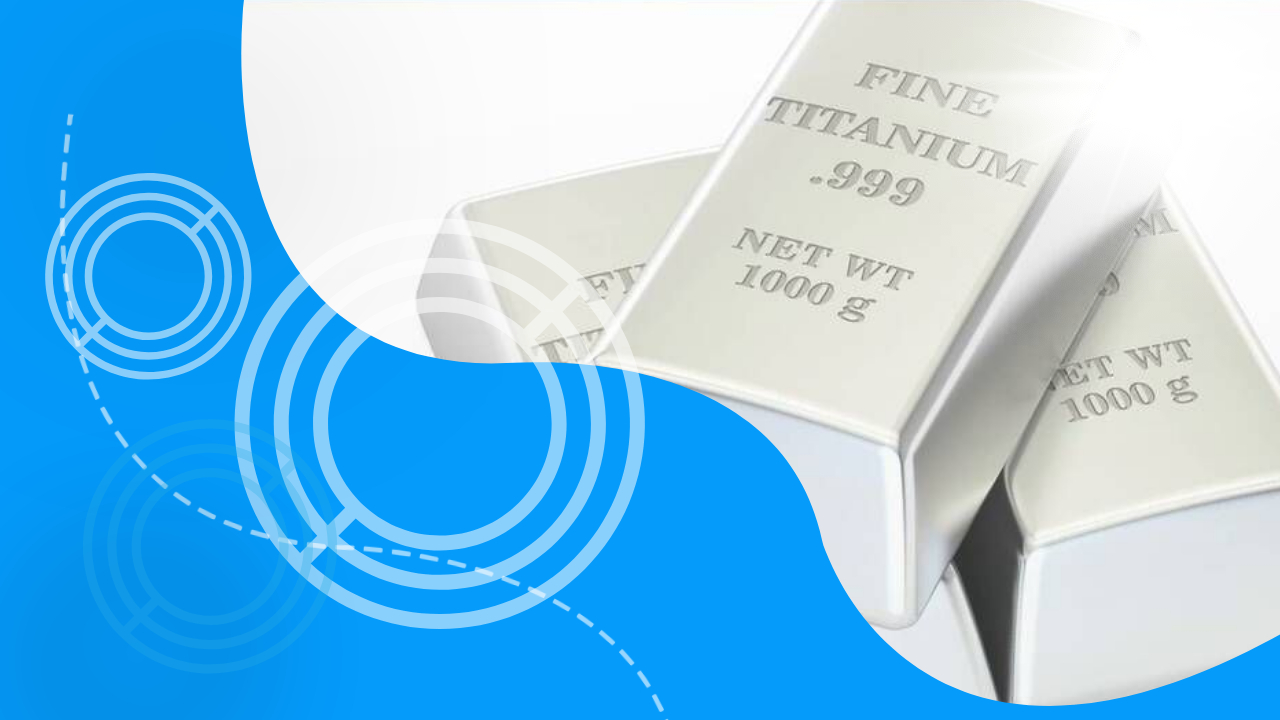
    The EU relies heavily on titanium imports, a critical metal used in aerospace, defense, and green technologies. A new European Commission Joint Research Centre (JRC) report highlights the risks of this dependence, exacerbated by global tensions and limited suppliers. The report analyzes the titanium supply chain and proposes strategies to increase circularity and reduce import reliance.

    The EU’s titanium consumption is substantial and expected to grow. Currently, it imports significantly more titanium than it exports, primarily in the form of products and unwrought titanium. Civil aerospace accounts for the majority of this demand, supporting a large number of jobs and contributing significantly to the EU’s GDP. However, the EU faces geopolitical challenges due to its import dependence, especially with the war in Ukraine and the concentration of titanium production in a few countries like China, Japan, Russia, and Kazakhstan.

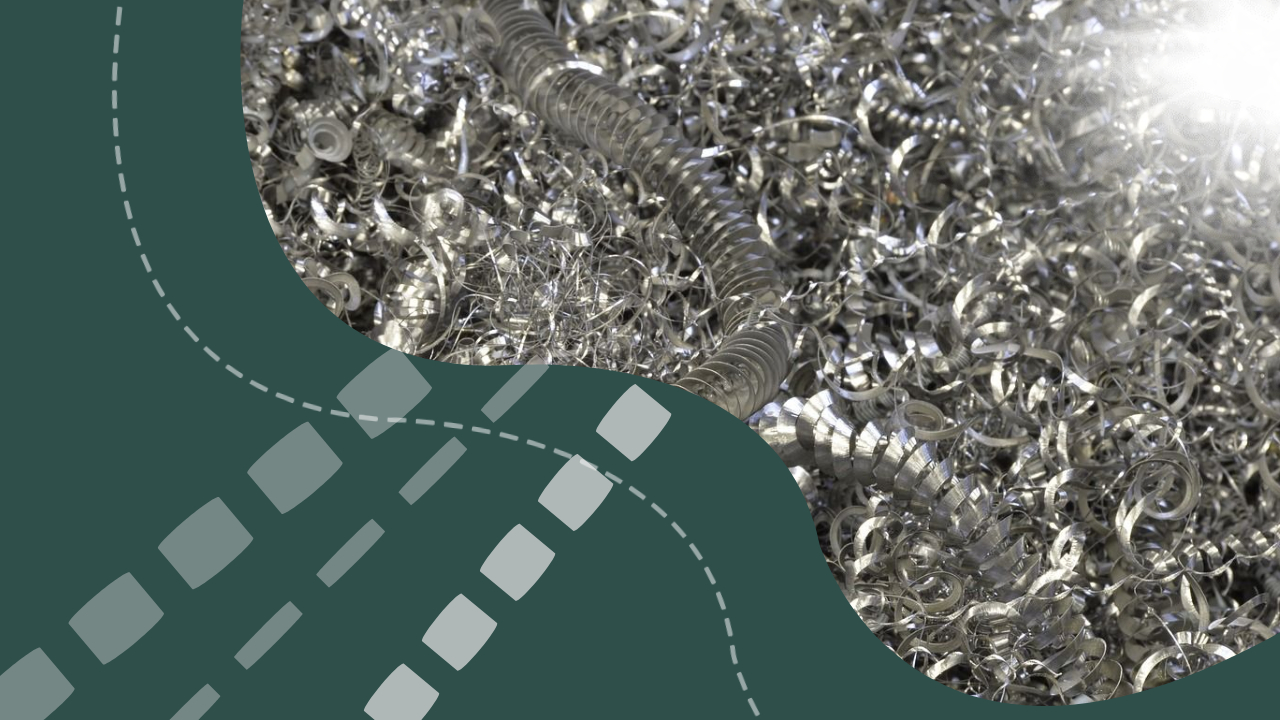
    The JRC report suggests that increasing circularity, particularly by recycling titanium scrap from aircraft, could significantly reduce import needs and boost the EU’s titanium sector employment. The report recommends several policy actions:

    • Reshoring titanium processing: Re-establishing domestic production capacity.
    • Improving titanium recycling: Addressing barriers to large-scale recycling from decommissioned aircraft.
    • Strengthening international partnerships: Diversifying supply sources through collaborations.
    • Supporting Ukraine’s titanium industry: Integrating Ukraine into the EU’s titanium value chain post-conflict.

    These recommendations align with EU priorities like decarbonization, reshoring, and critical raw materials security, and support existing and upcoming policies such as the Critical Raw Materials Act and the Net Zero Industry Act. The JRC report emphasizes the urgent need for the EU to enhance its strategic autonomy in the titanium supply chain through circularity, reshoring, partnerships, and support for Ukraine. Initiatives like the European Defence Agency’s work on titanium circularity demonstrate practical steps towards achieving these goals.

  • Poland and Canada Sign Crucial Nuclear Energy Cooperation Agreement

    Poland and Canada Sign Crucial Nuclear Energy Cooperation Agreement

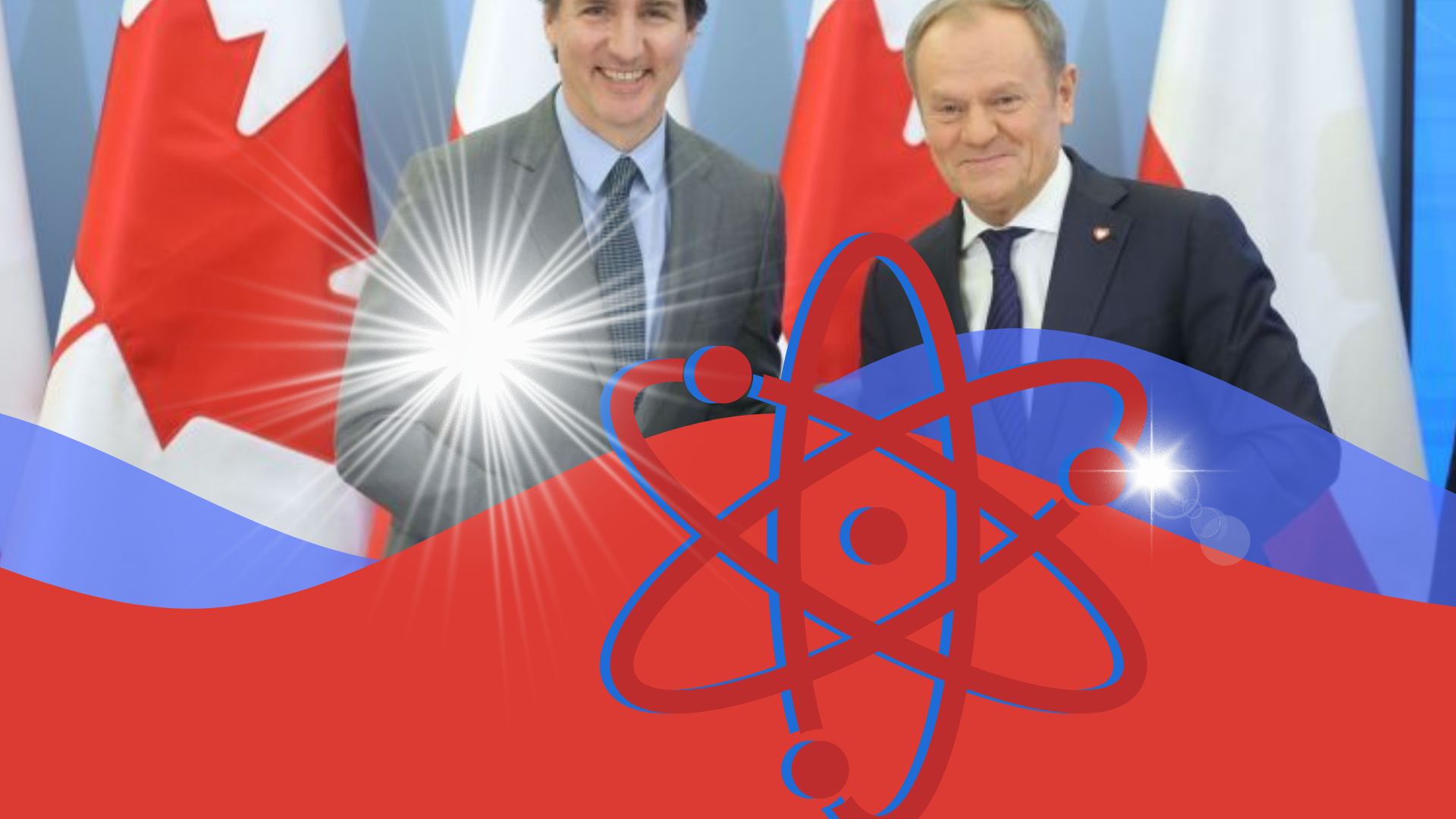
    The recent signing of a historic cooperation agreement between the governments of Poland and Canada marks a significant milestone for the development of nuclear energy in Poland. This agreement, formalized during Canadian Prime Minister Justin Trudeau’s visit to Warsaw on January 28, 2025, is set to play a key role in the construction of a fleet of BWRX-300 reactors in Poland, a cutting-edge technology developed by GE Hitachi Nuclear Energy.

    The bilateral agreement between the Government of Canada and the Government of the Republic of Poland on cooperation in the peaceful uses of nuclear energy enables collaboration between the Polish and Canadian nuclear industries, particularly in the field of BWRX-300 modular nuclear reactors. The agreement is also necessary in the entire process of importing nuclear technologies to Poland.

    During a joint press conference, Canadian Prime Minister Justin Trudeau emphasized: “The development of artificial intelligence, data centers, innovative technologies for our economies will require more energy in the coming decades. Canada is ready to be a trusted partner of Poland and our other allies in the supply of uranium, technology to support research and development, which will ensure a secure future in electricity generation.”

    Polish Prime Minister Donald Tusk highlighted the importance of the partnership, stating: “Cooperation with Canada is very important to us when it comes to SMRs. Canada is the world leader here. We hope that what you have already started to build in Darlington will become a reality and this fact will enable Poland to develop this technology.”

    Tusk’s reference to Darlington pertains to the construction of the world’s first BWRX-300 reactor, which is being built in the suburbs of Toronto. The construction is being carried out by Ontario Power Generation, which maintains close collaboration with OSGE.

    Rafał Kasprów, President of the Management Board of OSGE, provided context for the agreement’s significance: “The Nuclear Cooperation Agreement concluded today between Poland and Canada is a strategic agreement enabling the transfer of the latest American nuclear SMR technologies, including the BWRX-300 technology of the American industrial giant General Electric, and the transfer of experience from the construction of such reactors in Canada, where in mid-March this year a permit will be issued enabling the construction of the first four SMRs in the same technology as Orlen Synthos Green Energy will be used built a fleet of reactors in Poland – and thus will allow to provide energy for the economy, energy security and a civilizational leap related to meeting the demand for energy generated by data centers and AI.”

  • Tata Steel Invests £1.25bn in New Electric Arc Furnace at Port Talbot

    Tata Steel Invests £1.25bn in New Electric Arc Furnace at Port Talbot

    In a transformative £1.25bn investment, Tata Steel is constructing a cutting-edge electric arc furnace (EAF) facility at its Port Talbot site. Designed to produce three million tonnes of low-carbon steel annually, the project marks a significant step toward decarbonizing the steel industry.

    Managed by Sir Robert McAlpine, the project encompasses extensive civil, structural, and building work. Enabling activities will begin in early 2023, with main construction slated for autumn, pending planning approval. Completion is expected within three years.

    “This is a once-in-a-generation opportunity to advance sustainable steel production,” said Peter Jones, Tata Steel’s EAF Project Lead. The new furnace will rank among the world’s largest and most advanced, underscoring Tata Steel’s commitment to reducing CO2 emissions and supporting global climate goals.

    Sir Robert McAlpine, which has collaborated with Tata Steel on feasibility studies since 2022, expressed pride in contributing to the decarbonization of the Port Talbot facility. Craig Allen, Managing Director of Industrial at the company, highlighted the site’s potential to become a global leader in sustainable steel production.

    The ambitious project will solidify Port Talbot’s position as a hub for eco-friendly steel, while supporting the transition to cleaner industrial practices in the UK and beyond.

  • EU Collaborates with PwC and Sféra on €9 Million Critical Raw Materials Platform

    EU Collaborates with PwC and Sféra on €9 Million Critical Raw Materials Platform

    The European Union has appointed a consortium of PriceWaterhouseCoopers EU Services and Slovak software firm Sféra to develop a €9 million platform for joint purchasing of critical minerals and energy. The platform, set to launch in 2025, will include mechanisms for raw materials, hydrogen, and energy products like natural gas and biomethane.

    This initiative forms part of the Critical Raw Materials Act (CRMA), which aims to reduce reliance on China by bolstering domestic production of essential resources for technologies like electric vehicles and wind turbines.

    The CRMA follows the success of AggregateEU, a gas purchasing platform launched during the 2022 energy crisis. While the platform helped consolidate resources, critics argue its effectiveness in ensuring affordable prices and market influence remains limited.

    With eight proposals received, including bids from Deloitte and Metalshub, this latest project underscores the EU’s focus on securing resource supply chains and advancing its green energy goals.

  • The Role of Standardisation in Critical Raw Materials for the EU

    The Role of Standardisation in Critical Raw Materials for the EU

    As the European Union strives to secure access to Critical Raw Materials (CRMs), technical standardisation has become a pivotal focus. These standards are key for private sector compliance with new regulations like the Critical Raw Materials Act, fostering technological advances in CRM recycling and ensuring fair distribution of benefits.

    A recent CEPS analysis explores CRM standardisation, highlighting challenges such as limited EU stakeholder participation, content gaps in recycling and traceability, and a fragmented ESG landscape. Policy recommendations aim to bolster the EU’s role in CRM standardisation and global competitiveness.

  • Europe’s Mining Industry Faces Energy Price Challenge in Transition to Green Future

    Europe’s Mining Industry Faces Energy Price Challenge in Transition to Green Future

    BRUSSELS – Europe’s mining industry is facing a significant challenge in its transition to a greener future: high energy prices. While the European Union (EU) is pushing for a low-carbon economy, the cost of electricity within the bloc is significantly higher than in other regions, potentially hindering investment in electrified mining operations.

    Jan Moström, President of Euromines, highlighted the issue, stating, “Europe currently produces 3% of the world’s metals and minerals but utilizes 30%. How can we change that?” The answer, according to industry leaders and policymakers, lies in finding a way to make green mining economically viable in the face of high energy costs.

    “Electricity prices are absolutely critical,” explained Rolf Wyns, CEO of the European Federation of Geologists. “If they remain three or four times higher than outside the EU, then companies may not make the investments needed.” This could lead to a reliance on imports for critical materials, undermining Europe’s goal of a resilient and independent supply chain.

    A potential solution has been proposed by Euromines in the form of a roadmap that prioritizes electrification, carbon capture, and digitalization. This plan aims to align Europe’s mining industry with the EU’s climate goals while ensuring its competitiveness.

    However, Thomas Drmek, representing both the University of Leoben and RHI Magnesita, cautioned that a nuanced regulatory framework is needed to support the scaling of these solutions. He emphasized the need for policies that understand the commercial and operational challenges faced by businesses.

    “For captured CO2 to be used in construction materials or other products, there can be no additional costs or regulatory hurdles,” Drmek explained. “Otherwise, it will simply not make sense commercially.”

    MEP Professor Maniatis echoed this sentiment, calling for the full implementation of the Draghi Report on European competitiveness, which identifies high energy prices as a key factor hindering the EU’s progress.

    Despite the challenges, there is optimism that a green and competitive mining industry in Europe is achievable. Drmek highlighted RHI Magnesita’s success in reducing CO2 emissions and developing innovative technologies for carbon capture and utilization.

    “This new Euromines study offers valuable insights and potential solutions,” MEP Maniatis concluded. “With this as a guiding document, we can transition to a competitive and green mining industry.”

    The key takeaway is that while the EU’s ambition for a green mining sector is commendable, addressing the challenge of high energy prices is crucial for its success. A collaborative approach between policymakers and industry leaders, with a focus on innovation and supportive regulations, will be essential to achieving a sustainable and competitive future for Europe’s mining industry.