Month: January 2025

  • Energy Minister Bozhinovska Highlights Safety and Innovation at SASA Lead-Zinc Mine

    Energy Minister Bozhinovska Highlights Safety and Innovation at SASA Lead-Zinc Mine

    Minister of Energy, Mining, and Mineral Derivatives Sanja Bozhinovska visited the SASA mine, the nation’s largest underground lead and zinc mine, producing 800,000 tons of ore annually. Bozhinovska commended the mine’s sustainable practices and focus on innovation during discussions with its management.

    The SASA mine employs 770 local residents and has contributed over 85 million dinars in taxes over six years, aiding national development. General Manager Christopher Colburn noted $80 million invested in safety, modernization, and digitalization since joining Central Asia Metals. Bozhinovska toured the underground corridors, engaging directly with workers and emphasizing safety improvements.

    This visit forms part of the minister’s broader initiative to engage with key mining and energy sectors under her ministry’s oversight.

  • Death Toll Rises to Three in Southern Poland Coal Mine Fire

    Death Toll Rises to Three in Southern Poland Coal Mine Fire

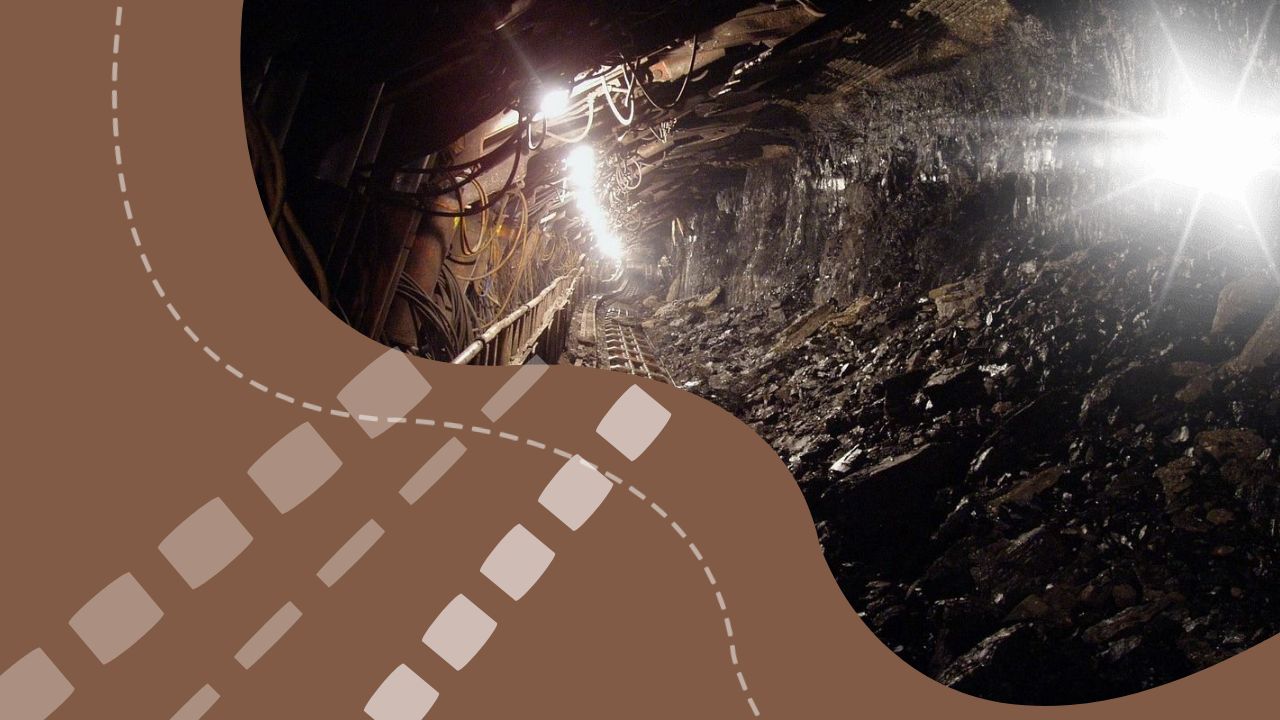
    The recent coal mine fire at the Knurow-Szczyglowice mine in southern Poland has claimed a third life, as two critically injured miners succumbed to their injuries on Saturday. The fire, caused by a methane gas ignition approximately 850 meters underground on Wednesday, left 16 workers injured, including nine with severe burns. The victims were rushed to specialized burn treatment centers, but many faced life-threatening conditions, with burns covering up to 80% of their bodies.

    Five of the injured miners, treated for minor injuries, have been discharged. Investigations into the cause of the methane ignition are ongoing, as methane remains a recurring hazard in Poland’s coal mining industry, leading to frequent fires and deadly explosions. Authorities are now focusing on improving mine safety measures to prevent similar tragedies in the future.

    The Knurow-Szczyglowice mine fire highlights the persistent dangers of methane gas in underground mining and underscores the need for stringent safety protocols to protect workers in hazardous environments.

  • Critical Raw Materials: A Catalyst for Ukraine’s Economic Transformation

    Critical Raw Materials: A Catalyst for Ukraine’s Economic Transformation

    Ukraine’s abundant deposits of critical raw materials could serve as a key driver for its economic growth and global market integration, according to We Build Ukraine co-founder Oleksandr Kubrakov.

    Kubrakov points out that the current closed nature of Ukraine’s mining sector poses a major challenge for investors. He recommends several reforms: aligning Ukraine’s mineral reporting standards with international frameworks, streamlining land acquisition for mining operations, and introducing industry incentives. He also emphasizes the need to digitize geological data, particularly through AI technology, to make it more accessible.

    Beyond just extraction, Kubrakov envisions developing comprehensive value chains – from building infrastructure to establishing local processing facilities and manufacturing finished products, such as electric vehicle components and medical-grade titanium items.

    The country holds impressive positions globally in terms of mineral reserves, ranking eighth in coal, fifth in iron ore, and fourth in manganese ore (a crucial element in glass, ceramic, and steel production).

  • Tremor at Polish Coal Mine Claims One Life, Injures Eleven

    Tremor at Polish Coal Mine Claims One Life, Injures Eleven

    A devastating underground tremor struck a coal mine operated by Polish mining group PGG in Radlin, southern Poland, early Monday morning, leading to the death of one miner and injuries to 11 others. The incident occurred at 2:06 AM GMT, roughly 800 meters underground.

    PGG Acting CEO Bartosz Kepa revealed that 29 workers were present in the affected zone during the tremor. Rescue efforts evacuated the area, and those injured were promptly transported to local hospitals. Among the hospitalized, four remain in serious condition, according to Lukasz Pach, head of emergency medical services in Katowice.

    Authorities are currently working to secure the damaged sections of the mine, with an assessment of material damage still underway. PGG’s Deputy Chief Executive for Production, Marek Skuza, stated that securing operations are critical to ensuring the safety of remaining workers and the integrity of the mine.

    This incident has raised renewed concerns about the safety of coal mining in Poland, a country heavily reliant on coal for energy and employment. Further investigations will aim to determine the exact cause of the tremor and evaluate safety measures in place to prevent such tragedies in the future.

  • Euro Manganese Secures Mining Lease for Chvaletice Project

    Euro Manganese Secures Mining Lease for Chvaletice Project

    Euro Manganese, through its subsidiary Mangan Chvaletice, has achieved a critical milestone by obtaining the Determination of Mining Lease permit for the Chvaletice Manganese Project in the Czech Republic. The permit, effective as of January 23, 2025, was issued by the District Mining Authority and provides exclusive, unrestricted mineral extraction rights within the project area without an expiry date.

    The Chvaletice Project is unique within the European Union, as it reprocesses waste tailings from a decommissioned mine into valuable manganese resources. Touted as the EU’s only sizeable manganese source, this initiative aligns with the global shift toward a low-carbon economy. It plays a pivotal role in supplying critical raw materials for battery manufacturing, supporting the continent’s green energy transition and circular economy goals.

    Martina Blahova, Euro Manganese’s interim CEO, highlighted the importance of the achievement, crediting successful collaboration with regulators and local communities. She underscored the project’s contribution to advancing the production of high-purity manganese for the decarbonization of industries worldwide.

    This milestone follows Euro Manganese’s November 2023 announcement of $100 million in non-dilutive financing from OMRF (BK), enabling the company to further its commitment to sustainable resource development and innovative waste-to-value processes.

  • The Dark Price of Coal: Environmental Impact at Kara-Keche

    The Dark Price of Coal: Environmental Impact at Kara-Keche

    Kyrgyzstan’s Kara-Keche coalfield, located in the Naryn region, has become a critical energy resource but at a devastating environmental cost. Once home to clear glacial streams, lush pastures, and thriving pine forests, the area now battles blackened waters, waste-clogged gorges, and shrinking green spaces. Villagers from Baizak and Bash-Kuugandy report that pastures have drastically deteriorated, water sources have become blocked or contaminated, and coal waste is being improperly disposed of in critical areas. Despite raising these issues with authorities for years, local residents have seen little to no action.

    Environmental studies reveal troubling results. A 2022 analysis found toxic substances in the water, and landslides triggered by mining operations have compounded the destruction, burying roads, streams, and infrastructure. In recent years, illegal dumping and neglect of environmental protocols have exacerbated the situation. Villagers allege that the Kara-Keche branch of the state enterprise Kyrgyzkomur, alongside private companies like Sharbon and Akzhol, fail to comply with safety and restoration requirements outlined in Kyrgyzstan’s environmental laws.

    Conflicts between economic development and ecological preservation are starkly visible here. While Kara-Keche contributes significantly to Kyrgyzstan’s coal production—over one million tons annually—the unchecked mining has displaced local communities and threatened their livelihoods. Complaints to the Environmental and Technical Supervision Service have been met with limited responses due to a government decree banning business audits, further weakening oversight.

    The area also grapples with political and social tensions. A history of conflicts includes landslides, armed confrontations, and allegations of corruption. In one instance, a massive landslide in 2020 caused severe disruption, isolating roads and power lines, while other incidents have highlighted the lack of adherence to safety measures. Despite promises of reforms and fines for mining companies, the damage continues unabated.

    As Kara-Keche’s coal reserves—estimated at 400 million tons—are extracted, the toll on the environment and local populations raises urgent questions about sustainability. The residents demand stricter enforcement of regulations and restoration of the damaged ecosystem to ensure the preservation of Kyrgyzstan’s natural resources for future generations.
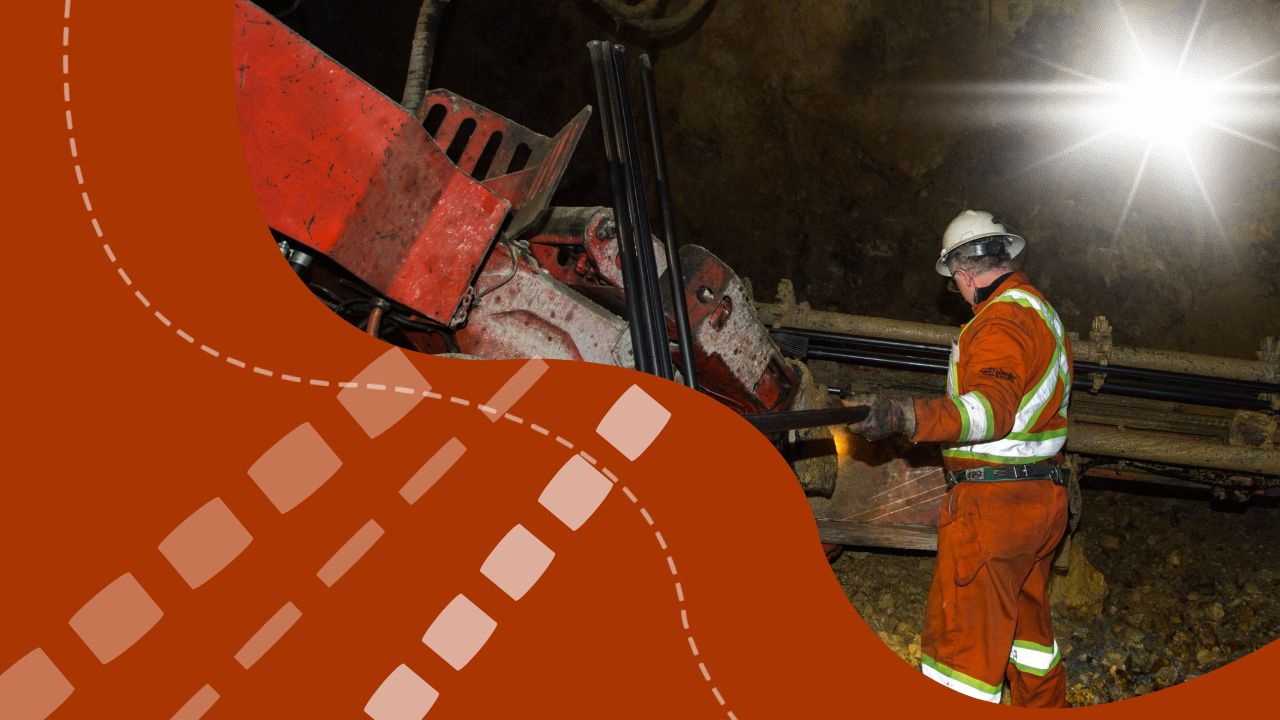
  • Brother Gold планирует разведку полезных ископаемых на месторождении Керимбек в Жетысу

    Brother Gold планирует разведку полезных ископаемых на месторождении Керимбек в Жетысу

    Компания Brother Gold, принадлежащая гражданину Китая Хуан Лину, объявила о планах геологоразведки твердых полезных ископаемых на месторождении Керимбек в Жетысу. Работы будут проходить с 2025 по 2027 год в теплый сезон с апреля по октябрь. Планируется очистка старых горных выработок и бурение 2000 метров скважин на глубине 50-100 метров для оценки содержания руды.

    Общая площадь работ составляет 29 квадратных километров. Энергоснабжение будет обеспечиваться дизельными генераторами, которые за период работ могут потребить около 54,2 тонны топлива.

    Компания Brother Gold зарегистрирована в Алматы в 2023 году и занимается добычей драгоценных и редких металлов. Разведка проводится на фоне усилий Евросоюза сократить зависимость от Китая в критически важных материалах, таких как литий и кобальт, необходимых для производства электромобилей и товаров двойного назначения. ЕС планирует уменьшить долю Китая в своих поставках этих ресурсов до 50%, развивая сотрудничество с Казахстаном и другими странами Центральной Азии.

  • Brother Gold Plans Mineral Exploration at Kerimbek Deposit in Zhetysu Region

    Brother Gold Plans Mineral Exploration at Kerimbek Deposit in Zhetysu Region

    Brother Gold, a company owned by Chinese citizen Huang Ling, has announced plans for geological exploration of solid minerals at the Kerimbek deposit in Kazakhstan’s Zhetysu region. Scheduled from 2025 to 2027, the work will involve cleaning old mine workings and drilling 2,000 meters of wells during the warm season from April to October.

    The exploration area spans 29 square kilometers in the Kerbulak district, with wells targeting depths of 50 to 100 meters to assess ore potential. Power for operations will be supplied by diesel generators, consuming approximately 54.2 tons of fuel.

    Brother Gold, founded in 2023 and based in Almaty, focuses on precious and rare metal mining. The exploration aligns with broader efforts to reduce Europe’s dependence on China for critical materials, as the EU works to diversify its supply chain through partnerships in Central Asia.

    EU programs aim to decrease reliance on China for resources like lithium and cobalt, critical for electric vehicles and dual-use goods. By partnering with Kazakhstan and neighboring countries, the EU seeks to cut China’s share in its material needs to 50% by the coming years.

  • EU Project Reveals Delicate Balance Between Mining and Environmental Protection

    EU Project Reveals Delicate Balance Between Mining and Environmental Protection

    In a groundbreaking study addressing the complex intersection of extractive activities and environmental conservation, the European Union’s CIRAN project has uncovered critical insights into how mining can coexist with protected natural areas.

    Key Findings Highlight Significant Overlap

    Researchers from the Geological Survey of Finland discovered that approximately 85% of Critical Raw Material (CRM) deposits are located within 5 kilometers of environmental protected areas. The project analyzed 23,779 CRM occurrences across EU member states, revealing the intricate spatial challenges facing resource extraction.

    Surprising Discoveries

    Roughly 69% of active mines with reported CRMs are located close to protected areas – The study identified numerous examples of successful coexistence between mining operations and environmental preservation

    Good Practices Emerge

    The CIRAN project identified several key strategies for balancing industrial needs with environmental protection:

    1. **Governance Innovations**: Development of adaptable permitting processes that support circular economy principles

    2. **Corporate Responsibility**: Mining companies implementing extensive environmental impact assessments

    3. **Community Engagement**: Transparent communication and local community involvement

    4. **Technological Advancements**: Adoption of innovative, low-impact extraction techniques

    Looking Forward

    Project leaders emphasise that the research is not just about identifying challenges, but developing practical solutions. Upcoming publications will include comprehensive guidelines for mine closure and sustainable resource management.

    Get Involved

    Interested parties can follow the project’s progress through: – Project Website: [CIRAN Project Results](https://ciranproject.eu/results) – LinkedIn Discussion Forum: Sustainable Management in the Extractive Sector *The CIRAN project represents a crucial step in reconciling economic development with environmental conservation, offering hope for a more sustainable approach to resource extraction.*

    ### Project Writers – Nike Luodes – Nikolas Ovaskainen – Hannu Panttila – Toni Eerola – Martina Bertelli

  • Cargo Handling Company to Prospect for Minerals in Kazakhstan

    Cargo Handling Company to Prospect for Minerals in Kazakhstan

    A transportation and cargo processing company, CTG, is planning to explore solid mineral resources in the Karaganda region. The district akimat (local administration) intends to establish a public servitude (limited land use right) for more than five years. The corresponding draft resolution has been published on the “Open Regulatory Legal Acts” website, with public discussion set to continue until February 3rd.

    The servitude will be established on a 216.0048-hectare plot located in the Zhansary rural district of Osakarov district. CTG will be permitted to conduct mineral exploration operations until September 24, 2030. Notably, no relevant licenses are currently visible on the eLicense.kz portal.

    While the specific minerals CTG plans to explore for remain undisclosed, the Osakarov region is known to have deposits of coal, marble, limestone, and construction materials. The broader Karaganda region is rich in manganese, copper, tungsten, molybdenum, lead, and coal.

    This move by a cargo handling company into mineral exploration has raised some eyebrows. It remains to be seen what resources CTG hopes to uncover and how this venture will impact their existing operations.