Month: June 2024

  • Aurubis Launches Modernized Tankhouse to Boost Copper Production in Lünen

    Aurubis Launches Modernized Tankhouse to Boost Copper Production in Lünen

    Aurubis officially celebrated the launch of the refurbished tankhouse for copper production at its recycling plant in Lünen, Germany. The modernized facility is set to increase production capacity by around 10%, enabling the production of up to 210,000 tons of copper cathodes annually. A €60 million investment was made to future-proof the tankhouse, ensuring the long-term success of the recycling site. This upgrade also allows for the processing of other metals, such as gold, tin, and nickel, alongside copper.

    “Global demand for raw materials is on the rise. As the largest multimetal recycling site in Europe, Lünen is a cornerstone of the circular economy. We’re delivering more responsibly produced metals to the market with our modernized tankhouse — for a successful energy transition, while strengthening and securing our core business at the same time,” said Inge Hofkens, COO of Multimetal Recycling at Aurubis AG.

    Construction on the tankhouse began in October 2020 and was completed on schedule. The upgrades included a complete refurbishment of the tankhouse basins, infrastructure improvements like a renovated roof, and investments in further automation, including state-of-the-art robot technology.

    “I am particularly proud of the fact that we were able to keep the facility running reliably at 80% while construction was ongoing. A great achievement by the whole team! Aurubis is advancing its pioneering role in recycling by investing in renovating the tankhouse,” said Verena von Weiss, Lünen Plant Manager.

    “This significant investment of €60 million is a clear signal of Aurubis’ commitment to the Lünen recycling site, to strong and efficient industry, to protecting the climate, and to safeguarding jobs and apprenticeships. Modern and responsible industrial companies like Aurubis are the foundation of our region’s prosperity,” said Lünen Mayor Jürgen Kleine-Frauns.

    The tankhouse represents the final step in the copper refining process. Copper anodes, weighing about 400 kg with a copper content of up to 98%, are electrochemically dissolved. The copper ions are deposited on stainless steel plates, resulting in 99.99% pure copper for optimal conductivity in downstream applications. Other substances in the anode, such as precious metals, precipitate out during electrolysis and are separated and refined in the Aurubis Group network.
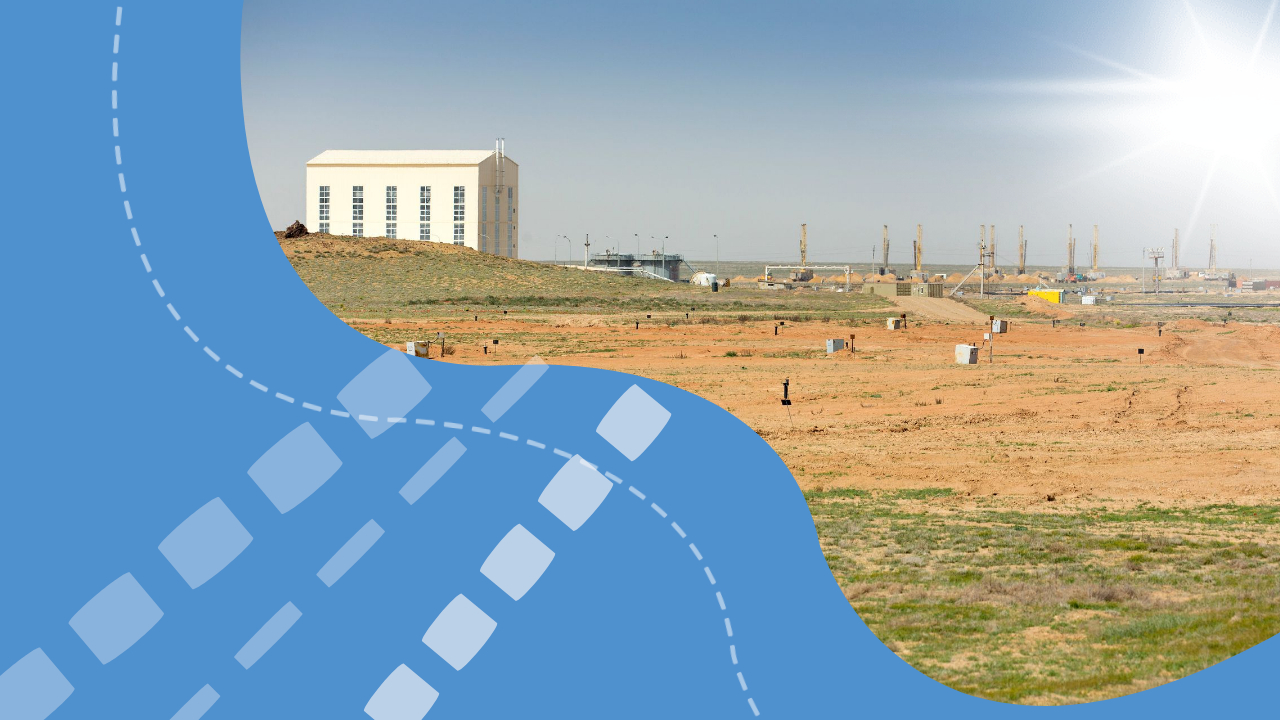
  • Казахстан Переведет Юниорские Геологоразведочные Компании с НДПИ на Роялти к 2025 году

    Казахстан Переведет Юниорские Геологоразведочные Компании с НДПИ на Роялти к 2025 году

    Вице-министр промышленности и строительства Иран Шархан объявил, что начиная с 2025 года юниорские геологоразведочные компании, которые уже нашли и утвердили запасы твердых полезных ископаемых, будут переведены с налога на добычу полезных ископаемых (НДПИ) на роялти. Шархан пояснил, что НДПИ стал устаревшим и громоздким инструментом, и поэтому необходимо перейти на международную систему роялти, понятную всем участникам рынка. Поэтапный переход начнется с юниорских компаний и впоследствии охватит все субъекты.

    На форуме АММ-2024 Шархан подчеркнул, что переход на роялти завершает логическую цепочку реформы недропользования, начатой в 2017 году. Министерство активно сотрудничает с коллегами из Миннацэкономики и министерства финансов для обеспечения плавного и экологически безопасного перехода. Также планируется обсуждение с отраслью, чтобы определить критерии юниорской компании. Шархан охарактеризовал юниорские компании как новых игроков в недропользовании, подтвердивших запасы и переходящих на этап добычи.

    Кроме того, Шархан сообщил, что в Казахстане продолжится переход на современные стандарты. Все новые объекты будут проходить через международную систему отчетности, в то время как старые месторождения, защищенные по стандартам ГКЗ, сохранят свою силу. Первый заместитель исполнительного директора республиканской Ассоциации горнодобывающих и горно-металлургических предприятий (АГМП) Максим Кононов предложил установить НДПИ для техногенных минеральных образований (ТМО) на уровне 0,1 от существующей ставки, чтобы стимулировать инвесторов к переработке ТМО.

    Кононов выступил за синхронизацию отраслевого и налогового законодательства, отметив, что ТМО, не относящиеся к недрам, не должны облагаться НДПИ. Он предложил применять понижающий коэффициент, такой как 0,1 от текущих ставок НДПИ, для ТМО, находящихся в собственности государства. Эти меры, по мнению Кононова, дали бы толчок для масштабной переработки ТМО в стране. Кононов раскритиковал существующий налоговый режим за то, что он делает проекты по извлечению полезных компонентов из ТМО нерентабельными, и призвал к более четким налоговым нормам для твердых полезных ископаемых в составе ТМО.

    С января 2023 года ставки НДПИ были повышены на 50% на биржевые металлы и на 30% на остальные. Кононов предупредил, что любое дальнейшее увеличение налоговой нагрузки будет пагубным для отрасли.

  • Kazakhstan to Shift Junior Exploration Companies from Mineral Extraction Tax to Royalties by 2025

    Kazakhstan to Shift Junior Exploration Companies from Mineral Extraction Tax to Royalties by 2025

    Vice Minister of Industry and Construction Iran Sharkan announced that starting in 2025, junior exploration companiesthat have already discovered and confirmed reserves of solid minerals will be transitioned from the mineral extraction tax (MET) to royalties. Sharkan explained that the MET has become outdated and cumbersome, necessitating a shift to a universally understood international royalties system. The phased transition will begin with junior companies and eventually include all entities.

    At the AMM-2024 forum, Sharkan emphasized that the transition to royalties marks the logical conclusion of the mining reform initiated in 2017. The Ministry, in collaboration with colleagues from the Ministry of National Economy and the Ministry of Finance, aims for a smooth, environmentally friendly transition. Discussions will be held with the industry to define what constitutes a junior company, which Sharkan described as a new player in mining that has confirmed reserves and is moving to the extraction stage.

    Sharkan also mentioned that Kazakhstan will continue adopting modern standards. While old deposits protected by the State Reserves Committee (SRC) standards will remain in force, new projects will adhere to the international reporting system. In October 2023, Maxim Kononov, the first deputy executive director of the Republican Association of Mining and Metallurgical Enterprises (AMME), suggested setting the MET for technogenic mineral formations (TMFs) at 0.1 of the existing rate to encourage investment in TMF processing.

    Kononov advocated for synchronizing sectoral and tax legislation, noting that TMFs not classified as subsoil should not be taxed under the MET. He proposed a reduced coefficient, such as 0.1 of the current MET rates, for TMFs owned by the state. These measures would boost large-scale processing of TMFs in the country. Kononov criticized the current tax regime for making TMF extraction projects unprofitable and called for clearer taxation norms for solid minerals in TMFs.

    Since January 2023, MET rates have increased by 50% for exchange-traded metals and by 30% for others. Kononov warned that any further tax increases would be detrimental to the industry.

  • Ministers of Azerbaijan and Hungary Discuss Strengthening Economic Partnership

    Ministers of Azerbaijan and Hungary Discuss Strengthening Economic Partnership

    Azerbaijan’s Minister of Economy Mikayil Jabbarov and President of SOCAR Rovshan Najaf met with Hungary’s Minister of Foreign Affairs and Trade Péter Szijjártó. According to the Ministry’s report to AZERTAC, it was emphasized that economic ties between the countries are continuously developing due to the special importance placed by the leadership of both countries on fostering relations and effectively utilizing existing potential.

    It was noted that the second strategic partnership document signed in January last year, along with more than 50 documents signed in the areas of investment promotion, economic cooperation, prevention of double taxation, and other fields, have created a solid foundation for expanding cooperation in various directions.

    The discussion included issues arising from the Cooperation Agreement between the Azerbaijan Investment Company OJSC and the Hungarian company Hell Energy, as well as the current situation. The parties exchanged views on joint projects that strengthen mutual economic ties, active cooperation in the fields of energy, transport, pharmaceuticals, activities of Hungarian companies in Azerbaijan, and the development of investment partnerships.

    During the meeting, a document was signed for the purchase of a stake in the Shah Deniz project by the Hungarian company MVM. It was noted that this document will further strengthen the economic and energy partnership between the two countries.

  • Glencore Considers Selling Stake in Kazakh Mining Company Kazzinc

    Glencore Considers Selling Stake in Kazakh Mining Company Kazzinc

    Glencore is considering selling its stake in the Kazakh mining company Kazzinc amid interest from potential buyers in China, according to sources familiar with the matter. The deal could value Glencore’s nearly 70% holding in Kazzinc at several billion dollars, the sources said, requesting anonymity due to the private nature of the discussions.

    Glencore is also in the process of selling the Kazzinc-operated Vasilkovskoye gold mine, having scrapped a previous sale over seven years ago. The gold mine and Kazzinc’s core zinc operations could be sold to separate buyers or a single party, depending on the offers received. However, the deliberations are preliminary and may not lead to a transaction. A representative for Glencore declined to comment.

    Kazzinc is composed of an extensive network of mines, concentrators, and metal finishing plants across Kazakhstan, enabling the company to process ore and produce finished zinc metal and products. The company was established in 1997 through the merger of three main non-ferrous metals companies in eastern Kazakhstan, which were mostly government-owned.

    Glencore CEO Gary Nagle has continued his predecessor’s strategy of simplifying the business by selling off smaller or more challenging assets. The company has already sold zinc assets in Peru and some of its smaller copper operations. Zinc prices have rallied this year due to supply constraints, but the long-term outlook remains uncertain because of the metal’s heavy exposure to the struggling construction sector and its limited uses in fast-growing industries like renewable energy and electric vehicles.

    Prices were 1.6% lower at $2,888.00 on Wednesday on the London Metal Exchange, reducing zinc’s yearly gain to 8.6%. Kazzinc’s zinc production rose by 27,500 tons in 2023 to 173,900 tons, while lead production totaled 35,600 tons, copper was 14,800 tons, and gold reached 598,000 ounces, according to Glencore’s annual report.

  • SMR Industrial Alliance Sets 2024 Work Plan and Forms Eight Working Groups

    SMR Industrial Alliance Sets 2024 Work Plan and Forms Eight Working Groups

    The SMR Industrial Alliance used their General Assembly last week to define a work plan for the rest of 2024, establishing eight working groups to deliver on their objectives. The SMR alliance, a collection of public and private actors with European Commission backing, aims to develop a European ecosystem for small nuclear modular reactors (SMRs) and advanced atomic modular reactors (AMRs).

    These next-generation reactors have a power output of between 200 and 300 megawatts. They can be used for various applications, from generating electricity or heat for industrial or community applications to replacing coal-fired power plants. The alliance hopes the first projects will operate in the first half of the 2030s – maybe earlier – allowing the technology to contribute towards reducing Europe’s greenhouse gas emissions. These deployments would also contribute to the 50 gigawatts (GW) target of additional nuclear capacity by 2050, set by pro-nuclear EU Member States.

    The alliance has 277 members, all based in Europe, divided into various working groups, according to the conclusions of the general assembly, which met on 29 – 30 May. Since the gathering, eight technical working groups (TWG) have now been chaired by European companies. These focus on a range of areas, from supply chains, to research and development (R&D), public commitments, skills, and waste management. The R&D, supply chain, skills, and financing working groups will start working in June. The others will begin their work in October.

    “The next important step is to define a technological roadmap ready for the end of the year,” Andrei Goicea, policy director at Nuclear Europe, European nuclear association and member of the alliance’s steering committee, told Euractiv. Currently, 24 different SMR designs are listed: 14 of which are AMRs and 14 of which are not.

    The main objective is to produce a general action plan for the first quarter of 2025, structured around ten tasks; including objectives to be achieved, activities to be carried out, and products to be delivered. “For the moment, the work to be carried out is not yet completely defined,” NuclearEurope Director General Yves Desbazeille explained.

    At the same time, the chairman of the Sustainable Nuclear Energy Technology Platform (SNETP), Bernard Salha, also a member of the alliance’s steering committee, announced that each project selected for support will potentially be able to participate in an important project of common European interest. This mechanism allows participants to bypass some EU State Aid rules. In the meantime, the first meeting of the governing board, made up of EU member states and the European Nuclear Safety Regulators Group, will take place in early July, concludes Yves Desbazeille.

  • Казахстан и Китай подписали соглашение о строительстве крупного медеплавильного завода

    Казахстан и Китай подписали соглашение о строительстве крупного медеплавильного завода

    Премьер-министр Республики Казахстан Олжас Бектенов и председатель совета директоров China Nonferrous Metal Mining Co. Ltd. Си Чжэнпин обсудили сотрудничество в медной отрасли, сообщает агентство Kazinform со ссылкой на пресс-службу Кабмина.

    Результатом встречи стало подписание в присутствии премьер-министра РК Олжаса Бектенова соглашения о строительстве медеплавильного завода мощностью 300 тыс. тонн меди в год. Соглашение подписано между ТОО «KAZ Minerals Smelting», которое выступает в роли заказчика, компанией China Nonferrous Metal Industry’s Foreign Engineering and Construction Co., Ltd. (NFC) – в качестве поставщика услуг по проектированию и закупу технологического оборудования, и ТОО «NFC Kazakhstan» – подрядчиком строительных и пусконаладочных работ.

    Завод будет построен вблизи поселка Актогай в области Абай. Источником сырья станет медный концентрат Бозшакольского и Актогайского горно-обогатительных комбинатов, обогатительных фабрик ТОО «Востокцветмет». По итогам строительства будет создан кластер, объединяющий один из крупнейших в мире медных рудников и современное медеплавильное производство. Проект, предварительной стоимостью $1,5 млрд, создаст более 1000 новых рабочих мест. Ввод в эксплуатацию планируется до конца 2028 года.

    Это высокотехнологичное предприятие станет крупнейшим в республике, производя продукцию с высокой добавленной стоимостью. Применяемые технологии в области медеплавильного производства будут соответствовать мировым экологическим стандартам. Предприятие обеспечит внутренние потребности рынка в переработке медесодержащего сырья и катодной меди, которая широко используется в электроэнергетике, машиностроении и других промышленных отраслях. Кроме того, на новом заводе планируют выпускать рафинированное золото, серебро и серную кислоту.

    «Глава государства поставил задачу по устойчивому экономическому росту. Строительство нового медеплавильного завода — это крупный индустриальный проект, который позволит увеличить переработку медного сырья, добываемого в стране, и внесет большой вклад в экономику нашей страны. Медная отрасль является одним из приоритетных секторов нашей промышленности, и для нас очень важно его динамичное развитие», — подчеркнул Олжас Бектенов.

    China Nonferrous Metal Industry’s Foreign Engineering and Construction Company Ltd («Non Ferrous China») — это контролируемая государством компания, чьи акции котируются на Шэньчжэньской фондовой бирже. Она участвует в международных проектных подрядах и разработке ресурсов цветных металлов. NFC была первой китайской компанией, инвестировавшей в горнорудные активы по добыче и переработке цветных металлов за пределами Китая, также владеет горнорудными проектами в самой КНР. Ведет деловую деятельность более чем в 20 странах мира и была ведущим подрядчиком на проектах KAZ Minerals – Бозшаколь, Актогай и Бозымчак.

  • Kazakhstan and China Sign Agreement for Major Copper Smelting Plant

    Kazakhstan and China Sign Agreement for Major Copper Smelting Plant

    Prime Minister of the Republic of Kazakhstan, Olzhas Bektenov, and Chairman of the Board of Directors of China Nonferrous Metal Mining Co. Ltd., Xi Zhengping, discussed cooperation in the copper industry, according to Kazinform news agency, citing the press service of the Cabinet.

    The meeting culminated in the signing of an agreement, in the presence of Prime Minister Bektenov, to construct a copper smelting plant with an annual capacity of 300,000 tons of copper. The agreement involves KAZ Minerals Smelting as the client, China Nonferrous Metal Industry’s Foreign Engineering and Construction Co., Ltd. (NFC) as the provider of design and equipment procurement services, and NFC Kazakhstan as the contractor for construction and commissioning.

    The plant will be built near the village of Aktogay in the Abay region. It will use copper concentrate from the Bozshakol and Aktogay mining and processing plants, operated by Vostoktsvetmet. Upon completion, the project will create a cluster combining one of the world’s largest copper mines with modern copper smelting facilities. The project, with an estimated cost of $1.5 billion, is expected to create over 1,000 new jobs and be operational by the end of 2028.

    This high-tech enterprise will be the largest in the republic, producing high value-added products. The technologies used in the copper smelting process will meet global environmental standards. The plant will satisfy domestic market needs for processing copper-containing raw materials and producing cathode copper, which is extensively used in electric power, mechanical engineering, and other industrial sectors. Additionally, the new plant plans to produce refined gold, silver, and sulfuric acid.

    “The Head of State has set a task for sustainable economic growth. The construction of a new copper smelting plant is a major industrial project that will increase the processing of copper raw materials mined in the country and make a significant contribution to our economy. The copper industry is one of the priority sectors of our industry, and its dynamic development is very important to us,” emphasized Olzhas Bektenov.

    China Nonferrous Metal Industry’s Foreign Engineering and Construction Company Ltd (“Non Ferrous China”) is a state-controlled company listed on the Shenzhen Stock Exchange. It participates in international project contracts and the development of non-ferrous metal resources. NFC was the first Chinese company to invest in mining assets for the extraction and processing of non-ferrous metals outside China and also owns mining projects within the country. It operates in over 20 countries worldwide and has been the leading contractor on KAZ Minerals projects – Bozshakol, Aktogay, and Bozymchak.

  • Казахстан и Южная Корея укрепляют сотрудничество в горнодобывающей и перерабатывающей промышленности

    Казахстан и Южная Корея укрепляют сотрудничество в горнодобывающей и перерабатывающей промышленности

    Канат Шарлапаев, министр промышленности и строительства Республики Казахстан, встретился с Сеокчжуном Ли, президентом Корейского института геологических наук и минеральных ресурсов (KIGAM), и Пайком Хансоном, вице-президентом SK Ecoplant. Также приняли участие председатель правления АО «Тау-кен Самрук» Бакыт Чирчикбаев и исполняющий обязанности генерального директора АО «Казгеология» Даурен Абуов.

    Встреча, прошедшая в онлайн-формате, стала очередным шагом к установлению сотрудничества между Казахстаном и Южной Кореей в области развития горнодобывающей и перерабатывающей промышленности. Министр ознакомился с деятельностью обеих организаций и выслушал предложения о возможном сотрудничестве. Представители KIGAM и SK Ecoplant выразили заинтересованность в проведении совместных геологоразведочных работ и дальнейшей добыче лития. Также KIGAM проявили интерес к строительству фабрики по производству карбоната лития и гидроксида лития в Казахстане. Литий – стратегически важный ресурс, используемый в производстве аккумуляторов для электромобилей, портативных устройств и других технологий.

    Строительство таких предприятий в Казахстане не только способствует развитию отечественной промышленности, но и обеспечит стране доступ к современным технологиям по переработке лития. Это, в свою очередь, может привести к привлечению инвестиций и созданию новых рабочих мест.

    Канат Шарлапаев подчеркнул готовность казахстанской стороны поддержать инициативу представителей KIGAM и SK Ecoplant и предложить необходимые меры поддержки со стороны государства для реализации проекта. Также стороны договорились о проведении расширенного совещания в Астане. Предполагаемое строительство обогатительной фабрики и предприятия по производству карбоната лития и гидроксида лития станет важным вкладом в экономическое развитие обеих стран.

    Стоит отметить, что KIGAM уже сотрудничает с Казахстаном на протяжении года. Совместно с АО «Казгеология» представители корейского института провели геологосъемочные и геофизические работы на месторождениях Бакенное. В настоящее время рассматривается вопрос выдачи KIGAM лицензии на разведку и дальнейшую добычу на месторождении Бакенное.

  • Kazakhstan and South Korea Strengthen Collaboration in Mining and Processing Industries

    Kazakhstan and South Korea Strengthen Collaboration in Mining and Processing Industries

    Kanat Sharlapayev, Minister of Industry and Construction of the Republic of Kazakhstan, met with Seokjoon Lee, President of the Korean Institute of Geoscience and Mineral Resources (KIGAM), and Paik Hanson, Vice President of SK Ecoplant. The Chairman of the Board of Tau-Ken Samruk JSC, Bakyt Chirchikbayev, and Acting General Director of Kazgeology JSC, Dauren Abuov, also participated.

    The meeting, held online, marked another step toward establishing cooperation between Kazakhstan and South Korea in the development of the mining and processing industry. Minister Sharlapayev familiarized himself with the activities of both organizations and listened to their proposals for potential collaboration. Representatives from KIGAM and SK Ecoplant expressed interest in joint geological exploration and lithium mining. KIGAM also showed interest in constructing a plant for the production of lithium carbonate and lithium hydroxide in Kazakhstan. Lithium is a strategically important resource used in the production of batteries for electric vehicles, portable devices, and other technologies.

    The construction of such enterprises in Kazakhstan would not only foster the development of the domestic industry but also provide the country with access to modern lithium processing technologies. This, in turn, could attract investments and create new jobs.

    Kanat Sharlapayev emphasized Kazakhstan’s readiness to support the initiatives of KIGAM and SK Ecoplant, offering necessary state support for the project’s implementation. Both parties agreed to hold an extended meeting in Astana. The proposed construction of the enrichment plant and the production facility for lithium carbonate and lithium hydroxide will be a significant contribution to the economic development of both countries.

    It is worth noting that KIGAM has already been cooperating with Kazakhstan for a year. In collaboration with Kazgeology JSC, Korean institute representatives have conducted geological and geophysical surveys at the Bakennoe deposit. Currently, the issue of granting KIGAM a license for exploration and further mining at the Bakennoe deposit is under consideration.