Month: June 2024

  • Казахстан предлагает новый налоговый кодекс, влияющий на добывающие компании

    Казахстан предлагает новый налоговый кодекс, влияющий на добывающие компании

    Министерство национальной экономики представило проект нового налогового кодекса для обсуждения на портале «Открытые НПА». Ряд изменений в кодексе коснётся деятельности добывающих компаний.

    В частности, нефтяникам предлагается альтернативный налог на недропользование со встречными обязательствами по инвестициям вместо льгот по текущему налогу на добычу полезных ископаемых (НДПИ). Эта мера призвана стимулировать разработку истощающихся месторождений. Компании будут обязаны вкладывать высвободившиеся средства в интенсификацию добычи и социально-экономическое развитие региона, а не направлять их на дивиденды.

    Кроме того, в новом кодексе предусмотрены изменения для геологоразведки. Компаниям будет разрешено относить на вычеты все расходы на изучение недр в рамках внеконтрактной деятельности, а также других контрактов или лицензий. Эта инициатива направлена на снижение всех рисков для потенциальных инвесторов в случае неудачного завершения разведочных работ.

    Министерство также хочет привлечь больше внимания к переработке отходов добычи. Те, кто занимается освоением техногенных минеральных образований, теперь могут рассчитывать на сниженные ставки НДПИ.

    Ещё одно предложение включает временные льготы для тех, кто осваивает новые участки действующих месторождений с низкой рентабельностью.

    В целом, новый кодекс призван сократить количество налогов и других обязательных платежей в стране более чем на 20%.

  • Kazakhstan Proposes New Tax Code Affecting Mining Companies

    Kazakhstan Proposes New Tax Code Affecting Mining Companies

    The Ministry of National Economy has introduced a draft of the new tax code for discussion on the “Open NPA” portal. Several changes in the code will impact the activities of mining companies.

    Specifically, oil companies are offered an alternative mineral extraction tax with reciprocal investment obligations instead of benefits under the current mineral extraction tax (MET). This measure aims to stimulate the development of depleting fields. Companies will be required to invest the freed-up funds into intensifying production and the socio-economic development of the region, rather than distributing them as dividends.

    Additionally, the new code includes changes for geological exploration. Companies will be allowed to deduct all expenses related to subsurface studies as part of non-contractual activities and other contracts or licenses. This initiative aims to reduce all risks for potential investors in the event of unsuccessful exploration.

    The Ministry also seeks to draw more attention to waste processing in mining. Those engaged in the development of man-made mineral formations can now expect reduced MET rates.

    Another proposal includes temporary benefits for those developing new sections of existing fields with low profitability.

    Overall, the new code aims to reduce the number of taxes and other mandatory payments in the country by more than 20%.

  • Norway Launches First Seabed Mineral Licensing Round in the Arctic

    Norway Launches First Seabed Mineral Licensing Round in the Arctic

    Norway has announced the offering of large areas in the Arctic region for its inaugural seabed mineral licensing round, aiming to award exploration permits by the first half of 2025, according to the country’s energy ministry. This initiative could make Norway the first country in the world to commence commercial deep-sea mining, targeting the extraction of minerals essential for solar panels, wind turbines, and electric car batteries needed for the green transition away from fossil fuels.

    “The world needs minerals for the green transition, and the government wants to explore if it is possible to extract seabed minerals in a sustainable manner from the Norwegian continental shelf,” stated Energy Minister Terje Aasland.

    Preliminary official resource estimates indicate substantial accumulations of metals and minerals, including copper and rare earth elements. In January, the Norwegian parliament approved opening approximately 280,000 km² of ocean areas between Jan Mayen island and the Svalbard archipelago for seabed mineral exploration. The 386 blocks proposed on Wednesday cover about 38% of the total area opened by parliament, selected based on industry input, the energy ministry said.

    Despite the government’s ambitions, seabed mining has drawn criticism from environmentalists concerned about potential disruptions to one of the last relatively pristine natural environments. Organizations like WWF and Greenpeace have expressed significant concerns, challenging Norway’s plans in court and warning about the potential impact on fragile ecosystems. WWF condemned the proposal, calling it a substantial blow to Norway’s reputation as a responsible steward of the oceans. Greenpeace labeled the proposed area as “shockingly large,” citing previous scientific warnings.

    Internationally, Norway’s seabed mineral exploration plans face opposition from several countries, including France, which has advocated for a global moratorium to better understand the impact on deep-sea organisms. The Council of the European Union also voiced concerns, emphasizing the need for thorough impact assessments.

    The Norwegian government has assured that the initial exploration stage will have minimal impact on seabed organisms and stated that companies will need separate consents before any production can commence.

  • Solvay’s La Rochelle Plant Aims for Revival Amid Europe’s Green Energy Push

    Solvay’s La Rochelle Plant Aims for Revival Amid Europe’s Green Energy Push

    Four decades ago, a rare earth processing plant on France’s Atlantic coast was one of the largest in the world, producing materials essential for color televisions, arc lights, and camera lenses. Today, its owner Solvay is striving to rejuvenate the La Rochelle plant after years of reduced output, aligning with Europe’s efforts to enhance mineral production vital for the green energy transition.

    The factory’s 76-year history highlights the challenges faced by Europe and the United States as they attempt to reverse the significant shift of rare earth processing to China that began around 25 years ago. China emerged as a dominant force in rare earths, a group of 17 minerals, by offering lower prices than the West, bolstered by government support and often disregarding environmental concerns that accompany the sector’s toxic waste production. Recently, China has intensified sustainability efforts and closed polluting operations.

    In the 1980s and 1990s, the La Rochelle plant’s output set the global benchmark for rare earth prices. Today, it produces 4,000 metric tons annually of separated rare earth oxides, a small portion compared to China’s 298,000 tons last year. Solvay’s current focus is on processed rare earths for auto catalysts and electronics, not the permanent magnets essential for electric vehicles (EVs) and wind energy. However, Solvay plans to start producing these by next year.

    “We at Solvay want to put rare earths for permanent magnets back on the map in Europe,” said An Nuyttens, president of Solvay’s division that produces rare earth products. “It’s not an easy one; it’s going to be step by step, as the chain from mining up to magnets production needs to be built.”

    The 160-year-old chemicals group aims to eventually supply 20% to 30% of Europe’s separated rare earths demand for magnet production, but Nuyttens noted this target might not be achievable until after 2030, with no specific date given.

    Under a new EU law effective since May, the bloc has set ambitious 2030 targets for domestic production of critical minerals necessary for the green transition: 10% of annual needs mined, 25% recycled, and 40% processed domestically by the decade’s end. Rare earths, crucial for permanent magnets that power motors in EVs and wind energy, are among the most important critical minerals. EU demand is predicted to increase sixfold by 2030 and sevenfold by 2050.

    However, according to production forecasts and interviews with over a dozen industry executives, consultants, EU-funded officials, industry groups, and investors, the EU will struggle to meet most of its rare earth goals. Missing targets in the Critical Raw Material Act (CRMA) could hinder the bloc’s zero-carbon ambitions and increase dependence on China amid heightened geopolitical tensions with the West. China currently accounts for 98% of EU rare earth permanent magnet imports.

    EU Commission spokesperson Johanna Bernsel stated that while they couldn’t confirm the Reuters findings, the bloc would do its best to support projects that help meet CRMA goals. “Projects in Europe will benefit from a streamlined permitting process, as well as coordinated support for accessing de-risking financing tools and matchmaking with downstream users,” Bernsel said.
  • Kazakh Gold Mining Company to Launch New Ore Processing Facility

    Kazakh Gold Mining Company to Launch New Ore Processing Facility

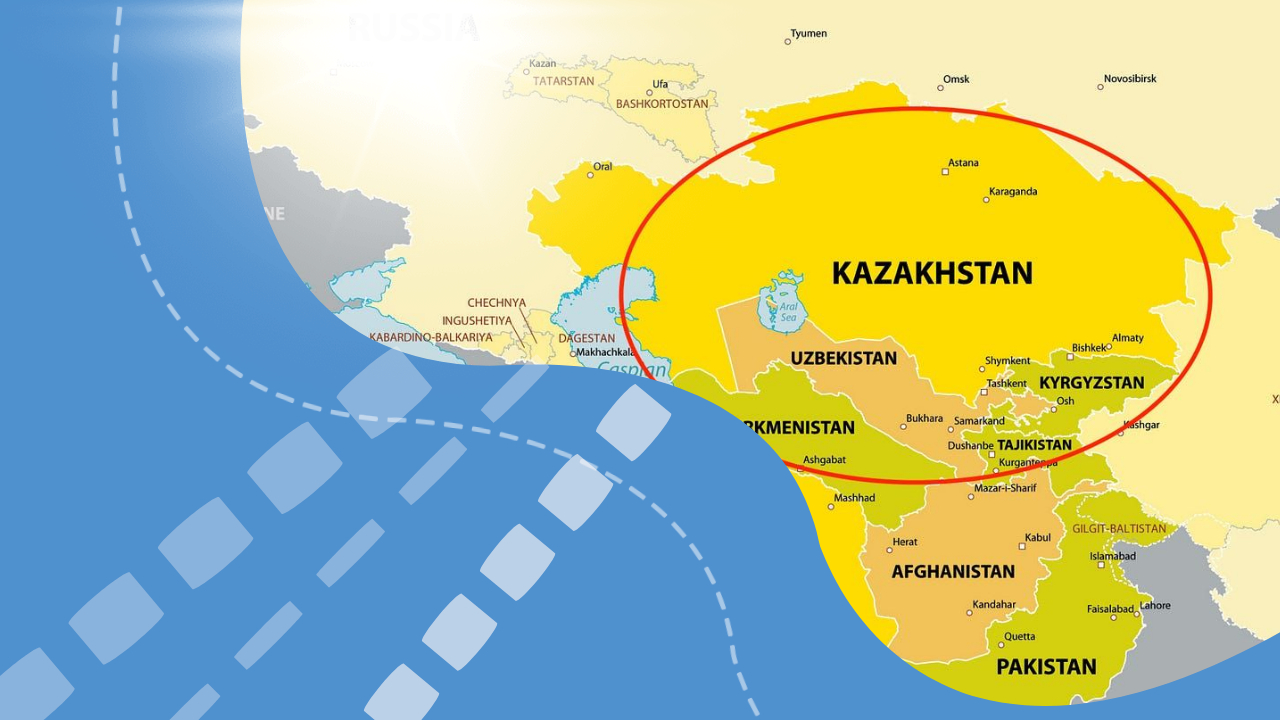
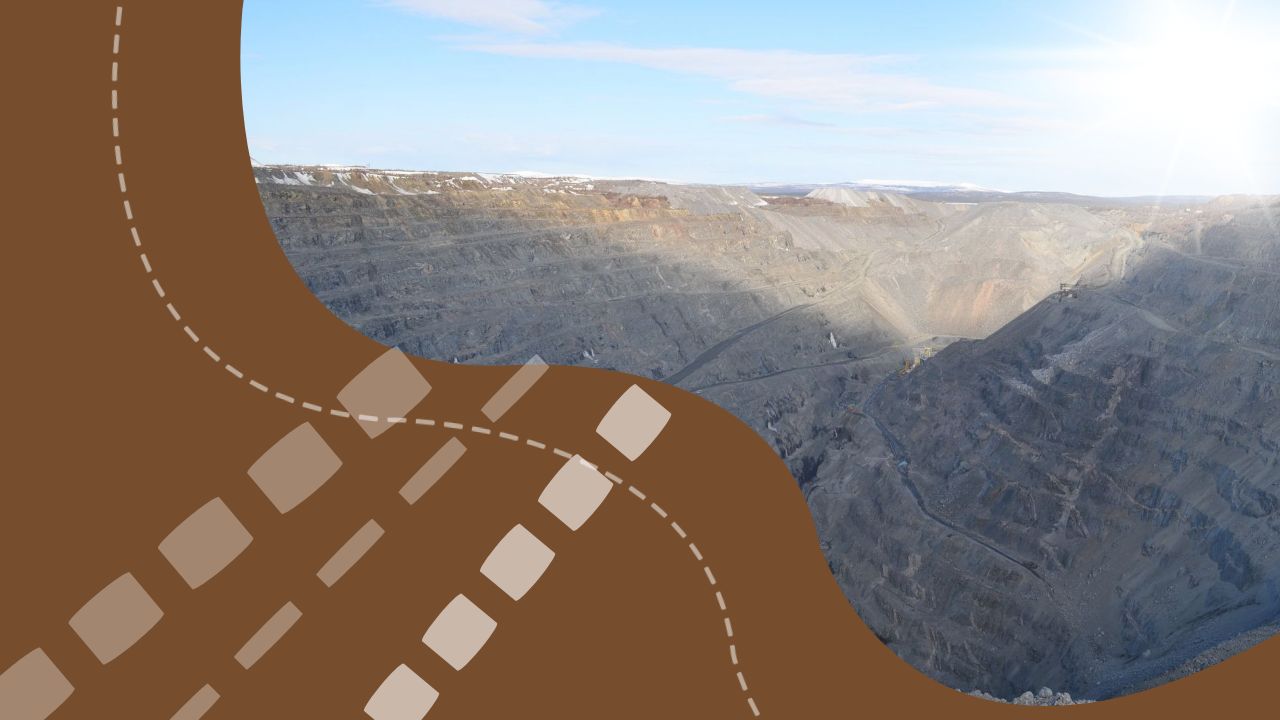
    Kazakh gold mining company Kazakhaltyn Technology, part of Altynalmas, has announced plans to launch a new production facility for processing gold-bearing ores in the Akmola Region. According to reports, the crushing and screening complex will be located in the village of Aksu, just 18 km from Stepnogorsk, on an 0.8-hectare land plot.

    The facility will feature six conveyor belts with a total length of approximately 210 meters and a two-tier vibrating screen, capable of sieving ore with a double-layer mesh. Additionally, the complex will be equipped with three crushers and a vibrating feeder, necessary for feeding material into the technological equipment. The feeder will have a capacity of 360-500 tons of ore per hour.

    Raw materials will be delivered using dump trucks. The ore reserves will accumulate on a ramp with a turnaround area, from where loaders will transport it into the loading hopper.

    Construction of the complex is set to be completed by November 2024, with operations scheduled to begin in December. The enterprise aims to process around 1 million tons of ore annually. To achieve this volume, 500 tons of sodium cyanide, used in leaching, will be required.

    The facility is expected to operate until the end of 2032, after which decommissioning works will be organized.

  • Karelian Diamonds Discovers Promising Nickel, Copper, and PGE Targets in Northern Ireland

    Karelian Diamonds Discovers Promising Nickel, Copper, and PGE Targets in Northern Ireland

    In a significant development for the mining industry, Karelian Diamonds has uncovered promising signs of nickel, copper, and platinum group elements (PGEs) within its licensed areas in Northern Ireland. The revelation follows a detailed assessment carried out by independent geological consultant Dr. Larry Hulbert, which was spurred by Karelian’s earlier identification of indicator minerals during a stream sediment sampling program.

    Dr. Hulbert’s evaluation highlights geological parallels to the Baraga basin in Michigan—a part of the Mid-Continental Rift system in North America, which is home to major deposits like Eagle and Eagle East. He advised Karelian to base its exploration strategy on the successful Eagle deposit model.

    Furthermore, the assessment noted similarities to other globally renowned nickel, copper, and PGE deposits found in continental flood basalts, such as those in Norilsk, Russia, and the Emeishan Large Igneous Province in China. These parallels underscore the potential significance of Karelian’s findings.

    In his report, Dr. Hulbert stated, “What would have been considered a low potential nickel/copper/PGE exploration area pre-1995 has changed due to recent discoveries and the subsequent development of new exploration models. Recognition of similar geological and metallogenic environments, regardless of geological age, like that between the Proterozoic Baraga Basin Eagle mining camp setting and the KDR property, is what will lead to new nickel/copper/PGE discoveries. What was once not obvious is now obvious!”

    Based on Dr. Hulbert’s recommendations, Karelian Diamonds has pinpointed a series of promising targets within its licensed areas for further exploration. “Dr. Hulbert’s review is extremely encouraging. The geological similarities with areas associated with world-class discoveries of nickel, copper, and PGEs, such as the Eagle and Eagle East deposits, are striking,” commented Karelian’s chairperson, Professor Richard Conroy.

  • President of Kyrgyzstan Lifts Ban on Uranium Exploration

    President of Kyrgyzstan Lifts Ban on Uranium Exploration

    President Sadyr Japarov has signed amendments to the subsoil law, thereby repealing the law that prohibited activities related to geological exploration aimed at the search, exploration, and development of uranium and thorium deposits in Kyrgyzstan. This information was reported by the press service of the Presidential Administration. The law was passed by the Jogorku Kenesh on June 13, 2024. According to the press service, the new law removes the ban on activities related to the geological exploration of subsoil for the purpose of searching for, exploring, and developing uranium and thorium deposits in the Kyrgyz Republic.

  • «Востокцветмет» обвиняется в незаконной ликвидации медного рудника и загрязнении окружающей среды

    «Востокцветмет» обвиняется в незаконной ликвидации медного рудника и загрязнении окружающей среды

    Компания «Востокцветмет» обвинена прокуратурой Восточно-Казахстанской области в незаконной ликвидации Юбилейно-Снегирихинского месторождения меди и загрязнении окружающей среды. По данным пресс-службы правоохранительного органа, неправильная ликвидация рудника привела к загрязнению реки Малая Карагужихаи обвалу площадью более 15 тыс. м² на горе Снегириха. Пробы воды, взятые Департаментом экологии ВКО, показали превышение допустимых концентраций кадмия, цинка, железа и марганца в 83 тыс. раз. Суд аннулировал акт приёмки ликвидации, и теперь «Востокцветмет» должен устранить причины загрязнения и провести рекультивацию участка.

  • Mongolia’s Mineral Wealth: Balancing Economic Growth and Governance Challenges

    Mongolia’s Mineral Wealth: Balancing Economic Growth and Governance Challenges

    Mongolia is at a pivotal juncture, leveraging its abundant mineral resources to bolster economic growth. The nation boasts some of the world’s largest reserves of copper and rare earth elements, making it a key player in global supply chains. Strategically situated between China and Russia, Mongolia aims to diversify its economic and diplomatic ties through its “third neighbor policy.” Despite its mineral wealth, Mongolia faces significant governance challenges, including corruption and political instability. Recent efforts focus on legal reforms and international cooperation to enhance transparency and attract foreign investment.

    Mongolia’s economic strategy is deeply intertwined with its diplomatic maneuvers, seeking to balance relationships with powerful neighbors and global partners. The country’s mineral sector is a cornerstone of this strategy, driving growth and development. However, governance issues pose risks to stability and investor confidence. Mongolia’s government is actively working on reforms to improve regulatory frameworks, ensuring that its mineral wealth translates into sustainable development for its population.

    The nation’s commitment to international cooperation is evident in its efforts to engage with various global entities and countries. By fostering a transparent and investor-friendly environment, Mongolia hopes to harness its mineral wealth effectively while addressing internal governance issues. This delicate balancing act is crucial for the country’s long-term economic prosperity and geopolitical stability.

  • NewPeak Metals to Divest Swedish Mineral Permits in Rejuvenation Plan

    NewPeak Metals to Divest Swedish Mineral Permits in Rejuvenation Plan

    In a strategic move to rejuvenate its operations, diversified mineral exploration junior NewPeak Metals has signed a term sheet to sell its Swedish mineral permits. The ASX-listed company is set to divest 100% of its Finnish subsidiary, which holds the portfolio of Sweden permits. This decision follows the recent sale of their Finland gold permits, marking the company’s complete exit from Scandinavia.

    The buyer, an unlisted Canadian private company led by resources entrepreneur Emma Fairhurst, will acquire NewPeak Sweden. Upon the execution of the transaction documents, NewPeak will receive C$250,000 in shares of the Canadian entity. Additionally, a milestone payment of C$750,000 in cash or shares will be made once a resource of at least three million tonnes at 0.3% tungsten is reported.

    The transaction is scheduled to close by August 31. NewPeak anticipates that the rights from the private company will be assigned to a publicly listed Canadian entity by the close of the transaction.

    NewPeak chairperson Brian Moller expressed satisfaction with the deal, highlighting that the Swedish mineral assetswere a no-cost addition to the original acquisition of the Finland Gold projects. He noted that despite minimal expenditure on field exploration and resource evaluation, the results showed significant potential.

    The Swedish assets include seven exploration permits covering a total area of 11,012 hectares in the historical tungsten mining field of Bergslagen, near the city of Grängesberg. These permits encompass the Yxsjöberg, Gubbo, Hörken, Högfors, Sandudden, and Gänsen prospects.

    With its exit from Scandinavia, NewPeak Metals now focuses on its Argentinian gold assets, the last remaining for divestment. The company is currently in discussions regarding these assets but maintains that they hold substantial potential, and NewPeak may continue to develop them independently.