Month: June 2024

  • Junior Mining Companies in Kazakhstan to Transition from Mineral Extraction Tax to Royalties in 2025

    Junior Mining Companies in Kazakhstan to Transition from Mineral Extraction Tax to Royalties in 2025

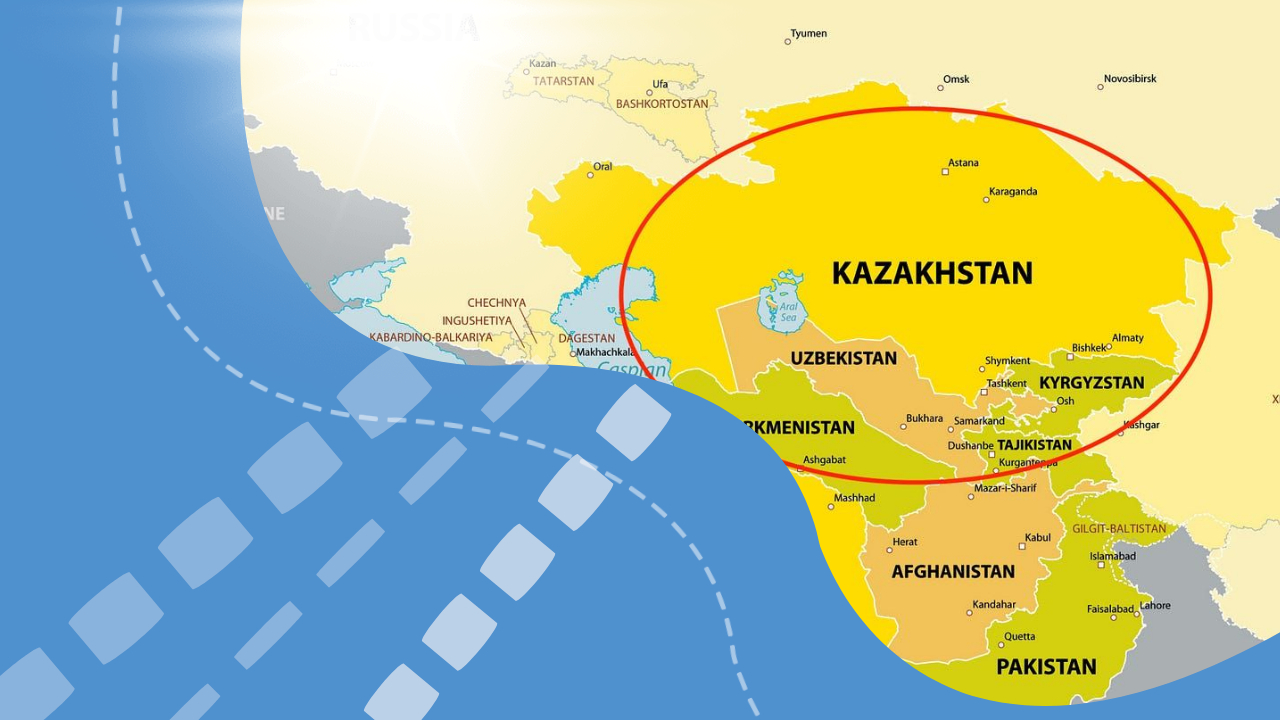
    In a significant shift for Kazakhstan’s mining industry, junior mining companies that have already discovered solid minerals and confirmed their respective reserves will transition from the Mineral Extraction Tax (MET) to royalties starting in 2025, announced Vice Minister of Industry and Construction Iran Sharkan.

    “Everyone knows that the MET has long outlived its usefulness. It’s a cumbersome tool. We need to move to an internationally recognized and understood system of royalties. We support this transition. Fundamentally, we plan to start the phased transition in 2025, beginning with junior companies and then expanding to all entities,” Sharkan stated at the AMM-2024 forum. He emphasized that this reform in subsoil use marks the logical conclusion of a process that began in 2017.

    Sharkan elaborated that the ministry is collaborating with the Ministry of National Economy and the Ministry of Finance to ensure a smooth and environmentally responsible transition. Additionally, the ministry plans to discuss with the industry how to define junior companies, which he described as new players in subsoil use who have defended their reserves and are moving to the extraction phase.

    Furthermore, Sharkan highlighted that Kazakhstan will continue to adopt modern standards. Existing deposits protected under the GKZ (State Reserves Committee) standards will remain valid, while all new projects will adhere to the international reporting system.

    In October 2023, Maxim Kononov, the first deputy executive director of the Republican Association of Mining and Metallurgical Enterprises (AGMP), noted that the MET for technogenic mineral formations (TMF), residues left by subsoil users, should be set at 0.1 of the current rate to encourage investors to process TMFs. He advocated for synchronizing industry and tax legislation to ensure that TMFs, which do not constitute subsoil, are not subject to MET.

    Kononov argued that such measures would spur large-scale TMF processing projects in Kazakhstan. He criticized the current tax framework, stating that applying standard MET rates to TMFs makes such projects unprofitable. He also pointed out the ambiguity in taxing solid minerals extracted from TMFs owned by taxpayers and not considered subsoil under the Subsoil Code.

    With MET rates increased by 50% for exchange-traded metals and by 30% for others since early 2023, Kononov warned that any further tax burdens would harm the industry.
  • В Казахстане снижается добыча угля из-за логистических и рыночных проблем

    В Казахстане снижается добыча угля из-за логистических и рыночных проблем

    На протяжении 2023-2024 гг. объёмы добычи угля на казахстанских месторождениях постепенно снижаются, сообщает пресс-служба Министерства промышленности Республики Казахстан. За 12 месяцев прошлого года добыча угля сократилась на 1 млн тонн в год и составила 113 млн тонн. В период с января по апрель 2024 года объёмы добычи уменьшились на 2,7 млн тонн по сравнению с первыми четырьмя месяцами 2023 года.

    По словам вице-министра промышленности и строительства РК Олжаса Сапарбекова, на спад добычи повлияли снижение стоимости топлива на мировом рынке, развитие зелёной энергетики, а также логистические трудности.

    Г-н Сапарбеков отметил, что повысить долю твёрдого топлива в генерации можно с помощью применения технологий чистого угля, которые уже активно используются в некоторых странах Европы и Азии. Для внедрения таких методик ведомство планирует наладить сотрудничество с зарубежными компаниями.

    Также росту добычи угля может способствовать развитие углехимической отрасли. Вице-министр сообщил, что Казахстан рассчитывает перенять опыт получения высокомаржинальных продуктов из твёрдого топлива у коллег из Китая. В настоящее время в стране создаются условия для привлечения китайских инвесторов и технологий для развития этой области.

    Сапарбеков отметил, что республика потеряла значимую часть экспортного угля из-за логистических проблем. Среди них он выделил конвекционные запреты, связанные с граничащими с Казахстаном странами, и дефицит железнодорожных вагонов. По его мнению, для улучшения ситуации Министерству транспорта, соответствующим органам приграничных государств и операторам железных дорог необходимо наладить диалог и решить спорные вопросы с доставкой сырья.

  • Coal Production Declines in Kazakhstan Due to Market and Logistics Issues

    Coal Production Declines in Kazakhstan Due to Market and Logistics Issues

    Throughout 2023-2024, coal production at Kazakhstan’s deposits has gradually decreased, reports the press service of the Ministry of Industry of the Republic of Kazakhstan. Over the past year, coal production dropped by 1 million tons year-over-year, totaling 113 million tons. From January to April 2024, extraction decreased by 2.7 million tons compared to the first four months of 2023.

    According to Deputy Minister of Industry and Construction Olzhas Saparbekov, the decline in production was influenced by the reduction in global fuel prices, the development of green energy, and logistics challenges.

    Mr. Saparbekov stated that increasing the share of solid fuel in energy generation can be achieved through the application of clean coal technologies, which are already actively practiced in some European and Asian countries. To implement such methods, the ministry plans to establish cooperation with foreign companies.

    Additionally, the growth of coal production could be supported by the development of the coal chemical industry. The Deputy Minister mentioned that Kazakhstan aims to learn from China’s experience in obtaining high-margin products from solid fuel. Currently, the country is creating conditions to attract Chinese investors and technologies to develop this sector.

    Saparbekov noted that the republic lost a significant portion of its coal exports due to logistical issues. These problems include convection bans related to neighboring countries and a shortage of railway wagons. In his opinion, to improve the situation, the Ministry of Transport, relevant authorities of neighboring countries, and railway operators need to establish a dialogue and resolve contentious issues regarding raw material delivery.

  • «Казахмыс» усилит мощности Балхашского медеплавильного завода

    «Казахмыс» усилит мощности Балхашского медеплавильного завода

    Горно-металлургический холдинг «Казахмыс» намерен усилить мощности Балхашского медеплавильного завода. За реализацию проекта взялась компания CNMC (КНР). Стороны уже согласовали детали договора и подписали соответствующие документы.

    Ожидается, что после масштабной модернизации балхашское предприятие, ранее выпускавшее не более 250 тыс. тонн меди в год, сможет достичь показателя в 300 тыс. тонн. В случае успешного запуска новых мощностей на такие объёмы завод выйдет к 2028 году.

    Г-н Нуриев сообщил, что китайские партнёры должны предоставить базовую 3D-модель нового предприятия до сентября 2024 года. Само технико-экономическое обоснование казахстанская сторона получит в октябре — ноябре.

    Глава «Казахмыса» также отметил, что после запуска медеплавильного завода в Актогае перерабатывающие мощности компании будут недостаточно загружены. Поэтому сейчас крайне важно сосредоточиться на наращивании сырьевой базы. Также Нуриев напомнил, что в соответствии с утверждённым планом развития «Казахмыса», добыча руды, извлечение которой экономически целесообразно, рассчитана до 2058 года.

  • Kazakhmys to Boost Capacity of Balkhash Copper Smelter

    Kazakhmys to Boost Capacity of Balkhash Copper Smelter

    Mining and metallurgical holding Kazakhmys plans to enhance the capacity of the Balkhash Copper Smelter. The project will be implemented by CNMC (China). The parties have already agreed on the contract details and signed the necessary documents.

    It is expected that after extensive modernization, the Balkhash plant, which previously produced no more than 250,000 tons of copper per year, will be able to reach 300,000 tons. If the new capacities are successfully launched, the plant will achieve this output by 2028.

    Mr. Nuriyev reported that the Chinese partners are to provide a basic 3D model of the new facility by September 2024. The feasibility study will be received by the Kazakh side in October-November.

    The head of Kazakhmys also noted that after the launch of the copper smelter in Aktogay, the company’s processing capacities will be underutilized. Therefore, it is crucial to focus on expanding the raw material base. Nuriyev also reminded that according to the approved development plan of Kazakhmys, ore extraction, which is economically feasible, is planned until 2058.

  • Министерство промышленности проведет аукцион на новые месторождения в этом месяце

    Министерство промышленности проведет аукцион на новые месторождения в этом месяце

    В середине этого месяца Министерство промышленности объявит аукцион на месторождения с запасами твёрдых полезных ископаемых, пишет inbusiness.kz, ссылаясь на слова руководителя департамента недропользования Алмаса Кушумова. Ведомство предложит недропользователям 23 новых месторождения. Это объекты с уже утверждёнными запасами, включая участки с залежами бокситов, угля, полиметаллов и золота.

    Г-н Кушумов сообщил, что вся необходимая информация будет размещена на официальном сайте Минпрома, и любой желающий сможет узнать, на разведку каких месторождений можно получить лицензию. Он также отметил, что в активе госфонда есть и другие ценные участки. Недропользователи не выполнили взятые на себя обязательства по работе с этими месторождениями, поэтому лицензии были аннулированы. Сведения о таких участках появятся в открытом доступе позже.

  • Ministry of Industry to Auction Off New Mining Sites This Month

    Ministry of Industry to Auction Off New Mining Sites This Month

    The Ministry of Industry will announce an auction for deposits of solid minerals in the middle of this month, reports inbusiness.kz, citing Almas Kushumov, head of the Subsoil Use Department. The ministry plans to offer subsoil users 23 new sites, all with confirmed reserves. These include deposits of bauxite, coal, polymetals, and gold.

    Mr. Kushumov stated that all necessary information will be available on the official website of the Ministry of Industry, where interested parties can learn which sites are open for exploration licenses. He also mentioned that the state fund holds other valuable sites. Licenses for these sites were annulled due to non-compliance with commitments by previous subsoil users, and information about these sites will be made publicly available later.

  • BMW Transfers $15 Million to Critical Metals Corp. for Lithium Offtake

    BMW Transfers $15 Million to Critical Metals Corp. for Lithium Offtake

    Critical Metals Corp. (Nasdaq: CRML), a leading mining development company focused on critical metals and minerals for the green energy transition, announced today that Bayerische Motoren Werkte Aktiengesellschaft (BMW) has transferred US$15 million to ECM Lithium AT GmbH (ECM), a wholly-owned subsidiary of Critical Metals Corp. This payment is related to the offtake of battery grade lithium hydroxide (LiOH) from the Wolfsberg Lithium Project in Austria, which will be offset against lithium hydroxide delivered to BMW.

    “We are pleased to move our partnership with BMW forward and look forward to supporting the production of their electric vehicles in Europe in the years to come, contributing to a more sustainable and domestic battery supply chain,” said Tony Sage, CEO and Executive Chairman of Critical Metals Corp. “This pre-payment further strengthens our balance sheet and will allow us to further advance our development strategy.”

    About Critical Metals Corp. Critical Metals Corp (Nasdaq: CRML) is a leading mining development company focused on critical metals and minerals, producing strategic products essential to electrification and next-generation technologies for Europe and its partners. Its initial flagship asset is the Wolfsberg Lithium Project located in Carinthia, 270 km south of Vienna, Austria. The Wolfsberg Lithium Project is the first fully permitted mine in Europe and is strategically located with access to established road and rail infrastructure. It is expected to become the next major producer of key lithium products to support the European market. Wolfsberg is well-positioned with offtake and downstream partners to become a unique and valuable building block in an expanding geostrategic critical metals portfolio. The Company has a long-term offtake with a leading global automaker based in Europe and is expected to benefit from European Lithium’s JV with Obeikan Group. Additionally, Critical Metals Corp owns a 20% interest in prospective Austrian mineral projects previously held by European Lithium Ltd (ASX: EUR).

  • Leag Secures €1.75 Billion for Early Coal Phase-Out in Eastern Germany

    Leag Secures €1.75 Billion for Early Coal Phase-Out in Eastern Germany

    Eastern German lignite mining and power plant company Leag has received approval for up to 1.75 billion euros in state support to facilitate the “early” phase-out of coal-fired power production in eastern Germany. This follows an agreement between the European Commission and the German government, confirming that the compensation payment aligns with EU subsidy regulations. The funds will help Leag transition from fossil fuels and create new jobs in the Lusatia region ahead of the coal exit’s final deadline in 2038.

    The Commission’s decision came after a review that started in 2021, prompted by local policymakers and the German government. “This is an important step for the people in this region,” said Germany’s economy minister Robert Habeck. The compensation will fund social support programs for coal workers and the restoration of former mining areas.

    Habeck emphasized that the payments to Leag are part of broader government measures to support the region’s shift to climate-neutral energy generation and industrial production. With targeted support for innovative transformation technologies, the government aims to foster a thriving economy in Lusatia. Leag CEO Thorsten Kramer welcomed the agreement, calling it “an essential element for our further successful transformation to being a green powerhouse.”

    The deal with the Commission and the initial plan from Germany’s previous government includes a gradual release of the funds. The estimated cost of phasing out coal is around 1.2 billion euros, which Leag will receive as a minimum. Additional funds of up to 550 million euros depend on the potential profitability of closed coal plants and the foregone profits due to the phase-out. The economy ministry stated that this process ensures Leag is not “overcompensated” for its role in the coal phase-out.

    Assessing Leag’s compensation was more complex than for its western counterpart RWE, which agreed to close its plants well before the 2038 deadline. The Commission will continue to review the scheme and release a formal decision in the coming months.

    Christian Ehler, from the conservative Christian Democrats (CDU) representing the region in the European Parliament, said the agreement brings clarity after three years of negotiations. “Leag can continue on its path of renewable power, hydrogen-ready power plants, and energy storage,” Ehler said. He added that the decision shows “the EU isn’t abandoning East Germany,” marking a milestone in Lusatia’s ambition to become Europe’s first Net Zero Valley.

    The agreement did not specify an end date for coal before 2038. However, Bernhard Herrmann, a member of the government committee for climate and energy from the Green Party, noted that the expansion of renewables will naturally phase out coal plants as they become less profitable. He argued that the deal would reduce taxpayers’ costs for the phase-out, with coal companies likely to take their plants offline voluntarily due to decreasing profitability.

  • Mining Permits in Albania Remain Stable in 2023

    Mining Permits in Albania Remain Stable in 2023

    The number of mining permits in Albania remained almost unchanged during 2023 compared to the previous year. According to data from the National Agency of Natural Resources, there were 552 active mining permits in 2023, a slight decrease from 554 in the previous year.

    Mining activity in 2023 was predominantly focused on the extraction of chrome ore, which accounted for about 43% of active permits. The latest data shows there are 236 permits for chrome extraction, unchanged from 2022. However, despite the steady number of permits, the production of chrome ore saw a decline. In 2023, about 921,000 tons of chrome were produced, approximately 12,000 tons less than the 933,000 tons produced in 2022.

    Limestone extraction was the second most significant mining activity, with 137 permits representing 25% of the total. Marbled limestone followed with 34 permits, accounting for 6.2% of the total. Combined, these three minerals constituted 75% of Albania’s mining activity. Additionally, there are 31 permits for nickel iron, 17 for copper ore, 16 for sandstone, 16 for slate limestone, and 11 for clay.

    The remaining mining activities include permits for decorative limestone, alabaster gypsum, bituminous gravel sand, and other materials, highlighting the diverse range of mineral resources being extracted in the country.