Month: June 2024

  • Comparing Norway’s Oil Wealth to Serbia’s Lithium Potential

    Comparing Norway’s Oil Wealth to Serbia’s Lithium Potential

    n a recent discussion, Ana Brnabić, President of the Serbian Parliament, likened Serbia’s lithium reserves to Norway’s oil wealth, emphasizing the transformative economic potential. President Aleksandar Vučić and Mining Minister Dubravka Đedović Handanović have also supported this view, particularly focusing on the Jadar lithium project by Rio Tinto. This project, which could significantly boost Serbia’s economy, faces strong opposition from environmental groups. Critics argue that Serbia lacks the robust political and regulatory framework that enabled Norway’s successful oil industry.

    Norway discovered oil in the 1960s, leading to substantial GDP growth and the creation of a significant welfare state funded by oil revenues. Serbia aims to replicate this model through lithium mining, essential for the booming electric vehicle (EV) market. Rio Tinto projects that the Jadar mine could generate 180 million euros in annual state revenue. However, the environmental impact and public resistance present major challenges. Serbia’s political landscape and regulatory systems are not as well-established as Norway’s, complicating efforts to harness lithium’s potential sustainably.

    The Jadar project involves extracting lithium from jadarite, a unique mineral found only in Serbia. The project has the potential to make Serbia a key player in the global lithium market, essential for EV batteries. However, effective management of environmental concerns and community relations is crucial for the project’s success.

  • Dutch Miner AMG Acquires Significant Stake in Savannah Resources

    Dutch Miner AMG Acquires Significant Stake in Savannah Resources

    In a strategic move, Dutch miner AMG has acquired a 15.77% stake in London-based Savannah Resources, becoming the largest shareholder in the company. Savannah Resources is known for its development of a lithium projectin northern Portugal. This acquisition, valued at £16 million, was announced on Thursday by both companies.

    Emanuel Proenca, CEO of Savannah, highlighted the investment as a “huge de-risking step” for the company. He praised AMG as the “ideal partner” due to its established lithium business that caters to Europe’s battery and electric vehicle (EV) sector.

    The project, however, has not been without controversy. It has encountered significant opposition from local residents and environmentalists. Despite these challenges, it is seen as a crucial test for the European Union’s strategy to reduce dependency on countries like China for essential raw materials.

    Savannah plans to construct four open-pit lithium mines in the Barroso region, with an aim to produce enough lithium annually to power approximately half a million EV batteries. The company is targeting the commencement of production by 2026.

    In addition to the stake acquisition, AMG and Savannah have agreed to explore the feasibility of building a refinery in Portugal or Spain. This refinery would process spodumene into lithium carbonate.

    As part of the deal, AMG will gain a seat on Savannah’s board of directors and secure a five-year offtake agreement for 45,000 t/y of spodumene, with an option to extend this to 90,000 t over ten years.

  • Минпром Казахстана раскрыл ценные участки для августовского аукциона

    Минпром Казахстана раскрыл ценные участки для августовского аукциона

    Министерство промышленности Республики Казахстан опубликовало перечень ценных участков с запасами твёрдых полезных ископаемых, которые будут доступны для покупки на августовском аукционе, сообщает inbusiness.kz. В списке ведомства указаны 23 месторождения с точными координатами, стартовыми ценами и возможными типами добычи, включая подземные и наземные работы.

    Начальная цена большинства участков составит 1,846 млн тенге, однако некоторые месторождения с драгоценными металлами будут стоить дороже. Например, первичная стоимость богатого золотом и серебром месторождения Бетбастау составит 3,072 млн тенге, а золотосодержащие руды на Мыстобе начнутся от 2,7 млн тенге. Самым дорогостоящим лотом станет участок Алпыс в Павлодарской области с минимальной ценой 25,2 млн тенге, содержащий медь, барит, цинк, кадмий и свинец наряду с золотом и серебром.

    Покупатели участков Мыстобе, Есымжал и Первомайское должны будут устранить последствия деятельности предыдущих владельцев, а новых владельцев Алпыса и Жалаира обяжут провести водоохранные мероприятия. Если участок находится в буферной зоне населённых пунктов, добыча будет возможна только подземным способом.

  • Kazakhstan’s Ministry of Industry Reveals Valuable Mining Sites for August Auction

    Kazakhstan’s Ministry of Industry Reveals Valuable Mining Sites for August Auction

    The Ministry of Industry of the Republic of Kazakhstan has announced the locations of valuable mining sites containing solid minerals, available for purchase at the August auction, reports inbusiness.kz. The list includes 23 deposits with precise coordinates, starting prices, and potential extraction methods, both underground and surface.

    The initial price for most sites is set at 1.846 million tenge, with higher prices for precious metal deposits. For example, the Betbastau site, rich in gold and silver, starts at 3.072 million tenge, while the Myshtobe gold ore deposit begins at 2.7 million tenge. The most expensive lot is the Alpys site in Pavlodar region, with a minimum price of 25.2 million tenge, containing copper, barite, zinc, cadmium, and lead along with gold and silver.

    Buyers of Myshtobe, Esymzhal, and Pervomaiskoye must address previous environmental impacts, while new owners of Alpys and Zhalair will need to implement comprehensive water protection measures. If a site is within buffer zones of populated areas, extraction will be limited to underground methods.

  • EU’s Corporate Sustainability Directive: Far-Reaching Effects on Global Supply Chains and Africa

    EU’s Corporate Sustainability Directive: Far-Reaching Effects on Global Supply Chains and Africa

    The European Union’s newly enacted Corporate Sustainability Due Diligence Directive (CSDDD) imposes stringent requirements on large corporations to address and mitigate human rights and environmental impacts throughout their supply chains. Effective from May 24, the directive targets businesses with more than 1,000 employees and a net turnover exceeding €450 million, including non-EU companies with substantial EU operations. This initiative, driven by France, focuses heavily on sectors like mining. However, it has faced criticism for excluding financial institutions and specific products, which some argue weakens its overall impact, especially from the perspective of African stakeholders who see continuous investments in fossil fuel projects on the continent.

    For instance, in South Africa, the controversy surrounding Shell’s offshore gas exploration underscores the environmental challenges that the directive aims to tackle. Despite these intentions, the development process of the CSDDD has been criticized for insufficient engagement with stakeholders from the Global South, raising concerns about the directive’s fairness and effectiveness in ensuring accountability and equitable governance within global supply chains. The directive’s broad scope emphasizes the need for comprehensive international frameworks to support sustainable business practices globally.

  • British Prosecutors to Charge Former Glencore Employees Over Bribery Allegations

    British Prosecutors to Charge Former Glencore Employees Over Bribery Allegations

    British prosecutors are set to bring criminal charges against former Glencore employees in connection with bribery allegations, marking a significant development in a long-running investigation. More than 18 months after revealing that up to 11 ex-staffers were under scrutiny, the Serious Fraud Office (SFO) informed a London judge on Monday that it had sought governmental approval to proceed with charges against individuals. This announcement represents the first commitment by the SFO to pursue individual criminal convictions following Glencore’s guilty plea in 2022.

    While the SFO did not specify the number of individuals to be charged, it indicated that some could appear in court as early as September. The commodity trading sector has faced anti-corruption probes for years, but prosecutions of individual traders or executives have been rare until now. The SFO has previously described the investigation into the Glencore employees as involving allegations of serious criminality.

    Glencore faced a £276-million fine from a London judge after admitting to orchestrating an extensive bribery scheme to gain access to oil cargoes across Africa. Prosecutors targeted the firm’s London trading desk, highlighting that Glencore’s traders and executives paid over $28 million in bribes between 2011 and 2016 to secure access to oil cargoes. The investigation revealed that these payments were made for preferential access to oil, including increased cargo volumes, valuable grades of oil, and favorable delivery dates.

  • Kazakhstan to Hold Auction for Solid Mineral Deposits, Including Bauxite, Coal, and Gold

    Kazakhstan to Hold Auction for Solid Mineral Deposits, Including Bauxite, Coal, and Gold

    The Ministry of Industry of Kazakhstan is set to announce an auction for deposits of solid minerals later this month, according to inbusiness.kz, citing Almas Kushumov, the head of the subsoil use department.
    The ministry plans to offer 23 new deposits to potential bidders, including sites with approved reserves of bauxite, coal, polymetallic ores, and gold.
    Mr. Kushumov stated that all the necessary information regarding the auction will be published on the official website of the Ministry of Industry, allowing interested parties to learn which deposits are available for exploration and licensing.
    He also noted that the state fund holds other valuable plots. However, as subsoil users failed to fulfill their obligations for these deposits, their licenses were revoked. Information about these areas will be made available to the public at a later date.

  • Kazakhstan Explores Alternative Routes for Oil Transportation, Aims to Increase Transit Capacity through Azerbaijan

    Kazakhstan Explores Alternative Routes for Oil Transportation, Aims to Increase Transit Capacity through Azerbaijan

    The volume of crude oil transported through Azerbaijani pipelines from Kazakhstan could increase fivefold to 7 million tons per year, according to information provided by the press service of Azerbaijan’s state oil company, SOCAR, as reported by newshub.kz.
    Zaur Gakhramanov, an advisor to the head of SOCAR, revealed that repair works on an oil terminal near Baku are expected to be completed by the summer of 2024, enabling the annual movement of 10 million tons of black gold. The full operation of this facility would raise the transit capacity of the republic to 20-25 million tons of raw materials.
    Currently, over 90% of Kazakhstan’s oil is exported through the pipeline systems of Russia. To reduce dependence on Russia for hydrocarbon transportation, the authorities in Kazakhstan are exploring alternative routes.
    In 2023, 1.4 million tons of crude oil were transported through Azerbaijan’s pipelines. SOCAR anticipates that this figure will increase to 1.8 million tons in 2024 and further to 2.2 million tons in 2025.

  • Serbia Set to Approve Rio Tinto’s Lithium Mine, Boosting Europe’s Electric Vehicle Industry

    Serbia Set to Approve Rio Tinto’s Lithium Mine, Boosting Europe’s Electric Vehicle Industry

    Serbia is on the verge of granting Rio Tinto permission to develop Europe’s largest lithium mine, signaling a significant advancement for the continent’s electric vehicle sector. President Aleksandar Vucic has expressed confidence in securing the necessary guarantees from both Rio Tinto and the European Union to address environmental concerns regarding the Jadar site in western Serbia. Vucic expects to make a formal announcement about the project next month, provided that the demands for the entire value chain and robust environmental protections are met. The mine, projected to open in 2028, aims to produce 58,000 tonnes of lithium per year, which would account for approximately 17% of European electric vehicle production, equivalent to around 1.1 million cars. Vucic believes this venture could be transformative for Serbia and the broader region.

    The Serbian government revoked Rio Tinto’s licenses in January 2022 due to protests led by environmental groups. Concerns over water pollution, displacement of residents, and post-mining area damage prompted the demonstrations, which resulted in blocked highways and bridges across the country. However, with President Vucic’s ruling SNS party winning most of the recent municipal polls, the government perceives an opportunity to revive the project. The potential revival of the deal with Rio Tinto, coupled with EU involvement, serves as a significant indication of Serbia’s geopolitical alignment as it attracts economic and political attention from China, Russia, and Gulf nations. Serbia has been an EU candidate country for over a decade, but its accession process has faced delays due to concerns about the rule of law and corruption.

    President Vucic confirmed that the intention was never to hand over the mine to Chinese interests, as some EU officials had feared. He emphasized Serbia’s commitment to working with the European Union. Vucic also claimed that certain European states initially tried to undermine the Jadar deal but eventually changed their stance. The absence of domestic lithium production in Europe makes the Jadar mine crucial, as it could meet 13% of the continent’s projected demand by 2030. The project would significantly contribute to Serbia’s economy, potentially adding between €10 billion and €12 billion ($19.4 billion) to the annual gross domestic product.

    Despite the potential resurrection of the deal, opponents of the mine, such as the environmental group Go Change, remain determined to continue their fight. They vow to defend ecological standards and constitutional rights, expressing their commitment to organizing further protests if necessary.

    Chad Blewitt, Rio Tinto’s managing director for the Jadar project, stressed the company’s efforts to gain public support through extensive community engagement sessions. Rio Tinto released a draft environmental assessment that outlines potential impacts on water, air, and soil, emphasizing their commitment to transparency and compliance with Serbian and EU environmental standards.

  • Central Asia’s Untapped Rare-Earth Reserves Spark Global Interest

    Central Asia’s Untapped Rare-Earth Reserves Spark Global Interest

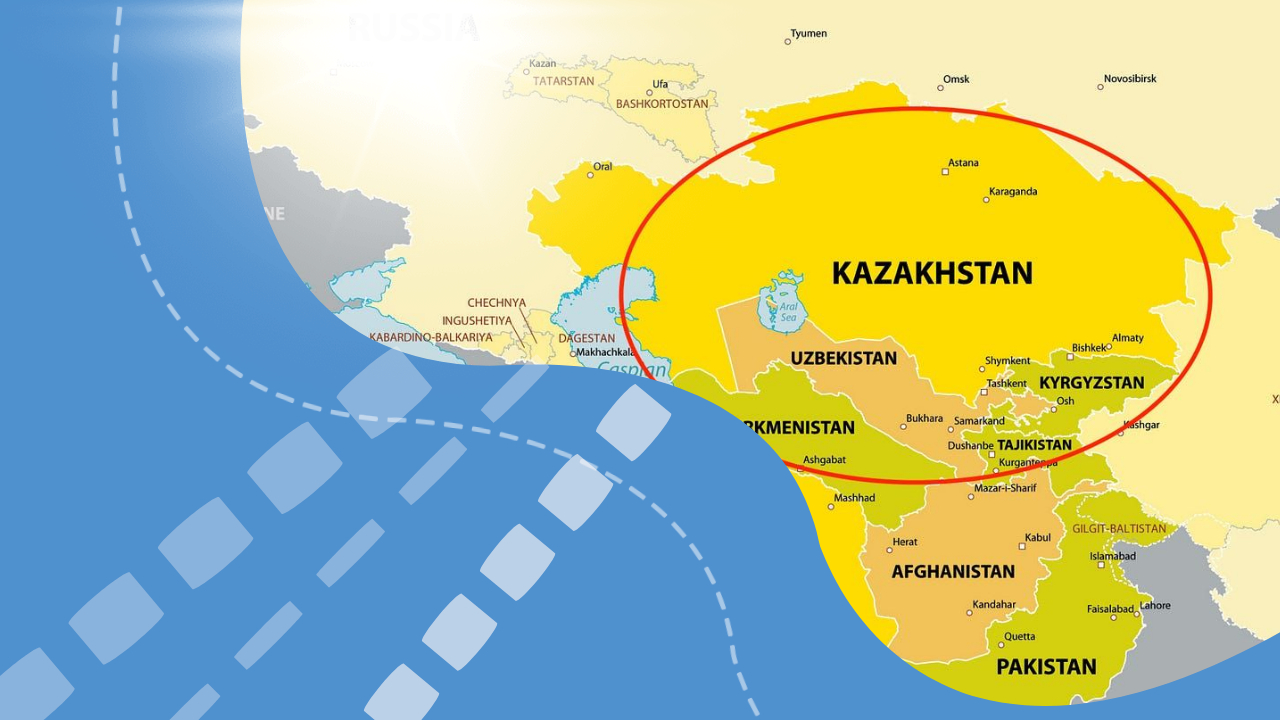
    The seven countries of Central Asia—Kazakhstan, Kyrgyzstan, Tajikistan, Turkmenistan, Uzbekistan, plus Afghanistan and Mongolia—hold some of the world’s largest but largely untapped reserves of rare-earth minerals. Three major developments have significantly heightened the importance of these reserves. Firstly, the increasing role of rare earths in modern technology and their crucial part in the clean energy transition have brought these minerals to the forefront of international focus. Secondly, China’s decision to reduce or cut off rare earth supplies following Moscow’s expanded invasion of Ukraine and subsequent Western sanctions has forced the West to seek alternative sources, spotlighting Central Asia. Lastly, Central Asian countries view Western involvement in their rare-earth sectors as a means to further diminish Russian control and prevent Beijing from becoming the dominant power in the region.

    All Central Asian governments are keen to develop their rare-earth sectors to diversify their economies, traditionally reliant on oil and gas revenues. However, lacking the necessary resources, these countries have turned to external powers for investment, igniting a diplomatic contest involving China, Russia, and the West. This intense competition has been dubbed the “Great Game of the 21st century,” reflecting the historical rivalry between Russia and Great Britain for influence in the region.

    The involvement of external powers is crucial in this new “Great Game.” Over the past year, senior officials from these powers have frequently visited the region and invited Central Asian representatives to discuss rare-earth development. China’s proactive approach has seen it dominate rare-earth leases in Kyrgyzstan and Tajikistan, aligning with its strategy to control rare-earth markets. However, this has occasionally backfired, prompting opposition in Central Asia and compelling the West to respond.

    Increased Western interest has led the European Union, the United Kingdom, and Western allies like South Korea to ramp up their engagement and investment in the region’s rare-earth sectors. Diplomatic activities have intensified, with rare earths now featuring prominently in foreign policy documents. Conversely, Russia’s involvement is conflicted; it supports Chinese activities to limit Western influence but fears that new market participants could depress prices, impacting the Russian economy.

    The competition presents Central Asian governments with opportunities to leverage external rivalries to their advantage, though it also brings significant risks. Potential threats from outside, such as aggressive interventions by China or Russia, loom large. More pressing, however, are internal challenges. Uneven development of rare-earth sectors could create new elite classes and regional power imbalances, potentially leading to instability, particularly in Tajikistan.