ArcelorMittal, in its corporate report for the year 2023, revealed that it obtained a guarantee from an undisclosed Kazakh sovereign wealth fund for the deferred repayment of a $450 million intra-group loan during the finalization of the sale of “ArcelorMittal Temirtau” (AMT) in December. The deal involved the transfer of ownership rights to the Republic of Kazakhstan, with the state-controlled direct investment fund Qazaqstan Investment Corporation (QIC) acquiring AMT. As per the terms of the transaction, ArcelorMittal received compensation of $286 million upon closing, along with an additional $250 million as payment for existing intra-group debt. Moreover, the steel group will receive a guaranteed payment of $450 million from the sovereign fund, to be disbursed in four equal annual installments for the repayment of the intra-group loan. However, the specific Kazakh sovereign wealth fund involved in the guarantee remains undisclosed, leading to speculation that it may have been issued by the National Fund. Notably, the obligations to repay the loans were expected to be assumed by the new investor, Andrey Lavrentyev, controlling AMT under the new name Qarmet through Qazaqstan Steel Group. Clarification from relevant entities regarding the guarantee’s source is pending.
Month: March 2024
-
Cornish Metals Accelerates Refurbishment of New Cook’s Kitchen Shaft at South Crofty Tin Project
Cornish Metals, an exploration and development company, has announced plans to begin refurbishing the New Cook’s Kitchen (NCK) shaft at the South Crofty tin project in the UK ahead of schedule. CEO Richard Williams emphasized the significance of this milestone, highlighting the confidence of the company and its major shareholders in the project’s future. Rephasing the shaft refurbishment aims to enhance the functionality of the NCK shaft, facilitating early access for larger equipment during the mine’s redevelopment phase. To enable concurrent shaft refurbishment and dewatering activities, Cornish has adjusted the rate of mine dewatering and expects to realize a £4-million cost saving. These funds will be allocated towards covering the expenses of the NCK refurbishment. Additionally, a preliminary economic assessment is underway and slated for publication in the second quarter, providing an updated estimate of the funding requirements necessary to achieve first tin production from South Crofty by the end of 2026.
-

Казахстанский комбинат Qarmet: Новые Направления и Планы После Смены Владельца
После передачи компании ArcelorMittal Temirtau в собственность государства и отъезда инвестора, владевшего активами с 1995 года, фокус на предприятии не ослабевает. Новый владелец, группа компаний Allur Group, обязался инвестировать в модернизацию и защиту экологии, а также восстановить предприятие, занявшее лидирующую позицию в казахстанской металлургии. Сейчас ведется работа над новой стратегией и осуществляются планы по улучшению безопасности и производства.
После трагического инцидента на шахте им. Костенко прошлым летом, правительство Казахстана решило прекратить сотрудничество с ArcelorMittal Temirtau и выкупить его активы за 286 миллионов долларов. Группа Allur Group стала новым владельцем, а комбинат восстановил историческое название — Qarmet.
Важным фокусом нового руководства является восстановление производства и повышение безопасности труда. Серьезные проблемы с оборудованием и условиями труда на шахтах и комбинате требуют первоочередного внимания. Планы компании на 2024 год включают умеренное увеличение производства и инвестиции в модернизацию оборудования.
Новое руководство также придает большое значение экологической устойчивости и социальной ответственности. Вместе с изменением названия пришли и новые надежды на решение текущих проблем и улучшение условий труда.
Новые стратегические партнерства и инвестиции позволят Qarmet достичь новых высот в производстве и улучшить условия работы для своих сотрудников.
-
Qarmet: A New Era for Kazakhstani Metallurgy Under Domestic Ownership
Following the state acquisition of ArcelorMittal Temirtau and the departure of its long-standing investor in 1995, Qarmet JSC remains a focal point of interest. Ambitious plans are underway for the enterprise under the new domestic shareholder, with implementation overseen by the government. The top priorities set by the company’s management reflect a commitment to revitalizing operations and ensuring safety.
Upon the tragic incident at the Kostyanko mine last year, the Kazakhstani government opted to terminate investment cooperation with ArcelorMittal Temirtau, acquiring its assets for $286 million. The Allur Group of companies, led by Andrey Lavrentyev, emerged as the new owner, restoring the plant’s historical name — Qarmet.
In addition to asset acquisition, the investor has pledged an additional $3 billion for production modernization and environmental protection, with $1.3 billion earmarked for the current year alone. With the new ownership and name come renewed optimism among the plant’s workers, anticipating solutions to existing equipment and working condition issues.
Talgat Temirkhanov, Qarmet’s official representative, highlighted the development of a comprehensive plan for industrial safety and production modernization, leveraging international best practices and collaborations with industry leaders like BaowuSteel and the Boston Consulting Group.
The company’s management underscores the priority of restoring production while enhancing labor safety, with a focus on addressing critical equipment issues. General Director Vadim Basin outlined moderate production targets for 2024, anticipating increases in steel and iron ore concentrate production alongside a slight decrease in coal mining volumes.
In alignment with the name change, Qarmet’s focus extends to environmental sustainability, labor protection in mines, and social responsibility. Investments in new drilling rigs, modern heading combines, and gas monitoring stations underscore the commitment to improving production environments.
Decisions have been made to introduce positioning systems at all mines, along with plans for central dispatching and mine degassing. New construction initiatives include the development of coke batteries, polymer coating lines, and beneficiation plants, signaling a drive toward revitalizing the plant and empowering its workforce.
-
Kumtor Gold Company Exceeds Gold Production Targets in 2023, Boosting Revenue and Profit
Kumtor Gold Company, based in Kyrgyzstan, achieved remarkable milestones in 2023, surpassing its gold production targets and recording significant revenue and profit growth. The company’s production output totaled 15.567 tons of gold, slightly higher than the amount sold, which stood at 15.577 tons, reflecting robust operational efficiency and market demand. With revenue from production activities soaring to $849 million, Kumtor Gold exceeded its planned revenue of $734.2 million, driving a net profit of $302.4 million, well beyond the projected $194 million. Tax contributions to the republican budget further underscored the company’s substantial economic impact, amounting to 17.241 billion soms ($192.787 million).
In a strategic move to optimize workflow and modernize equipment, Kumtor Gold implemented measures resulting in savings exceeding $30 million, demonstrating its commitment to operational excellence. Despite a reduction in capital investment volume to $111.5 million compared to the previous year, the company’s focus on efficiency enhancements yielded impressive financial outcomes.
Moreover, Kumtor Gold reaffirmed its commitment to regional development by allocating significant funds to various initiatives. Notably, $8.389 million was directed towards the development of the Issyk-Kul region, while $5.033 million was allocated to the Naryn region development fund. Additionally, contributions to the Regional Development Partnership Fund and the Nature Development Fund further underscored the company’s dedication to environmental sustainability and community welfare.
Kumtor Gold Company remains a cornerstone of the mining industry in Kyrgyzstan, spearheading the operation of the Kumtor project, the country’s largest gold mining enterprise. With a commitment to excellence, responsible production practices, and community engagement, Kumtor Gold continues to drive economic growth and social development in the region.
-
Poland Emerges as Silver Giant: Implications and Challenges
Recent weeks have witnessed a surge of headlines in Poland, revealing a stunning revelation: the country harbors vast silver resources estimated at half a trillion zloty. This development has catapulted Poland into the spotlight as a global leader in silver reserves, a distinction confirmed by the latest report from the U.S. Geological Survey (USGS) titled “Mineral Commodity Summaries 2024.”
According to the USGS report, Poland boasts an impressive silver reserve of 170,000 tons, surpassing other silver-rich nations by a significant margin. Peru, the second-largest holder, lags behind by 60,000 tons. Despite its recent emergence, Poland has swiftly risen to become the fifth-largest global producer, generating 1,300 tons of silver in 2023.
This substantial update in reserves, from the previously reported 65,000 tons to the current 170,000 tons, is based on data from Poland’s Geological Service. Earlier indications of this wealth were hinted at in a 2023 report, which highlighted substantial copper and silver deposits across regions like the Fore-Sudetic Monocline and the North Sudetic Basin, particularly in areas surrounding Lubin, Polkowice, and Głogów.
At current market prices, Poland’s silver reserves are valued at approximately $127 billion, exceeding half a trillion PLN, a sum capable of potentially covering the country’s budget deficit twice over.
However, despite the economic promise, challenges loom in the realm of silver mining. Adam Stroniawski from the Mint of Poland underscores the importance of these reserves while acknowledging the time-consuming process of accessing, mining, and refining them. He emphasizes the necessity for advanced technology, robust infrastructure, and the scattered distribution of silver deposits.
Moreover, silver’s significance in various industrial sectors cannot be overlooked, from medicine to electronics and renewable energy. Yet, Stroniawski cautions that while silver remains undervalued and accessible, its exploitation demands careful consideration of environmental impacts and sustainable mining practices.
The environmental implications of silver mining in Poland are significant, requiring stringent environmental protections and substantial investments in infrastructure, technology, and skills. Developing these resources sustainably is vital for meeting the growing demand for silver in critical sectors such as renewable energy.
Poland’s ascent as a silver giant signals a pivotal moment in the global market, with potential implications for prices and industrial applications. Nonetheless, navigating the challenges inherent in silver mining demands innovative solutions and international cooperation to ensure that Poland’s newfound wealth benefits both the nation and the global community.
-
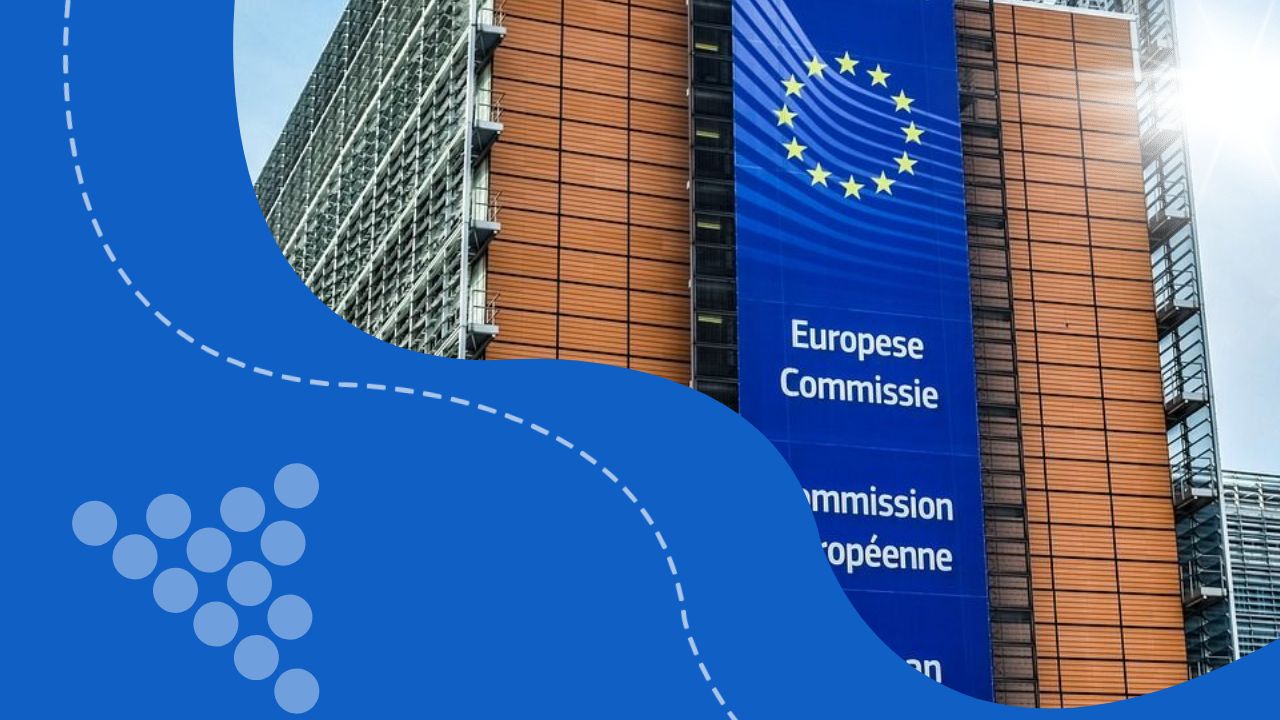
The geopolitical race for critical raw materials in the green transition era
The geopolitical race for critical raw materials in the green transition era has emphasized the critical importance of securing raw materials for the green transition, recognizing the challenges it faces in competition with China. However, convincing companies to prioritize geopolitical concerns over market dynamics presents a significant hurdle. While electric vehicles offer a cleaner alternative to fossil fuel vehicles, their production involves a considerable amount of materials. Compared to conventional vehicles, electric cars require a much larger quantity of minerals, such as copper and manganese. The increasing adoption of clean energy technologies, especially electric vehicles, has led to a surge in demand for critical raw materials (CRMs). This heightened demand underscores the need for a stable supply chain to support Europe’s transition to green technologies. The European Union identifies certain materials as “critical raw materials,” crucial for various sectors beyond clean energy, including digitalization and defense. However, dependence on external sources, particularly China, raises concerns about supply chain security. China’s dominance in processing many CRMs, despite not being rich in these resources, poses challenges for the EU. Chinese mining companies have made significant investments overseas, controlling key mining operations in regions like the Democratic Republic of Congo and Indonesia. In response to these challenges, the EU has implemented initiatives such as the European Critical Raw Materials Act (CRMA) and strategic partnerships with producer countries. These efforts aim to secure the EU’s CRM supply while promoting sustainable development in partner nations. The CRMA emphasizes supply chain security but also faces criticism for prioritizing mining projects over sustainability. Achieving a balance between security and sustainability is crucial for ensuring a resilient supply chain. Despite the EU’s emphasis on strategic partnerships and free trade agreements, challenges remain in translating rhetoric into action. Building domestic supply chains for green energy technologies requires significant investment and private sector involvement. However, crashing prices of key minerals like lithium and cobalt have stalled Western investments in new mines. Chinese companies, benefiting from state support, are better positioned to weather market fluctuations. The EU’s approach to competing with China in the CRM sector must address these challenges effectively. Balancing economic interests, sustainability goals, and supply chain security will be essential for the EU to establish resilient CRM supply chains and maintain its competitiveness in the global market.
-
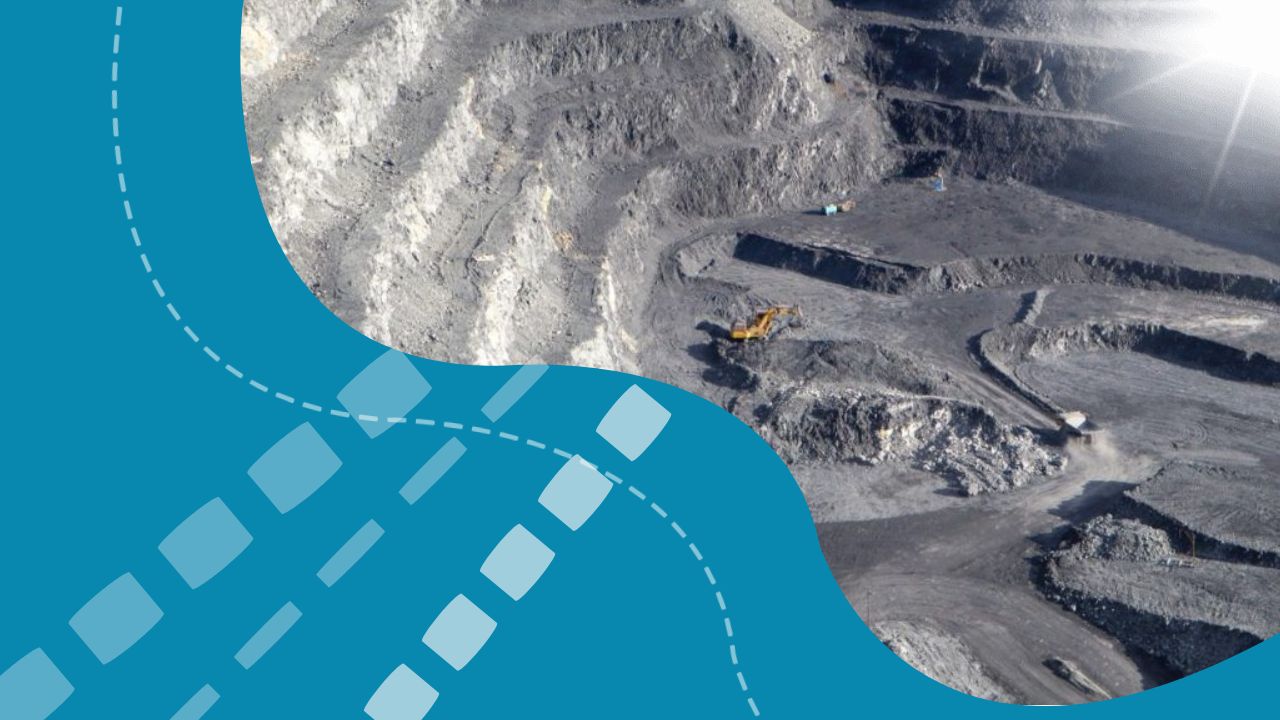
Adriatic Metals Launches $250 Million Investment in Vares Project, Bosnia and Herzegovina
Adriatic Metals, a UK-based company, announced on Wednesday the official launch of the Vares Project in Bosnia and Herzegovina, marking a significant investment valued at $250 million (230.2 million euros).
The inauguration comes shortly after the successful production of the first silver/lead concentrate and zinc concentrate at the newly established Vares Processing Plant on February 27, as stated in a press release by Adriatic Metals.
The Vares Project encompasses the Rupice Mine, which commenced mining operations in July 2023, and the Veovaca polymetallic deposit. This venture underscores Adriatic Metals’ commitment to tapping into Bosnia’s rich mineral resources.
With a keen focus on plant optimization and production scaling, Adriatic Metals aims to achieve a consistent output, targeting a nameplate capacity of 800,000 tonnes per annum by the fourth quarter of 2024.
Adriatic Metals, serving as a base metals developer, has bolstered its workforce in Bosnia, employing 255 individuals as of January 2024. Furthermore, the company is concurrently advancing its Raska Zinc-Silver Project located in Serbia, demonstrating its multifaceted approach to mineral exploration and development.
-
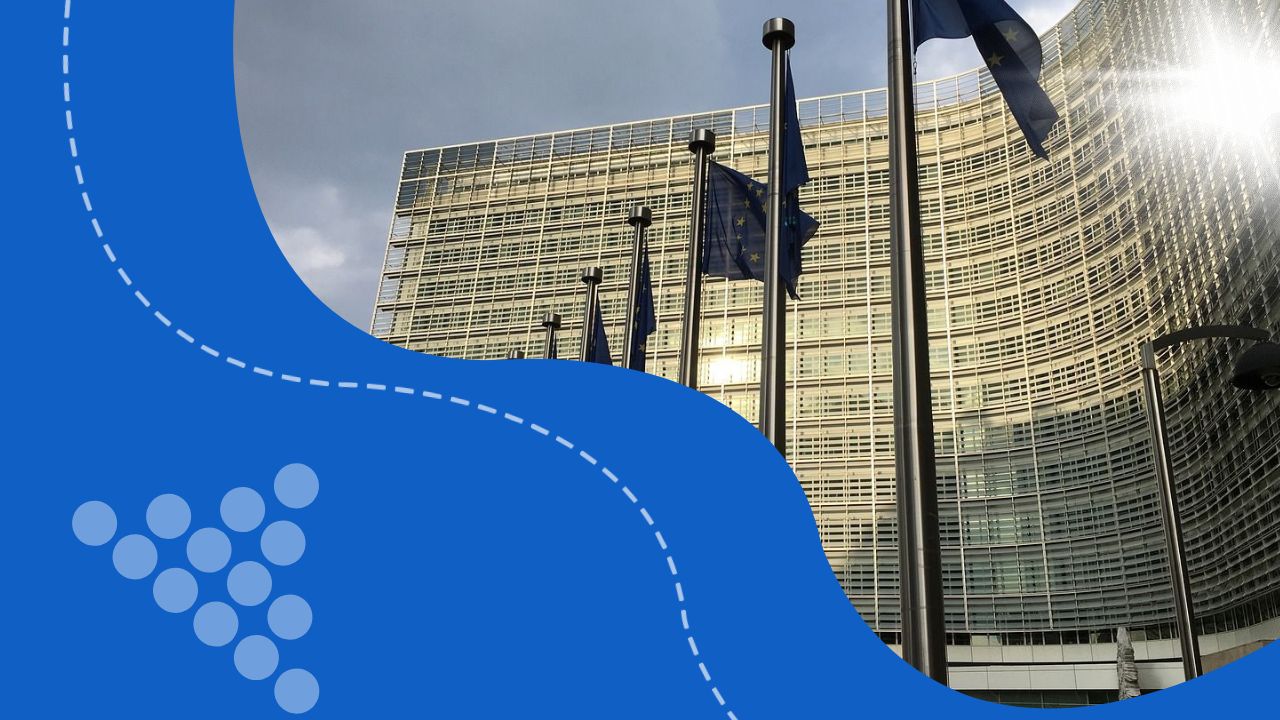
EIT RawMaterials’ vision for sustainable resource management in Europe’s green evolution
EIT RawMaterials is actively engaged in collaborating with policymakers and industry stakeholders to drive innovation, shape policies, and develop a roadmap for Europe’s critical materials sector to achieve sustainability goals. As Europe works towards its 2050 climate neutrality objective, ensuring access to critical raw materials becomes crucial for powering key green technologies such as solar panels, wind turbines, and electric vehicles.
Europe’s heavy reliance on a limited number of countries, including China, for these essential materials poses risks due to dependency on vulnerable and opaque supply chains. EIT RawMaterials, recognized as a leading innovation community in the global raw materials sector, is committed to supporting Europe’s transition to a sustainable economy by ensuring a steady supply of raw materials, promoting circular economy principles, and fostering innovation, education, and entrepreneurship.
As the manager of the European Raw Materials Alliance (ERMA), which consists of over 750 European and international partners, EIT RawMaterials is focused on enhancing the sustainable competitiveness of the European raw materials sector across the value chain. ERMA plays a vital role in securing financing to bolster Europe’s competitiveness in the global supply chain.
Through collaborative efforts with industry partners, ERMA has launched two Action Plans targeting specific market fields. The Rare Earth Magnets and Motors Action Plan, initiated in 2021, has already generated 14 de-risked and bankable projects, expected to meet approximately 20% of Europe’s permanent magnets requirements by 2030. Another recent initiative, “The European Call for Action on Energy Storage and Conversion,” launched in May 2023, aims to bolster Europe’s position in the energy storage and conversion sector.
This action plan acknowledges the growing significance of energy storage and conversion in light of increasing adoption of green technologies and emphasizes the need for significant quantities of raw materials. It outlines investment requirements to ensure a stable supply chain and focuses on key areas such as materials for solar energy, battery materials, fuel cells, electrolysers, and alternative energy storage and conversion methods.
The roadmap presents comprehensive strategies covering the entire mineral value chain, from exploration to processing, identifying investment opportunities exceeding €15 billion. This strategic approach could enhance the EU’s self-sufficiency in critical materials by 2030.
Aligned with EU policy initiatives, the roadmap proposes measures to enhance the competitiveness of the European raw materials sector, including standardization, fit-for-purpose mining standards, and a balanced approach to trade measures.
A notable aspect of the roadmap is its emphasis on expanding mining operations within Europe while upholding stringent environmental, social, and governance (ESG) standards. It suggests establishing a European Raw Materials Fund to support projects across all phases, funded through EU and member state policies.
Innovation is pivotal in transforming the mining industry, and EIT RawMaterials actively supports this through collaborations with industry leaders. The organization backs projects focused on safety improvements, technological advancements, and sustainable solutions, such as recycling initiatives for Li-ion batteries and advancements in battery technology for electric vehicles.
With the approval of the Critical Raw Materials Act, Europe aims to recycle at least 25% of its annual raw materials consumption domestically. EIT RawMaterials contributes to this goal through projects like ReLieVe and Charamba, focusing on closed-loop industrial processes and efficient waste stream management.
Addressing challenges related to specific critical raw materials like Vanadium and Gallium, EIT RawMaterials supports projects for their recovery as by-products and innovations to enhance battery technology.
Overall, EIT RawMaterials plays a pivotal role in driving sustainable practices, innovation, and resilience in Europe’s critical materials sector, contributing to the region’s transition towards a greener and more sustainable future.
-

Внедрение искусственного интеллекта в геологию: во время визита Каната Шарлапаева подписали Меморандумы о взаимопонимании
Во время визита Министра промышленности и строительства РК, Каната Шарлапаева, в Канаду на конференцию PDAC, казахстанская делегация подписала Меморандум о взаимопонимании в сфере геологии между Национальной геологической службой Казахстана (UGQ) и Koan Analytics Inc., а также между UGQ и Geological Survey of Finland (GTK). Документ с казахстанской стороны подписал Председатель Правления НГС Ерлан Галиев, с канадской стороны – руководство Koan Analytics Inc Роб Вуд, c финской стороны генеральный директор GTK Киммо Тииликайнен.
В рамках Меморандума планируется изучить с НГС возможность внедрения Центра передового опыта в области искусственного интеллекта для повышения успешности и точности процессов разведки полезных ископаемых. Также разработать преобразование данных, прогнозные модели, алгоритмы и инструменты анализа данных для идентификации потенциальных объектов добычи полезных ископаемых.
Koan Analytics Inc. – канадская компания, предлагающая интегрированные решения для организаций, осуществляющих деятельность в промышленном сегменте. Они предлагают разработку по преобразованию, архитектуре, классификации данных, выбору, построению и обучению моделей машинного обучения, а также разработке алгоритмов. Они оказывают поддержку перспективным компаниям и помогают преобразовать их данные по своей модели аналитической платформы.
Следом был подписан Меморандум о взаимопонимании между Национальной геологической службой Казахстана и Финской геологической службой (Geological Survey of Finland, GTK).
GTK (Geological Survey of Finland) – ведущий геологический центр Финляндии, специализирующийся на изучении её геологии, оценке ресурсов и разработке методов их использования и защиты. Они проводят разнообразные исследования, включая геологические, геофизические и геохимические, занимаются картографированием и созданием баз данных.
«Подписанные Меморандумы являются важным показателем интереса международного сообщества к геологическим ресурсам Казахстана и готовности канадской стороны к укреплению сотрудничества в секторе геологии для улучшения инвестиционных и экономических отношений между странами»,-отметил Председатель Правления АО «Национальный геологической службы» Ерлан Галиев.
СПРАВОЧНО: PDAC (Prospectors & Developers Association of Canada) Convention – это ежегодное событие, которое стало неотъемлемой частью горнодобывающей индустрии, собирая под своим куполом тысячи специалистов из различных уголков мира. Состоящаяся в Торонто, Канада, она привлекает геологов, инвесторов, аналитиков, представителей горнодобывающих компаний, поставщиков оборудования и услуг, а также представителей правительственных органов.