Month: March 2024

  • Newly created Critical Metals on track to construct EU’s first battery-grade lithium mine

    Newly created Critical Metals on track to construct EU’s first battery-grade lithium mine

    The debut of Critical Metals Corp (Nasdaq: CRML) on the Nasdaq, resulting from the merger between European Lithium (ASX: EUR) and Sizzle Acquisition Corp, experienced significant volatility. While Sizzle stock surged by 120% in after-hours trading on Tuesday, Critical Metals’ debut on Wednesday saw a 38% decline. However, by midday on Friday, CRML had rebounded, showing a gain of over 10%.

    Despite the initial turbulence, Critical Metals retains a significant stake in the Wolfsberg lithium project in Carinthia, Austria, valued at $1.2 billion. This project is poised to become the EU’s sole battery-grade lithium mine by 2027, according to Tony Sage, the executive chairman of Critical Metals.

    Sage remains optimistic despite the fluctuating share prices and current lows in lithium prices. The company has secured supply agreements with BMW and has partnered with Obeikan Investment Group to construct a lithium hydroxide plant in Saudi Arabia, a venture expected to be finalized by the end of March.

    Looking ahead, Sage is considering rare earths and uranium projects, both brownfield and greenfield, within the EU. European Lithium already holds a 7.5% stake in the Tanbreez rare earth project in Greenland, one of the largest rare earth projects globally.

    Critical Metals aims to supply BMW by 2027, following the completion of construction at Wolfsberg. Sage anticipates a favorable market environment at that time, as demand for lithium is expected to increase, potentially driving prices up.

    The construction of the hydroxide plant may prove to be more cost-effective than initially projected, with improved operational expenditure (OPEX) numbers compared to the original feasibility study for Wolfsberg conducted in 2023.

    Wolfsberg enjoys perpetual permits as long as work continues, positioning it as a key player in the EU’s lithium production landscape. This is particularly significant given the EU’s initiative to reduce dependence on China for critical raw materials.

    While some lithium projects in Europe have faced setbacks, such as Rio Tinto’s Jadar lithium project in Serbia, Critical Metals remains optimistic about its prospects, buoyed by the support of the Austrian government and the stability of its permits.

    In summary, despite initial market volatility and challenges faced by other projects, Critical Metals Corp is poised to play a pivotal role in Europe’s lithium supply chain, driven by the growing demand for lithium-ion batteries in the electric vehicle sector and the EU’s strategic objectives.

  • Financial support for Poland from the EU could revive the Central European steel market

    Financial support for Poland from the EU could revive the Central European steel market

    Last year, the European Commission reached an agreement on a recovery and resilience plan worth approximately 60 billion euros with Poland’s previous government, led by the nationalist Law and Justice (PiS) party. However, access to these funds, part of the EU budget for 2021-2027, was initially blocked due to concerns about changes made to Poland’s legal system. Following the election of a new government led by pro-European Prime Minister Donald Tusk in December, the first installment of around €5 billion of previously blocked EU funding was received. Additionally, an additional €6.9 billion has been applied for, with potential reforms paving the way for access to more funds. This injection of funds could significantly benefit the region’s steel mills. Poland’s recovery and resilience plan aims to use its multibillion-dollar funding to enhance residential housing for improved energy efficiency. Moreover, the Offshore Wind Fund seeks to catalyze private investment in large-scale renewable energy projects. While these developments may take time to materialize, they offer hope for a market revival. However, economic pressure persists. Steel market participants in Poland and neighboring Czech Republic have reported weak demand, particularly from key sectors like construction and automotive, largely due to reduced exports to Germany. In 2023, the German economy contracted by 0.3%, with indicators like the Hamburg Commercial Bank (HCOB) German construction sector PMI and manufacturing PMI reflecting ongoing challenges, despite some improvement in recent months. Although the steel sector in Poland and the Czech Republic remains fragile, signs of greater economic stability are emerging. Inflation rates have decreased in both countries, potentially paving the way for lower interest rates across Europe, stimulating construction and retail activity. However, an impasse between cautious purchasing behavior from buyers and the need for factories to maintain prices due to higher raw material costs has been observed. Limited domestic supply, exacerbated by production issues at Liberty Steel plants, has contributed to recent price increases. Overall, suppressed demand is expected to persist in the European steel sector in the near term. Nevertheless, the potential EU funding for Poland, coupled with hopes of lower interest rates, has improved sentiment regarding the market outlook.

  • Researchers just discovered a massive ‘jacuzzi bubbling with almost pure hydrogen’ — a lucrative source of clean energy

    Researchers just discovered a massive ‘jacuzzi bubbling with almost pure hydrogen’ — a lucrative source of clean energy

    Hydrogen is increasingly viewed as a promising alternative to fossil fuels due to its lack of carbon emissions when burned. However, traditional methods of hydrogen generation have been energy-intensive and environmentally harmful. Recently, researchers identified a significant reservoir of hydrogen in a mine in Albania, offering potential as a clean energy source. Located in the Bulqizë chromite mine near Albania’s capital, Tirana, this reservoir emits over 200 tons of H2 gas annually, making it one of the largest known flow rates of hydrogen. Despite its potential, the high concentrations of hydrogen in the mine have led to several explosions, resulting in fatalities and injuries. Lead researcher Laurent Truche described the reservoir as a remarkable find, transforming a mine gallery into a bubbling jacuzzi of nearly pure hydrogen. While hydrogen is highly flammable, if safely harnessed, this discovery could become a significant energy source. The rarity of large, natural hydrogen reservoirs underscores the uniqueness of this find. However, researchers suggest that areas with similar geological characteristics may harbor similar resources, opening avenues for further exploration. This discovery coincides with President Joe Biden’s initiative to invest $7 billion in hydrogen hubs across the US. These hubs aim to produce millions of metric tons of clean hydrogen annually by 2030, aligning with efforts to transition to sustainable energy sources.

  • How much gold does the UK own compared to other countries?

    How much gold does the UK own compared to other countries?

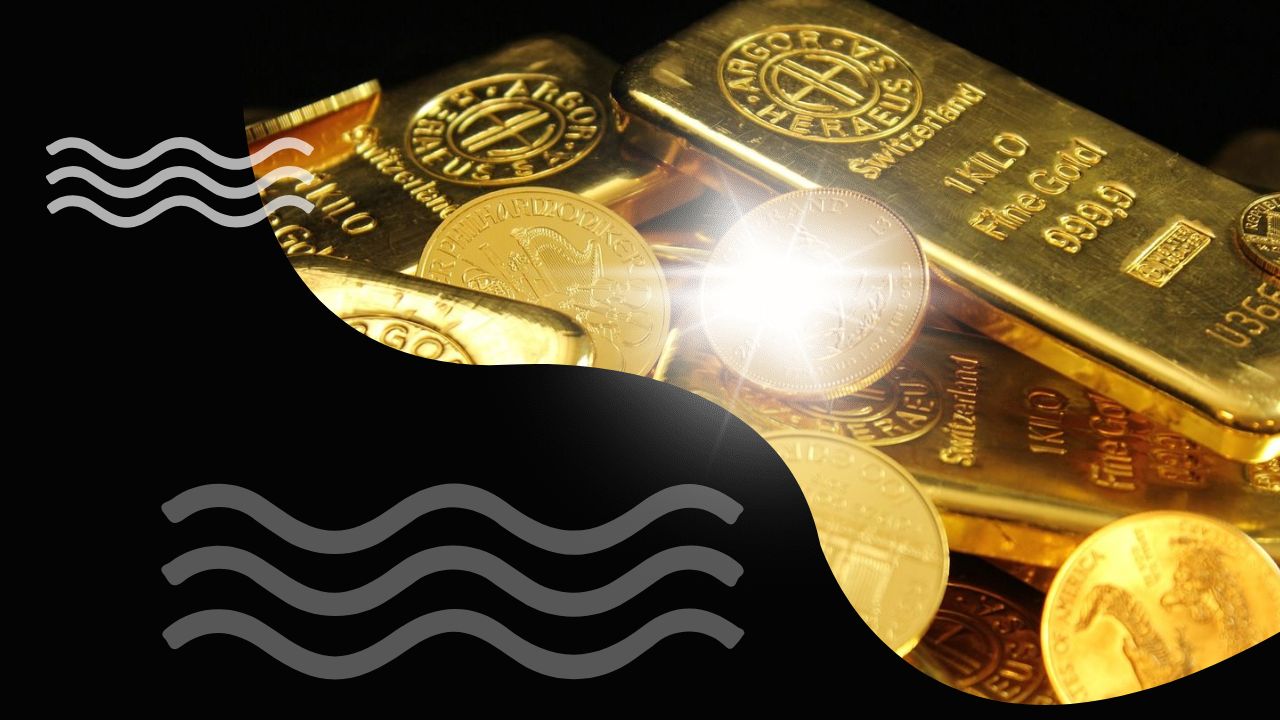
    Several countries around the world are stockpiling gold as a strategic reserve. Here’s a rundown of some of the key players and the amount of gold they hold:

    1. USA: The United States leads the pack with a massive 8,133.46 tonnes of gold bullion, stored in various depositories across the country, including the famous Fort Knox.

    2. Germany: Coming in second, Germany holds 3,352.65 tonnes of gold. Concerns during the Cold War led Germany to spread its gold reserves globally, with a significant portion repatriated in recent years.

    3. Italy: Italy holds slightly more gold than France, with 2,451.84 tonnes stored in vaults in Rome and abroad, managed by the Banca d’Italia.

    4. France: France has stockpiled 2,436.97 tonnes of gold, acquired largely during the 1950s and 1960s. Most of its reserves are held in vaults under the Banque de France in Paris.

    5. Russia: Russia has been aggressively increasing its gold reserves, currently holding 2,332.74 tonnes. This move is seen as a strategic effort to reduce reliance on the US dollar.

    6. China: China boasts 2,235.39 tonnes of gold, making it the world’s largest gold producer and a significant importer as well. The country’s reserves have been steadily increasing over the years.

    7. Switzerland: Switzerland holds 1,040 tonnes of gold, with the majority stored at home. The country’s reputation for financial stability has made it a preferred location for storing gold.

    These countries, among others, view gold as a valuable asset for diversifying their reserves and protecting against economic uncertainty.

  • Presentation on the launch of the Budgeting system on the 1C: ERP platform

    Presentation on the launch of the Budgeting system on the 1C: ERP platform

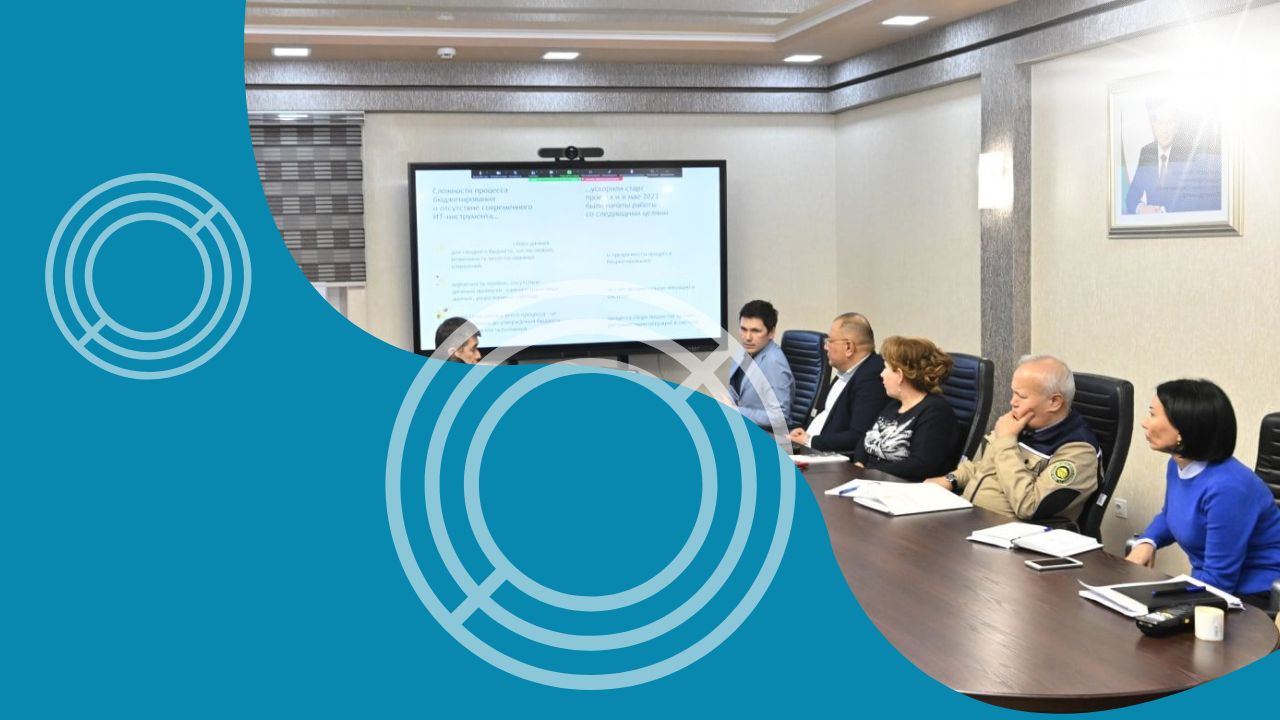
    As part of the Digital Transformation Program being implemented at Navoi Gold, a presentation on the launch of the budgeting functional system on the 1C: ERP platform was made.

    With the launch of the new system it is planned to perform the budgeting process more efficiently – from budgeting to its execution and evaluation. The system provides many advantages in comparison with the process of using Excel tables. Currently, 13 units of the company are already connected to the system and more than 150 budget forms and reports have been automated.

    Steps for further development of the budgeting system are planned for the period 2024-2025. These include integration with existing 1C accounting systems, cost limitation, and development of management reporting.

  • Партнерство на пересечении наук: Встреча Каната Шарлапаева с Директором U.S. Geological Survey

    Партнерство на пересечении наук: Встреча Каната Шарлапаева с Директором U.S. Geological Survey

    В рамках продолжения укрепления двусторонних отношений между Казахстаном и Соединенными Штатами Америки, Министр промышленности и строительства Республики Казахстан, Канат Шарлапаев, провел встречу с Директором Геологического управления США (U.S. Geological Survey), Дэвидом Эпплгейтом.

    Этот визит отмечает значительный шаг в развитии сотрудничества между двумя странами в области геологии, что имеет стратегическое значение для промышленного развития Казахстана, особенно в сегменте добычи критически важных минералов.

    В ходе встречи обсуждались перспективы сотрудничества в области исследований. Особый акцент был сделан на возможности использования передовых технологий и методик Геологического управления США для повышения эффективности казахстанских геологических исследований и разработок.

    «Хочу также заметить, что между нашими странами исторически уже налажены тесные торговые связи, в том числе в сфере критических минералов. Мы являемся обладателями уникальных компетенций по выпуску ряда редких и редкоземельных металлов», – отметил Министр.

    Также Канат Шарлапаев подчеркнул значимость и возможности расширения существующего сотрудничества, особенно в контексте разведки и освоения месторождений критически важных минералов в Казахстане, 17 из 50 видов которых определяется Геологической службой США.

    Ключевыми направлениями будущего сотрудничества станут привлечение инвестиций в развитие геологоразведки, добычу и переработку редких и редкоземельных металлов, а также интеграция Казахстана в мировую цепочку добавленной стоимости через передовые технологии и знания.

    Эта встреча открывает новые горизонты для дальнейшего развития и углубления промышленных и научных связей между Казахстаном и США, подтверждая стремление к совместному изучению и использованию природных ресурсов в интересах обеих стран.

  • Partnership at the intersection of sciences: Kanat Sharlapaev’s meeting with the Director of the U.S. Geological Survey

    Partnership at the intersection of sciences: Kanat Sharlapaev’s meeting with the Director of the U.S. Geological Survey

    In the continuing effort to bolster bilateral relations between Kazakhstan and the United States of America, Kanat Sharlapaev, the Kazakh Minister of industry and construction, conducted a meeting with David Applegate, the Director of the U.S. Geological Survey.

    This visit signifies a considerable advancement in the collaborative efforts between the two nations in geology, a field of strategic significance for Kazakhstan’s industrial progression, particularly in the extraction of critical minerals.

    The discussion during the meeting focused on the prospects for cooperation in research. A particular focus was placed on the potential use of the U.S. Geological Survey’s advanced technologies and methodologies to improve the efficiency of Kazakhstani geological research and development projects.

    «I also want to highlight that our countries have historically established close trade relationships, including in the realm of critical minerals. We have unique capabilities in producing a range of rare and rare-earth metals», noted the Minister.

    Moreover, Kanat Sharlapaev emphasized the importance and potential for expanding the existing cooperation, especially in the exploration and development of critical mineral deposits in Kazakhstan, 17 out of 50 types of which are identified by the U.S. Geological Survey as crucial.

    The key directions for future collaboration will involve attracting investment in geological exploration, mining, and processing of rare and rare-earth metals, as well as facilitating Kazakhstan’s integration into the global value chain through cutting-edge technologies and expertise.

    This meeting paves new avenues for further development and deepening of industrial and scientific ties between Kazakhstan and the USA, affirming a mutual interest in joint exploration and utilization of natural resources for the benefit of both countries.

  • EU’s First Battery-Grade Lithium Mine: Critical Metals Leads the Way

    EU’s First Battery-Grade Lithium Mine: Critical Metals Leads the Way

    Critical Metals, a newly established company, is set to construct the European Union’s first battery-grade lithium mine, the Wolfsberg Lithium Project, located in Austria. The project is expected to become a significant source of battery-grade lithium concentrate, filling a critical gap in the European electric vehicle (EV) battery supply chain. The mine is uniquely positioned to capitalize on its location in the heart of the EV supply chain, minimizing environmental impact by repurposing a former Austrian government-constructed lithium mine containing a substantial amount of battery-grade lithium. Furthermore, European Lithium has entered into a Memorandum of Understanding (MOU) for a key customer arrangement with BMW AG, potentially creating one of the largest direct pre-pays from an original equipment manufacturer (OEM) in Europe’s lithium mining industry. A definitive feasibility study is expected in early 2023, aiming to supply lithium concentrate at a commercial scale and be economically viable. 

    The European Union has set targets to dig up, recycle, and refine lithium, cobalt, and other metals it needs for its green transition. However, the bloc faces challenges in achieving these goals due to a shortage of new money, high energy costs, and local opposition. The Critical Raw Materials Act (CRMA), due to enter force in early 2024, aims to reduce the EU’s reliance on China, which dominates global mineral processing and has already threatened EU supply with export curbs. The CRMA aims to speed up the granting of project permits, but other obstacles remain, such as the need for cheaper energy and EU financing. 

    Several European lithium mining and refining projects are poised to launch commercial operations next year, supported by a push among original equipment manufacturers (OEMs) to regionalize their battery supply chains and reduce dependence on imported material. Based on existing plans, Europe’s annual lithium processing capacity is set to reach approximately 650,000 mt/year by 2028, with more than 20 projects currently advancing their mining and refining operations toward full-scale commercial production. The growth of Europe’s domestic lithium industry comes amid growing concern about an impending global shortfall in the supply of graphite, copper, cobalt, and nickel.

  • Introducing the 2024 BHP Xplor Cohort | East Star Resources

    Introducing the 2024 BHP Xplor Cohort | East Star Resources

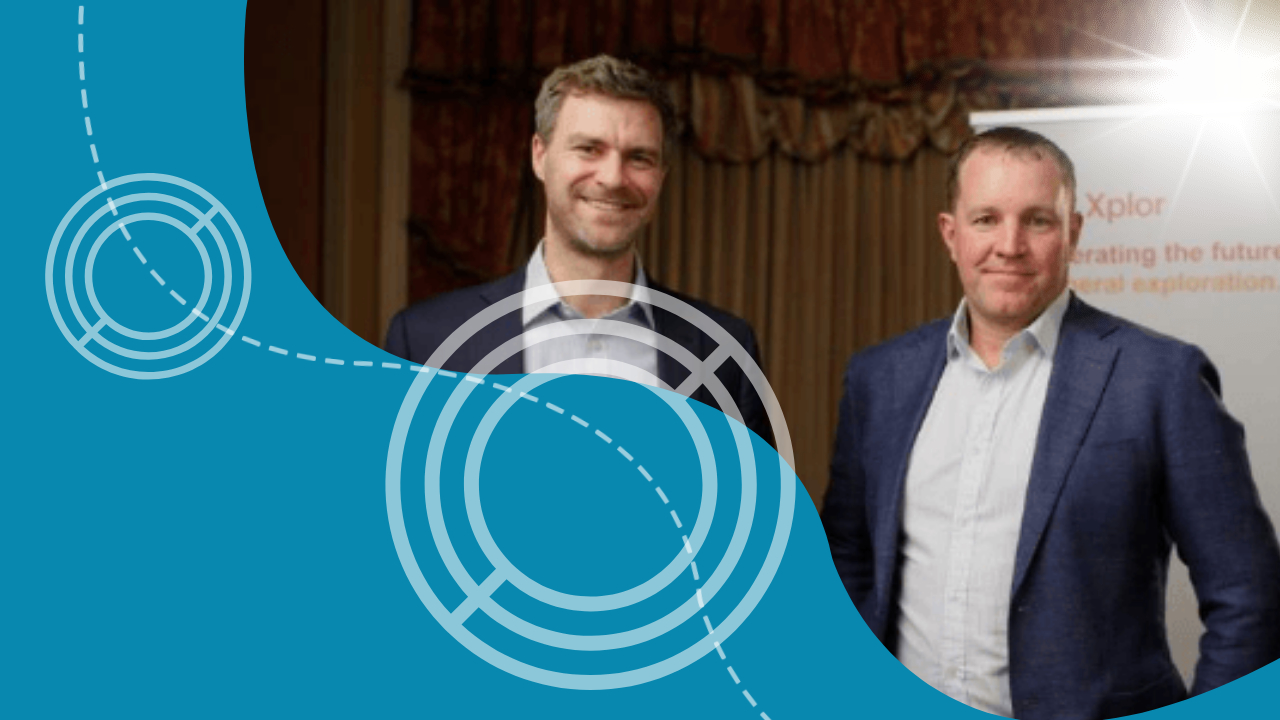
    Hear from Alex Walker and Christopher van Wijk from East Star Resources, a United Kingdom-based company listed on the London Stock Exchange exploring for copper and other base and precious metals in Kazakhstan BHP Xplor is a cohort-based accelerator program supporting early-stage mineral exploration start-ups in finding critical minerals to drive the energy transition. We are excited to introduce the 2024 cohort as they begin their journey with BHP Xplor.

  • $154.38 млрд или как минеральные богатства Центральной Азии, Украины и России влияют на мировую экономику и геополитику

    $154.38 млрд или как минеральные богатства Центральной Азии, Украины и России влияют на мировую экономику и геополитику

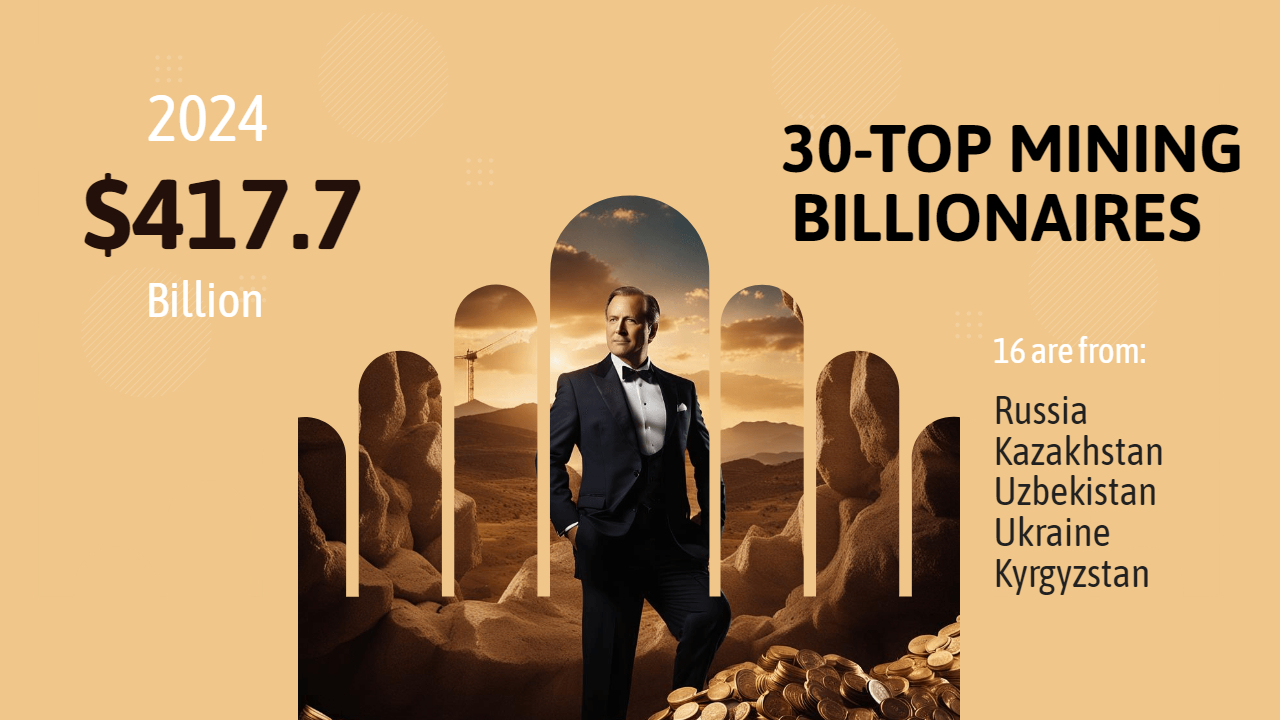
    Состояние 30 крупнейших миллиардеров горнодобывающей отрасли в 2024 году составляет $417,7 млрд. 16 миллиардеров построили свой капитал на полезных ископаемых в России, Казахстане, Украине, Узбекистане и Кыргызстане.

    Геополитическое значение горнорудных миллиардеров из Центральной Азии, Украины и России

    Поразительно, что более половины самых богатых горнорудных миллиардеров в мире накопили свое состояние на операциях в Центральной Азии, Украине и в России. В совокупности их капитал составляет $ 154.38 млрд, т. е. почти 37% от $417,7 млрд общего состояния 30-ти крупнейших горнорудных миллиардеров мира. Такая концентрация богатств и минеральных ресурсов в руках ограниченной группы супербогатых предпринимателей имеет значительные последствия для мировых товарных рынков, особенно в нынешнем геополитическом климате.

    Горнорудные капиталы

    Центральная Азия, наряду с Украиной и Россией, является центром горнодобывающей деятельности, где 16 из 30 миллиардеров заработали свои состояния в этом секторе. Такие предприниматели, как Владимир Лисин, Владимир Потанин из России, Алишер Усманов из Узбекистана, а также Владимир Ким из Казахстана, входят в число крупнейших миллиардеров мира, накопивших значительные богатства благодаря природным ресурсам региона. Их влияние распространяется далеко за пределы стран присутствия, во многом определяя траекторию развития или спада экономического развития мировых рынков и геополитическую динамику.

    Влияние на цены, сырьевые товары и цепочки поставок

    Нынешняя геополитическая обстановка, характеризующаяся высокой неопределенностью и рисками, привела к волатильности на товарно-сырьевых рынках. Война в Украине нарушила производство и торговлю, вызвав резкий рост цен на энергоносители, удобрения, металлы и зерно. Расширение энергетических связей России в Центральной Азии является частью ее стратегии по перенаправлению экспорта с Запада в Азию после санкций, введенных из-за ее вторжения в Украину. Это меняет глобальные цепочки поставок и цены на сырьевые товары.

    Экономическое и геополитическое влияние

    Богатство миллиардеров-горняков переплетено с геополитическим ландшафтом. Использование Россией энергетической и транспортной инфраструктуры в качестве инструмента усиления своего влияния в Центральной Азии очевидно, страна наращивает генерирующие мощности и увеличивает поставки в регион. Это имеет последствия для энергетической безопасности и политической динамики в Центральной Азии и за ее пределами.

    До начала войны в Украине в 2022 году Европейский союз и другие экономики во многом зависели от дешевых российских энергоносителей, металлов и другого сырья. Санкции против России и последовавший за ними поиск альтернативных рынков сбыта привели к возникновению сложной сети экономических и политических отношений, которая меняет облик мировых товарных рынков.

    Концентрация горнодобывающих богатств в Центральной Азии, Украине и России в руках нескольких лиц является не просто экономическим явлением, а фактором с глубокими геополитическими и экономическими последствиями. Нынешняя геополитическая напряженность в сочетании со стратегическими маневрами миллиардеров-горняков, с большой вероятностью, продолжит оказывать сильное влияние на цены и динамику рынка металлов и минералов в обозримом будущем.

    Самые богатые миллиардеры в металлургической и горнодобывающей промышленности в 2024 г.:

    1. Пражого Пангесту: $48,5 млрд (Индонезия)
    2. Джина Райнхарт: $30,4 млрд (Австралия)
    3. Савитри Джиндал с семьей: $30,3 млрд (Индия)
    4. Герман Ларреа Мота Веласко и его семья: $26,9 млрд (Мексика)
    5. Владимир Лисин: $26,0 млрд (Россия)
    6. Айрис Фонтбона с семьей: $25,1 млрд (Чили)
    7. Андрей Мельниченко с семьей: $25,0 млрд (Россия)
    8. Владимир Потанин: $23,7 млрд (Россия)
    9. Алексей Мордашов с семьей: $22,9 млрд (Россия)
    10. Эндрю Форрест с семьей: $18,8 млрд (Австралия)
    11. Лакшми Миттал: $16,4 млрд (Великобритания)
    12. Алишер Усманов: $14,4 млрд (Узбекистан)
    13. Данг Яньбао: $13,1 млрд (Китай)
    14. Роман Абрамович с семьей: $9,7 млрд (Россия)
    15. Ники Оппенгеймер с семьей: $9,4 млрд (Южная Африка)
    16. Искандер Махмудов: $7,9 млрд (Россия)
    17. Айван Глазенберг: $7,8 млрд (Швейцария)
    18. Андрей Скоч с семьей: $7,7 млрд. (Россия)
    19. Павел Тыкач — $7,6 млрд (Чехия);
    20. Чжэн Шулян с семьей: $7,3 млрд (Китай)
    21. Виктор Вексельберг: $7,0 млрд (Россия)
    22. Александр Абрамов: $6,4 млрд (Россия)
    23. Ван Вэньинь: $5,9 млрд (Китай)
    24. Ринат Ахметов: $5,7 млрд (Украина)
    25. Владимир Ким: $4,6 млрд (Казахстан)
    26. Олег Дерипаска: $2.98 млрд (Россия)
    27. Роберт Фридланд: $2,9 млрд (Сингапур)
    28. Александр Машкевич: $2,4 млрд (Казахстан)
    29. Патох Шодиев: $2,1 млрд (Казахстан)
    30. Омурбек Бабанов: $1,5 млрд (Кыргызстан)

    Источники:


    https://ceoworld.biz/2024/02/29/richest-billionaires-in-metals-and-mining-industry-february-29-2024/

    https://www.forbes.com/

    Top 10 Richest People in Indonesia; Forbes December 2023 Version – En.tempo.co

    Ömürbek Babanov – Wikipedia