Month: March 2024

  • Navigating Global Geopolitics: Germany and the EU’s Quest for Raw Materials

    Navigating Global Geopolitics: Germany and the EU’s Quest for Raw Materials

    As the demand for energy transition, electromobility, and digitalization surges globally, Germany finds itself at the forefront, recognizing the critical importance of a steady supply of minerals and metals. Essential for sectors like automotive, mechanical engineering, and chemicals, raw materials form the backbone of Germany’s industrial prowess. The complexities of metal supply chains, coupled with the escalating global appetite for these resources, heighten the significance of securing a stable supply.

    Germany’s current reliance on imported raw materials is pronounced, with only a fraction sourced domestically. The German Mineral Resources Agency highlights that in 2022, the country imported metals worth €121.7 billion, reflecting the challenges of achieving self-sufficiency. The geopolitical dimension adds another layer, with China emerging as a central hub in global metal supply chains. China’s role as a major supplier, especially in providing rare earths to the European Union, underscores the vulnerabilities created by high dependencies.

    In response, the European Commission has proposed the Critical Raw Materials Act (CRMA) in March 2023 to address these challenges. The CRMA seeks to boost domestic mining, expand recycling capacities, and diversify imports of critical raw materials. The European Union aims to establish new partnerships and reduce dependency on individual countries to ensure a resilient supply chain.

    Globally, the competition for raw materials is escalating. The United States, through initiatives like the Inflation Reduction Act and the Minerals Security Partnership, actively secures its raw material supply chains. China, on the other hand, extends its influence through industrialization projects in Africa and the solar industry.

    In this race, even Saudi Arabia, with its “Vision 2030,” is investing significantly in mineral resource development. Resource-rich countries in the Global South see the geopolitical competition as an opportunity to move beyond being mere suppliers and establish stages of industrial production within their borders.

    The EU responds by forging strategic raw materials partnerships with various countries, recognizing the need for a coordinated approach among member states. However, the global race necessitates careful navigation of international cooperation complexities.

    While financial resources are crucial, strategic foreign policy decisions take center stage. The EU must engage in meaningful dialogues with potential raw material partners, considering economic and industrial policy interests. The competition for raw materials extends beyond monetary transactions, requiring a nuanced and proactive foreign policy approach to secure Europe’s access to essential resources.

  • Opposition Mounts Against EU-Rwanda “Sustainable Mining” Pact

    Opposition Mounts Against EU-Rwanda “Sustainable Mining” Pact

    Controversy surrounds the European Union’s recent agreement with Rwanda on the sustainability and traceability of strategic minerals, as critics, including “Insieme pace per il Congo” and seven other organizations, demand its annulment. Expressing concern, these groups, including the “Rete Pace per il Congo” Network, question the wisdom of engaging in such an accord with a country that allegedly acquires these minerals illegally from a neighboring state. The protocol agreement, signed on February 19th, faces objections from Cardinal Fridolin Ambongo Besungu and others who argue that Rwanda’s prominence in the tantalum mining sector is marred by the exploitation of wars and clandestine movements since 1996. Despite the EU’s assertion that the agreement aims to uphold legality and traceability standards, critics emphasize Rwanda’s questionable practices, accusing it of benefiting from conflicts in the Democratic Republic of Congo. The statement from the opposition cites the flow of valuable minerals, such as gold and coltan, from Congo to Rwanda through complicit border practices, leading to violence, displacement, and suffering. “Insieme per la Pace nel Congo” appeals to the European Union to reconsider the agreement, urging sanctions against Rwanda for its alleged involvement in the illegal trade of minerals. They emphasize the need for a fair and impartial approach to foster peaceful coexistence in the African Great Lakes region.

  • Kalisz, Poland, Secures PLN 14 Million Funding for Geothermal Drilling Project

    Kalisz, Poland, Secures PLN 14 Million Funding for Geothermal Drilling Project

    The City of Kalisz in Poland is poised to embark on an exploratory geothermal drilling initiative, thanks to PLN 14 million (approx. USD 3.5 million) in funding from the National Fund for Environmental Protection and Water Management (NFOSiGW). The financial support, granted based on Kalisz’s application, aims to subsidize the drilling of a vertical borehole, reaching a depth of 1700 meters at a designated site near the Aquapark swimming pool complex within the 2024-2025 timeframe. Kalisz Mayor Krystian Kinastowski expressed satisfaction, emphasizing the city’s long-standing efforts in project development and analysis. The geothermal well is expected to provide insights into the resource, aiding decisions on potential applications for heating or recreational purposes. Professor Jacek Zimny highlights the region’s geothermal potential, particularly along the Poznan–Konin-Kalisz-Sieradz line, deemed the “valley of warm,” with a relatively shallow reservoir at about two kilometers. Encouragement also stems from the successful utilization of geothermal heat in the nearby town of Uniejow. Geotermia Uniejow’s co-generation plant has been operational since the early 1990s, utilizing geothermal, biomass, and oil sources. Geothermal wells in Uniejow, reaching depths of approximately 2000 meters, serve as a promising precedent. The NFOSiGW’s commitment to geothermal development in Poland is evident, having allocated PLN 530 million in subsidies to 18 localities for geothermal research and appraisal well drilling by the end of 2023. Progress is already underway in Gniezno, Otwock, and Zyrardow.

  • State Bank Advises Germany to Diversify Copper, Lithium, and Rare Earth Supplies

    State Bank Advises Germany to Diversify Copper, Lithium, and Rare Earth Supplies

    KfW, the government-owned financing institution, urges Germany to adopt a “balanced catalogue of measures” to secure its essential raw material supply amid the global shifts of decarbonization and digitalization. A research report by IW Consult and Fraunhofer ISI, commissioned by KfW, highlights supply risks in the production and supply chains of key raw materials: copper, lithium, and rare earth minerals. The analysis identifies significant dependencies in sectors like automotive manufacturing, emphasizing the need for diversification at the core of any resilience strategy. With limited suppliers posing supply risks, the report suggests a comprehensive approach, including promoting technological progress for substitution and material efficiency. Germany’s transition to renewable energy faces challenges in sourcing resources for “green” technologies, necessitating strategic measures to avoid environmental and social impacts.

  • Korean Geologists Uncover $15.7 Billion Lithium Deposit in Kazakhstan

    Korean Geologists Uncover $15.7 Billion Lithium Deposit in Kazakhstan

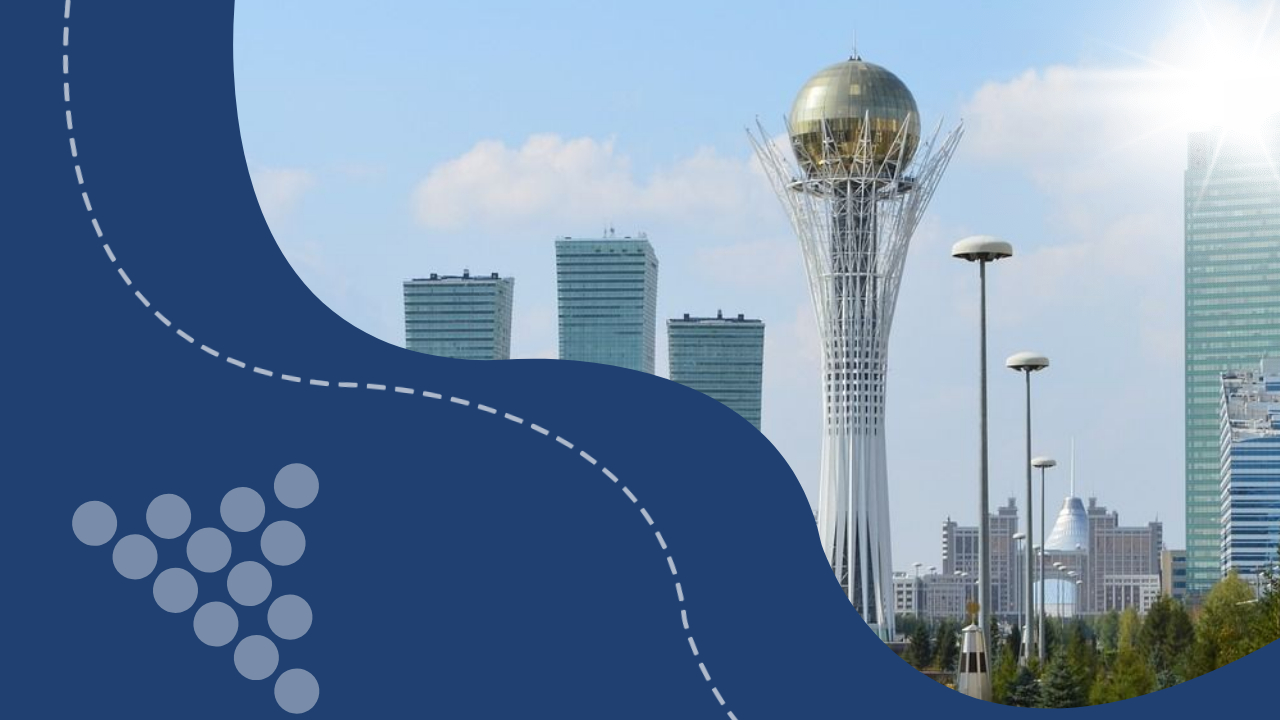
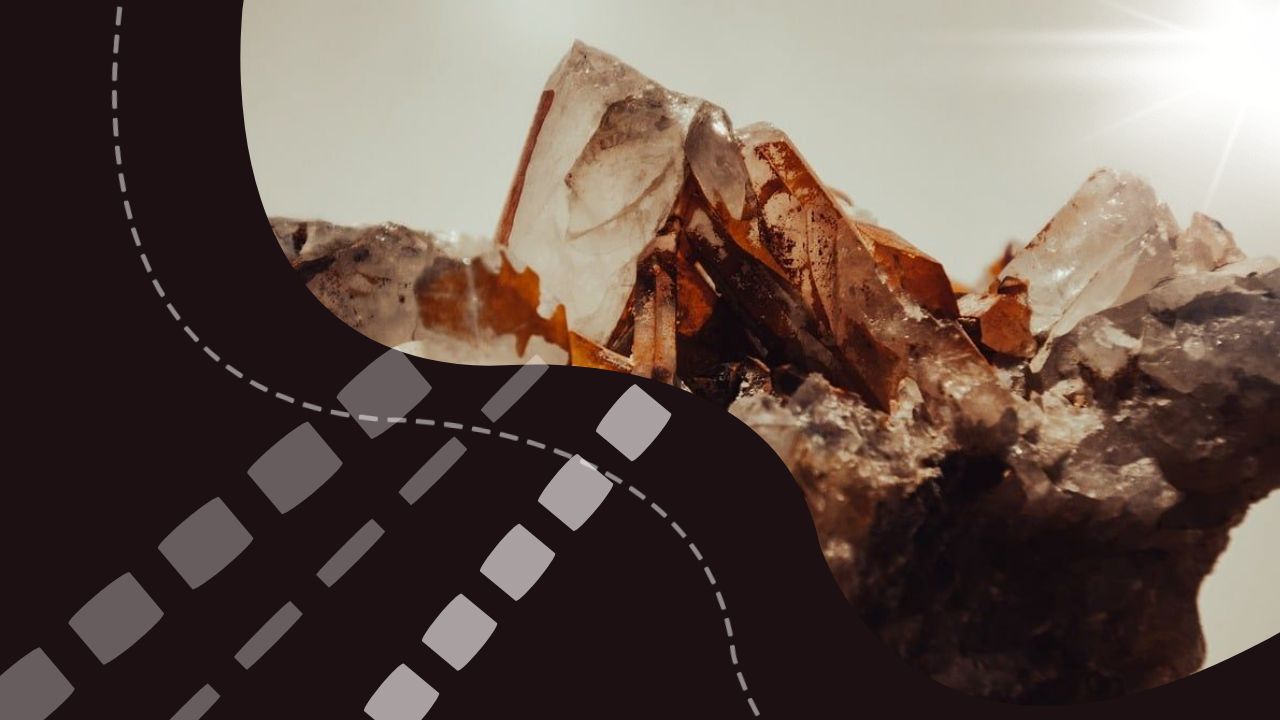
    Korean Institute of Geoscience and Mineral Resources (KIGAM) reveals plans to exploit a lithium deposit in eastern Kazakhstan, covering an area of 1.6 square kilometers, as reported by Orda.kz citing The Korea Times. The region, previously mined for tantalum, has resources estimated at around $15.7 billion. KIGAM, responding to Kazakhstan government’s request, studied the area since May last year, considering the significance of tantalum coexisting with lithium and cesium. Lithium, a crucial mineral for electric vehicle and modern industries, is a key component in batteries. KIGAM aims to apply for drilling rights in the region, intending to commence lithium extraction next year.

  • ArcelorMittal Kryvyi Rih Plans to Increase Capacity Utilization to 50% Despite Challenges

    ArcelorMittal Kryvyi Rih Plans to Increase Capacity Utilization to 50% Despite Challenges

    ArcelorMittal Kryvyi Rih, a leading steelmaking enterprise in Ukraine, aims to ramp up its production capacity utilization to 50% in 2024 despite facing various challenges. Mauro Longobardo, the company’s CEO, revealed plans to boost production by leveraging improved maritime logistics, as stated in an interview with Delo.ua.

    Longobardo highlighted the positive development of maritime logistics, particularly the accessibility of Black Sea ports for the company’s products, including iron ore concentrate, pig iron, and rolled metal. He emphasized the significance of this advancement in facilitating increased production levels.

    The company intends to maximize the capacity of its mining division and initiate operations of two blast furnaces in April 2024, marking a significant milestone toward achieving 50% of its pre-war capacity. Longobardo explained the cautious approach in delaying the launch of the second blast furnace earlier due to the risk of attacks on energy infrastructure, a concern validated by recent incidents in the Kryvyi Rih district.

    Currently operating at 25% of its full capacity, ArcelorMittal Kryvyi Rih faces challenges associated with the expensive sea route for its products. Longobardo revealed that freight rates have doubled, attributing the increase to risk premiums imposed by ship owners and crew members. Despite the high costs, the company remains hopeful for price reductions and increased traffic along the corridor.

    In January 2024, the company witnessed notable growth in steel production, rolled steel, pig iron, iron ore concentrate, and coke, reflecting its resilience amid challenging circumstances. Despite the hurdles encountered in 2023, including the production of 1 million tons of steel, ArcelorMittal Kryvyi Rih remains committed to contributing to the Ukrainian economy and maintaining its production facilities to scale up production when conditions permit.

    ArcelorMittal Kryvyi Rih serves as a vital player in Ukraine’s steel industry, with production facilities capable of producing over 6 million tons of steel, 5 million tons of rolled products, and 5.5 million tons of pig iron annually. With a workforce of over 20 thousand employees, the company continues its operations amidst adversity, striving for growth and stability.

  • Adriatic Metals BiH successfully produces first ore concentrate in Bosnia and Herzegovina’s Vares project

    Adriatic Metals BiH successfully produces first ore concentrate in Bosnia and Herzegovina’s Vares project

    Adriatic Metals BiH proudly announced on February 27th, 2024, the successful production of the inaugural ore concentrate within the Vares project in Bosnia and Herzegovina. The Vares ore processing facility is poised to incrementally enhance its capacity in the following months, with a target processing capacity of around 65,000 tons per month expected by the fourth quarter of 2024.

    Paul Cronin, the general manager of Adriatic Metals BiH, expressed his satisfaction with the achievement, stating, “I am delighted to announce another significant milestone in the production of the first concentrate within the Vares Project.” He emphasized the utilization of advanced technology in designing and constructing the ore processing plant, with a strong commitment to adhering to the highest health and safety standards. Cronin extended his appreciation to the dedicated team for their diligent efforts.

    This milestone signifies a notable success for Adriatic Metals BiH and holds significance for the local community in Vares and the wider state of Bosnia and Herzegovina. The Vares project emerges as one of the most substantial post-war investments in the country, offering considerable economic and social benefits.

    Throughout the project, Adriatic Metals BiH has prioritized local employment, collaboration with regional suppliers, engagement with authorities at all levels, and the adoption of state-of-the-art mining technology. This holistic approach not only drives economic growth but also ensures enduring advantages for the Vares community well beyond the mine’s operational lifespan.

    Looking to the future, the company aims to further optimize the processing plant and expand underground operations in the ensuing months to achieve the targeted nominal production capacity by the fourth quarter of 2024.

    Excerpt: Adriatic Metals BiH celebrates the successful production of the inaugural ore concentrate at the Vares project, marking a significant milestone in Bosnia and Herzegovina’s mining industry.


  • Estonia Joins Minerals Security Partnership to Enhance Supply Chain Resilience

    Estonia Joins Minerals Security Partnership to Enhance Supply Chain Resilience

    Estonia has recently announced its participation in the Minerals Security Partnership (MSP), an initiative led by the United States aimed at bolstering the security of critical raw materials. This move is part of Estonia’s strategy to expand its network and attract new industries to the country in the coming years.

    The Ministry of Foreign Affairs underscored the significance of joining the MSP, emphasizing the importance of international cooperation in securing the supply of critical raw materials. With the presence of Europe’s largest rare earth elements processing plant in Estonia, membership in the MSP is seen as pivotal for the development of this sector.

    Jüri Seilenthal, the Director General of the Department for External Economic Policy and International Economic Organisations at the Ministry of Foreign Affairs, stressed the need for Estonia to reduce reliance on external sources, especially in the face of global conflicts. He stated that participation in the MSP is aligned with Estonia’s goal of ensuring access to critical raw materials.

    Ene Jürjens, the Director General of the Natural Resources Department at the Climate Ministry, highlighted Estonia’s expertise in processing rare earth elements, positioning the country uniquely in the global supply chain.

  • Navoi Gold Attracts Global Investors, Showcasing Uzbekistan’s Mining Potential  Main Body:

    Navoi Gold Attracts Global Investors, Showcasing Uzbekistan’s Mining Potential Main Body:

    Uzbekistan’s mining sector took center stage as Navoi Gold orchestrated a compelling international investor meeting at its Tashkent offices, drawing significant attention from prominent global investment firms. With JP Morgan Chase Bank in Uzbekistan lending support, the event saw participation from key entities such as Eaton Vance, Colchester Global, BlueCrest Capital, Pictet, and Actia.

    Emphasizing Navoi Gold’s commitment to excellence and innovation, Chief Transformation Officer E. Antonov and Chief Financial Officer J. Khasanov provided a deep dive into the company’s resilient performance, strategic transformation initiatives, and the integration of global best practices in its operations.

    Antonov stated, “Our vision aligns with global standards, aiming not only to enhance our operational efficiency but also to contribute significantly to Uzbekistan’s economy.”

    The discourse covered crucial topics, including technological advancements in mining, sustainability initiatives, and Navoi Gold’s strategic expansion plans. Investors expressed optimism about Uzbekistan’s mining sector and the broader economic landscape, acknowledging the positive dynamics and growth potential within the country.

    Navoi Gold actively seeks global partnerships, solidifying its position as a pivotal contributor to the economic development of the region.

  • Kazakhstan Canada Business Council Strengthens Ties at PDAC 2024 Convention

    Kazakhstan Canada Business Council Strengthens Ties at PDAC 2024 Convention

    The 6th plenary session of the Kazakhstan Canada Business Council (KCBC) unfolded within the framework of the annual international Prospectors & Developers Association of Canada (PDAC) 2024 Convention. Co-chaired by Mr. Meirzhan Yussupov and Mr. Tim Gitzel, representing Kazatomprom and Cameco Corporation respectively, the session fostered collaboration on key sectors.

    Preceding the plenary, three working groups convened in January and February, engaging over 250 participants in discussions on mining and metallurgy, agriculture, and education. Government and business representatives explored current challenges, cooperative solutions, priority areas, and potential projects to boost mutual trade and investment.

    With over 150 delegates from Canadian and Kazakhstani business circles, the plenary session covered diverse topics, including energy security, carbon neutrality, environmental sustainability, corporate governance, trade, investment attraction, and education. Led by Honourable Kanat Sharlapayev and Honourable Ahmed Hussen, the Kazakhstani and Canadian delegations emphasized bilateral cooperation.

    In the first panel, co-chairs Gitzel and Yussupov delved into uranium industry development, energy security, and environmental sustainability. Yussupov highlighted Kazatomprom’s global energy security contribution, while Gitzel underscored Cameco’s 35-year leadership and commitment to ESG issues. The discussion explored strategies for achieving net-zero emissions, reflecting on the future of both companies and the KCBC.

    Working group reports by Yerlan Galiyev, Margaret Skok, and Alibek Sagidulla addressed mining, education, and agriculture respectively. Representatives from JSC “NC “KazakhInvest,” Export Development Canada, and the government of Alberta contributed to the event.

    A dedicated session focused on the education sector, where Vice Minister Darkhan Akhmed-Zaki outlined Kazakhstan’s plans to establish an academic hub for higher education. The event concluded with a Networking Reception.

    The KCBC, a vital platform for Kazakhstan-Canada business relations, expressed gratitude to the Canada-Eurasia Chamber of Commerce (CECC) for organizing the event, supported by the Canadian and Kazakhstani Embassies and companies like Lotz & Company, Teck Resources, SIMSA, and Techgarden.kz.