In a recent development, Kazakhstan is set to launch a new metallurgical plant in five years, with a capacity of 5 million tons, in Shymkent. The project will be carried out by the Chinese company Fujian Hengwang Investment Co., Ltd, with the necessary documents already signed in the city’s administration, as reported by kapital.kz.
Website: Kazakhstan.com
-

Britain – Kazakhstan rare earth relations
In March, Kazakhstan and the United Kingdom signed a Roadmap for Cooperation in the field of critical minerals. This initiative aims to strengthen the partnership by establishing joint ventures within Kazakhstan. Kazinform’s correspondent investigates the benefits that Kazakhstan stands to gain from this collaboration with the UK.
As the world rapidly moves towards a “green” future, the demand for critical minerals is steadily increasing. These minerals, including rare elements and certain metals, are crucial for the economic prosperity and national security of leading nations. The creation of sustainable supply chains and access to these elements’ deposits are at the heart of the UK’s strategy for critical minerals, adopted in July 2022 and updated in March last year.
“We are moving towards a world based on critical minerals: we need lithium, cobalt, and graphite for electric vehicle batteries; silicon and tin for our electronics; rare earth elements for electric vehicles and wind turbines,” states the UK strategy document.
The document emphasizes that critical minerals will become even more significant in the future, with expectations that by 2040, the world will need four times more of these minerals for clean energy technologies.
Participants at the “Energy Transition 2023” conference at the Chatham House in the UK reported that wind generators and electric vehicle manufacturers urgently need neodymium and praseodymium, while suppliers of high-voltage power lines require cobalt and aluminium.
Of the 18 critical minerals identified by the British Geological Survey, eight are already produced in Kazakhstan, with raw material bases for the other eight available in the country. This positions Kazakhstan among the top 10 key partners for the UK in this sector.
Kazakhstan and the UK approved a Roadmap for Strategic Partnership in the field of critical minerals in March 2024. The British side emphasizes “sharing experience in mineral extraction and processing with support for the full lifecycle of raw material extraction,” viewing London as a financial and trade hub. Kazakhstan’s Ministry of Industry and Construction aims to create production with added value for critical raw materials, parts, or components for subsequent delivery to consumer countries.
Deputy Minister of Industry and Construction, Iran Sharkan, noted that the minimum raw material processing threshold for investors matches the intermediate level, meaning goods of low technological complexity or semi-finished products. Specific projects include collaborative work on advanced international practices and modern technology for geological mapping, as well as promoting best practices in regional exploratory and mapping work for critical minerals between the Geological Survey of Kazakhstan and the British Geological Survey.
One existing example of cooperation is the joint venture between MaritimeHouse and “Zhezkazganredmet” for rhenium processing in Kazakhstan. Rhenium is a rare metal mainly used as an alloying addition in the production of heat-resistant alloys essential for high-temperature installations like aircraft engines, industrial gas turbines, and rocket engines.
According to Kazakhstan’s Ministry of Industry and Construction, beryllium, tantalum, vanadium, copper, titanium, and phosphorus are already being supplied to the UK market. However, the ministry did not comment on the degree of processing or the form of the exported products in response to Kazinform’s inquiry.
Experts highlight that cooperation with Kazakhstan is vital for the UK to achieve its goals of securing access to mineral resources. Jeff Townsend, founder of the British Critical Minerals Association, stated that about 40% of Kazakhstan’s territory has been fully explored, making it an incredible opportunity to build a continuous supply chain from initial exploration and extraction to early processing stages and subsequent processing and marketing in the UK.
Political changes in Kazakhstan over recent years have made the country more attractive to British companies. However, Townsend noted three challenges: the lack of understanding of Kazakhstan’s business environment among British companies, logistical difficulties in delivering goods to the UK, and competition with Chinese companies. Despite these challenges, the British believe that their technological advantages and expertise will help them overcome these obstacles and maintain their competitiveness.
-
Polymetal Int Recommends Dividend Waiver and Name Change to Solidcore Resources plc
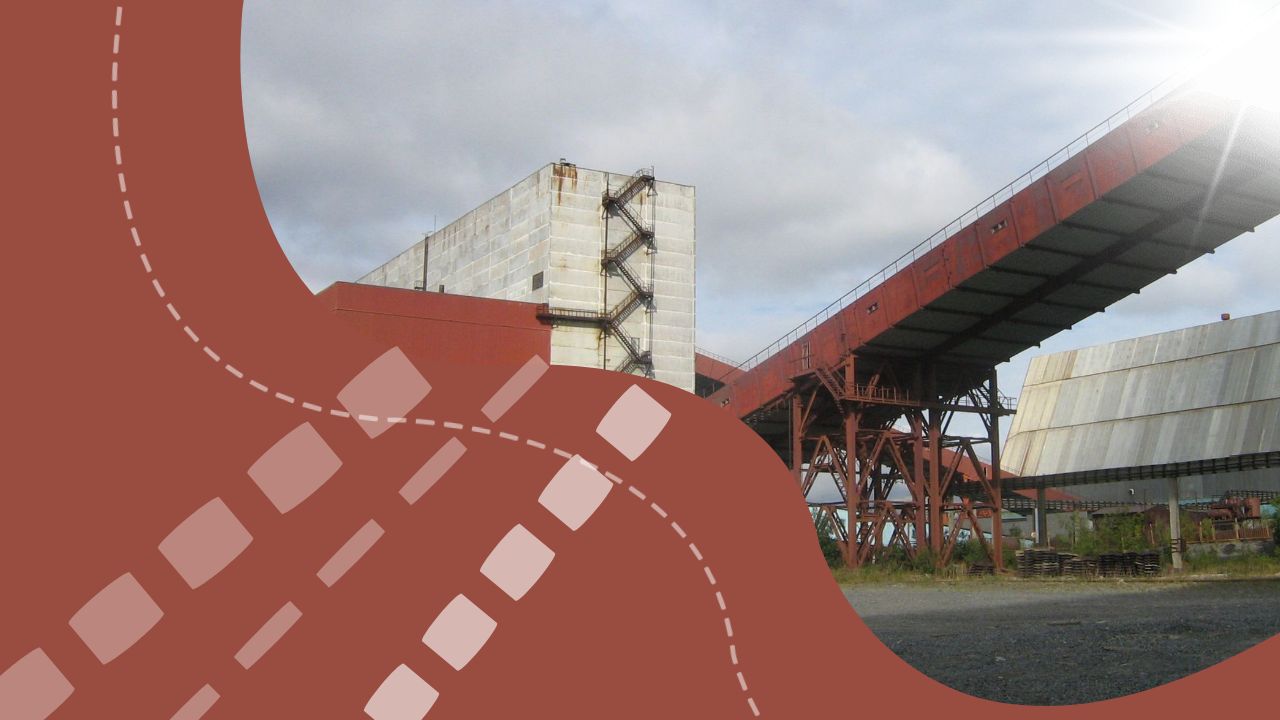
Polymetal Int’s management has proposed that shareholders refrain from receiving dividend payments for the previous year and has suggested approving a change in the organization’s name to Solidcore Resources plc, as reported by the gold miner’s press center. The disposal of the company’s assets in Russia facilitated debt reduction and increased liquidity. However, it is highlighted that further investments of over $1 billion will be required for prospective projects in Kazakhstan and Central Asia, such as the construction of the Irtysh Hydrometallurgical Plant and M&A activities. Despite these initiatives, challenges remain as geopolitical and macroeconomic conditions are unstable, and access to key sources of debt financing is limited. It is worth noting that Polymetal was officially registered in Kazakhstan in the summer of 2023 following the sale of its Russian business in early spring of the same year. In the 12 months of 2023, the Kazakh metals producer witnessed a 10% decrease in gold equivalent output to 15,116 tons (486 thousand ounces).
Excerpt: Polymetal Int suggests shareholders forgo dividends and approve a name change to Solidcore Resources plc for strategic reasons. -
Eastern Gold to Develop Rodnikovoye Gold Deposit
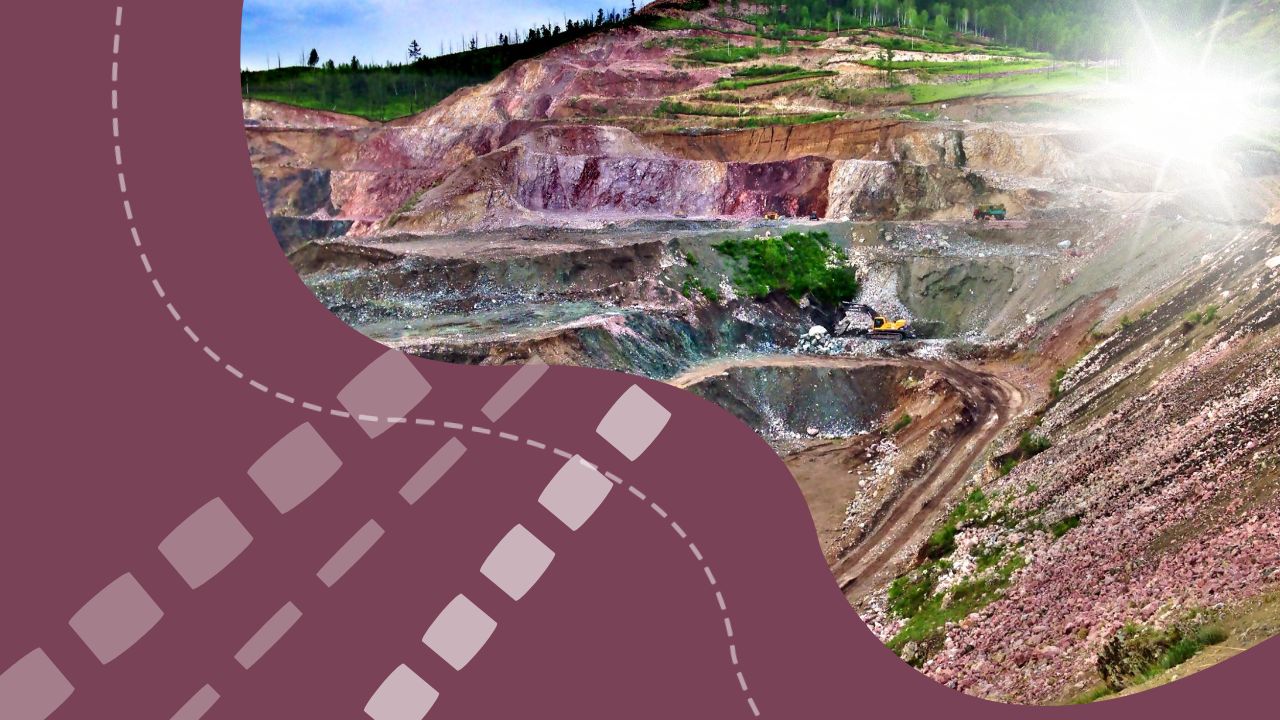
Eastern Gold plans to bring the Rodnikovoye gold deposit, part of the Ashaly-Daubai ore field, into industrial production. The company’s mining plan has been published on Kazakhstan’s Unified Environmental Portal. The project documentation indicates that operations will take place at two sites: Belaya Gorka and Rodnikovoye, with extraction of precious metals conducted through open-pit mining.
The balance reserves of the first site include 818,000 tons of oxidized gold-bearing ores and 1.18 tons of gold, with an average gold content of 1.44 g/t. The second site has 1.15 million tons of ore and 1.15 tons of gold, averaging 1.31 g/t. Eastern Gold plans to extract 250,000 tons of ore annually, with the mining operations scheduled from 2024 to 2032.
The chosen method for ore processing is heap leaching. Industrial trials of processing the oxidized ores from Rodnikovoye have shown that with gold content in the raw ore between 0.8-1.3 g/t, the extraction rate of precious metals into the solution is 65%. The final product of the production process will be Dore alloy.
-
Kazakhstan Proposes to Declassify Rare and Rare Earth Metal Deposits
In Kazakhstan, there is a proposal to declassify certain deposits of rare and rare earth metals, aiming to expedite the development of these valuable resources, according to inbusiness.kz. Experts predict that the demand for rare and rare earth metals, now crucial for many developed countries, will quadruple by 2040. Consequently, the active development of such deposits could significantly boost the nation’s economy.
Deputy Andrey Lukin, who suggested declassifying the deposits, stated that the next step towards successful exploitation could be simplifying the licensing process for exploring Kazakhstan’s subsoil and expanding the areas for geological exploration. Additionally, Mr. Lukin emphasized the need to implement technical and financial support mechanisms for both local and foreign investors, alongside improving environmental standards.
The World Bank reports that Kazakhstan possesses over 5000 unexplored sites with critically important rare metals, with an estimated value exceeding $46 trillion.
-
Court Overturns Illegal Seizure of Solid Metals’ Property in Kazakhstan
In a landmark decision, the specialized inter-district administrative court of Zhetysu region has annulled two critical resolutions connected to the unlawful seizure of land and assets from the company Solid Metals. On April 9, 2024, the court invalidated the Sarkand district akimat’s Resolution No. 275, which had transferred a land plot granted to Solid Metals for temporary compensated land use into communal property. Additionally, the court overturned the regional coordination council’s decision to revoke the investment status of Solid Metals’ plant construction project.
These resolutions were originally made possible due to a raid in November 2019, facilitated by former Vice Minister of Industry and Infrastructure Development (MIIR) Timur Toktabayev. Toktabayev, later arrested and sentenced to seven years for abuse of office, had acted in the interests of certain entrepreneurs, illegally transferring sites with discovered mineral deposits under the guise of exploration. This led to significant state losses amounting to billions of tenge.
Solid Metals, which had legally acquired 420,000 tons of technogenic mineral formations (TMF) in 2017 and invested heavily in a processing plant, was forcibly evicted from their property by Aksenger Ltd, a company allegedly set up to facilitate this illegal takeover. Despite proving the legality of their acquisition in court, Solid Metals continues to battle for the return of their assets, emphasizing the need for transparent legal proceedings to mitigate external pressures on the judicial process.
-
EBRD and Kazakhstan Collaborate to Modernize Mining Sector
An a significant move to enhance the national mining sector, the European Bank for Reconstruction and Development (EBRD) and Kazakhstan have signed a Memorandum of Understanding (MoU). The agreement, aimed at promoting modernisation and development within the sector, was formalized today by Kazakhstan’s Minister of Industry and Construction, Kanat Sharlapaev, and EBRD First Vice President, Jürgen Rigterink. This partnership will focus on improving governance, transparency, and regulation, adhering to international standards and practices.
The MoU is a crucial element of the EBRD’s strategy for responsible exploration and mining of critical raw materials. It includes the creation of an advanced system for capturing, processing, and disseminating geoscientific documents such as maps and data. Additionally, the initiative aims to develop the legal and regulatory frameworks governing the mining sector.
The signing ceremony was attended by EU Executive Vice-President Valdis Dombrovskis, underscoring the agreement’s importance within the EU-Kazakhstan critical raw materials roadmap and their broader strategic partnership.
-
Kazakhstani Deputies Propose Measures to Sustain Mining Towns Amid Resource Depletion
Kazakhstan is home to numerous towns where mining enterprises are the backbone of local economies. However, according to Majilis deputy Ekaterina Smyshlyaeva, approximately thirty mining sites in the country are nearing critical depletion levels, reports kaztag.kz. The closure of these key enterprises would result in significant job losses for a large portion of the population, leading to a downturn in other sectors such as services and small businesses, ultimately causing population decline in these towns and settlements.
To delay the closure of mining operations and proactively prepare new employment opportunities in these monocities, deputies have proposed several measures. They suggest monitoring the extraction levels at mining sites that may cease operations within the next decade and striving to extend the life of valuable deposits. This would require subsoil users to ensure comprehensive processing of extracted minerals, including the utilization of technogenic mineral wastes.
For sites already at critical depletion, the recommended solution is to conduct further exploration to extend their operational life. In areas with low profitability, there is a proposal to expand the application of a special tax regime. Additionally, deputies emphasize the need to address economic diversification in towns and settlements facing the closure of mining enterprises within ten years. This includes preemptively retraining workers who will soon lose their jobs due to the shutdowns.
-
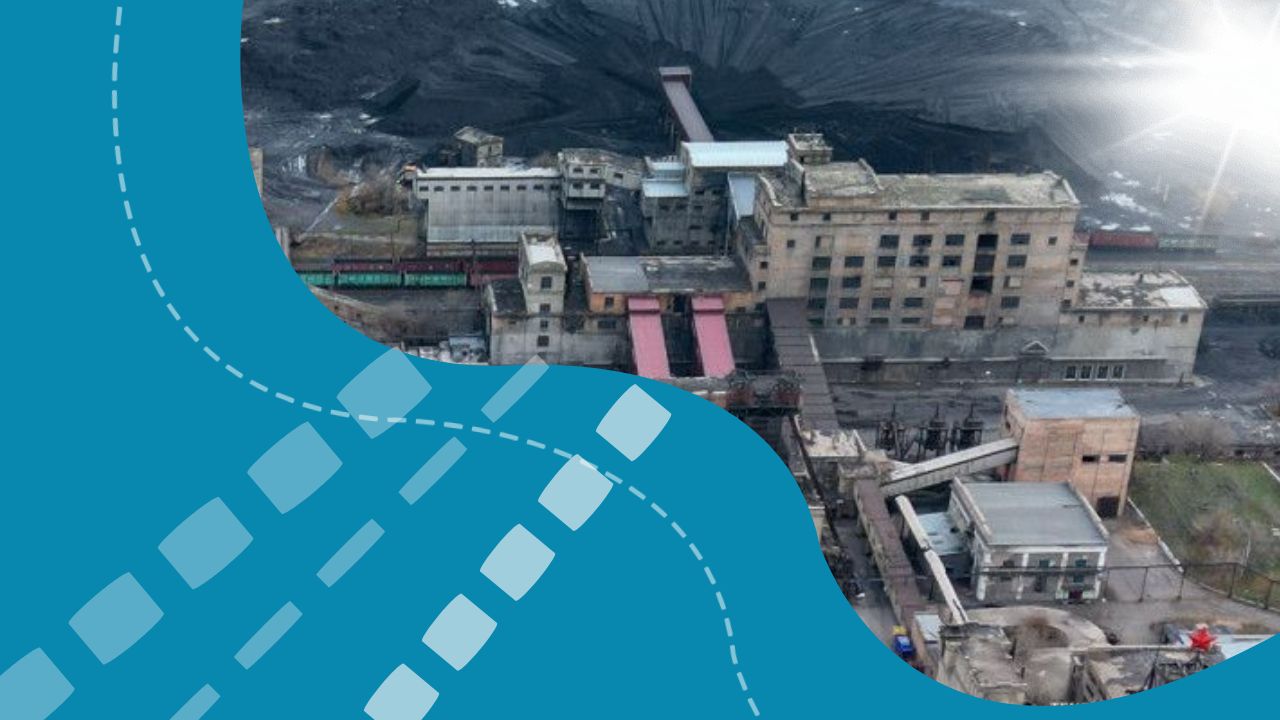
Kazakhstan Faces Challenges in Processing Mining and Metallurgical Waste
One of the pressing issues in Kazakhstan’s mining industry is the processing of technogenic mineral formations (TMF). For the past 80-90 years, waste from the mining and metallurgical sectors has accumulated on industrial sites. This includes not only industrial sectors but also waste from the energy sector, found across all regions regardless of economic focus. TMFs, which include tailings from enrichment processes, low-grade ore, slags, clinkers, cakes from metallurgical production, and ash from burning solid fuels, are present in almost every region of the country.
TMFs are viewed both as a potential source of additional profit and as an existing and potential environmental threat. The classification of TMFs, whether as subsoil or waste, and the subsequent taxation, remains a contentious issue. On April 9, in Astana, the Working Group under the Committee of the Geological Industry, Mining, Coal Mining, and Metallurgical Industry of the Presidium of the NCE “Atameken” began discussions on these problematic issues. Gulnara Kadirzhanovna Bizhanova, Deputy Chairman of the Board of NCE RK “Atameken,” provided insights.
Bizhanova noted that the volume of TMF is dynamically growing due to increased mining and processing activities. Kazakhstan has accumulated over 60 billion tons of TMFs, with an annual processing rate of only about 11%, compared to 70-80% in developed industrial countries. The significant accumulation of TMFs, potential valuable components, and negative environmental impacts necessitate their processing and subsequent reclamation.
The role of TMF processing is crucial in enhancing economic efficiency and rational use of natural resources, requiring a comprehensive approach. However, the classification of TMFs into private and state-owned categories, and the risk of double taxation, limit the possibilities for secondary use. Addressing these issues requires legal frameworks to regulate ownership and taxation, reducing financial burdens and stimulating investment in new technologies.
Bizhanova identified economic and regulatory barriers, such as high processing costs, lack of infrastructure, and unclear legal bases, as major obstacles. Additionally, the Environmental Code’s emission fee for re-placing TMFs is seen as counterproductive, as users already pay for initial placement. Clear legal guidelines could stimulate active engagement in TMF processing, improving economic and environmental outcomes.
Active TMF processing would bring economic benefits by reducing raw material costs and significant environmental advantages, pushing Kazakhstan towards a green economy.
-
ERG Exploration Granted Exploration Rights in Mughalzhar District
ERG Exploration, a subsidiary of ERG, has been authorized to conduct geological exploration for solid minerals across 8.9 thousand hectares in the Mughalzhar district of Aktobe region. According to a decree by Darhan Yermagambetov, the district’s akim, a public easement will be established on land plots in the Kayyndy rural district without removing land users. The exploration rights are valid until May 6, 2030. The public discussion of the decree will continue until May 30, and it will be published on the district akimat’s website.
The company received a license for solid mineral exploration, numbered 2633-EL, on May 6. Last October, ERG Exploration began geological work on 2.8 thousand hectares in the Aktogay district of Karaganda region, focusing on areas predominantly within the district’s land fund and two farming estates.
ERG Exploration’s CEO, Azamat Shalabayev, revealed plans to digitize geological data and explore for various metals, including chromium, manganese, copper, and rare metals. The company recently secured the right to explore a copper site in North Pribalkhash, having paid over 420 million tenge. Initial studies, conducted during the Soviet era and later by Rio Tinto with Kazgeology, estimated the site contains up to 200 thousand tons of copper with low ore concentration. ERG plans to extend exploration to a depth of 700 meters to locate more minerals.
ERG has acquired 43 licenses for mineral exploration, focusing on cobalt, lithium, and copper. ERG’s Board Chairman, Serik Shakhazhanov, emphasized the company’s dedication to exploring future-critical metals. ERG recently inaugurated the ERG GeoHub core storage in Rudny, and plans to invest around $6.5 billion in Kazakhstan over the next five years, significantly boosting production across various divisions.
The ultimate owners of ERG include the Ministry of Finance with a 40% stake, Alexander Mashkevich and the Ibragimov family each holding 20.7%, and Patokh Shodiev with 18.6%. These stakeholders were the first Kazakh billionaires according to Forbes in 2005. Mashkevich and Shodiev have since changed their citizenships to Israeli and Belgian, respectively. Mashkevich ranked sixth among the wealthiest Israelis in Forbes 2022 with a net worth of $3.7 billion. The Ibragimov family’s net worth is currently estimated at $1.5 billion.