Website: Kazakhstan.com

  • Kazakhstan Announces Major Industrial Projects to Boost Metal Production

    Kazakhstan Announces Major Industrial Projects to Boost Metal Production

    Kazakhstan is focusing on metal production with several new industrial projects, according to the Ministry of Industry and Construction. Minister Kanat Sharlapayev outlined the details of these initiatives.

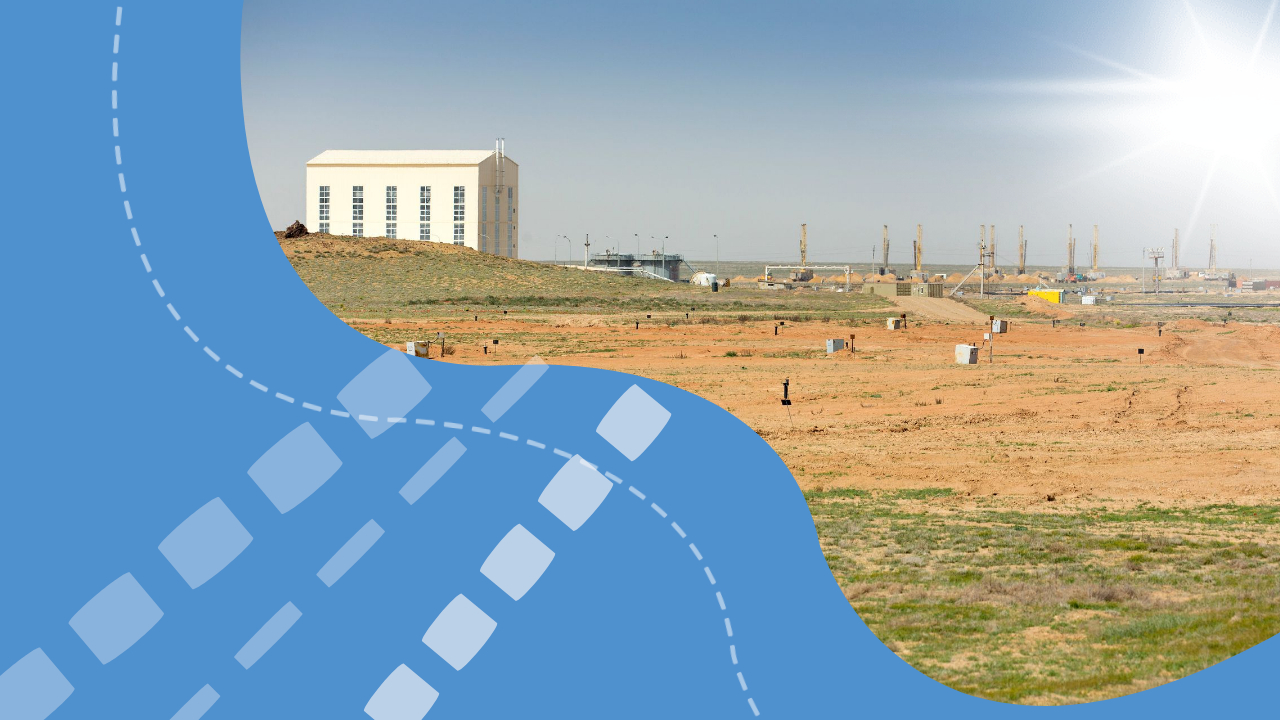
    The first project is the Mineral Product International plant, which will produce 160,000 tons of ferrosilicon annually. Additionally, the plant will produce 300,000 tons of direct reduced iron and 1 million tons of steel each year. This metallurgical cluster is currently in the site preparation stage, with construction and installation work underway, including the foundation being laid.

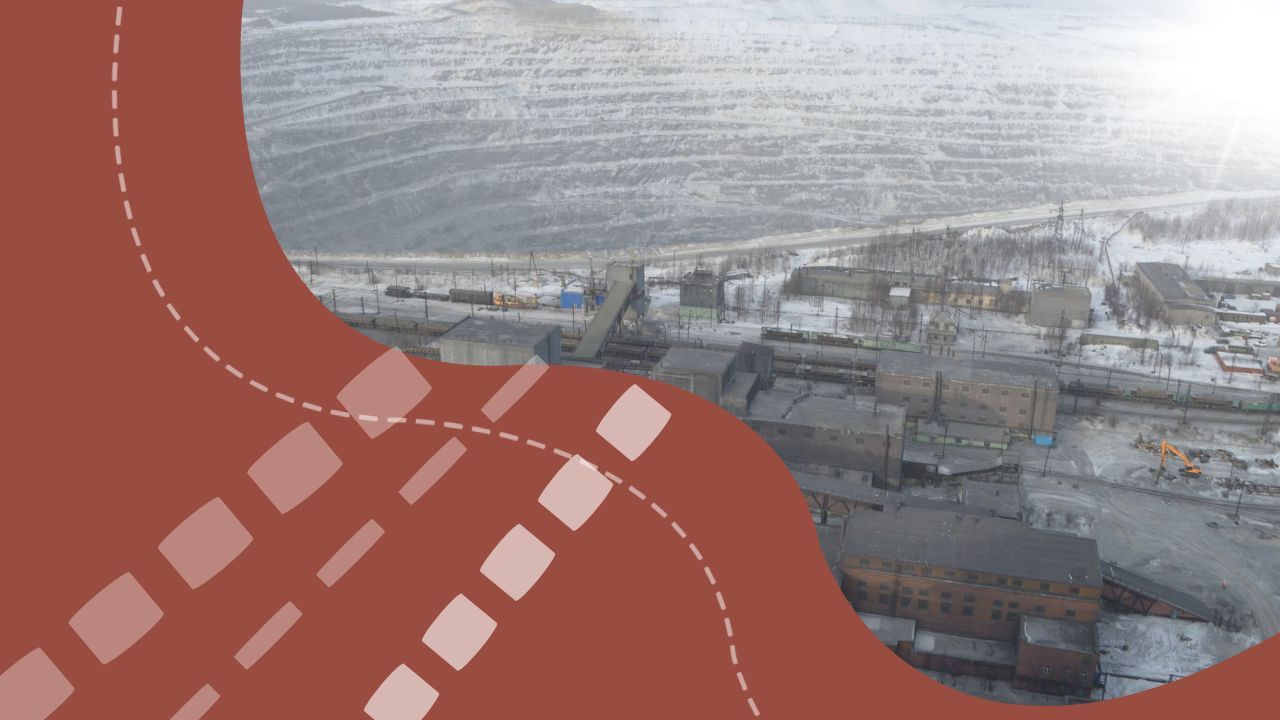
    The second project involves the modernization of Qarmet. Under an agreement with an investor, $3.5 billion will be invested by 2028, including $1.3 billion in 2024. By 2030, the goal is to increase steel production to 5 million tons, coal to 9 million tons, and iron ore concentrate to 5 million tons. The modernization aims to reduce emissions by 20% and increase iron concentrate output. A technical audit of the facility began in March and is expected to conclude in July, with a comprehensive modernization plan to follow.

    The third project is the construction of a new copper smelting plant, which will produce 300,000 tons of refined copper annually. This project is included in the national industrialization roadmap and is currently undergoing a feasibility study.

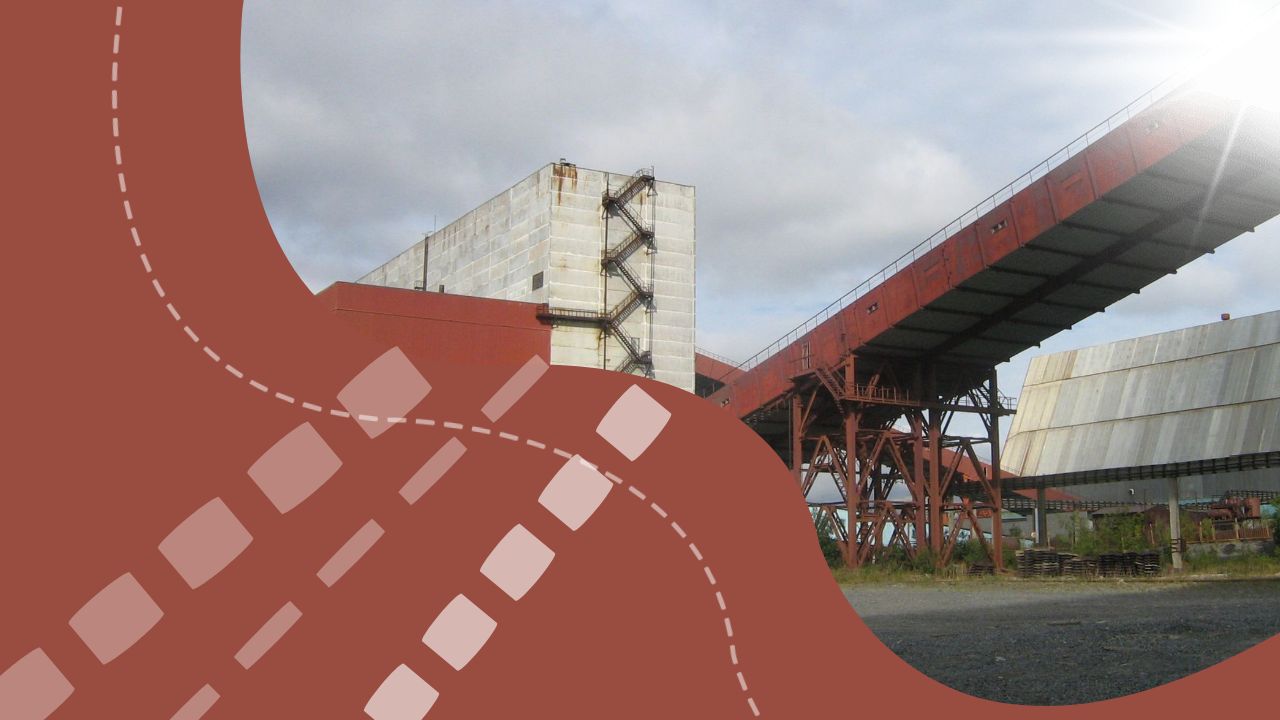
    The fourth project is the construction of a hot briquetted iron production plant. This project will increase the production of iron ore raw materials from 9.9 million tons to 15.5 million tons per year, enhancing the processing of these materials with high added value. A retail gas supply agreement between the Sokolovsko-Sarbaiskoye Mining and Beneficiation Association and KazTransGas Aimak is in the final stages of signing.

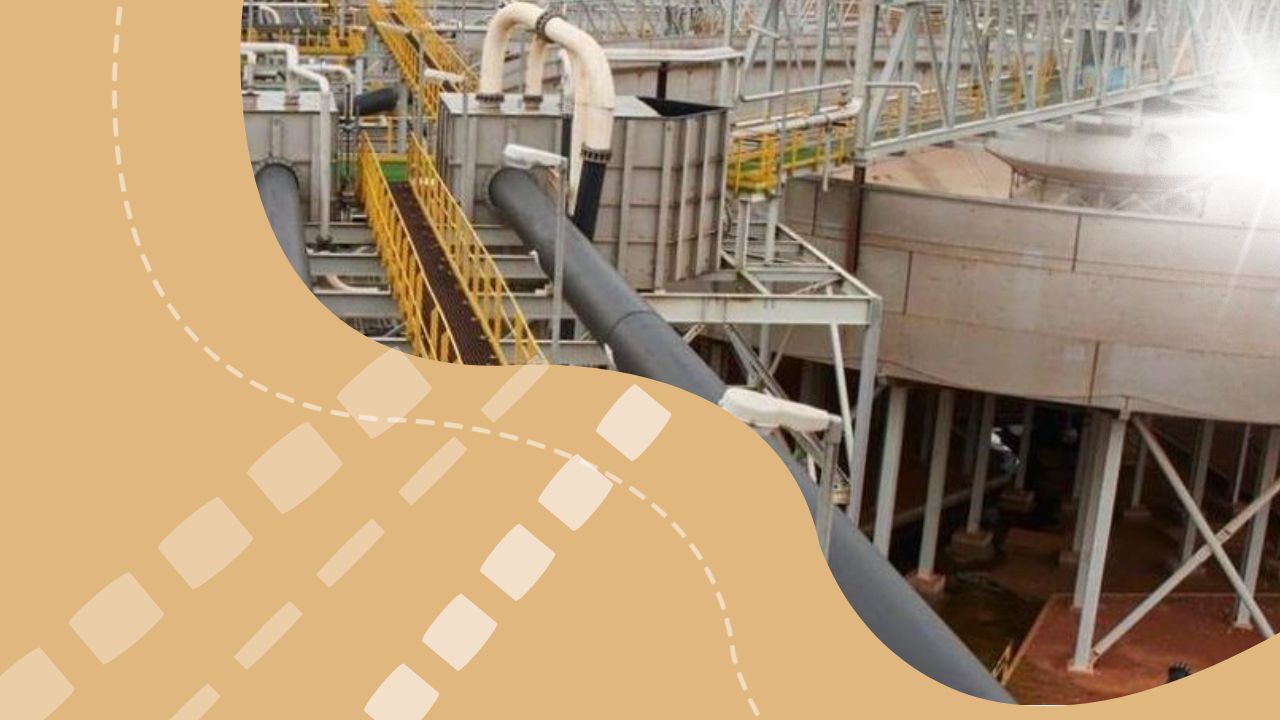
    The fifth project is Polymetal’s plan to build a new autoclave facility in Kazakhstan. This hydrometallurgical plant will process gold-containing high-carbon sulfide concentrates, a task previously impossible in the country. Engineering, geological, and geodetic work is currently underway in the Pavlodar Special Economic Zone.

    As of April 2024, metal production in Kazakhstan has grown by 5.1%. By the end of the year, steel production is expected to reach 4 million tons, smooth rolled products 2.6 million tons, and pig iron 3 million tons.
  • В Казахстане в апреле 2024 года значительно увеличили добычу цветных металлов

    В Казахстане в апреле 2024 года значительно увеличили добычу цветных металлов

    В апреле 2024 года Казахстан значительно увеличил добычу различных цветных металлов. За месяц в стране было добыто 13,84 млн тонн медной руды и 57 тыс. тонн медно-цинковых руд. Эти показатели увеличились почти на 7% и 3% соответственно по сравнению с прошлым годом.

    С января по апрель добытчики извлекли 52,16 млн тонн медной руды, что на 8,2% больше по сравнению с 2023 годом, согласно данным Бюро национальной статистики. В апреле казахстанские компании произвели 39,52 тыс. тонн необработанной меди, что на 8,4% больше по сравнению с аналогичным периодом прошлого года. Всего за первые четыре месяца 2024 года было произведено почти 160 тыс. тонн этого металла, что на 13,2% больше.

    Добыча золотосодержащих руд в апреле также показала положительную динамику. Было добыто 2,93 млн тонн, что на 1,3% больше по сравнению с прошлым годом. Производство золотосодержащих концентратов выросло на 53,2% в годовом исчислении и составило около 34 тыс. тонн. Кроме того, производство аффинированного золота в апреле увеличилось на 1,3 тонны, почти достигнув отметки 6,5 тонн, что на 25,8% больше.

  • Kazakhstan Sees Significant Increase in Non-Ferrous Metal Production in April 2024

    Kazakhstan Sees Significant Increase in Non-Ferrous Metal Production in April 2024

    In April 2024, Kazakhstan significantly boosted the production of various non-ferrous metals. The country extracted 13.84 million tons of copper ore and 57,000 tons of copper-zinc ore during the month. These figures represent an increase of nearly 7% and 3% respectively compared to the previous year.

    Between January and April, miners extracted 52.16 million tons of copper ore, an 8.2% rise from 2023 levels, according to data released by the National Bureau of Statistics. In April alone, Kazakh companies produced 39,520 tons of unprocessed copper, up 8.4% year-on-year. Overall, nearly 160,000 tons of this metal were produced in the first four months of 2024, marking a 13.2% increase.

    The extraction of gold-bearing ores also showed positive growth in April. A total of 2.93 million tons were extracted, a slight increase of 1.3% from the previous year. The production of gold-bearing concentrates surged by 53.2% year-on-year, reaching approximately 34,000 tons. Additionally, the production of refined gold increased by 1.3 tons in April, nearly hitting the 6.5-ton mark, which is a 25.8% rise.

  • A Chinese company will invest $1.75 billion to construct a metallurgical plant in Shymkent in Kazakhstan

    A Chinese company will invest $1.75 billion to construct a metallurgical plant in Shymkent in Kazakhstan

    Fujian Hengwang Investment Co., a Chinese company, has signed an agreement to construct a $1.75 billion metallurgical plant in Shymkent, a city in southern Kazakhstan. The project will be located in the Temir industrial zone and is expected to create thousands of new jobs. The plant’s annual production capacity will be five million tons, and it will be built in three stages over a period of five years. Although the specific products to be manufactured at the plant have not been disclosed, Fujian Hengwang Investment Co. is part of the Jiangsu Coastal Steel Group Co., a major player in steel production and international trade.

    In addition to this ambitious project, Shymkent is also witnessing other significant investments. Alarko Holding, a Turkish company, is involved in building a greenhouse complex covering 500 hectares with an investment of $650 million, which will create 2,000 new jobs. Furthermore, a combined-cycle plant with a maximum capacity of 500 MW is under construction, aiming to provide high-quality electricity, heat, and hot water supply to the city.

  • Foreign Investment Clash: Maraldy Residents Oppose Gold Mining Enterprise in Kazakhstan

    Foreign Investment Clash: Maraldy Residents Oppose Gold Mining Enterprise in Kazakhstan

    In the village of Maraldy, Republic of Kazakhstan, tensions have escalated as local residents stand in opposition to the construction of a gold mining enterprise. Minister of Industry and Construction, Kanat Sharlapaev, weighed in on the situation, emphasizing the impact on both the community and foreign investors.

    Sharlapaev lamented that a responsible foreign investor had become entangled in the conflict. A small group of individuals, ostensibly motivated by environmental concerns, has hindered the village’s development. The investor had personally funded the factory’s construction, creating jobs for all 300 villagers and committing to infrastructure improvements.

    However, Sharlapaev pointed out that a vocal minority—those who wield influence through social networks and journalism—intimidate the local population. These individuals lack an understanding of production processes yet attempt to dictate the investor’s actions. The minister stressed the importance of attracting foreign investors to stimulate job creation and enhance social infrastructure.

    When questioned about the project’s benefits for the state, Sharlapaev outlined several key points:

    1. **Job Creation:** The gold mining enterprise would generate employment opportunities.
    2. **Mineral Extraction Tax:** The state would receive revenue from a 7.5% mineral extraction tax.
    3. **Gold Reserves:** The National Bank would purchase the mined gold, bolstering Kazakhstan’s gold and foreign exchange reserves.

    The backdrop to this conflict lies in the discovery of gold reserves in the Maraldy area after years of geological exploration. While authorities assert the safety of production processes, local residents fear the environmental impact of cyanide treatment on rivers and soil.

    The Maralicha-Gold company conducted the deposit exploration, with VSAM Production’s founders, Li Hailan and Aydin Ramazanov, benefiting from the venture.

  • Title: Polymetal Announces Name Change to Solidcore Resources plc Amid Sanctions and Business Restructuring

    Title: Polymetal Announces Name Change to Solidcore Resources plc Amid Sanctions and Business Restructuring

    Gold mining company Polymetal has announced its intention to rename the business to Solidcore Resources plc, according to a release obtained by “Kursiva”. The move comes in the wake of U.S. sanctions following the sale of its Russian operations, which retained the name “Polymetal”. The company’s leadership is seeking shareholder approval for the new name. Polymetal’s release also highlights that the sale of its Russian business has significantly reduced debt and increased liquidity, necessitating investments of over $1 billion in projects in Kazakhstan and Central Asia, particularly the new Irtysh GOK and merger and acquisition deals. The company notes that due to ongoing complex geopolitical and macroeconomic conditions, and the lack of access to major debt financing sources, the board recommends not paying dividends for the year ending December 31, 2023. Polymetal has also completed its re-domiciliation from Jersey to the Astana International Financial Centre (AIFC) and is now listed on the AIX and Moscow Exchange.

  • Dutch PM Rutte Offers to Share Green Energy Experience with Kazakhstan

    Dutch PM Rutte Offers to Share Green Energy Experience with Kazakhstan

    Dutch Prime Minister Mark Rutte expressed his willingness to share experience in green energy with Kazakhstan during a meeting with Kazakh President Kassym-Jomart Tokayev in Astana. Rutte praised Kazakhstan’s rapid development and balanced international position, highlighting the potential for collaboration in agriculture, green energy, and water management.

  • Representatives of Ministries Hold Meeting with Residents of East Kazakhstan Region

    Representatives of Ministries Hold Meeting with Residents of East Kazakhstan Region

    Representatives of the Ministry of Industry and Infrastructure Development and the Ministry of Ecology, Geology and Natural Resources of Kazakhstan met with residents of several districts in the East Kazakhstan Region to discuss issues related to subsoil use and attracting investments to the region. Several industrial projects are being implemented in the region. In particular, exploration work has been ongoing in the Samar district since 2006, and the company “Cascade-N” plans to build a gold extraction plant here. Deputy Minister of Industry and Infrastructure Development of Kazakhstan, Iran Sharkan, noted that the opening of the plant will create new jobs for local residents and will also provide appropriate social benefits. The Samar project has passed all stages of development and complies with the current legislation on ecology and subsoil use.

  • Kazakhstan Ministry of Industry and Trade Reports Growth in Metallurgy Sector

    Kazakhstan Ministry of Industry and Trade Reports Growth in Metallurgy Sector

    The Head of the Ministry of Industry and Trade of Kazakhstan, Kanat Sharlapayev, shared the results of the metallurgy industry’s progress. He announced that from January to April of 2024, there was a 5.1% increase in production, as reported by the department’s press center. Sharlapayev highlighted that by 2025, steel and pig iron production is expected to increase to 4 million tons and 3 million tons, respectively. Additionally, the production of flat rolled products is projected to reach 2.6 million tons according to government plans. Several companies, including KazMinerals, “KazZinc,” and “Kazakhmys,” will contribute to the growth of copper production, while “KazZinc” is tasked with lead and zinc production, and the “Kazakhstan Aluminum Plant” will ramp up aluminum production.

  • Kyrgyzstan Budget Committee Approves Concept of Uranium and Thorium Mining Law

    Kyrgyzstan Budget Committee Approves Concept of Uranium and Thorium Mining Law

    The Committee on Budget, Economic, and Fiscal Policy of the Jogorku Kenesh (Parliament) of the Kyrgyz Republic today, May 27, considered and approved the draft law “On Amendments to Certain Legislative Acts of the Kyrgyz Republic (to the Code of the Kyrgyz Republic on Administrative Offenses, the Law of the Kyrgyz Republic “On Subsoil”) and the recognition of the Law of the Kyrgyz Republic “On Prohibition of Activities Related to Geological Exploration of Subsoil for the Purpose of Uranium and Thorium Deposits Exploration and Development in the Kyrgyz Republic” as no longer in force in the first reading.

    The Minister of Natural Resources, Ecology, and Technical Supervision, Melis Turgunbaev presented the information about the draft law. The Minister noted that the draft law proposes to declare the Law of the Kyrgyz Republic “On Prohibition of Activities Related to Geological Exploration of Subsoil for Uranium and Thorium Deposits Exploration and Development in the Kyrgyz Republic” dated December 14, 2019, No. 139, which prohibits activities related to geological exploration of subsoil for uranium and thorium deposits, as no longer in force. The adoption of the Law will be accompanied by monitoring by state bodies of modern technologies for uranium and thorium extraction, which will contribute to minimizing the negative impact of mineral extraction on the environment. If such technologies are identified, state bodies will introduce requirements for their implementation by subsoil users.

    During the discussion, deputies Azamat Isirailov, Aisarakan Abdybaeva, and Nadira Narmatova raised questions about mechanisms and procedures for ensuring environmental safety and protecting public health. The Minister emphasised that adopting the draft law will be accompanied by introducing and enforcing environmental protection standards by subsoil users, including minimising emissions of harmful substances, ensuring workplace safety, and compliance with norms regarding the permissible impact on water and soil resources.

    The lifting of the ban would enable the extraction of valuable minerals at 83 deposits highly demanded in the global market. Turgunbayev highlighted the Kyzyl-Ompol deposit, which holds significant reserves of titanomagnetite, with mining operations to be conducted by state-owned companies.