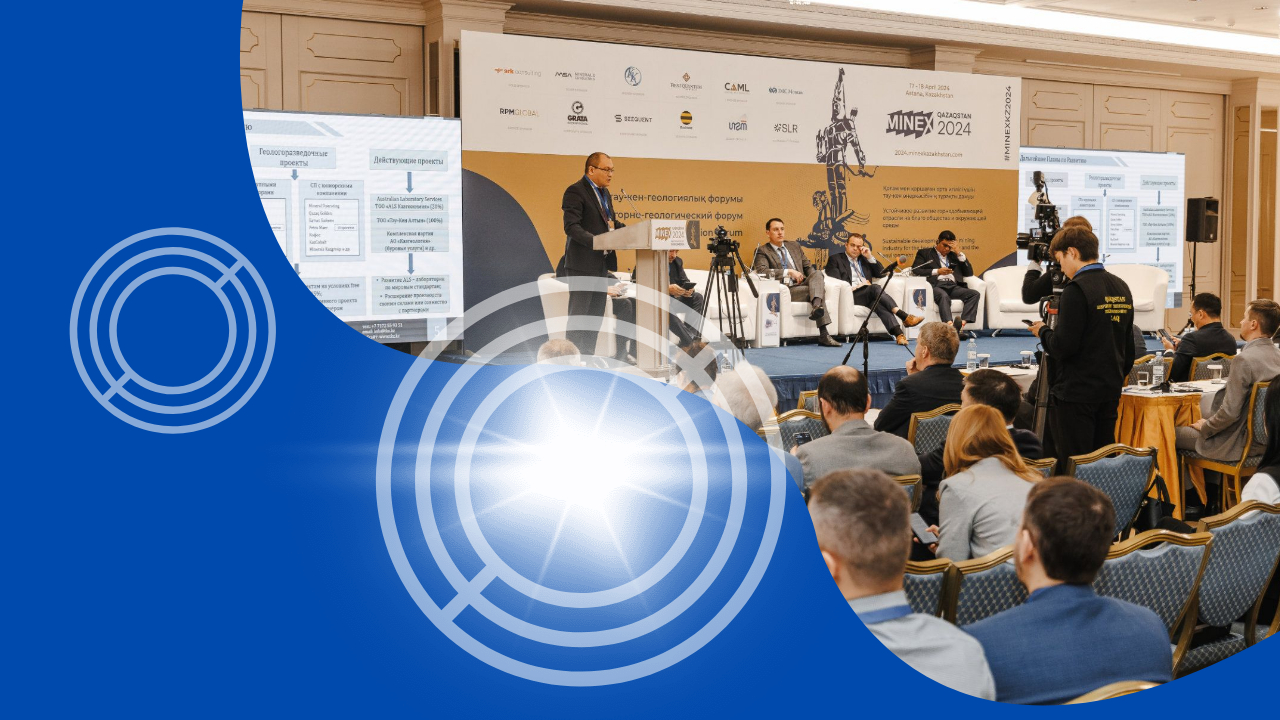
Modern geologists are no longer solely reliant on physical surveys for discovering new deposits, as the integration of drones and digital technologies has become commonplace. Russian scientists recently shared insights at the Astana forum on how they unearthed the world’s largest gold-copper asset – the Malmyzhskoye deposit, as reported by IA El.kz. During the 14th MINEKS Kazakhstan Mining and Geological Forum held in Astana, the Institute of Geotechnologies (IGT) presented an overview on digitalization in geological exploration. Executive Director of IGT, Dmitry Agapitov, highlighted the evolution of exploration methods over the past 120 years, starting from 1900. He referenced academician Sergey Smirnov’s conclusion in 1946 that easily accessible deposits were nearly exhausted, leaving only challenging ore bodies. Agapitov emphasized the inherent risks in geological exploration at every stage, encompassing geological, logistical, infrastructural, environmental, marketing, market situation, and legal aspects. He underscored the observable trend: the later an investor decides to enter a project, the higher the “cost” of entry, making subsequent work more expensive. Agapitov summarized that junior companies often have inflated expectations, relying on abstract or imprecise resource assessments, and tend to underestimate the importance of archival materials. Moreover, he pointed out the common issue of stage bypassing in exploration, which leads to subsequent error correction efforts. Inadequate qualification of personnel is also a recurring risk, with experts asserting that this issue extends beyond Russia and Kazakhstan, permeating the global geological exploration sphere. Despite the labor market’s mobility, the problem persists, with professionals transitioning between legal jurisdictions, indicating a global challenge. Another issue is the occasional disregard for modern technologies, particularly among junior companies attempting to cut corners, resulting in decreased project attractiveness and indecision in investment decisions.
Website: Kazakhstan.com
-
Severe Storms Disrupt Uranium Mining Operations in Southern Kazakhstan
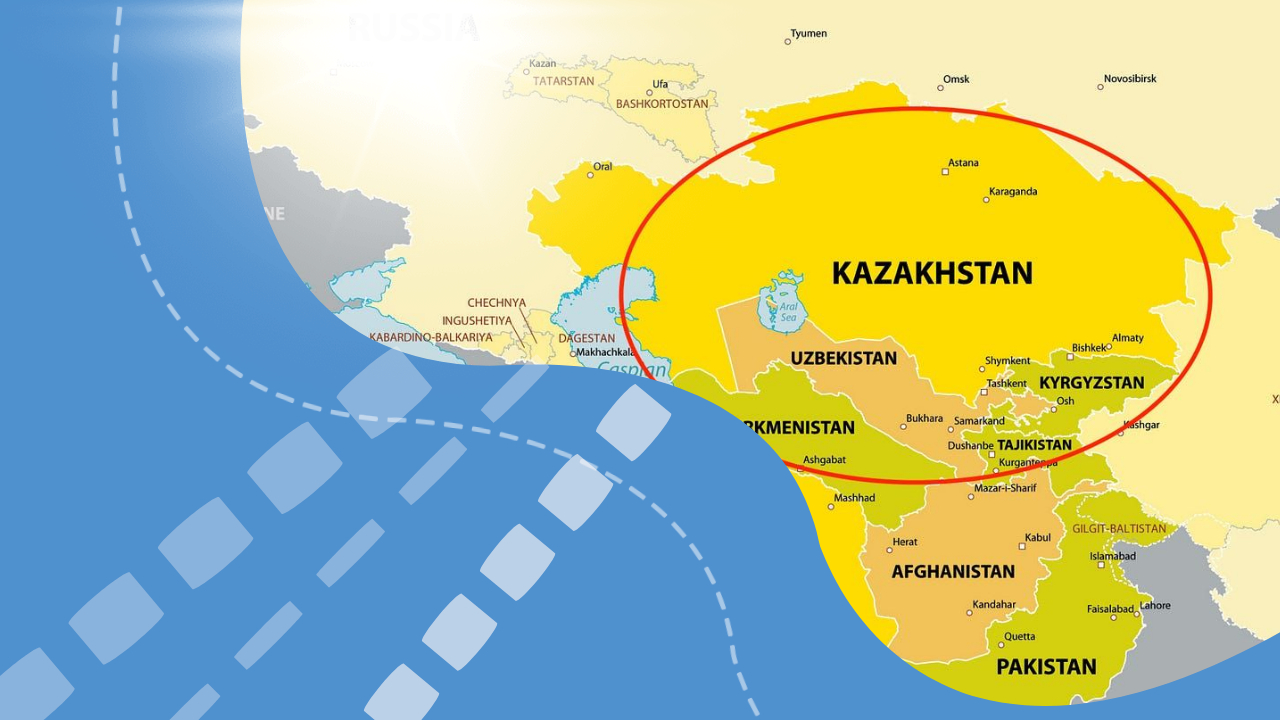
Recent severe storms in southern Kazakhstan have caused significant disruptions to operations at various uranium mines, including the vital Inkai mine and processing complex, as outlined in a report by Global X ETFs. These disturbances have led to logistical challenges, particularly in the delivery of reagents, consequently impacting production at the Inkai facility. Despite uranium spot prices stabilizing below $100, attributed to factors like utilities’ purchasing hiatus and profit-taking by hedge funds, prices have remained at levels unseen in 16 years, according to Global X ETFs. The market’s resilience is partly bolstered by government support for nuclear energy, with expansion initiatives announced by countries like Ukraine and Serbia. The flooding, primarily in the region where Kazatomprom operates, Kazakhstan’s leading uranium producer, has intensified supply constraints. Melting snowstorms have further impeded operations at several uranium mines, including the Inkai mine and processing complex. Joint Venture Inkai, managing the Inkai project in partnership with Cameco and Kazatomprom, has been notably impacted by the disruptions. Hindered reagent deliveries have disrupted production activities. However, a return to normal operations at the Inkai facility is anticipated within three months upon the restoration of access roads. Questions have arisen regarding the accuracy of the report’s information, particularly concerning discrepancies in dates. This raises concerns about potential oversights during research or misinterpretation of data by the author. In addition to the uranium mining disruptions, severe flooding has ravaged parts of Kazakhstan and Russia, notably in the Ural Mountains and Siberia. The collapse of the Orsk Dam has resulted in at least eight fatalities and extensive damage, covering an area comparable to western Europe. While flood relief efforts have made significant strides, thousands remain displaced, with ongoing evacuations and housing challenges persisting in affected regions.
-

Узбекистан на пути к созданию $500 миллионного рынка добычи редких металлов
Президент Шавкат Мирзиёев 29 апреля провел совещание по обсуждению задач в сфере геологии и горно-металлургической промышленности.
Отечественной геологической отрасли ежегодно выделяется один триллион сумов и в результате реализации целевых программ в прошлом году объем производства в горнодобывающей промышленности достиг почти 11 миллиардов долларов.
Однако основная часть этого объема приходится на направление драгоценных и цветных металлов, хотя имеется огромный неиспользованный потенциал по критически важным для промышленности минералам. В частности, в нашей стране обнаружено 32 вида таких полезных ископаемых.
В связи с этим на прошедшей 15 января презентации глава государства дал указания по задействованию возможностей в этой сфере. На сегодняшнем совещании рассмотрены принимаемые меры, планы и предложения.
Сегодня в мире наблюдается динамичное развитие технологий. Все более возрастает спрос на редкоземельные металлы в электромобильной промышленности, “зеленой” энергетике и электротехнической промышленности. Поэтому в последние годы на мировом рынке значительно выросли цены на молибден, теллур, селен и графит.
Президент указал на открывающиеся большие перспективы. Подчеркнута необходимость расширения освоения существующих и разведки новых месторождений критически важного сырья.
В настоящее время в нашей стране добывают шесть видов такого сырья. Вместе с тем есть возможность получать продукцию с высокой добавленной стоимостью из металлов платины, индия, ванадия, а также минералов, содержащих вольфрам, молибден, рений, цинк и марганец. Например, можно организовать выпуск продукции в прежде не существовавшей в нашей стране порошковой металлургии на 300 миллионов долларов и в сфере оборудования и комплектующих на 100 миллионов долларов в год.
Недавно было достигнуто соглашение о критически важном сырье с Европейским Союзом, что открывает широкий доступ на этот большой рынок.
С учетом этого ответственным лицам поручено сформировать с участием иностранных экспертов и инвесторов программу перспективных проектов на сумму 500 миллионов долларов по редкоземельным металлам. Подчеркнута необходимость развивать это направление с научным подходом, организовать с этой целью проектный офис и привлечь ведущие институты и научные центры.
На совещании также рассмотрены вопросы увеличения добычи драгоценных металлов на Навоийском горно-металлургическом комбинате.
Ответственные лица доложили о возможностях по дальнейшему увеличению как запасов, так и объемов добычи золота.
Президент дал указания снизить себестоимость производства на комбинате на 10-15 процентов, расширить промышленную кооперацию и локализацию. Поставлена задача организовать Научный центр передовых технологий по драгоценным металлам.
-
Uzbekistan’s $500 Million Quest for Rare Metals
On April 29, President Shavkat Mirziyoyev chaired a meeting to discuss tasks related to geology and the mining-metallurgical industry.
The domestic geological sector receives an annual allocation of one trillion Uzbekistani som. As a result of targeted programs implemented last year, the production volume in the mining industry reached nearly 11 billion US dollars. However, the majority of this volume is attributed to precious and non-ferrous metals, despite the vast untapped potential for critical industrial minerals. Specifically, our country has identified 32 types of such valuable minerals.
In connection with this, during a presentation on January 15, the head of state provided instructions to utilize opportunities in this field. Today’s meeting covered the measures, plans, and proposals being implemented.
The world is witnessing dynamic technological advancements. There is a growing demand for rare earth metals in the electric vehicle industry, green energy, and electrical engineering. Consequently, prices for molybdenum, tellurium, selenium, and graphite have significantly risen in recent years on the global market.
The President emphasized the emerging prospects. The need to expand the exploration of existing deposits and explore new critical raw material sources was underscored.
Currently, our country extracts six types of such raw materials. Additionally, there is potential to produce high-value-added products from platinum, indium, vanadium, and minerals containing tungsten, molybdenum, rhenium, zinc, and manganese. For instance, production in previously nonexistent powder metallurgy could reach 300 million dollars annually, and equipment and components could generate 100 million dollars per year.
Recently, an agreement was reached with the European Union regarding critical raw materials, providing broad access to this significant market.
Considering this, responsible parties have been tasked with developing a program for prospective projects related to rare earth metals, involving foreign experts and investors, with a budget of 500 million dollars. Emphasizing the need for a scientific approach, a project office will be established, and leading institutes and research centres will be engaged.
During the meeting, discussions also centred on increasing the extraction of precious metals at the Navoi Mining and Metallurgical Combine.
Officials reported on opportunities for further increasing both reserves and gold production volumes.
The President instructed a 10-15% reduction in production costs at the combine, expansion of industrial cooperation, and localization efforts. Additionally, the establishment of an Advanced Technology Research Center for Precious Metals was prioritized.
-

Digitization and unmanned aerial vehicles- how geologists work in Kazakhstan
Modern geologists, when searching for new deposits, no longer focus only on physical research. Both UAVs and the use of digital technologies are being used. Recently, at a forum in Astana, Russian scientists shared how they managed to discover the largest gold-copper object in the world – the Malmyzh deposit? reports El.kz news agency.
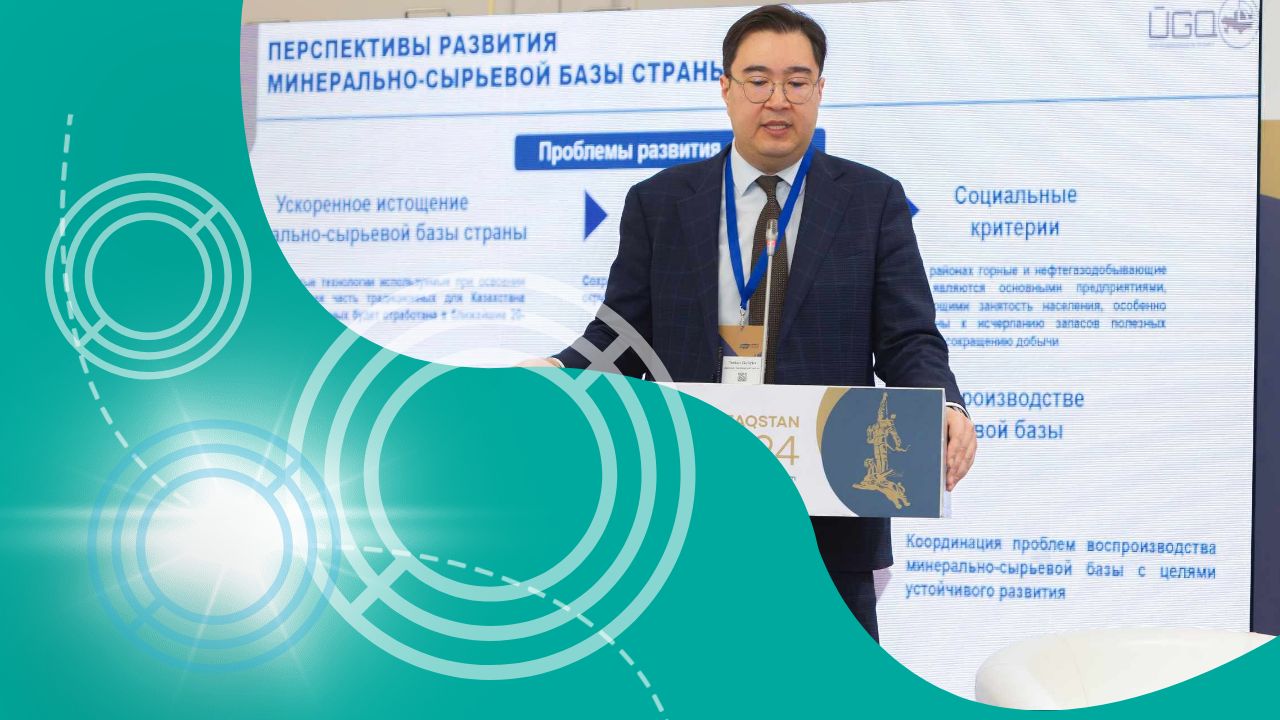
During the 14th mining and geological forum MINEX Kazakhstan, held in Astana, the Institute of Geotechnologies LLC (IGT) group shared an overview of digitalization in geological exploration.
IGT Group Executive Director Dmitry Agapitov presented the results of which methods for discovering deposits have been the main ones in the world over the past 120 years, starting from 1900. As it turned out, back in 1946, academician Sergei Smirnov came to the conclusion that the fund of easily discovered deposits was practically exhausted and only difficult-to-discover ore bodies remained.
“It would seem that the collapse began in 1946. But nevertheless, what do we continue to live on? Almost 80 years have passed, but we are finding something, and we are finding it well. All this, of course, is connected with the further development of industry, technology, search technology capabilities and human resources. Of course, the search problems have become much more difficult because there are a number of uncertainties, and when they overlap each other, they begin to grow exponentially,” he shared his research.
The expert emphasized that geological exploration at all stages is associated with great risks, ranging from geological, ending with logistics, infrastructure, environmental, marketing issues, market situation and legal aspects.
“If there are rough spots in even one of the directions, they will jeopardize the very existence of the project. But, nevertheless, time passes, progress develops, we all learn, and it is clear that despite the existing risks, none of the companies ever wants to play blindly. Nobody wants to burn money into the atmosphere,” he emphasized.
And here an obvious trend stands out: the later the investor decides to enter the project, the higher the “cost” of the entrance ticket, the more expensive further work will be for him.
“Statistics show that over the past 25-30 years in geological exploration, juniors have begun to straighten their shoulders, and all the growth is based on their risks. Mainers try not to get their hands dirty with these basic risks and are ready to buy ready-made projects. But what is the advantage of juniors? We understand everything, they are mobile, they can quickly make decisions, they have a short financing leverage, but from the analysis that we comprehensively carried out on all global companies, one way or another, almost all diseases are common,” concluded Dmitry Agapitov.
Thus, most often, juniors always have inflated hopes, they rely on some abstract or not always accurate resource estimates, and often underestimate the importance of using archival materials.
“Well, for example, the Soviet school took almost 70 years to form, and almost 29 million storage units have been accumulated in Russian geological funds. In Kazakhstan the situation is also very similar. Another problem is the violation of staging. Everyone is trying to quickly skip the season in search intelligence – this is unforgivable. And most often, then you either have to correct mistakes,” he clarified.
In addition, risks often include insufficient qualifications of performers. Moreover, experts argue that the personnel problem concerns not only Russia and Kazakhstan, but has a global scale, especially in the field of geological exploration.
“And despite the fact that the labor market is very mobile, everyone is moving from one legal space to another, the problem still remains. We have worked with many of our colleagues from 10-12 countries, and everyone has a very similar situation. Another problem is sometimes the neglect of modern technologies. This concerns juniors, because they are trying to save money on something, and it all ends with the project losing its investment attractiveness, since no one can make a decision like that,” he concluded.
In addition to the computer, it is important to listen to your intuition
The geological targeting method can help in searching for deposits.
Deputy General Director for Science, Chief Geologist of the IGT Group
Andrey Chitalin explained that today geologists in their work analyze a large array of data before finding a deposit with the required reserves.
“I will give an example of the predicted discovery of a large porphyry copper deposit “Malmyzh” in the Khabarovsk Territory, in which my colleagues and I were lucky enough to participate. A large US porphyry copper company came to Russia with the goal of finding a large deposit, and we were told that they needed a facility with copper reserves of at least two million tons, preferably with a secondary enrichment zone for open-pit mining, and preferably with gold,” he noted .
After extensive data analysis by specialists, at the desk targeting stage, 200 sites that met the criteria were selected.
“Then we discussed them and ranked them. And we settled on 40 sites that we decided to check in the field. Over the course of two field seasons, by helicopter, boat, on foot, and so on, we visited and assessed these targets. As a result, 5 best areas were selected for licensing, and the Malmyzh deposit was discovered in one of them, which is already being prepared for development; it now belongs to the Russian Copper Company. This is a world-class facility, and the reserves that are estimated there, I think they will be doubled, judging by our geological prerequisites. And we are happy to follow the development of this project,” emphasized Andrey Chitalin.
At the same time, researchers widely use UAV methods, express analysis methods, and create a multi-purpose GIS project into which a kind of “layer cake of information” is loaded. This data includes both geological information and all kinds of risks.
But in the end, it is not enough to rely only on computer data; both practical experience and work with various specialists who know the area well play a big role in this. Thus, while working at the field, there were experts who advised against further work. However, the project management decided to listen to another group of researchers. If they had not done this, the deposit may still not have been discovered to this day.
“It is important for investors not to skimp on geological brains, so that they work carefully at the forecast and assessment stages. All this will then pay off in savings during further prospecting and exploration work. And at the same time, in the 90s, a famous geologist lectured us and said that we should study the models very carefully, but when going to the site we should forget about them so that they do not cloud our brains,” he advised the forum participants.
Digitalization of geological information is underway in Kazakhstan
During the conference of the Kazakhstan Chamber of Mines “Increasing the attractiveness of the mining industry of Kazakhstan”, Chairman of the Board of National Geological Service JSC Erlan Galiev noted that since 2023, the digitization of primary geological data has been completed in our country.
“By the beginning of 2026, 100% digitalization will occur. The information will include not only reports, but also data on magnetic cards and cartridges. In terms of secondary geological reports, we want to upload 56 reports to the database this year. But this platform is being developed by NC “Kazakhstan Gharysh Sapary”, processes of internal migration from different platforms are currently underway, there are some IT details, they are currently in the process of work,” explained Erlan Galiev.
Once this work is completed, the information will be available to investors.
“Several banks in Kazakhstan are ready to provide an acquiring mechanism, and you will be able to order these reports directly from the database itself,” explained the head of the NGS.
However, representatives of private companies themselves still point out the imperfections of the system. Thus, according to a representative of Rio Tinto Exploration Kazakhstan, the approach of each regional representative office of the NHS is different.
Thus, the company needed to obtain information about a cartogram of subsoil exploration; the Almaty representative office informed them that they had been lost.
“Unfortunately, the archives there are in terrible condition. That is, we arrived, the archival data was just lying in bags, not organized. We did not see this when working in the fund of Karaganda and East Kazakhstan region,” noted a representative of a private company.
On this score, the head of the NHS emphasized that he was aware of this problem. Previously, the Republican Geological Fund was located in Almaty, but then this data was transported to Kokshetau when the Geology Committee was moved there.
“Then they moved from Kokshetau to Astana, first to one, then to another building. And in the process of moving from Almaty, a lot of geological information was simply put into some bags. Some left, some stayed. This was a very long time ago, but the fact is that in the center, in the north and in the east, with primary data, inventory and cataloging are more or less clear, in the south everything is much sadder,” explained Erlan Galiev.
He emphasized that with the process of digitizing primary information, specialists also carry out an inventory, which will not only ensure its safety, but will also allow investors to save valuable time when requesting the required information.
-
First Quantum Minerals Launches Extensive Geological Survey Project in Kazakhstan
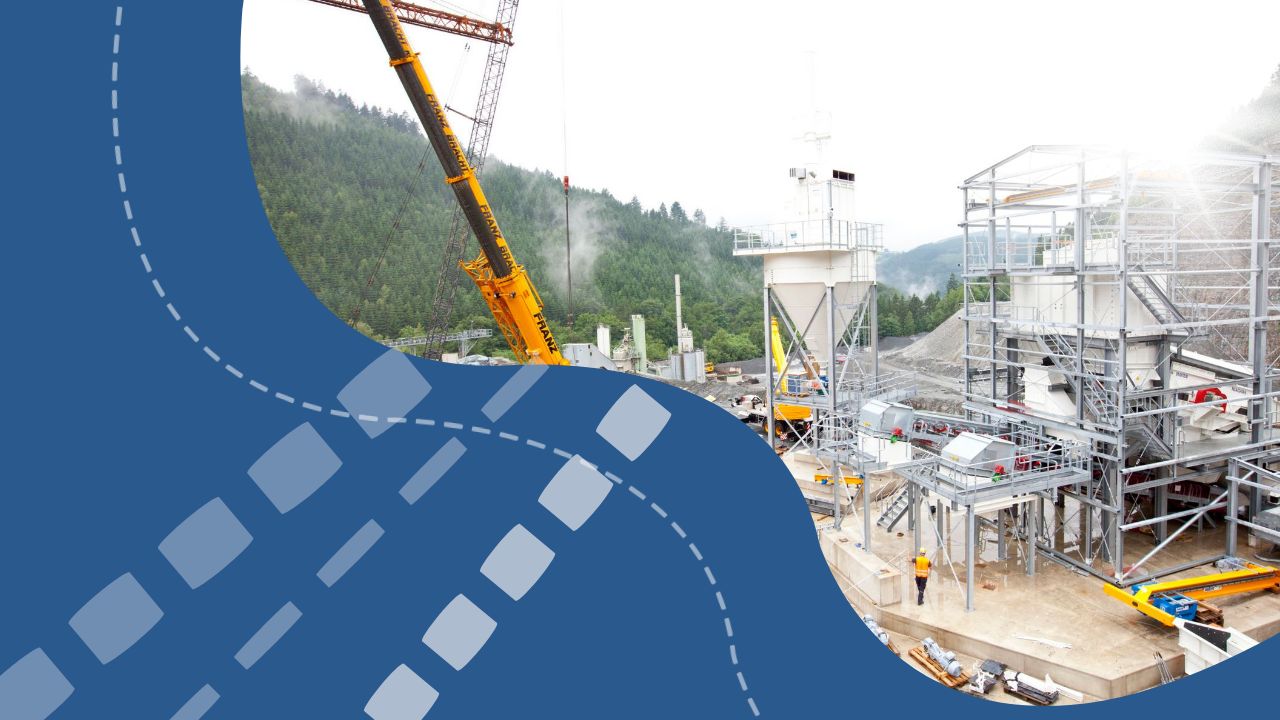
First Quantum Minerals (FQM) has unveiled plans for extensive geological survey operations in Kazakhstan, aiming to identify promising copper deposits, as reported by inbusiness.kz. Last year saw the establishment of FQM’s Kazakhstan division in Astana, accompanied by the recruitment of local personnel, signaling the company’s commitment to local engagement and investment.
According to geologist James Banyard, overseeing FQM’s activities in Kazakhstan, the company’s specialists will commence geological surveying activities in the summer of 2024. Initial efforts will focus on mapping and geophysical exploration of subsurface formations, laying the groundwork for potential mining endeavors.
In collaboration with Pallas Resources, an existing partner in several projects, FQM aims to execute its strategic vision of a five-year presence in Kazakhstan, with aspirations to discover lucrative copper-rich sites worthy of future investment.
Currently, the company is in the process of securing exploration licenses for multiple sites across various regions of the republic. Prospecting efforts will primarily target areas with known concentrations of copper ore, including the Balkhash-Ili territories, Bozshakol-Chingiz, and the Chu-Sarysu basin.
FQM’s foray into the Kazakh market follows the enactment of the Subsoil Code in 2018, reflecting the company’s strategic assessment of risks and opportunities within the region. Despite the inherent challenges, FQM remains optimistic about the prospects of collaboration in Kazakhstan’s burgeoning mining sector.
-
From extraction to processing
What prevents Kazakhstan from producing products with higher added value, and why have we not discovered a single deposit in recent years? We analyze with experts.
In manual mode
The 14th mining and geological forum MINEX recently ended in Astana. Industry participants once again gathered to compare notes, analyze the status quo and understand where to move next.
On the sidelines of the forum, we asked Timur Odilov, an expert in the mining sector, a member of the working group for the development of the Code of the Republic of Kazakhstan “On Subsoil and Subsoil Use”, about the efficiency of such meetings.
“Smart people here say what should be done and what should not be done, what systemic measures, institutional things should be taken. What do we see in practice? – The government continues to work in manual mode. And the investment headquarters, created by presidential decree last year, considers individual projects. As a lawyer, I have doubts, even from the point of view of the Constitution, about his activities. That is, all industry forums are not about specific problems of a particular project, they are always a discussion about systemic things. But neither the past nor the current government sees or considers them. And now everything is done in manual management mode for specific projects,” Odilov noted.
The second problem he pointed out was “the notorious industrialization, high processing levels and everything else.”
“We continue to develop myths, the narrative of “raw materials in exchange for technology.” What technologies? – Tall? But high-tech companies do not buy raw materials; between them there is a huge chain of structures that deal with all kinds of processing. People who continue to support the “raw materials for technology” agenda do not understand how business and the industry work,” the expert continued.
The third point: Kazakhstan has traditionally been accustomed to developing the manufacturing industry – multi-stage programs of the SPFIID, and now the industrialization policy continues.
“But let’s look at how this policy developed – we have never developed the manufacturing industry through a large package of incentive measures. The entire policy was based on the administrative-command system through the setting of restrictions. SPFIID was structured as obtaining rights to subsoil not through competition, but through direct negotiations – that is, as an exception to the rule,” emphasized Timur Odilov.
Narrow neck
Now the supply of raw materials to the domestic market is developing through the creation of bureaucratic barriers so that you cannot export raw materials, concentrate or metals, but supply them to the domestic market, which is already not experiencing a shortage, he stated.
“All the rhetoric is based on the fact that we will either create a bottleneck or make life more difficult for subsoil users, and the manufacturing industry will heal. Look at the history in other countries where this area developed in the absence of access to their own raw materials – simply because it did not exist. So, does the failure of the manufacturing industry really depend on the behavior model of subsoil users?.. This is nonsense, but this discourse was put into the mouths and minds of politicians on the Left Bank of Astana,” the expert said.
And this narrative sells well, and the population is angry with subsoil users, who appear to be careless entrepreneurs who develop subsoil in the country and do not want to develop the manufacturing industry.
“So maybe it’s not about subsoil use, but about industrial policy, the lack of incentive measures and a comprehensive vision? And the fact that one business in the field of subsoil use hinders the growth of business in the manufacturing industry is a lie. In Uzbekistan, this industry is developing even if there are problems with raw materials; Taiwan somehow developed without its own mining industry. Economists understand this, other smart people understand this. But the status quo is killing the development of the mining industry and the discovery of new deposits,” Odilov emphasized.
The reform failed
He called the subsoil use reform in the country a failure.
“The legislative part of the reform lasted from 2014 to 2018; a specialized Code was adopted, but implementation was failed. Some call the Code bad, which is supposedly why it did not work and there were no discoveries of new deposits for the first 5-6 years. What has the government done to implement this code? The database in the elementary part – submitting an application – was launched only last year, 5 years later! We have not switched to the international Crisco standards (the system of reporting standards for reserves of solid minerals, TPI), we have not posted all the primary geological documentation, we have not analyzed it – there is simply no way to get there,” the expert noted.
No work has been done to discover new deposits or attract investors, he believes.
“The state ruined the implementation part, and then did even worse in the legislative part, sharply increasing the mineral extraction tax by 50 and 30% in 2023 (for exchange-traded and over-the-counter metals). This clearly did not improve the investment climate and did not benefit the discovery of new fields. The smartest way is to raise taxes, which means that the financial model of some projects will not work. I have personally warned government members who raise taxes about the consequences. And a year later, it is clear that the resource base, previously profitable, is now unprofitable,” Timur Odilov shared with TAJ.report.
Thus, while taxes remained at the same rate, the deep horizons of already operating fields were in the border zone. As soon as they increased, they became unprofitable. And these are new jobs, the continuation of the life of these deposits.
“Then the government had the task of patching up the hole – here and now, and no one was interested in what would happen next. The principle of work is just not on my shift, but after us there might be a flood,” the expert described the state of affairs.
There will be no quick victories
In the current conditions, the interlocutor does not see the light at the end of the tunnel due to the composition of the Cabinet.
“The situation will worsen, people will leave after some time, and no one will bear political responsibility for earlier decisions. At the same time, the industry itself will develop contrary to this. Key fundamental things have already been launched, they cannot be turned back. Another thing is that development will occur slowly, and you should not expect quick victories. Once again: in all countries, geological exploration is stimulated by tax methods. Not to mention the fact that they have a ready-made information and analytical structure and everything else. We haven’t done the basics to talk about things that would help open new deposits. How much has the National Geological Survey made by selling information that should be free? Companies are giving it money rather than investing in exploration. This is a clear example of the fact that Kazakhstan needs institutional reforms, which we have been waiting for for several years,” said Timur Odilov.
It should be noted that AZRK recently reported that the NGS (National Geological Survey), which is a subsidiary of the Ministry of Industry and Construction, illegally charged potential investors a fee for geological information. In 2022-2023, the operator received 1.2 billion tenge when considering 4 thousand applications. AZRK emphasized that the relevant ministry did not have the right to issue the corresponding order, since it contradicts the Code “On Subsoil and Subsoil Use,” which guarantees open free access to geological information to all interested parties.
AZRK issued an order to the Ministry of Industry, but the head of the NGS, Erlan Galiev, on the sidelines of the MINEX forum, said that the organization will continue to charge a fee for the information provided.
New money from old projects
Economist Murat Temirkhanov, in a conversation with us, also emphasized the importance of investment, without which the development of mining and processing industries is impossible.
“Oil refining cannot be done without private investment. The state, KazMunayGas, does not have enough money or expertise for complex projects. What is happening in the oil industry now is 3 mega-projects for production, all thanks to private injections, and everything is exported. And new projects are no longer underway, because everyone sees: the state recently increased the amount of claims against Kashagan developers to $150 billion. Before this, the state was suing Tengiz and Karachaganak. All this scares off foreign investors. We are now trying to take more money from old megaprojects, “attacking” investors,” which, I think, is wrong. I don’t know how they will come out of this in the future,” the economist told us, emphasizing that our main problem is too much government participation in the market economy.
Give incentives!
Executive Director of AGMP (Association of Mining and Metallurgical Enterprises) Nikolai Radostovets, when we asked when we will move from mining to deep processing, responded with a counter statement:
“We need to ask the question: is this profitable? Australia also produces and supplies raw materials and metal for export. Here we need to look at each product group before answering when we move on. Domestic consumption needs to be stimulated. President Tokayev instructed to provide tax benefits for 3 years to those who engage in processing within the country,” said the head of the mining and metallurgical association.
There is no such practice in the world that the mining and metallurgical sector, which is engaged in metal production, is also engaged in processing, and does a higher conversion, he recalled.
“We are already selling metal to the domestic market at a reduced price – with a 5% discount. And we need to stimulate and create businesses interested in recycling. If enterprises produce new types of products, from aluminum, for example, to make cans, beer cans, window blocks, then they should be exempt from all taxes for 3 years,” Radostovets expressed his opinion.
At the beginning of April, amendments were adopted to introduce licensing for the export of metals. Will come into force in October of this year.
“Export licenses will be issued only if metallurgical enterprises fulfill certain obligations and meet the needs of the domestic market. We are not supporters of such administrative methods. To develop metal processing and create metallurgical clusters in Kazakhstan, it is more expedient to take fiscal measures aimed at stimulating enterprises to process natural resources within the country (including by differentiating the mineral extraction tax or switching to royalties according to the principle “the higher the redistribution, the lower the rate”) “- said Radostovets.
It is also necessary to develop coal chemistry, as the President spoke about in his recent Address to the People. According to the head of AGMP, it is necessary to develop a long-term Development Program for the coal industry and take incentive measures for the production of high-value coal products.
Why milk a calf if it is not yet a cow?
Let us remind you that, on behalf of the head of state, a new Tax Code is being developed within the government. The AGMP proposed their own package of amendments. In particular, the Association proposes to deduct all geological exploration expenses, regardless of the allocation of individual areas to new contracts, and also to establish a corporate income tax deduction for geological exploration expenses for solid minerals through existing production contracts.
“We need to make sure to provide for all possible deductions that now, one way or another, the tax authorities do not accept for geological exploration. Regarding VAT on exploration costs, ensure the return of excess VAT on geological exploration costs, regardless of the result of exploration and the availability of exports of solid minerals and processed products. We hope that amendments to the Code will make it possible to ensure full compliance with all international requirements regarding exploration activities,” Radostovets said.
The current production of copper cables, lead batteries, aluminum car disks, and window units is not enough, he continued.
“We need to scale production, and for this we need to create incentives. Before someone comes, he needs to invest in new construction, lay the foundation, purchase equipment, launch a workshop, and work out logistics. But taking taxes right away is not done in other countries. In Shanghai for 5 years, and a number of industries are exempt from taxes for 10 years so that they grow like mushrooms, and then they are harvested. And here it is: we won’t give you benefits and work under general conditions. And the investor thinks, why should he create a new industry, invest investments, when it is easier to engage in trade, resale, where he does not waste his capital for so long – some transactions even turn around in a month. And any production takes at least 3-5 years. This is money that needs to be spent in the long run,” the interlocutor noted.
In other words, we need long-term preferential loans, and if they are not available, then give new industries the opportunity not to pay taxes.
“This is not a reduction in the tax base – these enterprises do not exist yet. Why milk a calf if it has not yet grown into a cow?..,” asked the head of the AGMP a reasonable question.
According to statistics, only 0.1% of the total investment in geological exploration is successful. In most cases, geological exploration yields nothing; discoveries are very rare.
“We have not discovered a single large deposit in recent years. Therefore, if you take a risk and drill at 100-200-300 meters, you incur huge costs, you don’t need to take taxes or you need to transfer them to subsequent production. If I start making ice cream and I have milk, then I’m sure there will be ice cream. And if I made a hundred wells and I have nothing, I just spent money. What do taxes have to do with it if there is no result?..,” Nikolai Radostovets commented to us.
Finding balance
He also reported that for a number of metals – copper, gold, ferroalloys, lead and others – the physical volume of production and sales decreased in 2023. The reasons are logistics related to neighboring countries and, in general, the deterioration of the mineral resource base.
“Kazakhstan has accumulated a huge amount of solid waste – man-made mineral waste. We process only 11% of the volumes generated annually. The Association firmly raises with the government the question of the need to solve the problem not through administrative influences, but primarily through tax breaks. Now, if we process waste, the mineral extraction tax rate is the same as when processing full-fledged raw materials. This is unfair, so we raise the question that for solid waste belonging to subsoil users, it is already their property, and the processing of this solid waste should not be subject to mineral extraction tax. In relation to solid waste, which belongs to the state and which we have the opportunity to process, there should be a reduced mineral extraction tax rate,” said the head of AGMP.
Another issue is in-country value.
“Now we are encouraged to purchase domestic goods, but the methods of encouragement are more limited to administrative ones, they even imply the imposition of a fine if we do not purchase Kazakhstani goods. There needs to be a balance here. At the NPP site we will raise the question with processors and manufacturers – we will conclude offtake contracts for the products that our enterprises can produce. For other types of products there should be free purchase on standard terms, in many cases from a single source,” Radostovets said later at the forum.
About raiding and other risks
Meanwhile, the President of the Kazakhstan Chamber of Mines, Ruslan Baimishev, recalled at the forum about the growing need for the discovery of new deposits.
“In the future, we will face an annual crisis of up to 5 million tons of metals. Existing copper projects in the world can cover this need, but the issue is not a shortage of metal ore, but a shortage of jurisdictions in which this business can be built today. The negative image of a subsoil developer is spreading around the world, and it also exists in Kazakhstan,” he said.
In general, according to the chamber, reform in the sector has taken place. In 2022, the volume of private investment in geological exploration of the Republic of Kazakhstan amounted to 100 billion tenge, expenses for studying 1 square kilometer of deposits exceeded $100, which is higher than the world average.
“But at the same time, there are risks of deterioration in the investment climate caused by the adopted legislative initiatives – the ban on the export of solid minerals. There are risks that bans will apply to all minerals. The requirement for exploration programs is worrying: the investor spends money, and the state specifies how it should be spent. New grounds for revocation of a license are also being initiated, but there are factors here that may not depend on the subsoil user. And these are the prerequisites for raiding. Investment agreements and processing agreements have not yet come into effect; the volume of investments of 50 million dollars has not been allocated, but it is already proposed to increase it another 10 times – to 500 million. It’s premature. In addition, it is necessary to stimulate the development of deeper horizons, and the construction of mines requires capital investment and government support. The inconsistent policy on contracts with subsoil users remains a sensitive issue,” Baimishev said at the forum.
-
От добычи – к переработке
Что мешает Казахстану выпускать продукты с более высокой добавленной стоимостью, и почему за последние годы мы не открыли ни одного месторождения? Анализируем с экспертами.
В ручном режиме
На днях в Астане завершился 14-й горно-геологический форум MINEX. Участники отрасли в очередной раз собрались, чтобы сверить часы, проанализировать статус-кво и понять, куда двигаться дальше.
В кулуарах форума мы спросили эксперта в сфере горнодобывающего сектора, члена рабочей группы по разработке Кодекса РК «О недрах и недропользовании» Тимура Одилова о КПД подобных встреч.
«Здесь умные люди говорят, как делать нужно, а как – не надо, какие системные меры, институциональные вещи должны быть приняты. Что мы видим на практике? – Правительство продолжает работать в ручном режиме. А инвестштаб, созданный указом президента в прошлом году, рассматривает единичные проекты. У меня, как у юриста, вызывает сомнения, даже с точки зрения Конституции, его деятельность. То есть все отраслевые форумы – это не про конкретные проблемы конкретного проекта, это всегда дискуссия о системных вещах. А их ни прошлое, ни текущее правительство не видит и не рассматривает. И сейчас все делается в режиме ручного управления конкретными проектами», – отметил Одилов.
Второй проблемой он указал «пресловутую индустриализацию, высокие переделы и все остальное
«У нас продолжают развиваться мифы, нарратив «сырье в обмен на технологии». Какие технологии? – Высокие? Но компании, занимающиеся высокими технологиями, сырье не покупают, – между ними огромная цепочка структур, которые занимаются всевозможными переделами. Люди, продолжающие поддерживать повестку «сырье в обмен на технологии, не понимают, как работают бизнес и отрасль», – продолжил эксперт.
Третий момент: в Казахстане традиционно привыкли развивать обрабатывающую промышленность – многоэтапные программы ГПФИИР, и сейчас политика индустриализации продолжается.
«Но давайте посмотрим, как эта политика развивалась – у нас никогда не проводили развитие обрабатывающей промышленности через большой пакет стимулирующих мер. Вся политика строилась на административно-командной системе через выставление ограничений. ГПФИИР выстраивался как получение прав на недра не в конкурсном порядке, а прямыми переговорами – то есть как исключение из правил», – акцентировал Тимур Одилов.
Узкое горлышко
Сейчас поставки сырья на внутренний рынок развиваются через создание бюрократических барьеров чтобы вы не могли экспортировать сырье, концентрат или металлы, а поставляли их на внутренний рынок, и без то не испытывающий дефицита, констатировал он.
«Вся риторика строится на том, что либо создадим узкое горлышко, либо усложним жизнь недропользоватателям, и обрабатывающая промышленность заживет. Посмотрите историю в других странах, где данная сфера развивалась при отсутствии доступа к собственному сырью – просто потому что его не было. Так неужели неуспех обрабатывающей промышленности зависит от модели поведения недропользователей?.. Это нонсенс, но этот дискурс вложили в уста и умы политиков на Левом берегу Астаны», – сказал эксперт.
И этот нарратив хорошо продается, а население озлоблено на недропользователей, которые представляются нерадивыми предпринимателями, разрабатывающими в стране недра и не желающими развивать обрабатывающую промышленность.
«Так может дело не в недропользовании, а в индустриальной политике, отсутствии мер стимулирования и комплексного видения? А то, что один бизнес в сфере недропользования мешает росту бизнеса в сфере обрабатывающей промышленности, это ложь. В Узбекистане эта отрасль развивается даже при наличии проблем с сырьем, Тайвань развивался как-то без собственной горнодобывающей промышленности. Экономисты это понимают, другие умные люди понимают. Но статус-кво убивает развитие горнодобывающей промышленности и открытие новых месторождений», – подчеркнул Одилов.
Реформу провалили
Он назвал провальной реформу недропользования в стране.
«Законодательная часть реформы длилась с 2014 по 2018 годы, приняли профильный Кодекс, но реализацию провалили. Кто-то называет Кодекс плохим, якобы поэтому он не заработал и открытий новых месторождений не было первые 5-6 лет. А что правительство сделало, чтобы реализовать этот кодекс? База данных в элементарной части – подаче заявки – запустилась только в прошлом году, 5 лет спустя! На международные стандарты Crisco (система стандартов отчетности по запасам твердых полезных ископаемых, ТПИ) мы так и не перешли, всю первичную геологическую документацию не разместили, не проанализировали – там просто не подобраться», – отметил эксперт.
Не была проведена работа и по открытию новых месторождений, привлечению инвесторов, считает он.
«Государство испортило реализационную часть, а после еще хуже сделало в части законодательной, резко повысив в 2023 году НДПИ на 50 и 30% (по биржевым и внебиржевым металлам). Это явно не улучшило инвестклимат и не принесло пользу для открытия новых месторождений. Самый «умный» способ – повысить налоги, а это означает, что финансовая модель некоторых проектов не заработает. Я лично предупреждал членов правительства, которые повышают налоги о последствиях. И год спустя, видно, что ресурсная база, ранее рентабельная, сейчас нерентабельна», – поделился с TAJ.report Тимур Одилов.
Так, пока налоги сохранялись на прежней ставке, глубокие горизонты уже действующих месторождений были в пограничной зоне. Как только повысились – стали нерентабельными. А это новые рабочие места, продолжение жизни этих месторождений.
«Тогда у правительства была задача залатать дыру – здесь и сейчас, а что будет дальше, никого не интересовало. Принцип работы – только не в мою смену, а после нас – хоть потоп», – описал положение дел эксперт.
Быстрых побед не будет
В текущих условиях собеседник не видит света в конце тоннеля из-за состава кабмина.
«Ситуация будет ухудшаться, люди уйдут через какое-то время, и никто не понесет политической ответственности за принятые ранее решения. При этом сама индустрия будет развиваться вопреки. Ключевые фундаментальные вещи уже запущены, их не повернуть обратно. Другое дело, что развитие будет происходить медленно, и не стоит ждать быстрых побед. Еще раз: во всех странах геологоразведку стимулируют налоговыми способами. Я уже не говорю о том, что у них готовая информационно-аналитическая структура и все остальное. Мы же не сделали элементарного, чтобы говорить о вещах, которые бы помогли открыть новые месторождения. Сколько Национальная геологическая служба заработала, торгуя информацией, которая должна быть бесплатной?.. Компании перечисляют ей деньги, а не инвестируют в геологоразведку. Это яркий пример того, что Казахстану нужны институциональные реформы, которых мы ждем несколько лет», – сказал Тимур Одилов.
Отметим, АЗРК недавно сообщило, что НГС (Национальная геологическая служба), которая является «дочкой» минпромышленности и строительства, незаконно взимала с потенциальных инвесторов плату за геологическую информацию. В 2022-2023 годах оператор получил 1,2 миллиарда тенге при рассмотрении 4 тысяч заявок. АЗРК подчеркнуло, что профильное министерство не имело права выпускать соответствующий приказ, поскольку он противоречит Кодексу «О недрах и недропользовании», который гарантирует всем заинтересованным сторонам открытый бесплатный доступ к геологической информации.
АЗРК вынесло предписание минпрому, однако глава НГС Ерлан Галиев в кулуарах форума MINEX сообщил, что организация продолжит взимать плату за представляемые сведения.
Новые деньги из старых проектов
Экономист Мурат Темирханов в беседе с нами также подчеркнул важность инвестиций, без которых развитие добывающих и перерабатывающих отраслей невозможно.
«Без частных инвестиций нефтепереработку не сделать. У государства, у КазМунайГаза ни денег, ни экспертизы на сложные проекты не хватит. То, что сейчас в нефтянке происходит, это 3 мегапроекта по добыче, все это благодаря частным вливаниям, и все идет на экспорт. А новые проекты уже не идут, потому что все видят: государство на днях увеличило сумму исковых требований к разработчикам Кашагана до 150 миллиардов долларов. До этого государство судилось с Тенгизом и Карачаганаком. Все это иностранных инвесторов отпугивает. Мы сейчас пытаемся больше денег взять из старых мегапроектов, «наезжая» на инвесторов», что, я считаю, неправильно. Как из этого будут выходить в будущем, не знаю», – сказал нам экономист, подчеркнув, что главная проблема у нас – слишком большое участие государства в рыночной экономике.
Дайте стимулы!
Исполнительный директор АГМП (Ассоциация горно-металлургических предприятий) Николай Радостовец на наш вопрос, когда же мы перейдем от добычи к глубокой переработке, ответил встречным заявлением:
«Нужно задавать вопрос: а это выгодно? Австралия тоже производит и поставляет сырье и металл на экспорт. Здесь надо смотреть по каждой товарной группе, прежде чем отвечать, когда перейдем. Нужно стимулировать внутреннее потребление. Президент Токаев поручил на 3 года предоставить налоговые льготы тем, кто займется переработкой внутри страны», – сообщил глава горно-металлургической ассоциации.
В мире нет такой практики, чтобы горно-металлургический сектор, который занимается производством металла, занимался еще и переработкой, более высокий передел делал, напомнил он.
«Мы уже сейчас отдаем на внутренний рынок металл по льготной цене – с дисконтом 5%. И нам нужно стимулировать и создавать бизнес, заинтересованный в переработке. Если предприятия будут производить новые виды продукции, из алюминия, например, делать банки консервные, пивные, оконные блоки, то их надо от всех налогов освободить на 3 года», – высказал мнение Радостовец.
В начале апреля приняты поправки о введении лицензирования экспорта металлов. Вступят в силу в октябре текущего года.
«Лицензии на экспорт будут выдаваться, только если металлургические предприятия будут выполнять определенные обязательства и обеспечат потребности внутреннего рынка. Мы не являемся сторонниками подобных административных методов. Для развития переработки металлов и создания металлургических кластеров в Казахстане целесообразнее принять фискальные меры, направленные на стимулирование предприятий к переработке природных ресурсов внутри страны (в т.ч. путем дифференциации НДПИ или перехода на роялти по принципу «чем выше передел, тем ниже ставка»)», – сказал Радостовец.
Также нужно развивать углехимию, о чем в недавнем Послании народу говорил президент. По мнению главы АГМП, необходимо разработать долгосрочную Программу развития угольной промышленности и принять стимулирующие меры для производства угольной продукции высоких переделов.
Зачем доить теленка, если он еще не корова?
Напомним, по поручению главы государства в недрах правительства разрабатывается новый Налоговый кодекс. В АГМП предложили свой пакет поправок. В частности, Ассоциация предлагает относить на вычеты все расходы на геологоразведку – независимо от выделения отдельных участков в новые контракты, а также установить вычет по корпоративному подоходному налогу расходов на геологоразведку по ТПИ через действующие контракты на добычу.
«Нам нужно обязательно предусмотреть все возможные вычеты, которые сейчас – так или иначе – налоговые органы не принимают при геологоразведке. В части НДС по расходам на разведку – обеспечить возврат превышения НДС по расходам на геологоразведку независимо от результата разведки и наличия экспорта ТПИ и продуктов переработки. Мы надеемся, что поправки в Кодекс дадут возможность обеспечить полное исполнение всех требований, которые являются международными в части разведочной деятельности», – сказал Радостовец.
Имеющегося сейчас производства кабеля из меди, аккумуляторов из свинца, дисков на машины из алюминия, оконных блоков недостаточно, продолжил он.
«Надо масштабировать производства, а для этого нужно создавать стимулы. Прежде чем кто-то придет, ему нужно инвестировать в новое строительство, поставить фундамент, закупить оборудование, запустить цех, логистику отработать. А сразу брать налоги – так в других странах не делается. В Шанхае на 5 лет, а ряд производств на 10 лет освобождается от налогов, чтобы взросли как грибы, а потом уже с них собирают. А у нас как: мы вам льготы не дадим и работайте на общих условиях. И инвестор думает, зачем ему создавать новую отрасль, инвестиции вкладывать, когда легче заниматься торговлей, перепродажей, где не так надолго он омертвляет свой капитал – какие-то сделки даже за месяц оборачиваются. А любое производство – это минимум 3-5 лет. Это деньги, которые нужно потратить в долгую», – заметил собеседник.
Иными словами, нужны долгосрочные льготные кредиты, а если их нет, тогда дайте новым производствам возможность не платить налоги.
«Это не уменьшение налоговой базы – этих предприятий еще нет. Зачем доить теленка, если он еще не вырос в корову?..», – задался резонным вопросом руководитель АГМП.
По статистике, только 0,1% вложений из общей суммы в геологоразведке оказывается успешной. В большинстве случаев геологоразведка ничего не дает, открытия бывают очень редко.
«Мы не открыли за последние годы ни одного крупного месторождения. Поэтому если ты рискуешь и буришь на 100-200-300 метров, несешь огромные затраты, с тебя не надо брать налоги или надо переложить их на последующую добычу. Если я начинаю производить мороженое, и у меня есть молоко, то я уверен, что мороженое будет. А если я сделал сотню скважин, и у меня ничего нет, – я только потратил деньги. Причем тут налоги, если нет результата?..», – прокомментировал нам Николай Радостовец.
В поисках баланса
Также он сообщил, что по целому ряду металлов – меди, золота, ферросплавов, свинца и других – физический объем производства и продаж в 2023 году снизился. Причины – логистика, связанная с сопредельными странами, и в целом ухудшение минерально-сырьевой базы.
«В Казахстане скопилось огромное количество ТМО – техногенных минеральных отходов. Перерабатываем мы только 11% тех объемов, которые образуются ежегодно. Ассоциация жестко ставит перед правительством вопрос о необходимости решения проблемы не путем административных воздействий, а прежде всего через налоговые послабления. Сейчас, если перерабатываем отходы, ставка НДПИ такая же, как при переработке полноценного сырья. Это несправедливо, поэтому мы ставим вопрос, что по ТМО, принадлежащим недропользователям, это уже их собственность, и переработка этих ТМО не должна облагаться НДПИ. В отношении ТМО, которые принадлежат государству и которые мы имеем возможность переработать, должна быть пониженная ставка НДПИ», – сказал глава АГМП.
Еще один вопрос – внутристрановая ценность.
«Сейчас нас поощряют закупать отечественное, но методы поощрения больше сводятся к административным, даже предполагают наложение штрафа в случае не закупа казахстанского. Здесь нужен баланс. На площадке НПП с переработчиками и производителями будем ставить вопрос – по той продукции, которую могут производить наши предприятия, будем заключать оффтейк контракты. По другим видам продукции должна быть свободная закупка на стандартных условиях, во многих случаях – из одного источника», – сказал позже на форуме Радостовец.
Про рейдерство и прочие риски
Тем временем президент Казахстанской горнорудной палаты Руслан Баймишев напомнил на форуме о возрастающей потребности в открытии новых месторождений.
«В перспективе нас ждет ежегодный кризис до 5 миллионов тонн металлов. Существующие в мире медные проекты могут покрыть эту потребность, но вопрос не в дефиците руды металла, а в дефиците юрисдикций, в которых сегодня можно строить этот бизнес. Негативный образ разработчика недр шагает по миру, в Казахстане он тоже есть», – сказал он.
В целом, по мнению палаты, реформа в секторе состоялась. В 2022 году объем частных инвестиций в геологоразведку РК составил 100 миллиардов тенге, расходы на изучение 1 квадратного километра месторождений превысили 100 долларов, что выше среднемировых показателей.
«Но вместе с тем существуют риски ухудшения инвестклимата, вызванные принятыми законодательными инициативами – запретом на экспорт ТПИ. Есть риски, что запреты будут распространяться на все полезные ископаемые. Беспокоит требование к программам на разведку – инвестор тратит деньги, а государство указывает, как их нужно тратить. Также инициируются новые основания для отзыва лицензии, но здесь есть факторы, которые могут не зависеть от недропользователя. И это – предпосылки к рейдерству. Инвестсоглашения и соглашения о переработке еще не заработали, объем инвестиций в 50 миллионов долларов не выделен, но его уже предлагают увеличить еще в 10 раз – до 500 миллионов. Это преждевременно. Кроме того, нужно стимулировать разработку более глубоких горизонтов, а строительство шахт требует капитальных инвестиций и господдержки. Чувствительным вопросом остается и непоследовательная политика по контрактам с недропользователям», – сказал Баймишев на форуме.
-
Foreign investors intend to explore the subsoil of Kazakhstan
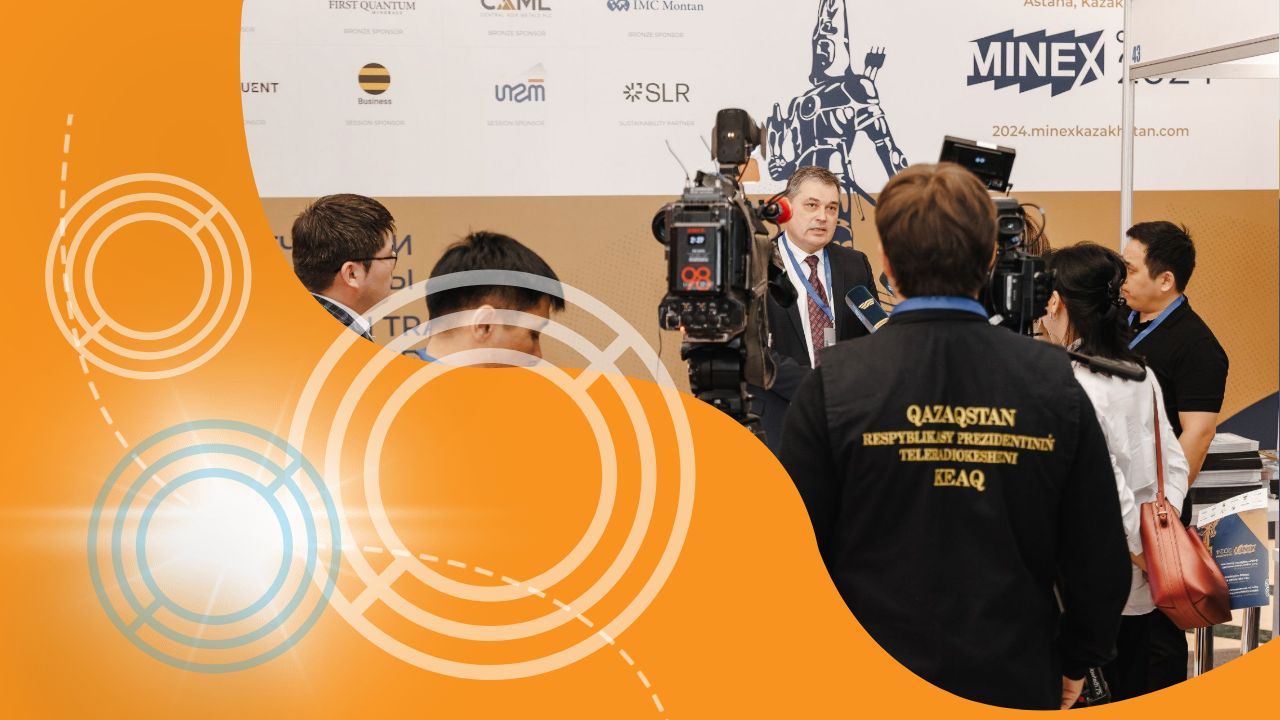
The number of foreign investors who want to explore the treasured subsoil of Kazakhstan is increasing. This is evidenced by the annual mining forum in the capital. This year, most of the participants of the traditional event are foreigners. Their number this year is 20% more than last year. Foreign investors are interested in exploring the reserves of precious and rare metals in the country and developing them. Representatives of Europe, Central and Southeast Asia, the Middle East, Africa, and the USA met at the general forum. A total of 235 companies and more than 450 specialists from 32 countries gathered.
Artur Polyakov, president of the Mining Forum:
– 5 new large strategic investors joined the forum this year. Those companies are coming from Australia, Europe, Canada, USA, Malaysia and other countries. Kazakhstan is rich in mineral resources. Their stock has not been analyzed since the 70s of the last century. Only 30% of the territory of Kazakhstan has been explored. It is hard to say what is underground and what projects can be implemented. It needs a lot of money. Therefore, Kazakhstan, like other Central Asian countries, proposes to carry out geological exploration.
James Banyard, Manager, Mining Company, Canada:
– We are currently in Kazakhstan mainly with the aim of carrying out geological exploration. At the same time, we intend to establish a strategic partnership in this field and carry out full-chain assessment and review work related to the development of new deposits. We can also support zero-waste production, that is, the recycling side. Currently, we have two joint projects, within the framework of which we are exploring a number of deep places in Kazakhstan.
-
National Geological Service to Continue Charging for Geological Information Despite Competition Authority’s Objections
The Executive Chairman of the National Geological Service, Erlan Galiev, announced that the practice of charging investors for geological information will continue, despite objections from the Competition and Development Agency (AZRK). Galiev stated that the National Geological Service, a subsidiary of the Ministry of Industry and Infrastructure Development, considers the practice justified and will clarify its position to the competition agency.
“It seems to me that there was a bit of a misunderstanding here. The National Geological Service and Kazgeoinform have always charged for the preparation of this geological information, which investors then receive. If legislation had stipulated that we charge for the costs borne by the state, including historical costs, the amounts would be completely different. They would be astronomical,” he told reporters on the sidelines of the MINEX-2024 forum.
According to him, the historical costs of obtaining geological information for areas, even during Soviet times, were very high and incomparable to the fee charged by the National Geological Service to investors.
“But we completely ignore this. We only charge for the work done by someone to find this report, systematize it, and conduct an inventory of the information. This work is not free. And since we do all this work, we charge a fee for it. The fee is quite small. With AZRK, our colleagues, another state body, we will prepare and provide an explanation. We will work with them to resolve this issue,” said Galiev.
The head of the National Geological Service hesitated to say whether he would go to court to protect his interests, believing that he first needed to clarify his position to AZRK. Additionally, he believes that the Ministry of Industry and Infrastructure Development should present its position as well. Therefore, in his opinion, the discrepancies with AZRK need to be addressed. Furthermore, as noted by the head of the National Geological Service, it is not a subject of natural monopoly.
A few days ago, AZRK reported that the National Geological Service illegally charged potential investors for geological information. In 2022-2023, the operator received 1.2 billion tenge from reviewing 4,000 applications. The largest sum, 40 million tenge, was received from just one investor. The corresponding violations were identified during the AZRK analysis.
At the same time, the National Geological Service charged investors for this service in accordance with the order of the Ministry of Industry and Infrastructure Development. However, AZRK noted that the ministry did not have the right to issue such an order since it contradicts the requirements of the “Subsoil and Subsoil Use” Code, which guarantees open and free access to geological information for all interested parties. This norm supports potential investors, facilitating the implementation of new projects.
In connection with this, AZRK decided to stop the National Geological Service’s activities by issuing a prescription to the Ministry of Industry and Infrastructure Development to eliminate the violations identified in this case.