Website: Kazakhstan.com

  • China Imports Up to 70% of Critical Metals from Central Asia

    China Imports Up to 70% of Critical Metals from Central Asia

    Despite the lack of official data on the export of rare earth metals by Central Asian countries, an analysis of ore, slag, and ash exports reveals interesting trends. These exports often include critical resources highly sought after by leading global powers, particularly metals such as molybdenum, titanium, and vanadium.

    According to Trademap.org data from 2019 to 2023, Central Asian countries exported a wide range of ores and concentrates, including copper, iron, precious metals, zinc, lead, molybdenum, chromium, and niche metals such as niobium and tantalum.

    In recent years, the market has also seen the introduction of products such as tin, tungsten, and titanium ores. For example, copper ore exports showed stable growth—from approximately $1.17 million in 2019 to around $3.15 million in 2023. Iron ore peaked at $1.6 million in 2021 before experiencing a decline in export volumes in subsequent years.

    One notable trend is the significant increase in molybdenum ore exports, which surged from about $4 million in 2019 to approximately $144 million in 2023. This is a clear reflection of increased global demand and investment.

    An analysis of trade with the European Union under the category “26 Ores, Slags, and Ash” shows that molybdenum stands out: its exports increased from around $11 million in 2021 to nearly $60 million in 2023. In this segment, Kazakhstan holds a dominant position, providing nearly the entire cumulative export value, while contributions from other Central Asian countries remain significantly lower.

    Central Asian countries’ export portfolios reveal a trend towards transitioning from traditional raw materials such as copper and iron to more valuable niche ores, especially molybdenum. This trend is evident both in the global market and in trade with the European Union, where Kazakhstan acts as a key supplier.

    Will the European Union be able to position itself as a key importer of critical metals from Central Asia? The future will tell.

  • Kazzinc Raises Employee Salaries Across All Divisions

    Kazzinc Raises Employee Salaries Across All Divisions

    Kazakhstan’s largest mining and metallurgical company Kazzinc has announced salary increases for its employees. After discussions with shareholders, the company’s management approved an average 8.5% wage hike starting from January 2025.

    This follows two salary increases in 2024 – in March and October – which totaled approximately 10%.

    “It’s no secret that inflation doesn’t stand still and the cost of essential goods is rising. The salary level directly affects the well-being of Kazzinc employees. It’s extremely important for us to maintain it, taking into account market changes,” said Zhanat Zhanbotin, CEO of Kazzinc. “We approached shareholders with a proposal to consider raising Kazzinc employees’ wages at the beginning of this year and they supported us. January salaries have been increased by an average of 8.5%.”

    The raise applies to workers across all divisions of Kazzinc, which is the largest company in East Kazakhstan.

    This move aims to help employees keep pace with inflation and rising costs of living. It demonstrates Kazzinc’s commitment to supporting its workforce’s financial well-being amid changing economic conditions.

  • Kazakhmys Corporation Explores New Ore Enrichment Technologies

    Kazakhmys Corporation Explores New Ore Enrichment Technologies

    In a bid to bolster its resource base, Kazakhmys Corporation is actively seeking new technologies in ore dressing. A recent hackathon held at the Karaganda Technical University named after S.D. Saginov focused on innovative solutions for flotation, a crucial process in the metallurgical industry.

    As many of Kazakhmys’ deposits are nearing depletion and current resource extraction methods are outdated, the corporation is looking to the future.

    “The challenge now is to find engineering solutions that are applicable to our specific cases – our ore, its chemical composition and properties,” explained Saken Shayakhmetov, Director of Sustainable Development at Kazakhmys JSC. “If we can significantly increase efficiency through these solutions, it will be a major breakthrough.”

    Three promising projects from the hackathon will be piloted on a smaller scale production. If proven successful, they will be implemented in larger-scale operations across the corporation.

    This initiative aligns with the government’s focus on sustainable development in the mining industry.

    “Today, we are tackling a specific problem – innovative copper leaching methods,” stated Sayasat Nurbek, Minister of Science and Higher Education of Kazakhstan. “This approach allows for the extraction of valuable minerals without disrupting the land, minimising mining damage, and promoting environmental protection.”

    Beyond technological advancements in ore dressing, Kazakhmys Progress, a subsidiary of Kazakhmys, has achieved a significant milestone.

    “Kazakhmys Progress” has launched the first production line of industrial selenium in Balhash. This marks the beginning of an environmentally friendly industrial-scale production process using a unique vacuum distillation method. The technology was developed by researchers at the Institute of Metallurgy and Enrichment, Satbayev University.

  • ZCMC Management Set to Revise Payment Terms for Employees

    ZCMC Management Set to Revise Payment Terms for Employees

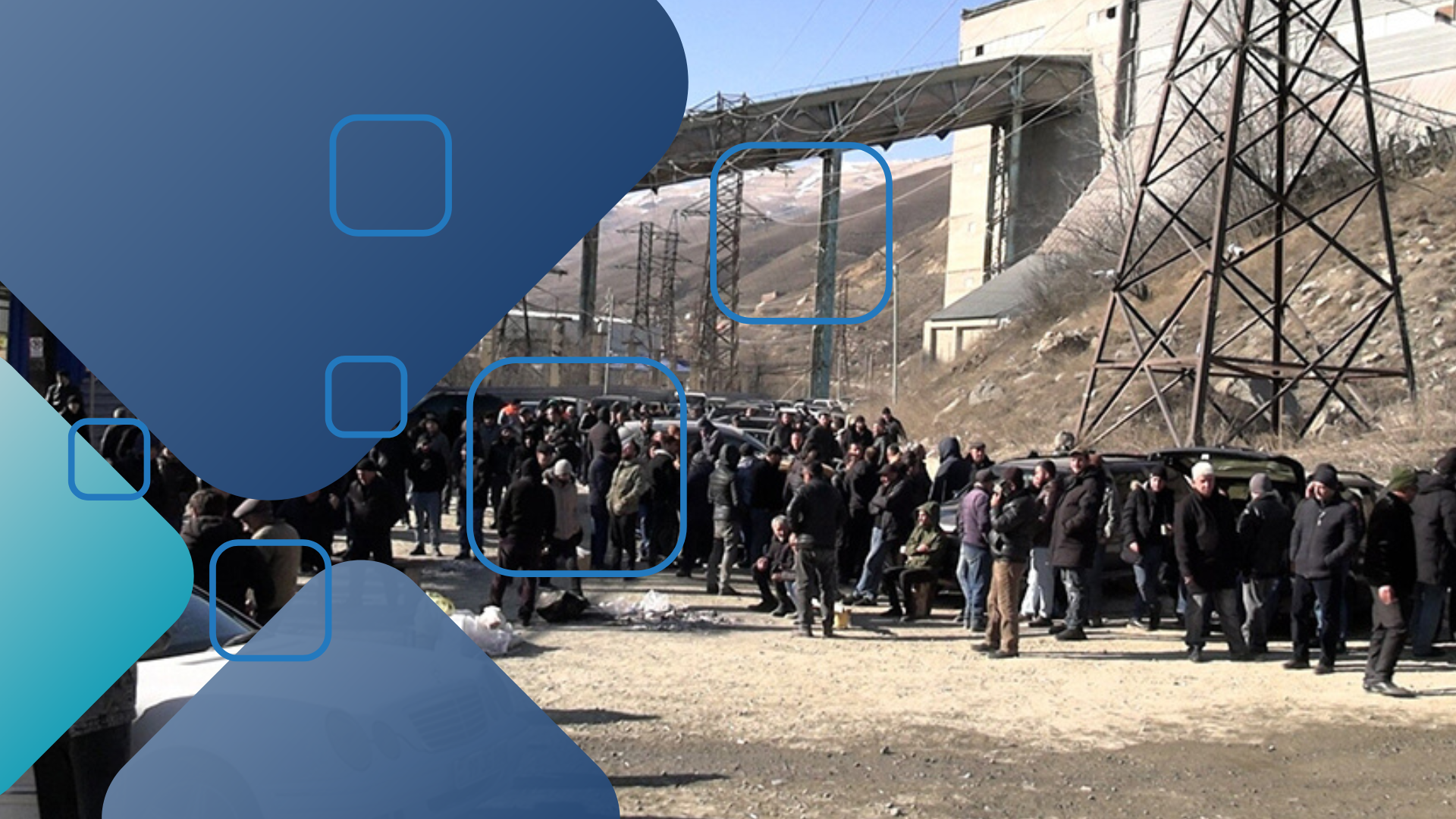
    KAJARAN, Armenia – The Zangezur Copper and Molybdenum Combine (ZCMC) management has announced a series of significant changes to its employee compensation, benefits, and working conditions, following recent strikes and demands for better treatment. The company issued a statement outlining its commitment to addressing employee concerns and urging workers to return to their posts.

    The planned changes include a comprehensive overhaul of the wage system, a new health insurance provider, and significant improvements to workplace infrastructure. The wage review, which began in September 2024, will factor in work experience and qualifications, and will increase the total wage fund by an average of 20%. The new system is expected to be implemented within a month of production resumption.

    Acknowledging employee dissatisfaction with the current health insurance plan, ZCMC will hold an open tender on February 17 to select a new provider. The chosen company will be expected to offer higher quality services that meet employee needs.

    ZCMC also announced plans to modernize its production facilities. Following a technical audit completed in December 2024, the company has begun designing and procuring new ventilation and aspiration systems. These are slated for installation by the end of 2025.

    “Dear employees, we urge you to return to your workplaces,” the ZCMC statement reads. “We can achieve these goals and solve these problems together. ZCMC is a close-knit team, and our common goal is the effective operation of the plant for the benefit of the well-being of employees, the development of the region and the prosperity of Armenia.”

    These announcements come after some ZCMC employees went on strike, demanding a 50% salary increase. The company deemed these demands “unrealistic” and the strikers’ actions as exceeding the bounds of the Labor Code.

    ZCMC is Armenia’s largest mining company, operating the Kajaran copper-molybdenum deposit, which has an estimated ore supply of 150 years. The company is a major contributor to the Armenian economy, consistently ranking among the top taxpayers. In 2024, ZCMC contributed approximately 102 billion drams to the state treasury, a 44% year-on-year increase. This includes 30.2 billion drams in direct taxes and 2.7 billion drams in indirect taxes. In December, Prime Minister Nikol Pashinyan announced that ZCMC had also transferred 33.25 billion drams to the state budget as government dividends, reflecting the government’s shareholder status in the company.

  • KAZ Minerals Sets Processing Record Despite Production Challenges in 2024

    KAZ Minerals Sets Processing Record Despite Production Challenges in 2024

    KAZ Minerals achieved record ore processing volumes in 2024, even as copper production declined due to lower grades at its maturing operations. The Kazakhstan-focused mining company processed 96.5 million tonnes of ore during the year, marking a 6% increase from 2023 and setting a new Group record.

    Andrew Southam, Chief Executive Officer, said: “In 2024, KAZ Minerals set a new milestone by processing 96.5 Mt of ore, a record for the Group and a 6% increase versus 2023. The concentrators at Aktogay and Bozshakol continued to perform above design capacity, highlighting the Group’s commitment to operational excellence.”

    Despite the processing milestone, copper production decreased to 380,000 tonnes in 2024 from 403,000 tonnes in the previous year. The reduction was primarily attributed to lower grades processed across the company’s operations as the ore bodies continue to mature, offsetting the benefits of increased throughput.

    The company also reported decreased production across its by-product portfolio. Output of gold, silver, and zinc declined compared to 2023 levels, as mining activities were conducted in areas with lower polymetallic content.

    On the sales front, KAZ Minerals demonstrated strong performance, with copper sales reaching 387,000 tonnes, exceeding production by 2%. This achievement was attributed to the successful sale of material that had been held in transit at the beginning of the year.

    The company’s ability to maintain high processing rates while managing declining grades underscores its operational capabilities. The continued strong performance of its concentrators at Aktogay and Bozshakol, operating above design capacity, reflects KAZ Minerals’ focus on maximising operational efficiency in the face of natural resource maturation challenges.

  • MINEX Forum in Astana: FDI in Kazakhstan’s Mining & CRMs Takes Center Stage

    MINEX Forum in Astana: FDI in Kazakhstan’s Mining & CRMs Takes Center Stage

    Join here https://2025.minexkazakhstan.com/

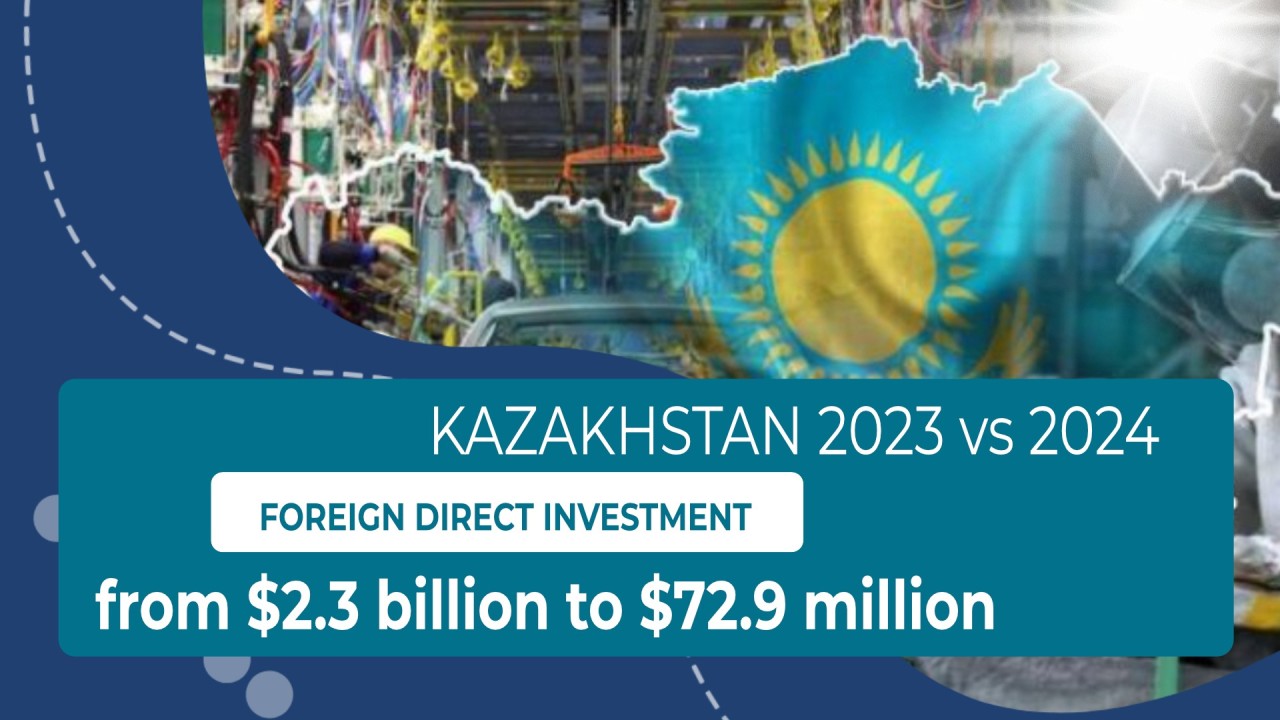
    Foreign direct investment (FDI) in Kazakhstan has experienced an extraordinary 30-fold drop, falling from $2.3 billion to just $72.9 million in the first nine months of 2024, according to data from the National Bank. In response to this dramatic decline, Kazakh Invest, the national agency responsible for promoting foreign investment, has attributed the drop to temporary, cyclical economic factors, stressing that it does not reflect failures in the country’s investment policies.

    Potential Reasons for Decline

    Kazakh Invest explained that the decline is primarily due to global commodity market volatility and changes in investor behavior. Given that the mining sector represents a significant portion of Kazakhstan’s FDI, these external economic shifts are beyond the control of the government.

    Kazakh Invest explained that the National Bank of Kazakhstan withholds data from international investors’ reports due to its obligations towards the International Monetary Fund (IMF) and national legislation. As a result, a significant decline in FDI inflows by 98.4% year-on-year (YoY) was observed, which was primarily attributed to a substantial reduction of 93.4% in reinvested earnings. This could be the outcome of either a decrease in profits earned by foreign enterprises in Kazakhstan or a rise in dividend payments made to international shareholders.

    Kazakh Invest also pointed to the completion of large infrastructure projects, such as the Tengizchevroil Future Growth Project, as another factor behind the reduction. However, the agency views this as a temporary shift, noting that it will allow for increased investment in other promising sectors such as renewable energy, agriculture, logistics, and digital technologies — areas poised for future growth.

    Reasons to be optimistic

    Despite this dip, Kazakh Invest remains optimistic about Kazakhstan’s attractiveness to international investors. According to the United Nations Economic and Social Commission for Asia and the Pacific (ESCAP), Kazakhstan secured $15.7 billion in new investment projects in 2024, an 88% increase from the previous year. The agency also pointed out that Kazakhstan continues to lead the region in new investment volume.

    Expert opinions

    Economist Galymzhan Aitkazin argued that the decline in FDI is more indicative of changing investor interest rather than capital outflows. He emphasised that the completion of the Tengizchevroil project, which contributed significantly to FDI from 2016 to 2024, is a key factor behind the reduced inflows, with the conclusion of its construction phase resulting in a temporary slowdown.

    Government’s FDI strategy

    Kazakh Invest remains committed to attracting foreign investments, reiterating its goal of fostering a favorable business environment. This message aligns with President Kassym-Jomart Tokayev’s call for the development of an integrated ecosystem to bring in “high-quality investments.”

    In the first nine months of 2024, Kazakhstan saw FDI outflows reach $1.5 billion, double the outflows recorded in 2023. However, the net FDI remained negative at -$1.6 billion, though it was an improvement over the previous year’s -$3.2 billion. Despite these fluctuations, analysts caution that FDI figures alone do not fully reflect the health of the investment climate, as they fail to account for capital leaving the country.

    Top investors up to mid-2024

    Russia led foreign direct investment in Kazakhstan as of mid-2024, with inflows of nearly $932 million. However, this represents a decrease of 21.4% compared to the first half of 2023. Other significant investors in Kazakhstan include Singapore, Luxembourg, Switzerland, and Cyprus, focusing primarily on trade, finance, and manufacturing.

    Tax reform 2025 – serious concerns for businesses and experts

    Kazakhstan is considering raising the value-added tax (VAT) rate from 12% to 20%. This proposal was announced at a meeting between Kazakhstan’s Prime Minister Olzhas Bektenov and experts, economists, and business representatives in early January. In addition to increasing the VAT rate, it was also proposed to lower the VAT registration threshold to 15 million tenge per year and reduce special tax regimes. The government justifies the need for these changes due to the budget deficit and reliance on transfers from the National Fund. The situation is further complicated by high current expenditures, which are difficult to reduce without harming the socio-economic well-being of citizens. Some members of the Majilis oppose such a sharp increase in VAT.

    Some experts support these amendments, believing that raising the VAT will help plug holes in the state budget. However, other experts and businessmen oppose this proposal. They are confident that a sharp increase in the VAT rate will lead to higher prices for all products and goods, as well as to an economic slowdown, a decrease in the purchasing power of the population, or even stagnation in the medium term. Experts and businesses suggest focusing on bringing the economy out of the shadows and reducing government spending instead of raising taxes.

    Debated TAX reform raises serious concerns among businesses and experts, even though the government views it as a way to increase budget revenues and safeguard socio-economic interests.

    It is important to note that the issue of raising VAT remains open. The decision to increase VAT has not yet been made, and the discussion on this issue continues. It is crucial to consider all possible consequences of this step to make a balanced and informed decision.

  • Kazakhstan Commits to Expanding Mining Industry and Attracting Investment at the Government GM chaired by President Tokayev

    Kazakhstan Commits to Expanding Mining Industry and Attracting Investment at the Government GM chaired by President Tokayev

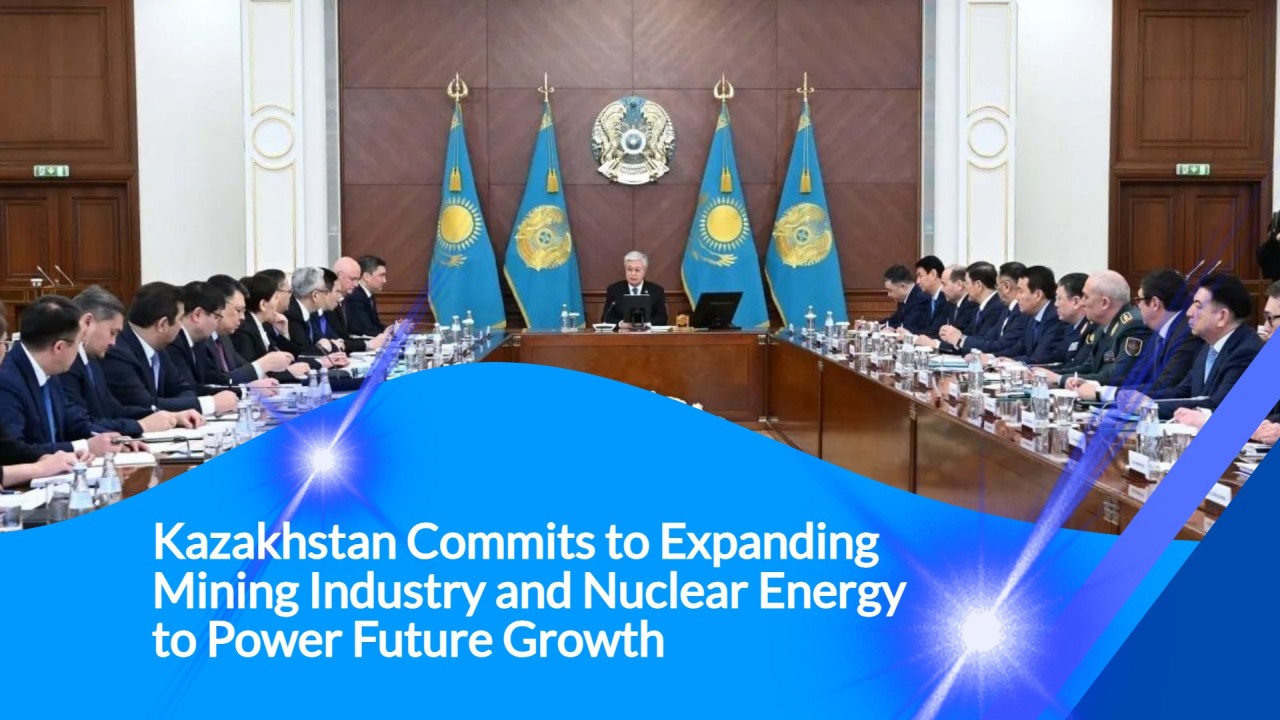
    On 28 January 2025 at the general annual meeting with his Government, President Kasym-Jomart Tokayev outlined Kazakhstan’s dedication to strengthening its mining sector, with a particular focus on energy transition materials, including lithium, copper and uranium. With global demand on the rise, Kazakhstan is seizing this opportunity by offering exiting opportunities to foreign investment and advanced technologies. Major foreign companies are already engaged in geological exploration, and a unified platform has been launched to facilitate the transparent distribution of subsoil use rights.  Tokayev stressed that the legal framework for this platform should be fully established by the end of the current parliamentary session.

    Kazakhstan Focuses on Revitalising Investment Climate Amidst Declining FDI

    In response to slowing foreign direct investment (FDI) flows, President Tokayev has urged the government to attract high-quality investments.  Data reveals a concerning decline in FDI. During the first nine months of 2024, Foreign Direct Investment reached $12.7 billion, a 36% decrease compared to the same period in 2023. Despite a challenging economic environment, Kazakhstan is committed to creating a more attractive investment climate through additional financial incentives and a comprehensive ecosystem that supports investors at all levels. Government support for business ventures should come with clear expectations. President Tokayev outlined: “Investors who receive government assistance must accept reasonable countermeasures, such as job retention, investment in modernisation, and adherence to environmental regulations.”

    Kazakhstan Turns to Nuclear Energy to Power Future Growth

    Kazakhstan’s increased production contributed to a global uranium production growth of 11.7% in 2024, with the country accounting for 37.3% of the total global uranium supply. In 2025 Kazatomprom, Kazakhstan’s national atomic company, plans to produce between 25,000 and 26,500 tons of uranium. This represents an increase of 7 to 14 percent over its 2024 output of 23,270 tons. The country aims to produce higher value-added nuclear products like fuel assemblies, not just natural uranium. This will allow the country to deliver its ambitious goal of creating Nucleal Energy Production in Central Asia.

    President Tokayev emphasised the critical need for Kazakhstan to achieve full self-sufficiency in electricity and establish reserves of 15-20%. The government plans to introduce at least 3 gigawatts of new power capacity over the next two years, with a focus on innovative coal-fired power stations and the construction of Kazakhstan’s first nuclear power plant. These efforts aim to ensure energy supply to all regions and support the country’s commitment to carbon neutrality.


    Discover Kazakhstan’s Mining Potential

    at the 15th MINEX Kazakhstan Forum in Astana on 9-10 April 2025

    Dear Ming Industry Professionals,

    At the heart of these developments is Kazakhstan’s commitment to becoming a global leader in the extraction and processing of uranium, precious metals and critical raw materials – vital resources in the face of rising global demand.

    Don’t miss this chance to explore Kazakhstan’s vast mineral wealth and connect with decision-makers shaping the future of mining in Central Asia.

    We are excited to invite you to the 15th MINEX Kazakhstan Mining and Exploration Forum, taking place on 9-10 April 2025 in Astana, Kazakhstan. This premier event offers unparalleled insights into Kazakhstan’s rapidly evolving mining sector and the country’s ambitious plans for growth and investment.

    MINEX Kazakhstan 2025 will feature:

    • 100+ expert speakers
    • 450+ delegates from 30+ countries
    • 50+ exhibitors showcasing cutting-edge technologies
    • Networking opportunities with key industry stakeholders
    Register before 31 January to save  https://2025.minexkazakhstan.com/registration/

    We look forward to welcoming you in Astana!

  • Kazakhstan’s backing of Geological Exploration in the 2025-27 Budget represents less than 1.6%

    Kazakhstan’s backing of Geological Exploration in the 2025-27 Budget represents less than 1.6%

    Kazakhstan, — ranked 6th globally in mineral diversity — has long prioritised geological exploration and mining investments. However, recent budget allocations indicate a continuing conservative government spending on these sectors relying on private investment. According to government data, private investments in geology over the past five years amounted to $1 billion.

    In the latest budget for 2025-2027 Kazakhstan’s Ministry of Industry and Construction has laid out its financial commitments to the mining industry and geological exploration.

    The budget documentation reveals a target of achieving 82% local content in procurement of works and services by mining complex subsoil users, indicating a continued push toward developing domestic mining services capabilities.

    Key Budget Programs and Subprograms

    1. Budget Program 089: Ensuring Rational and Comprehensive Use of Subsoil and Increasing Geological Study of the Territory of the Republic of Kazakhstan

    • 2023: 10,186,675 thousand KZT ≈ $22,637,056 USD
    • 2024: 9,715,419 thousand KZT ≈ $21,589,820 USD
    • 2025: 9,715,446 thousand KZT ≈ $21,589,880 USD
    • 2026: 9,974,344 thousand KZT ≈ $22,165,209 USD
    • 2027: 10,241,033 thousand KZT ≈ $22,757,851 USD

    2. Subprogram 102: Regional, Geological Survey, Prospecting, Evaluation, and Exploration Works

    • 2023: 8,166,541 thousand KZT ≈ $18,147,869 USD
    • 2024: 7,636,507 thousand KZT ≈ $16,970,016 USD
    • 2025: 7,636,507 thousand KZT ≈ $16,970,016 USD
    • 2026: 7,865,602 thousand KZT ≈ $17,479,116 USD
    • 2027: 8,463,564 thousand KZT ≈ $18,807,920 USD

    3. Subprogram 103: Monitoring Mineral Resources and Groundwater

    • 2023: 576,749 thousand KZT ≈ $1,281,664 USD
    • 2024: 765,125 thousand KZT ≈ $1,700,278 USD
    • 2025: 727,732 thousand KZT ≈ $1,617,182 USD
    • 2026: 788,079 thousand KZT ≈ $1,751,287 USD
    • 2027: 614,485 thousand KZT ≈ $1,365,522 USD

    A Slight Dip in Geological Exploration spending

    The budget document for 2025-2027 reveals a negligent increase in spending on geological exploration and mining development. While the 2026 and 2027 figures show a slight recovery, the overall trend remains downward compared to the 2023 allocation. The most significant reduction was between 2023 and 2024, reflecting a nearly 5% cut in government expenditure on geological surveys and subsoil monitoring.

    The geological exploration budget for 2025, primarily focuses on enhancing the country’s geological knowledge base and improving mineral resource management, will see 9.7 billion tenge ($19 million) directed toward comprehensive subsurface studies and increasing geological coverage. A smaller portion, 257.8 million tenge, has been earmarked for applied research through the U.M. Akhmedsafin Institute.

    Local Content Development

    Mining industry experts suggest that while the geological exploration budget is conservative, the broader industrial development initiatives and focus on local content development could help strengthen the country’s mining ecosystem. However, there are concerns about whether the current level of investment in geological exploration will be sufficient to maintain Kazakhstan’s competitive position in the global mining sector.

    The ministry’s overall budget shows a declining trend from 646.8 billion tenge in 2025 to 406.8 billion tenge in 2027, raising questions about long-term funding stability for geological programs. This comes at a time when many resource-rich nations are increasing their investments in geological surveys and mineral exploration to secure their positions in critical mineral supply chains.

    Comparison with Other Major Mining Jurisdictions

    The allocation represents a concerning trend in Kazakhstan’s commitment to geological exploration, especially when compared to peer jurisdictions.

    • Australia: The Australian government increased its funding for geological surveys in 2024, with an annual budget exceeding AUD $225m million ($156 million), reinforcing its position as a leading mining destination.
    • Canada: The Canadian government committed CAD 1.5 billion ($1.05 billion USD) in 2024 to critical mineral exploration, focusing on lithium, nickel, and rare earth elements.
    • Chile: As a major copper and lithium producer, Chile continues to expand geological exploration funding, securing over $832 million USD in government-led initiatives.

    For a country positioning itself as a major mining jurisdiction, Kazakhstan’s geological exploration budget seems insufficient to drive significant new discoveries. This could impact the pipeline of future mining projects.

    The government emphasises “increasing geological knowledge” and “attracting foreign investment” as priorities, with goals to expand explored territories to 2,247,100 km² by 2027, up from 2,038,100 km² in 2025 and ensure 100% open electronic access to geological information, according to the ministry’s stated objectives. However, industry experts question whether these goals can be met with the current funding levels.

    Broader Industrial Development Context

    The geological exploration budget sits within a larger industrial development framework, where the ministry has allocated 37.8 billion tenge ($83.6 million) for overall industrial development. This includes significant funding for manufacturing projects through the Development Bank of Kazakhstan and support for various industrial initiatives.

    A notable element of the industrial strategy is the allocation of 1 billion tenge ($1,9 million) for the modernisation of Zhezkazganredmet, aimed at improving the processing of metallurgical waste and rare metals production, indicating some attention to mineral processing capabilities despite the limited exploration budget.

    Future Implications

    The ministry’s budget document outlines plans to achieve full digitalisation of geological information access, suggesting a focus on maximising the utility of existing data rather than generating new geological knowledge through field exploration. While this approach might yield short-term efficiencies, industry experts warn that it could lead to a discovery gap in the medium to long term. The reduced investment in new geological surveys might particularly impact the exploration for critical minerals, which are becoming increasingly important in the global transition to green energy.

    The conservative government spending on geological exploration raises several concerns:

    1. Declining Mineral Discovery Rates: Reduced funding for geological surveys may lead to fewer mineral discoveries, limiting the country’s ability to replenish its mineral reserves.
    2. Decreased Foreign Investment: International mining companies prioritize jurisdictions with strong geological knowledge and governmental support. Lower exploration funding could make Kazakhstan less attractive for foreign investors.
    3. Risk to Economic Diversification: The Kazakh government has emphasized economic diversification, but lower spending on mining research contradicts this goal.

    Looking Ahead

    Kazakhstan’s mining sector faces both challenges and opportunities in the coming years. On the one hand, declining ore grades, aging infrastructure, bureaucratic delays, increasing environmental and water scarcity concerns, and the need for greater technological innovation pose significant hurdles. On the other hand, the global demand for critical minerals like copper, lithium, steel and rare earth elements presents a major opportunity for Kazakhstan to expand its mining industry and become a key supplier to the global economy.

    The ministry’s overall budget shows a declining trend, suggesting that unless there’s a significant policy shift, geological exploration funding might remain constrained in the medium term.

    As global demand for minerals continues to grow, particularly for critical minerals essential to the energy transition, Kazakhstan’s decision to maintain a relatively modest geological exploration budget might need reassessment. The country’s rich mineral endowment and strategic location position it well for mining sector growth, but realising this potential may require more substantial investment in basic geological work.

    To fully capitalise on these opportunities, Kazakhstan needs to:

    • Increase investment in geological exploration: Discovering new deposits is crucial for sustaining the mining industry in the long term.
    • Promote technological innovation: Adopting advanced mining techniques and investing in research and development can improve efficiency, reduce environmental impact, and unlock new resources.
    • Strengthen the regulatory framework: A clear, transparent, and stable regulatory environment is essential for attracting both domestic and foreign investment.
    • Develop human capital: Investing in education and training programs can ensure that Kazakhstan has a skilled workforce to support the mining industry.

    By strategically allocating resources and addressing these key challenges, Kazakhstan can solidify its position as a major player in the global mining industry and drive economic growth for years to come.


    Kazakhstan’s mining sector has long been a pillar of its economy, but declining government and private spending on geological exploration could threaten future growth. While global competitors increase spending to enhance their mining sectors, Kazakhstan’s budget cuts raise questions about the country’s long-term strategy in the global mineral market. Without renewed investment in exploration and subsoil research, the nation risks falling behind in the race to secure its position as a top-tier mining jurisdiction.

    MINEX Kazakhstan Mining & Exploration Forum, returns to Astana on 9-10 April 2025, with a sharp focus on geological exploration investment and development strategies.

    The Forum arrives at a critical juncture for Kazakhstan’s mining sector. Recent government budget figures show geological exploration funding will remain at 9.71 billion KZT ($21.5 million USD) for 2025, significantly below peer jurisdictions like Australia ($156 million) and Canada ($1.05 billion). This backdrop sets the stage for crucial discussions on private sector participation and innovative funding approaches in geological exploration.

    “With Kazakhstan aiming to expand its explored territories to 2,247,100 km² by 2027, the need for increased investment and technological innovation in geological exploration has never been more pressing,” states the forum organising committee. “MINEX Kazakhstan 2025 will serve as a vital platform for addressing these challenges and identifying new opportunities.”

    The two-day forum will feature targeted sessions on:

    • Public-private partnerships in geological exploration
    • Digital transformation of exploration activities
    • Critical minerals development
    • Sustainable mining practices
    • Investment frameworks and opportunities

    Call to Action: Shape Kazakhstan’s Mining Future

    MINEX Kazakhstan 2025 is accepting proposals for:

    Speaking Opportunities

    • Technical presentations on exploration projects and technologies
    • Case studies of successful exploration programs
    • Panel discussions on funding mechanisms
    • Innovation showcases

    Exhibition Spaces

    Limited premium spaces are available for companies showcasing:

    • Exploration technologies and services
    • Digital solutions
    • Laboratory and analytical services
    • Environmental management systems

    For the mining community, this forum represents a unique opportunity to influence the future direction of Kazakhstan’s geological exploration sector. With the government emphasising digital access to geological information and modernization of mining operations, industry participation in these discussions is crucial.

    Registration Information

    Early registration is now open with special rates for mining companies, service providers, and academic institutions.

    For participation details, visit https://2025.minexkazakhstan.com/registration/ or contact: kz@minexforum.com

    Join us this April in Astana to contribute to the development of Kazakhstan’s mining sector. Together, we can address the exploration funding gap and unlock the country’s rich mineral potential.

    #MINEXKazakhstan2025 #Mining #Exploration #Kazakhstan #Investment
  • Kazakhstan’s Uranium Industry: From Mining Excellence to Nuclear Power Leadership

    Kazakhstan’s Uranium Industry: From Mining Excellence to Nuclear Power Leadership

    In the heart of Central Asia, a nation known for its vast steppes and abundant natural resources is poised to embark on a transformative journey. Kazakhstan, the world’s leading uranium producer, is taking bold steps towards nuclear power generation, a move that could reshape not only its own energy landscape but potentially that of the entire region.

    A Uranium Powerhouse Looks Inward

    Kazakhstan’s role in the global nuclear fuel cycle is already formidable. Responsible for 43% of global uranium production in 2022 and possessing 12% of the world’s uranium resources, the country has long been a key player in the international atomic energy market. However, until now, Kazakhstan’s involvement has primarily been as a supplier of raw materials rather than a producer of nuclear energy. This is set to change dramatically. President Kassym-Jumart Tokayev has recently emphasised the urgent need for nuclear power plants (NPPs) in Kazakhstan, citing growing energy shortages and the country’s ambitious development goals. The government’s vision extends beyond a single reactor; there are now plans for potentially three NPPs across the country, with the Almaty region likely to host the first.

    Balancing Act: Climate Commitments and Energy Security

    Kazakhstan’s push for nuclear energy is driven by a complex interplay of factors. On one hand, the country has committed to achieving carbon neutrality by 2060, a goal that necessitates a significant shift away from its current reliance on coal, which accounts for about 70% of electricity generation. On the other hand, Kazakhstan faces an existing electricity deficit and increasingly relies on imports to meet its energy needs. The government’s plan to decommission all coal power plants by 2050 adds urgency to the development of alternative baseload power sources. Nuclear energy, with its low carbon footprint and ability to provide consistent power output, emerges as an attractive solution to this dilemma.

    From Skepticism to Support: A Shift in Public Opinion

    The path to nuclear power in Kazakhstan has not been without its challenges. The legacy of the Semipalatinsk nuclear test site and the shadow of the Chernobyl disaster have long bred public skepticism about nuclear energy. Concerns about safety, corruption, and dependence on foreign technology have been persistent themes in the national discourse. However, recent developments suggest a shift in public sentiment. A referendum reportedly saw 70% of voters supporting the construction of NPPs, indicating growing acceptance of nuclear energy as a necessary component of Kazakhstan’s future energy mix.

    The Consortium Approach: Navigating Geopolitical Waters

    As Kazakhstan moves forward with its nuclear ambitions, the formation of an international consortium to construct and operate the plants has emerged as a key strategy. President Tokayev has pointed to Turkey’s Akkuyu nuclear project as a potential model, though experts caution that this approach comes with both opportunities and risks. The choice of reactor vendors and consortium partners presents a complex geopolitical challenge. Russia, France, China, and South Korea are all potential suppliers, each bringing different technical capabilities, financing options, and political considerations to the table. Balancing these factors will be crucial for the success of Kazakhstan’s nuclear program.

    Sanctions and International Partnerships: A Delicate Dance

    The role of Russian participation in Kazakhstan’s nuclear future is particularly complex. While Rosatom, Russia’s state nuclear corporation, isn’t under direct sanctions, many of its subsidiaries and key personnel are affected by international sanctions regimes. This creates potential complications for financing and technology transfer, requiring careful structuring of any Russian involvement to avoid compromising other international partnerships.

    A recent British-Kazakh Society webinar highlighted the multifaceted nature of Kazakhstan’s nuclear ambitions. Experts discussed the potential benefits of an international consortium for construction and operation, but also cautioned against over-reliance on any single partner, particularly given the geopolitical climate and potential sanctions risks. The “Turkish model,” heavily reliant on Rosatom, was cited as a cautionary tale, with its cost overruns and delays due to sanctions-related complications.

    Developing a robust regulatory framework, including an independent nuclear regulator, is paramount. Kazakhstan’s existing status as the world’s leading uranium producer offers leverage in negotiations with technology vendors and the potential to develop higher-value nuclear fuel cycle capabilities domestically. Maximising local content and industrial development will be crucial for long-term economic benefits.

    Building Domestic Capabilities: Beyond Resource Extraction

    Kazakhstan’s nuclear ambitions extend beyond simply generating electricity. The country sees an opportunity to develop its domestic nuclear industry capabilities, moving up the value chain from uranium mining to fuel fabrication and potentially even reactor component manufacturing. A new fuel fabrication plant, with 49% Chinese investment, is already under construction. Kazakhstan is also producing nuclear fuel pellets, adding value to its uranium output. These developments, coupled with the potential for multiple NPP projects, could create economies of scale that justify further investments in local supply chains and workforce development.

    Regulatory Frameworks and Financial Challenges

    As Kazakhstan moves forward, the development of a robust regulatory framework emerges as a critical priority. Currently, the country lacks an independent nuclear regulator, though experts suggest this could be developed following IAEA guidelines. Financing multiple large-scale nuclear projects will also present significant challenges. Nuclear projects are notorious for cost overruns, as exemplified by the UK’s Hinkley Point C. Kazakhstan’s sovereign wealth fund and access to foreign loans will be crucial, but careful financial planning is essential. With Kazakhstan already dedicating over 20% of its budget to debt service, careful financial planning and potentially innovative funding approaches will be necessary to avoid overburdening state resources.

    A Regional Game-Changer

    Kazakhstan’s nuclear power program has implications that extend far beyond its borders. As the first Central Asian nation to embark on such an ambitious nuclear energy plan, Kazakhstan’s success or failure could influence the energy strategies of neighboring countries. Moreover, with both China and Russia having vested interests in Central Asia, Kazakhstan’s nuclear program adds another layer to the complex geopolitical dynamics of the region. As a resource-rich area often seen as a bridge between East and West, Central Asia – and Kazakhstan in particular – must navigate carefully to ensure its energy ambitions don’t become a stage for superpower rivalry.

    Looking to the Future

    As Kazakhstan stands on the brink of a new nuclear era, the path forward is both promising and challenging. Success will require balancing multiple priorities:

    • Developing clear criteria for consortium partners that address both technical and geopolitical considerations
    • Building robust regulatory frameworks aligned with international standards
    • Creating sustainable financing structures
    • Maximising local content and industrial development opportunities
    • Ensuring environmental and safety standards meet international best practices

    The timeline for announcing the initial consortium structure appears to be measured in months rather than years. However, experts emphasise the importance of “hurrying slowly” to ensure a proper foundation for what will be a multi-decade program. Kazakhstan’s nuclear journey is more than just a national energy strategy; it’s a bold step towards redefining the country’s role in the global energy landscape. If successful, it could offer a model for other developing nations seeking to balance energy security, economic development, and climate goals. As the world watches, Kazakhstan prepares to write a new chapter in its history – one powered by the atom and fueled by ambition.

    https://2025.minexkazakhstan.com/

    As Kazakhstan makes strides in its nuclear power ambitions, the uranium mining sector is poised for further growth and transformation. One of the best platforms to explore these prospects is the MINEX Kazakhstan Mining and Exploration Forum, taking place in Astana on April 9-10, 2025. The event offers an excellent opportunity to bring together industry stakeholders, experts, and policymakers to discuss the future of uranium mining in Kazakhstan and its role in the global nuclear landscape.

    A dedicated session on “Kazakhstan’s Uranium Industry: From Mining Excellence to Nuclear Power Leadership” will provide a comprehensive overview of the country’s uranium industry and the potential implications of nuclear power generation on the sector.

    Key topics include:

    • The role of uranium in the global energy transition: Debating the future of nuclear energy and its contribution to decarbonizing the global economy.
    • Kazakhstan’s uranium resources and production outlook: An overview of current operations, exploration activities, and future production potential.
    • The impact of Kazakhstan’s nuclear power program on uranium demand: Analysing how domestic consumption will affect export volumes and global uranium prices.
    • Nuclear Fuel Cycle and Value-Added Production: A deep dive into Kazakhstan’s plans to add value to its uranium resources by expanding into nuclear fuel fabrication, with insights into ongoing and upcoming projects, including the fuel fabrication plant under construction.
    • Investment opportunities in Kazakhstan’s uranium sector: Exploring the role of foreign investment in Kazakhstan’s nuclear ambitions, including joint ventures in uranium mining and fuel production, and the role of international partnerships with China, Russia, and France.
    • Technological advancements in uranium mining and processing: Showcasing innovations that enhance efficiency, safety, and environmental sustainability.
    • Geopolitical factors influencing uranium markets: Assessing the role of international relations, supply chain security, and price volatility.
    • Environmental and Safety Considerations: Addressing the environmental impact of uranium mining and nuclear power, and ensuring that the regulatory framework prioritises safety, sustainability, and adherence to international nuclear standards.
    • The role of uranium in the global energy transition: Debating the future of nuclear energy and its contribution to decarbonizing the global economy.
    • Future Prospects for the Region: Understanding how Kazakhstan’s nuclear power program could affect not only the country but also the wider Central Asian region, potentially positioning Kazakhstan as a leader in nuclear energy development.
    Are you interested in participating in the Forum?

    Please submit speaker proposal via the Forum’s website before 1 March https://2025.minexkazakhstan.com/speaking-opportunities/

    Call to Action: Shape Kazakhstan’s Mining Future

    MINEX Kazakhstan 2025 is accepting proposals for:

    Speaking Opportunities

    • Technical presentations on exploration projects and technologies
    • Case studies of successful exploration programs
    • Panel discussions on funding mechanisms
    • Innovation showcases

    Exhibition Spaces

    Limited premium spaces are available for companies showcasing:

    • Exploration technologies and services
    • Digital solutions
    • Laboratory and analytical services
    • Environmental management systems

    For the mining community, this forum represents a unique opportunity to influence the future direction of Kazakhstan’s geological exploration sector. With the government emphasising digital access to geological information and modernization of mining operations, industry participation in these discussions is crucial.

    Registration Information

    Early registration is now open with special rates for mining companies, service providers, and academic institutions.

    For participation details, visit https://2025.minexkazakhstan.com/registration/ or contact: kz@minexforum.com

    Join us this April in Astana to contribute to the development of Kazakhstan’s mining sector. Together, we can address the exploration funding gap and unlock the country’s rich mineral potential.

    #MINEXKazakhstan2025 #Mining #Exploration #Kazakhstan #Investment

  • Unified Subsoil Use Platform Launched in Kazakhstan

    Unified Subsoil Use Platform Launched in Kazakhstan

    Kazakhstan has launched a unified platform for subsoil use, a digital system streamlining the process from applying for exploration or mining to auctioning and licensing. Kazakh Vice-Minister of Industry and Development Zhannat Dubiyrova announced the launch during a meeting of the Ministry of Industry and Infrastructure Development.

    As of today, 22 state services in the sphere of geology and subsoil use are available on the platform. The system allows potential users to pay their subscription fees directly through the platform.

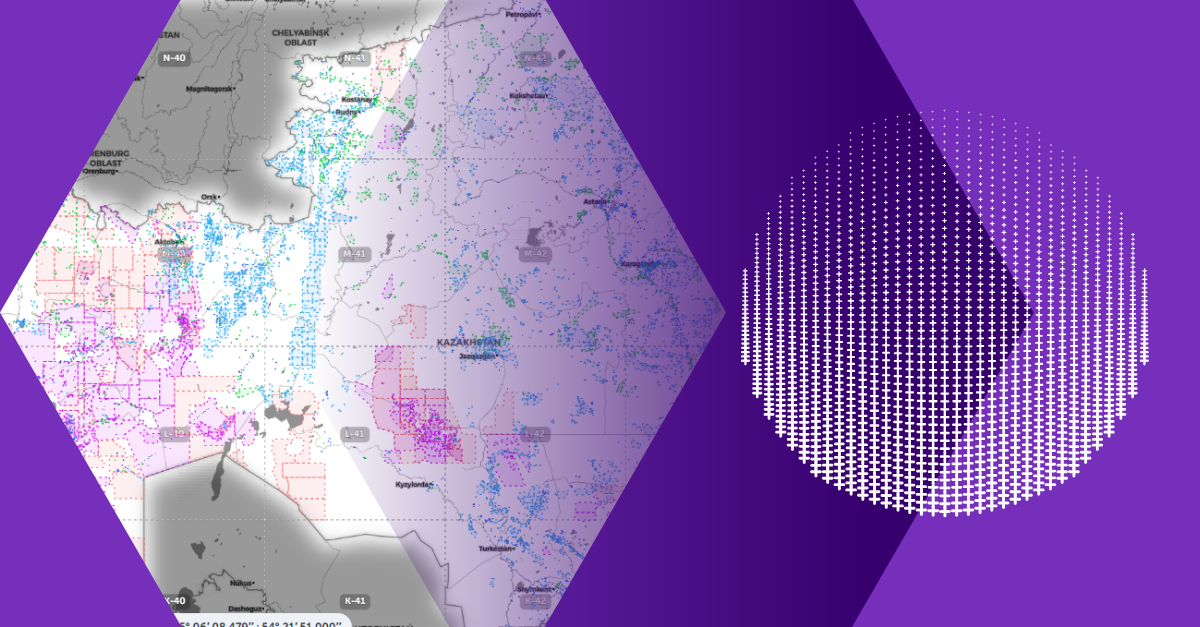
    The interactive map feature on the platform provides a comprehensive picture of the requested area, from infrastructure to geological and geophysical reports.

    Moreover, the platform automates the control process for licenses and contracts related to solid minerals, increasing transparency and efficiency. Previously, this control was conducted manually for 3,000 licenses and contracts.

    The system has also automated the annual reports of subsoil users, eliminating the need for paperwork.

    The Kazakh Government’s National Geological Service has digitized over 56,000 open secondary geological reports to populate the platform.

    The launch of the platform was the result of significant work conducted since July 2024, which included studying international experience, re-engineering business processes, and reviewing system architecture. The project was based on best practices from Finland, Canada, the United Kingdom, and the United Arab Emirates.

    The development of the platform was carried out by the Information and Accounting Center (AIOC) under the Ministry of Finance of the Republic of Kazakhstan. The platform can be accessed at minerals.e-qazyna.kz.

    Since its launch, the platform has processed 506 applications for licenses and other state services in the digital format. In January 2025, the platform successfully held auctions for 21 mining sites, with over 50 companies participating. The total subscription bonus payment was 20.069 billion tenges.

    Thus, the launch of the Unified Platform for Subsoil Use marks an important milestone in the geology and subsoil use sector, elevating the interaction between state authorities and subsoil users to a new level, ensuring transparency and control over subsoil resources.

    Main Photograph: A screenshot of the Unified Platform for Subsoil Use in Kazakhstan