Website: Kazakhstan.com

  • Kazakhstan’s Mining Industry: A Balancing Act Between Modernisation and Control

    Kazakhstan’s Mining Industry: A Balancing Act Between Modernisation and Control

    Source: Mining Kazakhstan 2025 review by Haller Lomax LLP. This article is provided for informational purposes only and does not constitute legal advice. For legal advice regarding the mining industry in Kazakhstan, please consult with Haller Lomax LLP directly.


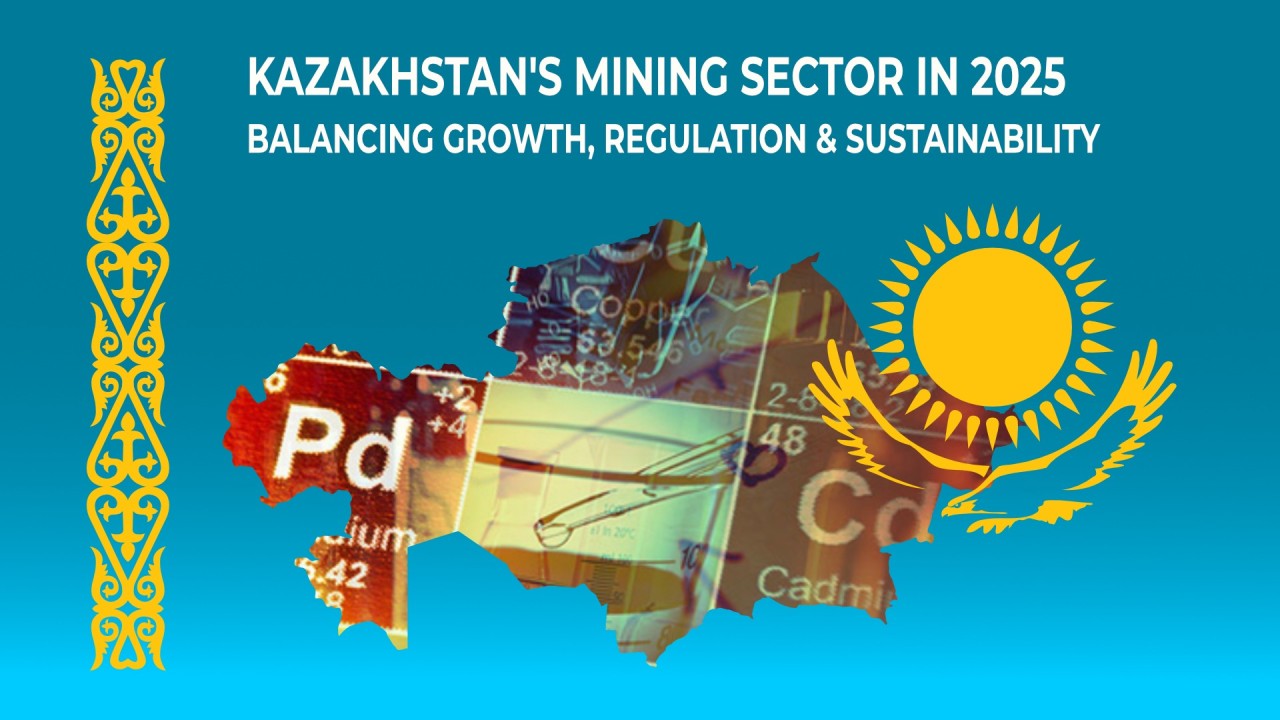
    Kazakhstan, a global leader in the mining of uranium, chromite, coal, copper, gold, and zinc, is at a pivotal juncture as it seeks to modernise its mining sector amid regulatory reforms, environmental concerns, and shifting geopolitical dynamics. With mining contributing 13.2% to the country’s GDP in the first three quarters of 2024, the industry remains a cornerstone of Kazakhstan’s economy. Over the past six years, significant investments in geological exploration, exceeding USD 1 billion, have poured into the sector, spurred by legislative reforms under the Subsoil and Subsoil Use Code (SSU Code). This influx of capital has led to the discovery and development of substantial reserves of vital resources, including iron, manganese, gold, uranium, and hydrocarbons, while simultaneously promoting the adoption of cutting-edge technologies to modernise both exploration and extraction. However, the nation faces significant challenges in balancing economic growth with sustainable development and investor confidence, requiring careful navigation to ensure sustainable growth.

    Navigating a Shifting Regulatory Landscape:

    Kazakhstan is undergoing a significant regulatory transformation aimed at bolstering transparency, efficiency, and investment attractiveness within its mining sector. Several key trends are shaping this evolution:

    • Expanding Exploration Horizons: The government’s initiative to open all regions for exploration activities is a significant step towards broadening investor participation. The planned auctioning of existing and returned deposits further emphasises transparency in resource allocation, potentially leveling the playing field for small and medium-sized investors.
    • Digitalising Licensing: The Ministry of Industry and Construction (MIC) has embraced digitalisation, streamlining application processes and reducing bureaucratic bottlenecks through an online licensing system. The launch of the minerals.e-qazyna.kz platform in November 2024 offers subsoil users access to geological data, license information, and an interactive map, fostering transparency and efficiency. This system promises to simplify onboarding for investors, minimize administrative delays, and cultivate a more business-friendly environment.
    • The National Geological Survey (NGS): Established in 2021 under President Tokayev’s directive, the NGS aims to centralize and digitize geological data, making archived records accessible to investors. With 40% of archives, spanning from the Soviet era to present-day data, already digitized by 2023, the NGS is unlocking a wealth of geological insights that could spark new exploration ventures and refine resource estimation.

    Challenges and Concerns Amidst Reform:

    While these reforms hold considerable promise, recent legislative developments have sparked concerns among industry stakeholders. The process of legislative change has been criticised for lacking extensive discussion and analysis, potentially compromising inclusivity and leading to unpredictable regulatory environments. Specific concerns include:

    • Contentious Legislative Reviews: At the heart of Kazakhstan’s efforts to streamline its mining sector is the Code on Subsoil and Subsoil Use (SSU Code) , enacted in 2018. This landmark legislation introduced a “first come, first served” licensing mechanism, drawing inspiration from Western Australian and Canadian mining laws. By opening up exploration opportunities on this basis, Kazakhstan aims to attract foreign investment and enhance transparency in its mining industry. The SSU Code also distinguishes between regulatory frameworks for solid minerals and hydrocarbons, providing clarity for investors. Additionally, it mandates the use of the KAZRC reporting standard for mineral resources and reserves, aligning Kazakhstan with international best practices. Despite these advancements, the transition period allowing Soviet-era reporting standards has been extended to January 2026, reflecting the complexities of adopting new systems.
    • However, frequent changes to tax legislation and regulatory frameworks have raised concerns among investors. According to the Fraser Institute’s 2023 Annual Survey of Mining Companies, Kazakhstan ranked 79th out of 86 countries in terms of investment attractiveness, largely due to perceived political instability and inconsistent policy implementation. To address these issues, the government is developing a new tax code, slated for adoption by late 2025, which could provide much-needed stability.
    • Environmental Concerns: Environmental protection is another critical focus for Kazakhstan’s mining sector. The Environmental Code , introduced in 2021, emphasises the “polluter pays” principle and requires companies to adopt best available technologies to minimize their ecological footprint. Mining activities classified as Category I or II facilities—those with significant or moderate environmental impacts—must obtain integrated environmental permits, while smaller operations are subject to less stringent regulations. Despite these measures, environmental enforcement remains a challenge. Illegal mining continues to pose risks, with authorities detecting 77 cases in 2023 using advanced satellite monitoring. Penalties for illegal mining include hefty fines and potential criminal liability, underscoring the government’s commitment to curbing illicit activities. Community relations are equally vital. While public hearings are mandatory for mining projects, there is no explicit obligation to incorporate community feedback into project designs. Nevertheless, leading mining companies like Eurasian Resources Group and Kazzinc have set positive examples by investing in local infrastructure, including schools, hospitals, and sports complexes. These initiatives not only improve living standards but also foster goodwill among affected communities.A proposed new water code could introduce stringent restrictions on activities near water bodies, potentially impacting mining operations and increasing costs.

    Climate Change and Sustainable Development

    • As part of its broader sustainability agenda, Kazakhstan has committed to reducing its carbon balance by at least 15% from 1990 levels by 2030 and achieving hydrocarbon neutrality by 2060. The government has ratified key international treaties, such as the Paris Climate Agreement, and introduced carbon quotas for industries emitting over 20,000 tons of CO₂ annually. The Concept of Transition to the Green Economy , adopted in 2013, outlines ambitious goals for resource efficiency, infrastructure modernization, and water security. Although rich in “energy-transition minerals,” specific legislative initiatives for these resources are still developing. The 2024-2028 Comprehensive Plan for the Development of the Rare and Rare Earth Metals Industry signals a move towards capitalising on this potential. Projects aimed at constructing reservoirs, upgrading irrigation systems, and building wastewater treatment plants are underway to address water scarcity—a pressing issue in Central Asia. Mining companies are encouraged to contribute to these efforts through agreements on socio-economic development. For instance, holders of exploration and mining licenses must allocate rental fees directly to local budgets, supporting regional development. Furthermore, agreements on investment commitments offer tax incentives for projects that promote sustainable practices, such as establishing processing facilities for solid minerals.
    • Reintroduction of Government Oversight: Amendments reintroducing the government’s authority to review compliance with rational and complex subsoil use principles could lead to increased bureaucratic oversight and potential delays. This directly impacts the approval mechanisms for annual production volume, methods used, and other key performance parameters of mining operations.
    • Local Content Requirements and State Priority: Proposed measures mandating mining companies to procure more local goods, works, and services, coupled with the threat of substantial fines for non-compliance, and the potential restoration of Tau-Ken-Samruk’s priority right to exploration and mining licenses, could undermine progress made under the SSU Code and deter international investment by increasing bureaucratic hurdles and legal risks.
    • Resource Classification Standards Debate: Discussions surrounding the potential repeal of CRIRSCO resource and reserves reporting standards in favor of Soviet-era systems could undermine the government’s efforts to attract investment. Reverting to outdated standards would create uncertainty for international investors accustomed to globally recognized frameworks.

    Fiscal and Environmental Pressures:

    Beyond regulatory challenges, the mining industry faces increasing fiscal and environmental pressures:

    • Taxation and Local Content: Increased subsoil use tax rates and stricter local content requirements, while aimed at boosting domestic manufacturing, could increase costs and reduce the competitiveness of Kazakhstan’s mining sector.
    • Water Scarcity and the Water Code: The proposed Water Code, reflecting concerns about water scarcity, could impose restrictive measures on mining activities near water bodies, increasing operational costs and complicating project implementation.
    • Stricter Environmental Policies: The growing emphasis on environmental sustainability necessitates stricter environmental policies, requiring mining companies to invest in environmental management systems, emissions-reduction technologies, and biodiversity conservation programs.

    Uranium Mining and Technological Advancements:

    Kazakhstan’s uranium mining sector, a strategic priority, is experiencing its own set of dynamics:

    • Kazatomprom’s Monopoly: Reserving all uranium prospective areas and unmined deposits exclusively for Kazatomprom ensures centralised oversight and maximizes state benefits but may limit private investor participation and potentially slow innovation.
    • Technological Innovation: Despite these constraints, the sector is witnessing significant technological advancements, including modernisation of exploration techniques, automation and digitalisation in extraction, and the integration of renewable energy sources.

    Foreign Investment and Community Engagement:

    Kazakhstan’s mining sector continues to attract foreign investment, primarily from China, Russia, Canada, Turkey, UK and Australia. However, regulatory uncertainty and increased taxation could impact future inflows. Maintaining a stable and predictable legal environment is crucial for sustaining investor confidence. Furthermore, mining companies are increasingly focusing on corporate social responsibility (CSR) initiatives, engaging with local communities through infrastructure development, education, and environmental stewardship.

    Outlook for the Next Two Years:

    Looking ahead, Kazakhstan’s mining sector will be shaped by ongoing legislative debates and the effectiveness of regulatory reforms. A proposed water code, expected to impose stricter restrictions near water bodies, could significantly impact mining operations. If enacted, these measures may increase costs and complicate project viability, particularly for water-intensive processes.

    Investor confidence will depend on the government’s ability to strike a balance between regulatory oversight and market-driven principles. While some reforms promise greater transparency and modernisation, the reintroduction of centralised mechanisms risks undermining trust.

    While digitalisation and increased transparency in licensing hold promise, the reintroduction of regulatory unpredictability and the potential strengthening of monopolies could hinder progress. Balancing governmental oversight with market-driven principles, fostering stability and clarity in the regulatory framework, and addressing environmental and social concerns are essential for the sector’s long-term success. By embracing innovation, engaging with stakeholders, and navigating these challenges effectively, Kazakhstan’s mining industry can continue to be a cornerstone of its economy and a key player on the global stage.


    Disclaimer: This article is provided for informational purposes only and does not constitute legal advice. For legal advice regarding the mining industry in Kazakhstan, please consult with Haller Lomax LLP directly.
  • Kazakhstan Seeks Innovation With New “Science-Industry” Format

    Kazakhstan Seeks Innovation With New “Science-Industry” Format

    Kazakhstan is taking a bold step towards bridging the gap between academia and industry with a new format of “scientific-technical sessions” aimed at driving innovation in key sectors.

    The inaugural session, focusing on “Modern Methods of Leaching and Prospects for their Application in the Mining and Metallurgical Industry of Kazakhstan,” was held on 11 February at Karaganda Technical University. Organised with support from the Ministry of Science and Higher Education and leading mining corporation “Kazakhmys,” the event brought together scientists, experts, and industry representatives to explore cutting-edge technologies in hydrometallurgy.

    “These scientific-technical sessions represent a new paradigm for the interaction between science and industry,” emphasised Minister of Science and Higher Education, Sayasat Nurbek, during the opening ceremony.

    New Funding Models and Collaboration

    Besides promoting collaboration, the event signified a shift in how Kazakhstan finances its scientific research. Minister Nurbek highlighted this new approach, stating, “We are moving towards a model where our researchers, institutes, and universities work directly with large enterprises. The goal is to identify real-world problems and develop solutions that directly benefit these industries.”

    He cited several successful examples of this model in action, emphasizing its potential to propel Kazakhstan’s leading companies into a new technological era.

    The culmination of the event was the presentation of these prototypes and project solutions, demonstrating the tangible outcomes of this innovative approach to science-industry collaboration.

  • Arras Minerals Announces Encouraging Drilling Results at Elemes Project in Kazakhstan

    Arras Minerals Announces Encouraging Drilling Results at Elemes Project in Kazakhstan

    Arras Minerals Corp. (TSX-V: ARK, OTCQB: ARRKF) has announced the results from the final five drill holes of its initial Phase 1 program at the Berezski target on its Elemes project in Northeast Kazakhstan. The results confirm the presence of significant copper-gold porphyry and epithermal-style mineralization, further bolstering the project’s potential.

    The Elemes project is strategically located in the Bozshakol-Chingiz Magmatic arc, near Kaz Minerals’ Bozshakol Copper Mine, a major operation producing substantial amounts of copper and gold. Arras’s Phase 1 drilling program targeted geophysical and geochemical anomalies identified through extensive exploration work, including airborne magnetic surveys, ground IP surveys, and soil sampling.

    Key Highlights from the Final Drill Holes:

    • EL24005: A remarkable 547m intercept grading 0.70% copper equivalent (CuEq), including higher-grade sections up to 1.15% CuEq, starting near surface. The hole ended in strong mineralization, suggesting further potential at depth.
    • EL24006: 56m grading 0.68% CuEq, including a 20m section at 1.02% CuEq, indicating another porphyry center approximately 1km west of EL24005.
    • EL24010 & EL24011: While these holes returned lower grades, they provided valuable geological information, indicating the periphery of a porphyry system and helping guide future exploration.

    CEO’s Perspective:

    Tim Barry, CEO of Arras Minerals, expressed enthusiasm about the Phase 1 results. He highlighted the strong indications of another porphyry center at Berezski, particularly the high-grade intercepts in EL24005 and the discovery of porphyry-style mineralization in EL24006. Barry emphasized the significant exploration potential remaining at Berezski, with approximately 90% of the target still untested.

    Phase 2 Exploration Plans:

    Arras is already planning a Phase 2 program, subject to financing, which will include:

    • Ground magnetic surveys at Berezski and Aimandai.
    • Detailed analysis of soil samples.
    • Approximately 20,000m of drilling at Berezski.
    • Initial IP surveys and approximately 5,000m of drilling at the Aimandai target.

    President’s Commentary:

    Darren Klinck, President of Arras Minerals, echoed Barry’s excitement and highlighted the team’s successful exploration efforts. He noted the two high-priority target areas at Berezski and the potential for new discoveries within the large, prospective land package. Klinck also mentioned the planned exploration at the Aimandai target, a 14km copper-in-soil anomaly. He added that Arras is well positioned to have multiple drill rigs operating across its license package in the coming year.

  • Daugyztau Mine Modernises with State-of-the-Art Crushing & Conveyor System

    Daugyztau Mine Modernises with State-of-the-Art Crushing & Conveyor System

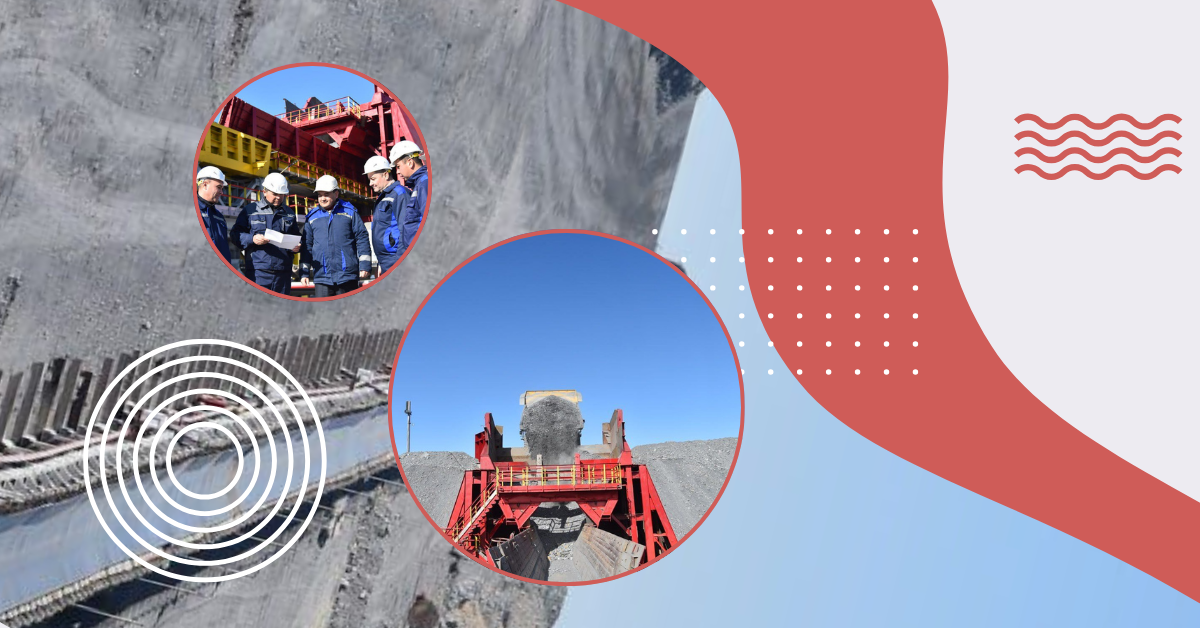
    Navoi Mining and Metallurgical Company (NMMC) has unveiled a groundbreaking 1,900-meter crusher and conveyor complex at its Daugyztau mine, marking a significant technological advancement in its operations.

    The innovative system delivers multiple operational benefits, including shortened rock mass transportation routes, reduced fuel consumption, and enhanced workforce efficiency. This upgrade comes at a crucial time, as the mine has seen its production capacity expand by 250% in recent years.

    Constructed using 5,000 tons of metal structures, this substantial infrastructure investment positions Daugyztau for improved operational performance and increased production output. The modern complex represents NMMC’s commitment to technological advancement and operational excellence in mining.

    The project underscores NMMC’s dedication to modernizing its mining operations through strategic infrastructure investments, paving the way for sustainable growth and improved efficiency at the Daugyztau site.

  • Pallas Resources partners with Ivanhoe Mines to explore Kazakhstan’s untapped copper potential

    Pallas Resources partners with Ivanhoe Mines to explore Kazakhstan’s untapped copper potential

    Pallas Resources Limited, a Central Asian explorer, has announced a strategic alliance and joint venture agreement with Ivanhoe Mines, a leading global copper explorer and producer, to explore the vast copper potential within Kazakhstan’s Chu-Sarysu Basin.

    This significant partnership aims to unlock the potential of one of the world’s largest and most promising sediment-hosted copper basins, which boasts an estimated 27 million tonnes of known copper with an additional 25 million tonnes remaining undiscovered.

    Key Highlights:

    • Dominant Land Holding: The alliance controls over 16,000 square kilometers of highly prospective land within the basin, making it the largest landholding position in the region.
    • Strategic Funding: Ivanhoe Mines will initially sole-fund $18.7 million over two years, with an option to invest up to $115 million over four years to earn a 51% stake in the joint ventures.
    • Focused Exploration: The partnership will focus on large-scale geophysics, reconnaissance mapping, and geochemical campaigns to identify high-potential targets.
    • World-Class Expertise: The alliance combines Pallas’ extensive datasets and local knowledge with Ivanhoe Mines’ world-renowned expertise in sediment-hosted copper exploration, demonstrated by their discovery of the Kamoa-Kakula complex – now the third largest copper mine globally.

    Strong Belief in Kazakhstan’s Potential:

    Simon Cooper, CEO of Pallas Resources, expressed confidence in Kazakhstan’s mineral potential: “This partnership represents a significant commitment to greenfields exploration at a time when the sector remains hesitant to take such bold steps. We are convinced that Kazakhstan holds the potential for multiple major new mineral discoveries.”

    Robert Friedland, Co-Chairman of Ivanhoe Mines, emphasized the strategic significance of the venture: “This partnership marks an exceptional opportunity for Ivanhoe to leverage our expertise in one of the world’s most prospective sedimentary copper basins.” He added, “With our unwavering commitment to sustainable development, we aim to create lasting economic opportunities for Kazakhstan and its communities.”

    Next Steps:

    Pallas and Ivanhoe Mines are actively preparing for the 2025 field season, with detailed information on specific project areas to be released shortly.

    About Pallas Resources:

    Pallas Resources is a Central Asian explorer specializing in identifying large-scale mineral systems in underexplored regions of Central Asia, primarily Kazakhstan.

    About Ivanhoe Mines:

    Ivanhoe Mines is a Canadian mining company focused on developing its sophisticated copper, nickel, palladium and zinc projects in Southern Africa.

  • Central Asia in Focus: U.S. Senators Call for Increased Engagement

    Central Asia in Focus: U.S. Senators Call for Increased Engagement

    In a move that could redefine U.S. relations with Central Asia, the Trump administration is signaling readiness to repeal the decades-old Jackson-Vanik Amendment, a Cold War-era trade restriction that has long hindered stronger economic ties with the region. The potential policy shift, highlighted during the recent Senate confirmation hearing for then-designate Secretary of State Marco Rubio, could pave the way for expanded cooperation on trade, energy, critical minerals, and counterterrorism efforts in a strategically vital part of the world.

    A Long-Overdue Repeal

    The Jackson-Vanik Amendment, originally enacted in 1974, was designed to pressure nonmarket economies—primarily the Soviet Union—to allow freedom of emigration by imposing trade barriers. While most former Soviet republics have since been exempted from its provisions, five Central Asian nations—Kazakhstan, Uzbekistan, Tajikistan, Turkmenistan, and Azerbaijan—remain subject to its restrictions. Critics argue that the amendment is an outdated relic with no relevance to today’s geopolitical realities.

    During his confirmation hearing, Senator Steve Daines (R-MT) pressed Rubio on the need to repeal Jackson-Vanik, emphasizing its negative impact on U.S.-Central Asia relations. Rubio appeared to agree, calling the amendment “an absurd relic of the past.” This bipartisan acknowledgment signals growing momentum for legislative action, particularly as lawmakers like Senators Chris Murphy (D-CT) and Todd Young (R-IN), along with Representative Jimmy Panetta (D-CA), have already introduced bills aimed at granting permanent normal trade relations (PNTR) to key Central Asian states.

    Repealing Jackson-Vanik would not only remove unnecessary trade barriers but also position the United States as a more attractive partner for investment and collaboration in a region increasingly dominated by Russia and China.

    Strategic Opportunities Abound

    Central Asia, home to resource-rich nations like Kazakhstan and Uzbekistan, offers immense untapped potential for U.S. businesses and strategic interests. Kazakhstan, the region’s largest economy, is spearheading the development of the Trans-Caspian International Transport Route, or “Middle Corridor,” which aims to connect Europe and Asia via rail and maritime links while bypassing Russia. Strengthening U.S. involvement in this initiative could bolster European energy security and reduce Moscow’s influence over global markets.

    Kazakhstan also holds significant reserves of rare earth elements—critical components for green energy technologies and advanced electronics. Currently, China dominates global production and processing of these materials, controlling over 85% of the supply chain. By establishing PNTR and fostering closer trade ties with Kazakhstan, the United States could diversify its sources of critical minerals and reduce reliance on Beijing.

    Similarly, Uzbekistan, under President Shavkat Mirziyoyev’s reformist leadership, is opening its doors to foreign investors and seeking to modernize its rapidly growing economy. Tashkent recently signed an agreement with Washington to support its bid to join the World Trade Organization (WTO). With PNTR status, Uzbekistan could emerge as a competitive hub for IT exports, rivaling Eastern Europe and India.

    Countering Russian and Chinese Influence

    Beyond economics, deeper engagement with Central Asia aligns with broader U.S. goals of countering Russian and Chinese dominance in the region. Beijing’s Belt and Road Initiative (BRI) has financed infrastructure projects across Central Asia, often saddling countries with unsustainable debt. For instance, Kyrgyzstan owes nearly 37% of its external liabilities to China’s Export-Import Bank. By offering high-quality alternatives through public-private partnerships and financing mechanisms like the U.S. International Development Finance Corporation (DFC), Washington can provide Central Asian nations with viable alternatives to predatory lending practices.

    Energy diplomacy presents another avenue for U.S. influence. Supporting projects such as an undersea gas pipeline from Turkmenistan to Azerbaijan could unlock new routes for hydrocarbon exports to Europe, driving down energy prices and aiding industrial revitalization. Such initiatives align with President Trump’s vision of reducing Russia’s stranglehold on European energy markets.

    A Historic Presidential Visit?

    Looking ahead, experts suggest that President Trump should consider making a landmark visit to Central Asia—the first by a sitting U.S. president. Such a trip could yield tangible outcomes, including deals on energy cooperation, mining rights for critical minerals, and enhanced trade agreements. Given Kazakhstan’s vast reserves of rare earth elements, a bilateral agreement on mineral extraction could serve as a major diplomatic win.

    Counterterrorism Collaboration

    Finally, Central Asia remains a crucial front in the fight against terrorism, especially given its proximity to Afghanistan. With U.S. troops having withdrawn from Afghanistan in 2021, regional partners are essential for intelligence sharing, border security, and counter-radicalization efforts. Facilitating regional cooperation among Central Asian states on counterterrorism initiatives would further stabilize the area and protect U.S. national security interests.

    A Policy Shift Long Overdue

    As the Trump administration contemplates its approach to Central Asia, repealing the Jackson-Vanik Amendment represents a practical and symbolic starting point. By removing outdated barriers and embracing opportunities for collaboration, the United States can strengthen its presence in a region where it has historically lagged behind competitors like Russia and China.

    For Central Asian leaders eager to diversify their international partnerships, the prospect of closer ties with Washington offers hope for economic growth and greater geopolitical balance. And for the United States, engaging more deeply with Central Asia promises both immediate economic benefits and long-term strategic advantages.

  • Illegal Mining Operation Uncovered in Kostanay Region

    Illegal Mining Operation Uncovered in Kostanay Region

    Authorities in Kostanay Region’s Zhitikara District have halted an illegal precious metal mining operation on agricultural land, according to inbusiness.kz, citing Kazakhstan’s Ministry of Agriculture.

    Investigations revealed that a local LLP had acquired the land rights under the designation “for agricultural production.” However, instead of farming, the company illegally extracted precious metals by washing soil.

    Regulatory and law enforcement agencies discovered prospectors, along with specialized machinery, metal detectors, and other mining tools, actively engaged in the unauthorized extraction of minerals.

    Additionally, authorities recorded the destruction of fertile soil layers. As a result, the Department for Land Resources Management of Kostanay Region imposed a fine of 2.6 million tenge on the violators. The company has also been ordered to restore the damaged soil caused by its illegal activities.

  • Kazakhstan’s Unified Subsoil Use Platform Processes 506 Applications

    Kazakhstan’s Unified Subsoil Use Platform Processes 506 Applications

    Since the launch of minerals.e-qazyna.kz, authorities have processed 506 applications from subsoil users for geological exploration, mining, and other state services. This was announced during an expanded meeting of the Ministry of Industry and Construction of Kazakhstan.

    According to Vice Minister of Industry Zhanat Dubirova, by 2025, the Unified Subsoil Use Platform (USP) will offer a seamless process, from application submission to auction participation and license issuance for exploration or extraction.

    The official noted that the full launch of the USP in early 2024 was the result of extensive work since July 2024. Developers analyzed international geological portals from Canada, the UK, Finland, and the UAE, redesigned business processes, and restructured the platform’s architecture.

    Currently, the website provides 22 state services in geology and subsoil use. To facilitate transactions, an “electronic wallet” service has been introduced, allowing companies to pay subscription bonuses directly on the platform.

    The National Geological Service has digitized and uploaded approximately 56,200 secondary geological reports. Additionally, the monitoring of contractual obligations for solid mineral deposits and the submission of annual reports by exploration and mining companies has been automated.

    In January 2024, the USP auctioned 26 subsoil plots, with investors acquiring 21, generating 20.69 billion tenge in revenue.

  • 12 Gold Mining Companies Acquire 31 Gold-Bearing sites in Navoi

    12 Gold Mining Companies Acquire 31 Gold-Bearing sites in Navoi

    A fierce competition for gold-bearing land unfolded on 4th February as 12 companies participated in an electronic auction for 31 sites in the Navoi region of Uzbekistan. The auction, held on the E-auksion platform, saw intense bidding, with one lot’s price skyrocketing 110 times its initial value after a 10-hour battle.

    Initially, the plots were listed at prices ranging from 26.3 million UZS ($2,190) to 52.5 million UZS ($4,375). Due to fierce competition, prices rose sharply, and the 31 plots were sold for a total of 25.1 billion UZS ($2.09 million), which is 23 times their combined starting value.

    The most expensive plot sold was the Sop-10/24 site in the Nurota district. After more than 10 hours of bidding, Xinlong Mining Drilling won the lot for 3.6 billion UZS ($300,000), 110 times higher than the initial price. This company also acquired the second most expensive gold plot, Sop-14/24, for 1.9 billion UZS ($158,333) after 183 bidding rounds. In total, Xinlong Mining Drilling secured rights to eight gold sites for 9.1 billion UZS ($758,333).

    Other notable purchases include:

    • Neo Gold Mining: 4 plots for 2.7 billion UZS ($225,000)
    • Zhonghuitong Mining Group: 4 sites for 1.13 billion UZS ($94,167)
    • Golden Diggers: 3 plots for 3.24 billion UZS ($270,000)

    Several companies won two lots each: Ipotekaon, King of Gold Mining, Samnurgold, and YVN Gold. AAA Human, Golden SPV One, Kamron Mir Gold, and Orom Medical Center each secured one plot.

    The auctions were highly competitive, with some lots seeing over 200 bidding rounds. Winners have gained rights to extract gold from these areas using artisanal mining methods, as required by current legislation.

    This auction highlights the growing interest in Uzbekistan’s gold mining sector and the potential for significant investments in the Navoi region’s mineral resources.

  • Uzbekistan’s Gold and Currency Reserves Increase in January 2025

    Uzbekistan’s Gold and Currency Reserves Increase in January 2025

    In January 2025, Uzbekistan’s foreign exchange reserves experienced growth, as reported by the Central Bank. According to the data, the total value of assets in reserves reached $42.9 billion by February 1st, which is a $1.72 billion (4.17%) increase compared to the previous month. The value of gold rose by $3.02 billion, reaching $35.06 billion. This increase is attributed to the rise in global prices for the precious metal, with the price per troy ounce approaching $2900. Additionally, the physical volume of gold reserves also increased from 382.57 tons (12.3 million troy ounces) to 391.9 tons (12.6 million troy ounces). However, the country’s foreign currency reserves decreased by $1.29 billion, falling below $7.3 billion. Of these, $442.3 million are held in accounts with other central banks and the International Monetary Fund, while $6.75 billion are in foreign commercial banks.