Solidcore Resources reported a significant decline in gold-equivalent output for Q1 2025, producing 68,000 ounces — a 42% decrease compared to the same period last year. The company attributed the shortfall to delays in shipping concentrates from the Bakyrchik deposit (part of the Kyzyl project) to the Amur Hydrometallurgical Plant.
In its statement, Solidcore highlighted ongoing “operational challenges” at the plant in Russia’s Khabarovsk region due to international sanctions. Last year, the company divested its Russian assets to Mangazeya Mining.
As Solidcore prepares to launch the Irtysh Hydrometallurgical Complex in Kazakhstan’s Pavlodar region, it remains reliant on Russian facilities for processing its complex refractory and double-refractory ores. As a result, 41,000 ounces of gold in concentrate have accumulated over the quarter, with shipments to Amursk now expected to resume in May.
The production drop was accompanied by a steep fall in sales: only 38,000 ounces of finished product were sold in Q1, down 67% year-on-year. Revenue shrank 2.7 times to $109 million.
Despite these setbacks, ore extraction rose by 13% to 1.32 million tonnes, mainly due to the Kyzyl project. Total ore processing remained stable at 1.57 million tonnes. At the Varvarinskoye site, ore grades declined as expected, while Bakyrchik saw an improvement.
Website: Kazakhstan.com
-

Solidcore Reports Sharp Drop in Gold Output and Revenue Due to Sanctions and Delays
-
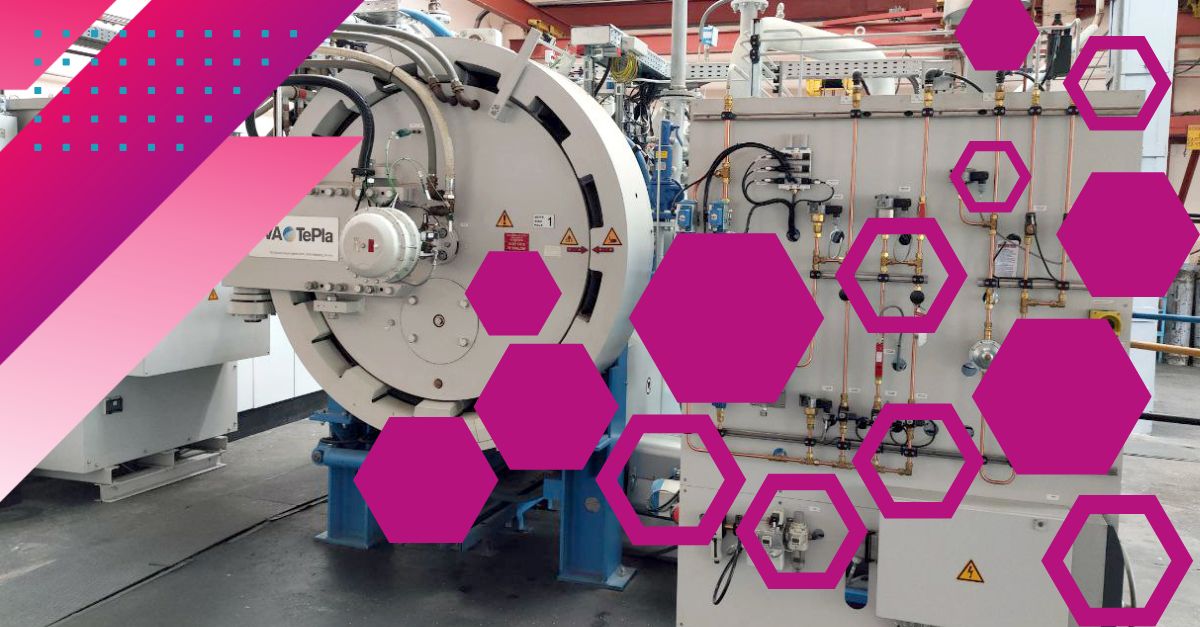
Production of Rhenium Launched at AGMK
The Almalyk Mining and Metallurgical Complex (AGMK) has officially commenced the industrial-scale production of rhenium, marking a significant milestone for the Uzbek metallurgical industry. Following years of meticulous research and development, AGMK succeeded in producing rhenium with an impressive purity of 99.9% as early as 2021. This rare and valuable element is extracted from ammonium perrhenate, derived at the copper-smelting plant through hydrogen reduction.
According to AGMK’s business plan, the launch of large-scale rhenium production was scheduled for 2025. To achieve this goal, the Uzbek Metallurgical Technologies Complex has established a specialised production facility equipped with state-of-the-art German technology. The raw materials required for production are supplied by the copper-smelting plant and other domestic enterprises. AGMK is poised to produce up to three tonnes of rhenium annually.
A Rare and Versatile Metal
Rhenium, the 75th element on Mendeleev’s periodic table, boasts exceptional physical and chemical properties, making it indispensable across various industries. As one of the densest and hardest metals, rhenium is integral to:
- Oil Refining: It serves as a key component in catalysts.
- Aerospace and Electronics: Critical for advanced manufacturing.
- Nuclear Industry: Used in thermocouples to measure high temperatures in reactors.
- Medical Equipment: Vital for the production of devices addressing severe illnesses.
- Jewellery: Applied as a premium coating for decorative pieces.
Currently, the global market price for rhenium averages around $2,000 per kilogram, with demand remaining consistently high.
This new development strengthens AGMK’s position as a significant player in the global market for strategic metals.
-
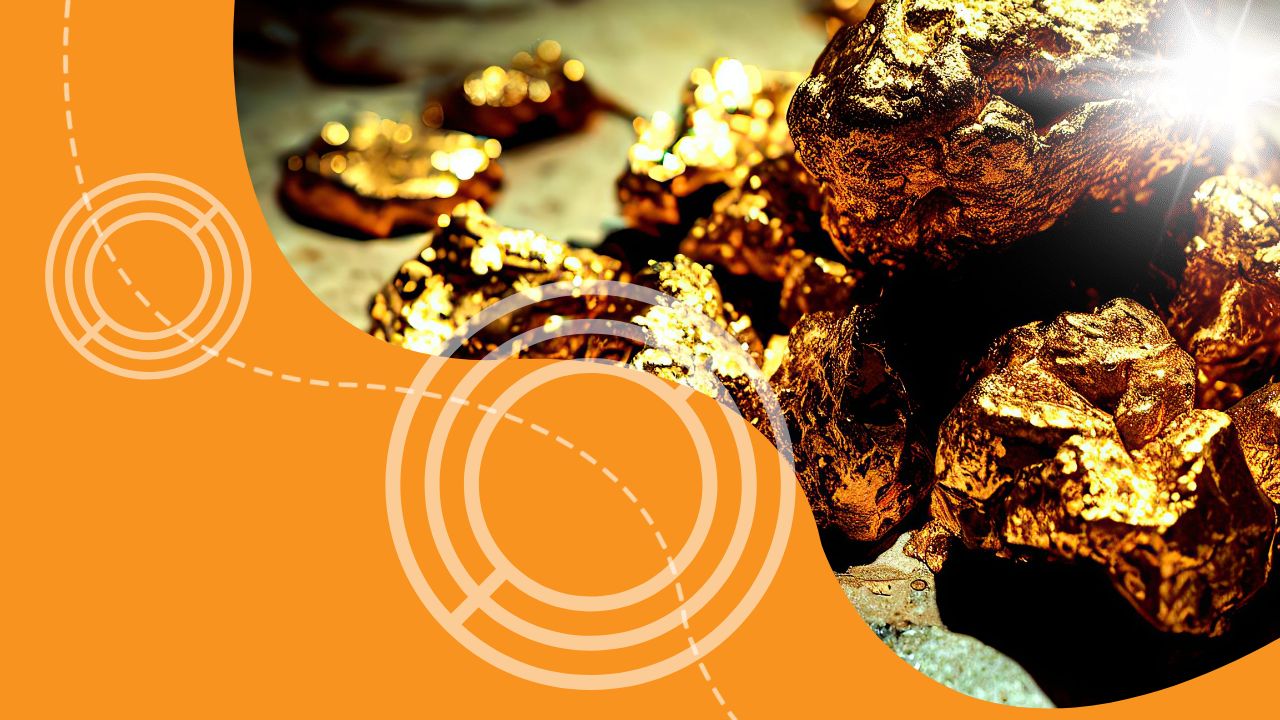
Solidcore Resources Reports Q1 2025 Production Results, Reaffirms Full-Year Outlook
Solidcore Resources plc (“Solidcore” or the “Company”) announced its production results for the first quarter ended 31 March 2025. Despite facing temporary shipment delays that impacted sales, the Company reaffirmed its full-year production and cost guidance, citing confidence in a strong recovery during the second half of the year.
Chief Executive Officer Vitaly Nesis commented, “While sales have been deferred due to shipment delays, the fundamentals of our business remain solid. We expect a meaningful recovery beginning in May as concentrate stockpiles start to unwind.”
Operational Highlights:
-
Solidcore recorded no fatalities or lost time injuries among its employees and contractors during the quarter.
-
Gold equivalent (GE) production totaled 68 thousand ounces (Koz), a 42% decrease year-on-year, largely due to delays in concentrate shipments from the Kyzyl mine to Amursk POX, impacted by operational challenges linked to international sanctions.
-
Kyzyl’s production of gold in concentrate rose 6% to 97 Koz due to higher ore grades, though shipment delays led to a stockpile of 41 Koz of payable metal.
-
At Varvara, production fell 10% year-on-year as planned, reflecting lower grades and reduced third-party processing.
-
Sales were notably down to 38 GE Koz from 116 GE Koz a year earlier, resulting in revenue of US$ 109 million, a 63% decline year-on-year. A strong rebound is anticipated in the second half as operations normalize.
Strategic Developments:
-
Solidcore announced the acquisition of the Tokhtar gold property, located near its Varvara hub. The property adds 1.1 million ounces of JORC-compliant Mineral Resources at an average head grade of 2.4 g/t, bolstering the Company’s long-term growth pipeline.
-
The acquisition of the initial 51% interest is on track to complete in Q3 2025, pending regulatory approvals.
Outlook: The Company reiterated its full-year guidance of 470 GE Koz in production, with Total Cash Costs (TCC) and All-In Sustaining Costs (AISC) expected within the ranges of US$ 1,000–1,100/oz and US$ 1,350–1,450/oz, respectively.
Solidcore remains well-positioned to navigate near-term operational hurdles and capitalize on favorable gold market dynamics.
-
-
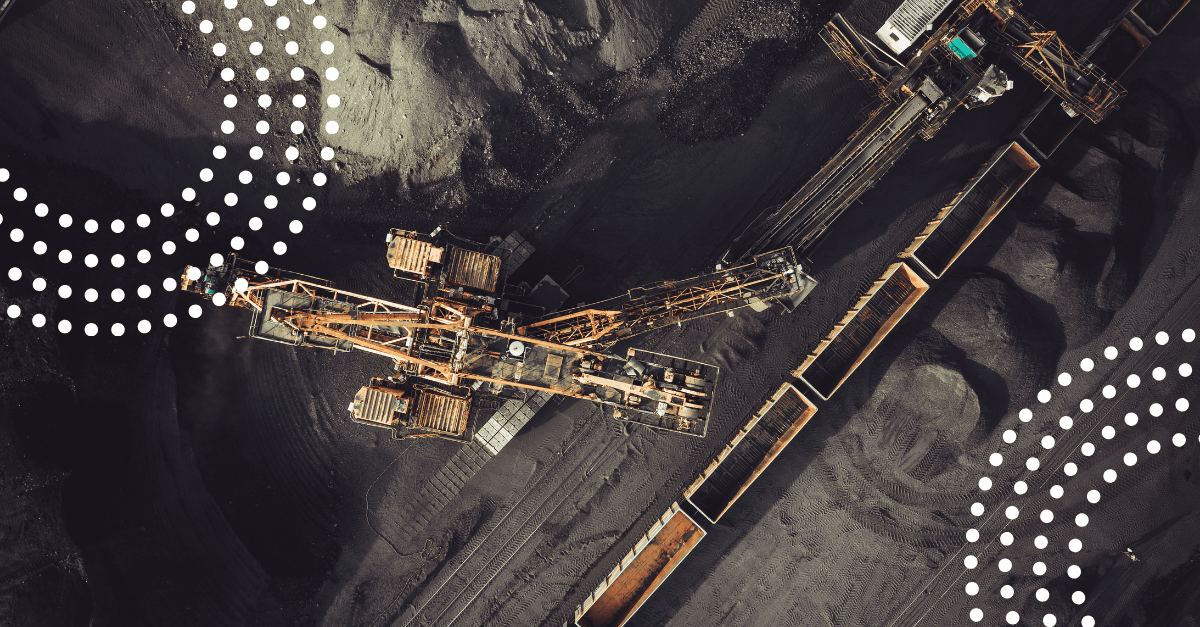
Uzbekistan’s Navoiuran Signs €9 Million Uranium Transport Deal with Kazakhstan’s Logistic Centre
Navoiuran, a leading uranium producer from Uzbekistan, has signed a €9 million contract with Kazakhstan’s TOO Logistic Centre for the transportation of uranium concentrate to France, according to inbusiness.kz citing EURASIA TODAY.
Under the agreement, TOO Logistic Centre will transport 500 containers of uranium concentrate from the port of St. Petersburg to the commune of Malvési in southern France. The total cargo volume is expected to reach up to 6,000 tons.
Deliveries are scheduled to continue until the end of the first quarter of 2026, with each shipment required to reach its destination within 15 days of departing the Russian port.
In addition to the French deliveries, Navoiuran plans to export uranium through Russia to the United States and Canada and is currently seeking contractors for transportation to processing facilities in those countries. -
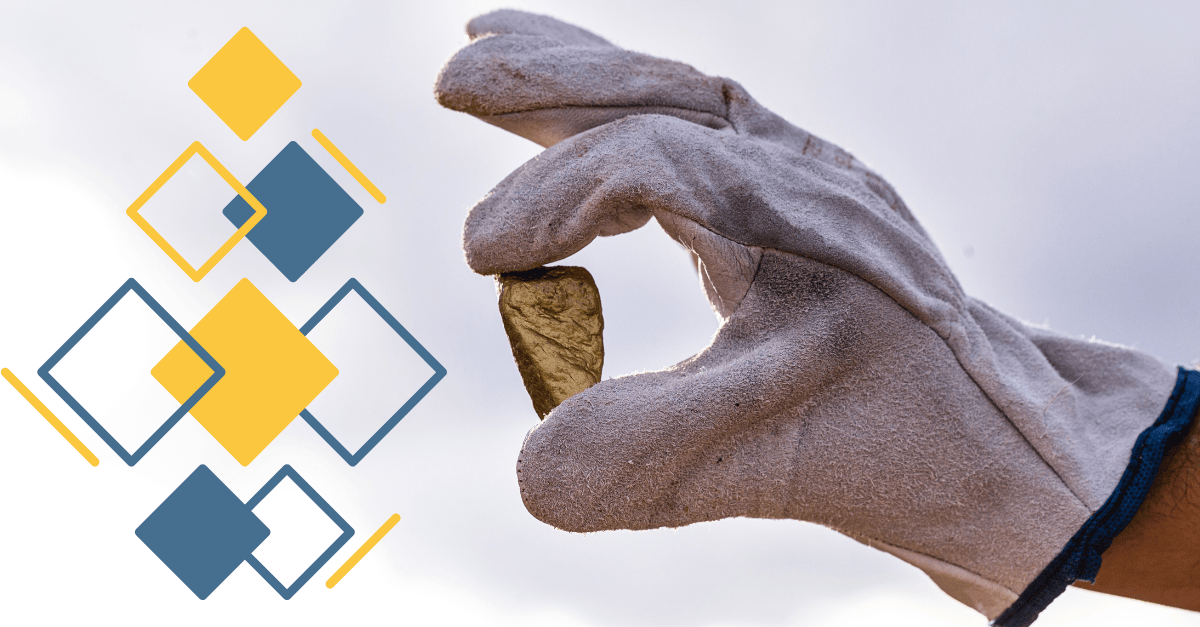
Kazakh Authorities Shut Down Five Companies Engaged in Illegal Gold Mining
Kazakhstan’s Ministry of Internal Affairs (MIA) and National Security Committee (KNB), coordinated by the General Prosecutor’s Office, have shut down the operations of five companies involved in illegal mining and processing of gold-bearing materials in the Abai, Zhetysu, East Kazakhstan, and Turkestan regions, according to inbusiness.kz citing Polisia.kz.
Authorities found that the companies held licenses only for geological exploration but were in fact conducting large-scale illegal extraction of gold-bearing ore using specialized equipment and machinery. During the raids, over 6,700 tons of gold-bearing ore, 300 tons of ore slurry, 120 tons of ammonium nitrate, explosives, and detonators were seized. In addition, 45 pieces of specialized equipment were confiscated on-site.
A total of 62 individuals, including directors and founders of several limited liability partnerships (LLPs), were detained. Five criminal cases have been registered related to the illegal circulation of precious metals and raw materials containing precious metals. The damage to the state has been assessed as particularly large.
Kuanlyk Alpis, a representative of the MIA’s Department for Combating Organized Crime, emphasized the importance of the operation in protecting the country’s natural resources and fighting organized crime in the precious metals sector.
-
Navoi Mining and Metallurgical Combine Expands Capacity at Tech Waste Recycling Plant
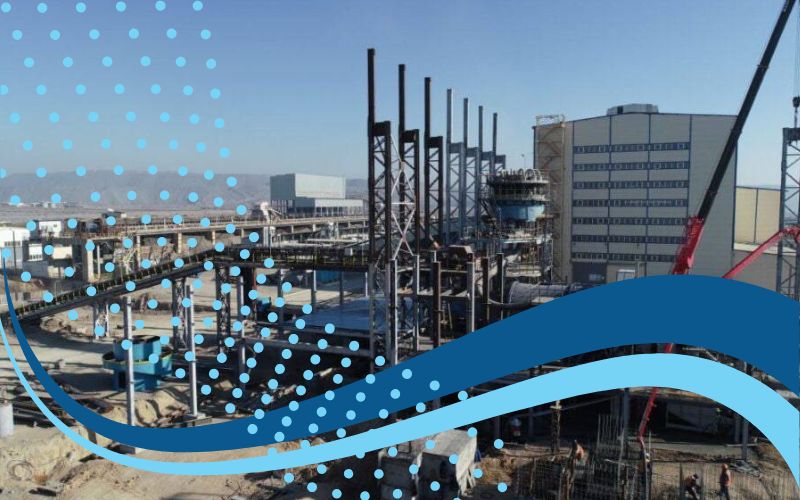
Navoi Mining and Metallurgical Combine (NGMC) continues its ambitious expansion drive with significant progress reported at Hydrometallurgical Plant 7 (GMZ-7) – a facility specializing in processing technogenic waste.
Located in the Kyzylkum Desert, GMZ-7 stands as a testament to NGMC’s commitment to sustainable development. Unlike other hydrometallurgical plants in the combine, GMZ-7 boasts the unique advantage of eliminating the costs associated with ore mining, processing, sorting, and transportation.
Having processed 16 million tonnes of technogenic waste in 2024, GMZ-7 aims to reach 19 million tonnes this year. Further cementing this commitment, NGMC has initiated a major investment project: “Expansion of Processing Capacity of Hydrometallurgical Plant No. 7,” slated for completion in 2030.
“Within the framework of the Sustainable Development Programme of JSC ‘NGMK’, construction work is underway for installing four new mills, each with a capacity to process 10 million tonnes of technogenic waste annually. These additions will bring the total number of mills on site to ten. Two of the new mills have already been commissioned. Essential equipment and spare parts are being localised and manufactured by Navoi Machine-Building Plant and Zarqush Repair and Mechanical Plant,” explained Olzhon Akhatov, Deputy Chief Engineer at GMZ-7.
Further expansion plans include extending several factory sections, marking a crucial step towards boosting production volumes.
These investments underline NGMC’s dedication to technological innovation and responsible resource management, showcasing its position as a leader in sustainable industrial practices.
-
Transformation is Shaping Almalyk Mining and Metallurgical Complex
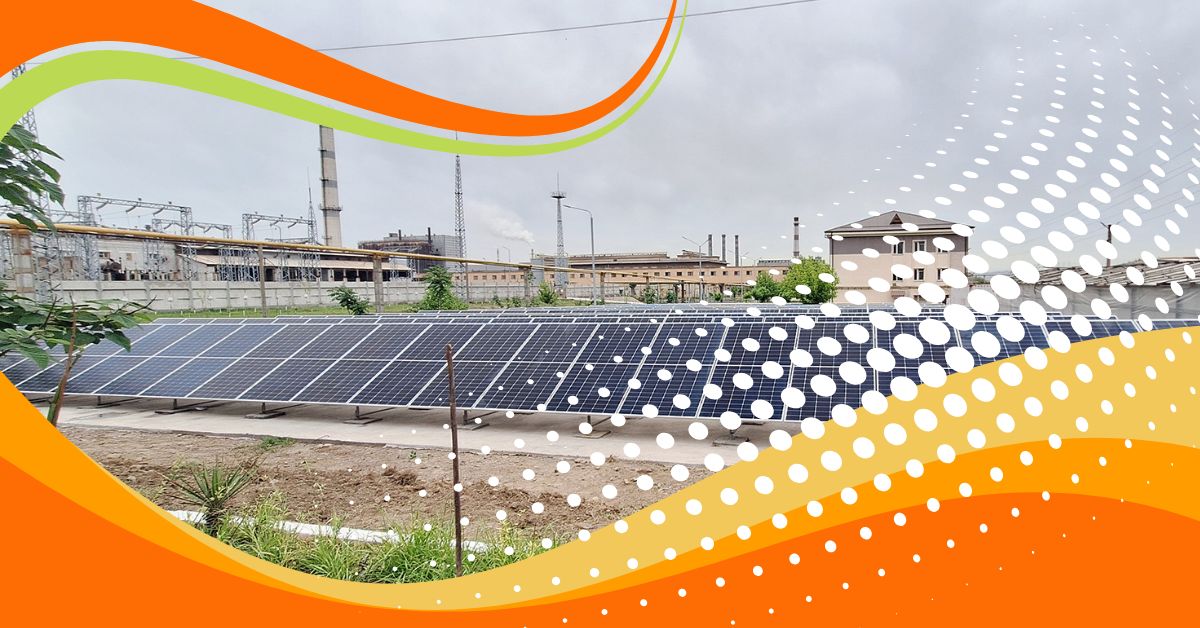
Uzbekistan is witnessing the emergence of a new industrial identity — one grounded in sustainability, efficiency, and global competitiveness. At the heart of this transformation stands the Almalyk Mining and Metallurgical Complex (AMMC), which is rapidly evolving from a traditional industrial flagship into a high-tech, responsible enterprise meeting international standards.
The ongoing transformation at AMMC spans several key areas: finance, corporate governance, environmental responsibility, and digitalisation. This ambitious programme represents a strategic initiative poised to significantly influence the pace and quality of the company’s development in the years ahead.
Transparency Through Numbers
Openness begins with accurate reporting. Since 2019, AMMC has adopted International Financial Reporting Standards (IFRS), a critical step towards improving transparency and boosting the company’s investment appeal.
“The transition to IFRS enabled AMMC to obtain international credit ratings from the world’s leading agencies. These ratings were instrumental in successfully securing nearly $2 billion in funding from international financial institutions and banks — directly, without intermediaries,” said Boburjon Siddiqjonov, Head of the Project Office for Transformation, ESG, and International Ratings.
This achievement has helped reduce the company’s debt burden and freed up resources for strategic investment in AMMC’s continued development.
Corporate Governance: From Compliance to Excellence
A critical part of AMMC’s transformation lies in rethinking its management practices. To ensure the enterprise is not only efficient but also sustainable and globally competitive, a dedicated project office for transformation, ESG, and international ratings has been established. This team is tasked with implementing global best practices — from transparent reporting to strategic planning.
“Key reforms were carried out in collaboration with leading consultancy firms. For example, AMMC’s mineral reserves were re-evaluated using the globally recognised JORC Code. In parallel, a comprehensive development strategy was drawn up through to 2030,” Siddiqjonov added.
Efforts have also been made to combat corruption and ensure procurement transparency. A thorough audit conducted with major international firms identified vulnerabilities and offered corrective measures. Additionally, the entire “copper chain” — from open-pit mining to the smelting plant — underwent an in-depth evaluation, resulting in a new roadmap to optimise production processes.
Environmental Responsibility: A Mark of Global Standards
AMMC is currently pursuing certification under The Copper Mark, an international seal of approval for responsible copper producers. This certification is crucial to enhancing global competitiveness. It allows the company to sell its products at a premium, attract green financing — particularly in Europe — and take part in environmentally focused investment programmes.
AMMC has also received an ESG rating of ‘3’ with a score of 56 from Sustainable Fitch — the highest among Uzbekistan’s mining and metallurgical enterprises and one of the top ratings in Central Asia.
This year, AMMC plans to unveil a greenhouse gas emissions reduction strategy, aiming to cut emissions by at least 15% by 2030. In addition, it will plant 370,000 trees annually as part of its broader ecological initiative.
Digital Transformation in Action
Digitalisation is another cornerstone of AMMC’s transformation. Financial and accounting reports are now generated automatically using the 1C:ERP system, halving the time needed to prepare documents.
Warehouse, fuel, and weighing operations have all been automated. At the copper concentration plant, digital weighing systems with 99.8% accuracy have been installed. Moreover, a contactless fuelling system has been introduced — drivers now use ID cards instead of relying on operators, streamlining the process and mitigating corruption risks. These improvements have already saved 89 billion Uzbek soms in diesel costs alone.
“Digitalisation is already generating an annual economic return of 9.1 billion soms for the company,” Siddiqjonov noted.
What’s Next for AMMC?
2025 is set to be a pivotal year. AMMC plans to secure a climate strategy grant from the Asian Development Bank and to begin reporting under the new IFRS S1 and S2 climate standards.
“Our team faces ambitious goals: complete The Copper Mark certification, publish the first climate report, prepare for a Eurobond issuance, and obtain ISO certification in information security,” said the company representative.
AMMC’s transformation is far more than a company-wide initiative — it’s a reflection of a broader national agenda aimed at building a modern, resilient, and competitive economy. By embracing global best practices and pursuing strategic long-term priorities, AMMC is helping to shape Uzbekistan’s industrial future.
-
ERG is Definitely Not for Sale
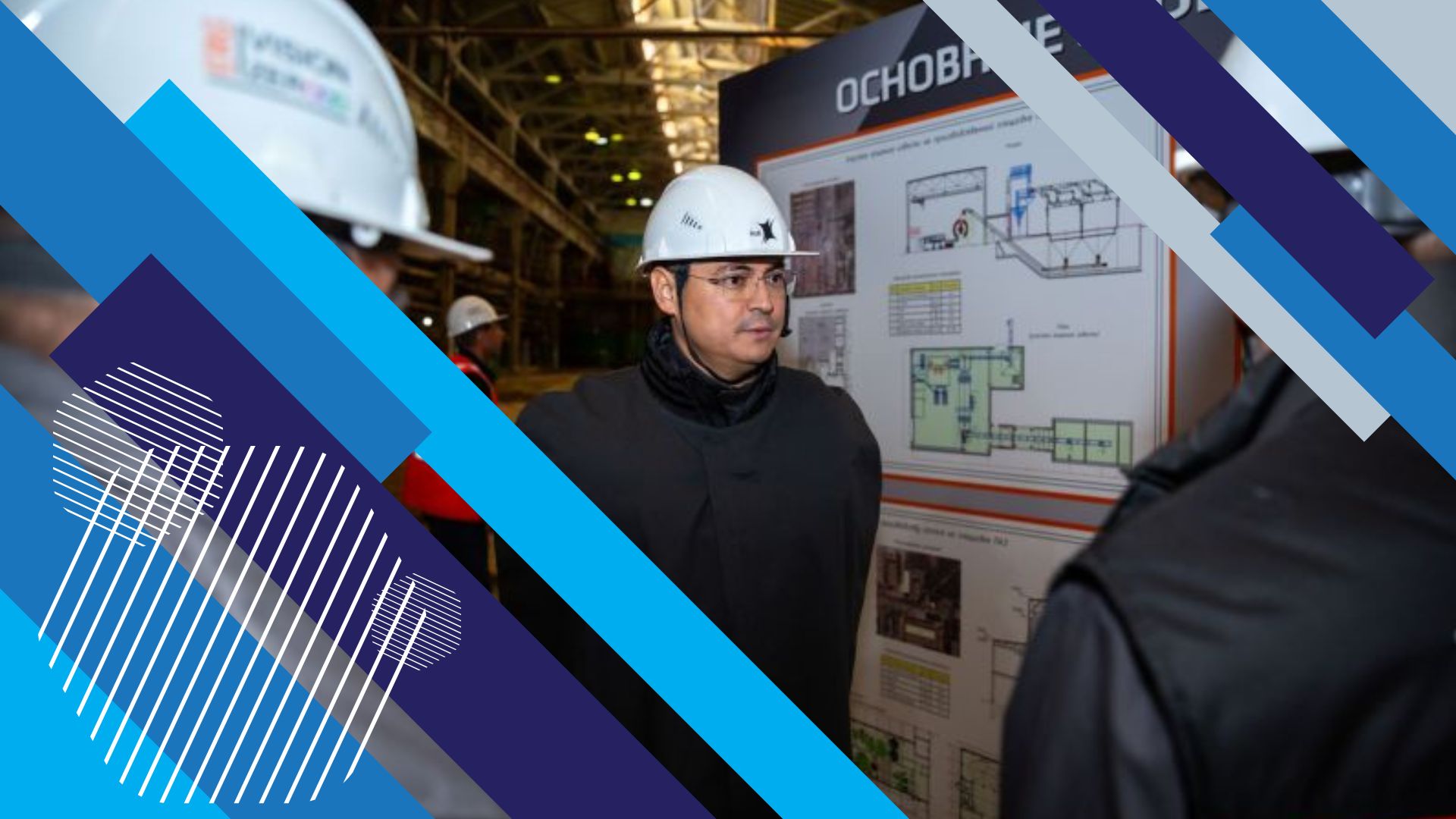
Amid recent media speculation regarding the possible sale of Eurasian Resources Group (ERG), including reports of a $5 billion proposal from US investor James Cameron, Shukhrat Ibragimov—Chairman of the Board of Directors and Chief Executive Officer of ERG—has firmly denied any such negotiations.
“ERG is definitely not for sale,” stated Ibragimov, emphasiaing that there are no ongoing discussions about the sale of the company.
Ibragimov also reaffirmed the Group’s strategic direction, noting the management’s full commitment to “further consistent, sustainable development” and confirming there are “no changes to business as usual.” At the end of 2024, ERG’s Board of Directors adopted a new strategy aimed at further development and investment across the company’s enterprises, which has since been actively implemented.
The company’s focus on long-term growth and creating value for all stakeholders remains unchanged, with ongoing initiatives supporting both sustainable development and ERG’s position as a key player in Kazakhstan and Africa.
-
Kazakhstan to Auction 50 Gold and Rare Metal Deposits in June 2025
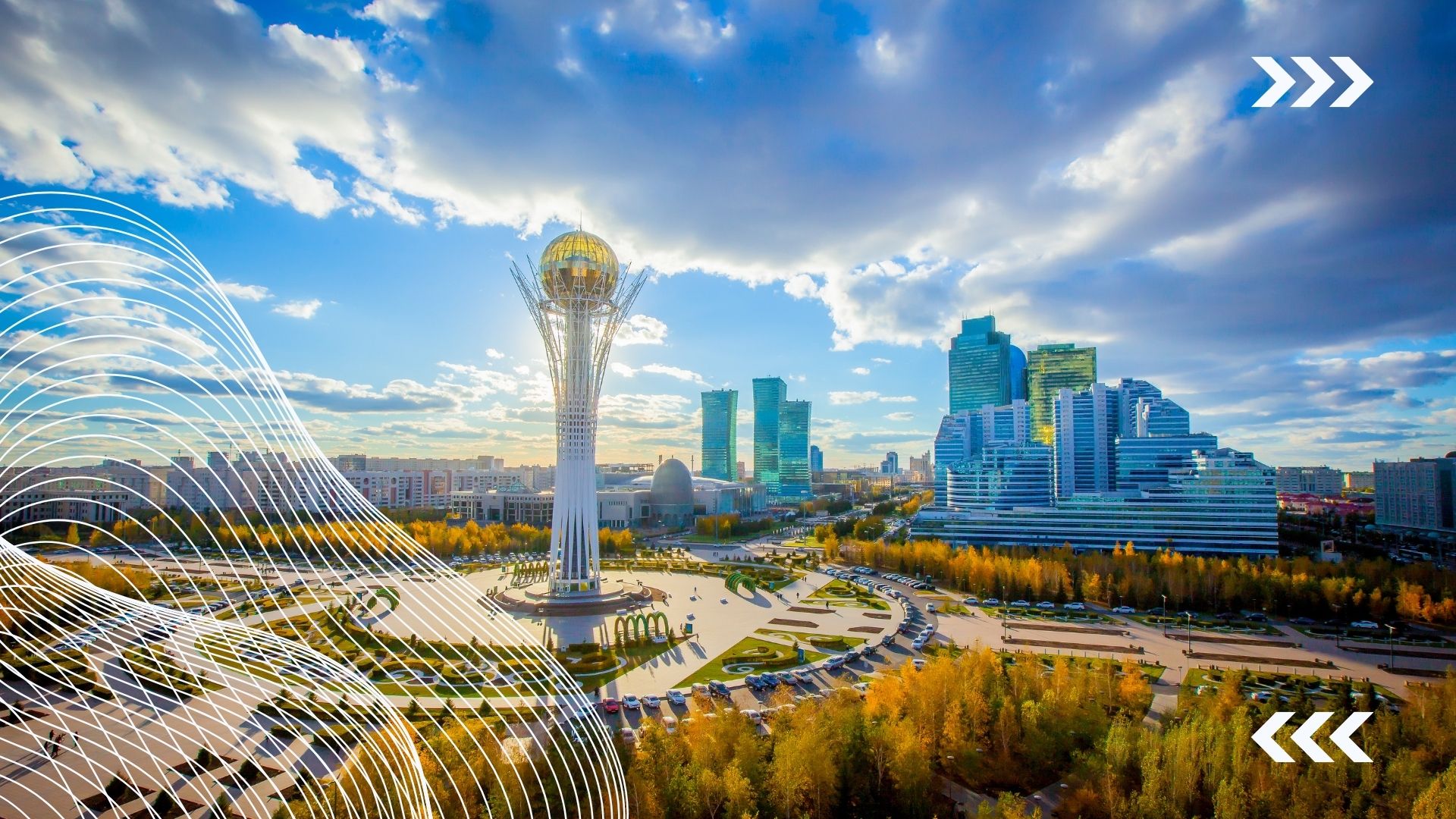
Kazakhstan’s Ministry of Industry and Construction has announced that 50 deposits containing gold and rare metals will be made available for exploration and production rights via an electronic auction set for June 2025.
Almas Kushumov, Director of the Ministry’s Department of Subsoil Use, revealed the plans during the MINEX Kazakhstan forum. According to Kushumov, the auction will include deposits with confirmed balance reserves of gold, coal, rare metals, and polymetals.
The auction will take place through the Unified Subsoil Use Platform (minerals.e-qazyna.kz), and all procedures — including document submission — will be handled online. Licenses granted through this process will cover both exploration and production, with the latter valid for 25 years.
Companies from the United States, European Union, and China have already expressed interest and submitted applications. The Ministry expects to publish the full list of 50 available deposits in the coming days.
Between 2023 and 2024, Kazakhstan successfully awarded 117 deposits through similar electronic auctions, raising more than KZT29 billion (approximately $55.9 million) in signing bonuses.
Kazakhstan currently has over 9,000 registered deposits, including 987 solid mineral sites. Due to outdated geological data—some of it over 30 years old—the government is putting strong emphasis on both exploration and production.
The 2018 introduction of the Code on Subsoil and Subsoil Use has notably improved the investment environment, reportedly tripling private capital inflow into the sector.
The state mining firm Tau-Ken Samruk is also pushing forward with exploration at the Kuirektykol rare earth site, where recent studies suggest the potential for significant new reserves that could elevate Kazakhstan’s standing as a global rare earth leader.
-
ERG Denies Sale Rumors, Confirms Commitment to Long-Term Growth
In response to recent media speculation over the past few weeks, including reports regarding a supposed offer from Mr. James Cameron to purchase the company, Shukhrat Ibragimov, Chairman of the Board and CEO of Eurasian Resources Group (ERG), clarified that no negotiations concerning the sale of ERG are taking place.
ERG reaffirmed its full commitment to the Group’s consistent and sustainable business development. There have been no changes in the company’s usual operations. At the end of 2024, ERG’s Board of Directors adopted a new strategy focused on further development and investment into its assets, and the company is actively implementing this plan.
ERG’s focus on long-term growth and value creation for all its stakeholders remains unchanged.