Website: Kazakhstan.com

  • Kazakhstan Expands Uranium Exports to Bulgaria’s Nuclear Industry

    Kazakhstan Expands Uranium Exports to Bulgaria’s Nuclear Industry

    Kazakhstan is set to supply uranium to Bulgaria’s nuclear power stations, according to Nurlan Zhakupov, the head of the Samruk-Kazyna Fund, who spoke to journalists at the Akorda presidential residence.

    Bulgaria operates a nuclear power plant with two 1,2 MW units, presenting a significant opportunity for cooperation in uranium supplies, Zhakupov explained. However, details regarding the volume of supplies remain confidential.

    Zhakupov also revealed that Kazakhstan Atomic Energy Stations (KAES), currently a subsidiary of Samruk-Kazyna, will transition to the newly established Agency for Atomic Energy. KAES will focus on the construction of nuclear power plants within Kazakhstan.

    Earlier reports indicated that Kazatomprom would supply uranium concentrate to the Czech Republic. This deal aligns with Kazatomprom’s global strategy to diversify its sales channels.

    Last year, Kazatomprom produced over 23,000 tonnes of uranium. Since 2022, Kazakhstan has been supplying uranium fuel to China’s nuclear power plants and, in December, completed a uranium shipment to Canada via the Trans-Caspian International Transport Route.

    In February of this year, Kazakhstan agreed to collaborate in the uranium sector with Jordan and to supply uranium to Switzerland.

  • Rio Tinto Shifts Oyu Tolgoi Mine Plan Due to License Delays

    Rio Tinto Shifts Oyu Tolgoi Mine Plan Due to License Delays

    Rio Tinto has announced adjustments to its underground development plan at the Oyu Tolgoi copper-gold mine in Mongolia. While the company remains committed to its target of 500,000 tonnes of copper production per year from 2028 to 2036, development in the Entrée Resources joint venture (JV) area has been paused due to delays in license transfers to the mine’s operating entity.

    This decision allows Rio Tinto to prioritise development in the more accessible Panel 2 South, ensuring the project stays on track.

    However, the delay in the Entrée JV area has caused concern for Entrée Resources, which expressed disappointment over the holdup, highlighting its potential impact on the project’s timeline, cost, and their financial position.

    Despite these challenges, Rio Tinto maintains its 2025 copper production guidance and underscores the importance of Oyu Tolgoi, one of the world’s largest known copper-gold resources, for both its growth strategy and Mongolia’s economic development.

  • Kazakhstan’s Inkai Uranium JV Skews Dividend Split Despite Shareholding Structure, Raising Questions

    Kazakhstan’s Inkai Uranium JV Skews Dividend Split Despite Shareholding Structure, Raising Questions

    Kazakhstan’s leading uranium joint venture Inkai, operated by Kazatomprom and Canada’s Cameco, is distributing dividends based on production output—not shareholder equity—according to Kazatomprom’s Q1 financials. Although Kazatomprom holds a 60% stake and Cameco 40%, dividends for 2025 will be split 55.63% to Kazatomprom and 44.37% to Cameco, diverging from the nominal ownership structure.

    The adjusted payout arrangement stems from a 2024 supplemental agreement, but the formula and justification remain undisclosed. This has fueled speculation following production shortfalls in 2024 due to operational issues, including a 23-day shutdown in January and disruptions in sulfuric acid supply following the switch from Russian imports.

    For 2025, output at Inkai is expected at 8.3 million pounds (approx. 3,200 tonnes) of uranium oxide (U₃O₈), with Cameco receiving 3.7 million pounds, down from prior projections of 4.2 million. In 2024, actual production fell short at 2,992 tonnes, compared to 3,230 tonnes in 2023.

    In 2023, output was evenly split between Kazatomprom and Cameco. However, in 2024, Kazatomprom received 1,619 tonnes, 246 tonnes more than Cameco. No official explanation has been offered for the shift, though Kazatomprom states that the distribution mechanism is mutually agreed upon, with no penalties or exceptions.

    Kazatomprom emphasized it is not authorized to speak on behalf of Cameco and directed further questions to the Canadian partner, which did not respond to inquiries from inbusiness.kz.

    Historically, the production share has fluctuated. Between 2020 and 2021, Cameco’s share peaked at 59.4%, highlighting the flexible, performance-based distribution model set in the 2016 restructuring agreement. The split is expected to align with equity once Inkai reaches 4,000 tonnes/year output.

    Kazatomprom vs Cameco: A Comparative Glance

    Analysts at Teniz Capital recently questioned why Cameco’s market capitalization exceeds that of Kazatomprom. Reasons include:

    • Higher asset quality in Canada (notably McArthur River and Cigar Lake, considered “Tier 1” uranium mines).

    • Geopolitical risk and limited geographic diversification on Kazatomprom’s side.

    • Lower trading liquidity of Kazatomprom shares.

    Despite lower production costs, Kazatomprom’s average uranium sales price has been consistently below Cameco’s. In Q1 2025:

    • Kazatomprom: $54.69/lb

    • Cameco: $62.55/lb

    This pricing gap cannot be explained by logistics alone.

    Cost-wise, Kazatomprom’s ISR mining method allows for cash costs of $16.5–18/lb and AISC of $29–30.5/lb, while Cameco’s Canadian underground operations report:

    • Total production cost: C$32.69/lb (~$23.86 USD)

    • Cash cost: C$22.39/lb (~$16.34 USD)

    Cameco produced 10,400 tonnes in 2024 including its Inkai share, while Kazatomprom’s total production across all JVs reached 12,286 tonnes. The national total was 23,270 tonnes, suggesting Kazatomprom’s scale but also raising questions about labor efficiency—Kazatomprom employs ~22,000 people vs Cameco’s 6,200.

  • Kazakhstan’s Sarytogan Graphite Deposit Joins EU Strategic Project List

    Kazakhstan’s Sarytogan Graphite Deposit Joins EU Strategic Project List

    The Sarytogan graphite deposit in Kazakhstan’s Karaganda region has officially been added to the European Union’s list of strategic raw material projects, a move announced during the Astana Mining & Metallurgy (AMM) 2025 Congress in Astana.

    Preliminary assessments suggest that the Sarytogan site contains approximately 30% of the world’s known graphite reserves, making it one of the largest and cleanest surface-accessible graphite deposits globally. The project is seen as critical for securing the EU’s supply of materials vital to green technologies, particularly lithium-ion battery production.

    According to Galymzhan Torebek, Deputy Chair of the Committee for Industry under Kazakhstan’s Ministry of Industry and Construction, the graphite mining project will be developed in four stages, with capital expenditures estimated between $62 million and $344 million.

    The project’s new strategic status under the EU Critical Raw Materials Act (CRMA) means that the European Commission will now actively support the development by helping to attract investment and facilitate long-term supply agreements with European companies.

    At the AMM 2025 award ceremony, officials outlined plans for institutional and financial backing for the Sarytogan project, aiming to ensure stable offtake agreements, which would make the mine more appealing to international investors.

    The primary output from Sarytogan will include sterilized graphite, used as a stabilizer in EV batteries, and crystalline graphite, both critical components in the clean tech and high-performance electronics sectors.

  • Almalyk Mining and Metallurgical Combine Strengthens International Ties with Czech Company Draslovka

    Almalyk Mining and Metallurgical Combine Strengthens International Ties with Czech Company Draslovka

    Almalyk Mining and Metallurgical Complex (AGMK), one of Uzbekistan’s leading industrial enterprises, is not only a cornerstone of the nation’s economy but also a key player in expanding international industrial ties. The complex is actively collaborating with foreign companies, embracing modern technologies, boosting production efficiency, and committing to environmental sustainability.

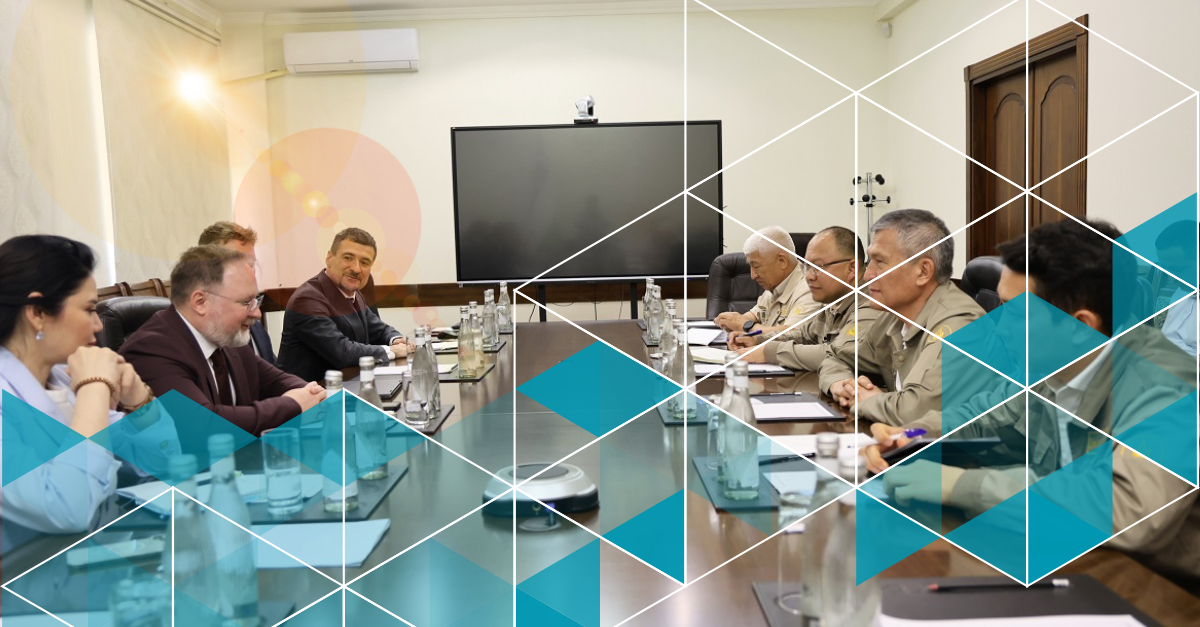
    On May 29, AGMK hosted a significant meeting with representatives from the Czech company Draslovka to explore mutually beneficial cooperation.

    Draslovka, a family-owned company founded in 1906, specialises in chemical technologies, products, and services that enhance efficiency and sustainability across the mining, agricultural, and processing industries. With business units in seven countries and a presence in over 80 nations, Draslovka is the world’s largest producer of sodium cyanide, a chemical essential for gold extraction.

    However, the company’s most notable contribution to the industry is its patented glycine leaching technology. This innovative method offers a more stable and economical approach to the leaching process. Draslovka also produces other speciality chemicals and reagents, provides leading chemical application services for mining and pest control, and offers AI-powered support services.

    During their visit, the Draslovka representatives presented an overview of their operations to AGMK’s management. Discussions focused on the potential application of glycine leaching technology at AGMK’s facilities, culminating in an agreement to commence cooperation.

    The Czech delegation also had the opportunity to visit the viewing platforms of the Kalmakyr and Yoshlik I mines.

  • Orbminco Commences Geophysical Surveys at Bronze Fox Copper-Gold Project in Mongolia

    Orbminco Commences Geophysical Surveys at Bronze Fox Copper-Gold Project in Mongolia

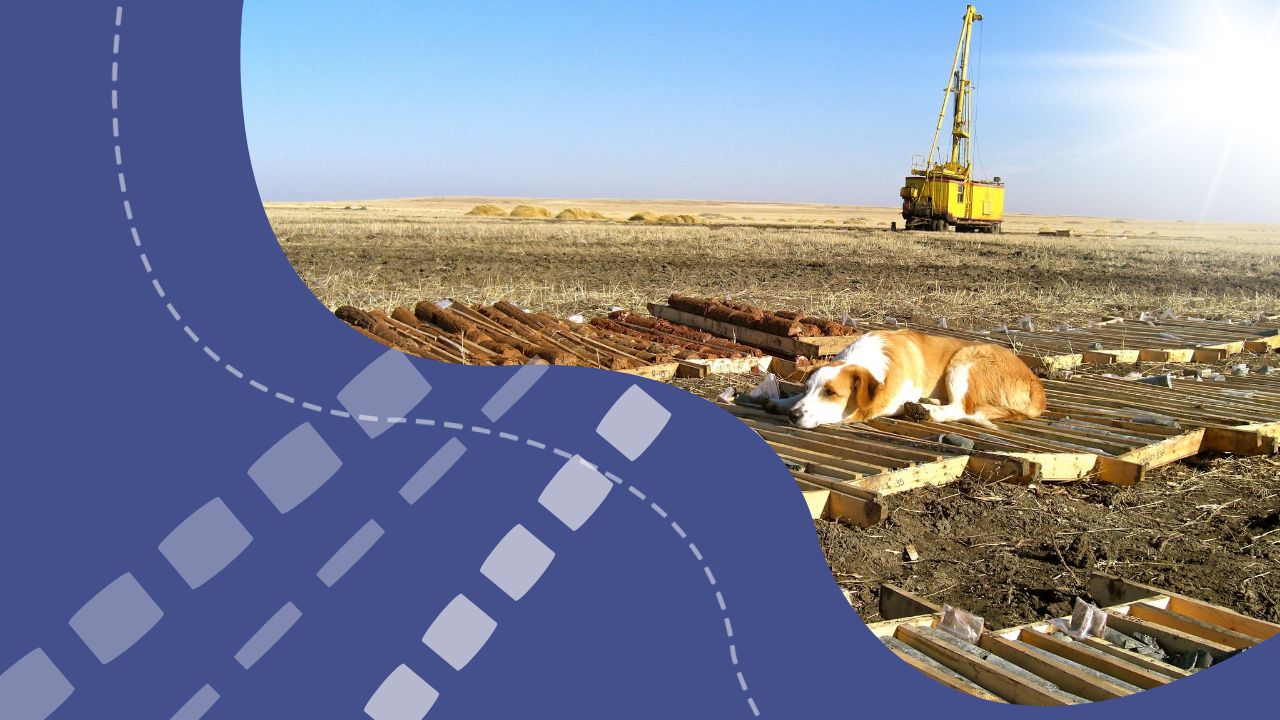
    Orbminco Limited (ASX: OB1) has commenced geophysical surveys at its Mongolian Bronze Fox Project, advancing exploration ahead of an upcoming drilling program.

    Key Highlights

    • Geophysical Surveys: IP and Gravity surveys now underway to refine the final hole design for Q3 2025 diamond core drilling.
    • Targeted Prospects: Drilling will focus on the high-grade copper-gold extension at West Kasulu and the undrilled Shuteen North prospect.
    • Strategic Position: Mongolia’s Southern Gobi region continues to attract global mining interest, positioning Orbminco as a key independent explorer in this world-class copper province.

    Orbminco’s Managing Director, Ralf Kriege, expressed enthusiasm, stating, “The team is eager to build on recent geological findings at a time when Mongolian projects in the Southern Gobi Copper-Gold Belt are gaining unprecedented attention.”

    For further details, visit Orbminco Limited.

  • Eurasian Resources Group (ERG) plans to Issues Guaranteed Bonds Worth Up to $100 Million

    Eurasian Resources Group (ERG) plans to Issues Guaranteed Bonds Worth Up to $100 Million

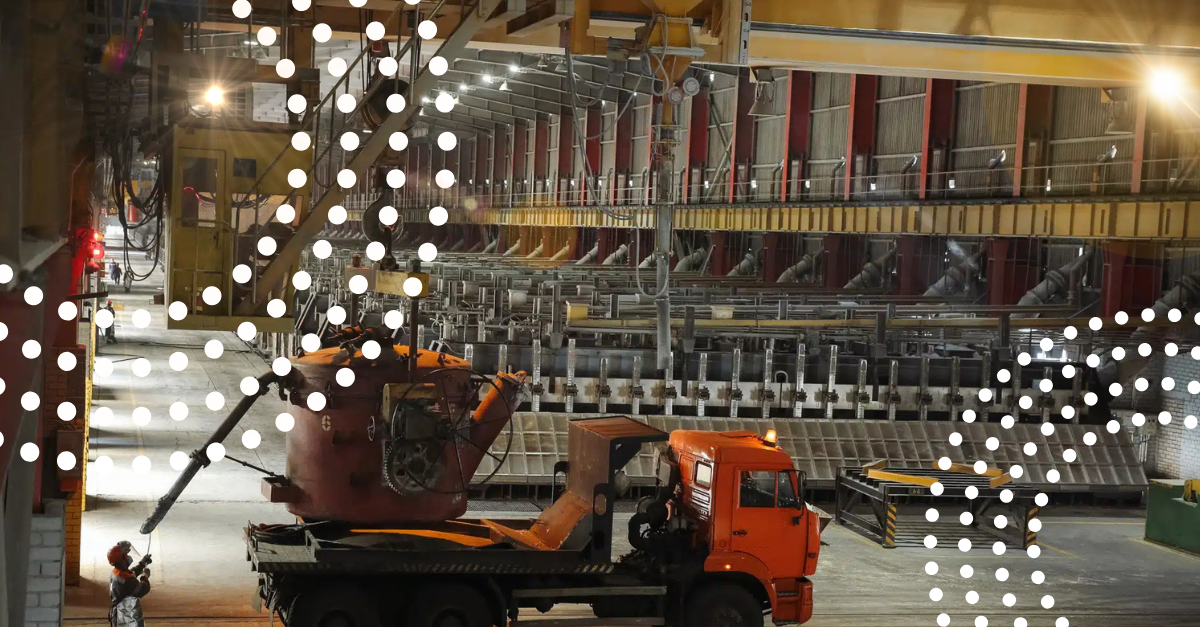
    Kazakhstan’s Aluminium Smelter (Kazakhstansky Elektrolizny Zavod or KEZ), a subsidiary of Eurasian Resources Group (ERG) and a primary aluminium producer, is set to issue three-year bonds worth up to $100 million, ERG has announced.

    ERG confirmed the upcoming issue of guaranteed coupon bonds, also for a three-year term, totalling up to $100 million. This marks a first for the Kazakhstani securities market: a non-government bond issue, regulated by local law, backed by Development Bank of Kazakhstan JSC as guarantor. The bonds will be listed on the Kazakhstan Stock Exchange (KASE) by KEZ, which is part of ERG and holds the distinction of being the sole producer of high-grade primary aluminium in the country.

    The bonds are denominated in US dollars and will be placed on the KASE platform. The total offering is capped at $100 million, with each bond having a par value of $1,000. They will have a three-year maturity period with coupon payments made every six months. The principal amount is due as a single bullet payment at the end of the term. This bond issue has secured an investment-grade credit rating of Baa1 from Moody’s, the international rating agency.

    Shukhrat Ibragimov, Chairman of the Board and Chief Executive Officer of ERG, commented on the development: “Eurasian Resources Group is launching its first public debt instrument in the company’s long history. This expands our financing options, aligning with our long-term business growth and capacity expansion programme. I’m pleased to acknowledge the seamless and successful collaboration between the ERG and Development Bank of Kazakhstan JSC teams, which has resulted in a non-government bond, regulated by local legislation, receiving an international investment rating for the first time in Kazakhstan. This unlocks further opportunities for Kazakhstani companies to attract financing and creates a new segment within the stock market.”

    The Development Bank of Kazakhstan has provided an irrevocable guarantee for the bonds, with the Central Securities Depository acting as the settlement agent for the issue.

    Kazakhstan’s Aluminium Smelter commenced primary aluminium production in 2007, yielding 11,000 tonnes that year. Its initial phase had a capacity of 125,000 tonnes. A second phase, with similar capacity, was launched in 2010. In 2024, KEZ produced 264,500 tonnes of aluminium.

    Separately, Kazchrome, another multinational company within Eurasian Resources Group (ERG), is planning to delist its shares from the KASE due to low liquidity and no plans for further share placements, ERG previously informed Kursiv.

    The ultimate owners of ERG are the Ministry of Finance of the Republic of Kazakhstan (40%), the heirs of Alexander Mashkevich and the Ibragimov family (each holding 20.7%), and Patokh Chodiev (18.6%). The group’s founders – Alexander Mashkevich, Patokh Chodiev, and Alijan Ibragimov – became Kazakhstan’s first dollar billionaires in 2005, according to Forbes, each with a net worth of $1 billion. Alijan Ibragimov’s stake is now held by his wife, Mukadaskhan Ibragimova, and their four sons (Dostan, Davron, Shukhrat, and Furkhat), who collectively rank seventh on Forbes’ list of the wealthiest Kazakhstani individuals, with a combined fortune of $2.06 billion.

  • China Proposes $5.47B Nuclear Power Project in Kazakhstan, Halving Estimated Cost

    China Proposes $5.47B Nuclear Power Project in Kazakhstan, Halving Estimated Cost

    China National Nuclear Corporation (CNNC) has proposed constructing two nuclear power plant units in Kazakhstan with a combined capacity of 2.4 GW for a total cost of $5.47 billion—almost half the previously estimated cost of $10–15 billion, according to The Moscow Times.

    The proposal positions CNNC as a serious contender in Kazakhstan’s ongoing selection process, which also includes bids from Russia’s Rosatom, South Korea’s KHNP, and France’s EDF. CNNC’s offer stands out not only for its lower price, but also for its commitment to share technology and grant Kazakhstan full control over the nuclear fuel cycle.

    Kazakh authorities expressed strong interest in China’s approach, particularly its experience in nuclear and water-ecological safety at all stages of nuclear plant development. The International Atomic Energy Agency (IAEA) has also pledged its readiness to support Kazakhstan in the project.

    The proposed plant would mark Kazakhstan’s return to nuclear energy following the decommissioning of the Soviet-built Shevchenko plant in 1999, which was shut down due to proliferation concerns. Now, with global energy security concerns rising and Kazakhstan holding 43% of the world’s uranium production via Kazatomprom, the country is looking to tap its nuclear potential anew.

    Kazakhstan’s Ministry of Energy had previously warned that global inflation in materials and services could increase the cost of a nuclear plant by 1.5 times, underscoring the strategic appeal of CNNC’s more affordable and flexible proposal.

  • Kazakhstan’s President Meets Ivanhoe Mines’ Robert Friedland to Discuss Copper Exploration in Kazakhstan

    Kazakhstan’s President Meets Ivanhoe Mines’ Robert Friedland to Discuss Copper Exploration in Kazakhstan

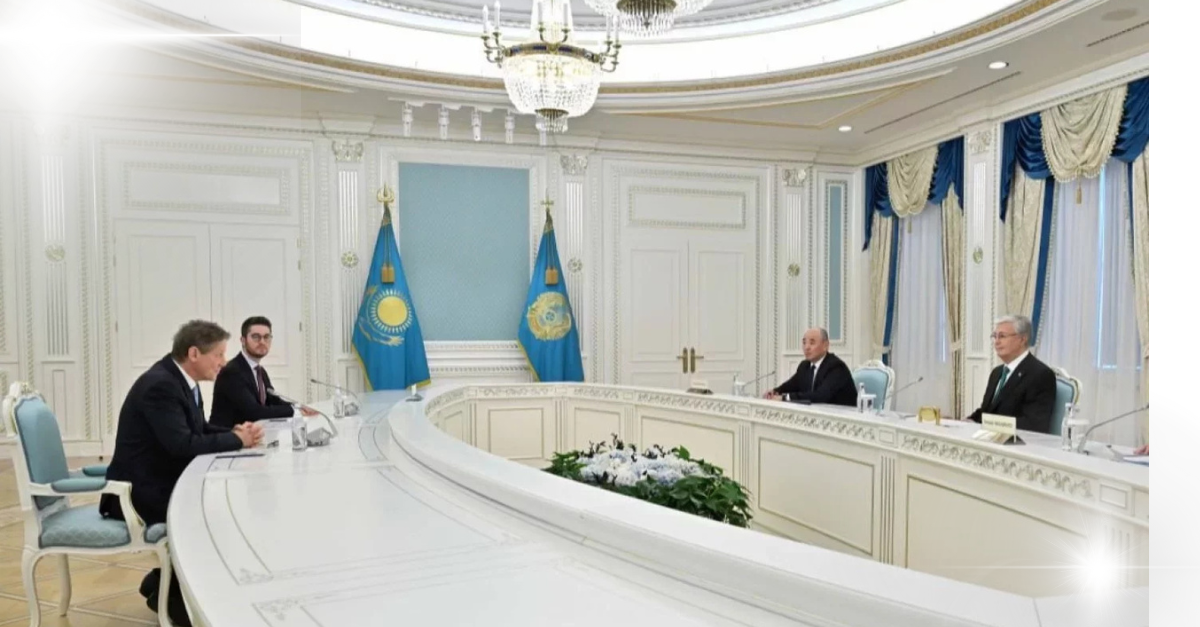
    On 28 May 2025, the President of Kazakhstan received Robert Friedland, Executive Co-Chairman of the Board of Directors of Ivanhoe Mines Ltd., to discuss prospects for cooperation in geological exploration, metal mining, and processing.

    During the meeting, Friedland informed the President about the launch of large-scale exploration activities in Kazakhstan’s Chu-Sarysu copper basin. Ivanhoe Mines has committed an initial $18.7 million for subsurface studies in the region, with total investments expected to rise to $115 million over the next four years.

    Friedland highlighted that the project will utilize advanced airborne geophysical technologies and digital data analysis to unlock Kazakhstan’s untapped copper resources. He described the initiative as one of the most ambitious copper exploration campaigns in Kazakhstan’s history and noted its potential to reshape the global copper supply landscape.

    The meeting underscored Ivanhoe Mines’ long-term vision for the region and emphasized the strategic importance of high-tech exploration methods in discovering and developing critical mineral assets.

  • Kazakhstan Advances Geological Data Digitization, Aiming for 86% Completion by 2025

    Kazakhstan Advances Geological Data Digitization, Aiming for 86% Completion by 2025

    Kazakhstan is making major strides in the digitization of its primary geological data as part of a nationwide initiative to enhance subsoil management. According to the Ministry of Industry and Construction, 60% of sector-specific geological information has already been digitized.

    In 2024 alone, approximately 1.906 million geodata units—representing 42% of the remaining volume—were processed. Combined with results from 2023, a total of 2.7 million records have been converted so far. These include over 2.47 million paper documents and graphical materials, 75,000 magnetic tapes, and around 50,000 cartridges.

    Looking ahead to 2025, Kazakhstan plans to digitize an additional 1.2 million units, pushing the digitization level to 86%. This progress brings the country closer to establishing a comprehensive and modern digital geological database.

    One of the key benefits of this digital transformation is its potential to attract foreign investment. By offering fast and convenient access to detailed geological data, Kazakhstan positions itself as a more transparent and investor-friendly destination in the natural resources sector.