Website: Kazakhstan.com

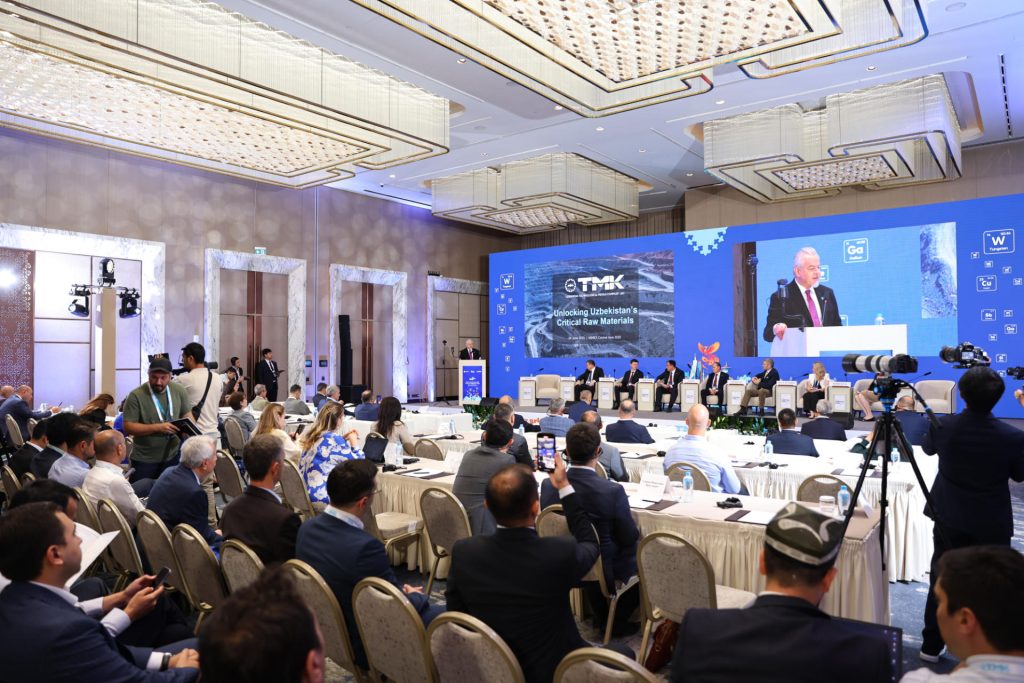
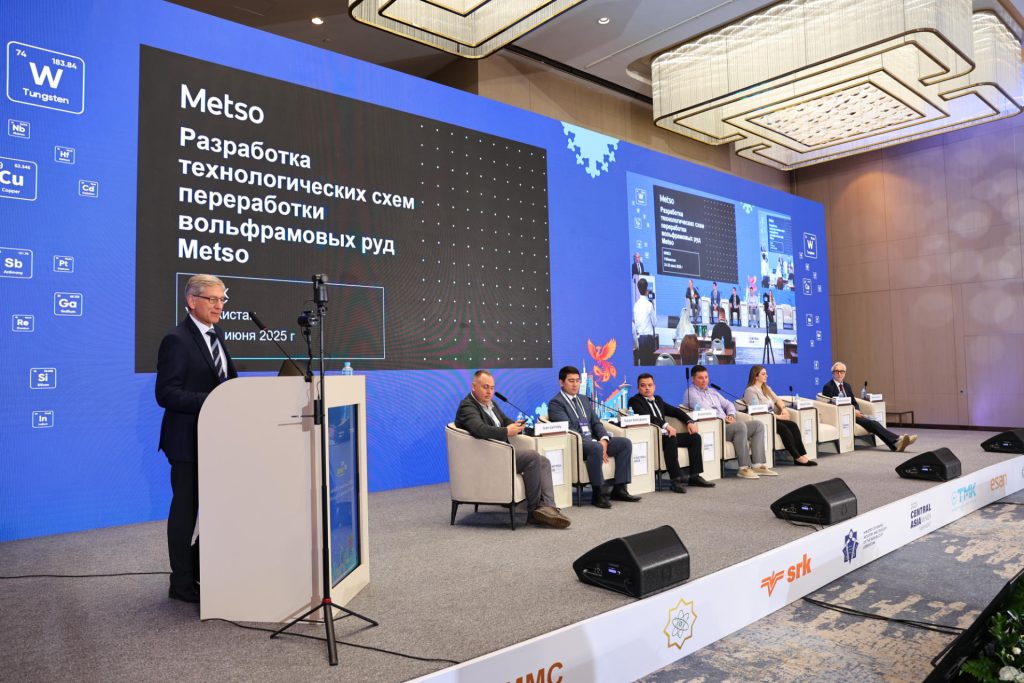
  • MINEX Central Asia 2025 – Session 9: Optimisation of Mining Production in Central Asia – Best Practices and Technologies

    MINEX Central Asia 2025 – Session 9: Optimisation of Mining Production in Central Asia – Best Practices and Technologies

    The session centered on how Central Asia is leveraging technological innovation—including digitalisation, automation, and advanced environmental management—to enhance mining sector efficiency, safety, and sustainability. It aimed to demonstrate actionable strategies for modern mining through a holistic integration of international best practices and standards, thereby boosting the region’s global competitiveness.


    Digitalisation and Automation:

    Speakers showcased how leading mining companies are applying digital tools for both open-pit and underground operations. Solutions described included integrated mine planning software, real-time process monitoring, and AI-driven resource optimization—all aimed at reducing operational costs and improving decision-making precision.


    Laboratory Automation:

    Presentations covered the shift from manual to automated laboratory systems in mining plants. Automated labs minimize human error, ensure impartiality in sample analysis, speed up turnaround times, and provide more reliable data for key processes like metal balancing, which directly impacts profitability.


    Holistic, Integrated Approach:

    The traditional, compartmentalized mining process is being replaced by holistic models that connect exploration, development, production, and closure. Integrated data analysis and digital twins help mines anticipate and manage ore variability, environmental risks, and process challenges across the full mine life cycle.


    Modern Analytical Techniques:

    New lab management solutions, such as Laboratory Information Management Systems (LIMS), streamline routine sample analysis, improve resource management, automate data entry, and assure compliance with international standards—including relevant ISO certifications. They improve sample traceability, equipment calibration, and response to quality deviations.


    Environmental and Social Responsibility:

    Consultancies highlighted approaches for integrating environmental management plans from project onset through mine closure and land rehabilitation, designing site-specific solutions and upholding international certifications.


    Implementation of International Standards:

    Consistent alignment with, and integration of, international environmental and quality management standards was emphasized as essential for Central Asian mines seeking international investment and sustainable operations.


    Workforce Development:

    Automation and digital tools are expediting onboarding and reducing planning errors, while fostering interdisciplinary collaboration across geology, mine planning, and environmental science.


    Case Studies:

    Speakers illustrated the practical impact of these technologies with real-world examples, particularly in the processing of critical materials such as tungsten, demonstrating sensor-based sorting, gravity and flotation separation, and hydrometallurgical refining—all developed to reduce energy, water, and reagent consumption.

    In sum, Central Asia’s mining leaders are rapidly adopting international technologies and standards—alongside innovations in automation, laboratory efficiency, and environmental management—to secure a future of competitive, responsible, and resilient mineral production.
  • MINEX Central Asia 2025 – Session 8: Fostering Scientific partnerships and Human Capital Development

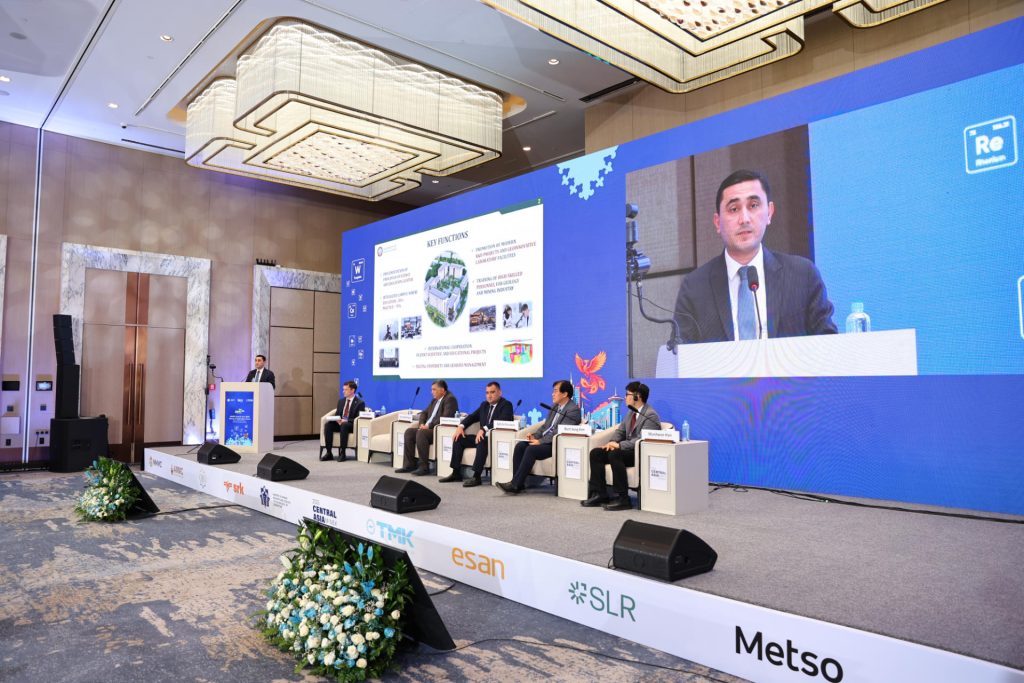
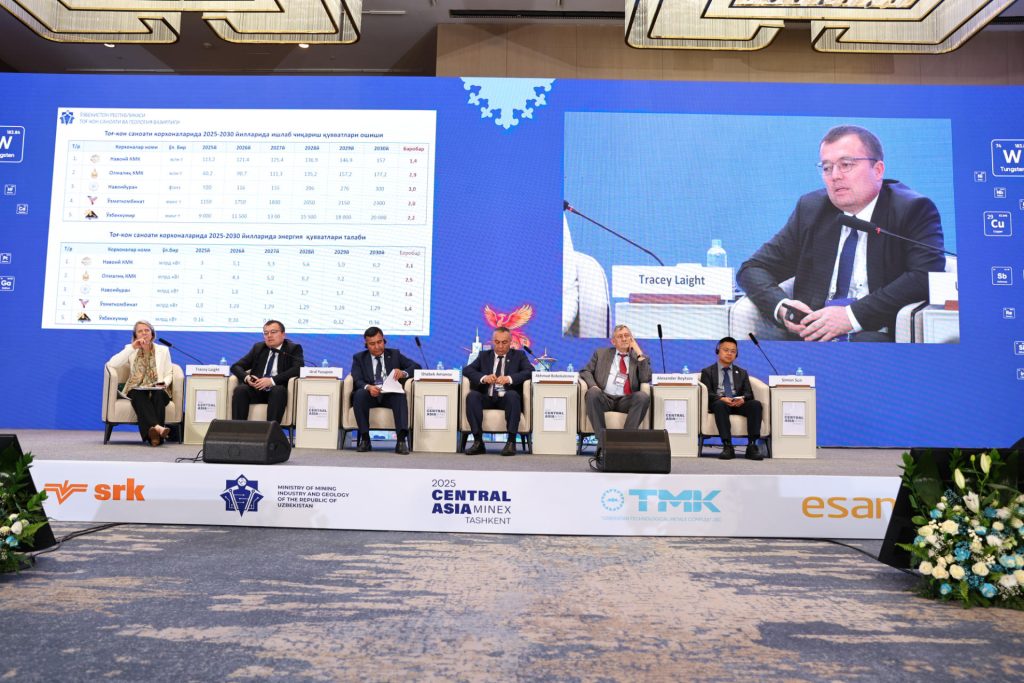
    MINEX Central Asia 2025 – Session 8: Fostering Scientific partnerships and Human Capital Development

    Uzbekistan is emerging as a regional leader in the field of critical minerals research and training. The country is making significant investments in institutional capacity building, illustrated by the establishment of the Higher School of Technological Metals at TMK. This new institution is forming a hub for global academic collaboration, bringing together international partners to explore innovative educational and scientific models aimed at driving progress and securing a skilled, sustainable workforce for the sector.

    Recent efforts are underpinned by Uzbekistan’s ambitious commitment of $2.6 billion over three years (2025–2027), dedicated to 76 projects focusing on 28 types of rare and critical minerals. These include vital resources for emerging technologies—such as tungsten, lithium, titanium, vanadium, and others crucial for aerospace, renewable energy, and advanced manufacturing. The government’s strategic move is to pivot from simply exporting raw materials, prioritising instead advanced processing and high-value-added production, which will greatly increase the value of the country’s mineral output.

    Supporting this shift, techno-parks and specialised technology hubs are being developed in mining-rich regions like Tashkent and Samarkand. These centres will integrate training, research, and innovation, helping to modernise the industry and cultivate local expertise. Additionally, President Mirziyoyev has instructed state officials to facilitate technology transfer, open modern laboratories, and establish new training facilities to prepare a new generation of mineral specialists.

    The sector is also promoting international educational exchanges and joint programmes, such as partnerships with foreign universities and research institutes specialising in geology and mining. This collaborative approach is expected to not only raise scientific standards and technological capabilities but also address the anticipated demand for highly qualified professionals, estimated at around 13,000 specialists by 2030 in Uzbekistan’s mining sector.

    In summary, Uzbekistan’s commitment to research, training, and institutional development—supported by international collaboration—is positioning it as a future hub for critical minerals and scientific innovation, with a clear focus on sustainability, advanced technology, and global competitiveness.

  • MINEX Central Asia 2025 – Session 7: Uranium Mining: Fuelling the Future

    MINEX Central Asia 2025 – Session 7: Uranium Mining: Fuelling the Future

    By 2040, global uranium demand for the nuclear sector is expected to have risen by 80%. This projected increase will drive the long-term growth in uranium requirements, resulting in the depletion of many large, low-cost uranium projects and a reduction in secondary sources. The difference between established uranium supply sources and actual demand could reach approximately 46,000 tonnes of uranium in 2040. Central Asia—in particular, Kazakhstan and Uzbekistan—is strategically positioned as it possesses abundant uranium resources, giving these countries a significant role in shaping the future of global energy supply.

    Central Asia’s uranium industry, especially in Uzbekistan, is undergoing substantial transformation to meet these rising demands. Recent regulatory updates in Uzbekistan have facilitated increased uranium production, with targets set to exceed 7,000 tonnes per year by 2030 and total resources surpassing 100,000 tonnes. The region has pioneered the use of in-situ leach (ISL) and in-situ recovery (ISR) mining methods, which are less invasive and more cost-effective compared to traditional mining. These advancements aim to both respond to the lower-carbon energy transition and support the energy needs of emerging technologies like data centres, artificial intelligence, and cloud computing.

    Globally, multiple countries—including China, India, the USA, France, and those in Central Asia—have nuclear power station construction either planned or underway, accompanied by growing interest in small modular reactors (SMRs). As part of broader development strategies, Uzbekistan is also working to diversify its energy mix, integrating renewables such as wind and solar to enhance energy security and reduce environmental impact.

    In parallel, uranium producers such as Navoiuran (Uzbekistan) are scaling up operations. Historically a major exporter of natural uranium, the company is expanding both its production and its compliance with international environmental and safety standards. Continued international partnerships and joint projects, especially with Chinese, French, and other global firms, are integral to these efforts.

    On the supply side, the global uranium market is entering a period of tighter balances. Many low-cost resources are being exhausted, existing mines are closing or reducing output, and about 46,000 tonnes of uranium required by 2040 remains unassigned to identified projects. While there are still ample uranium reserves worldwide, much of it is at a higher extraction cost, and less of it is of the affordable variety necessary for sustained industry growth at current prices.

    Kazakhstan and Uzbekistan will play pivotal roles in closing this supply gap. Their reserves—mostly discovered and developed during the Soviet era—are in geologically favourable sandstone formations suitable for ISL mining. However, future expansion will likely require exploring more challenging deposits in deeper or less accessible formations, sometimes beyond traditional uranium-mining regions, underscoring the importance of continued technological innovation and international cooperation.

    In summary, Central Asia is poised at the heart of the nuclear energy supply chain, with both opportunities and challenges ahead due to increasing global demand, the depletion of easily recoverable reserves, and the drive for greater energy diversification and environmental responsibility.

  • MINEX Central Asia 2025 – Session 6: Mining and Post Mining remediation

    MINEX Central Asia 2025 – Session 6: Mining and Post Mining remediation

    Central Asia is at a critical juncture, facing the environmental legacy of past industrial and mining activities while striving for a sustainable, responsible future. The region’s mining sector must contend with the consequences of unsustainable practices—such as ecosystem damage, water resource strain, and community health impacts—yet it also stands to benefit from abundant renewable energy, global investment, and a growing focus on low-carbon technologies and ESG (environmental, social, governance) standards.


    Responsible mining and remediation:

    There is an urgent need to move away from traditional extraction-only approaches toward integrated models that balance economic growth with environmental stewardship. Restoration of land and water resources—damaged by years of overexploitation and pollution—is now prioritised, utilising innovative rehabilitation and monitoring strategies.


    Water and waste management:

    With increasing climate sensitivity and pressure on regional aquifers and rivers (such as the Amu Darya), sustainable water use in mining is critical. Solutions discussed include stormwater harvesting, improved dam lining, reducing evaporation and seepage losses, and regional collaboration for shared water resources.


    Risk-based approach to tailings safety:

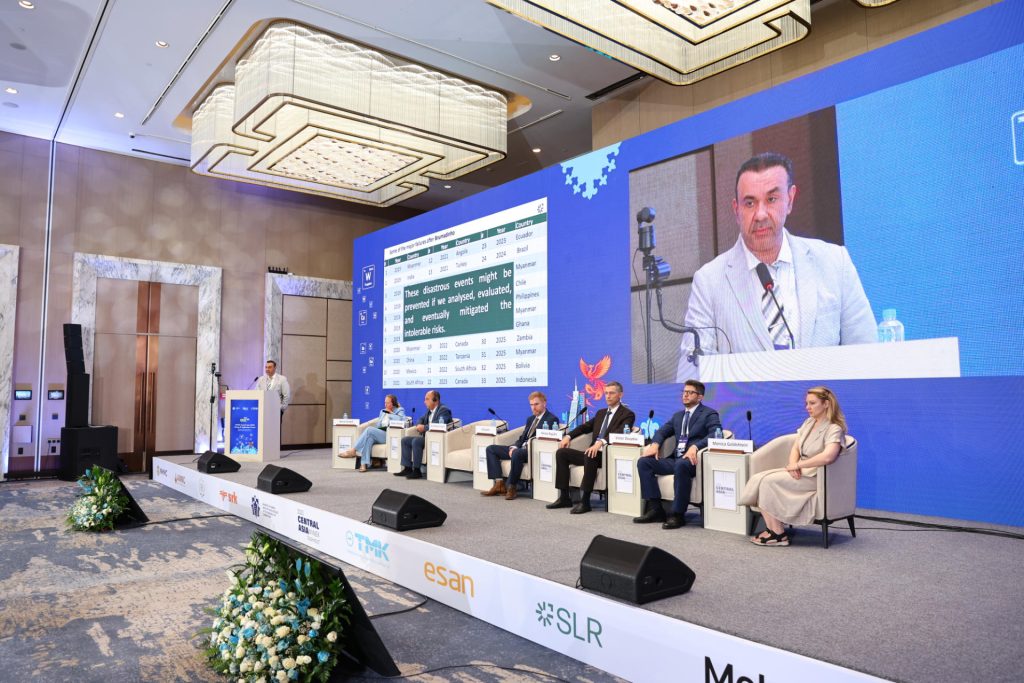
    Rather than relying solely on standard-based “tick box” assessments, practitioners now emphasise risk-based methodologies to identify, prioritise, and mitigate the most credible failure modes for tailings storage facilities. This approach draws lessons from high-profile disasters elsewhere, showing the importance of robust monitoring, transparent risk profiling, and targeted interventions.


    Technological innovation:

    The adoption of technologies such as high-efficiency tailings thickeners, advanced water recycling systems, and state-of-the-art geotechnical monitoring (including radar and satellite surveillance) is enabling safer and more resource-efficient mining. Practical case studies demonstrated marked reductions in water consumption, energy use, and operational risk.


    ESG and management systems:

    Creating resilient, all-encompassing ESG management systems is essential—not merely as a tick-box exercise for certification, but as an operational backbone. Effective systems are data-driven, supported by senior leadership, and integrate international standards with regional legislative requirements. Continuous improvement, simplification, and genuine commitment throughout organisations are seen as crucial for avoiding social and environmental failures.


    Stakeholder engagement:

    Long-term success requires meaningful and ongoing engagement with communities, regulators, and investors. Social licence to operate depends on transparency, fair impact assessment, and responding proactively to local concerns and regulatory expectations.


    Regional and transboundary cooperation:

    Given Central Asia’s interconnected river systems and shared environmental risks, collaborative approaches—such as joint water management models and cross-border emergency response plans—are increasingly in focus.


    Ongoing challenges include:

    Skills shortages and health and safety perceptions deterring new talent;

    Legacy of dense mining activity near populations;

    Navigating complex new regulatory and investor expectations while expanding production.

    In summary: Central Asia’s mining sector is moving to a model that integrates environmental responsibility, social engagement, and technological best practice. The region’s ability to align project development with both investor expectations and community well-being will determine whether its mineral wealth becomes a foundation for enduring, shared prosperity—or further environmental stress.

  • MINEX Central Asia 2025 – Session 5: Development of Mineral and Raw Material Resources in Central Asian Countries – Untapped Opportunities

    MINEX Central Asia 2025 – Session 5: Development of Mineral and Raw Material Resources in Central Asian Countries – Untapped Opportunities

    Central Asia possesses immense, largely untapped mineral resources, positioning the region as a major potential hub for global raw materials critical to economic growth, industrial development, and the energy transition. Recent years have seen significant advancements and strategic shifts aimed at unlocking this potential, with stakeholders focusing on three principal areas:

    Technological Advances in Exploration and Extraction

    Modern geological exploration methods are being deployed to identify resources beneath challenging terrains, such as mountainous regions and deep sedimentary covers, where much of the remaining mineral wealth is likely to be found.

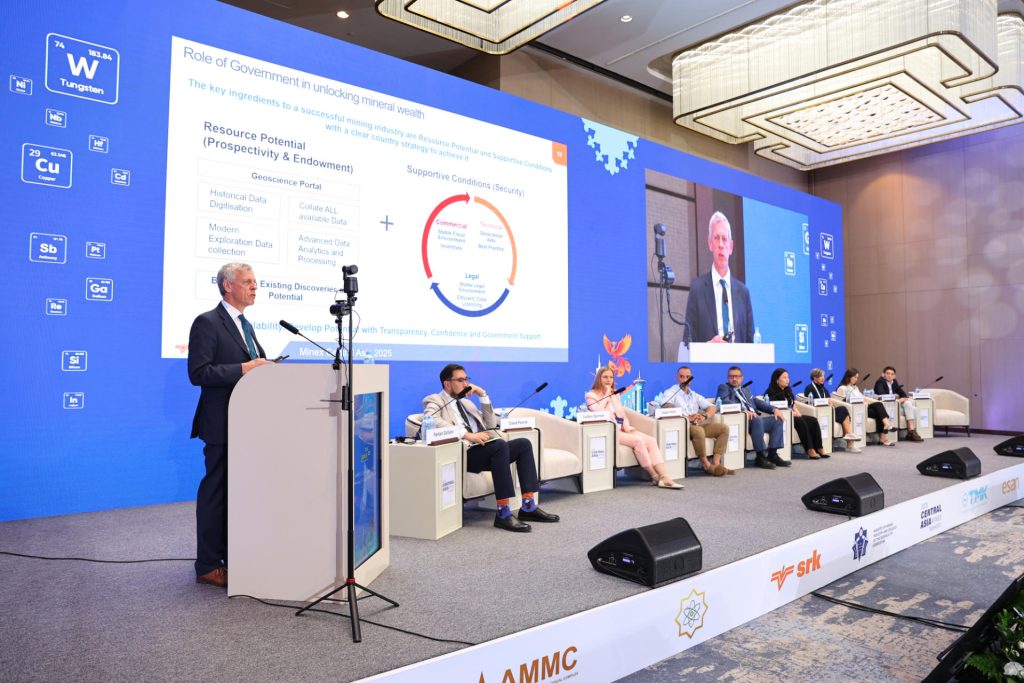
    Companies and governments have begun digitizing vast libraries of Soviet-era geological data and integrating them into accessible geoscience portals—a crucial step in expediting exploration and attracting foreign investment.

    Cutting-edge geophysical surveying, spectral analysis, machine learning, and digital twins are increasingly standard in exploration efforts, with several firms and service companies actively applying these methods to reduce costs, speed discovery, and optimize resource modelling.

    Sustainable Resource Management and Value Chain Optimisation

    There is growing emphasis on sustainable mining practices: stakeholders are aligning with global environmental standards (such as those discussed at COP28), prioritizing high-grade, low-impurity concentrates, and investing in green technologies for low-carbon steel and metal production.

    Efforts are underway to improve data transparency, regional geophysical surveys, and environment-focused regulations, as these are seen as prerequisites for efficient and sustainable resource development.

    Governments are updating legislative frameworks and encouraging regional cooperation to connect resource bases with infrastructure and markets, aiming to optimize logistics, power supply, and talent development.

    Investment, Infrastructure, and Regional Partnerships

    The region is attracting heightened international interest and capital, particularly from China, which seeks reliable supplies of critical minerals for the green transition, and from the EU and US as they diversify supply chains away from traditional sources.

    Kazakhstan, for example, plans to open over 30 new mining deposits by 2025 through advanced surveying and innovative strategies—setting a model for neighbouring states.

    Major mining and processing investments are being made in Uzbekistan, both by Chinese partners and by multinationals, aiming at copper, rare earths, iron ore, and more.

    At the national and regional levels, governments are focusing on digitizing data, stabilizing tax regimes, offering investment incentives, protecting investors, and developing human capital to foster a competitive mining sector.

    Challenges and Recommendations:

    Persistent challenges include underdeveloped infrastructure, remote deposit locations, insufficient geological funding, and slow legal harmonization.

    Speakers recommended that governments increase funding for geological surveys, ensure rapid and transparent data access, and balance fiscal incentives with national interests to maximize benefits from large-scale projects.

    International best practices—such as Australia’s “Explore for the Future” initiative, which makes high-quality geoscience data freely available—are highlighted as models for Central Asian states to replicate in order to boost exploration and investment.

    Conclusion for Stakeholders:

    Central Asia stands at a pivotal moment: to realise its mineral potential, governments, investors, and experts must intensify efforts to modernise geological data, invest in sustainable infrastructure, offer a stable regulatory environment, and promote regional cooperation. By following these recommendations, the region is well-positioned to become a cornerstone of global supply chains for critical minerals.

  • MINEX Central Asia 2025 – Session 4:  Creating Resilient Metals & Minerals Value Chains – Emerging Opportunities

    MINEX Central Asia 2025 – Session 4: Creating Resilient Metals & Minerals Value Chains – Emerging Opportunities

    Central Asia is positioned to become a reliable, investment-ready partner in the minerals and metals industry, but long-term stability and international credibility must be established beyond merely owning resources. Experts at this session discussed the needs of buyers, improvement of project development and certification, and the necessity for strategic adjustments in the midstream sector to align with market demands. The session also explored emerging models of buyer-supplier relationships, the importance of long-term agreements, and the critical role of international partnerships in securing Central Asia’s place in the clean energy transition.

    Speakers highlighted global mining trends, with gold and copper remaining the primary exploration targets. Central Asia’s exploration budgets for these metals have risen alongside global prices, though producing new mines remains slow, with the average lead time from discovery to production lengthening to nearly 18 years. The region’s mines tend to have competitive operating costs, especially for gold, with certain Uzbek mines standing out for efficiency. However, both cost management and emission intensity remain ongoing challenges as the industry seeks to decarbonise.

    Artificial intelligence (AI) was presented as a transformative solution for the sector, particularly in accelerating exploration, improving processing, and optimising logistics and supply chains. AI can reduce exploration times, cut costs, and improve the predictability and sustainability of extraction, but barriers such as limited regional expertise, data quality, infrastructure challenges, and limited investment capacity persist. Developing regional specialist training, adopting international standards, and fostering joint innovation hubs were all recommended to overcome these hurdles.

    Responsible gold sourcing and transparent international supply chains were also discussed, with emphasis on meeting established standards, utilising digital tools like blockchain to enable tracking, and ensuring compliance from mine to market. Integration of technology and international best practice is seen as essential to maintain access to premium markets, especially as accountability and transparency expectations increase.

    The discussion acknowledged the region’s potential for rare earth element extraction and opportunities to expand new processing facilities, aiming to add value locally rather than exporting raw materials. However, Central Asia faces tough competition from China, which dominates global processing and refining capacity. Experts stressed that to genuinely reduce dependency, local processing and refining must be developed in tandem with resource extraction.

    Finally, speakers noted that Central Asia’s young population, reform agenda, and improving investment climate make it an increasingly attractive destination for international capital, particularly in critical minerals and technology-driven mining projects. Regional cooperation, robust legal frameworks, and public-private partnerships were highlighted as strategies for maximising opportunities and achieving sustainable, long-term growth.

  • Kazakhstan to Double Copper Ore Output with Launch of Three New Mines

    Kazakhstan to Double Copper Ore Output with Launch of Three New Mines

    Kazakhstan will begin developing three new copper deposits — Aidarly, Koksay, and Benkala — aiming to double its copper ore production to 300 million tonnes within the next five years, according to Deputy Minister of Industry and Construction Olzhas Saparbekov.

    The announcement came during a government meeting focused on boosting the country’s mineral output. In addition to the copper plans, Saparbekov said iron ore extraction is also expected to rise by 40% by 2030, reaching 52 million tonnes annually. This increase will support the expansion of Qarmet’s processing facilities and the launch of new hot-briquetted iron (HBI) production plants.

    Looking ahead to 2025, the government anticipates a twofold increase in copper refining, along with a more than twofold rise in lead production, a 50% increase in aluminium output, and an 11% boost in zinc production.

    To sustain this growth, Kazakhstan will allocate at least 30 billion tenge toward geological exploration next year. The funding will come from subscription bonuses collected through mineral rights auctions.

    Prime Minister Olzhas Bektenov noted that revenues from these bonuses are expected to increase as the government refines its calculation methodology to optimise income from the mining sector.

  • MINEX Central Asia 2025 – Session 3: Building an Investment-Ready Framework for Strategic Partnerships

    MINEX Central Asia 2025 – Session 3: Building an Investment-Ready Framework for Strategic Partnerships

    This session focused on creating an investment-ready framework for Central Asia’s critical minerals sector, emphasising the importance of a robust regulatory foundation to unlock long-term investment. Industry experts and policymakers explored recent mining reforms, especially in Uzbekistan and Kazakhstan, and discussed broader regional initiatives aimed at enhancing legal clarity and institutional capacity. The dialogue consistently returned to aligning regulatory frameworks with international standards to ensure greater transparency, predictability, and ESG (environmental, social, and governance) compliance.


    Key points covered:

    Investor Confidence and Private Capital: Panellists highlighted that capital remains cautious, particularly in “non-traditional” or higher-risk destinations like Central Asia, preferring established mining hubs. Governments must therefore undertake substantial reform to compete globally for scarce private investment, which tends to flow only after the early, riskier phases have attracted capital and shown stability.


    Progress and Reform in Kazakhstan and Uzbekistan:

    Kazakhstan, the region’s most mature mining jurisdiction, has implemented a significant 2018 Subsoil Code and is pursuing further reforms, though implementation gaps remain.

    Uzbekistan has rapidly improved its investment climate since 2017, including liberalising currency exchange, enacting new investment laws with foreign investor guarantees, establishing a Foreign Investors Council, and launching an ambitious privatisation and IPO programme for state enterprises—notably through the new National Investment Fund, managed by Franklin Templeton.


    Privatisation and Market Access:

    Uzbekistan’s strategy includes listing major state assets on local and international exchanges, with the aim of improving governance, increasing transparency, and creating a pipeline of investable companies for institutional investors. This approach, it is argued, will foster greater competition and reduce state dominance, thus encouraging more foreign investment.


    Sustainable Mining and ESG:

    Central Asian nations are increasingly focused on ESG standards and sustainable practices as a means of strengthening global investment appeal. The session underlined the region’s need to add value within the supply chain—moving from raw mineral extraction to processing and manufacturing—to overcome geographic limitations (such as being landlocked).


    Geopolitical Dynamics and Competition:

    The region faces both risks and opportunities amid complex international competition, with China remaining a prominent investor and competing interests from Europe and other global powers. The panel discussed how geopolitical factors and changing regulatory approaches (such as new Chinese ESG requirements) shape both investment flows and strategic policy.


    Challenges with Capital Markets:

    Despite the “critical” classification of certain minerals, the public capital markets do not always recognise their importance through high valuations. There was debate over why, if these resources are so vital to governments, public or policy-driven capital does not take a greater equity stake—especially given private capital’s risk aversion.


    Case Studies and Real-World Application:

    Presentations included examples such as Uzbekistan’s gold producer Navoi Company, highlighting successful governance reforms, international bond issuances, and progress towards international best practices.


    International Finance and Support:

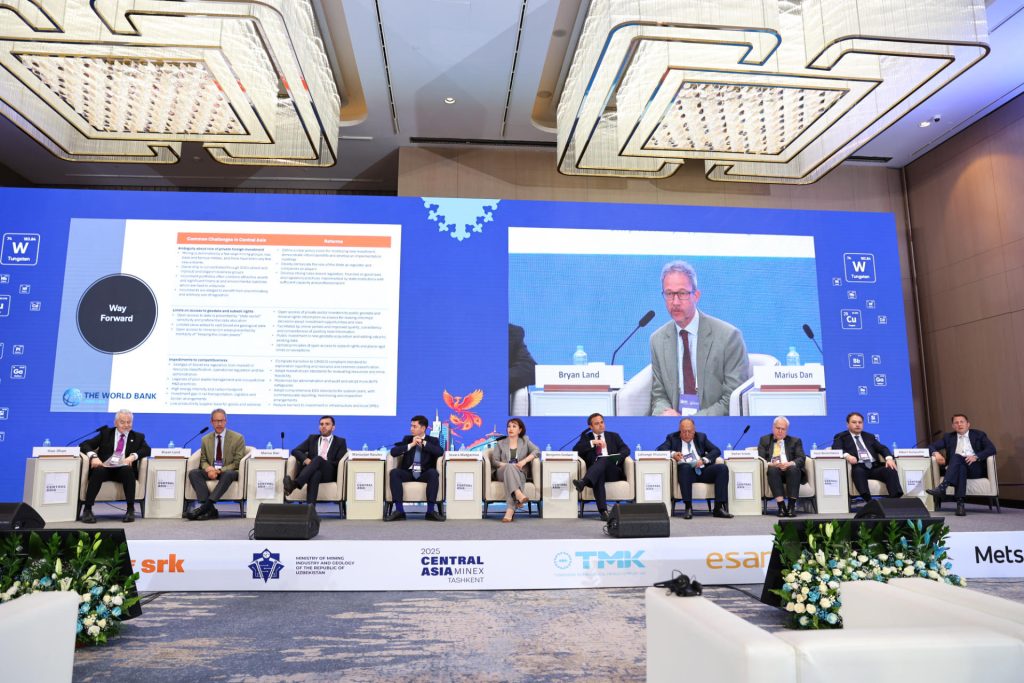
    Entities like UK Export Finance and the World Bank outlined their roles in providing guarantees, loans, and technical assistance, further supporting the sector’s opening to global markets.

    The session concluded with a panel Q&A exploring the obstacles to attracting the required private equity, the role of strategic (especially Chinese) investment, and the future trajectory for Central Asia as an emerging node in global critical mineral supply chains. Presenters consistently emphasised the need for ongoing reform, transparency, and practical implementation—not just policy announcements—to truly create an investment-ready future for the region.

  • MINEX Central Asia 2025 – Session 2: Uzbekistan in Global Critical Minerals Supply Chains

    MINEX Central Asia 2025 – Session 2: Uzbekistan in Global Critical Minerals Supply Chains

    Overview

    Uzbekistan is rapidly positioning itself as a significant player in the global critical minerals sector. The session focused on how the country, through the leadership of TMK (Uzbekistan Technological Metals Complex (TMK), is integrating upstream, midstream, and downstream activities to maximise value creation and secure its place in international supply chains. The discussion also highlighted strategic partnerships, foreign direct investment, and the alignment of industrial growth with global supply chain resilience.


    TMK: Structure and Vision

    TMK is the largest technological complex in Central Asia, operating a full technological cycle from mining (upstream) to final product manufacturing (downstream).

    The company is entrusted with all critical raw material assets in Uzbekistan and operates under a nationally coordinated vision.

    TMK’s asset base covers more than 70 assets and 25 different commodities, including tungsten, molybdenum, graphite, vanadium, lithium, and rare earth elements.

    The company emphasises not just resource extraction but also processing and value-added production, aiming to capture international market share across the value chain.


    Project Portfolio

    TMK’s portfolio includes:

    Exploration Projects: Early-stage, focused on resource identification and extending mine life.

    Development Projects: Moving from scoping studies to pre-feasibility and definitive feasibility studies.

    Construction & Operation: Advanced-stage projects ready for or already in production.


    Selected Projects

    Circle Tungsten Construction 2.4M tons reserve, 6M tons resources, production by early 2027

    Taskan Graphite 9M tons reserve, 2M tons annual rate, operational by early 2027

    MSC Project Copper Pre-feasibility 800M tons resources, 200M tons reserve potential, high throughput

    Madan Project Uranium, VanadiumPre-feasibility Joint project, study completion expected Q2 2026

    Ingishka Tailings Multi-metals Exploration/Recovery Focus on environmentally friendly recovery from tailings


    International Standards & Partnerships

    TMK adheres to internationally recognized standards (e.g., JORC, NI 43-101) for exploration, feasibility, and operations.

    The company collaborates with international consultants and laboratories to ensure quality and credibility.

    Partnerships are welcomed at all stages—from exploration to final production—with both domestic and international entities.


    Hub and Techno Park Concept

    TMK is developing techno parks in several regions (Tashkent, Chikik, Jazak, Samarkand) offering:

    Modern infrastructure

    Tax and customs benefits

    Ready-to-use land and production spaces

    Support for export-oriented and technologically intensive projects

    R&D and Innovation


    TMK’s R&D ecosystem includes:

    The Uzbekistan-Korea Rare Metal Center (with Korean partners)

    A nano-analytical laboratory (in partnership with SGS)

    A Center for Innovative Projects (for commercialization, marketing, and financial modeling)

    Graduate programs with international universities (e.g., Pisa University, University of Geological Sciences)

    Over 44 R&D projects span upstream (ore extraction), midstream (metallurgy), and downstream (advanced materials, coatings, and composites).

    The R&D focus is on decarbonization, health and safety, and manufacturing efficiency.


    Government Support and Tax Regime

    The government has implemented a competitive and attractive tax regime for mining:

    Exploration: Minimum 10% of the minimum sum

    Extraction: 7% for iron, precious metals, copper; 8% for uranium and critical minerals

    Special incentives in techno parks and free economic zones, including tax reimbursements for up to 10 years

    Human resource development is a priority, with four universities and 14,000 students focused on mining and geology.


    International Collaboration

    UK: Supporting with export finance, technology, and research partnerships; over £3.6 billion available for projects with at least 20% British content.

    US: Strong government and private sector engagement, including MOUs and support for American companies entering the market.

    Germany/EU: Focused on supply chain diversification, technical cooperation, and supporting sustainable, long-term raw material supply.


    Key Takeaways

    TMK is operational across the full value chain, not just a mining company.

    The company is well-funded, with $200 million allocated from the Uzbekistan Reconstruction and Development Fund.

    There is a strong emphasis on international standards, partnerships, and human capital development.

    Uzbekistan offers a stable, reform-oriented environment for investment in critical minerals, with robust government backing and a clear vision for global integration.

  • Kazakhstan Audit Reveals Critical Flaws in Mineral Resource Management

    Kazakhstan Audit Reveals Critical Flaws in Mineral Resource Management

    Kazakhstan’s Supreme Audit Chamber has released the findings of a national audit into how the country’s mineral resources are being used — and the results point to serious challenges for the industry that currently contributes a fifth of the national GDP.

    Despite this significant economic role, confirmed reserves are steadily being depleted, and the country is struggling to replenish them. According to the audit, one of the core issues is the failure to convert preliminary resource estimates into confirmed reserves due to insufficient geological exploration, a problem exacerbated by a lack of private investment in exploration activities.

    The Ministry of Industry and Construction has fallen short on key goals, including digitising geological data, building a comprehensive digital geological database, updating exploration archives, and boosting private sector engagement.

    Auditors also uncovered poor oversight from the Committee of Geology, resulting in contractors being paid for digitisation work worth 68.2 million tenge that was never completed.

    Tax loopholes were identified as another major issue. When companies amend their operational programmes, no tax review is conducted — allowing some to avoid paying taxes and budgetary obligations.

    A further concern is the absence of modern, internationally certified laboratories. This undermines quality control, particularly for exports of precious metals and raw materials, weakening Kazakhstan’s ability to monitor its resource outflows effectively.