Website: Kazakhstan.com

  • Laramide Resources to Launch 15,000m Drilling Program at Chu-Sarysu Uranium Project in Kazakhstan

    Laramide Resources to Launch 15,000m Drilling Program at Chu-Sarysu Uranium Project in Kazakhstan

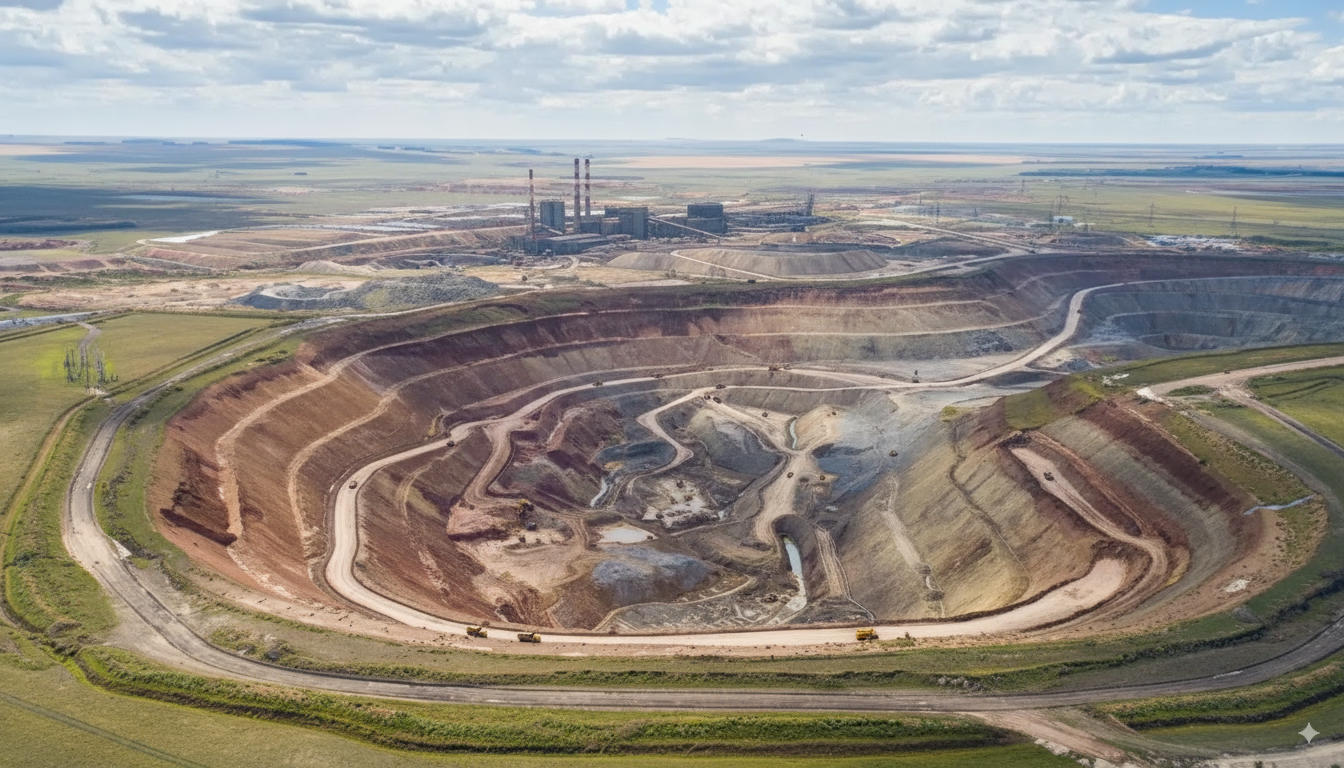
    Laramide Resources Ltd. (TSX: LAM; ASX: LAM; OTCQX: LMRXF), a uranium development and exploration company with projects in the United States and Australia, has announced plans to drill approximately 15,000 metres at its Chu-Sarysu Project in Kazakhstan, one of the world’s most prolific uranium-producing regions.

    Over the past year, the company compiled a comprehensive dataset from Kazakhstan’s National Geological Services, supplemented by local contractors. The data includes historical mapping, drilling, geophysical surveys (seismic, electromagnetic, magnetic and gravity), and geochemical results. The review confirmed that Chu-Sarysu is a target-rich environment prospective for uranium, copper, and rare earth elements.

    In 2025, Laramide submitted exploration work plans to the Ministry of Industry and Construction and is finalising the remaining permits needed to proceed. Two local drilling contractors have been selected to carry out the Phase 1 program using multiple rigs, with depths ranging from 50 metres to as deep as 550 metres. The program will begin in Q4 and aims to demonstrate the extent of roll-front hosted uranium mineralisation beyond existing ISR operations, while also testing for copper and rare earths.

    Kazakhstan currently accounts for nearly 40% of global U₃O₈ output, with the Chu-Sarysu and Syr Darya basins producing more than 75% of the country’s uranium. The Chu-Sarysu Basin also has significant copper potential, highlighted by the Dzhezkazgan deposit and ongoing exploration by global miners including Rio Tinto, Fortescue, First Quantum, and Ivanhoe.

    Marc Henderson, Laramide’s President and CEO, described the project as “one of the great greenfield exploration opportunities globally,” noting the supportive investment climate in Kazakhstan. He emphasised that uranium remains the company’s primary focus, with ISR mining offering cost efficiency and environmental benefits, but highlighted the upside potential of copper and rare earths.

    “This inaugural exploration program for Laramide in Kazakhstan is targeting high-grade, large-scale uranium deposits in a basin with existing infrastructure and producing operations,” Henderson said. “We look forward to delivering results that demonstrate the significant potential of this world-class district.”
  • Kazakhstan to Open National Laboratory for Rare Earth and Precious Metal Export Control

    Kazakhstan to Open National Laboratory for Rare Earth and Precious Metal Export Control

    Kazakhstan will establish a new laboratory to strengthen oversight of exported raw materials and detect the presence of rare earth elements (REEs) and precious metals, Vice Minister of Industry and Construction Iran Sharkan announced at a briefing, according to Interfax-Kazakhstan.

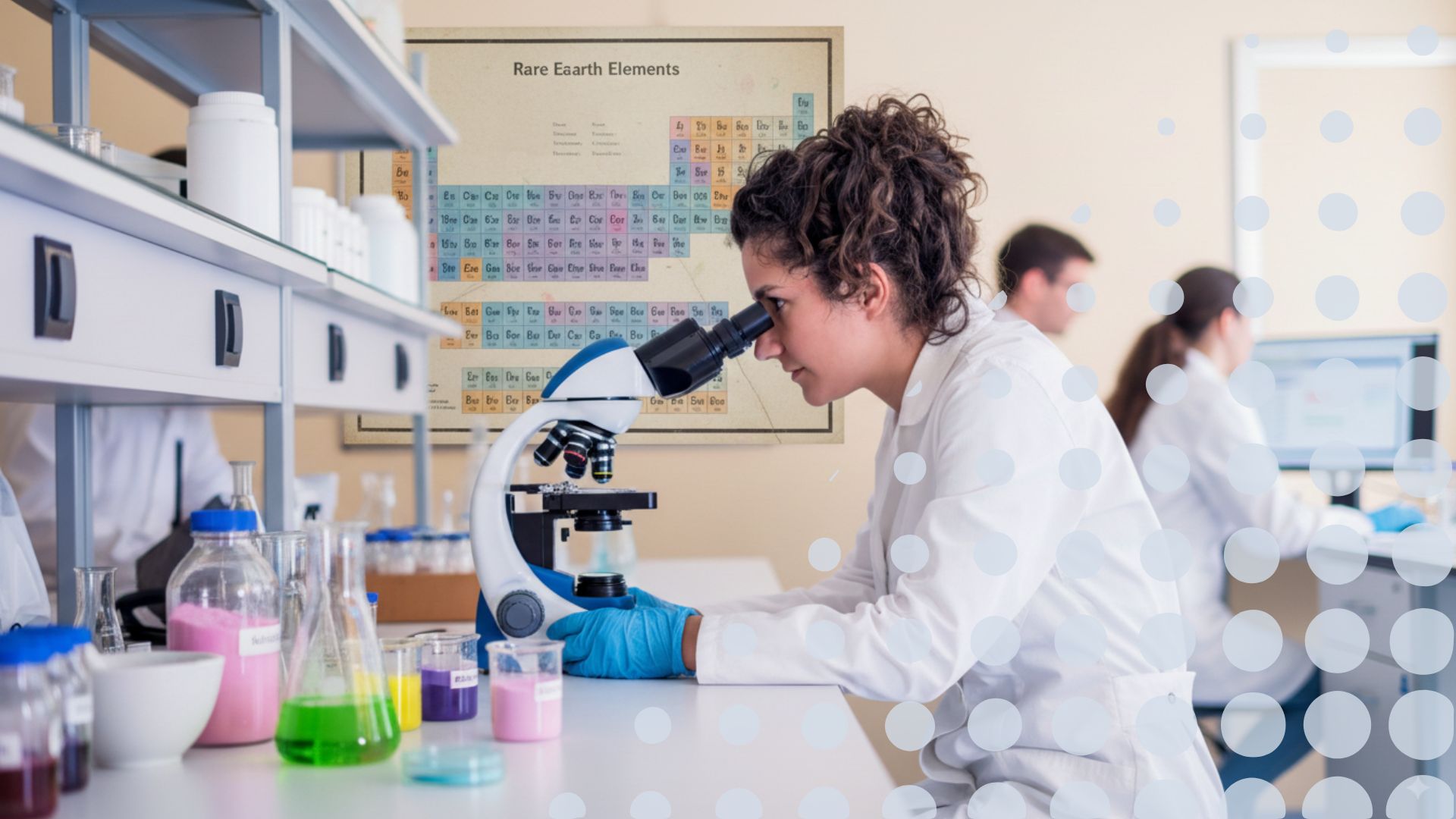
    The facility will be created under the National Geological Service and accredited to international standards. Its role will be to analyze the composition of ores and concentrates leaving the country, preventing the uncontrolled export of materials that may contain valuable or scarce metals.

    Sharkan emphasized that unauthorized export of rare earths remains a pressing issue for Kazakhstan, and the government is actively working to address it. The new laboratory will ensure that shipments are properly assessed before crossing borders, closing gaps in current oversight.

    The initiative follows calls made in September by the Ak Zhol party, which proposed that all export shipments of ores and concentrates undergo chemical testing in independent accredited laboratories, alongside the creation of state-run labs. The party argued that existing procedures—where analyses are commissioned directly by subsoil users—leave results unchecked and unverifiable by government authorities.

    By establishing its own laboratory infrastructure, Kazakhstan aims to tighten control, safeguard strategic resources, and ensure transparency in the country’s mineral exports.

  • The Devil is in the Detail: Key Concerns of Kazakhstan’s Mining Sector Investors

    The Devil is in the Detail: Key Concerns of Kazakhstan’s Mining Sector Investors

    While Kazakhstan has established itself as one of the most attractive jurisdictions for geological exploration investment, recent developments have unsettled international partners. Ruslan Baimishev, President of the Kazakhstan Mining Chamber, outlined these concerns during a panel discussion in Almaty, as reported by LS.

    Baimishev noted that major industry players invest with long-term horizons—often 10 to 15 years—making regulatory stability crucial. He acknowledged that reforms in 2018 had positioned Kazakhstan as a globally competitive mining jurisdiction. However, he warned against backtracking, citing attempts to reintroduce restrictive policies, such as stricter reserve reporting rules and restricted access to geological data.

    “During the last parliamentary session, several draft laws initially welcomed by MPs were later amended, effectively reverting to outdated practices and deviating from international standards,” Baimishev explained. Though these changes were ultimately halted, the mere attempt sent worrying signals to investors.

    Another pressing issue is tax reform. The new Tax Code, set to take effect in 2026, introduces higher land lease fees, which could discourage large-scale exploration. Baimishev argued that while the intent—to incentivise faster project development—is logical, investors need clarity on post-exploration taxation. He also criticised proposed royalty rates, which, despite being marketed as investor-friendly, may apply unevenly, disadvantaging existing license holders.

    On a positive note, Baimishev praised ongoing government-business dialogue and improvements in geological data accessibility. However, he urged further refinements, particularly in licensing procedures for restricted areas.

    Separately, Nikolai Radostovets of the Republican Association of Mining and Metallurgical Enterprises raised concerns over a proposed 1% R&D levy. While 30% would fund geological studies—a sector priority—he argued the remaining 70% should support industry-specific innovation rather than being absorbed into the state budget.

    Saken Shayakhmetov of Kazakhmys added that without strategic R&D investment, Kazakhstan risks falling behind technologically as mineral reserves deplete.

  • Kazakhstan to Launch State-Run Lab for Rare Earth Metals Export Control

    Kazakhstan to Launch State-Run Lab for Rare Earth Metals Export Control

    Kazakhstan will create a specialized laboratory under the National Geological Service to combat the illicit export of rare earth metals (REMs), Vice Minister of Industry and Construction Iran Sharhan revealed during a briefing in Almaty on 17 September.

    Cracking Down on Illegal Exports

    The lab, which will seek international accreditation, is designed to detect and block unauthorised shipments of REMs disguised as other raw materials or concentrates. Sharhan emphasised the urgency of the measure, stating, “This allows us to identify accompanying elements in raw materials, including rare earth metals. The lab will help intercept illegal exports.”

    The announcement follows allegations by Azat Peruashev, a parliament member from the Ak Zhol party, who warned that precious and rare earth metals are being smuggled out of Kazakhstan under false labeling. He criticised the current system, where private labs contracted by mining firms handle export certifications, calling for independent, state-controlled oversight.

    Political and Industry Backing

    The Ak Zhol party has pushed for mandatory third-party chemical analysis of exported ores and concentrates, alongside potential state-run labs under government agencies.

    The National Geological Service, Kazakhstan’s primary body for geological data management, will house the new facility. The move aligns with President Kassym-Jomart Tokayev’s proposal at the Central Asia-EU Summit in Samarkand to establish a Regional Research Center for REMs in Astana.

    Recent Discoveries and Global Demand

    The decision comes as Kazakhstan reports new REM deposits in the Karaganda region. With global demand for rare earth metals surging—driven by renewable energy and tech sectors—the lab aims to ensure transparency and compliance in Kazakhstan’s mineral trade.

    “This is a critical step to protect our resources and integrate with international standards,” Sharhan concluded.

  • Kazakhstan’s Critical Minerals in Focus at the BKS webinar

    Kazakhstan’s Critical Minerals in Focus at the BKS webinar

    Kazakhstan’s ambition to transform itself into a linchpin of the global critical minerals supply was in sharp focus at the British-Kazakh Society’s (BKS) latest webinar, “Critical Minerals – A Closer Look at Kazakhstan and the Resource Base.”

    Hosted online on 16 September, the event brought together government representatives, leading analysts, and industry insiders to scrutinise the nation’s mineral endowment, discuss its strategy for long-term sustainability, and evaluate opportunities for international partnership and investment.

    Geological Promise and Policy Drive
    In his welcome address, Yerlan Zeineshev, Economic Counsellor at the Kazakhstan Embassy in the UK, underscored the nation’s geological riches—including rare earths, lithium, copper, uranium, titanium, and vanadium—and signalled Kazakhstan’s determination to become “a key supplier for global critical mineral needs.” The country already produces 17 of the 34 critical minerals on the UK’s essential list, with potential to expand further given the right investment and technology.

    Mr Zeineshev highlighted March 2024’s UK-Kazakhstan critical minerals roadmap, emphasising mutual aims for research, private investment, and technology transfer. He pledged continued reform to ensure an open, investor-friendly environment—citing adoption of international best practice in mining codes, long-term investment agreements, and digitalisation of geological data.

    Supply Chain Resilience and Global Partnerships
    Speakers and panellists closely examined how Kazakhstan’s neutral geopolitical stance and its position on the Trans-Caspian International Transport Route position the country as a reliable partner for nations seeking to diversify supply chains. As Enzo Grazella, Senior Analyst at the Critical Minerals Association, noted, this offers both Europe and the UK an alternative source to mitigate risk and reduce overreliance on a handful of global producers.

    The UK government’s updated critical minerals strategy and increased focus on supply chain security were cited as drivers for stepped-up bilateral engagement, particularly in mining, refining, recycling, and advanced manufacturing. Initiatives backed by UK export finance, the European Bank for Reconstruction and Development (EBRD), and local reforms are fostering a more attractive investment climate.

    Resource Development and Value Addition
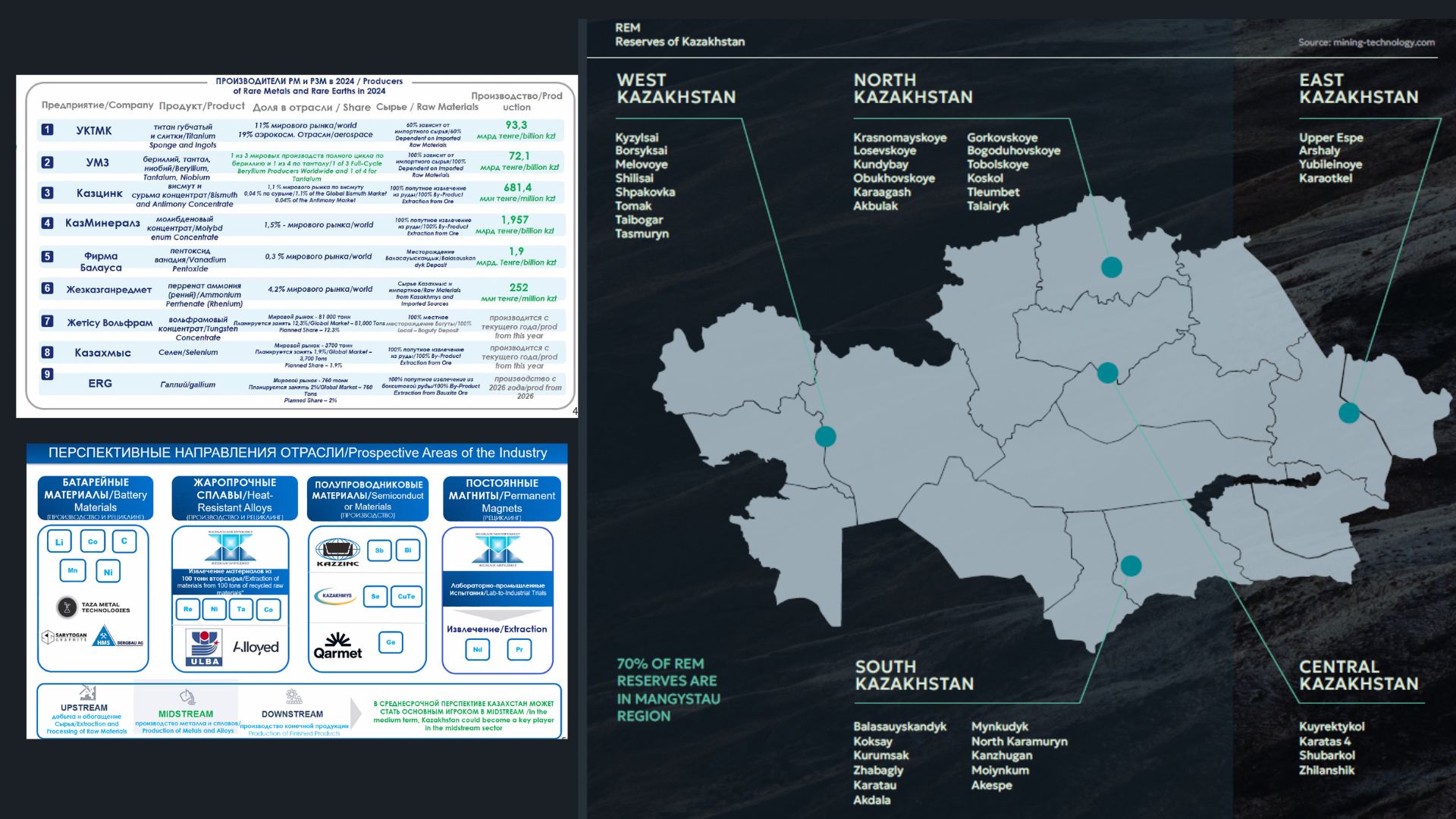
    Arkhat Kurmanbekov, Deputy Director General of Kazakhstan’s National Center for Technology Foresight, outlined the scale of Kazakhstan’s geological survey initiatives, with record levels of exploration funding and ambitious targets to increase the area surveyed to over 2.2 million km² by 2026. The nation aims not only to expand extraction but also to move up the value chain through domestic processing, production of battery materials, heat-resistant alloys, semiconductor materials, and recycling technologies. Industry success stories—such as providing titanium to Boeing and Airbus, or pioneering full-cycle beryllium plants—underline local expertise.

    Market Dynamics, Price Volatility, and Sustainability Challenges
    Caroline Messecar, Strategic Markets Editor at Fastmarkets Metals and Mining, discussed acute market vulnerability arising from concentrated global production—particularly for rare earth magnets vital to electric vehicles and wind turbines. China commands up to 89% of global magnet supply, and recent export controls have forced international markets to scramble for alternative sources, underscoring the strategic importance of new suppliers like Kazakhstan.

    The panel noted that establishing downstream industries (such as magnet manufacturing) requires more than raw materials: it needs multidisciplinary technical skills, transparent and sustainable production, and robust ESG standards. Both Kazakh and UK speakers reaffirmed their commitments to high environmental and social standards, clarifying that responsible development can coexist with commercial viability.

    Whatch the webinar recoding
    Video provided for the MINEX Forum readers by the British-Kazakh Society

  • Kazchrome Launches AI Integration Project at Aksu Ferroalloy Plant

    Kazchrome Launches AI Integration Project at Aksu Ferroalloy Plant

    The Aksu Ferroalloy Plant of JSC TNK Kazchrome, part of ERG, has begun implementing artificial intelligence (AI) tools into its IT-based furnace management system. The pilot initiative is being rolled out on ore-thermal furnace No. 64.

    The first phase of the project has been completed, including the collection, extraction, and analysis of three months of Big Data. Initial findings confirmed the strong potential of using this data to develop a recommendation-based AI model. In the future, the system is expected to help stabilise production processes, boost efficiency and energy savings, and reduce accidents and operating costs.

    “Today, introducing AI into the mining and metallurgical sector is no longer a trend but a matter of competitiveness and industrial safety,” said project manager Ruslan Eskendirov of ERG’s Research and Engineering Centre. “Our approach is pragmatic: sensors → data → models → measurable KPIs.”

    Earlier this year, ERG assembled a project team including specialists from its research and engineering centre, IT subsidiary BTS, Kazchrome, and the group’s metallurgy department. Working with an international technology partner that has already deployed similar AI tools at ferrochrome plants abroad, the team verified that the plant’s existing data is sufficient for building effective AI modules.

    Overall, ten AI modules are planned for deployment, each designed to optimise different aspects of furnace operation. One example is a predictive tool for electrode breakage, which could significantly reduce downtime and financial losses.

    The next phase will involve creating digital modules for controlling and monitoring furnace No. 64, integrating them into the existing automated process management system. The focus will be on predictive diagnostics, intelligent process optimisation, “soft sensors,” and operator guidance. If successful, the solution will be scaled across other furnaces.

  • Kazakhstan Prepares New Subsoil Use Reform Bill for Parliamentary Review

    Kazakhstan Prepares New Subsoil Use Reform Bill for Parliamentary Review

    Kazakh government agencies have approved a draft law on reforms in geological exploration and subsoil use, Industry and Construction Minister Yersayin Nagaspaev announced at a cabinet meeting. The bill is set to be submitted to Parliament for consideration in September.

    The accompanying Regulatory Policy Advisory Document (KDRP) was endorsed at the 681st meeting of the Interdepartmental Commission on Legislative Activities. The new draft replaces an earlier package of amendments to subsoil use regulations initiated by members of the Mazhilis, which is expected to be withdrawn once the updated version is formally introduced.

    The proposed legislation contains 39 amendments to Kazakhstan’s Code “On Subsoil and Subsoil Use.” President Kassym-Jomart Tokayev underscored the importance of these reforms in his address on September 8, highlighting the need to modernise the legal framework to improve resource efficiency and attract investment.

  • RG Gold Reports Sharp Profit Increase for 2024 as Output and Revenues Surge

    RG Gold Reports Sharp Profit Increase for 2024 as Output and Revenues Surge

    RG Gold, controlled by Cantech S.a.r.l. on behalf of beneficiaries from Bulat Utemuratov’s family, announced a net profit of 80.5 billion tenge in 2024, up sharply from 46 billion tenge in 2023, according to the company’s published financial statements. Revenue rose to 221.8 billion tenge, compared to 167.7 billion tenge a year earlier. Despite higher profits, undistributed earnings fell to 103 billion tenge at the end of 2024, from 120 billion the prior year.

    The company’s performance was driven by strong operations at the North and South Raygorodok deposits in Akmola region, which form the backbone of RG Gold’s resource base. In 2024, almost all sales came from gold doré bars—with gold and silver content of at least 70%—delivered primarily to Kazakh refining companies like KazZinc (68% of sales) and Tau Ken (32%).

    In 2024, RG Gold declared 97.5 billion tenge in dividends, distributing 82.5 billion tenge net of 14.6 billion in taxes. Remuneration to key management personnel reached 739.7 million tenge, up from 660.7 million a year before.

    According to international reporting, the Raygorodok project generated USD 473 million in revenue and USD 202 million in net profit in 2024, underlining its profitability following recent technological upgrades and production expansions.

    RG Gold’s ownership structure links back to Swiss-based Timebrlay S.A. as trust manager and US-based Resource Capital Funds, alongside Utemuratov’s business interests. Bulat Utemuratov currently ranks sixth among Kazakhstan’s wealthiest, with a Forbes-estimated fortune of $3.7 billion.

    The company also continues to invest in exploration, particularly at Kovalevsky deposit, securing future resource growth. Robust market conditions and rising gold prices have underpinned this sharp improvement in financial results

  • Kazatomprom Retains Baa1 Rating Following Moody’s Review

    Kazatomprom Retains Baa1 Rating Following Moody’s Review

    Moody’s Ratings has confirmed JSC National Atomic Company Kazatomprom’s credit rating at ‘Baa1’ with a Stable outlook following a periodic review published on 10 September 2025. The agency underscored the company’s pivotal role in Kazakhstan’s economy, given state oversight via the sovereign wealth fund Samruk-Kazyna.

    Kazatomprom’s rating reflects its robust financial metrics, low production costs, and dominance in uranium supply—accounting for roughly 20% of global output. Moody’s also noted its vast uranium reserves, operational diversification, and long-term client contracts as key strengths.

    The review reiterated Kazatomprom’s alignment with Kazakhstan’s strategic interests, reinforcing investor confidence. For further details, refer to Moody’s press release.

  • ERG Opens Pioneering Solar-Powered School in Kazakhstan as Part of KZT15 Billion Education Drive

    ERG Opens Pioneering Solar-Powered School in Kazakhstan as Part of KZT15 Billion Education Drive

    The KZT7.8 billion (£13.7 million) school, which can accommodate 1,200 students, is part of ERG’s “ERG mektep” (“ERG for Schools”) programme. This initiative has channelled over KZT15 billion into education in Kazakhstan in recent years.

    The new building, spanning over 19,590 square meters, is one of the largest constructed under the state-led Keleshek Mektepteri (“Schools of the Future”) initiative. It incorporates modern features focusing on ergonomics, inclusivity, and energy efficiency. The school also features advanced security systems integrated with artificial intelligence.

    Shukhrat Ibragimov, Chairman of the Board of Directors and CEO of ERG, expressed pride in the project’s inclusion in the national initiative. He quoted Kanysh Satbayev, a prominent Kazakh scientist, stating, “The future belongs to young people. But in order to be prepared for this future, they need to be equipped with knowledge.”

    The school boasts 60 classrooms, four computer labs, a STEM laboratory, a robotics room, and language labs. It also includes hydroponic systems for biology and ecology studies and a media centre with a podcast studio. Digital assistants will assist teachers, providing tailored learning tasks for students.

    A key feature of the design is its focus on inclusivity, with accessible classrooms and special elevators to accommodate students with special educational needs. The Akim of the Kostanay Region, Mr Kumar Aksakalov, praised the collaboration between government and business, stating the school “meets all modern requirements” and will “become a solid foundation for fostering honesty, hard work, patriotism and civic responsibility among the younger generation.”

    In a joint programme with the Teach for Qazaqstan foundation, four specialist STEM teachers will join the new school to strengthen technical education. ERG has a history of supporting educational infrastructure in the country, having previously funded similar projects in the Pavlodar Region and modernisations in Aksu and Khromtau.