Website: Kazakhstan.com

  • China’s Zijin Mining Acquires Kazakhstan’s Gold Producer RG Gold

    China’s Zijin Mining Acquires Kazakhstan’s Gold Producer RG Gold

    Kazakhstan’s gold mining company RG Gold has officially been acquired by Zijin Gold International Co., Ltd., a subsidiary of Zijin Mining Group, one of the world’s leading mining corporations, Orda.kz reported.

    RG Gold operates the Raigorodok gold deposit in the Akmola region. The company had been managed by Kazakhstan’s Verny Capital Group since 2014, during which it underwent significant modernization — including new infrastructure, updated equipment, and expanded geological exploration.

    Since 2018, Verny Capital has developed RG Gold in partnership with the U.S.-based Resource Capital Funds (RCF). Under their management, the company’s resource base tripled over the past decade to reach 7.6 million ounces, in compliance with JORC standards.

    The partners also expanded the company’s production capacity. The Carbon-in-pulp (CIP) plant reached a throughput of 6.5 million tonnes per year by mid-2025, exceeding its design capacity of 5 million tonnes. The heap leaching facility has an additional capacity of 2 million tonnes per year.

    RG Gold currently employs around 1,200 people, making it one of the major employers in the Akmola region.

    The acquisition by Zijin Mining underscores the Chinese company’s growing footprint in Central Asia’s mining sector, following a series of strategic investments aimed at strengthening its global gold production portfolio.

  • Ferro-Alloy Resources Publishes Feasibility Study for Balasausqandiq Vanadium Project in Kazakhstan

    Ferro-Alloy Resources Publishes Feasibility Study for Balasausqandiq Vanadium Project in Kazakhstan

    Ferro-Alloy Resources Limited has released the results of the feasibility study (FS) for the first stage of development of the Balasausqandiq vanadium deposit in southern Kazakhstan, confirming the project’s strong economic potential.

    According to preliminary estimates, the total investment required for the first phase amounts to $520 million, with the company currently in talks with potential investors to secure financing.

    The project envisions the annual production of 8,500 tonnes of vanadium pentoxide (V₂O₅) and 247,000 tonnes of carbon black substitute (CBS) over a 20-year mine life. A second phase is expected to quadruple production capacity while maintaining a similar project timeframe. The net present value (NPV) of the project is estimated at $748 million.

    One of the project’s main advantages lies in the unique composition of the Balasausqandiq ore, which consists of black shale that does not require pre-concentration – unlike typical vanadium-bearing titanomagnetite ores that require beneficiation and high-temperature roasting. This gives the project significant cost advantages compared to conventional vanadium production.

    The FS confirmed the high economic viability and low operating costs of the project, indicating that Balasausqandiq could position Ferro-Alloy Resources as one of the world’s leading vanadium producers.

    The company also noted additional opportunities to enhance value-added production, which will be further examined during the detailed design phase.

    Nick Bridgen, CEO of Ferro-Alloy Resources Limited, emphasized the growing global demand for vanadium and the looming supply deficit expected from 2029 onward.

    “By 2035, the vanadium shortfall could exceed the total global production level recorded in 2024,” he said, underscoring the strategic importance of the Balasausqandiq project for the global vanadium supply chain.

  • Qarmet Launches Construction of Major Zinc Coating and Polymer Complex in Kazakhstan

    Qarmet Launches Construction of Major Zinc Coating and Polymer Complex in Kazakhstan

    Kazakh mining and metallurgical company Qarmet has officially begun construction of a state-of-the-art continuous galvanizing and polymer coating complex, marking a key step in the modernization of Kazakhstan’s mining and metals industry. The foundation stone was laid on October 10, with the facility expected to become operational by 2027.

    The project is being implemented in partnership with Belgium’s John Cockerill, one of the world’s leading steel and engineering companies founded in 1817. The Belgian firm will supply the core equipment for the new lines.

    Once completed, the modernization will expand Qarmet’s production capacity significantly. The hot-dip galvanizing line will increase annual output to 844,000 tonnes, up by 252,000 tonnes, while the polymer coating line will grow from 115,000 tonnes to 254,000 tonnes per year. The new complex will also create around 350 new jobs.

    The expansion aligns with President Kassym-Jomart Tokayev’s directive to modernize Kazakhstan’s mining and metallurgical sector and strengthen industrial competitiveness. Total investment in the project amounts to 84 billion tenge (approximately $180 million).

  • President Tokayev Outlines Kazakhstan’s Energy Strategy at Turkic States Summit

    President Tokayev Outlines Kazakhstan’s Energy Strategy at Turkic States Summit

    Kazakhstan’s President Kassym-Jomart Tokayev outlined the foundations of his country’s energy strategy during his address at the 12th Summit of the Organization of Turkic States (OTS), emphasizing the central role of the energy sector in Kazakhstan’s economic and strategic development.

    Tokayev highlighted that energy remains “the backbone of the economy and a vital element of our strategic partnerships,” stressing the need for greater regional cooperation on infrastructure and transport routes for energy resources.

    “We are implementing joint infrastructure projects and forming secure and efficient routes for the transportation of energy resources,” he said. “A great example of fruitful cooperation in this area is the Green Energy Corridor project, being developed by Kazakhstan, Azerbaijan, and Uzbekistan.”

    The president called for a stronger focus on renewable energy, particularly solar power, proposing the establishment of a Council of Best Practices on Energy Efficiency under the framework of the OTS.

    At the same time, Tokayev reaffirmed that the development and efficient use of oil, gas, uranium, coal, and rare earth minerals remain the cornerstone of Kazakhstan’s long-term energy policy.

    The initiative reflects Kazakhstan’s broader efforts to balance traditional resource extraction with a gradual transition to clean energy.

    Earlier, President Tokayev arrived in Gabala to take part in the OTS summit, where he was welcomed by Azerbaijani President Ilham Aliyev.

  • Arras Minerals Intersects 457.5m of Gold-Copper Mineralization from Surface at Berezski East Target, Kazakhstan

    Arras Minerals Intersects 457.5m of Gold-Copper Mineralization from Surface at Berezski East Target, Kazakhstan

    Vancouver, British Columbia – October 8, 2025Arras Minerals Corp. (TSXV: ARK, OTCQB: ARRKF) has reported exceptional drill results from the Berezski East Target at its Elemes Project in northeastern Kazakhstan, with one hole delivering 457.5 meters of gold-copper mineralization starting at surface.

    Drillhole EL25019 returned a standout intercept grading 0.63 g/t gold equivalent (AuEq) — including 231 meters at 0.98 g/t AuEq and 91 meters at 1.77 g/t AuEq starting from 88 meters depth. The company said the results demonstrate the scale potential of the Berezski Central–Berezski East corridor, part of the 8.8 km-long Berezski Trend.

    A second hole, EL25017, intersected 37 meters grading 0.13 g/t AuEq and 9.5 meters grading 0.55 g/t AuEq, testing a copper-in-soil anomaly north of Berezski Central.

    Tim Barry, CEO of Arras Minerals, commented:

    “Drillhole EL25019 has delivered an exceptional high-grade gold-copper intercept from surface, confirming Berezski East’s strong potential to host broad zones of high-grade mineralization. The presence of copper minerals such as bornite and chalcopyrite, alongside strong potassic alteration, suggests we may be on the edge of a larger porphyry system — a highly encouraging development.”

    Barry added that additional drilling is being planned at Berezski East, while one rig continues to operate at Berezski Central.

    The company’s exploration team noted that EL25019 intersected fine-grained diorites with pervasive potassic alteration, containing disseminated pyrite, bornite, and chalcopyrite. The hole also encountered multiple hematite-magnetite and K-feldspar-quartz vein zones associated with copper-gold mineralization.

    Arras has launched detailed magnetotelluric (MT) and gravity surveys to better define the geometry and scale of the mineralized system. Preliminary gravity data has identified a strong gravity low coinciding with known mineralization at Berezski Central, as well as a new low immediately northeast of EL25019 — supporting the interpretation that the hole may lie close to the core of a porphyry Cu-Au system.

    At the nearby Novii Target, located 4.4 km southwest of Berezski Central, Arras completed three drill holes totaling 1,000 meters. Early geological observations indicate massive sulphide zones and porphyry-style veins, with assays expected next month. The company has expanded its gravity and MT survey coverage to include this area.

    The Elemes Project, located near Ekibastuz in northeastern Kazakhstan, covers 531 km² and benefits from excellent infrastructure, including road, rail, and power access. Situated in the Bozshakol-Chingiz metallogenic belt, the project lies near KAZ Minerals’ Bozshakol copper mine and the Beskauga deposit, both major copper-gold systems.

    Arras is currently advancing a 20,000-meter Phase II drill program with two active rigs, supported by regional geophysical surveys to refine future drill targeting.


  • Kazakhstan’s Sarytogan Deposit Confirmed as Source of Ultra-Pure Graphite

    Kazakhstan’s Sarytogan Deposit Confirmed as Source of Ultra-Pure Graphite

    Australian-listed Sarytogan Graphite Limited has confirmed that its Sarytogan deposit in Kazakhstan contains exceptionally pure graphite, with a carbon content reaching 99.9992%, according to the company’s latest research results.

    Geological surveys and drilling programs at the site have delivered outstanding findings. Results from the first 20 drill holes revealed graphite grades ranging from 30.8% to 41.3%, with several samples exceeding the 40% mark — levels rarely seen in global graphite deposits.

    With estimated reserves of 8.6 million tonnes of ore, Sarytogan ranks among the richest graphite deposits in the world, representing roughly one-third of global graphite resources, according to Orda.kz. The mine’s operational life is projected to extend for at least 60 years, though ongoing exploration suggests the resource base could be significantly larger.

    Sarytogan Graphite’s managing director Sean Gregory emphasized the uniqueness of the deposit, noting that drilling results confirm the presence of thick, high-grade graphite layers. “These results strengthen Sarytogan’s position as a world-class source of ultra-pure graphite,” he said.

    Flotation tests demonstrated that even without chemical pre-treatment, the thermally purified graphite reached 99.9992% carbon purity. Such premium-grade graphite is critical for use in lithium-ion batteries, advanced energy storage systems, and nuclear technologies.

  • Kazakhstan and Kyrgyzstan Sign Memorandum to Boost AI and Digital Development

    Kazakhstan and Kyrgyzstan Sign Memorandum to Boost AI and Digital Development

    The Ministry of Artificial Intelligence and Digital Development of Kazakhstan and the Ministry of Digital Development of Kyrgyzstan have signed a memorandum of cooperation aimed at advancing digital technologies and strengthening bilateral collaboration in IT and artificial intelligence.

    The agreement focuses on experience sharing, the introduction of innovative solutions, and the development of the digital economy in both countries. The partnership is expected to enhance digital services, foster integration in the field of tech startups, and improve infrastructure to create more efficient and secure solutions in IT and AI.

    Officials emphasized that strengthening this strategic partnership opens up new opportunities for the implementation of digital technologies across Central Asia, contributing to long-term regional growth and innovation.

  • Yellow Cake to Raise $125M for Uranium Purchase from Kazatomprom

    Yellow Cake to Raise $125M for Uranium Purchase from Kazatomprom

    London-listed uranium investment company Yellow Cake has announced plans to raise about $125 million (£92.5 million) through a non-pre-emptive placing of new ordinary shares. The funds will be used to acquire 1.33 million pounds of uranium from Kazatomprom, Kazakhstan’s state-owned uranium producer.

    The new shares will be placed at £5.64 each, equal to Yellow Cake’s closing mid-market price on September 22. The accelerated bookbuild is being managed by Canaccord Genuity as sole bookrunner, with Berenberg and Panmure Liberum as joint co-managers. Bacchus Capital, which founded Yellow Cake, is acting as financial adviser.

    Proceeds from the placing will finance the full exercise of the company’s 2025 purchase option under its long-term supply agreement with Kazatomprom at $75.08 per pound of uranium — representing a 7.1% discount to the current spot price of $80.80/lb. Delivery of the uranium is expected in 2026, with funds also allocated to cover working capital, corporate expenses, and placing costs.

    Yellow Cake said the implied pro forma net asset value (NAV) at the Kazatomprom purchase price stands at £1.21 billion, or £5.60 a share, rising to £1.3 billion, or £6.02 a share, based on the current spot price.

    CEO Andre Liebenberg emphasized the company’s confidence in uranium’s long-term market fundamentals: “Secured prior to our 2018 IPO, this agreement allows Yellow Cake to acquire up to $100 million of uranium annually through to 2027 at a fixed price, providing a key strategic advantage in today’s tightening market.”

    He added that global nuclear energy expansion, production constraints, and rising demand for secure uranium supply continue to strengthen the investment case.

    Yellow Cake currently holds 21.68 million pounds of uranium in storage in Canada and France. Once the new delivery is completed, the company’s holdings will rise further, reinforcing its position as a leading vehicle for direct exposure to physical uranium.

  • CIS Nations Discuss Subsoil Management at Astana Meeting

    CIS Nations Discuss Subsoil Management at Astana Meeting

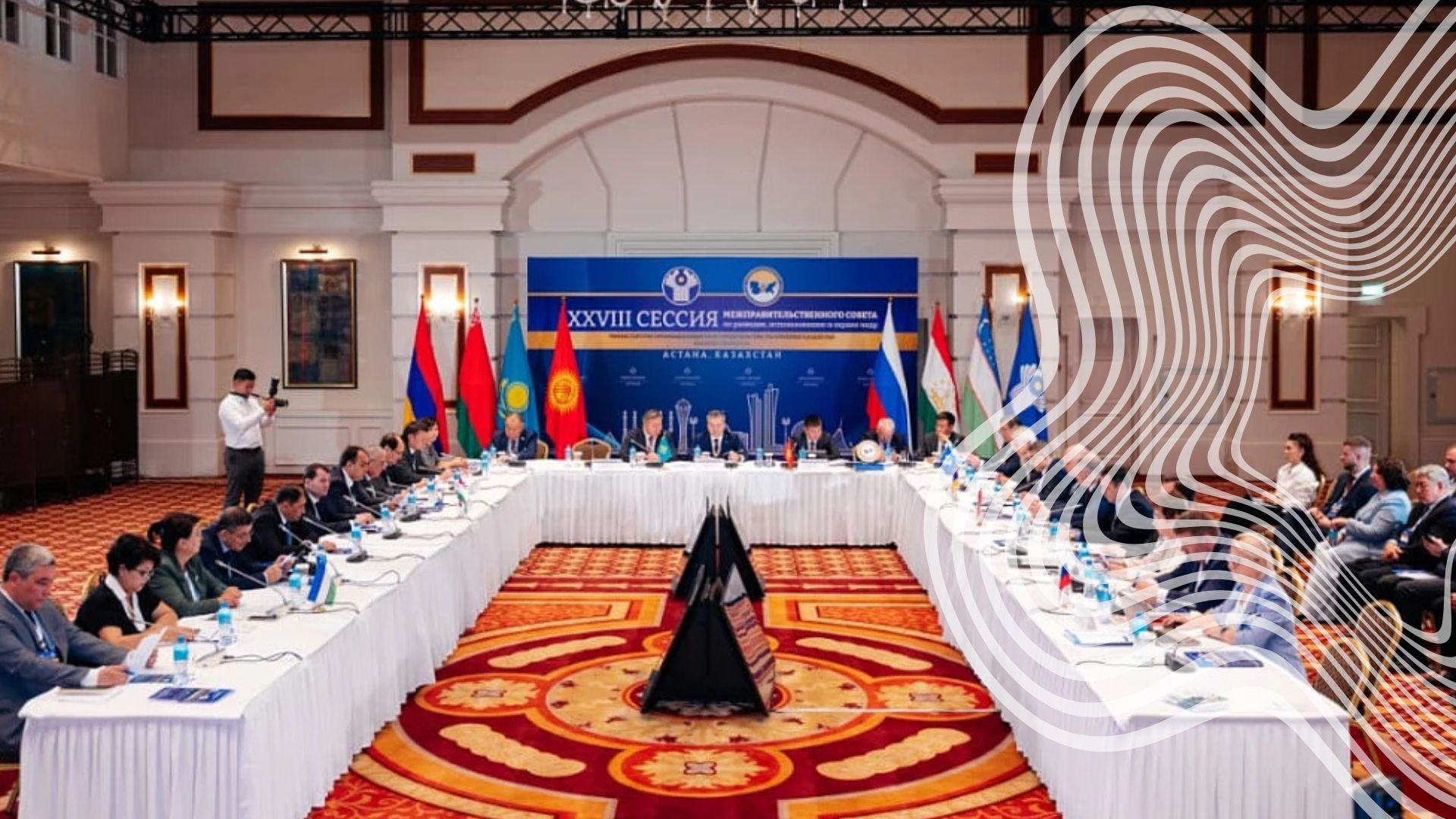
    The XXVIII Session of the Intergovernmental Council in Astana marked another step in ongoing efforts to strengthen cooperation among CIS countries in the field of geology and subsoil use. With delegates from Armenia, Belarus, Kazakhstan, Kyrgyzstan, Russia, Tajikistan, Uzbekistan and the CIS Executive Committee, the event reflected the region’s interest in consolidating expertise and maintaining a coordinated approach to mineral resource governance.

    The agenda addressed a broad range of issues, from modern methods of geological mapping and digitalisation of exploration processes to youth involvement and the preservation of geological heritage. This breadth indicates an awareness of the multiple challenges facing the sector, not only in economic terms but also in social and environmental dimensions.

    The 28th session of the Intergovernmental Council on Exploration, Use and Conservation of Mineral Resources (Межправительственного совета по разведке, использованию и охране недр) took place in Astana, Kazakhstan on 25September 2025, with representatives from seven post-Soviet states in attendance. The council’s primary objective is to promote cooperation and coordination among its member states in the field of mineral exploration, use, and conservation. However, the session’s proceedings also highlighted the challenges and tensions that arise from the extraction of Kazakhstan’s vast mineral resources.

    The council’s Chairman, Yerlan Esenaliuly Akbarov, emphasised the importance of strengthening cooperation and partnerships among member states to address the complex geological challenges facing the region. Marat Mammbetovich Jusupbekov, the Director of the Kyrgyz Geological Service, presented a report on the activities of the council during the 2024-2025 period, highlighting the progress made in implementing joint projects and promoting the development of modern geoscientific methods.

    While the council’s focus on cooperation and technology transfer is a positive step, concerns remain regarding the environmental and social impact of mineral extraction in Kazakhstan. The country’s extractive industries have faced criticism for their environmental record, and local communities have raised concerns about the lack of transparency and accountability in the decision-making process.

    The council’s discussion on modern methods and approaches to geological research and exploration suggests that the member states are aware of the need to balance economic development with environmental protection. However, the lack of concrete measures to address these concerns raises questions about the council’s commitment to sustainability.

  • President of Uzbekistan discusses critical minerals partnership with US firms

    President of Uzbekistan discusses critical minerals partnership with US firms

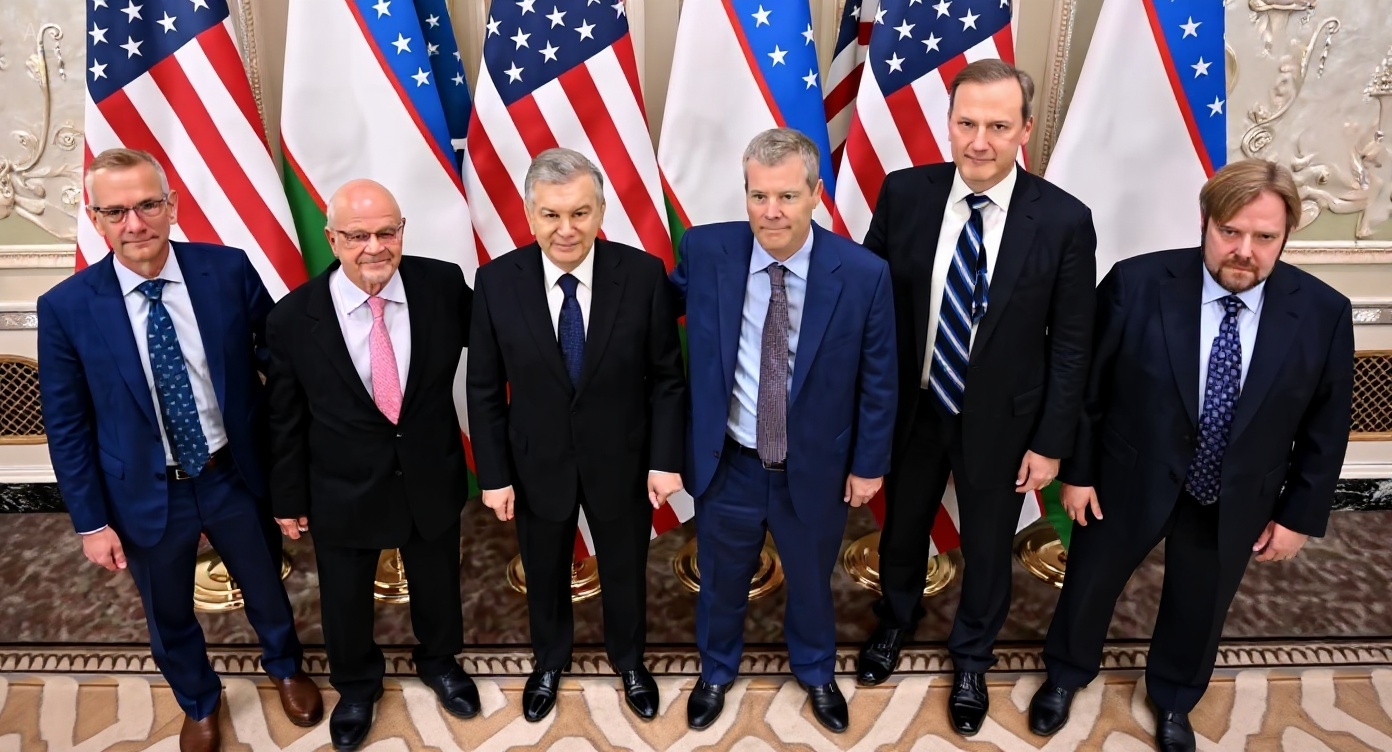
    On 22 September 2025, during his visit to New York, President Shavkat Mirziyoyev of Uzbekistan held a meeting with the heads of major American companies to advance cooperation in the field of critical minerals.

    The meeting focused on reviewing practical aspects of further expanding mutually beneficial cooperation between Uzbekistan and these leading US companies and organisations. The discussions centered on the development of a joint working group and the adoption of a “roadmap” to accelerate projects and prepare new proposals.

    Traxys, one of the world’s leading suppliers of critical raw materials and minerals, has a portfolio of promising projects worth $1 billion in the field of geological exploration and development of deposits. The company has agreed to introduce advanced technologies and expertise in the extraction, processing, and creation of sustainable supply chains of critical minerals.

    The Colorado School of Mines, a leading engineering university for training specialists in the mining industry, is working with Uzbekistan to create a Competence center at the University of Geological Sciences. FLSmidth, engaged in the development of technologies and equipment for the mining and processing industry, is actively involved in the development of the copper industry in Uzbekistan.

    McKinsey, a leading company in the field of management, consulting, and strategic development of enterprises in the mining industry, has developed a strategy with Uzbekistan for the development of the resource base, capacity expansion, and deep transformation of the country’s mining sector. Go Green Partners, specializing in investments in the extraction and processing of critical minerals for “green” energy, plans to conduct geological exploration in promising areas.

    The total capitalization of these companies exceeds $20 billion, demonstrating the significant potential for cooperation between Uzbekistan and these leading American companies. The meeting marked an important step forward in developing a strong partnership between the two nations, with the goal of accelerating projects and preparing new proposals in the sphere of critical minerals.