Website: Kazakhstan.com

  • A Strategic Assessment of Promise vs. Reality in Central Asia’s Mineral Development

    A Strategic Assessment of Promise vs. Reality in Central Asia’s Mineral Development

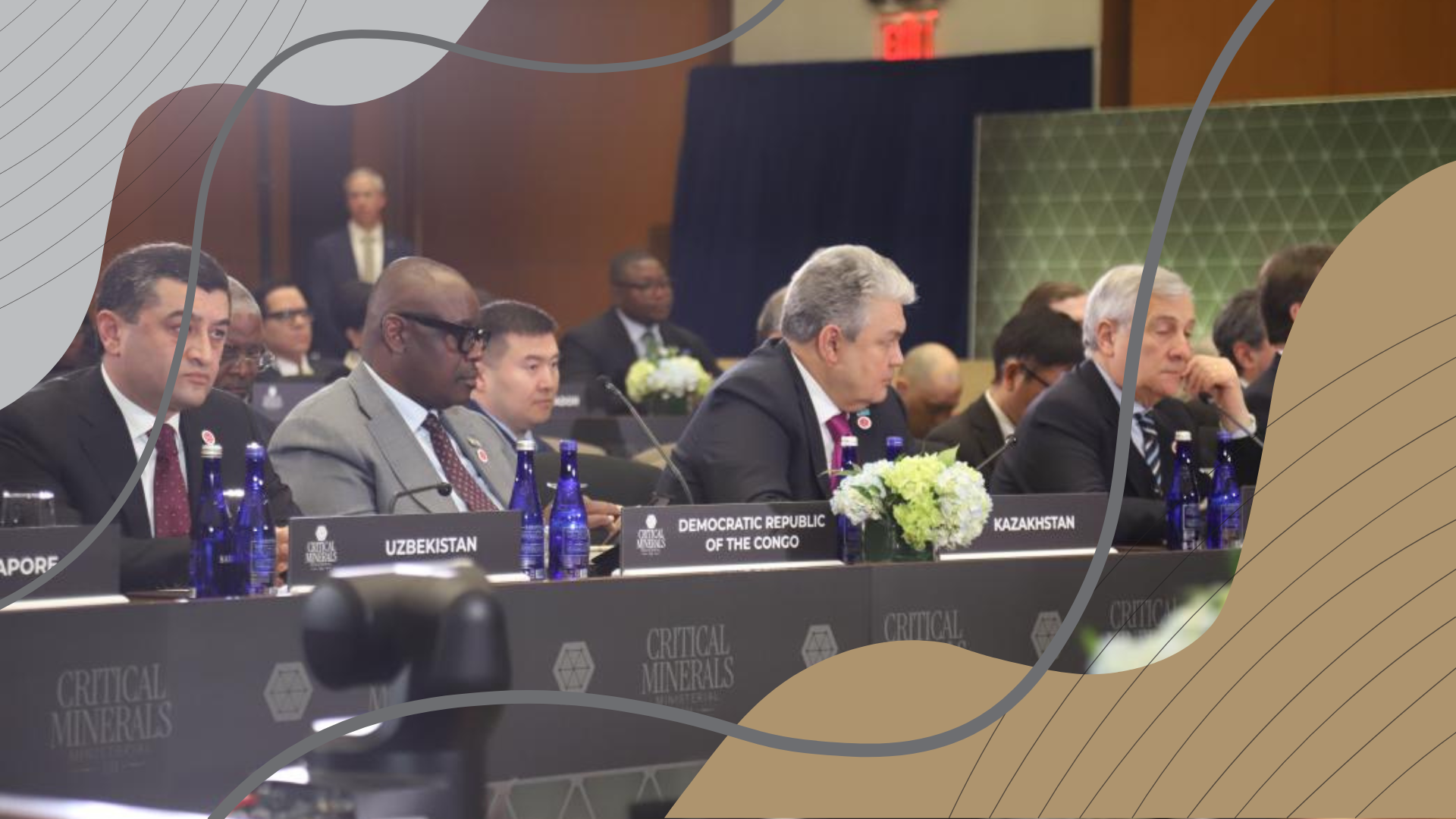
    Central Asia’s role in global critical minerals took a decisive turn at the 4 February 2026 Critical Minerals Ministerial in Washington, where officials from more than 50 countries acknowledged the region as a strategic hub rather than a geopolitical buffer.

    While Washington presented an ambitious framework to advance mineral sovereignty, analysts caution that the region—not the U.S.—must drive implementation to avoid becoming a passive arena for major‑power competition.

    U.S. Strategy: A Vertical Integration “New Order”

    The U.S. vision, centred on the FORGE initiative and the concept of “Pax Silica,” positions minerals and energy as shared strategic assets among trusted partners and offers an alternative to dependency on China.
    Washington differentiates its value proposition in three areas:

    1. Market Stability Through Price Floors
      Proposed tariff‑backed price floors aim to counter predatory market dumping and protect investments in assets such as Kazakhstan’s rare earth reserves.
    2. Vertical Value Integration
      The U.S. framework prioritises domestic processing and refining over raw‑ore exports, enabling Central Asian states to capture more value across the supply chain.
    3. Connectivity Autonomy
      By incorporating the Middle Corridor into initiatives like TRIPP, the West presents routes that bypass Russia and China, reducing geopolitical transit pressures.

    Kazakhstan and Uzbekistan have responded quickly—Kazakhstan has declared critical minerals the “new oil” and joined the Abraham Accords to strengthen supply‑chain integration, while Uzbekistan has pursued strategic MOUs to modernise mining and secure battery‑metal supply chains.

    Reality Check: Gaps Between Intent and Implementation

    Despite strong rhetoric, Western engagement has largely taken the form of frameworks and MoUs—not operational projects.

    Three challenges persist:

    • Operational Disparity – China continues to deliver turnkey, financed projects backed by contractors and long‑term offtake agreements, while Western partners emphasise declarations.
    • U.S. Inward Focus – Washington’s drive for techno‑economic sovereignty favours selective, de‑risked engagements rather than proactive industrial development in the region.
    • Execution Gaps – Uzbekistan’s $2.6bn program covering 76 projects illustrates regional ambition, but real progress requires partners capable of building at scale.

    Strategic Imperative: Central Asian Agency

    Experts argue that relying on future U.S. demand is a strategic mistake.
    To convert high‑level dialogue into economic gains, Central Asia must prioritise:

    1. Midstream Capabilities

    Refining and producing intermediary products offer higher margins and reduce reliance on long‑distance transport of low‑value raw ore.

    2. Direct Private‑Sector Engagement

    Regional firms should proactively present project‑ready opportunities to U.S. companies rather than depending on government‑to‑government frameworks.

    Conclusion

    The U.S. “New Order” provides Central Asia with a potential pathway to diversify away from Beijing and Moscow while improving price stability and long‑term sovereignty.
    But success hinges on regional execution. Astana and Tashkent must convert diplomatic signals into tangible midstream capacity—and do so quickly—to secure their strategic autonomy before the current window closes.
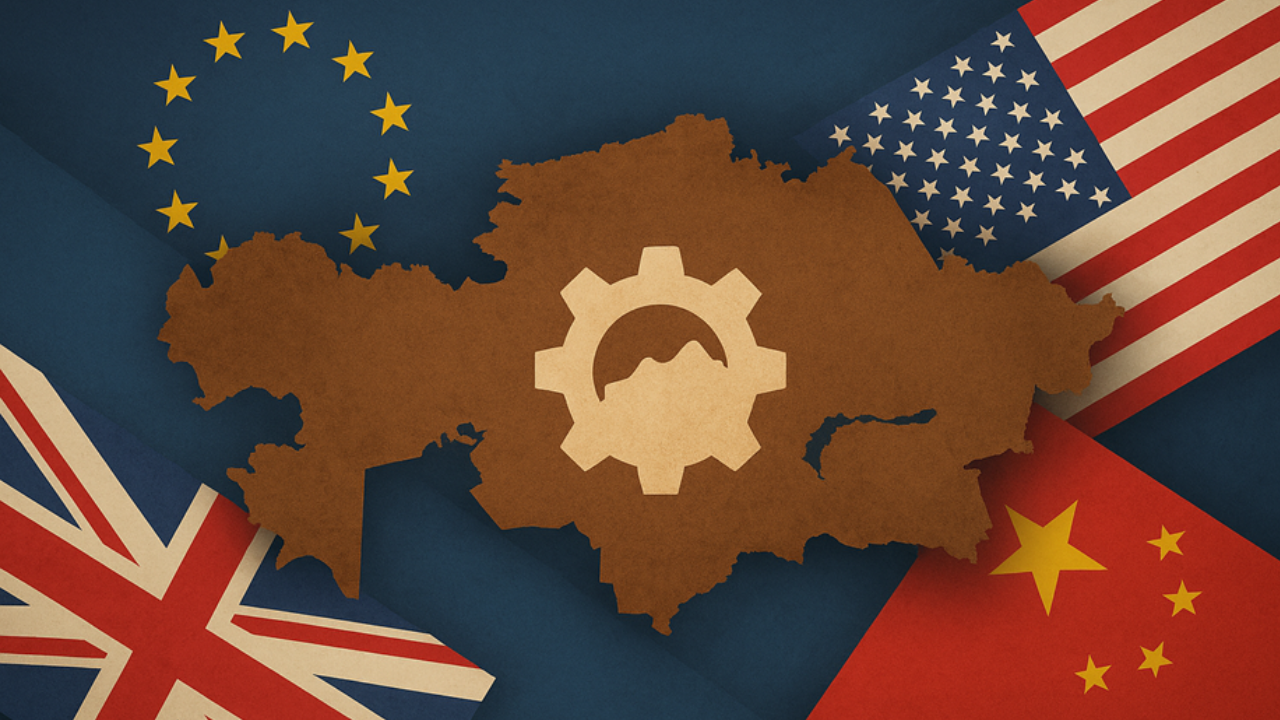

  • Ending the ‘Extract-and-Export’ Era: How FORGE and Pax Silica Transform Central Asian Mining

    Ending the ‘Extract-and-Export’ Era: How FORGE and Pax Silica Transform Central Asian Mining

    The 2026 Critical Minerals Ministerial in Washington has signaled the definitive end of Central Asia’s era as a “landlocked” geopolitical afterthought. For decades, the five nations of the region were viewed through the narrow lens of the “Great Game”—a buffer zone between Russian security interests and Chinese infrastructure investments. However, the “New Order” proposed by the Trump administration, articulated by Vice President JD Vance and Secretary of State Marco Rubio, has repositioned Kazakhstan, Uzbekistan, and their neighbors as the indispensable pivot of a new Western-aligned industrial statecraft.

    The Mineral Sovereignty Pivot

    The strategic argument for Central Asian states to embrace the U.S.-led FORGE (Forum on Resource Geostrategic Engagement) initiative and the proposed Preferential Trade Zone rests on the promise of escaping “coercive dependencies”. For years, Central Asian producers have been vulnerable to the same market distortions Vance identified in Washington: a “foreign supply” (read: China) that floods markets to crash prices and kill domestic projects.

    By joining the new trading bloc, countries like Kazakhstan and Uzbekistan are being offered a “necessary foundation for private financing” and a “price floor” enforced by adjustable tariffs. This mechanism is a game-changer for the region. It essentially guarantees that if Kazakhstan develops its potentially world-class rare earth element (REE) reserves—estimated by some to reach 20 million metric tons—its investments will be shielded from predatory pricing strategies designed to maintain Beijing’s monopoly.

    Kazakhstan: The Vanguard of the New Order

    Kazakhstan has moved first and most aggressively to align with this reindustrialization doctrine. President Kassym-Jomart Tokayev’s branding of critical minerals as the “new oil” is not mere rhetoric; it is backed by a landmark memorandum of understanding (MOU) with the U.S. signed in November 2025, which focuses on technology transfer and processing capacity.

    Perhaps most significantly, Kazakhstan’s accession to the Abraham Accords in November 2025 serves as a profound geopolitical signal. While traditionally a Middle Eastern normalization framework, its expansion to Kazakhstan—the first member with preexisting ties to Israel—is being used to facilitate secure, tech-driven supply chains that reduce the region’s reliance on China. This “unorthodox” alignment places Astana at the heart of the Pax Silica vision, where silicon, minerals, and energy are treated as shared strategic assets among “trusted partners”.

    Uzbekistan and the C5+1 Renaissance

    Uzbekistan is rapidly following this blueprint. On February 5, 2026, during the Ministerial, Tashkent signed its own strategic MOU with the U.S. to secure supply chains for rare earths and critical minerals like lithium, magnesium, and indium. For President Mirziyoyev, this is a path to modernize a mining sector that has often relied on outdated Soviet-era surveys.

    The broader C5+1 diplomatic platform, now celebrating its tenth anniversary, has evolved from a symbolic talk shop into a “pragmatic, project-driven economic coordination framework”. This “renaissance of American influence” is evidenced by the $17 billion in investment projects agreed upon following recent summits and the integration of the Middle Corridor (Trans-Caspian International Transport Route) into the Trump Route for International Peace and Prosperity (TRIPP).

    The Argument for Central Asian Alignment

    The “New Order” offers Central Asia three structural advantages that neither Moscow nor Beijing can—or will—match:

    1. Vertical Value Integration: Unlike China’s “extract-and-export” model, the U.S. framework emphasizes domestic processing and refining. This allows Central Asian states to capture high-value segments of the supply chain rather than remaining mere “resource bases”.

    2. Market Stability: The Project Vault and price floor mechanisms provide a buffer against “market whiplash”. For a region where commodity price volatility can destabilize entire national budgets, this sovereign de-risking is a vital survival tool.

    3. Connectivity Autonomy: By backing the Middle Corridor/TITR, the U.S. and its partners are providing the region with its first viable route to global markets that does not pass through Russia or China. This reduces the ability of larger neighbors to use transit as a tool of political pressure.

    Central Asia is currently in a “hedging game,” and both Pakistan and Central Asian states have approached these initiatives with a degree of caution to avoid immediate Chinese retaliation. However, the message from the 2026 Ministerial is clear: in an economy of “real things,” those who control the minerals control the future. For Kazakhstan and Uzbekistan, the American proposal is not just about mining; it is about finally securing their economic and territorial sovereignty.

  • Why Artisanal Gold Mining Struggles to Go Legal in Kazakhstan Despite Record Prices

    Why Artisanal Gold Mining Struggles to Go Legal in Kazakhstan Despite Record Prices

    Reports of arrests of so-called illegal gold prospectors have become more frequent as gold prices hover near record highs. Despite legislative changes intended to legalize artisanal mining, many prospectors continue to operate outside the formal system. In an interview with inbusiness.kz, veteran geologist Bolat Kabaziev outlined why legalization has proven far more difficult in practice than on paper.

    According to Kabaziev, the 2018 Subsoil Code was expected to unlock large-scale legal artisanal mining on designated plots approved by regional authorities and the Ministry of Industry. In reality, progress has been slow. He said artisanal gold mining remains constrained by environmental and water protection rules, as well as technical limits on production volumes, mining depth and allowable equipment.

    While the law formally introduced artisanal mining licences, Kabaziev noted that bureaucracy remains a major barrier. Lengthy approvals at regional administrations have made the process complex and time-consuming. “On paper it was legalized, but in practice obtaining a licence has become difficult and slow,” he said.

    Kabaziev also addressed the blurred line between informal prospectors and outright illegal miners. While some prospectors argue that subsoil resources belong to the people, he stressed that unauthorized mining is still a criminal offense under existing laws on subsoil use and precious metals. A deeper issue, he said, is the lack of clear oversight mechanisms once licences are issued. For example, the law caps artisanal gold production at 50 kg per year, but there is no effective system to monitor actual output or the movement of mined gold.

    Additional obstacles include long approval timelines, multiple administrative clearances, technical constraints and, in some cases, resistance from local communities. Environmental and water permits are particularly hard to obtain, especially when gold-bearing placers are located in riverbeds, where approvals are often impossible.

    Kabaziev cautioned that artisanal placer gold mining is also a high-risk business. Even on officially designated plots, prospectors must study historical geological data and consult experts before investing. “Statistics show that only a few actually earn money, but this is rarely discussed,” he said.

    He also raised concerns about weak reporting requirements. Despite dozens of artisanal licences being issued in recent years, little gold is officially surrendered or recorded. Kabaziev believes most gold is sold through informal buyers, forming a shadow market, with uncertain downstream destinations. While estimates suggest illegal artisanal mining could amount to 10–15 tonnes of gold per year, he said much of this gold likely remains within Kazakhstan, entering jewellery production or, in some cases, refineries.

    With gold prices recently exceeding $5,000 per ounce, Kabaziev acknowledged a renewed “gold rush” mentality. However, he said the phenomenon remains poorly studied. He argued that true legalization would require open dialogue between authorities, law enforcement, industry experts and the prospectors themselves to address regulatory gaps, environmental concerns and market transparency.

  • Kazakhstan to Spend ₸240 Billion on Geological Exploration: What and Where the State Plans to Explore

    Kazakhstan to Spend ₸240 Billion on Geological Exploration: What and Where the State Plans to Explore

    Kazakhstan’s government will allocate ₸240 billion to geological exploration, but the specific distribution of these funds and the rationale behind the chosen priorities have raised questions among industry experts. In response to an inquiry from inbusiness.kz, the Ministry of Industry and Construction detailed its plans for 2026–2028 via the eOtinish electronic platform.

    A central focus of the program will be regional geological mapping at a scale of 1:50,000. Preparatory work began in 2025, with 20 design-and-cost project documents developed, covering a total area of around 100,000 square kilometers. These projects предусматривают comprehensive analysis of Earth remote sensing data, airborne geophysical and geochemical surveys, as well as field geological work. The estimated cost of these 20 projects amounts to ₸110 billion.

    Another major spending area is 2D seismic exploration. Six projects are scheduled to begin in 2026 with a combined budget of ₸42.6 billion. The work is aimed at identifying structural traps for hydrocarbons and will cover two blocks in the Shu–Sarysu sedimentary basin and four blocks in the North Turgai basin. In total, 2D seismic surveys will span 25,300 line kilometers, with completion planned by the end of 2028.

    According to the ministry, seismic work will begin simultaneously in several regions. The North Turgai basin will be surveyed in Kostanay Region, while the Shu–Sarysu basin will cover parts of Ulytau, Turkestan and Zhambyl regions. Information on forecast resources will become available after completion of the surveys, and the resulting geological reports are expected to be published in open access on the minerals.e-qazyna.kz portal and the website of the Committee of Geology.

    The ministry stressed that these regional programs should not interfere with the normal operations of existing subsoil users. On the contrary, officials say the data generated by the state program can be used by private companies when planning and implementing their own exploration activities.

    However, industry specialists note that the ministry’s explanation leaves the strategic logic of the program insufficiently articulated. In their view, there is no publicly available document that systematically assesses the prospectivity of different regions and mineral types or sets out a long-term exploration roadmap.

    Experts have also questioned the choice of basins selected for state-funded seismic surveys. Both the Shu–Sarysu and North Turgai basins are already seeing strong interest from national and private companies, while other underexplored areas—such as the Irtysh, Balkhash and Teniz basins—remain largely outside the scope of large-scale government programs.

    Additional criticism relates to institutional bottlenecks, including lengthy procedures for accessing geological data and a five-year confidentiality period for submitted exploration results. Analysts argue that removing such constraints could deliver faster and more tangible benefits for the sector than large-scale mapping or seismic programs alone.

  • Kazakhstan’s Foreign Minister Heads to Washington for Critical Minerals Talks with the United States

    Kazakhstan’s Foreign Minister Heads to Washington for Critical Minerals Talks with the United States

    Kazakhstan’s Foreign Minister Yermek Kosherbayev will travel to Washington DC on 3–4 February to take part in the Critical Minerals Ministerial, marking his first official visit to the United States since assuming office in September 2025. On 3 February, he is scheduled to meet with the United States Department of State and representatives of other rare earth element (REE) supplier countries.

    Kosherbayev, a career diplomat, previously served as Kazakhstan’s ambassador to Russia, governor of the East Kazakhstan Region, and deputy prime minister, combining diplomatic, regional and executive experience. His visit also includes engagement with Yerzhan Kazykhan, appointed in January as Kazakhstan’s first-ever Special Envoy to the United States, underscoring Astana’s emphasis on high-level engagement with Washington.

    The trip follows months of intensified diplomatic and economic contacts between Kazakhstan and the United States. Since November, President Kassym-Jomart Tokayev and US President Donald Trump have met twice in person and held a phone call, with discussions spanning trade, investment and global forums, including an invitation to the G20 meeting scheduled for December 2026.

    Critical minerals have emerged as a central pillar of this renewed engagement. Rare earth elements form a key part of Washington’s supply-chain diversification strategy, and Kazakhstan’s geological potential positions it as a relevant partner. This alignment has already been formalized through a memorandum of understanding on cooperation in critical minerals, signed by Tokayev, aimed at strengthening supply chains and expanding bilateral economic ties.

    Investor interest has begun to follow diplomatic signaling. US-backed initiatives and early-stage engagement from investors, including Cove Capital, as well as a letter of interest of up to $900 million from the Export-Import Bank of the United States, point to growing momentum, even as projects remain at an early phase.

    Unlike many emerging REE suppliers, Kazakhstan brings an existing industrial base to the table. Its established processing and refining capacity across metals such as uranium, copper, chromium and titanium allows the country to participate across the value chain rather than act solely as a raw-material exporter. Long-standing partnerships with global majors like Chevron and Exxon Mobil further reinforce Kazakhstan’s track record in delivering complex, capital-intensive projects.

    Still, translating strategic alignment into functioning supply chains will depend on execution. Regulatory clarity, permitting efficiency and coordination between mining and industrial policy remain key variables. The State Department–hosted meetings during Kosherbayev’s visit represent an initial step from diplomacy toward implementation, as Kazakhstan seeks to position itself as a credible long-term partner in US efforts to diversify rare earth and critical mineral supplies.

  • Uzbekistan to Launch Uranium Extraction at Four New Deposits

    Uzbekistan to Launch Uranium Extraction at Four New Deposits

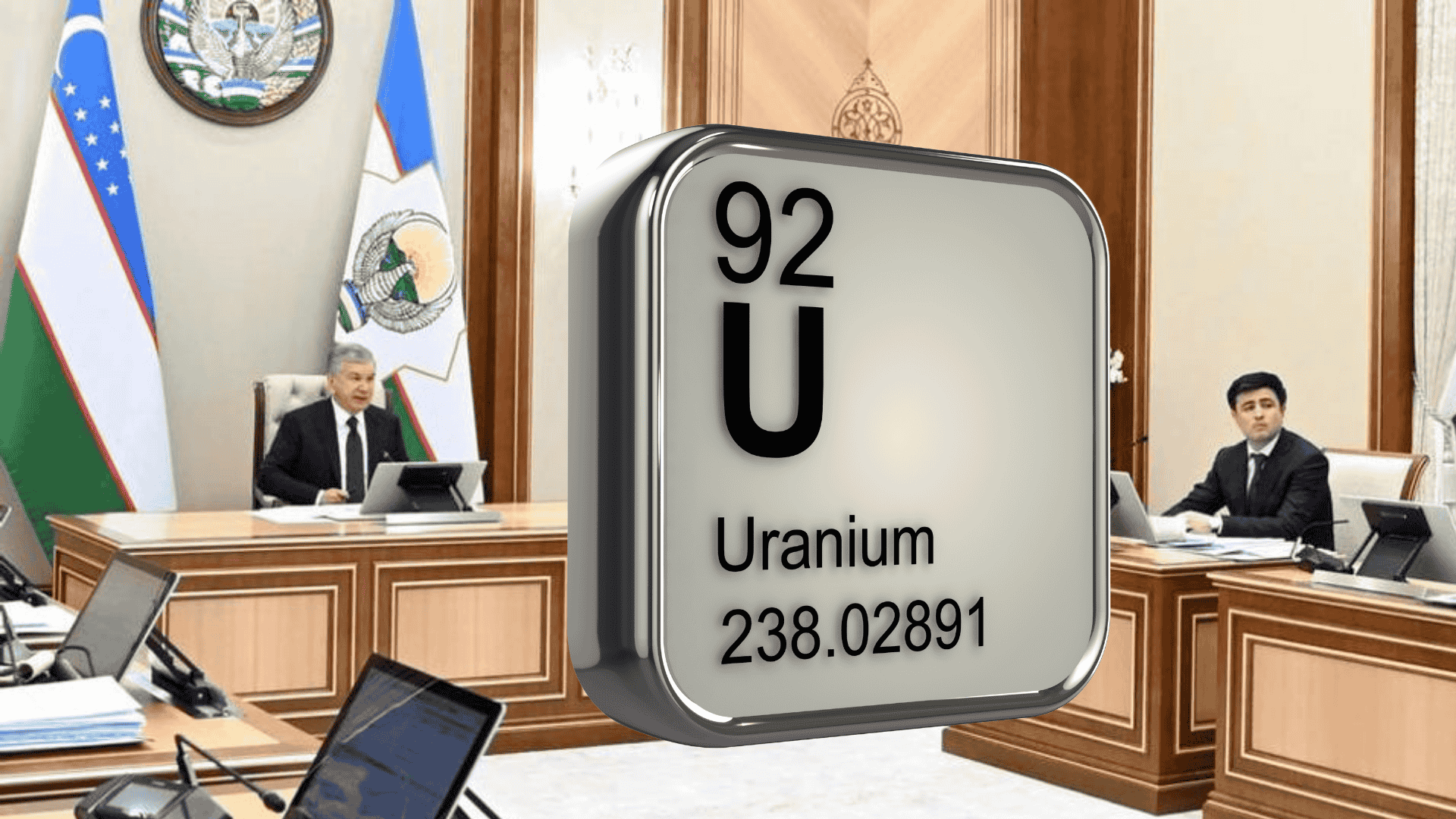
    President Shavkat Mirziyoyev has reviewed the latest developments and future plans for Uzbekistan’s coal and uranium industries during a recent presentation, according to the presidential press service.

    Discussions centred on increasing coal output, strengthening competition within the sector, and improving the use of existing reserves. It was noted that during the 2025–2026 autumn-winter season, the country plans to extract 10 million tonnes of coal — 1.3 million tonnes more than last season. Production so far has reached 9 million tonnes, up by 590,000 tonnes year-on-year, with next season’s goal set at 11 million tonnes.

    Efforts will focus on faster development of deposits in the Tashkent and southern regions, expanding selective extraction, and engaging additional excavators and outsourced equipment. By supporting private entrepreneurs, authorities expect to produce an extra 2.5 million tonnes of coal in 2026.

    Particular attention was given to the “Nishbosh” coal deposit in Angren, where a nearly $500 million investment project is set to begin production this year. With reserves of about 233 million tonnes, the site is expected to yield 1 million tonnes of coal in its first year and reach an annual output of 10 million tonnes. The project will also create around 880 permanent jobs.

    Separately, state company Uzkimyosanoat unveiled a $5 billion initiative to establish a new polymer production facility based on the chemical processing of coal. The plant will be capable of converting 8–9 million tonnes of coal into 1.18 million tonnes of polymer products annually.

    In 2025, Uzbekistan produced 7,000 tonnes of uranium while confirmed reserves rose to 139,000 tonnes. This year, the government plans to start mining operations at four new deposits — ArnasayWestern KizilkukSouthern Jongeldi, and Eastern Agron. To accommodate rising output, additional uranium processing capacity will be developed, including stable supplies of sulphuric acid and technical sulphur.

  • Kazakhstan Drafts National Coal Power Project While Expanding Gas, Digital Energy Planning

    Kazakhstan Drafts National Coal Power Project While Expanding Gas, Digital Energy Planning

    Kazakhstan’s Ministry of Energy of Kazakhstan is preparing a National Project for the development of coal-fired power generation with a total potential capacity of around 7.6 GW, according to QazMonitor.

    Energy Minister Erlan Akkenzhenov said the initiative will prioritize modern “clean coal” technologies designed to meet environmental standards. As part of the programme, the ministry is overseeing the construction of three combined heat and power plants in Kokshetau, Semey and Ust-Kamenogorsk, with a combined capacity of 960 MW.

    The energy planning is being adjusted in the context of Kazakhstan declaring 2026 the Year of Digitalisation and Artificial Intelligence. Given the high electricity demand of data centres, the Energy Ministry and the Ministry of Digital Development, Innovations and Aerospace Industry will revisit timelines and volumes for new power capacity additions.

    Strengthening the gas sector
    To expand the country’s natural gas resource base, national gas company QazaqGaz is currently carrying out geological exploration across 14 licence areas, with preliminary resources estimated at about 515 billion cubic metres. In the medium term, the exploration portfolio is expected to grow to 30 sites, with total potential resources of roughly 1.7 trillion cubic metres.

    Around 50 subsurface blocks are planned to be offered via electronic auctions to attract investors and share geological risks. Exploration will be financed jointly by QazaqGaz, Samruk-Kazyna, and private investors.

    Digital map for hydropower development
    The ministry is also developing a unified digital map of Kazakhstan’s hydropower resources. The platform will integrate hydrological, topographical, infrastructure and legal data, helping to accelerate hydropower project design and shorten pre-investment preparation periods.

    Lower aviation fuel costs
    As part of efforts to develop aviation hubs, the price of jet fuel supplied directly to aircraft has been reduced from $1200 to $940 per tonne, with a further decrease to $890 planned. The ministry said the move has improved the competitiveness of Kazakhstan’s airports and supported the expansion of international routes, including services by Air Atlanta, Hungary Airlines and One Air.

  • Coal Self-Ignition at Pavlodar Deposits Triggers Fines and Environmental Scrutiny

    Coal Self-Ignition at Pavlodar Deposits Triggers Fines and Environmental Scrutiny

    Environmental inspectors have identified multiple violations at coal deposits in Kazakhstan’s Pavlodar region after detecting spontaneous coal combustion at four separate sites, leading to excessive atmospheric emissions.

    According to Kazinform, supervisory authorities launched inspections following complaints from local residents about persistent smog. Investigations confirmed air pollution caused by burning coal waste at the Bogatyr, Shygys, Angrensor Energo and Maikuben deposits. Three of the affected sites are located in Ekibastuz, while the Maikuben operation lies in the Bayanaul district.

    Regulators found that the subsoil users had failed to fully comply with the conditions of their environmental emission permits. As a result, the companies were held administratively liable and fined. Bogatyr Komir was ordered to pay 680,000 tenge, Eurasian Energy Corporation’s Shygys mine 889,000 tenge, Angrensor Energo 702,000 tenge, and Maikuben-West 658,000 tenge.

    In addition to the penalties, the coal producers have been instructed to develop and implement technical action plans aimed at containing and eliminating the self-ignition hotspots. The regional environmental department will oversee compliance with the prescribed deadlines.

  • Kazakhstan and China Plan $500m Chromium Processing Plant in Aktobe Region

    Kazakhstan and China Plan $500m Chromium Processing Plant in Aktobe Region

    Kazakh Invest and China’s Sichuan YinHe Chemical have agreed to establish a high-tech facility for the deep processing of chromium-bearing raw materials in Kazakhstan’s Aktobe region. The decision followed a series of negotiations and a site visit to the Chinese partner’s operations, Kazakh Invest said in a statement.

    The planned industrial complex will focus on the production of fertilizers, chemical products, metallurgical components and dietary supplements. According to preliminary estimates, the plant will have an annual output capacity of up to 200,000 tonnes, with projected yearly production valued at around $1 billion.

    Total investment in the project is estimated at approximately $500 million. The facility is expected to create more than 600 jobs and generate stable demand for locally available chromium raw materials, strengthening the region’s industrial base.

    Kazakh Invest said its analysis of the Aktobe region identified chromium and chemical-metallurgical industries as priority areas, citing significant ore reserves, export potential and favorable conditions for building a full value chain. The project is intended to increase the depth of raw material processing, shifting away from exports of semi-processed materials toward higher value-added products.

    The initiative follows earlier announcements involving another Chinese investor, Suzhou Hunan New Materials, which has proposed a $150 million project to process chromium concentrate in the Aktobe region, with plans to later add metallic chromium production.

  • Kazakhstan’s Industry Minister Holds Talks with Kazakhmys Leadership on Modernisation and Safety

    Kazakhstan’s Industry Minister Holds Talks with Kazakhmys Leadership on Modernisation and Safety

    Kazakhstan’s Minister of Industry and Construction, Yersayin Nagaspayev, held a working meeting with Ruslan Oskinali, Chairman of the Management Board of Kazakhmys Corporation, to discuss the current state and future priorities of the country’s metallurgical sector.

    During the meeting, Nagaspayev highlighted the central role of mining and metallurgy in Kazakhstan’s economy. According to the minister, the sector accounts for around 40% of total manufacturing output, while cathode copper production represents 23% of the metallurgical industry. Kazakhmys alone contributes about 78% of national cathode copper output, underscoring its systemic importance.

    The discussions focused on ensuring the stable operation of production facilities, strengthening occupational safety, and advancing modernization and technological upgrades. Nagaspayev stressed that mining and metallurgy are high-risk industries, requiring strict compliance with industrial safety standards and enhanced oversight at hazardous sites.

    He also pointed to the growing importance of digital transformation, calling for greater use of artificial intelligence and digital technologies to improve production efficiency and operational control.

    In addition, the minister reiterated that expanding domestic processing remains a strategic priority for Kazakhstan’s non-ferrous metallurgy sector. From the government’s perspective, it is essential that large industrial players continue to invest in equipment renewal, improve the efficiency of processing stages, and reduce costs and environmental impacts through the adoption of modern technologies.