Website: Europe.com

  • Montenegro Extends Pljevlja Coal Mine Concession Until 2050

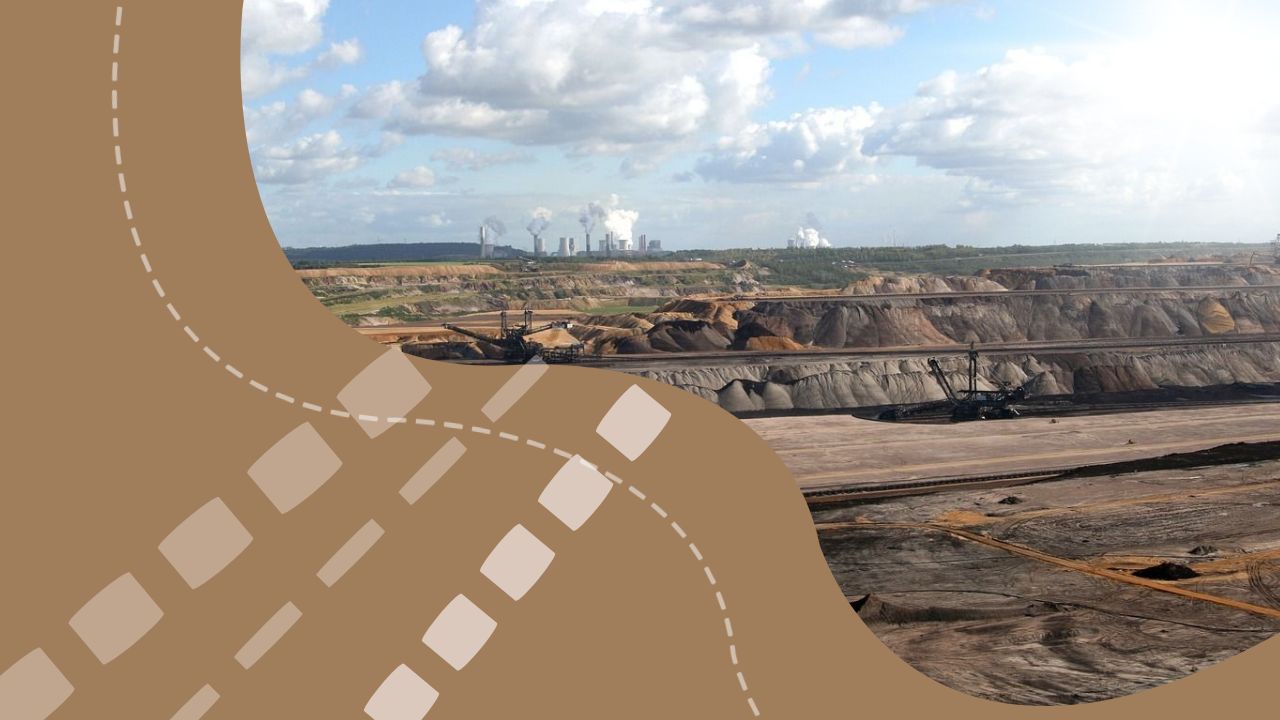
    Montenegro Extends Pljevlja Coal Mine Concession Until 2050

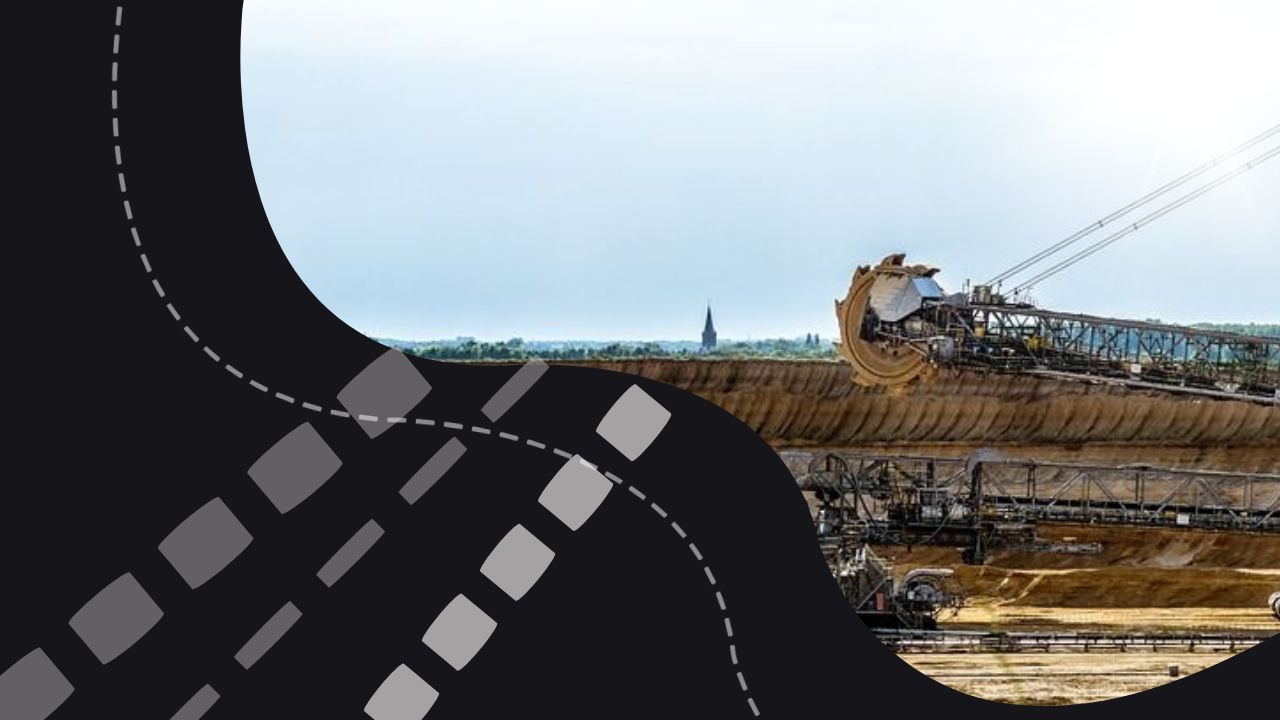
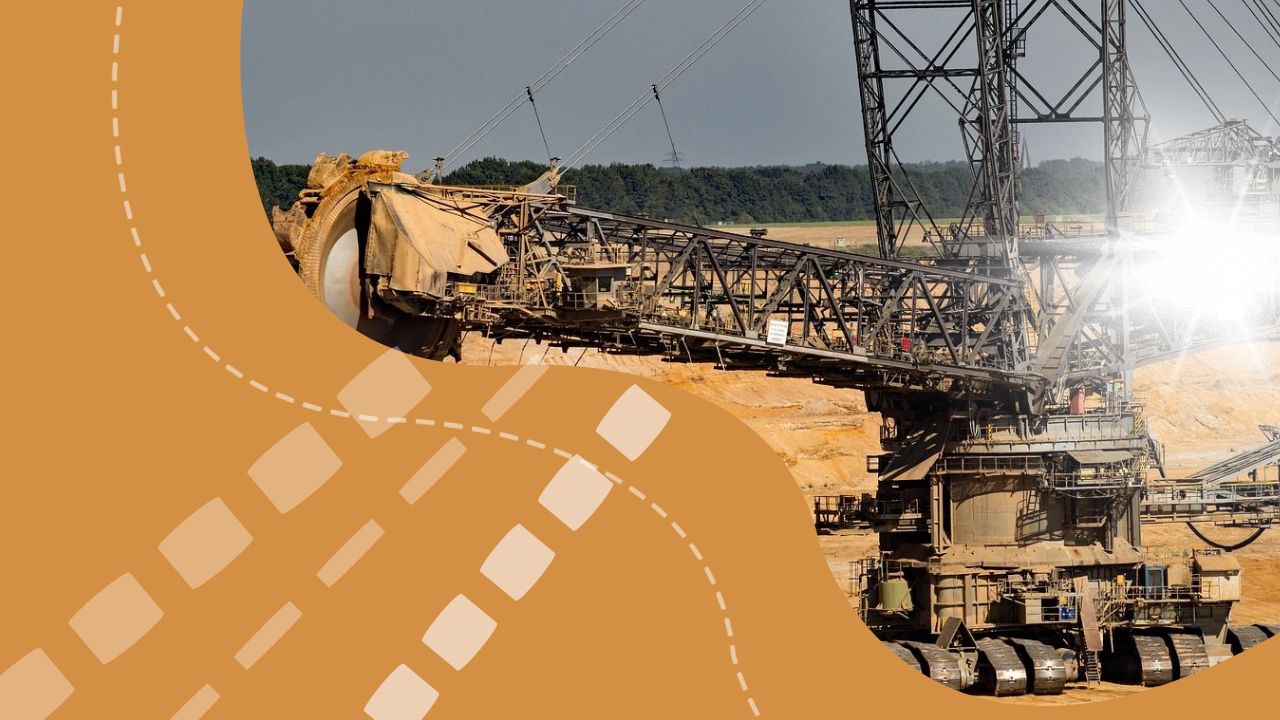
    The Government of Montenegro has granted a 24.5-year concession for coal extraction at the Pljevlja mine, extending production of lignite deposits until 2050. The agreement was formally exchanged by Minister of Energy and Mining Admir Šahmanović and Nemanja Laković, CEO of Rudnik uglja Pljevlja (RUP), during a ceremony marking Miner’s Day and the mine’s 73rd anniversary.

    According to the Ministry, the concession ensures long-term use of significant coal reserves in the Pljevlja basin, one of northern Montenegro’s most important mining regions. The mine is required to produce at least 1.65 million tons of lignite annually, with the concession fee set at 4% of the market value of the extracted reserves.

    Šahmanović stressed that the country’s goal is to develop mining responsibly and in line with international standards, while also preparing for the challenges of a just transition. The sites covered under the concession include Potrlica, Kalušići, Grevo, and Rabitlje.

    Nearly all of the mine’s output supplies the Pljevlja thermal power plant, Montenegro’s only coal-fired power station and its largest electricity producer. However, the draft National Energy and Climate Plan proposes 2041 as the provisional closure date for the plant, depending on the pace of the transition and security of energy supply.
  • Cornish Metals’ South Crofty Tin Project Shows £180M NPV, 20% IRR in Updated PEA

    Cornish Metals’ South Crofty Tin Project Shows £180M NPV, 20% IRR in Updated PEA

    Cornish Metals (TSX-V, AIM: CUSN) announced on Tuesday that its South Crofty tin project in Cornwall, UK, carries an after-tax net present value (NPV6) of £180 million ($235 million) and an internal rate of return of 20%, according to its updated Preliminary Economic Assessment (PEA).

    The study outlines a 14-year mine life with total production of 49,168 tonnes of tin. Average annual output is expected at about 4,700 tonnes between years two and six—equivalent to 1.6% of global mined tin. The project anticipates a 3.3-year payback, cumulative after-tax cash flow of £558 million ($750 million), and annual EBITDA of £70 million with margins above 60%.

    Pre-production capital costs are estimated at £198 million, with sustaining capital of £43 million. All-in sustaining costs are projected at around $13,400 per tonne in years two through six, placing South Crofty in the global lowest cost quartile.

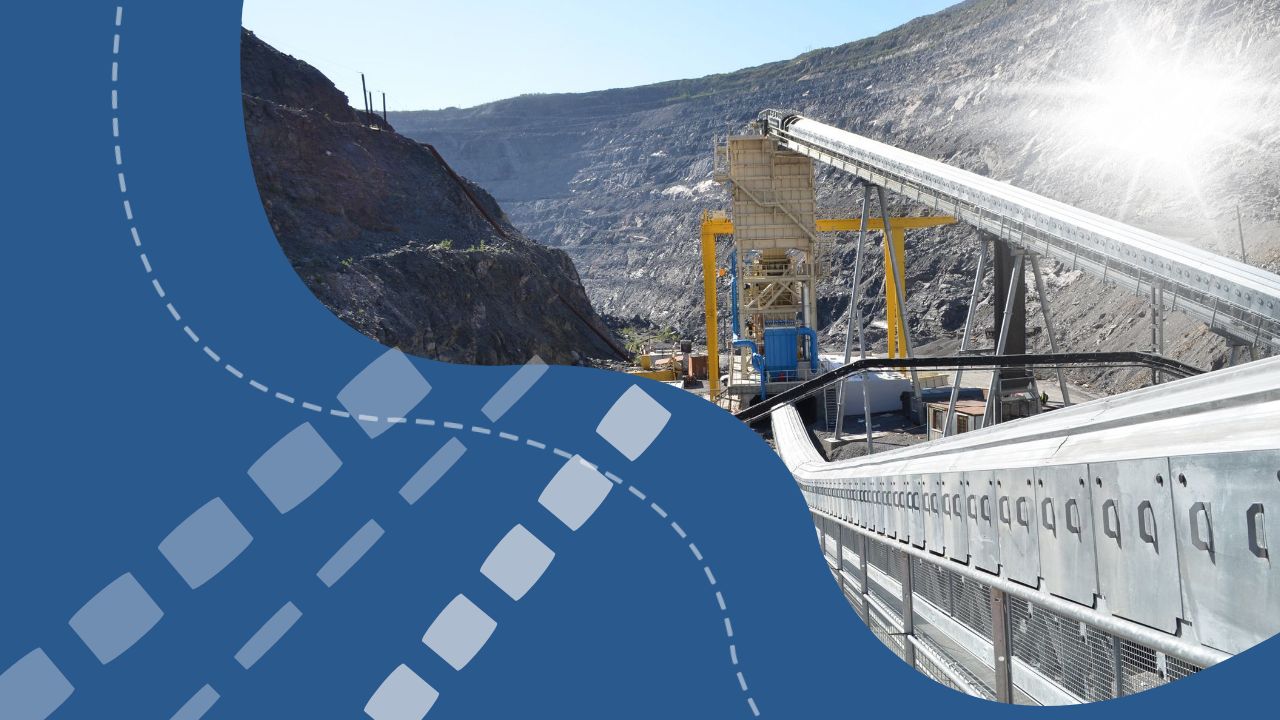
    Construction is already underway with shaft and pump station refurbishments, site excavation, and utility installations in progress. Long-lead equipment, including production and service winders, has been ordered, and first production is targeted for mid-2028.

    The company accelerated development following a £57 million fundraise earlier this year, which included investment from the UK’s National Wealth Fund and Vision Blue Resources. Chief executive Don Turvey described the PEA as a “key step” in advancing South Crofty towards first production, calling it a “long-life, low-cost producer.”

    South Crofty will operate on 100% renewable electricity and generate no surface tailings. The project is expected to directly employ more than 300 people and create 1,000 indirect jobs, alongside a dedicated training centre to upskill local workers. Exploration upside remains, with near-mine targets estimated at 6–13 Mt grading 0.5%–1.8% tin.

    South Crofty previously operated for over 400 years until its closure in 1998, marking the end of tin mining in Europe. Cornish Metals acquired the asset after failed revival attempts in the early 2000s and now holds mining rights valid until 2071, along with environmental permits to dewater the mine.

  • Uzbekistan’s Asaka Motors and Rosatom Sign Agreement on Lithium-Ion Battery Production

    Uzbekistan’s Asaka Motors and Rosatom Sign Agreement on Lithium-Ion Battery Production

    Asaka Motors International (Uzbekistan) and Rosatom’s Fuel Division (Russia) have signed a cooperation agreement to develop lithium-ion battery and energy storage system production, Rosatom announced. The deal was concluded on September 25 during World Nuclear Week in Moscow.

    The partnership will focus on launching localized production of traction batteries for electric vehicles and stationary energy storage systems in Uzbekistan. The companies plan to define assembly line capacities, design a localization program for components, identify potential customers, and explore export opportunities to Central Asia and other international markets.

    Founded in 2019, Asaka Motors International specializes in wholesale vehicle imports from the UAE, South Korea, and China, while also developing industrial and high-tech projects in Uzbekistan.

    Rosatom’s Fuel Division, managed by TVEL JSC, supplies nuclear fuel for over 70 power reactors in 15 countries, research reactors in nine states, and Russia’s nuclear fleet. Beyond nuclear fuel, the division is also expanding into new businesses in chemistry, metallurgy, energy storage technologies, 3D printing, digital solutions, and nuclear decommissioning.

  • EU Steelmakers Push for Tighter Trade Barriers, but Data Points to Pricing – Not Volumes – as the Real Challenge

    EU Steelmakers Push for Tighter Trade Barriers, but Data Points to Pricing – Not Volumes – as the Real Challenge

    European steel producers and several EU governments are calling for stronger trade restrictions on steel imports, but recent data shows the real issue lies in pricing pressures rather than surging volumes.

    Industry associations Eurofer and UNESID, along with companies such as ArcelorMittal Europe, voestalpine, Thyssenkrupp, Outokumpu, and Aperam, have urged the European Commission to replace current safeguard measures with tougher trade instruments. Eleven EU member states, including Austria, France, Italy, and Poland, have also proposed cutting tariff-rate quotas (TRQs) by 40–50%.

    Yet import volumes remain stable. In the first half of 2025, the EU imported 18.7 million tons of steel – nearly unchanged from the 18.9 million tons a year earlier. Eurofer data also shows import shares in EU consumption have stayed steady for the past five years: 20–25% for flat products and 10–13% for long products.

    Instead, the pressure on Europe’s steel industry comes from sharp price declines. Since May, hot-rolled coil prices have dropped 12.9% and rebar by 6.1%, squeezing margins and reducing capacity utilization. EU producers already face higher energy costs, stricter environmental commitments, and tougher decarbonization requirements compared to non-EU suppliers.

    Southeast Asian exporters, particularly from Indonesia and Malaysia, have intensified competition in 2025 by undercutting rivals. Indonesian hot-rolled coil offers fell by €75/t between March and July, while Turkish offers dropped €80/t over the same period. Developing countries exempt from safeguard quotas have been able to ship unlimited volumes, with Indonesia, Malaysia, and Algeria sending 460,000 tons of hot-rolled coil to the EU in Q2 – nearly 25% more outside the regulated TRQ system.

    While the Carbon Border Adjustment Mechanism (CBAM) will begin full implementation in 2026, steelmakers argue more immediate protections are needed. However, experts warn that sweeping restrictions could create a supply shock, potentially raising prices by €100–200/t and destabilizing downstream industries.

    Analysts suggest the EU should focus on closing TRQ loopholes, enhancing price monitoring, and accelerating anti-dumping and countervailing investigations rather than restricting imports across the board. Investigations currently take 12–14 months, leaving producers vulnerable in the meantime.

    Imports have not surged, with flat product imports actually down 5.6% year-on-year in 1H 2025. Industry leaders say the priority should be protecting fair competition and targeting unfair practices, not limiting trade overall.

  • Neptune Energy Confirms 43 Million Tons of Lithium Resources in Germany’s Altmark Region

    Neptune Energy Confirms 43 Million Tons of Lithium Resources in Germany’s Altmark Region

    Global energy company Neptune Energy has confirmed that Germany possesses one of the world’s largest lithium resource bases, amounting to an estimated 43 million tons of lithium carbonate equivalent (LCE). The resource is located in the Altmark region of Saxony-Anhalt, an area with a 55-year legacy of natural gas production.

    The confirmation follows an independent assessment by valuation agency Sproule ERCE, conducted under CIM/NI 43-101 standards. Neptune Energy CEO Andreas Scheck said the new assessment underscores the importance of Saxony-Anhalt in contributing to European supply chains for critical raw materials.

    “This enables us to contribute significantly to the German and European supply market for the critical raw material lithium,” Scheck noted.

    The Altmark basin, once one of Europe’s largest natural gas fields, is now emerging as a major lithium resource hub. Studies show that its Rotliegend brines are not only strongly mineralized but also highly enriched in lithium, making the area one of the largest project-based lithium resources worldwide. For comparison, South America’s Lithium Triangle holds around 50 million tons of resources.

    Shifting away from fossil fuels, Neptune is deploying direct lithium extraction (DLE) technology, which uses ion-exchange and adsorption methods to recover lithium from underground brines. Unlike open-pit mining or evaporation ponds, DLE reduces land use and environmental impact.

    In August 2025, Neptune completed its second pilot project with partner Lilac, successfully producing battery-grade lithium carbonate. A third pilot, focused on adsorption-based extraction, is currently underway. Pending permits, the company plans to develop a demonstration-scale plant as the next step toward commercial production.

    Neptune Energy currently holds the Jeetze-L production license and three exploration licenses in the Altmark region, including Milde A-L and Milde C-L (granted in 2024) and Milde B-L (granted in 2025).

  • Yellow Cake to Raise $125M for Uranium Purchase from Kazatomprom

    Yellow Cake to Raise $125M for Uranium Purchase from Kazatomprom

    London-listed uranium investment company Yellow Cake has announced plans to raise about $125 million (£92.5 million) through a non-pre-emptive placing of new ordinary shares. The funds will be used to acquire 1.33 million pounds of uranium from Kazatomprom, Kazakhstan’s state-owned uranium producer.

    The new shares will be placed at £5.64 each, equal to Yellow Cake’s closing mid-market price on September 22. The accelerated bookbuild is being managed by Canaccord Genuity as sole bookrunner, with Berenberg and Panmure Liberum as joint co-managers. Bacchus Capital, which founded Yellow Cake, is acting as financial adviser.

    Proceeds from the placing will finance the full exercise of the company’s 2025 purchase option under its long-term supply agreement with Kazatomprom at $75.08 per pound of uranium — representing a 7.1% discount to the current spot price of $80.80/lb. Delivery of the uranium is expected in 2026, with funds also allocated to cover working capital, corporate expenses, and placing costs.

    Yellow Cake said the implied pro forma net asset value (NAV) at the Kazatomprom purchase price stands at £1.21 billion, or £5.60 a share, rising to £1.3 billion, or £6.02 a share, based on the current spot price.

    CEO Andre Liebenberg emphasized the company’s confidence in uranium’s long-term market fundamentals: “Secured prior to our 2018 IPO, this agreement allows Yellow Cake to acquire up to $100 million of uranium annually through to 2027 at a fixed price, providing a key strategic advantage in today’s tightening market.”

    He added that global nuclear energy expansion, production constraints, and rising demand for secure uranium supply continue to strengthen the investment case.

    Yellow Cake currently holds 21.68 million pounds of uranium in storage in Canada and France. Once the new delivery is completed, the company’s holdings will rise further, reinforcing its position as a leading vehicle for direct exposure to physical uranium.

  • EU Launches Second Call for Strategic Raw Materials Projects Under CRMA

    EU Launches Second Call for Strategic Raw Materials Projects Under CRMA

    The European Commission has announced the launch of its second call for strategic projects under the Critical Raw Materials Act (CRMA), aimed at securing a sustainable and resilient supply of critical raw materials essential for Europe’s green and digital transitions.

    Executive Vice-President for Prosperity and Industrial Strategy, Stéphane Séjourné, made the announcement today in Kiruna, Sweden. Building on the success of the first call, which selected 60 projects, the new call invites promoters to submit proposals before the cut-off date of 15 January 2026 at 12:00 CET. An online information session will take place on 9 October to guide interested applicants.

    To qualify, projects must meaningfully enhance the EU’s supply security, demonstrate technical feasibility, and ensure sustainable implementation. Selected projects will benefit from fast-tracked permitting, improved access to financing, and facilitated offtake agreements.

    “These projects show how the EU can boost domestic extraction, refining, processing, and recycling, while deepening partnerships with third countries,” Séjourné said. “This is another key step towards European sovereignty by reducing dependencies and strengthening our economic security.”

    The call covers all 17 critical raw materials designated as strategic under the CRMA, including lithium, rare earth elements, cobalt, nickel, and tungsten. The initiative underscores the EU’s commitment to diversifying supply chains and reducing reliance on dominant global suppliers.

  • Phenogy Launches Europe’s Largest Sodium-Ion Battery Installation in Germany

    Phenogy Launches Europe’s Largest Sodium-Ion Battery Installation in Germany

    Swiss energy storage company Phenogy has unveiled its first commercial-scale sodium-ion battery deployment, marking the largest installation of its kind in Europe. The single-container system, located near Bremen Airport in northern Germany, delivers 400 kW of power with nearly 1 MWh of storage capacity. Paired with a 50 kW solar array, the unit operates in island mode, powering electric vehicle chargers and optimizing on-site energy consumption.

    One of the challenges for sodium-ion batteries at scale has been inverter compatibility due to their broader voltage range. To address this, Phenogy integrated eight Sunny Island X 50 inverters from SMA into its 20-foot PHENOGY 1.0 container. These pre-production inverters, designed for flexibility beyond lithium iron phosphate (LFP) systems, enable efficient voltage matching with the sodium-ion chemistry.

    While sodium-ion is often seen as a cheaper and more sustainable alternative to lithium-ion due to sodium’s abundance and lower extraction costs, the technology has yet to achieve mass-market maturity. China currently leads global deployment, with 100 MW-scale projects by companies such as CATL, BYD, and Huawei.

    Phenogy CTO Max Kory emphasized the strategic value of sodium-ion technology for Europe and North America, noting that reliance on Chinese lithium-ion precursors could pose long-term risks. “Lithium prices will rise again – with mine closures in China, the market is nearing a breaking point. As prices climb, alternative chemistries become more attractive, and sodium-ion is the prime candidate for building localized supply chains,” he told ESS News.

    Key to scaling production will be local cathode and anode manufacturing, particularly hard carbon derived from agricultural waste. While production costs remain higher than LFP today, Phenogy believes strategic buyers seeking supply chain independence will drive early adoption.

    Founded in 2019, Phenogy employs about 60 people across Europe and the US, with operations in South Carolina and research collaborations with the University of South Carolina, Exentis Group, and Fraunhofer Institutes. The company is positioning itself as a vertically integrated manufacturer to strengthen local supply chains and support the global energy transition.

  • Sweden Lifts Uranium Mining Ban to Boost Nuclear Energy Security

    Sweden Lifts Uranium Mining Ban to Boost Nuclear Energy Security

    Sweden will officially lift its uranium mining ban on January 1, 2026, marking a major policy reversal aimed at strengthening energy security and supporting its low-carbon transition strategy. The decision, driven by the center-right coalition government that came to power in 2022, is rooted in Sweden’s renewed commitment to nuclear power, which currently provides about 20% of the country’s electricity.

    Until now, uranium mined as a by-product was treated as waste, a policy the government said undermined energy independence at a time of rising global competition for nuclear fuel. With the ban lifted, companies will be able to apply for uranium exploration and mining permits under rules aligned with other mineral projects.

    Sweden’s uranium resources include the vast Viken deposit, considered one of the largest undeveloped uranium resources in the world, alongside other historically explored occurrences. The alum shale formations at Viken contain not only uranium but also vanadium, molybdenum, nickel, zinc, copper, potash, and phosphate, creating the potential for large-scale polymetallic mining.

    Open-pit and hybrid mining methods are being evaluated, with environmental safeguards such as dry-stack tailings and progressive reclamation central to future operations. Still, challenges remain, particularly the metallurgical complexity of processing fine-grained shale deposits. Advances in modern geophysics and processing, however, have improved prospects compared to earlier attempts.

    Officials and industry analysts say the move positions Sweden to play a key role in European energy security. Currently reliant on imports, Sweden’s uranium development could reduce dependence on suppliers such as Kazakhstan, Canada, and Australia while bolstering EU efforts under the Critical Raw Materials Act to secure strategic resources.

    The economic benefits could include regional job creation, skills development, and the establishment of value-added processing industries. Yet public acceptance, strict environmental oversight, and a lengthy regulatory process mean commercial production is still several years away.

    The policy shift reflects a broader global nuclear renaissance, with more than 60 new reactors under construction worldwide. Sweden’s uranium mining revival signals both a commitment to net-zero goals and a recognition of the strategic importance of critical minerals in today’s geopolitical landscape.

  • Primetals, Rio Tinto, and voestalpine Break Ground on Industrial-Scale Net-Zero Ironmaking Plant in Austria

    Primetals, Rio Tinto, and voestalpine Break Ground on Industrial-Scale Net-Zero Ironmaking Plant in Austria

    Construction has officially begun on an industrial-scale demonstration plant in Linz, Austria, that aims to revolutionize ironmaking with potential net-zero CO₂ emissions. The groundbreaking ceremony, held on September 25, 2025, brought together political leaders and industry representatives, marking a major step forward for green steel technology.

    The plant, dubbed Hy4Smelt, will combine Hydrogen-based Fine-Ore Reduction (HYFOR®) technology with an electric Smelter solution, both developed by Primetals Technologies. Scheduled to start operations by the end of 2027, the facility will produce hot briquetted iron, hot metal, and pig iron with a planned capacity of 3 tons per hour. Unlike conventional blast furnaces, HYFOR eliminates the need for agglomeration of iron ore fines and utilizes green hydrogen as a reducing agent, while the Smelter finalizes reduction using renewable energy.

    Voestalpine CEO Herbert Eibensteiner emphasized the project’s role in reaching net-zero steelmaking by 2050: “Seeing construction underway of the globally unique Hy4Smelt demonstration plant once again confirms our technological and innovation leadership in green steel production.”

    Rio Tinto will supply 70% of the iron ore for the plant and provide technical support, while Mitsubishi Corporation has joined as a strategic co-investor. The initiative also benefits from funding by the Austrian government’s “Transformation of Industry” program, as well as EU-backed initiatives like the Clean Steel Partnership and the Clean Hydrogen Partnership.

    Primetals Technologies has been testing HYFOR at a pilot plant since 2021, running over 50 campaigns with various iron ore sources. CTO Alexander Fleischanderl described the new project as “a major step toward net-zero CO₂ emissions in ironmaking,” stressing the urgent need to transition away from coal-fired blast furnaces.

    If successful, the HYFOR and Smelter technologies could become commercially available from 2028, offering a scalable pathway to decarbonize global steel production while tapping into low-to-medium grade ores that dominate the world’s supply.