Website: Europe.com

  • Czech Republic Ends Hard Coal Mining After Nearly 250 Years

    Czech Republic Ends Hard Coal Mining After Nearly 250 Years

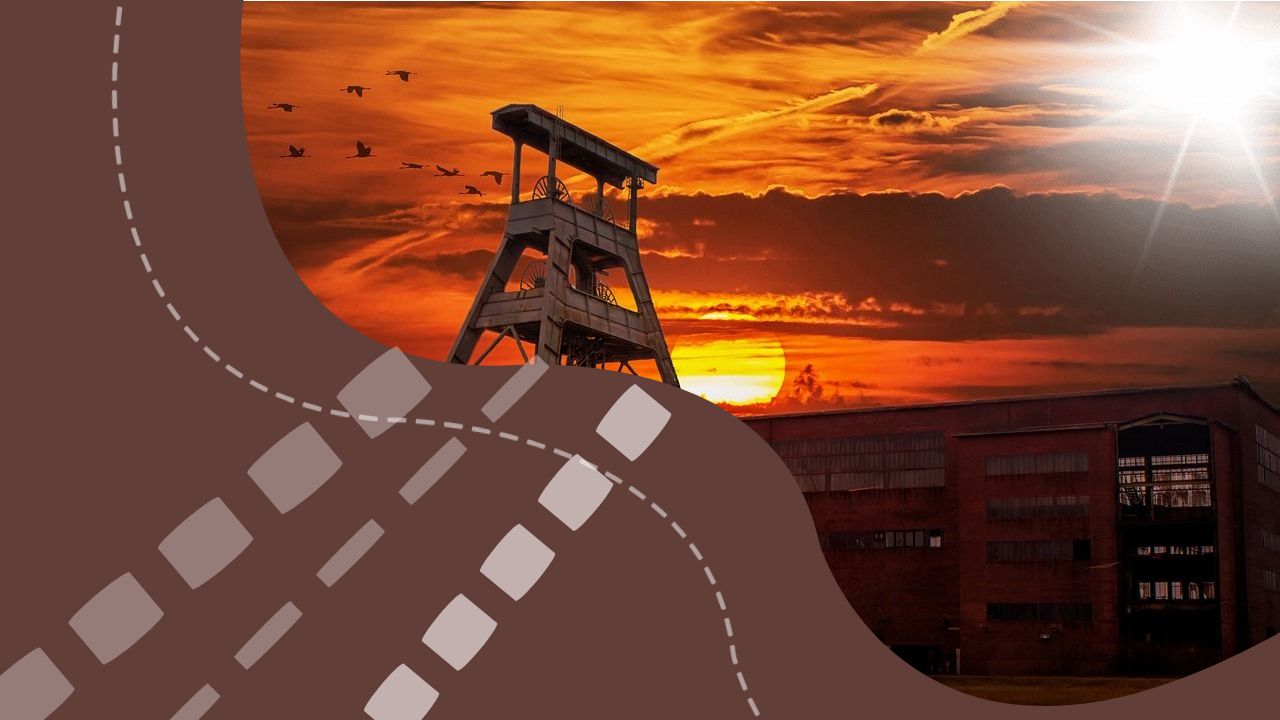
    The Czech Republic has formally brought nearly two and a half centuries of hard coal mining to a close, marking the moment with a symbolic final cart of black coal lifted from a depth of 1300 metres. The ceremony took place on Wednesday at the CSM mine in Stonava, close to the Polish border, and was attended by current and former miners, officials, and invited guests.

    State-owned mining company OKD confirmed that the CSM operation was the country’s last active hard coal mine and said production had become unsustainable due to rising costs. Speaking at the event, OKD general director Roman Sikora described the closure as a historic milestone and paid tribute to generations of miners who shaped the country’s industrial development.

    Over its long history, the CSM mine developed an underground network exceeding one million metres in length and became the setting for several notable moments, including a wedding held almost 900 metres below ground in 1992. The mine was also visited underground by playwright and former Czech president Václav Havel in the early 1990s.

    The shutdown marks the end of an era for the Moravian-Silesian region, long defined by heavy industry and coal production. While around 700 workers will remain involved in decommissioning and closure activities, others are expected to transition into retraining programmes.

    Hard coal, also known as black coal or anthracite, is valued for its high carbon content and energy density. Although underground hard coal mining has now ended in the Czech Republic, lignite extraction in open-cast mines is expected to continue until 2033. Comparable closures have already taken place elsewhere in Europe, including Germany, which shut its last hard coal mine in the Ruhr region in 2018.

  • EU Moves to Forge Critical Minerals Partnership with US to Counter China’s Dominance

    EU Moves to Forge Critical Minerals Partnership with US to Counter China’s Dominance

    The European Union is preparing to propose a formal critical minerals partnership with the United States, seeking to align with the Trump administration’s renewed push to secure global supply chains and reduce reliance on China.

    According to sources familiar with the discussions, Brussels is ready to sign a memorandum of understanding with Washington that would launch work on a “Strategic Partnership Roadmap,” with a draft framework expected within three months. Negotiators on both sides are aiming to conclude initial talks within 30 days, with a joint statement by the European Commission and the US expected this week.

    The proposed partnership is designed to coordinate sourcing, pricing and market safeguards for critical minerals that underpin modern technologies ranging from clean energy systems to defence equipment. Both the EU and the US remain heavily dependent on Chinese production and processing, a concentration that has given Beijing significant leverage over global supply chains.

    Under the proposal, the EU and US would explore joint mining and processing projects, develop secure transatlantic supply chains, and consider price-support mechanisms to protect Western producers from cheaper imports. The draft also highlights tools to prevent market manipulation and manage oversupply, including coordinated stockpiling and shared response mechanisms in the event of disruptions.

    Notably, EU officials insist the partnership explicitly include respect for territorial integrity. This provision follows recent strains in transatlantic relations after Donald Trump publicly floated the idea of acquiring Greenland, an autonomous territory within the Kingdom of Denmark and part of the EU.

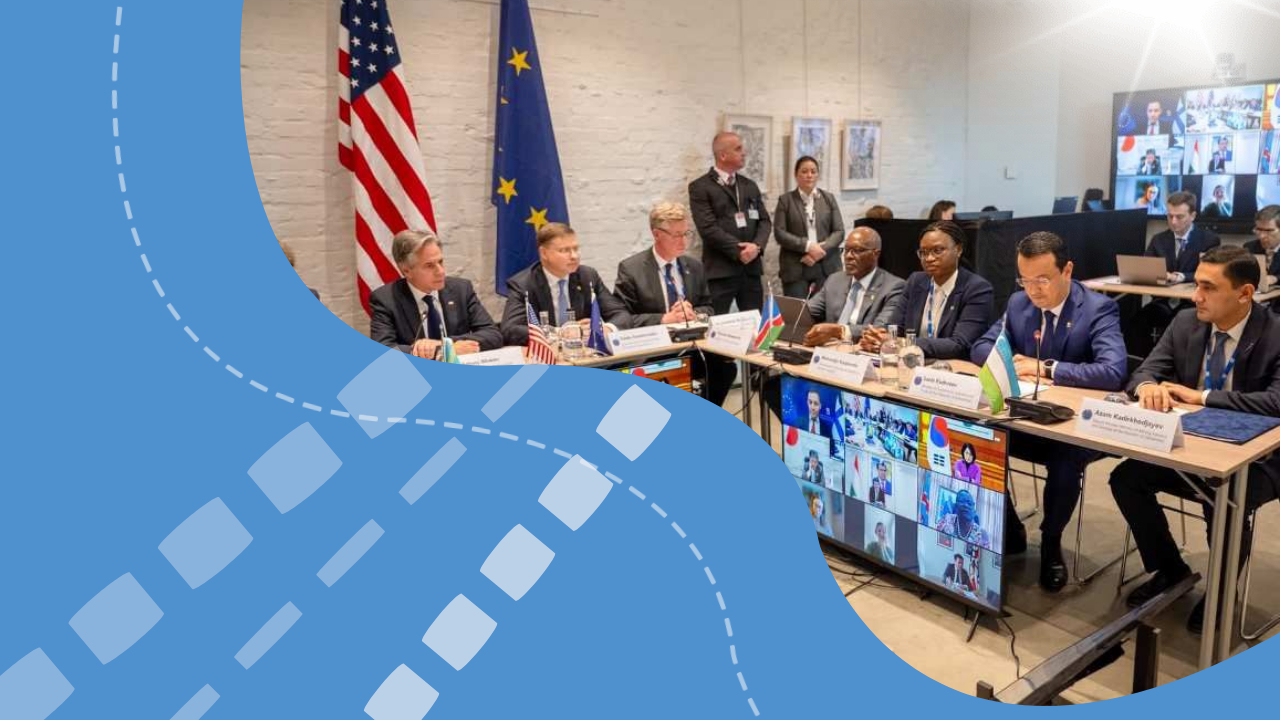
    The initiative coincides with a US-led ministerial meeting this week, bringing together foreign ministers and senior officials from allied countries to advance agreements aimed at cutting dependence on Chinese critical minerals. A draft statement seen by Bloomberg indicates the EU, the US and partners are considering a broader plurilateral trade initiative involving like-minded nations.

    Potential measures under discussion include coordinated trade policies such as standards-based markets, price-gap subsidies, border-adjusted price floors and long-term offtake agreements. While the text remains subject to change, it reflects Washington’s interest in shielding domestic producers from undercutting by Chinese exports.

    China’s role looms large in the background. Beijing dominates both mining and refining of many critical minerals, and its export restrictions on rare earths last year elevated the issue to the top of Washington’s strategic agenda. Although some restrictions were temporarily eased following talks between Trump and Chinese leader Xi Jinping, US officials remain focused on accelerating diversification.

    In parallel, the Trump administration has placed renewed emphasis on stockpiling. Earlier this week, the US announced a $12 billion critical minerals reserve aimed at protecting manufacturers from sudden supply shocks, a move closely aligned with elements of the EU proposal.

    The European Commission has described the talks as essential to reducing dependence on any single supplier, though officials privately caution that reaching a comprehensive agreement on complex pricing and trade mechanisms within weeks will be challenging. Still, the EU’s willingness to table a detailed proposal signals momentum toward closer transatlantic coordination on one of the most strategically sensitive areas of the global economy.

  • EU to Offer US Critical Minerals Partnership to Counter China’s Dominance

    EU to Offer US Critical Minerals Partnership to Counter China’s Dominance

    The European Union is set to offer the United States a critical minerals partnership designed to curb China’s influence over global supply chains, according to people familiar with the matter.

    Brussels is preparing a memorandum of understanding to create a “Strategic Partnership Roadmap” within three months, which would guide joint efforts to source and refine essential materials for modern technologies—ranging from batteries to semiconductors—without heavy reliance on Beijing.

    The proposal includes initiatives such as joint mineral projects, price support mechanisms, and safeguards against market manipulation. It also encourages building reciprocal supply chains between the two economies while maintaining mutual respect for territorial integrity—a pointed reference after tensions rose when U.S. President Donald Trump signaled interest in purchasing Greenland, an autonomous territory of Denmark.

    The renewed cooperation effort comes ahead of a major U.S.-led meeting of foreign ministers and senior officials this week aimed at forming global alliances to reduce Chinese mineral dominance. Washington’s sense of urgency follows Beijing’s export restrictions on rare earth elements last year, temporarily eased under a deal between Trump and Chinese President Xi Jinping.

    Underlining its seriousness, the Trump administration this week launched a $12 billion national critical mineral stockpile. The EU’s draft mirrors this approach, suggesting both sides could coordinate stockpiling and rapid response measures to supply disruptions.

    Key pillars of the EU proposal include cooperation on securing supply chains, developing international premium markets, and sharing information to boost market transparency. It also envisions exemptions from mutual export restrictions, collaboration on innovation and research, and the creation of a joint EU-U.S. response group to manage potential shortages.

    Despite concerns over the pace of negotiations, EU officials called the talks “vital to diversify our supplies away from any single country,” indicating that the transatlantic allies are increasingly aligned in reshaping critical mineral dependencies.

  • Heavy Industry Issues “Code Red” for Europe: Urgent Call to Halt 2026 Carbon Cost Hikes

    Heavy Industry Issues “Code Red” for Europe: Urgent Call to Halt 2026 Carbon Cost Hikes

    BRUSSELS – In a major intervention aimed at the highest levels of EU governance, Euromines and a coalition of Europe’s energy-intensive industries (EIIs) have issued a stark warning: without immediate policy intervention, the continent faces “irreversible deindustrialisation.”

    The joint statement, released on 2 February 2026, comes at a critical juncture for European manufacturing. Highlighting a “deteriorating fast” situation, the industry group revealed that production levels in some sectors plummeted by as much as 40% in 2025.


    Key Alarms: A Sector in Retreat

    The coalition, representing a turnover of €1.5 trillion and 6.6 million employees, argues that the backbone of Europe’s strategic autonomy—including steel, cement, chemicals, and mining—is crumbling under three main pressures:

    • Sky-High Energy: Costs remain twice as high as pre-crisis levels.

    • Crushing Carbon Prices: CO2 prices are now roughly four times higher than in 2020, far outpacing international competitors.

    • Global Trade Headwinds: Unfair trade practices, exacerbated by aggressive US tariffs and state-induced global overcapacities, have left European firms unable to compete.

    “In 2025 alone, an estimated 200,000 jobs were lost in these sectors. This is a critical situation at a time when self-sufficiency is becoming increasingly important,” the statement warns.


    The “Four Pillars” of Survival

    As EU leaders prepare for an informal summit on competitiveness on 12 February, the industry is demanding a “Clean Industrial Deal” with four immediate priorities:

    1. Freeze Carbon Cost Hikes: A total pause on any planned increases in carbon costs for 2026. The group warns that upcoming reductions in “free allocations” could slash support by up to 34%, a move they label “detrimental.”

    2. Target €50/MWh Energy: Aligning with the landmark Draghi Report, industries are calling for all levers to be pulled to bring industrial electricity costs down to €50/MWh to make electrification viable.

    3. Aggressive Trade Defense: Rapid deployment of Trade Defence Instruments (TDIs) to counter “economic coercion” and non-EU imports produced under lower environmental standards.

    4. “Proudly Made in Europe” Demand: New rules in public procurement to prioritise European-made products, ensuring that the EU’s high environmental and social standards are reflected in market demand.


    Looking Ahead

    The timing of this statement is no coincidence. It serves as a direct “input” for the 12 February retreat at Alden Biesen Castle, where European Council President António Costa has invited former Italian PMs Mario Draghi and Enrico Letta to discuss a radical overhaul of the Single Market.

    With carbon prices projected by some analysts to reach €100/t in early 2026, the industry’s message is clear: Europe cannot afford to pay for tomorrow’s climate goals by bankrupting today’s industrial base.

  • Allied Nations to Meet in Washington on Critical Minerals Strategy as De-Risking from China Accelerates

    Allied Nations to Meet in Washington on Critical Minerals Strategy as De-Risking from China Accelerates

    Ministers from the United States, the European Union, the United Kingdom, Japan, Australia and New Zealand will gather in Washington this week to discuss the creation of a closer strategic alliance on critical minerals, as governments intensify efforts to reduce dependence on China-dominated supply chains.

    The meeting, convened by United States Department of State and led by Secretary of State Marco Rubio, will also include around 20 countries such as G7 members, India, South Korea, Mexico and potentially Argentina. It marks the second such summit in less than a month and is widely seen as part of a broader attempt to repair strained transatlantic relations and coordinate non-China sourcing strategies for minerals essential to energy transition, defence and advanced manufacturing.

    Australia underscored the urgency of the talks last week by announcing plans to establish a A$1.2 billion strategic reserve of critical minerals considered vulnerable to supply disruption from China. Canberra’s move follows Beijing’s decision last April to restrict rare earth exports in response to trade measures introduced under US President Donald Trump.

    A key issue on the Washington agenda will be whether the United States should guarantee minimum prices for critical minerals and rare earths to support investment in alternative supply chains. Reports this week that Washington may have ruled out such guarantees triggered a sell-off in Australian mining stocks, highlighting the sensitivity of the sector to policy signals. Australia has positioned itself as a major alternative supplier to China and plans to stockpile minerals such as antimony and gallium regardless of US pricing decisions.

    “Strengthening critical mineral supply chains with international partners is vital for the US economy, national security, technological leadership, and a resilient energy future,” the State Department said ahead of the summit.

    The European Union is expected to use the meeting to push for progress on broader trade irritants, including US tariffs on steel derivatives. EU officials argue that new levies on products containing steel, from bicycles to wind turbines, undermine trust following a tariff deal agreed last year. Brussels hopes the talks could pave the way for a joint statement that would signal a shift toward closer coordination with Washington on de-risking from China rather than recurring trade disputes.

    The European Commission has repeatedly warned that Europe remains highly exposed to Chinese supply chains, particularly for rare earth permanent magnets. According to Commission officials, the EU consumes around 20,000 tonnes of permanent magnets annually, with roughly 17,000–18,000 tonnes sourced from China and only about 1,000 tonnes produced domestically.

    Japan, which has long maintained strategic mineral stockpiles to guard against supply disruptions, is often cited by policymakers as a model for resilience. European and UK officials say closer alignment with partners such as Japan and Australia will be essential if Western economies are to secure stable access to minerals critical for everything from smartphones and electric vehicles to fighter jets and renewable energy systems.

  • EU Unlikely to Cut Critical Minerals Dependence on China by 2030, Auditors Warn

    EU Unlikely to Cut Critical Minerals Dependence on China by 2030, Auditors Warn

    The European Union is unlikely to diversify its supply of critical raw materials in time to meet its climate and industrial targets, leaving the bloc heavily dependent on China well into the next decade, according to a new report by the European Court of Auditors (ECA).

    Despite the signing of 14 major trade agreements and sustained diversification efforts led by the European Commission, EU auditors concluded that the EU27 is “unlikely to succeed in time” in securing alternative sources of minerals essential for clean technologies such as electric vehicle batteries, wind turbines and solar panels.

    China remains the dominant supplier. The ECA report shows that the EU sources 97% of its magnesium imports from China, alongside large shares of gallium (71%), germanium (45%), baryte (44%), arsenic (39%), graphite (40%) and tungsten (31%). Magnesium is a key input for hydrogen electrolysers, while gallium and germanium are vital for semiconductors and renewable technologies.

    “Without critical raw materials, there will be no energy transition, no competitiveness, and no strategic autonomy,” said Keit Pentus-Rosimannus, warning that the EU is “dangerously dependent” on a small group of external suppliers.

    While countries such as Chile (lithium) and Turkey (boron) are also important partners, China remains unrivalled in both mining output and refining capacity. According to EU data, China controls around 60% of global production of critical raw materials and about 90% of global refining capacity. The European Parliament estimates that the EU depends on China for roughly 90% of its raw materials and 98% of rare-earth magnets.

    The pending Mercosur trade agreement, covering Argentina, Brazil, Paraguay and Uruguay, could help diversify supply once approved by the European Parliament. EU lawmakers are also debating whether to revive a stalled trade and minerals agreement with the United States.

    Speaking in December, EU Executive Vice President Stéphane Séjourné acknowledged the bloc’s raw material dependence and said dialogue with China “remains essential,” even as Brussels rolls out new monitoring measures and prepares to launch a European raw materials centre to coordinate supply, stockpiling and market oversight.

    Auditors noted that Beijing has increasingly used its dominance as geopolitical leverage. Export restrictions on rare earths in recent years, including in 2025, disrupted EU industries. Data from the European Chamber of Commerce in China shows that Chinese authorities approved only 19 out of 141 licence applications submitted by European companies in mid-2025.

    The report also questions whether the EU’s Critical Raw Materials Act (CRMA), adopted in 2024, can realistically meet its targets. The law sets non-binding goals for 2030, including 10% domestic extraction, 40% local processing and 25% recycling, while limiting reliance on any single non-EU supplier to 65%. Auditors say these targets are difficult to achieve given China’s grip on processing for materials such as magnesium, gallium and all rare earth elements.

    The ECA highlights recycling as an underused lever. Ten critical materials needed for the energy transition are not recycled at all in the EU, and existing targets do little to incentivise recycling of specific materials. The auditors recommend binding recycling targets, improved waste collection rules and easier movement of critical-material waste within the bloc to improve the commercial viability of recycling.

    “China’s vertical integration, scale and low costs give it a structural advantage,” Pentus-Rosimannus said, adding that without stronger action on recycling, partnerships and strategic projects, the EU risks falling short of its green and industrial ambitions.

  • Binding Solutions and Mitsui Partner on Low-Carbon Iron Ore Pellets in Australia’s Pilbara

    Binding Solutions and Mitsui Partner on Low-Carbon Iron Ore Pellets in Australia’s Pilbara

    UK-based Binding Solutions has entered into an agreement with a subsidiary of Mitsui & Co to develop low-carbon iron ore pellets using material from Western Australia’s Pilbara region, one of the world’s largest iron ore hubs.

    Under a newly signed memorandum of understanding with Mitsui Iron Ore Development, Binding Solutions will apply its proprietary cold agglomeration technology to convert lower-grade iron ore fines into pellets. The company says the process significantly reduces energy use and carbon dioxide emissions compared with conventional pelletizing methods, which rely on high-temperature heat treatment.

    Binding Solutions chief executive Jon Stewart said the work already carried out with Mitsui’s unit demonstrates strong commercial potential. According to Stewart, the ability to upgrade Pilbara iron ore fines into premium pellets opens up a sizeable new market opportunity, particularly as steelmakers seek cleaner feedstock options.

    The preliminary agreement focuses on utilizing fines that would otherwise require sintering, a highly energy-intensive and polluting step, before they can be used in traditional blast furnaces. Pellets produced via Binding Solutions’ method can bypass this stage and are also suitable for electric arc furnaces, which are increasingly being adopted by steel producers aiming to lower emissions.

    Mitsui holds iron ore interests in the Pilbara through partnerships with major miners including BHP and Rio Tinto. In 2024, the Japanese trading house agreed to acquire a 40% stake in Rio Tinto’s Rhodes Ridge iron ore project in Western Australia for $5.34 billion.

    Binding Solutions has previously completed industrial trials of its technology with British Steel and Germany’s Salzgitter and is now working toward the development of a full-scale industrial plant to commercialize the process.

  • EU Weighs Ban on Russian Platinum Group Metals and Copper in New Sanctions Package

    EU Weighs Ban on Russian Platinum Group Metals and Copper in New Sanctions Package

    The European Union is considering expanding its sanctions regime against Russia to include a ban on imports of several platinum group metals and copper, as Brussels looks to tighten economic pressure over Moscow’s war in Ukraine.

    According to sources familiar with the discussions, the proposed measures could cover iridium, rhodium, platinum and copper. The initiative is still under negotiation and would require unanimous approval from all EU member states. The bloc is aiming to finalize the new sanctions package later this month. The European Commission, which coordinates sanctions policy, declined to comment.

    The potential ban comes at a time of already strained global metals markets. Copper prices have reached record levels this year, driven by strong demand and limited mine supply, while platinum is also expected to remain in deficit. Western trading hubs have been progressively distancing themselves from Russian-origin metals. The UK has barred Russian copper produced after April 13, 2024 from trading or delivery on the London Metal Exchange, and Russian refiners were removed from the London Platinum and Palladium Market’s approved delivery list in 2022.

    These restrictions have reduced demand for Russian metals among Western industrial consumers, particularly because sanctioned material can no longer be used for financing purposes. In the copper market, many European buyers have effectively exited Russian supply altogether, especially as several major Russian producers have come under sanctions. Nevertheless, Russian metals continue to find their way into global markets, with much of the volume redirected to Asia.

    If implemented, the new EU measures would primarily affect MMC Norilsk Nickel, Russia’s largest mining group and a key supplier to global industry. The company accounts for roughly 40% of global palladium used in automotive catalysts, a metal not included in the current proposal. Norilsk Nickel is also Russia’s largest producer of platinum, iridium, rhodium, nickel and copper, and has so far avoided direct EU sanctions because of its systemic importance to global supply chains.

    Separately, the EU is also reviewing options to replace its existing price cap on Russian oil with a ban on maritime services, according to earlier reports.

  • Greenland’s Vast Mineral Potential Draws Strategic Attention as Arctic Competition Intensifies

    Greenland’s Vast Mineral Potential Draws Strategic Attention as Arctic Competition Intensifies

    Greenland’s mineral resources are increasingly attracting international interest as competition over critical raw materials expands into the Arctic, according to Prof. Krzysztof Szamałek, director of the Polish Geological Institute in Warsaw. He noted that the island’s geological potential has gained prominence amid growing geopolitical rivalry and renewed debate over Arctic security.

    Greenland, an autonomous territory within the Kingdom of Denmark, has recently returned to the global spotlight following statements by US President Donald Trump emphasizing the island’s importance to American security. According to estimates cited by Poland’s state news agency PAP, the theoretical value of Greenland’s resource base could reach USD 4.4 trillion, including around USD 1.4 trillion in oil and approximately USD 1.5 trillion in rare earth elements.

    Szamałek explained that Greenland’s resources are strategically significant because they include critical raw materials essential for modern industry, where supply disruptions could severely constrain production. The European Union identified 34 critical raw materials two years ago, many of which are vital for advanced technologies and energy systems.

    However, he cautioned that current knowledge of Greenland’s mineral wealth remains preliminary. Most assessments confirm the presence of mineral-bearing formations rather than verified reserves. Detailed exploration, drilling, and resource calculations would still be required, and the island’s ice-covered interior could hold additional geological insights in the future.

    Potential deposits identified so far include graphite, molybdenum, niobium, tantalum, platinum group elements, and precious metals used in electronics and electrical engineering, as well as strontium, titanium, hafnium, and zirconium. Szamałek stressed that these resources are “estimated, not fully documented,” and that development would be a long and complex process.

    Most known deposits are located in offshore areas and along Greenland’s coastline, reflecting the fact that roughly 80 percent of the island is covered by an ice sheet. Of the EU’s 34 critical raw materials, Szamałek said 25 are believed to occur in Greenland, compared with only four or five in Poland, depending on classification.

    He also pointed out that China currently dominates the production of many rare earth elements, and that interest in Greenland is driven largely by efforts to diversify supply chains rather than by an immediate global shortage. Extracting minerals from beneath Greenland’s ice sheet, he added, remains technologically untested and unnecessary at this stage.

  • Poland Set to Remain EU’s Last Coal Producer Until 2049 Despite Losses

    Poland Set to Remain EU’s Last Coal Producer Until 2049 Despite Losses

    Poland will continue mining coal until at least 2049, despite the sector’s chronic unprofitability, due to a binding agreement signed between the government and labor unions in 2021, according to Interia Biznes. The agreement legally fixes the coal phase-out date, making any earlier shutdown politically and socially difficult.

    The issue has gained renewed attention after the Czech Republic closed its last coal mines at the end of January. From February 1, Poland effectively becomes the only European Union member state still extracting coal, highlighting its exceptional position within the bloc’s energy transition.

    Coal output in Poland has been declining for decades. Production peaked at around 180 million tons in 1989, before falling to 102 million tons in 2000, 76.5 million tons in 2013, and approximately 44 million tons in 2025. Despite this sharp contraction, the industry remains heavily subsidized.

    Domestic coal production is currently loss-making and sustained through state budget support. Coal sells on the Polish market for about 458 zloty (roughly $114) per ton, while production costs are estimated at 944 zloty (around $236) per ton, underscoring the scale of ongoing financial support required to keep the sector operating.