Website: Europe.com

  • Indonesia’s Nickel Dominance: The Rise of Low-Cost Suppliers and the Global Market Shake-Up

    Indonesia’s Nickel Dominance: The Rise of Low-Cost Suppliers and the Global Market Shake-Up

    Indonesia’s low-cost nickel suppliers will wipe out rivals in the next few years, cementing the country as the world’s dominant producer of the metal vital to electric car batteries, the head of French miner Eramet has warned.

    The south-east Asian nation could end up accounting for more than three-quarters of the world’s highest class of pure nickel in five years from now, Christel Bories told the Financial Times, with radical consequences for competitors elsewhere.

    “It has really made a big part of the old traditional players structurally non-competitive for the future,” Bories said. “This part of the industry will either disappear or be subsidised by governments.”

    She added: “The uncompetitive mines elsewhere will close. I’m not sure there will be so many governments deciding to subsidise big production with a lot of money just to compete with Indonesia production.”

    The major shift in the market and tumbling nickel prices have already affected mining companies such as BHP, IGO and First Quantum, which have cut production and shut down mines in Western Australia.

    Eramet sits on both sides of the fence, with operations in Indonesia’s Weda Bay, the world’s largest nickel mine, as well as New Caledonia through its subsidiary Société Le Nickel.

    Bories’ comments come as Eramet wrangles with the French government — a holder of 27 per cent of its shares — on a solution for lossmaking SLN nickel facilities, which the group has refused to fund further.

    She said the company was close to finding a way to rearrange the loans offered to SLN by Paris so that they would no longer affect Eramet’s debt ratios, through either a different method of consolidation or quasi-equity loans.

    The nickel crisis has become so severe that Glencore has announced plans to sell its stake in the Koniambo mine in New Caledonia after making losses on the asset for more than a decade. Commodity trader Trafigura is also locked in negotiations with the French government over Prony Resources, the third major nickel producer in the territory.

    Bories said Eramet would continue to operate its mine for now but would “never” contemplate other nickel investments, including rescuing Koniambo.

    Nickel prices have dived more than 30 per cent to $17,462 a tonne in the past year after two years of elevated prices. Few bet against the glut disappearing any time soon as Chinese companies continue to plough investment into Indonesia’s resources.

    “There’s a serious structural challenge as a result of Indonesian nickel,” said Duncan Wanblad, chief executive of Anglo American, which has nickel mines in Brazil. “That is certainly putting cost pressure on most of the other ferronickel businesses that exist in the world today.”

    This week Eramet reported an 85 per cent slide in net income for 2023 to €109mn, including a €218mn impairment on SLN.

  • European Leaders Discuss Critical Raw Materials in Clean Transition Dialogue

    European Leaders Discuss Critical Raw Materials in Clean Transition Dialogue

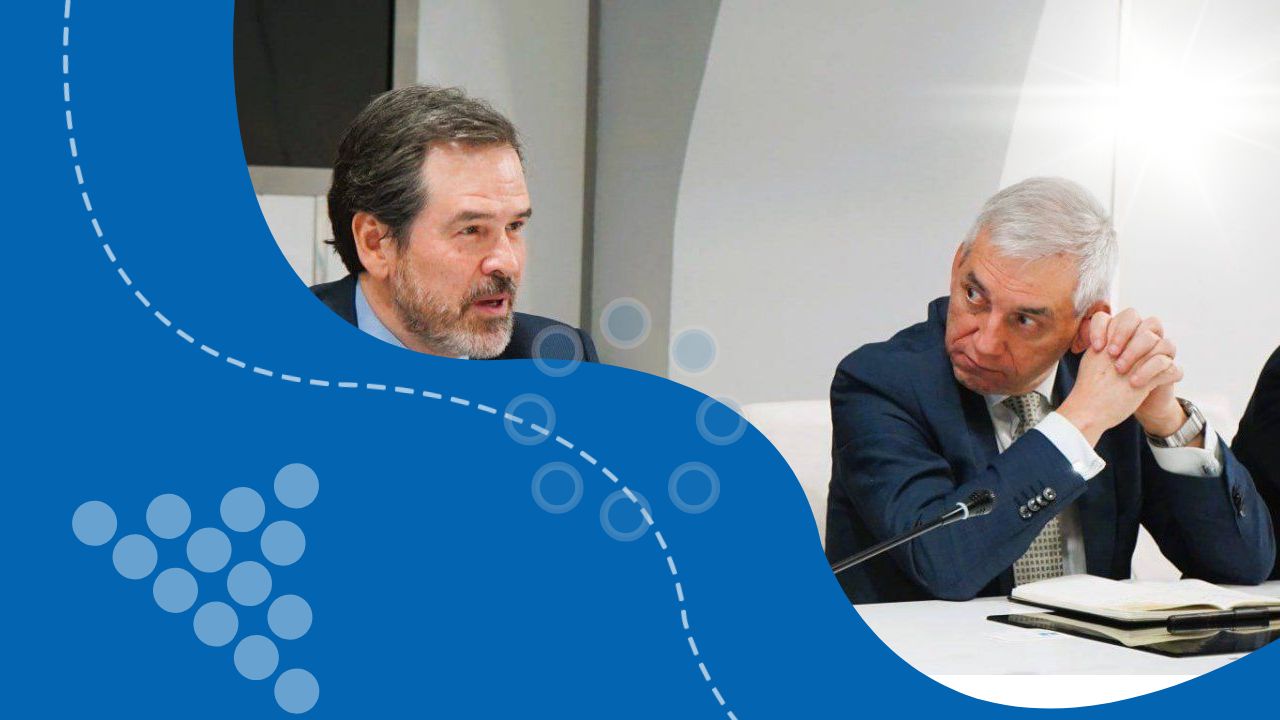
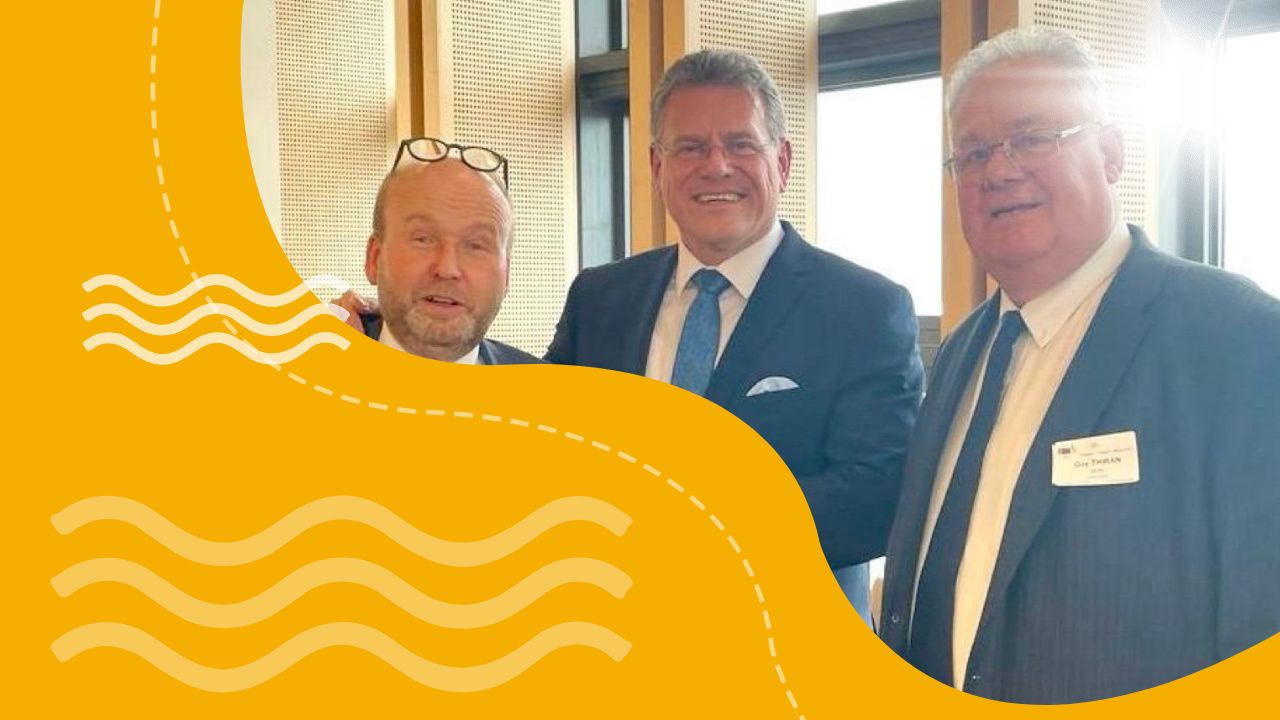
    Among the participants was Guy Thiran, Director General of Eurometaux, who joined fellow raw materials leaders to explore strategies for fortifying Europe’s energy transition, which heavily relies on metals, emphasizing the twin pillars of security and sustainability.

    Highlighting Europe’s robust industrial foundation, Thiran pointed to over 70 ongoing projects spanning the metals supply chain, from mining and processing to recycling, boasting a world-leading environmental footprint.

    The focus now shifts towards advancing these projects in alignment with the Critical Raw Materials Act 2030 production goals while revitalizing existing operations.

    Thiran outlined five key EU actions discussed during the dialogue:

    1. Delivering EU Finance: Urgent provision of EU finance to stimulate raw materials investment and narrow the competitiveness gap with global counterparts, with particular emphasis on mid-stream processing.
    2. Energy-Intensive Industries Link: Strengthening the connection with prior dialogues on energy-intensive industries, recognizing the pivotal role of a globally competitive energy supply in Europe’s raw materials success.
    3. Unified Policy Approach: Addressing unintended bottlenecks stemming from other EU legislation, such as chemicals or water, through a unified policy approach.
    4. Enhanced Recycling: Scaling up metals recycling rates through improvements in collection, sorting, and shipment processes to support top-tier recyclers on a level playing field.
    5. Responsible Global Mining Financing: Providing financing for responsible global mining projects led by European companies to prevent the monopolization of resource-rich regions by foreign powers.

    The discourse underscores a shift towards proactive engagement by the European Commission, as evidenced by recent events like the Antwerp Industry Summit and the Clean Transition Dialogues, signaling a renewed focus on business engagement and stakeholder mobilization.

    As discussions conclude, the call to action resonates clear – it’s time to translate dialogue into tangible progress and deliver the significant strides necessary for Europe’s clean transition journey.

  • The Antwerp Declaration for a European Industrial Deal signed to increase the EU’s raw materials security

    The Antwerp Declaration for a European Industrial Deal signed to increase the EU’s raw materials security

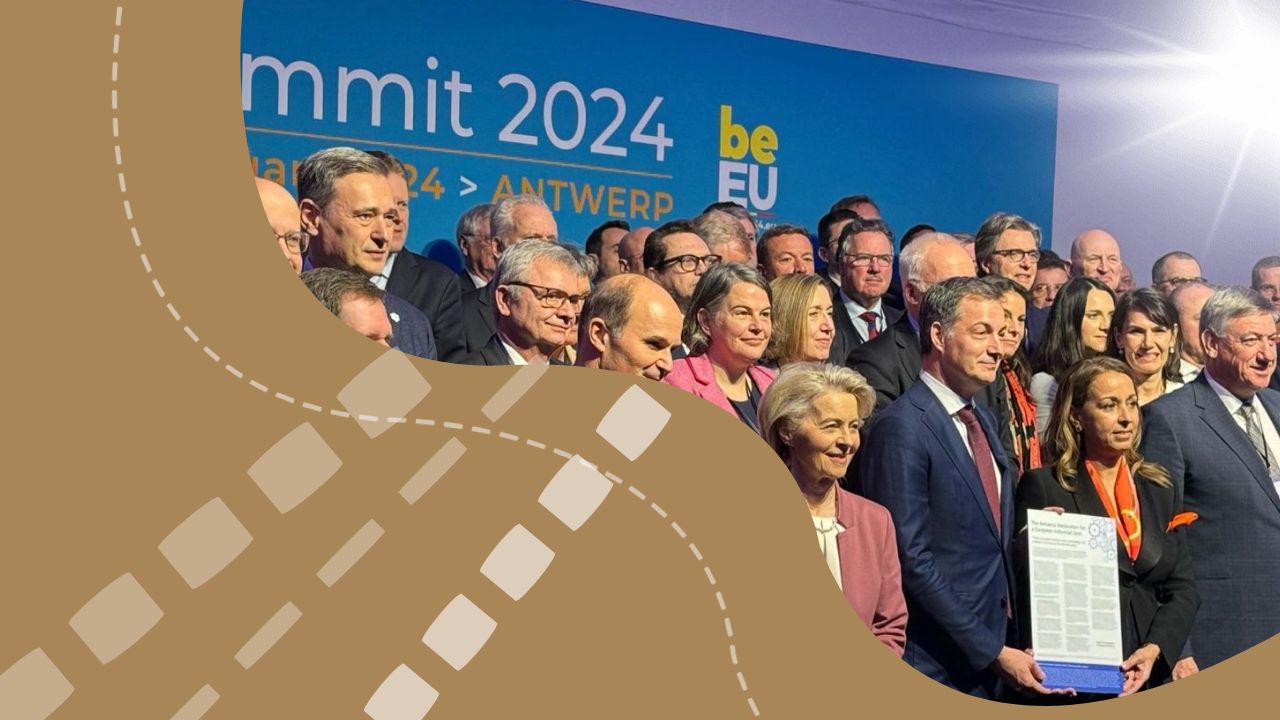
    The Antwerp Declaration for a European Industrial Deal was presented during the European Industry Summit in Antwerp on 20 February 2024. This declaration emphasizes the need for clarity, predictability, and confidence in Europe’s industrial policy to complement the Green Deal and maintain high-quality jobs for European workers. It highlights the importance of industry in driving innovation for climate solutions and stresses the significance of industrial production alongside innovation.

    Industry leaders have called for urgent actions to restore competitiveness and preserve jobs in Europe. The declaration outlines ten concrete actions, including integrating the EU Industrial Deal into the broader European Strategic Agenda, streamlining legislation, simplifying the State Aid framework, ensuring raw material self-sufficiency, fostering demand for sustainable products, and nurturing innovation. It also emphasizes transforming Europe into a global leader in providing abundant and affordable low-carbon energy through strategic partnerships and robust infrastructure.

    The signatories of the Antwerp Declaration come from diverse sectors such as chemicals, pharmaceuticals, steel, mining, textiles, and biotech. This declaration serves as a collaborative effort to revitalise Europe’s industrial landscape, strengthen basic industry sectors, and ensure competitiveness, sustainability, and resilience amid changing geopolitics. It underscores the industry’s commitment to contributing to a stronger Europe and ensuring a just transition during the green transformation.

    Citations:

    [1] https://antwerp-declaration.eu
    [2] https://antwerp-declaration.eu/pdf/declaration.pdf
    [3] https://cefic.org/media-corner/newsroom/antwerp-declaration-for-a-european-industrial-deal
    [4] https://www.handelsblatt.com/downloads/29662786/7/industrial_deal.pdf

  • New ‘water batteries’ safer and cheaper than lithium-ion

    New ‘water batteries’ safer and cheaper than lithium-ion

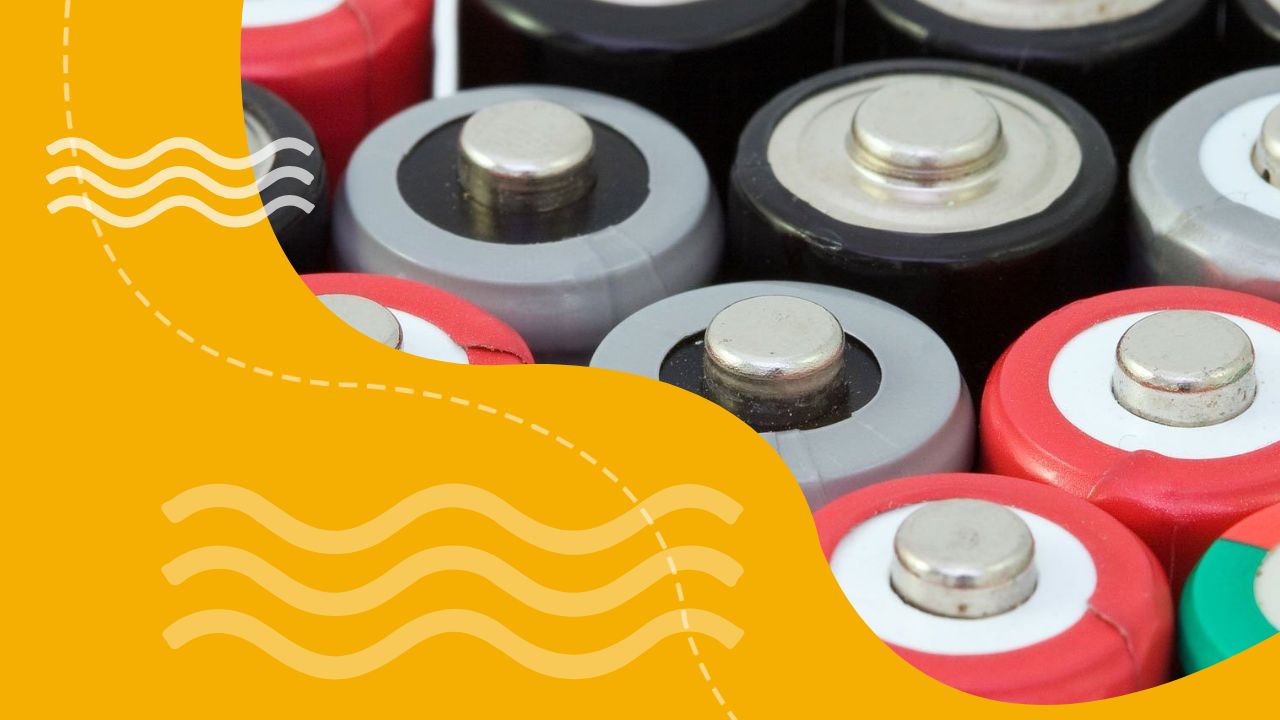
    RMIT has led a global team of researchers and industry partners in the development of a new recyclable ‘water battery’ that is expected to be much safer than lithium-ion batteries.

    Lithium-ion energy storage dominates the market due to its technological maturity, but its suitability for large-scale grid energy storage is limited by safety concerns with the volatile materials inside.

    Professor at RMIT’s School of Science and lead researcher, Tianyi Ma, said that their batteries were at the cutting edge of an emerging field of aqueous energy storage devices, with breakthroughs that significantly improve the technology’s performance and lifespan.

    “What we design and manufacture are called aqueous metal-ion batteries – or we can call them water batteries,” said Prof Ma.

    The team uses water to replace organic electrolytes – which enable the flow of electric current between the positive and negative terminals – meaning their batteries can’t start a fire or blow up, unlike their lithium-ion counterparts.

    “Addressing end-of-life disposal challenges that consumers, industry and governments globally face with current energy storage technology, our batteries can be safely disassembled and the materials can be reused or recycled.

    “The simplicity of manufacturing processes for the water batteries helped make mass production feasible.

    “We use materials such as magnesium and zinc that are abundant in nature, inexpensive and less toxic than alternatives used in other kinds of batteries, which helps to lower manufacturing costs and reduces risks to human health and the environment.”

    Energy-storage and life-cycle potential

    The team has made a series of small-scale trial batteries for numerous peer-reviewed studies to tackle various technological challenges, including boosting energy storage capacity and the lifespan.

    In their latest work, published in Advanced Materials, they’ve triumphed over a major challenge – the growth of disruptive dendrites, which are spiky metallic formations that can lead to short circuits and other serious faults.

    The team coated affected battery parts with a metal called bismuth and its oxide (otherwise known as rust) as a protective layer that prevented dendrite formation.

    “Our batteries now last significantly longer – comparable to the commercial lithium-ion batteries in the market – making them ideal for high-speed and intensive use in real-world applications.

    “With impressive capacity and extended lifespan, we’ve not only advanced battery technology but also successfully integrated our design with solar panels, showcasing efficient and stable renewable energy storage.”

    The team’s water battery is closing the gap with lithium-ion technology in terms of energy density, with the aim of using as little space per unit of power as possible.

    “We recently made a magnesium-ion water battery that has an energy density of 75 watt-hours per kilogram (Wh/kg) – up to 30 per cent that of the latest Tesla car batteries.”

    This research is published in Small Structures.

    “The next step is to increase the energy density of our water batteries by developing new nano materials as the electrode materials.”

    Prof Ma said that magnesium was likely to be the material of choice for future water batteries.

    “Magnesium-ion water batteries have the potential to replace lead-acid batteries in the short term – like one to three years – and to potentially replace lithium-ion batteries in the long term, five to ten years from now.

    “Magnesium is lighter than the alternative metals, including zinc and nickel, has a greater potential energy density and will enable batteries with faster charging times and better capability to support power-hungry devices and applications.”

    Potential applications 

    Prof Ma said that the team’s batteries were well suited for large-scale applications, making them ideal for grid storage and renewable energy integration – especially in terms of safety considerations.

    “As our technology advances, other kinds of smaller-scale energy storage applications such as powering people’s homes and entertainment devices could become a reality.”

    As part of an ARC Linkage project, Prof Ma’s team is continually developing their water batteries in collaboration with industry partner GrapheneX, a tech innovator based in Sydney.

    “We also collaborate closely with researchers and experts from renowned universities and research institutions in Australia, the US, the UK, Japan, Singapore, China and elsewhere.

    “These collaborations facilitate knowledge exchange and access to cutting-edge facilities. By drawing on this global team’s expertise in different areas, we can tackle the complex challenges involved from various angles.”

  • Ukrainian Steel Industry Faces Challenges Amidst Ongoing Conflict

    Ukrainian Steel Industry Faces Challenges Amidst Ongoing Conflict

    Key Points:

    • Russian advance in eastern Ukraine threatens key Metinvest facilities.
    • Loss of Avdiivka coal plant and proximity to Pokrovsk and Zaporizhzhia raise concerns.
    • Metinvest CEO urges urgent approval of stalled US military aid.
    • EU provides support, but US package remains delayed due to internal issues.
    • Steel industry rebounds despite challenges, aiming for capacity recovery.

    Challenges:

    • Russian military advancements threaten crucial steel and coal infrastructure.
    • Delays in US military aid hinder Ukrainian defense efforts.

    Positive Developments:

    • Reopening of sea routes facilitates industry rebound.
    • Capacity utilization of ports nears pre-war levels.
    • Metinvest’s iron ore and steel plants aim for significant capacity recovery.

    Overall, the Ukrainian steel industry navigates a complex situation, facing threats from the ongoing conflict while demonstrating resilience and aiming for recovery.

  • Current Accusations Against Tara Resources, the Concessionaire, Found to Be Unsubstantiated

    Current Accusations Against Tara Resources, the Concessionaire, Found to Be Unsubstantiated

    The most likely outcome, if the concession agreement for the Brskovo mine is terminated, is that the concessionaire, Tara Resources, will initiate arbitration against Montenegro, stated Luka Popović, the lawyer representing the Swiss company.

    He attended today’s meeting of the Interdepartmental Working Group for the preparation of an expert analysis of the concession agreement for detailed geological exploration and exploitation of sulfide polymetallic ore at the exploration-exploitation area of the former Brskovo mine.

    “We emphasized during the work that the Government must be aware that the working group needs to indicate the risks of this procedure and that, if the concession agreement were to be terminated, it is not the only potential risk of domestic court and litigation before a domestic court, but there is a potential risk of international investment arbitration since the investor, the owner of the concession company, is a Swiss company, and considering that there is a mutual agreement between Switzerland and Montenegro on the protection and promotion of investments which gives investors from signatory states the right to initiate arbitration against the other state in case of violation of their rights,” Popović said.

    So far, the working group has discussed the legal aspects of the annex to the concession agreement and the facts that the relevant ministry considers to be relevant for assessing whether there is a breach of the agreement and grounds for termination.

    As the representative of the concessionaire, Popović believes that there is no basis for termination of the agreement.

    “The obligations of the investor at this stage of the concession agreement are to develop project documentation and obtain all permits based on that documentation, and it cannot do so until the Government adopts spatial plans and issues urban-technical conditions as the first document in the permit acquisition process. That is the responsibility of the Government,” Popović added.

    However, this meeting also passed in a tumultuous atmosphere with different conflicting opinions. Councilor in the Municipal Assembly of Mojkovac, Miloš Rajković, reiterated claims that carrying out works on the territory of the former Brskovo mine would have negative consequences for the environment, human health, and the cultural memory surrounding that area.

    “Whoever starts digging and excavating there must know that blood was shed somewhere and that it did not bring him any profit – neither business, personal, family, nor do I believe this issue will end well. They violated the annexes and accepted responsibility for not issuing urban-technical conditions, the contractor withdrew from the draft Detailed Spatial Plan,” Rajković stated.

    Popović dismissed all these accusations and reminded that nothing has changed in the life of the concession agreement since the period when annexes five and six were concluded, extending the deadlines for the completion of the permit acquisition phase.

    “We have provided arguments why none of the allegations made stand and why they are not relevant at this time. Most of the facts related to environmental protection, which were presented during the work of the working group, relate to the period that is yet to come. The discussion about the project’s impact on the environment can come to the agenda when you have a specific mining project that has been revised in accordance with the regulations, and when an environmental impact assessment study is done alongside that project,” Popović explained.


  • The future of the plant. How AGMK is implementing a major investment project to increase copper production

    The future of the plant. How AGMK is implementing a major investment project to increase copper production

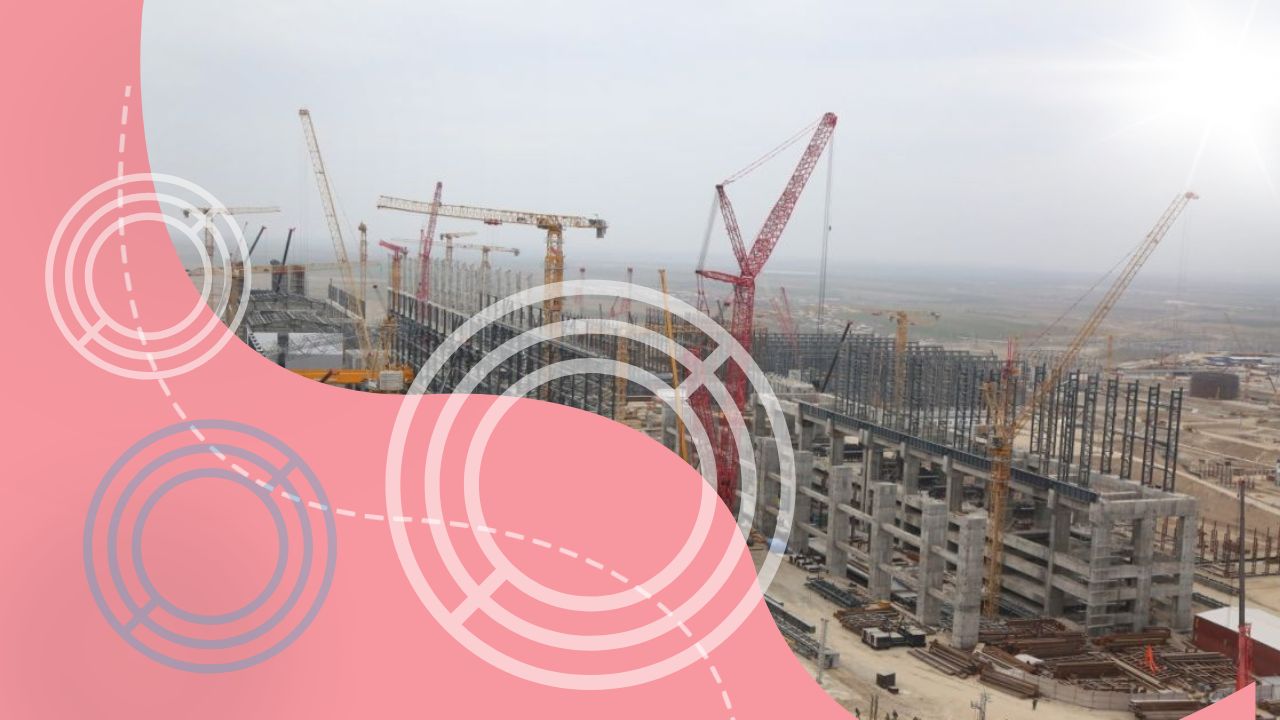
    Environmental trends create potential demand for copper, which is one of the main components of all these innovations. Today, the “new economy” already consumes 1.6 million tons of this metal. Against the backdrop of energy crises and the rising cost of energy resources, analysts argue that the demand, and consequently the prices for copper, will only continue to rise. They forecast that by 2030 the world will need 40% more copper than is mined today. All this adds up to an excellent opportunity for copper mining companies. Global leaders in this industry are actively modernizing their production, introducing advanced technologies that allow working with poor ores and copper slag to meet this growing demand with supply. The domestic copper producer, the Almalyk Mining and Metallurgical Combine, also has grand plans. Today, four investment projects are successfully being implemented here. One of the key projects is the development of the “Yoshlik” deposit worth almost $5 billion. The project involves the implementation of a whole complex of measures that will enable the enterprise to produce 400,000 tons of cathode copper per year by 2030 and become one of the world’s leading producers of this metal. This will not only secure the company’s future but also provide a powerful impetus for the development of the domestic economy: new production facilities will provide jobs for tens of thousands of people, increase tax revenues to the budget, while the combine already ranks as the second-largest taxpayer in the republic. As part of the investment project, the construction of three new copper beneficiation plants, a copper smelting complex, modernization of existing facilities, and the consolidation of two deposits of the combine – “Kalmakyr” and “Yoshlik” are planned. This project is considered one of the top 10 largest global projects in the metallurgy sector. Intensive open-pit mining operations are currently underway at the “Yoshlik” deposit. To reach the ore layer and prepare the quarry for further mining, around 180 million cubic meters of rock mass have been removed from here. To carry out massive mining works, new mining equipment has been acquired, and some transportation has also been outsourced. “We recently received two new locally assembled dump trucks with a payload of over 220 tons. In total, under the contract with a domestic company, the delivery of five such machines is expected, the rest will be delivered by March. We will use them for open-pit mining operations, and then for ore mining,” said Kamoliddinjon Marahimov, deputy chief engineer for mining operations. In addition, the combine is introducing a new cyclic-flow technology (CFT) for transportation. Several crushing-conveyor complexes will be built on the quarry site. In particular, two will be involved in transporting empty rock to the dumps, and two more – in shipping ore to the concentrator plants No. 3 and 4. It is worth reminding that in November of last year, the combine already launched one of the crushing and loading nodes for the third factory in test mode. Crushing units and 4-kilometer conveyors from Denmark, which have repeatedly proven their reliability and efficiency at numerous enterprises around the world, are installed here. These technologies will be used for primary crushing and transporting ore via conveyors instead of railway transport to ore warehouses. Overall, this solution will triple transportation costs and operational expenses. The third in line The investment project involves the construction of three copper beneficiation plants (CBP). Since 2021, active work has been underway to erect CBP-3. Today, this truly grandiose facility is at the stage of final construction and installation works. It is worth noting that Wood (Italy) and UZLITI Engineering (Uzbekistan) were involved in the design of CBP-3, Technip Energies (France) conducted the technical evaluation and acceptance of the basic project documentation, and Worley (UK) is supervising the construction. To ensure the timely launch of the factory, today, on the construction site of CBP-3 with a total area of 196 thousand square meters, more than 1000 pieces of equipment are involved, and a 15-thousand-strong international team of the general contractor Enter Engineering is working daily. The new facility will be equipped with the most modern equipment from leading manufacturers of mining and beneficiation equipment, such as AUMUND (Germany), Thyssenkrupp (Germany), Weir Minerals (UK), Sepro Minerals-Falcon (Canada), Metso (Finland), and others. In particular, for the first time at AGMK, the HPGR (High-Pressure Grinding Rolls) technology of semi-autogenous mills will be applied. This will reduce operating costs by 30% and achieve the minimum payback period for the introduced technology. Most of the large-sized equipment has already been installed and is ready for commissioning. The remaining part is at the stage of completing installation works. The activity of the factory will be fully automated, which will reduce the impact of the human factor on production processes, increase the quality of the products, and reduce emergency situations. The automation of the technological process will be based on modern software and hardware used in the practice of global manufacturers like ABB (Switzerland) and Siemens (Germany). The technological process at CBP-3 will be controlled from a centralized dispatch center, the construction of which is currently being completed. 1200 automation cabinets will be installed in the factory’s units. According to Alexander Kuznetsov, the head of the production facilities of the CBP-3 project, the first production lines of the factory will start operating soon. “We are making every effort to commission the facility on time. The commissioning of the facility will be carried out step by step. By the end of the year, we plan to obtain the first commercial concentrate. When reaching the full design capacity, the factory will process 60 million tons of ore annually,” he noted. It is worth noting that today the combine processes more than 40 million tons of ore annually. Thus, the capacities of the enterprise will soon increase to 100 million tons of processed rock. And this is just in a few years – it took decades to achieve the current level! And there are still the fourth and fifth copper beneficiation plants in the pipeline. Also, with the commissioning of the new facility, about 3.5 thousand new jobs will be created. Thus, this huge modern factory will become a strategically important object, having great significance for the socio-economic development of our country, for our youth, and for future generations. Copper Smelting Complex With the acquisition of additional volumes of concentrated ores, the capacities of the current copper smelting plant, which currently produces 148 thousand tons of cathode copper annually, will be insufficient. “At the first stage, we face the task of producing 300 thousand tons of copper per year. To accomplish this, a decision has been made to expand the capacities of the copper smelting plant to a metallurgical complex. Studying the experience of other countries, we decided to purchase flash smelting and flash converting furnaces for it, as well as modern sulfuric acid plant technologies from the leading company Metso. The contract will be signed shortly,” shared the chief engineer of the smelting plant, Zhasur Ergashev. This is practically fully automated equipment and the most optimal solution, both financially and environmentally. For example, the new furnace will be able to process several times more concentrate than other similar analogs allow. This provides greater production efficiency, reduces processing time, and consequently, the payback period of the equipment. And the closed gas discharge system from the copper production will reduce emissions and establish production with a capacity of 1.8 million tons of sulfuric acid per year. A slag beneficiation plant will also be built at the copper smelting complex, which will process by-products at a capacity of over 1.5 million tons per year. The project includes the construction of a department for slow cooling of slags, which will allow for maximum waste-free production. “Previously, the slags were taken to dumps, where they cooled naturally. Now, after undergoing the slow cooling process, they will be sent to the slag beneficiation plant for further processing. This way, we can increase copper recovery from 93% to 98%. Thus, less valuable material will go to waste. This is a fairly good indicator,” explained the director of the future complex department, Alisher Shanasirov. Currently, the basic engineering of the project is being completed, preliminary site preparation for construction is underway, and infrastructure relocation is ongoing. It is expected that specific actions will begin by the end of this year. It should be noted that to transport the finished concentrate, cyclic-flow technology will also be used. A tubular conveyor, 4.7 kilometers long, will be stretched from CBP-3 to the copper smelting complex. Its construction is scheduled to start in the summer and be completed by the beginning of 2027. Technical services and infrastructure In addition, work is actively underway on the construction and development of infrastructure. For example, at the CBP-3 base, technical water supply complexes are being built for the factory’s own needs, with a capacity of 23.5 thousand cubic meters per hour. The growing production will also require more electricity. Therefore, to meet the needs of the new facilities in electricity, AGMK has built a new technological substation with a capacity of 650 megawatts and is completing the construction of two transformer substations. They will provide electricity to the “Yoshlik” deposit, CBP-3, and the cyclic-flow technology. It is worth noting that this will be the first substation in the CIS with full digital control. The construction of an explosive materials plant is nearing completion. It will produce 90 thousand tons of explosives per year. Also, a new laboratory will be built for the needs of the quarry, which will be engaged in sample analysis. The expanding production complex will require more technical service capabilities. Therefore, expanding and modernizing the Central Repair and Mechanical Plant (CRMP) is one of the key tasks within this investment project. The CRMP is being supplemented with new equipment, production of new products is being established to ensure that there are no problems with servicing and supplying spare parts for new units at new facilities. In parallel, construction of assembly areas is underway, where maintenance and technical servicing of large-scale automotive equipment will take place. Thus, if today AGMK produces 148 thousand tons of copper, by 2025 the above measures will allow the production of 300 thousand tons of metal annually. By increasing production, by 2030 the enterprise plans to extract 400 thousand tons of copper from the deposit. In addition, the combine is not only focused on increasing the volume of copper production but also actively works to increase the volume of production of high value-added products and export not just raw materials but finished products. This will increase the company’s revenue to 8 billion dollars. International recognition In implementing such a large investment project, AGMK, in particular, relies on the experience of leading international companies. The project is financed from the funds of the combine itself, as well as loans from domestic and foreign banks. German and French financial institutions show great interest in it. “If before we independently sought financing for our projects, now banks, both local and foreign, are themselves at our doors, offering more convenient lending terms,” noted the director of the project office for the implementation of the “Yoshlik” investment project, Zokirkhuja Ishankhojaev. This interest can be explained by the fact that the combine has great development prospects. The large British company SRK Consulting confirmed the presence of 45 million tons of copper reserves and more than 5 thousand tons of gold at the “Yoshlik” deposit. According to the director of the consulting company, Mike Beer, today no state in the world can boast of such reserves. “Data on the reserves of the Almalyk deposit were published according to the JORC code, which is recognized at the international level. This is truly the future of our enterprise,” concluded the AGMK representative.
  • Kazakhstan and Spain will jointly explore groundwater

    Kazakhstan and Spain will jointly explore groundwater

    Minister of Water Resources and Irrigation Nurzhan Nurzhigitov met with the Ambassador of Spain to Kazakhstan Jorge Urbiola Lopez de Montenegro. The parties discussed cooperation in the field of groundwater exploration.

    Along with the ambassador, representatives of the Spanish company Xcalibur Smart Mapping, which compiles detailed maps of minerals and other resources, including water, took part in the meeting. The data obtained in this way can be used for exploration of groundwater deposits, and can also optimize the costs of searching for them.

    According to Spanish businessmen, their technologies are widely used in Australia, Canada, the USA and Europe. The guests also expressed their readiness to help attract grants and funding for joint projects.

    “We aim to systematically increase the share of the use of renewable groundwater in the economy and drinking water supply, so Spain’s experience in the exploration of water resources can be very useful. This year the strategic partnership between our countries turns 15. Water is a strategic resource, so we will definitely consider all possible areas of bilateral cooperation,” noted the Minister of Water Resources and Irrigation of the Republic of Kazakhstan Nurzhan Nurzhigitov.

    It was previously reported that Kazakhstan and Uzbekistan are strengthening cooperation in the water sector and industrial cooperation. This also applies to the joint management and use of transboundary water bodies.

  • 445% Increase in Mineral Resource Estimate

    445% Increase in Mineral Resource Estimate

    Zinnwald Lithium plc is thrilled to announce a significant upgrade to its Mineral Resource Estimate (MRE) at the 100% owned Zinnwald Lithium Project in Saxony, Germany.

    Key Highlights:

    • 445% increase in tonnage and 243% increase in contained lithium in Measured and Indicated categories compared to 2018 MRE.
    • Second largest hard rock lithium resource in the EU by both size and contained lithium.
    • Inclusion of broader mineralized granite zone boosts potential production rates and project economics.

    CEO Quote:

    “This substantial increase in our Mineral Resource establishes Zinnwald as a strategically important project of scale within the EU,” said Anton du Plessis, CEO of Zinnwald Lithium. “The wider mineralized zone allows for more efficient mining techniques, potentially further increasing lithium production beyond our 2022 PEA projections.”

    Additional Notes:

    The updated MRE incorporates 26,911 meters of new drilling across 84 holes and a revised geological model.
    The statement was prepared by Snowden Optiro Ltd in accordance with NI 43-101 standards.

    About Zinnwald Lithium plc

    Zinnwald Lithium plc is a European-focused lithium company developing the Zinnwald Lithium Project, with the goal of becoming a leading domestic supplier of lithium hydroxide to the European battery industry.

  • Untapped Potential: The Ore-Rich Yet Underdeveloped Municipality in BiH Holds the Key to European Advancement

    Untapped Potential: The Ore-Rich Yet Underdeveloped Municipality in BiH Holds the Key to European Advancement

    The extremely underdeveloped Lopare municipality lies on extremely rich ore deposits that could be crucial for the development of Europe. This was shown by a geological survey which determined that there are large amounts of lithium on Majevica. While the locals fear major environmental pollution, the company that did the research announced exploitation and environmental associations received warnings from diplomatic representatives.

    “Research is good, but it’s about the pollution. It’s not something you pile into a truck and drive if that were the case, there wouldn’t be a problem,” observes Nedjo Milovanovic, a resident of Lopare.

    Controversy arose after the company “Ar Core” announced, upon completion of research that lasted for more than four years, that significant quantities of various ores, including lithium, were found under Majevica, which particularly worries the locals.

    The raw material of the future. Many say exactly that about lithium, an ore that is essential for the modern auto industry, batteries, electric cars, and mobile phones. It is also very important for modern pharmacy and medicine. However, its exploitation is harmful to the environment.

    And the local population especially knows something about this, because ecologists are increasingly vocal in their warnings that lithium mining is disastrous for the ecosystem.

    “But it’s poison and this is how people die. When you look at it, few people will be in favor,” emphasized local resident Cvija Milovanovic.

    The domestic public was most aware of the potential danger of lithium exploitation during mass protests in Serbia due to the intention of the international company “Rio Tinto” to exploit a deposit in Jadar near Loznica. Only about 60 kilometers from that location is the site in Lopare, where the announcement of the opening of the mine caused alarm among the locals, so the mayor gave up on the original idea that the future of the project should be considered in a referendum.

    Despite the attitude of the local authorities, the company that did the research continued preparations for the start of exploitation, which will last from three to five years. The results of the research of the company, whose headquarters are in Laktasi and which does not even have a website, were made known to the public through a press release in which the development potential of exploitation was particularly emphasized. It is a subsidiary company “Ar Core AG” of a company from Switzerland, on whose website it is possible to find only a small detail about, as they say, their basic project “the largest lithium and boron mine in Europe with enormous potential and the possibility of mining that would last 65 years.