
Anglo American PLC (LSE) is under pressure from one of its major investors to shut down the Woodsmith fertiliser mine in North Yorkshire, amid growing concerns over the project’s financial viability. Dawid Heyl, a portfolio manager at Ninety One, which owns a 1.5% stake in Anglo valued at approximately £500 million, expressed doubts about the profitability of the venture. “They should just leave it and shutter the whole plan. I don’t think there is a market for polyhalite of that size,” Heyl told the Sunday Times. He further noted that despite the project’s potential impact on local employment, with around 2,000 jobs at stake, the mine is likely to face issues related to demand and pricing that would prevent profitability. This sentiment has been amplified by recent developments, including Anglo’s US$1.6 billion write-down due to site development challenges. A final decision regarding the mine’s future is expected as part of a broader restructuring effort following a failed takeover bid from BHP. The pressure comes after Anglo reported an 8% revenue decline for the first half of 2024, with earnings falling from US$15.7 billion to US$14.5 billion. Despite these setbacks, the company remains optimistic about the Woodsmith project’s potential, citing confidence in its proven project delivery capabilities once financial conditions improve.
Website: Europe.com
-
Environmental Concerns Raised Over Lithium Mining in Serbia
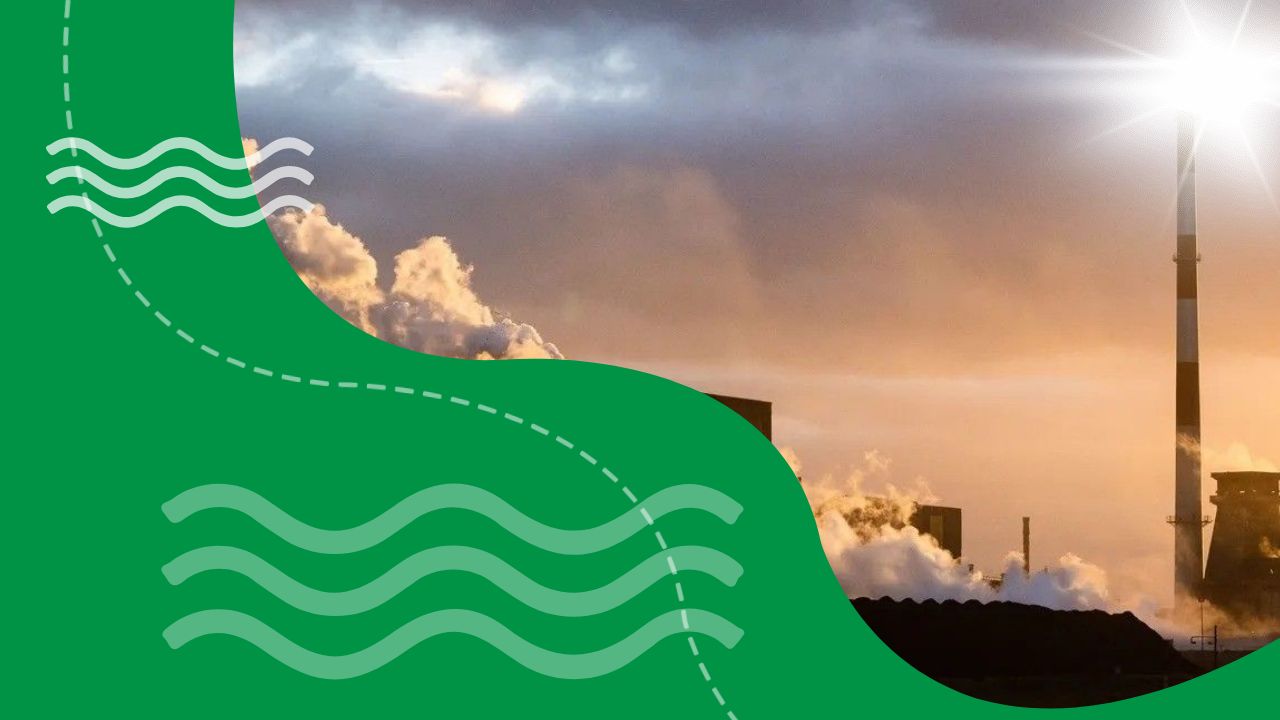
Geologist Branislav Bozovic has voiced significant concerns about the potential environmental impact of lithium mining in Serbia, labeling the idea of “zero pollution” as unrealistic. Bozovic warns that the exploitation of lithium could severely contaminate land and water resources.
“Natural water systems are incredibly interconnected, and contamination can quickly spread, affecting both downstream and upstream ecosystems,” he stated. Azra Berbic, an activist from the Atelier for Social Change Foundation, echoed these concerns, highlighting the shared fears of residents in Bosnia and Herzegovina. “People across the country, not just in eastern Bosnia and Herzegovina, are worried that lithium mining will destroy water, air, and soil, threatening our survival,” she said. Berbic emphasized the widespread mobilization of communities to protect their lands and resources from mining interests, adding, “There’s a strong, unified message: we will not allow our land and heritage to be touched.”
Bozovic also referenced the failure of projects like the Belgrade metro, which threatened vital underground water sources, as a cautionary tale. He cited past incidents of rapid contamination, such as the pollution in Gracanica following mining activities, to underscore the serious risks posed by mining. Both experts stressed the need for vigilance and community action to prevent environmental degradation. “The idea of zero pollution is a myth. We must recognize and address the real dangers to our natural resources,” Bozovic concluded.
-

Strickland Metals Discovers Significant Anomaly at Rogozna Gold Project in Serbia
Australian mining company Strickland Metals announced the discovery of a significant near-surface anomaly at the Obradov Potok target area of its Rogozna gold and base metals project in southern Serbia. Preliminary results from an induced polarisation survey revealed a strong chargeability anomaly beginning 100 meters below the surface, extending approximately 400 meters in strike length. This anomaly is closely associated with strong gold and pathfinder anomalism in the soil, suggesting extensive mineralisation in the area. Strickland Metals currently operates four drilling rigs at Rogozna, with four holes completed so far. The Rogozna site, with an estimated 5.44-million-ounce gold equivalent, has the potential to become one of the largest undeveloped gold deposits globally. Additionally, Strickland Metals recently secured a binding agreement with Ibaera Capital Fund’s subsidiary ISIHC to acquire Betoota Holdings for $37 million, which includes four exploration licenses within the Rogozna project.
-
Serbia Launches the Lithium-Turbo Project in Partnership with the EU
Serbia has embarked on the Lithium-Turbo project, capitalizing on its rich lithium reserves. The initiative marks a significant step in Serbia’s growing economic ties with the European Union, facilitated by a new raw material agreement. This partnership aims to exploit the lithium deposits in the Serbian Jadar Valley, potentially making Serbia the first European country to manage the entire value chain from mining to electric vehicle production. Michael Harms, Managing Director at the Eastern Committee of German Business, highlighted the geopolitical importance of the deal, noting that it diminishes China’s role in the region. The EU stands to benefit from reduced dependence on Chinese lithium and shorter transport routes. However, the project is not without political complications, as Serbia continues to maintain complex relationships with Russia, China, and the EU. Additionally, domestic opposition persists, with Serbian environmental activists expressing concerns over potential impacts on arable land and groundwater.
-
Kazakhstan and Bulgaria Strengthen Educational Ties in Mining and Geology
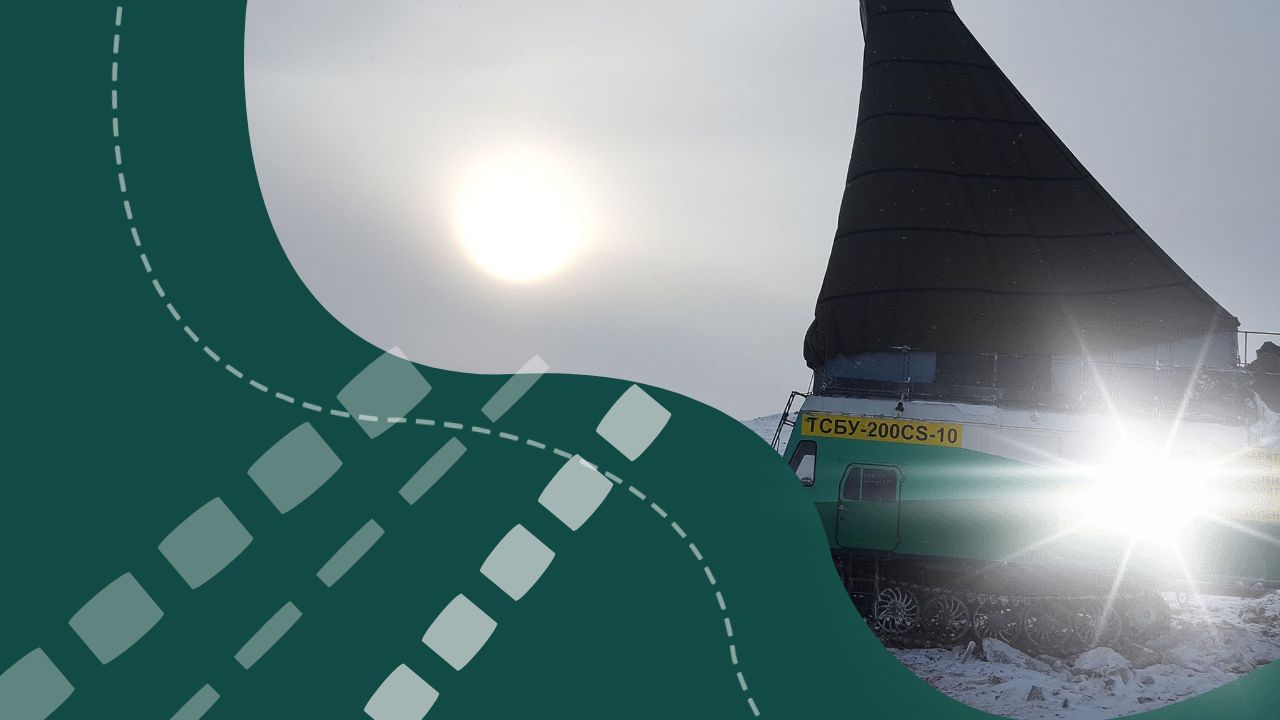
Viktor Temirbayev, the Ambassador of Kazakhstan to Bulgaria, recently met with Ivaylo Koprev, the Rector of the University of Mining and Geology “St. Ivan Rilski,” to discuss expanding collaborations between higher education institutions in the two countries, particularly in the mining and geological fields. The discussions centered on the exchange of experience, best practices, and the implementation of joint projects in academic mobility.
Ambassador Temirbayev highlighted the Kazakh government’s efforts to develop the scientific system and incorporate advanced technologies in natural resource extraction, emphasizing the importance of geological science given Kazakhstan’s rich mineral resources. He also noted the celebration of the 125th anniversary of academician Kanysh Satpayev, a key figure in Kazakhstan’s industrial development.
Ivaylo Koprev shared the University of Mining and Geology’s best practices and teaching methods, expressing a desire to deepen cooperation with Kazakh universities to exchange advanced solutions and facilitate student exchanges under academic mobility programs. The University “St. Ivan Rilski” is recognized as Bulgaria’s sole state educational and scientific institution specializing in the mineral resources industry.
Both parties agreed to maintain ongoing communication to explore the potential collaboration areas discussed during the meeting. Notably, since the Cooperation Agreement between the Rudny Industrial Institute and the University of Mining and Geology in 2020, two academic mobility programs have been successfully implemented, with a third group of Kazakh students expected in September 2024.
-
EU and Serbia Sign Agreement to Boost Lithium Supply Chain Development
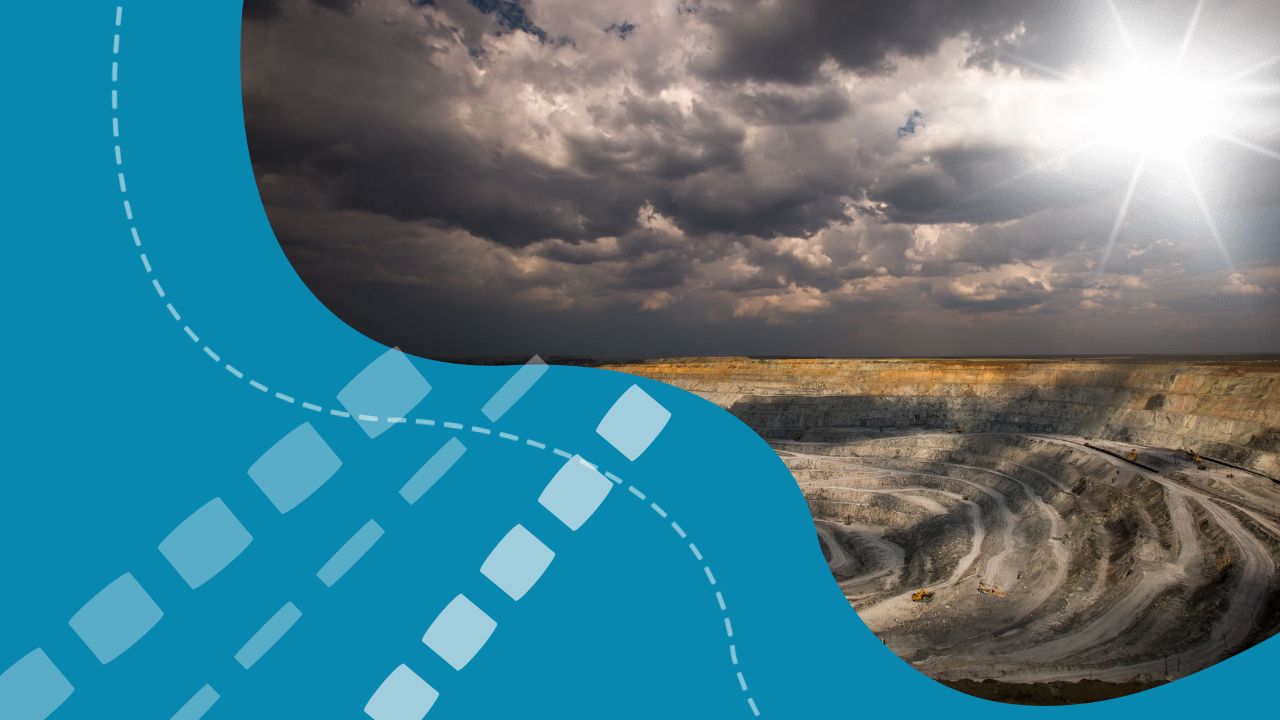
The European Union has signed a pivotal agreement with Serbia to promote the development of lithium supply chains, marking a significant step in the EU’s strategy to build raw material partnerships and reduce reliance on fossil fuels. This agreement grants the EU access to raw materials mined in Serbia, aiming to enhance the production of sustainable raw materials, battery manufacturing, and electric mobility. A roadmap is set to be developed by the end of the year to foster research and training in lithium technology.
The deal has stirred controversy in Serbia, where debates over the rights to lithium mining and its environmental impact have been intense. In 2022, protests halted the mining activities of Rio Tinto, a company that had been developing what is now recognized as Europe’s largest lithium mine in the Jadar region. However, the ban was recently overturned as unconstitutional, allowing Rio Tinto to resume operations under a renewed commitment to meet strict environmental standards.
-
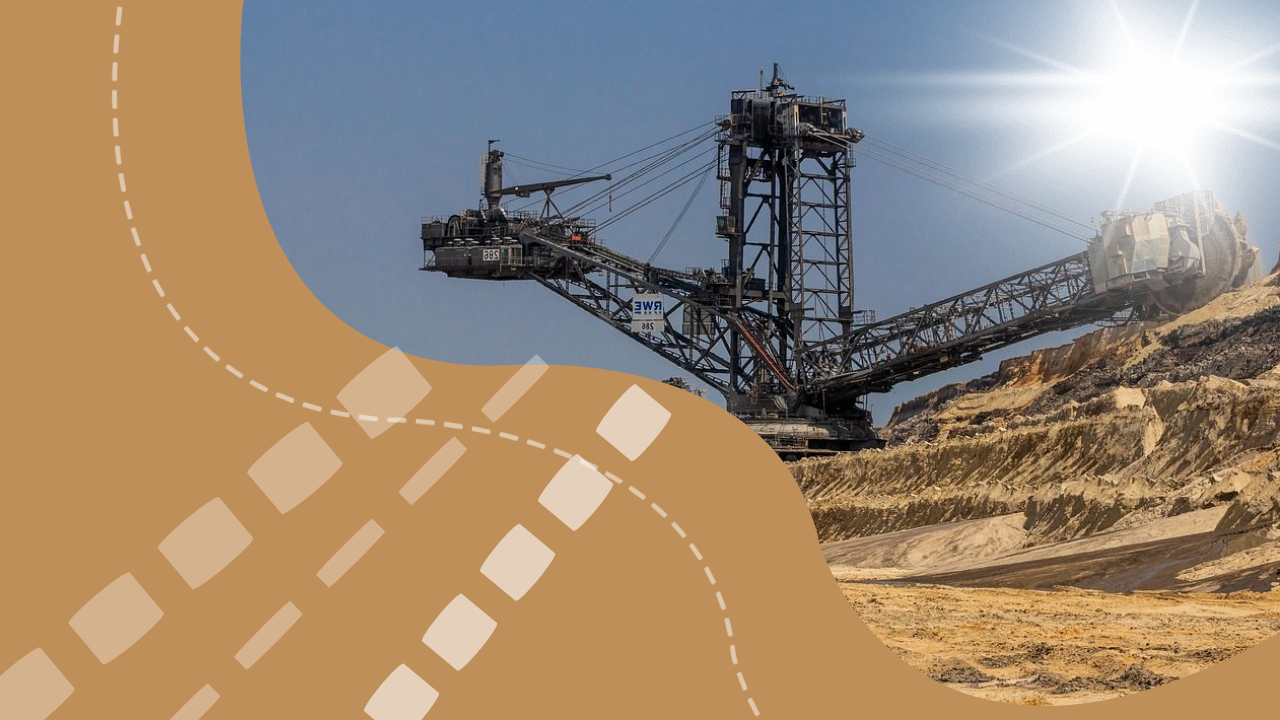
Rio Tinto’s Serbian Lithium Project: A Major Boost for Economy and Jobs
Rio Tinto’s ambitious lithium project in Serbia is projected to attract 6 billion euro ($6.5 billion) in investments and create 20,000 jobs, according to Goran Vesic, Serbia’s infrastructure minister. Vesic revealed in an interview with local TV Happy that the country aims to become a key player in the battery and electric car manufacturing industry, with facilities set to utilize domestic lithium. Serbia secured a total of 4.5 billion euro in investments in 2023, showcasing its growing economic potential.
Addressing environmental concerns, Vesic emphasized that the Serbian government demands the highest ecological standards for the $2.55 billion Jadar project. Rio Tinto is required to submit an environmental impact assessment study for the mine. Vesic highlighted the significance of a recently signed memorandum of understanding between Serbia’s government and the European Union (EU), marking a pivotal moment in the country’s EU accession process. This agreement follows the reinstatement of permits for Rio Tinto’s lithium mine in the Jadar Valley, which had previously sparked protests over environmental issues.
Serbia’s president, Aleksandar Vucic, noted in a recent interview that the mine is expected to produce 58,000 tons of lithium per year, potentially supporting 17% of EV production in Europe, or about 1.1 million cars annually. The jadarite reserve, discovered by Rio in 2004, is set to become a cornerstone of Serbia’s industrial future, with plans for an underground mine to be completed by 2026.
-
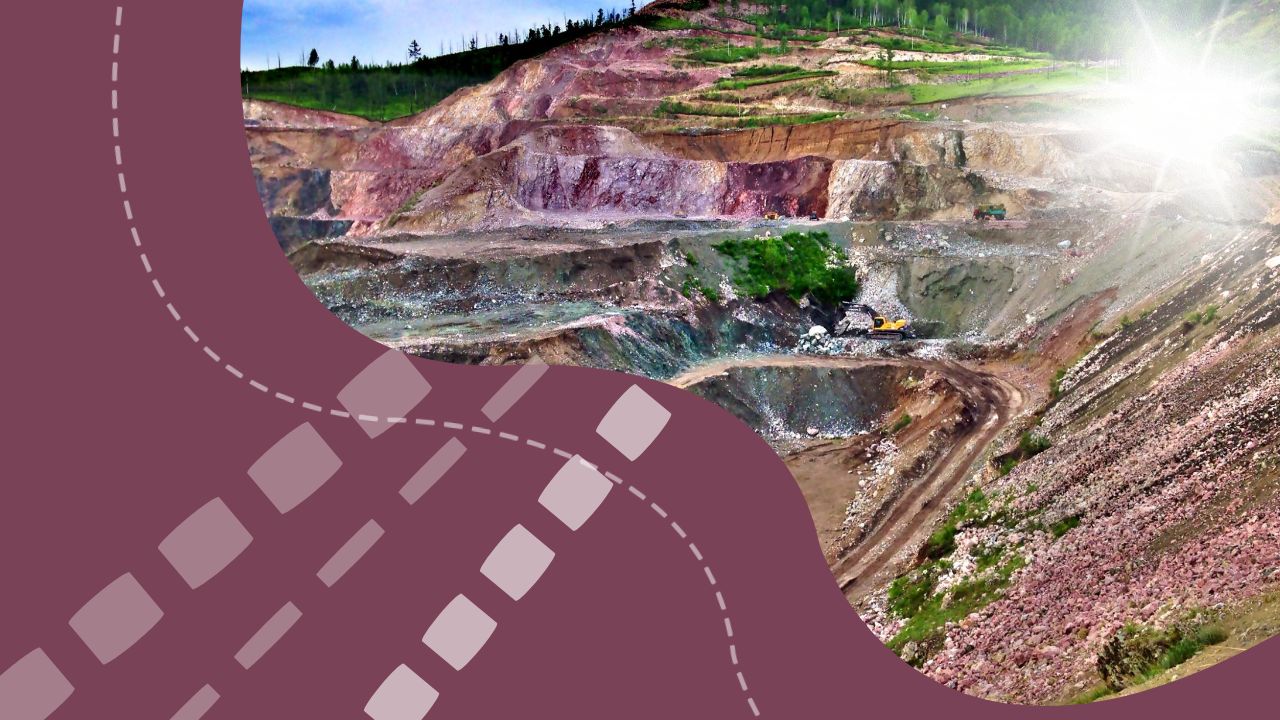
Serbia and EU Sign Strategic Partnership for Sustainable Raw Materials and EV Supply Chains
Serbia and the European Union signed a memorandum of understanding today in Belgrade, establishing a strategic partnership to exploit sustainable raw materials and develop supply chains for batteries and electric vehicles. The agreement was signed during a summit on strategic raw materials, attended by Serbian President Aleksandar Vucic, German Chancellor Olaf Scholz, and European Commission Vice-President and Energy Commissioner Maros Sefcovic.
The summit’s discussions were framed around Belgrade’s recent decision to reconsider the development of a significant lithium mine in western Serbia. This project, initially suspended due to widespread protests over environmental and health concerns, is seen as a key component in the partnership.
The memorandum was officially signed by Commissioner Sefcovic and Serbian Energy Minister Dubravka Djedovic Handanovic. The partnership aims to secure a sustainable and ethical supply of raw materials critical for the EU’s green energy transition, particularly in the rapidly growing EV sector.
-
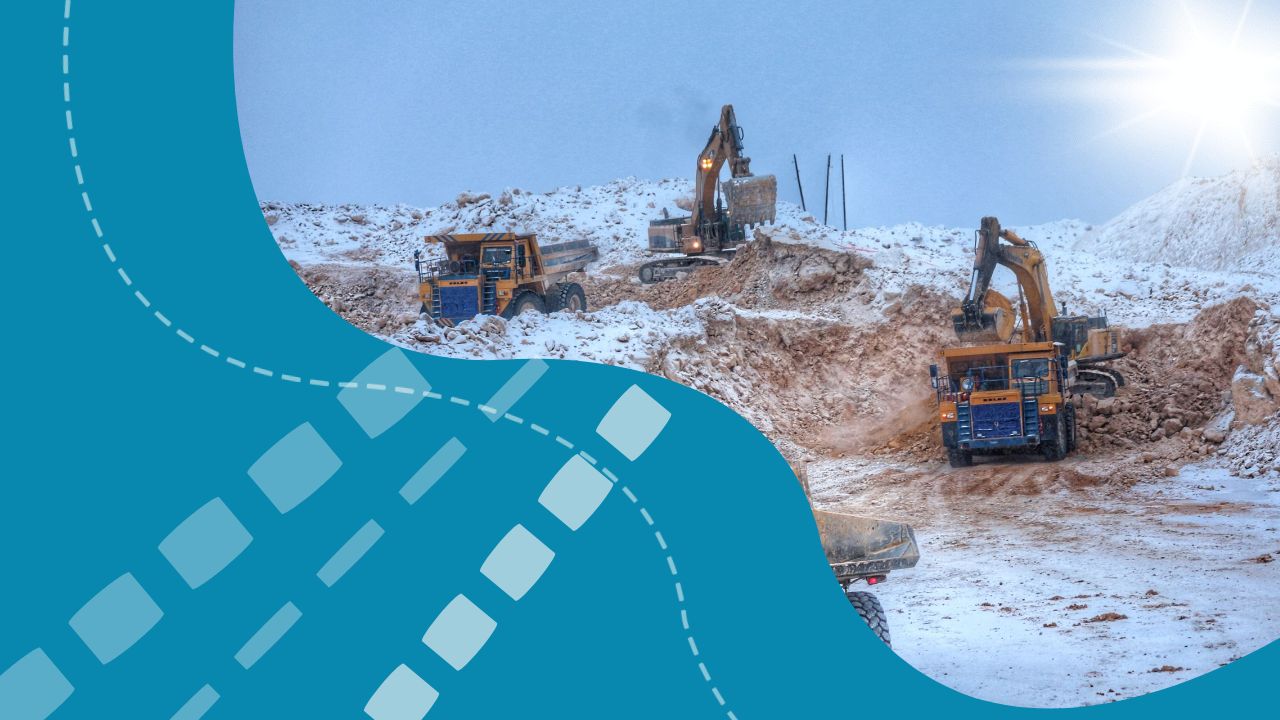
Anglo American Restructures Trading Operations Post-BHP Bid
Anglo American Plc, a major mining company, is downsizing its trading operations following a restructuring initiative spurred by a takeover attempt from BHP Group Ltd. earlier this year. Approximately 10 employees from Anglo American’s London and Singapore offices have recently departed due to job cuts. Notable departures include Sebastian Castelli, head of metals origination, and Mark Sainsbury, head of structured origination.
As part of the restructuring, Anglo American announced internally that it will cease entering long-term agreements to buy commodities that it does not already produce. This strategic shift comes after BHP’s attempted acquisition, which, if successful, would have established a major commodities conglomerate. Although BHP eventually abandoned the takeover bid, the move prompted Anglo American to expedite its business overhaul, including plans to divest its platinum business and exit from coal, diamonds, and nickel markets.
The company is now concentrating on key commodities and reducing its cost-heavy business units. A spokesperson for Anglo American declined to comment on the recent developments, and neither Castelli nor Sainsbury provided statements regarding their departures.
-

Mercedes-Benz and Stellantis in Talks with Serbia for Lithium Processing and EV Battery Production
Mercedes-Benz Group AG and Stellantis NV are in discussions with the Serbian government to invest in lithium-processing and EV battery production, potentially supporting what could become Europe’s largest lithium mine. These carmakers, already partners in a battery joint venture, are considering following Rio Tinto Group‘s investment in the proposed $2.4 billion mine in Serbia by developing processing and EV battery output, according to sources familiar with the situation.
These discussions mark a significant step in reviving Rio’s Jadar mine, which was blocked two years ago following mass protests that brought Serbian cities to a standstill. Spokespeople for Mercedes and Stellantis declined to comment. The Serbian government has insisted on creating a broader lithium industry rather than merely exporting the raw material, aiming to capture more value from its natural resources.
Approval of the mine would be a substantial boost for Rio Tinto, Serbia’s economy, and Europe’s efforts to secure essential raw materials for the energy transition. The European Union relies heavily on imports for battery production and has been striving to develop its own EV supply chain to reduce dependency on Asian imports. However, delays in the EV transition have resulted in several battery projects being postponed.
Mercedes and Stellantis, for instance, have paused two of their three planned European battery plants due to lower-than-expected vehicle demand. Despite efforts to cultivate European battery champions, the industry remains dependent on a raw materials supply chain dominated by China.
On Friday, Serbia will sign a framework agreement with the EU on mineral raw materials, President Aleksandar Vucicannounced. This agreement aims to establish a processing industry and battery manufacturing sector, ensuring materials and EVs produced in Serbia qualify for sale in the EU without incurring levies.
Executives from the car companies are expected in Serbia on Friday during German Chancellor Olaf Scholz‘s visit, possibly to sign letters of intent to develop Serbia’s industry. Executives from Rio Tinto are also anticipated to attend. Rio’s project seemed doomed in early 2022 when the government moved to block it. The company announced the project in 2021 without securing all necessary licenses, leading to widespread protests.
Despite setbacks, Rio Tinto continued engaging with local communities to address environmental concerns and sought support from Europe’s top carmakers. Vucic, a dominant political figure in Serbia, has repeatedly expressed regret over halting the project, viewing it as a missed economic opportunity. Recently, he indicated that authorities might allow Rio Tinto to resume preparations to open the mine by 2028. This effort gained momentum last week when Serbia’s constitutional court overturned the 2022 government decree blocking the project.
The resumption of the project would be a significant victory for Rio CEO Jakob Stausholm, who had sanctioned the mine early in his tenure.