Website: Europe.com

  • Eko Straža Protests Against Lithium Mining Arrests in Serbia

    Eko Straža Protests Against Lithium Mining Arrests in Serbia

    The environmentalist group Eko Straža held a protest outside Serbia’s public broadcaster RTS in response to the arrests and criminal charges against several dozen activists opposing the exploration and mining of lithium and boron ores. Activists, many of whom participated in nationwide protests, demand a ban on lithium mining. Over the past two and a half months, as many as 60 activists have been apprehended, with the largest arrests occurring on August 17, according to Nina Ciganović from Eko Straža.

    Some activists face serious charges, including inciting ethnic and religious hatred and calling for violent constitutional change. In addition, many have experienced property fires, sudden tax inspections, and threats on social media. Arrests were reported across towns and villages where protests occurred, involving various environmental initiatives and opposition parties such as Kreni-promeni, Serbia Center – SRCE, and others.

    Tensions have escalated over the Jadar lithium mining project since Rio Tinto resumed its campaign to open a disputed mine, prompting more protests. Earlier this year, Serbia’s government had banned the project but has now reinstated itafter the Constitutional Court reversed its earlier decision. In response, Eko Straža is demanding prime-time coverage on RTS to raise awareness about the arrests and their impact on activists.

    During the rally, Bojan Simišić, founder of Eko Straža, accused the government of fabricating criminal charges and stressed that “everyone has the right to a healthy environment” as per the constitution. Simišić urged all citizens to become eco-activists to help preserve Serbia’s environment.

  • Poland to Revise Coal Asset Spin-off Plans Amid Energy Transition Struggles

    Poland to Revise Coal Asset Spin-off Plans Amid Energy Transition Struggles

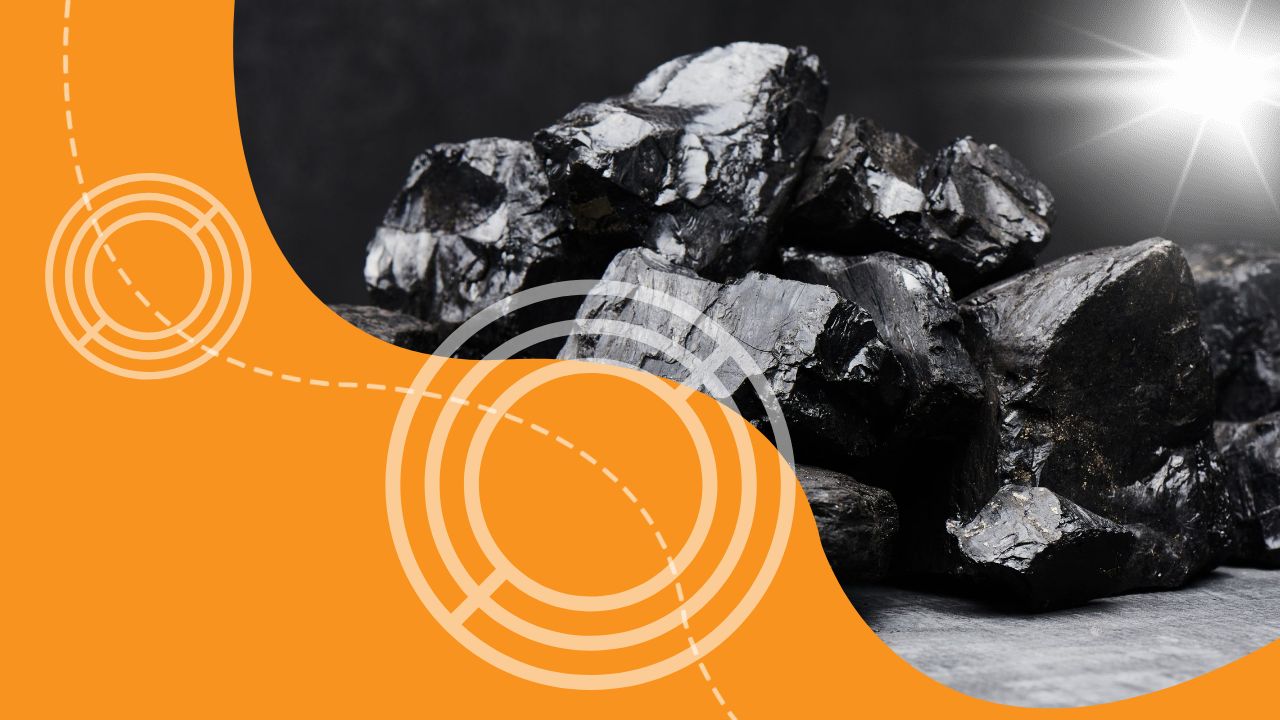
    Poland, the European Union’s most coal-dependent nation, is looking to revise its plans to separate coal assets from state utilities, according to Jakub Jaworowski, the Minister of State Assets. The country’s energy transition has faced challenges, with the previous government failing to finalize the creation of a new entity, known as NABE, to handle coal assets. Jaworowski described the NABE plan as a “nuclear option” and hinted at the possibility of alternative approaches without specifying details.

    Last week, shares of major utilities like PGE SA, Tauron Polska Energia SA, and Enea SA fell by as much as 7%following Finance Minister Andrzej Domanski’s statement that the next year’s budget has no provisions for the NABE spin-off. However, Jaworowski stressed that resolving the issue remains a priority for the current administration. He emphasized the need for a well-thought-out plan rather than rushing the process.

    Poland’s energy transition, estimated to cost over $300 billion, is reliant on external financing, but environmental concerns are making banks hesitant to participate. With more than 60% of Poland’s electricity coming from coal-fired plants, the government faces the challenge of balancing power demand, costs, environmental considerations, and the needs of affected communities and workers. Jaworowski acknowledged that coal plants will eventually be phased out but stressed the importance of finding the right timeline.

  • Horizon Europe Awards €7.3 Million Grant to REPTiS Project for Sustainable Titanium Production

    Horizon Europe Awards €7.3 Million Grant to REPTiS Project for Sustainable Titanium Production

    The Horizon Europe program has allocated a four-year €7.3 million grant under the Resilient Value Chains 2024initiative to the REPTiS project (Responsible Extraction and Processing of Titanium and other Primary Raw Materials for Sourcing EU Industrial Value Chains and Strategic Sectors). The project includes participation from Ukraine’s Velta LLC, the Velta RD Titan Research and Development Center, and 11 leading European companies and research institutes.

    Europe is currently grappling with challenges in the titanium market, such as securing a sustainable supply chain and developing low-carbon production technologies. The REPTiS project aims to tackle these issues by demonstrating innovative solutions for extracting and processing critical titanium raw materials. This involves mining ilmenite ore at Ukraine’s Byrzulivske deposit, producing low-carbon titanium powder using the Ukrainian-developed Velta Ti Process, and manufacturing final products with advanced technologies like 3D printing and Metal Injection Molding.

    Andriy Brodsky, CEO of Velta, highlighted the significance of the project, stating, “The substantial funding for our consortium project underscores the EU’s recognition of Ukraine as a strategic partner—one capable of establishing a secure titanium supply chain from raw materials to final titanium products, which are critical globally.”

    The consortium, composed of European companies and research institutes, will focus on several key areas:

    • Energy Efficiency and Environmental Impact: Implementing new approaches to reduce energy consumption and environmental impact during titanium production at Velta’s mining facilities in Ukraine.
    • Advanced Titanium Powder Production: Showcasing cutting-edge titanium powder production technologies at the Velta RD Titan research center, including waste recycling and powder spheroidization through the Velta Ti Process.
    • Final Product Manufacturing: Producing and testing various final products, including aircraft components, medical implants, and watch casings, from Ukrainian titanium powder.

    Additionally, a comprehensive Life Cycle Assessment (LCA) will be conducted, evaluating the environmental efficiency of the improvements made under the REPTiS project, particularly the Velta Ti Process, compared to traditional titanium extraction and production methods.

  • First-Ever Ring Made from Plant-Mined Metals Showcases Groundbreaking Phytomining Technology

    First-Ever Ring Made from Plant-Mined Metals Showcases Groundbreaking Phytomining Technology

    A pioneering piece of jewelry, a ring designed by materials researcher and designer Karoline Healy under her brand H2ERǴ, has become the first known object made using metals extracted through the innovative process of phytomining. This emerging technology uses special plants, known as hyperaccumulators, to draw metals from the soil through their roots. The metals in Healy’s ring were sourced from the Miners Garden at the Barnsley Main Colliery in the UK, a former coal mining site now utilized for bioremediation and experimental metal recovery.

    Healy’s interest in biomining began while working on a project for a consumer electronics company seeking sustainable steel. This led her to discover the work of biogeochemist Antony Van Der Ent, who identified nickel hyperaccumulator plants in Borneo. Inspired by these findings, Healy initiated her ongoing Future Metals research project, exploring sustainable ways to source precious metals in harmony with ecosystems.

    The metals used in the ring were obtained with the help of the biomining start-up Phyona, which focuses on developing low-carbon and fully bio-based methods to extract metals. The ring features a mixed metallic dust, including silver, nickel, copper, and zinc, encapsulated in a transparent sphere. This presentation symbolizes both the current state of the technology and its origins in the polluted soil of the Barnsley Main site.

    While phytomining is unlikely to replace traditional mining on a large scale, Healy believes it could serve as a partial substitute, especially as metal reserves dwindle. Her work is currently on display at a museum at the Barnsley Main Colliery site, highlighting the growing interest in using natural processes for sustainable design in fields like biodesign.

  • Poland’s Top Coal Producer Bogdanka Takes $305 Million Hit as Renewables Rise

    Poland’s Top Coal Producer Bogdanka Takes $305 Million Hit as Renewables Rise

    Poland’s most profitable coal producer, Lubelski Węgiel Bogdanka SA, announced a significant write-off of $305 million from the value of its assets due to the increasing influence of wind and solar power in the energy market. The company, which is under the control of state-run utility Enea SA, attributed the 1.17 billion zloty ($305 million) provision to “dynamic changes” in the domestic coal market, highlighting a “clear trend” toward growing renewable energy capacity.

    Last year, Bogdanka’s profit surged to a record 687 million zloty due to high coal prices. However, analysts predict a significant decrease in profit for 2024, even before considering the recent write-off. Despite Poland’s new government promoting clean energy, an official energy policy with specific targets for the upcoming decades has yet to be published. Nevertheless, coal’s share in the country’s electricity mix has already dropped to 66% last year, down from over 70% the previous year, as investments in photovoltaic and wind energy increase.

    The pressure on coal is expected to intensify with the introduction of the first offshore wind turbines and the completion of gas-fired power units in the coming years. Additionally, Poland plans to inaugurate its first nuclear power plant next decade, aligning with the European Union’s climate neutrality goal by mid-century. Bogdanka, listed on the Warsaw Stock Exchange, plans to revise its strategy by the end of 2024 in response to these changes. The company’s shares have dropped 27% this year, resulting in a market valuation of 846 million zloty, while the WIG20 Index has risen by 1.4%during the same period.

  • Europe’s Mining Waste Regulations Found Lacking, Says NGO Report

    Europe’s Mining Waste Regulations Found Lacking, Says NGO Report

    Despite Europe’s reputation for high environmental and social standards, its regulations on mining waste are outdated and insufficient, according to a legal analysis commissioned by the European NGO Transport & Environment (T&E). As Europe plans to ramp up mining activities to meet the 10% benchmark set by the Critical Raw Materials Act, the NGO assessed the adequacy of current regulations. The analysis, conducted by Netherlands-based law firm Hörchner Advocaten, revealed significant shortcomings in the 2006 EU Extractive Waste Directive (EWD). The report highlights issues such as the lack of mandated safest mining waste technologies, inadequate protection for the environment and communities, unclear responsibilities in case of accidents, and uncertain timelines for mine closures. T&E warns that these gaps could lead to inconsistent application of the directive across member states, increasing the risk of environmental and social harm. The NGO is now calling for an urgent revision of the EWD to address these concerns.

  • Startups Innovate Direct Lithium Extraction to Meet Rising Demand and Enhance Sustainability

    Startups Innovate Direct Lithium Extraction to Meet Rising Demand and Enhance Sustainability

    As the global shift towards electrification accelerates, the demand for lithium—a crucial component in batteries powering everything from electric vehicles to smartphones—is expected to surge over the next decade. To address this growing need, a new wave of startups is developing innovative methods for producing the valuable metal, tapping into previously inaccessible lithium sources, and overcoming significant economic challenges amidst a current market downturn.

    One promising approach is Direct Lithium Extraction (DLE), which involves recovering lithium from brine found on the Earth’s surface or extracted from underground sources. Various techniques, such as using lithium-attracting beads or selective membranes, are being explored. Although DLE has been pursued by startups for years, recent advancements have brought the technology closer to being competitive with traditional extraction methods.

    “Sung Choi, a metals and mining specialist at BloombergNEF, noted that the technology is now on the brink of commercialization,” highlighting the potential for DLE to transform the lithium industry. Despite most startups still operating at the laboratory or pilot stage, the push towards high-value processing clusters and deep secondary metal processing is seen as essential for Kazakhstan’s metallurgical sector and the broader domestic steel industry.

    Traditional lithium extraction methods, such as open-air evaporation ponds and hard-rock mining, are water-intensive and environmentally taxing. In contrast, membrane separation technology, hailed as “the holy grail of lithium extraction,” offers a more sustainable alternative by significantly reducing water and chemical usage. Companies like SpecifX and ElectraLith are at the forefront of developing these advanced DLE techniques, which promise to minimize environmental impact while maintaining efficiency.

    However, economic hurdles persist. The recent collapse in lithium prices has created a challenging funding environment for DLE startups, as traditional methods remain cheaper in the short term. Despite this, industry leaders like Raef Sullyof Lilac Solutions Inc. advocate for continued investment in DLE to prepare for future demand spikes driven by the energy transition.

    As the industry navigates these challenges, the successful commercialization of DLE technologies could diversify the lithium supply chain, reduce environmental footprints, and ensure a steady supply of lithium to meet the demands of a rapidly electrifying world.

  • Euro Manganese Secures Second Offtake Deal in a Week for High-Purity Manganese Metal

    Euro Manganese Secures Second Offtake Deal in a Week for High-Purity Manganese Metal

    Euro Manganese (TSXV, ASX: EMN) has finalized its second offtake deal in a week, this time with Blue Grass Chemical Specialties, for the sale of high-purity electrolytic manganese metal (HPEMM) from its Chvaletice projectin the Czech Republic. The agreement, spanning an initial term of seven years, involves deliveries of HPEMM, a portion of the project’s projected annual output of 14,890 tonnes.

    The deal is subject to the successful qualification of the HPEMM within Blue Grass’s supply chain. Currently, an HPEMM sample from the demonstration plant is being evaluated by Blue Grass for this qualification. Euro Manganese reports that the product recently met the required specifications in tests by third-party laboratories.

    Pricing for the HPEMM will follow a take-or-pay basis, adjusted according to a Western benchmark price for high-purity manganese. This benchmark includes attributes like high quality, traceability, and strong ESG credentials, including a low CO2 footprint. As there is no current market index for HPEMM, pricing will be linked to the index for high-purity manganese sulphate monohydrate (HPMSM), which was around $700 a tonne in Shanghai in March, according to S&P Global Markets.

    This agreement follows a similar deal signed last week with Wildcat Discovery Technologies, which plans to build a plant in the US to produce cobalt/nickel-free cathode materials. Euro Manganese CEO Dr. Matthew James highlighted the strategic value of producing both high-purity manganese metal and sulphate at Chvaletice, offering customers flexibility for their manufacturing needs.

  • Goldman Sachs Finds ESG Funds Increasingly Invest in Oil, Gas, and Mining

    Goldman Sachs Finds ESG Funds Increasingly Invest in Oil, Gas, and Mining

    In a recent study by Goldman Sachs Group Inc., analysts discovered that fund managers are progressively including oil, gas, and mining stocks in portfolios registered as ESG. This shift aligns with a regulatory rethink on environmental, social, and governance strategies, allowing ESG investors to hold assets that may become sustainable in the future. The study coincides with criticisms from the US Republican Party, which has accused the ESG sector of blacklisting fossil fuels.

    Goldman Sachs’ analysis, which focused on funds registered under the European Union’s Sustainable Finance Disclosure Regulation (SFDR)—the largest ESG investing rulebook—revealed that fund managers’ exposure to these sectors has increased over the past year. Among Article 8 funds, which manage over $7 trillion in assets, 51% now include oil and gas companies, up from 47% a year ago. For metals and mining, 46% of Article 8 funds hold these stocks, with 32% of Article 9 funds doing the same. This represents a 5% to 6% increase from last year.

    Goldman Sachs analysts noted that while ESG funds remain generally underweight in commodities, there is growing openness to holding metals and mining companies. The upcoming overhaul of SFDR is expected to promote transition investing, allowing funds to hold previously controversial assets if they can demonstrate improvements in ESG profiles.

    The study also highlights a growing recognition of uranium as a crucial mineral for the energy transition, given its role in nuclear energy. Despite recent signs of a wider ESG retreat, with $17 billion in outflows for Article 8 and 9 funds in the first half of 2024, assets in these categories are nearing all-time highs. Additionally, sustainable fixed-income funds saw significant inflows of $115 billion, contrasting with $75 billion for non-sustainable funds.

  • Poland’s Top Coal Producer Bogdanka Faces $305 Million Write-Off Amid Renewable Energy Surge

    Poland’s Top Coal Producer Bogdanka Faces $305 Million Write-Off Amid Renewable Energy Surge

    Poland’s leading coal producer, Lubelski Wegiel Bogdanka SA, has announced a substantial $305 million write-offfrom the value of its assets, as the rise of wind and solar energy accelerates the decline of coal in the market. Bogdanka, which is controlled by state-run utility Enea SA, cited “dynamic changes” in the domestic coal market and the increasing capacity of renewable energy sources as the primary reasons for this financial adjustment.

    The company’s profits had nearly tripled last year, reaching a record 687 million zloty, largely due to high coal prices. However, analysts predict a significant reduction in profits for 2024, even before accounting for the recent write-off.

    While Poland’s new government has been promoting clean energy, it has yet to release a formal energy policy with specific targets for the coming decade. Nonetheless, coal’s share in Poland’s electricity mix has already dropped to 66%last year, down from over 70% the previous year, as investments in photovoltaic and wind farms increase. The pressure on coal is expected to intensify as offshore wind turbines and gas-fired units become operational, and Poland looks towards establishing its first nuclear power plant in the next decade to align with the European Union’s climate neutrality goals.

    Bogdanka plans to revise its strategy in response to these new market conditions by the end of 2024. The company’s shares have dropped 27% this year, reducing its market valuation to 846 million zloty, while the WIG20 Index rose by 1.4% during the same period.