Website: Europe.com

  • Putin Suggests Limiting Exports of Uranium, Titanium, and Nickel in Response to Western Sanctions

    Putin Suggests Limiting Exports of Uranium, Titanium, and Nickel in Response to Western Sanctions

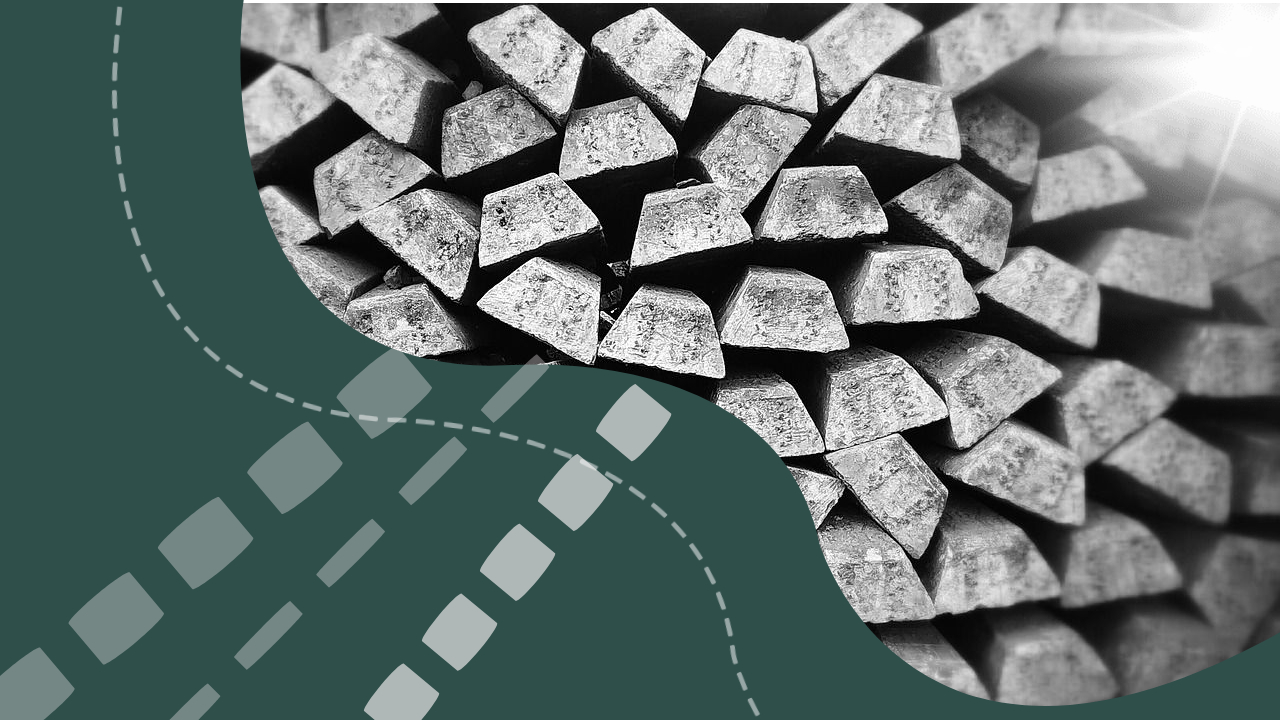
    On Wednesday, Russian President Vladimir Putin proposed that Moscow should consider imposing export restrictions on key commodities such as uranium, titanium, and nickel in response to Western sanctions. During a televised meeting with Prime Minister Mikhail Mishustin, Putin stated, “Please take a look at some of the types of goods that we supply to the world market… Maybe we should think about certain restrictions – uranium, titanium, nickel.”

    Russia ranks as the fourth largest uranium producer globally, according to the World Nuclear Association. This suggestion follows U.S. President Joe Biden’s recent signing of a law that bans the import of enriched uranium from Russia, a trade valued at approximately $1 billion annually.

    In 2023, the United States and China were the largest importers of Russian uranium, followed by South Korea, France, Kazakhstan, and Germany. Additionally, Russia holds the position of the world’s third largest titanium sponge producer, a material used in the aerospace, marine, and automotive industries, despite having limited domestic titanium reserves. Russia’s Nornickel is also the leading producer of refined nickel worldwide.


  • London Metal Exchange Faces Liquidity Fragmentation Amid Efforts to Modernize

    London Metal Exchange Faces Liquidity Fragmentation Amid Efforts to Modernize

    The London Metal Exchange (LME), despite its historic prominence, is grappling with fragmented liquidity as it tries to adapt its trading model for the 21st century. The LME’s core trading mechanism, established in the late 19th century, still revolves around a three-month rolling contract based on the time it took for Chilean copper and Malaysian tin to reach London in the 1870s. While shipping times have drastically shortened, the LME’s pricing remains anchored in this outdated model.

    One of the few exchanges that still retains open outcry trading alongside modern electronic platforms, the LME’s intricate trading ecosystem—with its variety of daily, weekly, and monthly prompt dates—has inadvertently contributed to the dispersion of liquidity across multiple venues. A mere 48% of transactions occurred on its central LMESelect electronic platform last year, a figure far lower than the 95% typical for other exchanges.

    Fragmentation of liquidity has also been exacerbated by the rise of proprietary trading systems and over-the-counter (OTC) relationships with LME members, drawing trades away from the central platform. A prime example of the risksthis creates occurred during the 2022 nickel crisis, when the LME struggled to monitor positions spread across multiple trading venues.

    In response, the LME has introduced reforms aimed at boosting liquidity on its electronic platform. Central to this plan is the introduction of block trade thresholds, a common feature on other exchanges, which would require smaller trades (below 10 lots) to be executed electronically. These changes, however, won’t take effect until at least the second half of next year, with LME members expected to contest the specifics of the reform.

    The LME is also facing increased competition from the CME Group, which has attracted significant investor interest with its newly launched contracts for battery metals such as lithium and cobalt. If the LME hopes to maintain its position as a leading global metals trading hub, it must evolve from its 19th century model and address its current market complexities.

  • Norge Mining Advances with Eigersund Project After Government Fast-Track Approval

    Norge Mining Advances with Eigersund Project After Government Fast-Track Approval

    Norge Mining has received fast-track approval from the Norwegian government for critical mineral extraction and has confirmed the viability of its most advanced mining initiative with a newly delivered pre-feasibility study (PFS). This study focuses on the first of three zones at the Eigersund project, which represents the initial phase of the Anglo-Norwegian firm’s mining plans.

    The Eigersund project is located within the Storeknuten licence area, which constitutes just 5% of the company’s total 520 sq. km exploration area. The mineral resource estimate stands at 3.4 billion tonnes across all categories, supporting at least 30 years of mining. The Storeknuten area alone contains nearly 1 billion indicated tonnes with grades of 1.73% P2O5, 4.83% TiO2, 0.07% V2O5, and 3.41% Fe3O4, according to a recent JORC resource statement by SRK.

    The PFS assigns a net present value of $2.01 billion to this zone, with expectations for this figure to rise as the project progresses and further optimizations are identified. The initial extraction phase will supply critical raw minerals, including phosphate, titanium, vanadium, and ferro magnetite, for the first 23 years, with an anticipated annual output of 20 million tonnes.

    The estimated capital cost for the project is $2.31 billion, covering expenses for open-pit mining, tailings management, beneficiation, and infrastructure development. Opportunities to reduce these costs will be explored as the project advances. In June, Norway awarded extraction rights for the Eigersund project and all other exploration licenses in the municipality, marking the largest such award in the nation’s history at 26 sq. km.

    John Vergopoulos, CEO of Norge Mining, commented on the PFS milestone, emphasizing that it is a critical step towards establishing a vertically integrated European supply source for EU critical and strategic raw materials. He noted that this achievement aligns with the company’s commitment to high standards of environmental and social sustainability.

    Norge Mining is also focused on sustainability at the Eigersund project, having established a research and development company to explore alternative uses for the mine’s tailings. This initiative aims to reduce the need for tailings deposits and enhance the project’s economic viability. Following the PFS, a bridging study will evaluate project optimization and tailings utilization, leading to a definitive feasibility study (DFS). Concurrently, the company is advancing potential downstream activities related to the production of white phosphorus, phosphoric acid, titanium metal, and vanadium, expected to progress alongside the DFS.

  • BHP Orders Three More Continuous Mining Systems for Jansen Potash Project’s Second Phase

    BHP Orders Three More Continuous Mining Systems for Jansen Potash Project’s Second Phase

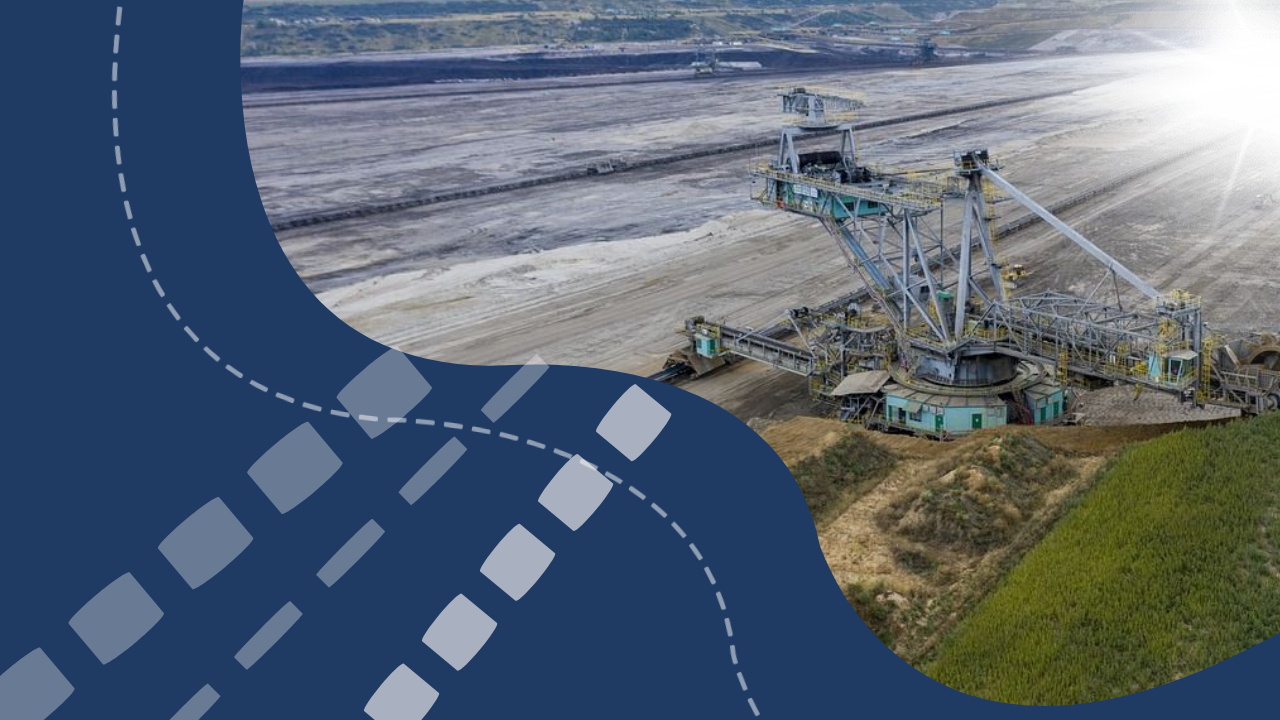
    BHP has extended its collaboration with Sandvik Mining and Rock Solutions by ordering three additional underground continuous mining systems for the second phase of the Jansen potash project in Saskatchewan. Valued at approximately $249 million, the systems will be delivered between 2028 and 2029. In 2022, BHP had contracted Sandvik for four systems for the project’s first phase.

    Each continuous mining system includes a Sandvik MF460 borer miner and a Sandvik PO140 extendable conveyor, capable of cutting up to 6.3 metres wide and 4.36 metres high, and can produce between 1,300 and 1,500 tonnes of potash per hour. Sandvik’s system is said to double the industry benchmark for tonnes per hour. The partnership began in 2010 when BHP approached Sandvik to solve material handling challenges, leading to the development of these systems.

    The Jansen project is expected to become one of the world’s largest potash mines, with production starting in 2026. Once fully operational, it will produce up to 8.5 million tonnes of potash annually.

  • Slivova Gold Project Set to Boost Kosovo’s Mining Industry with Open-Pit and Underground Operations

    Slivova Gold Project Set to Boost Kosovo’s Mining Industry with Open-Pit and Underground Operations

    The Slivova gold project in Kosovo is being developed as a combination of open-pit and underground miningoperations. Initially owned by Innomatik Exploration Kosovo, a subsidiary of Canada’s Avrupa Minerals, the project was later acquired by AVU Kosova, another subsidiary of Avrupa. In May 2023, Western Tethyan Resources (WTR)signed an earn-in agreement with Avrupa, allowing WTR to potentially acquire up to 75% of the project.

    The preliminary economic assessment (PEA) was completed in September 2023, estimating an annual production of 13,000 ounces of gold with a projected mine life of over seven years. The Slivova project, located along the Vardar Trend, about 30km south-east of Pristina, requires a capital expenditure of $33.4 million.

    The measured and indicated resources at Slivova total 1.13 million tonnes, grading 4g/t gold and 15g/t silver, yielding an estimated 146,000 ounces of gold and 546,000 ounces of silver.

    Both open-pit and underground mining methods will be employed, beginning with a small open-pit to access mineral-rich areas. Underground operations will follow, utilizing sublevel open stoping and sublevel caving. The ore processing will involve crushing, grinding, and leaching, ultimately producing gold-silver bullion. Infrastructure at the site includes roads, power lines, and a processing plant on a nearby hilltop.

  • Critical Metals Corp Launches Diamond Drilling Program at Tanbreez Rare Earth Project in Greenland

    Critical Metals Corp Launches Diamond Drilling Program at Tanbreez Rare Earth Project in Greenland

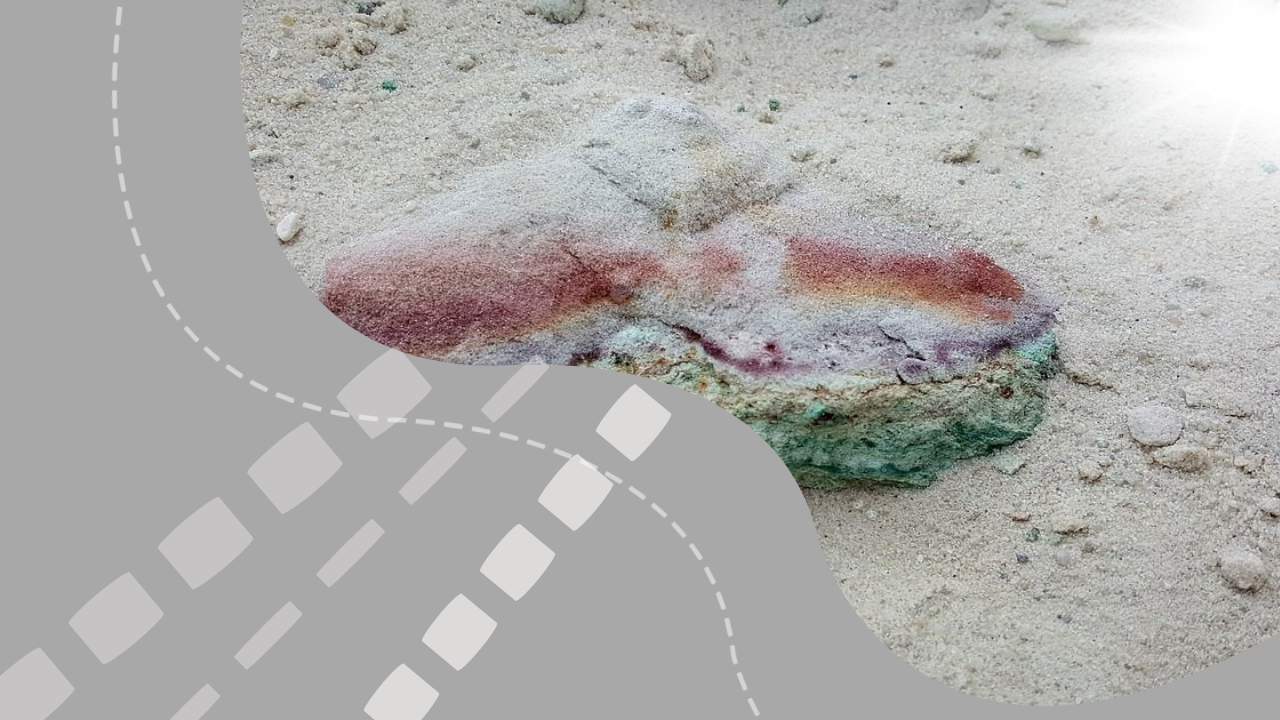
    Critical Metals Corp.  has commenced a diamond drilling program at the Tanbreez rare earth project in Greenland following its acquisition of a controlling stake in the project. The drilling aims to upgrade the resource estimates and assess the potential for increased mine throughput. The Tanbreez deposit, which hosts 28.2 million tonnes of total rare earth oxides (TREO) within 4.7 billion tonnes of material, is one of the largest known rare earth element (REE) projects globally, with more than 25% consisting of heavy rare earth elements (HREE).

    Critical Metals CEO Tony Sage emphasized the strategic importance of Tanbreez in reducing Western reliance on China for critical materials necessary for clean energy and defense sectors, enhancing national security. The company recently acquired a 42% stake in the project from geologist Gregory Barnes, who is overseeing the drilling program alongside two other rare earths experts.

    The 14-hole drilling program, totaling up to 2,200 metres, is expected to last 30 days and aims to convert the resource to US SEC standards. This initiative will assess the resource’s potential, projected lifespan, and contribute to a future feasibility study. Barnes noted the unique nature of the core samples, awaiting assay results with anticipation.

    In addition to the current program, Critical Metals will conduct percussion drilling to delineate mineralization, twin hole drilling for targeted areas, and evaluate the revised geophysical model. The company has made significant strides with pre-operational activities since receiving a key exploitation license four years ago. A substantial database of geological and geochemical information has already been compiled from 414 drill holes and more than 366,000 assays.

    Critical Metals’ stock saw a 3.0% increase on the Nasdaq, boosting the company’s market capitalization to $677.4 million.

  • Granit Acquires Local Mining Company Lep-Kop Invest for 5,000 Euro

    Granit Acquires Local Mining Company Lep-Kop Invest for 5,000 Euro

    North Macedonia-based construction company Granit announced the acquisition of local mining company Lep-Kop Invest for 5,000 euro ($5,528). According to a statement filed with the bourse on Tuesday, Lep-Kop Invest specializes in the extraction of gravel, sand, clay, and kaolin.

    The acquisition was completed on September 2. On the same day, Granit’s shares were trading at an average price of 1,565 denars ($28.1/25.4 euro) on the Macedonian Stock Exchange, based on the latest available data.

    Granit, established in 1952 and privatized in 1996, focuses primarily on the construction and rehabilitation of roads. The company also operates several concrete and asphalt plants, along with stone quarries.


  • Final UK Coal-Fired Power Station Set to Close in September

    Final UK Coal-Fired Power Station Set to Close in September

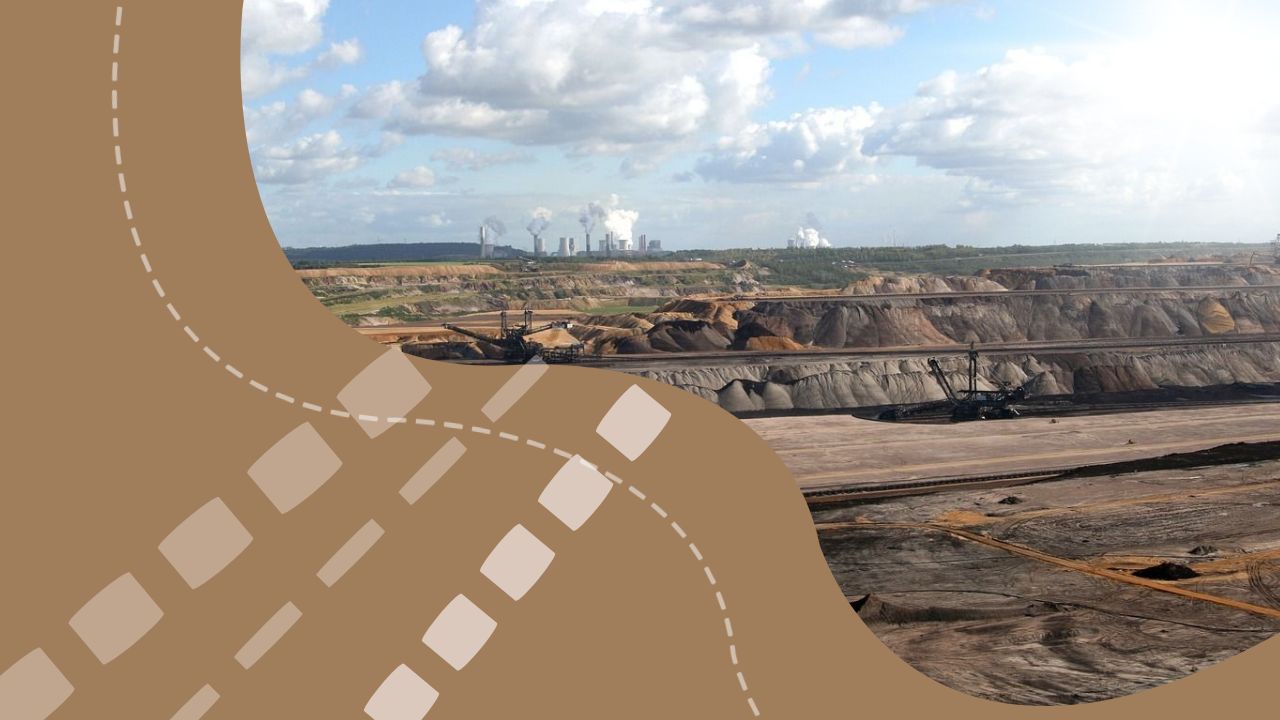
    The Ratcliffe-on-Soar power station, the last remaining coal-fired power station in the UK, is scheduled to shut down on 30th September after receiving its final coal shipment in late June. This marks the end of coal-fired power generation in the UK, a sector that once contributed over a third of the nation’s electricity supply.

    The closure is part of a broader initiative to phase out coal as the country strives to meet its carbon reduction goals. Plans are already in place to transform the site into a zero-carbon technology and energy hub. The company overseeing the facility announced that it aims to produce low carbon hydrogen, targeting 500MW in electrolysis capacity by the end of the decade.

    The UK’s reliance on coal has drastically reduced over the years, plummeting from more than 95% of electricity generation at the start of the 20th century to just 1% by 2023. The government’s target to eliminate coal-based energy production by 2024 aligns with the closure of the Ratcliffe station. Opened in 1967, the power plant has had the capacity to generate electricity for over two million homes and, over its 57 years of operation, produced enough energy to power the making of more than 21 trillion cups of tea.

  • Avrupa Minerals Closes $350,000 Private Placement to Fund Exploration Projects

    Avrupa Minerals Closes $350,000 Private Placement to Fund Exploration Projects

    Avrupa Minerals Ltd. has successfully closed a private placement as announced in mid-August, raising $350,000 through the sale of 10,000,000 Units at $0.035 per Unit. Each Unit consists of one common share and one common share purchase warrant, which allows the holder to purchase an additional share at $0.10 until September 5, 2027. The warrants are non-transferable, and all securities issued are subject to a four-month hold period ending on January 6, 2025. No finders’ fees were paid.


    A director of the company acquired 371,429 Units, making this transaction a related party transaction under TSX Venture Exchange policies. However, the company relied on exemptions under Multilateral Instrument 61-101 (MI 61-101) since the transaction value did not exceed 25% of the company’s market capitalization.

    The proceeds from this placement will primarily be used for drilling and exploration programs in Finland, ongoing operations in Portugal and Kosovo, and for general corporate purposes. None of the funds will be used for investor relations or paid to non-arms-length parties. Avrupa Minerals, a junior exploration company, focuses on mineral discovery in politically stable regions of Europe, with projects in Portugal, Finland, and Kosovo.

  • Serbia Faces Escalating Protests Over Rio Tinto’s Jadar Lithium Mine Project

    Serbia Faces Escalating Protests Over Rio Tinto’s Jadar Lithium Mine Project

    Mining giant Rio Tinto is facing increasing opposition in Serbia over its proposed Jadar Lithium Project, which has sparked widespread protests due to concerns about environmental pollution and public health risks. The project, located near Loznica, aims to produce large quantities of lithium carbonate, boric acid, and sodium sulphate to meet 90% of Europe’s lithium needs.

    The protests, spearheaded by farmer Zlatko Kokanovic and supported by thousands of demonstrators, have been fueled by fears that the mine would release harmful substances like arsenic and sulphuric acid, contaminating the land and air. Kokanovic has warned that the mine would devastate the region, describing it as a threat to Serbia’s health and environment in exchange for Europe’s lithium supply.

    Additionally, cultural heritage sites such as the Paulje Necropolis and the Church of St George the Great Martyr are located near the project, raising further concerns among local communities. Protesters have vowed to resist the mine’s construction, with some prepared to take radical action to protect their homes and land.

    A recent scientific study revealed elevated levels of boron, arsenic, and lithium in nearby rivers, indicating the environmental impact of Rio Tinto’s exploration efforts. Protesters across Serbia have declared their determination to block the project, citing the environmental damage as outweighing any potential economic benefits.