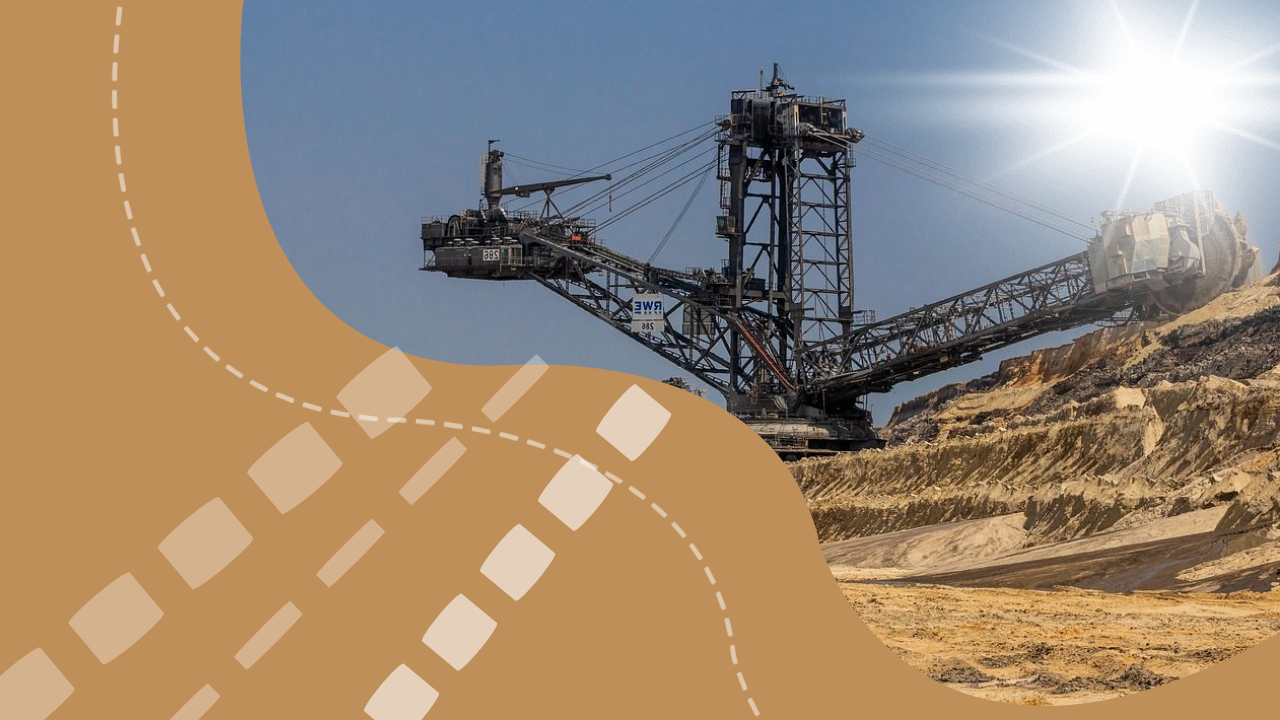
Bulgarian President Rumen Radev emphasized the critical role of the metallurgy, mining, and heavy industries in shaping Europe’s economic resilience during the Metallurgist’s Day celebration in Sofia, which he attended under his official patronage. He urged Bulgaria to leverage this opportunity to strengthen its economic position within Europe’s industrial landscape. Reflecting on recent global challenges, including the pandemic, the energy crisis, and the Ukraine conflict, Radev argued that these events revealed Europe’s overreliance on external energy resources and the limitations of a solely green-tech focus, advocating instead for a balanced industrial strategy.
Website: Europe.com
-
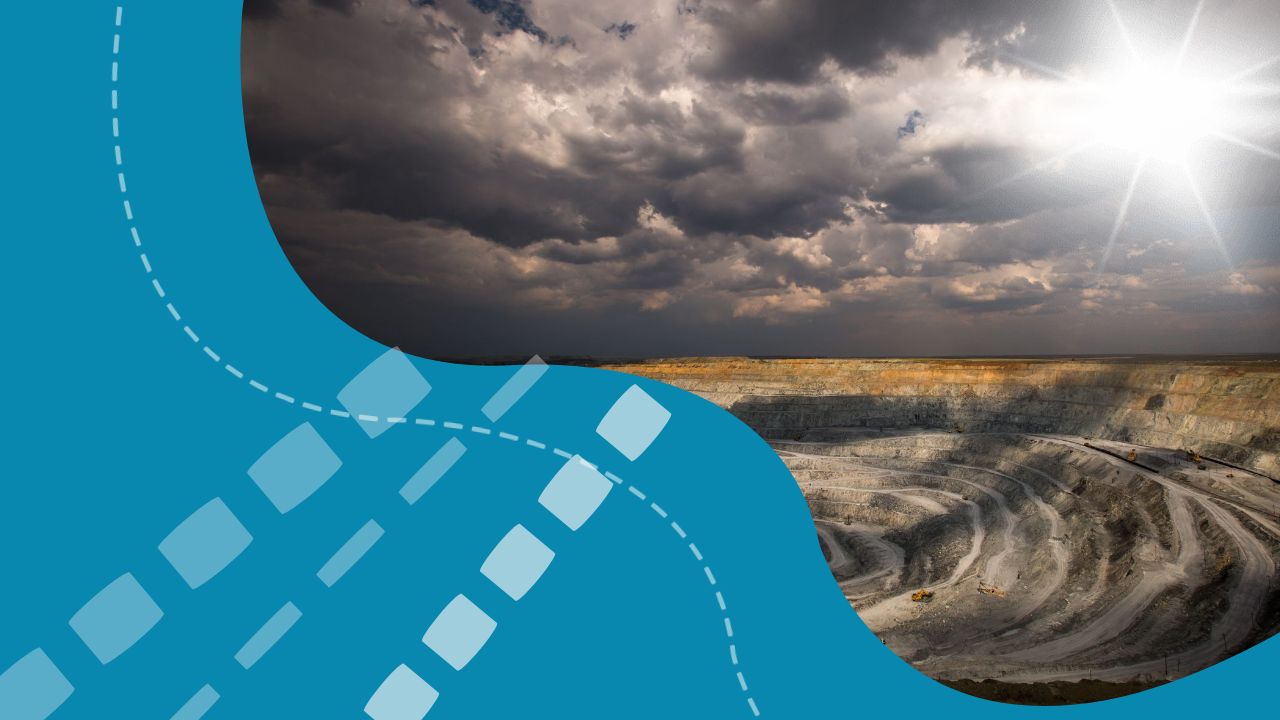
Belchatow Faces Uncertain Future as Europe’s Largest Coal Plant Prepares to Close
In Belchatow, Poland, the PGE coal-fired power plant, Europe’s largest and one of the world’s top polluters, has powered local industries and provided 20% of Poland’s electricity for decades. With EU-driven goals pushing its closure by 2036, the city of 55,000 braces for significant economic shifts. Efforts to retrain workers for “green collar” jobs and build renewable energy projects are underway, though residents worry about a lack of clarity on future job prospects. The transition’s impact is already visible: youth are increasingly leaving Belchatow, and a new wave of political support has emerged for Patryk Marjan, the city’s first far-right mayor, who campaigned against the EU’s Green Deal. Locals express concern over the region’s future, and some fear the city could lose its vitality and identity post-coal, with some joking it could become “churches and kebab shops.” The question remains whether Belchatow can secure an economically sustainable future in the clean energy era.
-

Vulcan Energy to Begin Large-Scale Lithium Production in Germany by 2027
Vulcan Energy Resources, a company focused on producing sustainable lithium, has announced its goal to begin large-scale lithium hydroxide production in Germany by 2027, after pushing back its timeline by two years. The company recently commenced operations at its lithium chloride demonstration plant in Landau and aims to produce 24,000 tons of lithium hydroxide annually—enough to support 500,000 electric vehicles. CEO Christian Freitag cited the extended financing process as a factor in the delay, with Vulcan now raising €1.9 billion. Funding will include over €600 million in equity and €1.3 billion in loans from multiple sources, including a €500 million commitment from the European Investment Bank.
This production marks a significant step for Europe’s energy goals, helping reduce dependence on lithium imports from China and South America. Vulcan’s extraction method, powered by geothermal energy, aligns with Germany’s goal for a low-carbon lithium source to support the EV sector’s growing demand. Vulcan has already sold its first decade’s production through agreements with major automotive manufacturers like Volkswagen, Stellantis, and Renault, underscoring the anticipated demand surge in Europe for lithium-ion battery components.
-
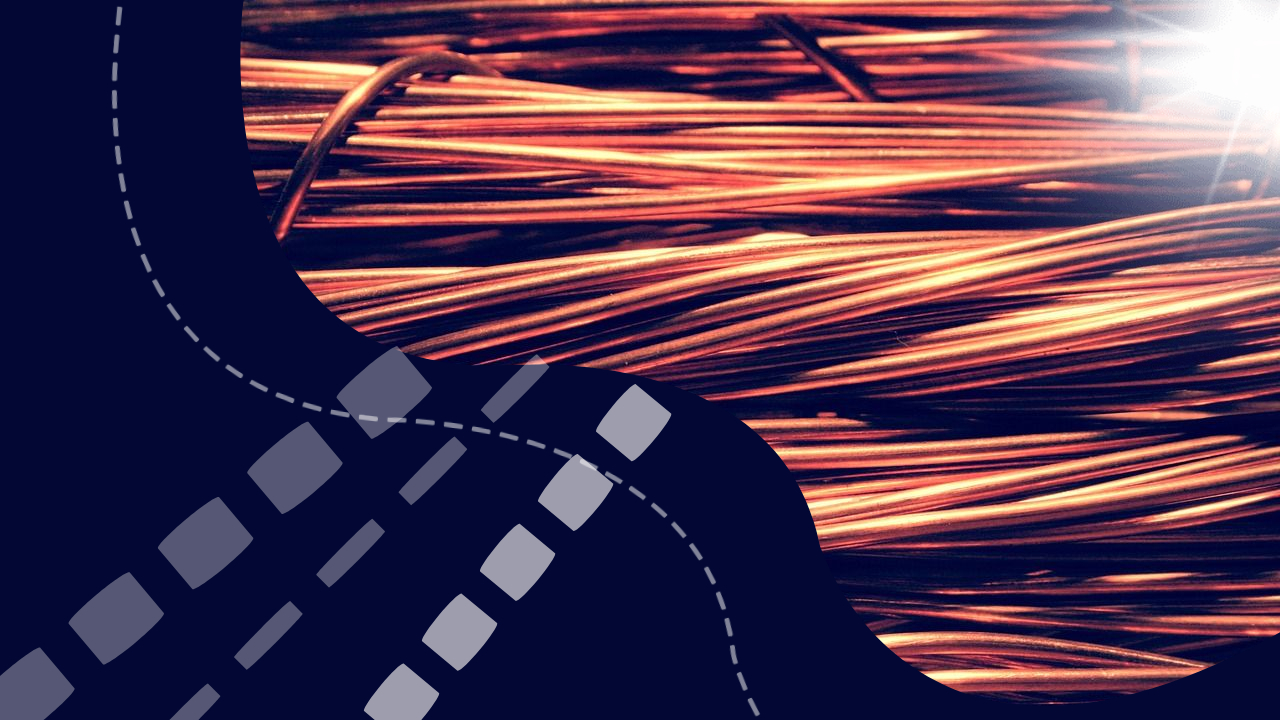
Megado Minerals Secures Major Stake in Spain’s Iberian Copper Project
Megado Minerals, an Australian mining company, has unveiled plans for a significant acquisition in northern Spain, aiming to acquire an 80% stake in the Iberian Copper Project. Covering 956 square kilometers, this expansive project includes 12 permits and houses at least 12 historic copper mines.
The acquisition will proceed through a share swap agreement with Iberian Copper (ICPL) shareholders. In return for their stake, Megado will issue 175 million shares, 175 million Class A performance rights, and 175 million Class B performance rights. These performance rights are convertible into shares on a one-to-one basis, pending the achievement of key project-related milestones.
Megado directors Anthony Hall and Aaron Bertolatti are non-controlling shareholders of ICPL, which may raise potential conflicts of interest; however, both directors are expected to recuse themselves from decisions directly affecting the acquisition.
To finance the acquisition, Megado will initiate a non-renounceable rights issue, offering one share for every two shares held at A$0.012 per share. This rights issue could potentially raise A$1.53 million to support the acquisition and future developments.
The deal marks a significant expansion for Megado in the copper sector, presenting strong growth potential if project milestones are met and as global copper demand continues to rise.
-
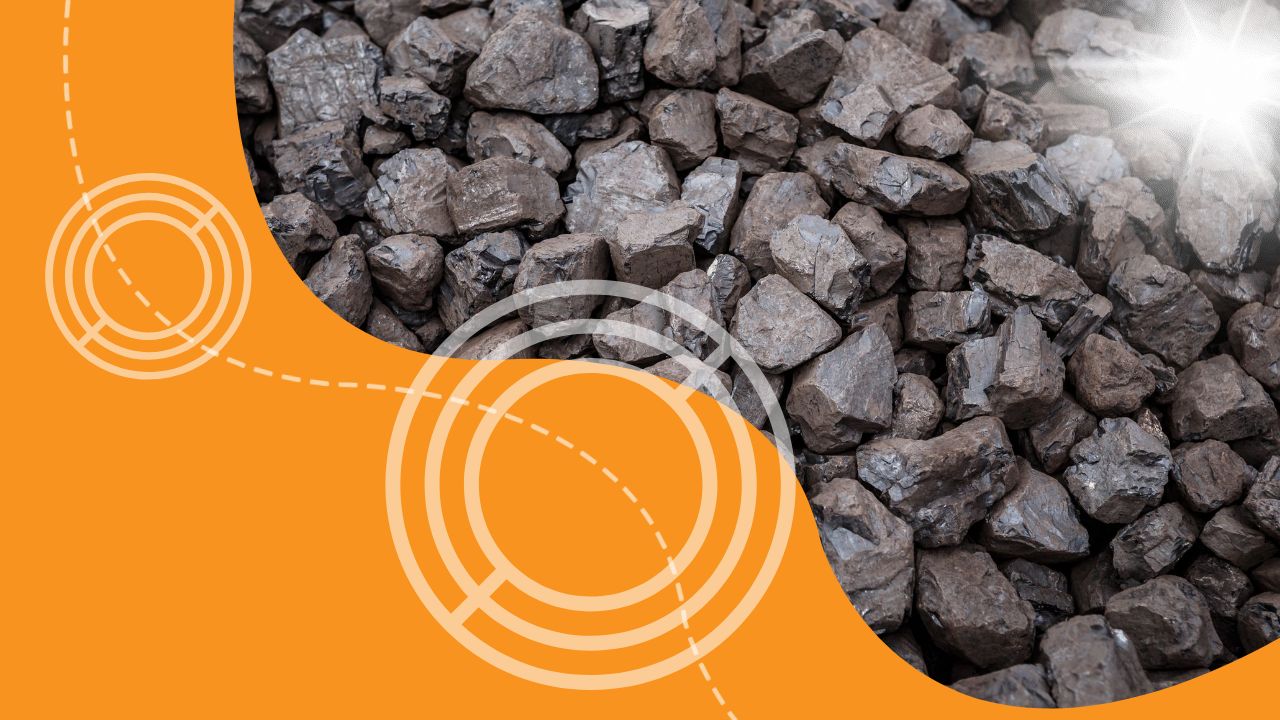
Western Dependence on Russian Nuclear Fuel Faces Increased Scrutiny
The Western reliance on Russian nuclear fuel has come under intensified scrutiny, with Orano, a major uranium supplier in the West, urging for either increased incentives or stricter sanctions to stimulate investment in alternative fuel sources. Nicolas Maes, the CEO of Orano, highlighted the necessity of long-term contracts to justify substantial investments in new uranium enrichment capacities. While the United States has already imposed a ban on Russian nuclear fuel imports, Europe’s ongoing dependence on Russian fuel complicates efforts to reach a consensus on similar sanctions.
Orano is proactively addressing this issue by expanding its uranium enrichment facility in France, with production targeted by 2028. However, the project demands significant investment and assured demand to move forward effectively. Meanwhile, geopolitical tensions and supply chain issues continue to challenge uranium production globally, complicating the shift toward alternative nuclear fuel sources.
-

Kosovo and Albania Strengthen Cooperation in Mining Sector
The Deputy Minister of Economic Development of Kosovo, Besa Zogaj-Gashi, met with Albania’s Deputy Minister of Energy and Industry, Gëzim Musabelliu, to discuss enhancing collaboration in mining and geological research. Zogaj-Gashi highlighted Kosovo’s commitment to mining sector reforms, including scientific research investments and secondary legislation improvements. Both ministers emphasized the importance of the Geological Services partnership, with a joint project proposed for the EU’s Horizon 2020 program. The discussions concluded with an agreement to boost further cooperation in resource exploration and staff training.
-
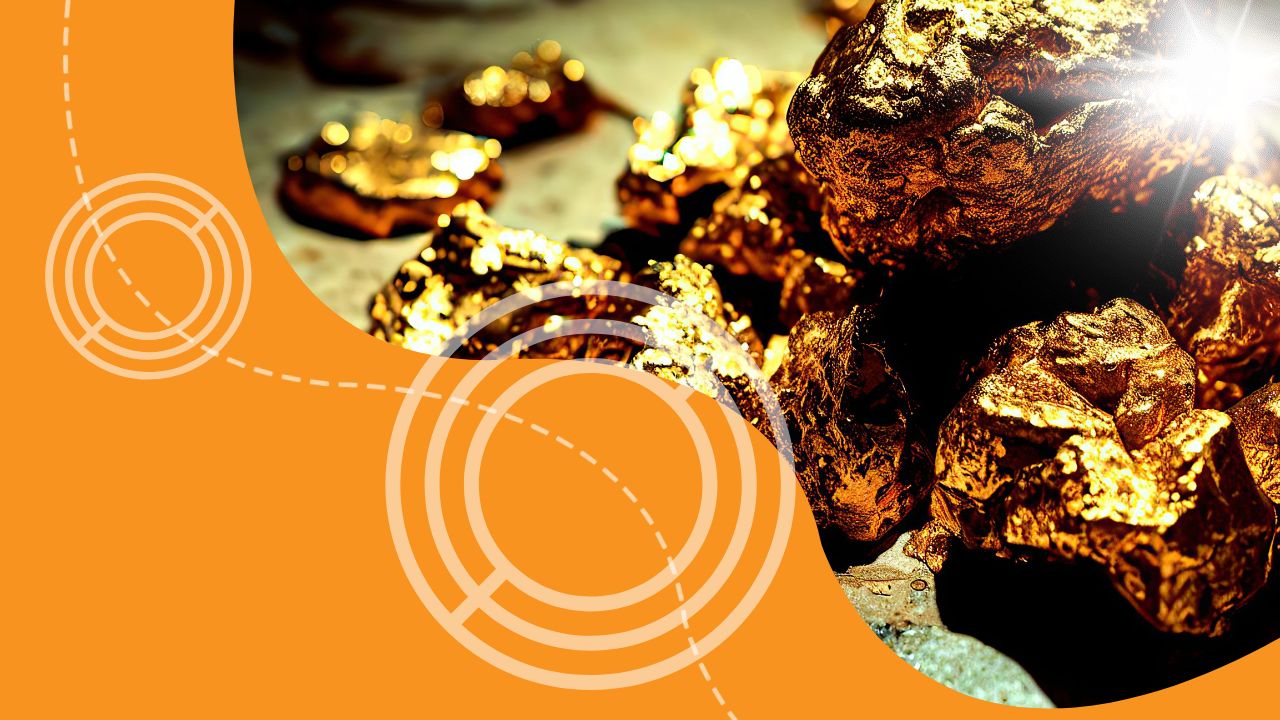
Strickland Metals Commences Phase Two Testing on Serbia’s Rogozna Gold Project
Strickland Metals has advanced to phase two metallurgical testing on its Rogozna gold and base metals project in Serbia, following successful initial results in 2021. A 400kg bulk sample from the Shanac deposit is being tested at an ALS Laboratory in Perth, managed by Macromet. This phase aims to refine metal recovery techniques for distinct deposit zones containing gold, copper-gold, and lead-zinc-silver. Preliminary results showed promising recovery rates, with high copper and gold concentrations. Completion is expected by mid-2025, supporting upcoming Rogozna scoping studies.
-
Poland’s Coal Mine Leisure Lake Proposal Sparks Debate Over Economic Viability
Poland’s Bełchatów, Europe’s largest coal mine, is slated for a transformation into a leisure lake by 2070 under the state-owned utility PGE’s plan. While PGE views the lake as a way to reuse the land, critics argue the project diverts from urgently needed green energy infrastructure that could bring more immediate economic benefits. Local officials emphasize renewable energy would create more jobs and help the area transition economically, while the lake project’s timeline raises concerns in the coal-dependent community.
-
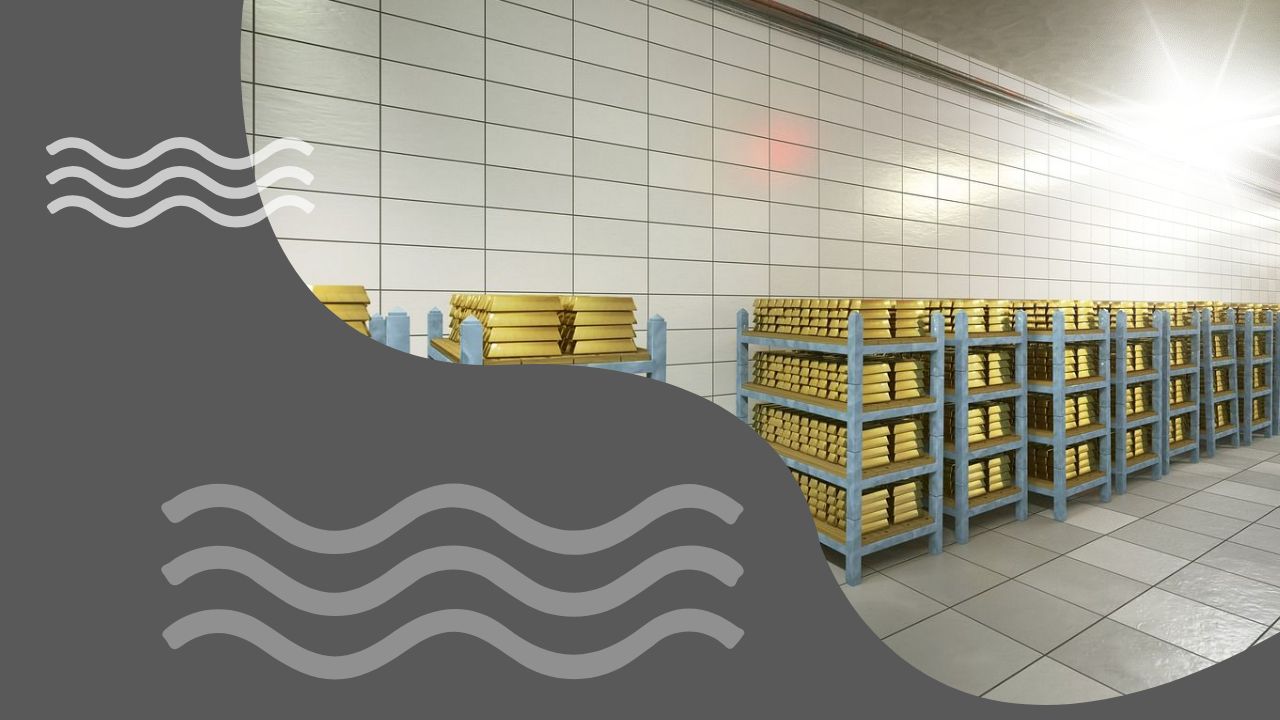
Untapped Gold Reserves at Europe’s Largest Mine in Asturias, Spain
Underneath the Salave Lagoon in Asturias, Spain, lies Europe’s largest untouched gold mine, holding 30 tonnes of gold, equal to about 10% of Spain’s gold reserves. Despite private interest in mining the site and extensive exploration over decades, the local community remains divided on allowing the project to proceed. Explotaciones Mineras del Cantábrico, which holds the mining rights, plans to invest over €100 million, creating direct and indirect jobs while ensuring minimal disruption to the town. However, opposition groups, such as Oro No, argue that the project poses significant environmental risks and legal issues.
-
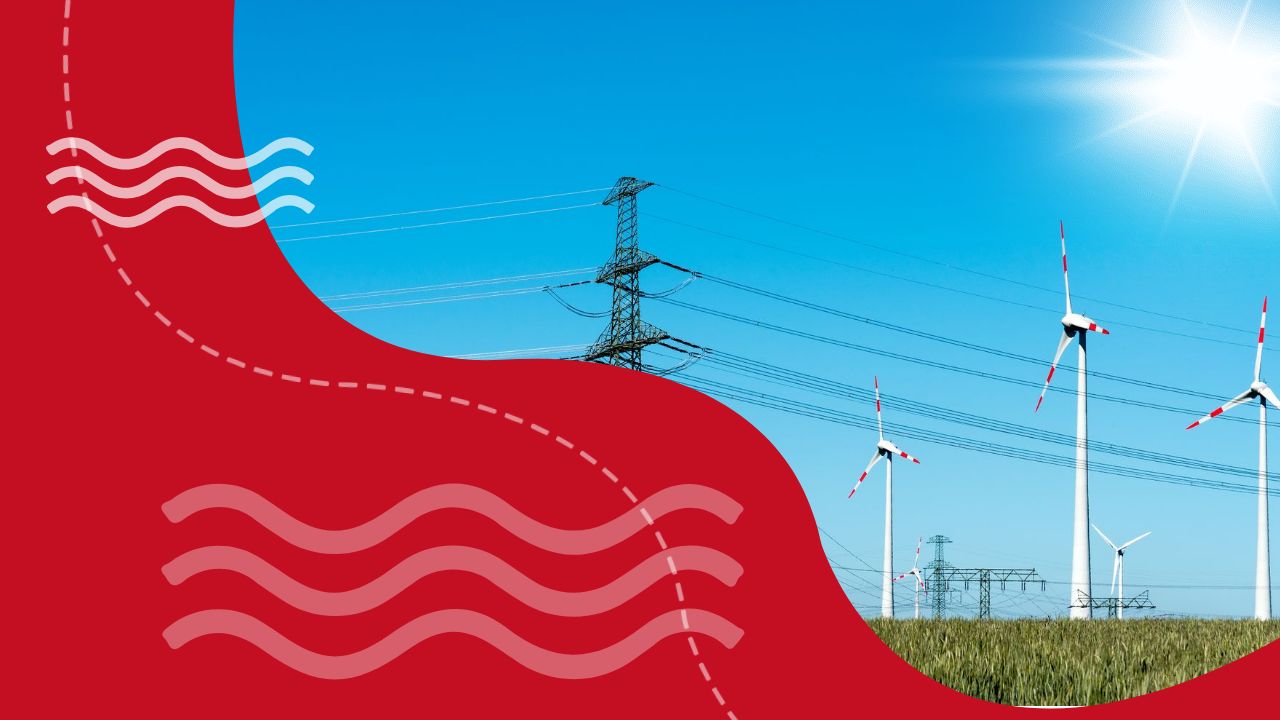
Serbia and Germany Collaborate on HyDSerbia Green Hydrogen Pilot Project
Serbia’s first green hydrogen project, HyDSerbia, launched with Germany’s Leipziger Energiegesellschaft and funded by the German government, aims to construct a pilot hydrogen plant with solar power capabilities. The project, funded with €3.5 million, will run until June 2026, focusing on small-scale hydrogen production and laying the groundwork for industrial expansion. Germany’s KfW Development Bank, expressing interest in Serbian renewable energy, views HyDSerbia as part of its broader push to stimulate hydrogen value chains in Southeast Europe.