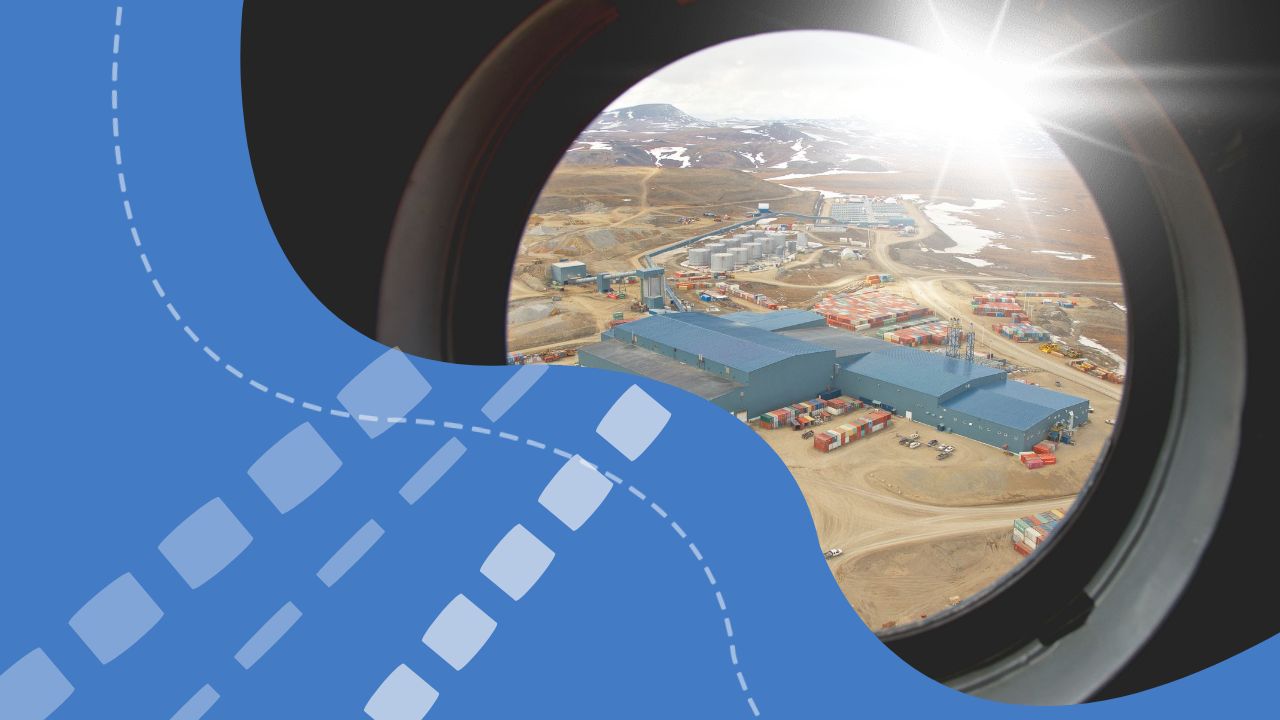
The lead and zinc mine “Toranica” in Kriva Palanka, North Macedonia, has officially resumed operations, marked by a ceremonial event in partnership with its new operator, the Bulgarian firm “Minstroj.” This reopening follows Minstroj’s acquisition of annual mining rights for €2 million, which include both the “Zletova” and “Toranica” mines. Minstroj has announced plans to re-employ around 100 workers across the two mines, which were previously under the management of “Indo Minerali.” The move is expected to bring significant economic activity back to the region.
Website: Europe.com
-
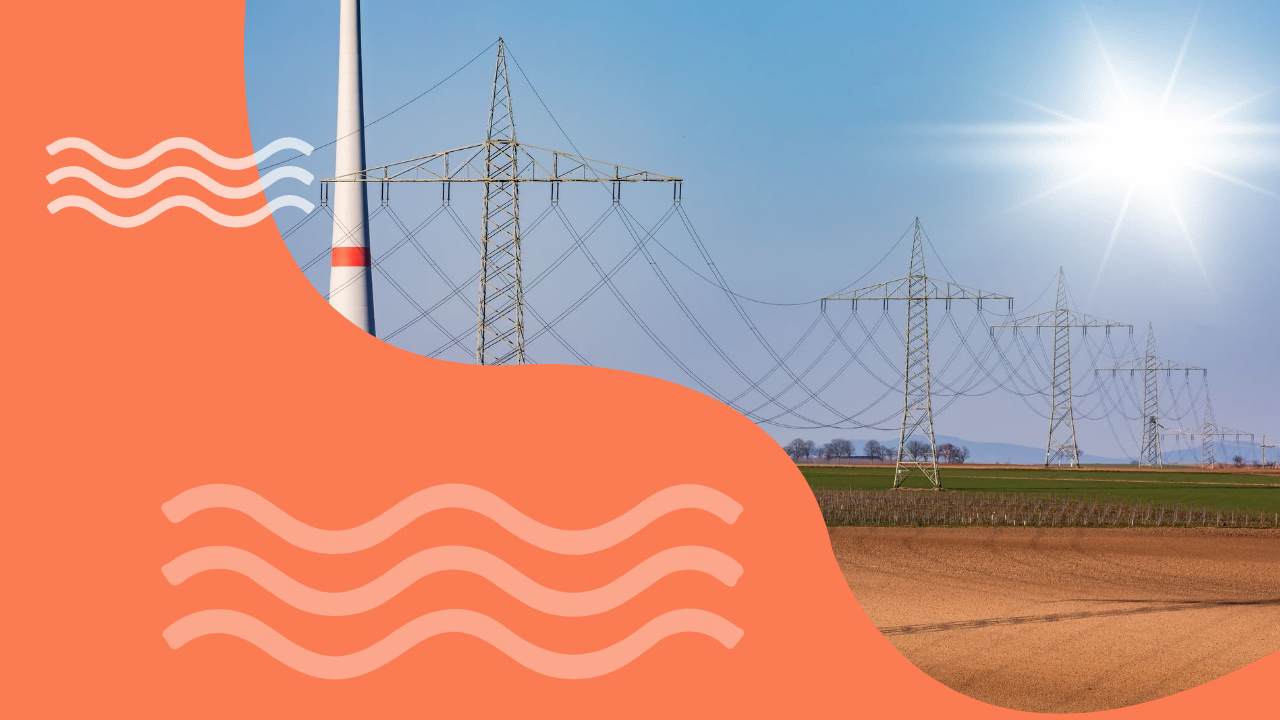
Vulcan Energie Secures €100 Million for Geothermal Heating Project in Landau
Vulcan Energie has received up to €100 million in government funding to advance the HEAT4LANDAU project, which aims to decarbonize Landau’s district heating network with geothermal energy. Supported by Germany’s Federal Ministry for Economic Affairs and Climate Protection and the EU’s Recovery and Resilience Facility, the funding will finance infrastructure capable of generating 255 MW of geothermal power. The project includes expanding Vulcan’s geothermal plants in Landau and Insheim, with renewable energy expected as early as the 2024-2025 heating season. The initiative is part of Vulcan’s larger “Lionheart” phase, promoting sustainable district heating.
-
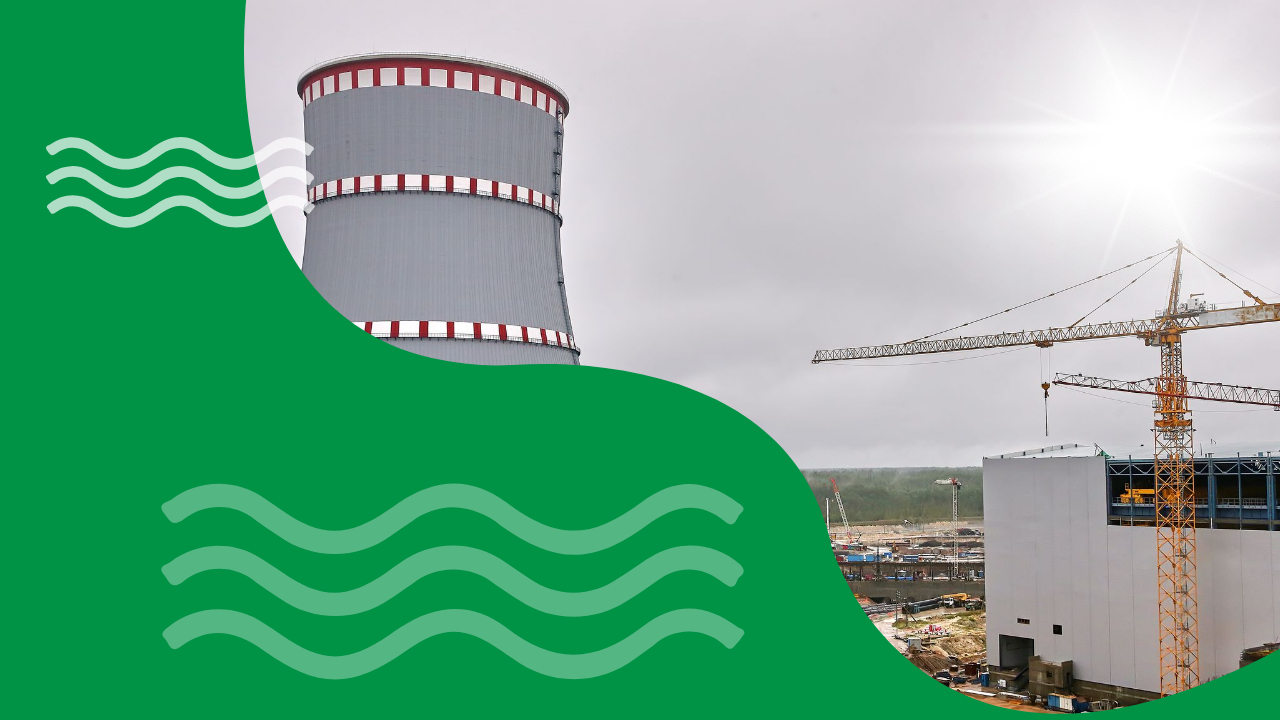
UK Shortlists Four Companies for Small Modular Reactor (SMR) Program
The UK’s Great British Nuclear (GBN) has shortlisted four companies—GE Hitachi, Holtec, Rolls Royce SMR, and Westinghouse—for its Small Modular Reactor (SMR) program. After a thorough two-stage evaluation, the designs have been confirmed as viable for UK deployment, undergoing rigorous analysis on factors like safety and scalability. GBN Chair Simon Bowen emphasized the importance of the SMR program for the UK’s energy future, and upcoming negotiations will refine the selection process, with final decisions set for spring. The chosen SMRs are expected to support the UK’s sustainable energy goals and energy independence.
-
Saudi Arabia’s Ambitious Mineral Strategy: A Questionable Partner for Europe?
Supply Chains
Saudi Arabia is making a determined effort to become a significant player in the global mineral supply chain, driven by its Vision 2030 strategy to diversify its economy and reduce its dependence on oil exports. The Kingdom is seeking to strengthen its local processing and industrial value-added sectors, and is actively seeking international partners to help achieve this goal.
A Questionable Pillar of Europe’s Diversification Strategy
While Saudi Arabia’s efforts to develop its mineral resources sector are ambitious, there are concerns about the Kingdom’s governance and human rights standards, which could impact the operational efficiency of the sector and pose risks for European companies. The dominance of the Public Investment Fund (PIF) in the sector raises concerns about state control and the potential for supply relationships to be co-opted for foreign policy objectives.
Saudi Arabia’s Diplomatic Efforts
Saudi Arabia is seeking to position itself as a geopolitically neutral partner and “link” in supply chains, leveraging its financial strength and location advantages to attract international companies. The Kingdom is deepening its relationship with China, while also strengthening its ties with the US and other Western nations. Saudi Arabia is also engaging with resource-rich countries in Africa and Latin America to secure stakes in mining projects.
Challenges and Delays
Despite its ambitious plans, Saudi Arabia faces significant challenges and delays in developing its mining sector. The Kingdom’s geological data are lacking, and it relies heavily on foreign expertise and investment for exploration and new mining projects. The employment potential in the mining sector is limited, and the Kingdom is actively seeking international partners to develop its steel industry and other downstream supply chains.
The Role of the Public Investment Fund
The PIF plays a crucial role in financing Saudi Arabia’s efforts to develop its mineral resources sector and downstream industries. The fund’s extensive financial involvement gives the state considerable control over the sector, and its investment decisions are often driven by a clientelist template that favors well-established economic elites with close ties to the Saudi royal family.
Recommendations for Targeted Cooperation
While a strategic raw material partnership with Saudi Arabia is not currently advisable due to concerns about governance and human rights standards, targeted, selective cooperation should be pursued. The EU, alongside MSP partners such as the US and the UK, could intensify dialogue with Saudi Arabia on governance and standards setting, and encourage its involvement in international frameworks such as the Extractive Industries Transparency Initiative (EITI). European companies are expected to become increasingly involved in Saudi Arabian supply chains, and German support for the private sector should be stepped up to provide expertise and advice on the opportunities and risks of cooperating with the Saudi raw minerals sector.
-
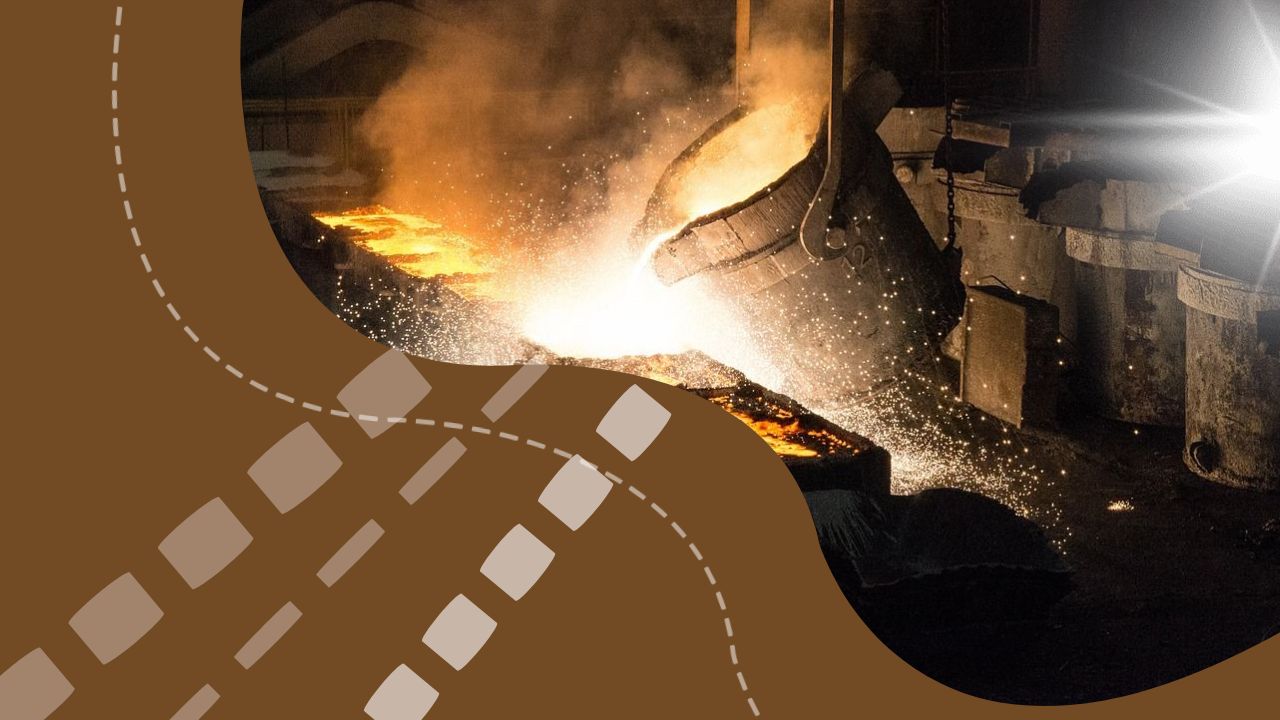
UK Government in Urgent Talks with Chinese Owner of British Steel to Avert Plant Closures
The UK government is engaged in high-level discussions with the Chinese owners of British Steel to prevent the closure of the company’s plants, which would jeopardize around 2,000 jobs. A substantial financial support package, drawn from the Labour government’s £2.5 billion “green steel” fund, is being considered to keep the Scunthorpe site operational.
Last week, Business Secretary Jonathan Reynolds met with Li Huiming, CEO of Jingye Group, which has owned British Steel for the past four years. Jingye is now considering shutting down the company’s UK operations, including the last two blast furnaces in the country, a move that would put thousands of jobs at risk.
The UK government has earmarked £2.5 billion for the transition of steel producers to greener methods of manufacturing, particularly focusing on the development of electric arc furnaces (EAFs) that produce steel using scrap metal and clean energy. Sources suggest that up to £2 billion of this fund could be directed towards British Steel, though the exact figure will depend on the terms of any deal.
In 2023, British Steel announced plans to close its two blast furnaces at Scunthorpe, while investing £1.25 billion in constructing two EAFs in Scunthorpe and Teesside. At the time, ministers offered a £300 million support package, but British Steel insisted on the same £500 million support that was given to Tata Steel. The company initially committed to keeping its loss-making operations open while the EAFs were being built, but by September, Jingye revised its plans and proposed advancing the closure of the blast furnaces—potentially before Christmas.
In response, UK ministers have been negotiating with Jingye in a bid to secure a more favorable deal, potentially including subsidies to keep the blast furnaces running until the electric arc furnaces are ready for use. One government figure described the £2 billion figure as a “theoretical upper limit,” though it remains a key option under consideration.
Despite the significant financial offer, talks have stalled, leaving some stakeholders puzzled as to why the deal has not yet been finalized. One individual involved in the discussions suggested that “geopolitical issues” might be complicating the process, pointing out that Reynolds had made an offer that was “fair and reasonable.”
Another topic under discussion is ensuring that British Steel can continue to meet the needs of critical customers, including the UK’s rail network. Whitehall officials have also floated the idea of establishing a national plant for producing “direct reduced iron” (DRI) using green hydrogen in the future, a project that would require collaboration among multiple steel companies.
Electric arc furnaces, which rely on scrap steel and renewable energy, are seen as a cleaner alternative to blast furnaces that still use coal. However, they employ fewer workers, and the shift to greener production methods could lead to job losses in the industry. British Steel reported significant financial losses, with pre-tax losses rising eightfold in 2022 to £408 million, continuing into 2023 and 2024.
The Labour Party has promised a £7.3 billion “national wealth fund” in its manifesto, designed to support energy-intensive industries like steel in their transition to net-zero emissions. Of this, £2.5 billion is specifically earmarked for the steel sector, in addition to the £500 million already allocated to Tata Steel for its plant in Port Talbot, South Wales.
There is growing concern that the relatively smaller support package for Tata Steel may leave workers in Wales feeling underfunded compared to those in Scunthorpe. Any deal with British Steel is also likely to involve some level of job losses, further complicating the situation.
Reynolds has expressed frustration with the previous Conservative government, which failed to support British Steel’s efforts to establish a carbon capture and storage project at Scunthorpe—an initiative he believes could have ensured the plant’s long-term viability.
A government spokesperson reaffirmed the UK’s commitment to maintaining a steel industry, stating that ministers are working closely with trade unions and businesses, including British Steel, to secure a “green steel transition” that both supports the workforce and ensures the industry’s future in Britain.
For its part, British Steel confirmed that it is still in “active discussions” with the government, adding that it has recently secured the raw materials necessary to continue operations into the new year.
-

Newly Discovered Mineral Named “Kanatzidisite” in Honor of Greek Chemist
A newly discovered mineral found in an abandoned gold mine in Hungary has been named kanatzidisite in honor of Mercouri Kanatzidis, a distinguished inorganic chemist at Northwestern University in Chicago. The mineral, identified as a chalcogenide, was uncovered in 2023 in the Nagybörzsöny deposit at Alsó-Rózsa, Hungary, and is now preserved at the Museo di Storia Naturale at the University of Florence in Italy.
The International Mineralogical Society (IMA) recently announced the decision to name the mineral after Kanatzidis, acknowledging his pioneering contributions to chalcogenide chemistry. Kanatzidis expressed his appreciation for the honor, saying, “I am deeply honored to have a new mineral named after me, kanatzidisite, symbolizing the remarkable diversity and wonders of the Earth’s geological treasures.”
Chalcogenides, like kanatzidisite, are compounds made up of chalcogen elements (such as sulfur, selenium, or tellurium) combined with metallic elements. These minerals can vary in color and opacity, depending on their chemical composition, and differ notably from common silica glass.
Kanatzidis is renowned for his groundbreaking research in metal chalcogenide chemistry and for developing innovative chalcogenide materials. His work has enabled advancements in solar cells, X-ray and gamma-ray detectors, topological quantum materials, and thermoelectric technologies. A graduate of Aristotle University of Thessaloniki, Kanatzidis is now the Charles E. and Emma H. Morrison Professor of Chemistry at Northwestern.
Reflecting on his legacy, Kanatzidis hopes that kanatzidisite will inspire future generations of scientists to explore further into geological mysteries and develop new, extraordinary minerals. He remarked, “I guess I can now proudly claim that I have a ‘rock-solid’ legacy in the field of geology!”
In recognition of his work, Kanatzidis received the 2023 Centenary Prize for his pioneering research on semiconducting halide perovskites, used in solar energy conversion. His research continues to push the boundaries of exploratory synthesis and materials discovery, advancing fields critical to sustainable energy and cutting-edge technology.
-
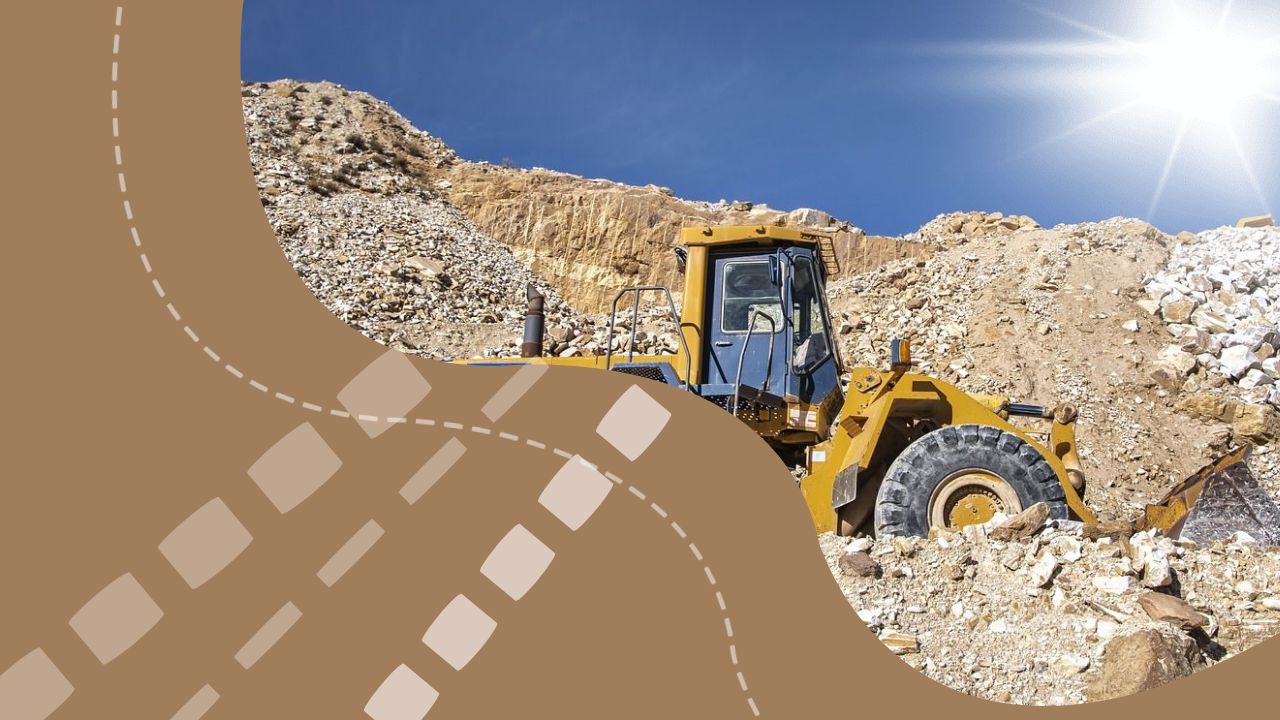
Vostok Trade Plans to Open Lead and Copper Plant in Shymkent
Vostok Trade has announced plans to establish a lead and copper production plant in Shymkent. The plant’s projected capacity is 30,000 tons of soft lead annually, with a shaft furnace capable of processing 285 tons per day across a 25-day monthly operating cycle. Lead production is expected to reach 2,500 tons of crude lead each month, with copper cake and zinc product as by-products.
The crude lead produced will have a lead content of 85-95%, while the copper cake will contain 60-70% copper and the zinc product up to 50-60% zinc. The facility will operate its main production processes 25 days a month, with auxiliary services running five days per week. 300 employees will staff the plant.
Located within the Zhuldyz industrial zone in Enbekshinsky district, the site is 1.3 km from Shymkent’s oil refinery. The main production building will measure 146 meters in length, 73 meters in width, and up to 14 meters in height. It will house a shaft furnace, raw material storage, a boiler room, settling tank, and finished product warehouse. Primary raw materials include cakes, dust, and sludge rich in lead, copper, and zinc. Materials will be delivered by open railcarsand stored in warehouses with a 1,000-ton capacity.
Construction is expected to start in Q1 2025, with operations launching by Q3 2025. Estimated annual emissions during operations include 21.4 tons of carbon monoxide, 1.27 tons of nitrogen oxide, 2.9 tons of polymetallic dust, and 0.12 tons of iron, among other emissions.
Vostok Trade is registered at the Astana International Financial Center and is involved in metal recycling and other legal activities. The company’s co-owners include Daulet Imankulov, Kuat Amanzholov, Imam-Zada Maulenov, Daniyar Bektibaev, Serik Turdaliev, Tahirzhan Baratov, and Kalykul Makhambetov.
-
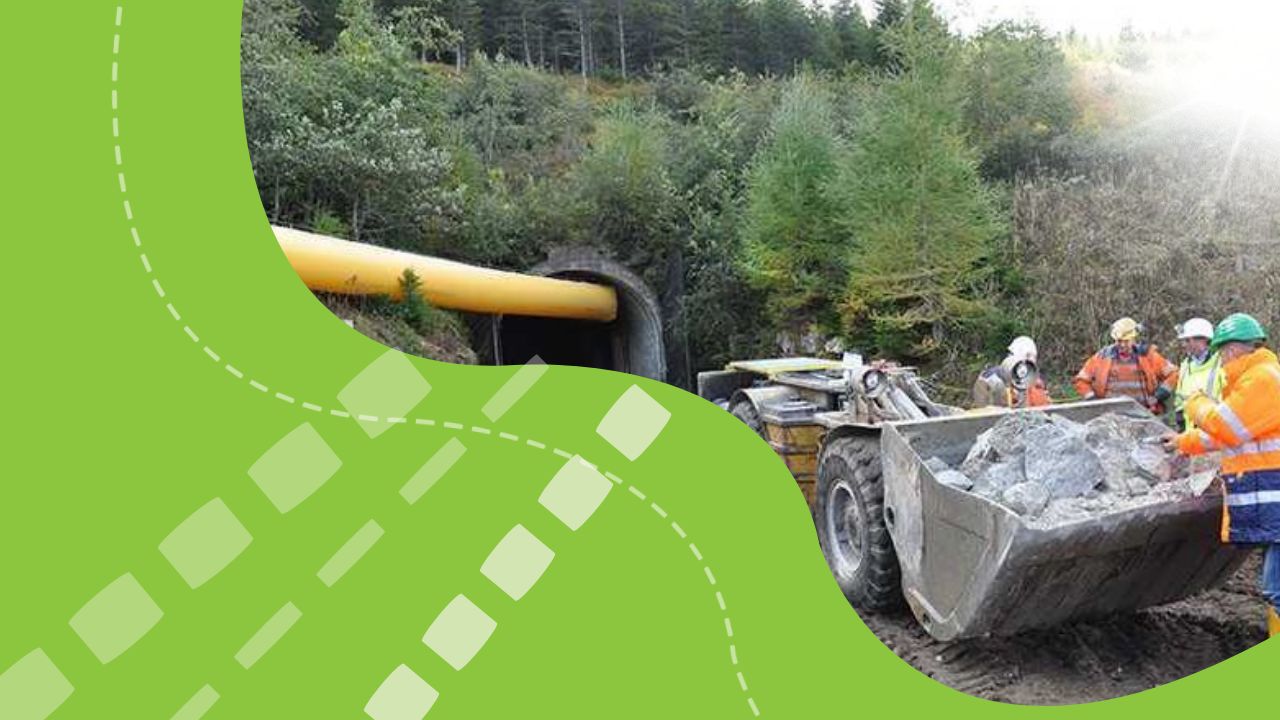
European Steel Industry Urges EU Action Amidst Deepening Crisis
The European steel industry continues to lobby the European Union to address an ongoing crisis, described as the sector’s worst since the 2009 financial crisis. On October 23, the European Parliament held a plenary debate focusing on this critical situation, highlighting challenges including global steel overcapacity, China’s low-cost exports, and EU policy weaknesses.
Steel associations cited the industry’s struggles, noting that global overcapacity reached 551 million tons last year—four times the EU’s annual steel output. With China producing nearly half the world’s steel, flooding global markets with cheap steel, European producers face declining revenues, job losses, and environmental concerns. MEP Juan Ignacio Zoido Alvarez highlighted China’s rapid growth in steel production, up by 600% over 20 years, with further increases anticipated by 2026.
Further issues included high energy prices, weaknesses in the Carbon Border Adjustment Mechanism (CBAM), and ineffective trade defense. European Commissioner Helena Dalli noted that Europe, responsible for just 7% of global production, faces declining output and a steel trade deficit. She urged investments in green steel projects to regain global competitiveness and stressed the need for affordable energy and protection from cheap imports.
Steelmakers and EU leaders discussed an action plan, proposing reduced imports, stronger trade safeguards, and enhanced energy supply stability. President Ursula von der Leyen announced a new Clean Industrial Deal aimed at supporting industries like steel in their green transitions.
Meanwhile, the Ukrainian steel industry struggles amidst war-related challenges, including plant destruction, export losses, and high energy costs. CBAM poses additional hurdles for Ukraine, which exports 93% of its steel to the EU. Ukrainian officials urge relaxed CBAM terms, citing potential export losses up to $4.6 billion by 2030.
Industry experts argue that harmonized EU and Ukrainian policies are essential to shield European steel from low-cost imports and sustain critical industry sectors across the region.
-

Serbia’s Planned Lithium Mine Sparks Divisions and Protests
A proposed lithium mine in Serbia’s Jadar Valley has become the center of a fierce debate, with deep divisions between local communities, government leaders, and environmental groups. The mine, which sits on valuable lithium reserves essential for Europe’s electric vehicle industry, is seen by many in Serbia as a potential economic boon. However, it also threatens the region’s rich agricultural land and pristine waters. After widespread protests in 2022 led to the revocation of the mine’s license, the Serbian government has revived the project, citing economic growth and job creation. However, opposition remains strong, with critics accusing both the Serbian government and EU partners of prioritizing foreign interests over local livelihoods. Activists fear the environmental risks associated with the mine, including potential water contamination and soil damage, as well as the broader impact on local communities. Tensions continue to rise as protests, some violent, persist across the country, with many Serbs opposing the exploitation of their natural resources for foreign benefit, especially when they see little return for their own well-being.
-

Ferrexpo Shares Surge as Trump’s Victory Fuels Speculation on Ukraine Peace Prospects
Ferrexpo PLC (LSE), a Ukraine-based iron ore miner, experienced a sharp rise in its stock price, soaring by 22% to 76p following Donald Trump’s unexpected win in the U.S. presidential race. Analysts suggest the rally reflects investor optimism that Trump’s promise to end the Russia-Ukraine war could soon bring stability to Ukraine. Despite ongoing conflict, Ferrexpo has managed to sustain its mining operations. Ukrainian President Volodymyr Zelenskyy also congratulated Trump, expressing hopes for continued bipartisan support from the U.S. under his leadership.