Website: Europe.com

  • KGHM Polska Miedź SA, Ministry of Finance, and Ministry of State Assets Discuss Changes to Copper Tax Formula

    KGHM Polska Miedź SA, Ministry of Finance, and Ministry of State Assets Discuss Changes to Copper Tax Formula

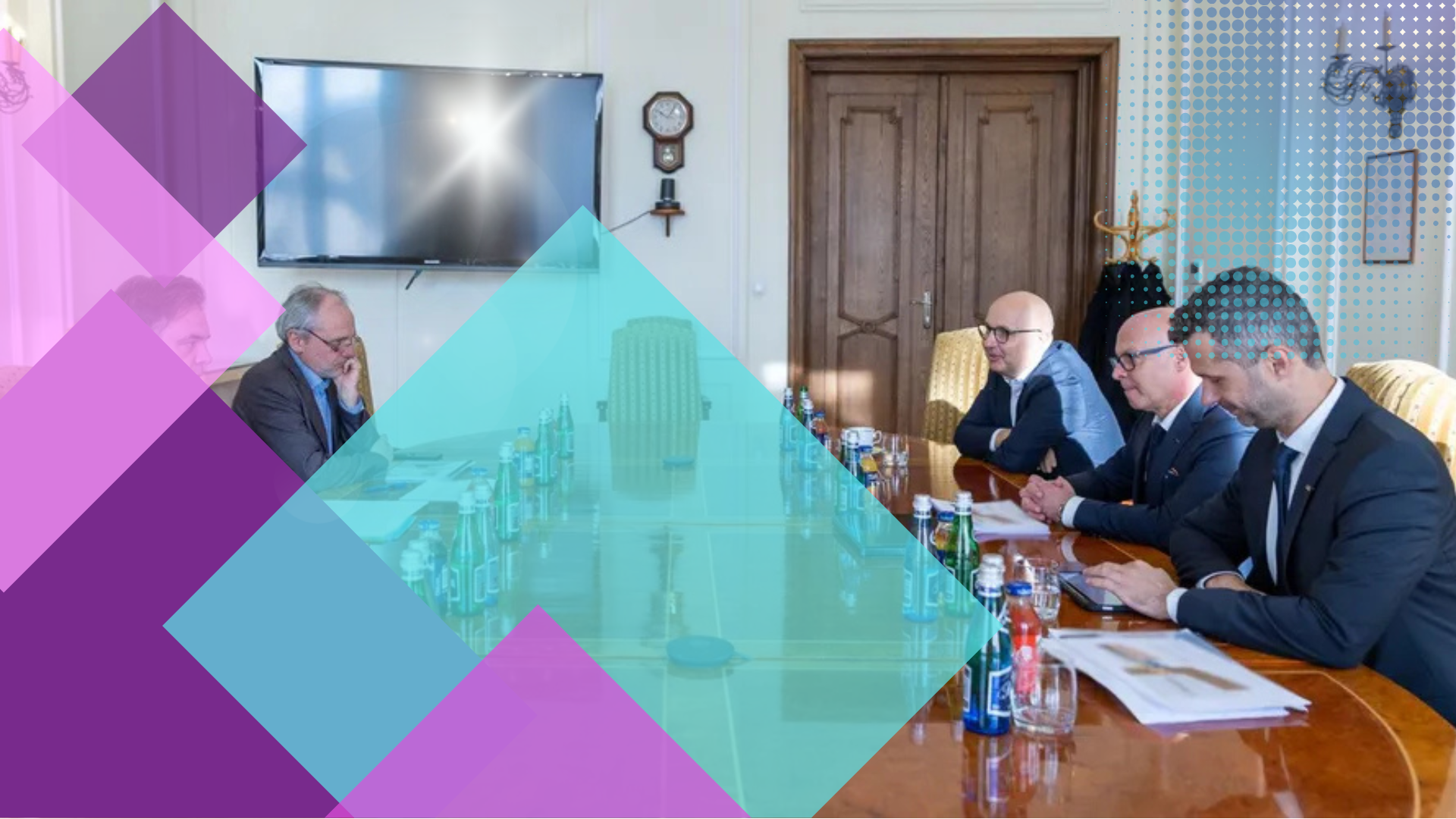
    In a significant development for the Polish mining industry and the country’s economy, KGHM Polska Miedź SA, the Ministry of Finance, and the Ministry of State Assets held talks on January 27, 2025, in Warsaw to discuss proposed changes to the formula of the so-called copper tax and the long-term development of KGHM’s domestic assets through strategic investments in Poland.

    As a key entity for the Polish economy and the largest producer of copper in Europe, KGHM Polska Miedź SA is responsible for almost 50% of the production of mined copper in the European Union, making it a strategic raw material for the European Union. With a strong focus on sustainable growth and responsible mining practices, KGHM continues to strengthen its position as a leading global copper producer.

    The meeting was attended by KGHM Polska Miedź SA’s Management Board, Minister of Finance Andrzej Domański, Deputy Minister Jarosław Neneman, and Deputy Minister of State Assets Robert Kropiwnicki. The primary objective of the meeting was to address the proposed changes to the formula of the copper tax and the possibilities of enhancing KGHM’s long-term development in Poland with strategic investments.

    The copper tax, introduced in 2012, is a significant factor in the profitability of KGHM’s operations, and the proposed changes may impact the company’s financial health. The talks aim to strike a balance between the government’s fiscal objectives and KGHM’s need for a sustainable business environment to ensure the company’s continued growth and success.

    Further details regarding the outcomes of the meeting and the proposed changes to the copper tax have not been disclosed at this time. However, both KGHM and the respective governmental bodies remain committed to fostering a positive and mutually beneficial relationship that supports Poland’s economic growth and strengthens its strategic position within the European Union.

  • Mundoro Announces 2024 Portfolio Highlights, 2025 Outlook and Corporate Update

    Mundoro Announces 2024 Portfolio Highlights, 2025 Outlook and Corporate Update

    Vancouver, British Columbia – 3rd February 2025 – Mundoro Capital Inc. (TSXV: MUN) (OTCQB: MUNMF) (www.mundoro.com) (“Mundoro” or the “Company”) is pleased to provide a summary of key achievements from 2024 and outline strategic priorities for 2025.

    2024 Highlights

    In 2024, Mundoro made significant progress in advancing new exploration targets, securing partnerships, and expanding its robust pipeline of projects in two mineral districts: Western Tethyan Belt in Eastern Europe and the Laramide Belt in the southwest USA.

    Serbia Projects

    In Serbia, Mundoro’s primary focus was on advancing exploration activities at its wholly-owned projects, including Ponor, Lipovica, Orlovac, and Vitanovac licences. The Company conducted a comprehensive programme that included a project-scale ground Audio-Magnetotelluric (AMT) survey, targeted rock and soil sampling, and reconnaissance mapping. These efforts were designed to enhance the geological understanding of the project area.

    Arizona Projects

    In Arizona, Mundoro’s drilling programme at the Dos Cabezas project confirmed porphyry potential and partnership opportunities. Drill results from two drill holes intersected Cu-Au-Mo and Cu-Mo-Ag mineralization. Potential partners have been approached to advance the Dos Cabezas project and Mundoro plans to advance the identified porphyry targets at Picacho to drill-ready status through further exploration and permitting.

    2025 Outlook

    Mundoro’s primary focus in the coming year will be to advance high-potential targets across its wholly-owned projects with the objective of securing additional joint venture partnerships. The Company will also execute exploration programmes for its partners, BHP and JOGMEC. A key element of its strategy involves ongoing generative exploration to identify and develop compelling copper and/or gold targets for drill testing.

    Leadership Transition and Corporate Update

    Mundoro is pleased to announce the appointment of Ms. Mireia Cervera as Chief Financial Officer (CFO), effective January 31, 2025. The Board of Directors has also approved the grant of 3,080,000 stock options and 500,000 restricted share units (RSUs) under the Company’s Equity Incentive Plan.

    “We are confident that Mireia’s proven financial expertise and robust understanding of our financial systems will enhance our growth objectives,” said [Name], CEO of Mundoro.

    About Mundoro Capital Inc.

    Mundoro is a publicly listed company on the TSX-V in Canada and OTCQB in the USA with a portfolio of mineral properties focused primarily on base and precious metals. Mundoro’s asset portfolio generates near-term cash payments to Mundoro and creates royalties attached to each mineral property optioned to partners.

    Qualified Persons

    The scientific and technical information described in this Press Release has been prepared in accordance with National Instrument 43-101. The scientific and technical information for this press release has been reviewed and approved by R. Jemielita, PhD, MIMMM, a Qualified Person as defined by NI 43-101 and Chief Geologist to the Company.

    For more information, please visit our website at www.mundoro.com

  • Trump Suggests Ukraine Pay US Aid with Rare Earth Minerals

    Trump Suggests Ukraine Pay US Aid with Rare Earth Minerals

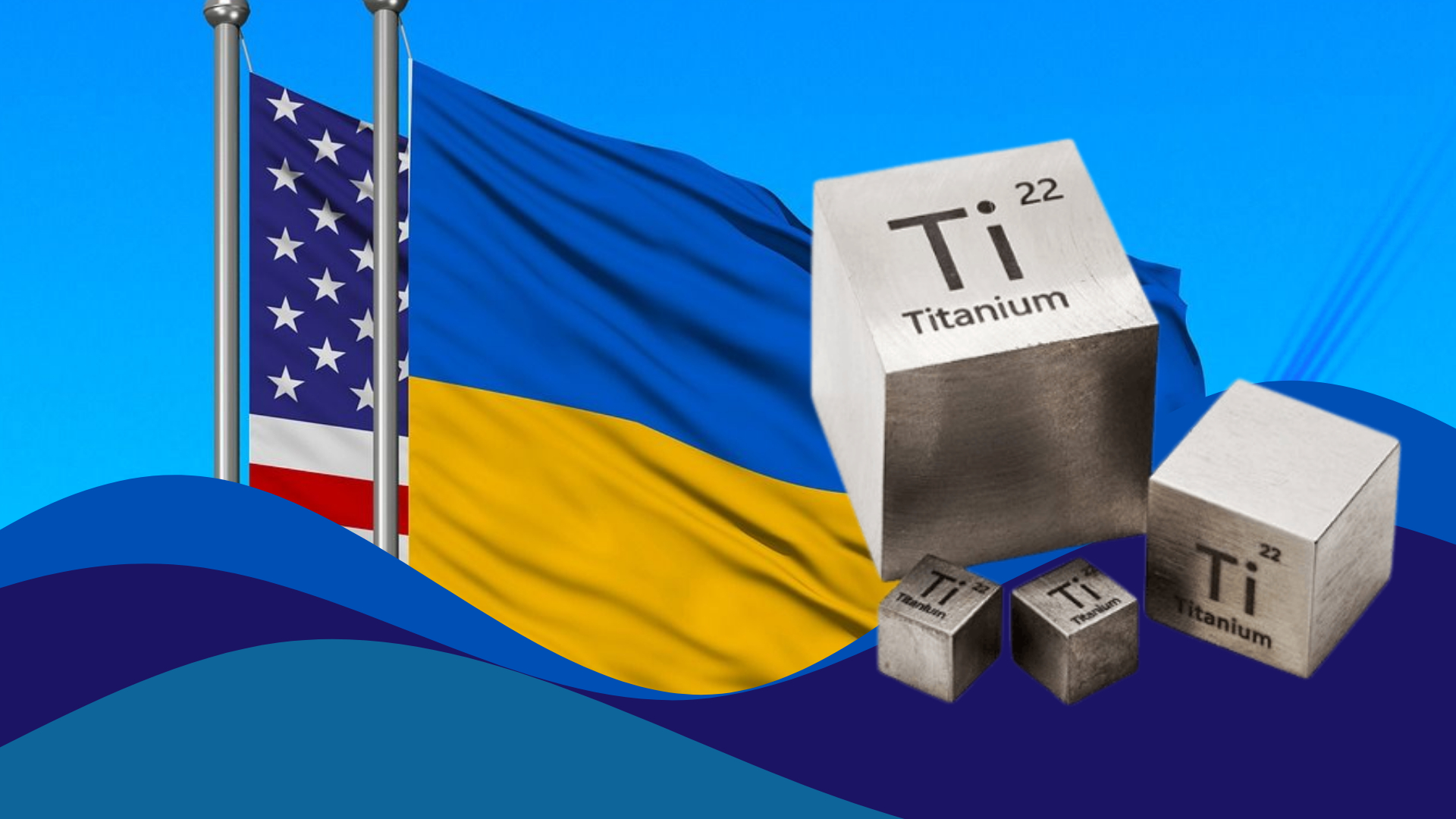
    President Donald Trump proposed on Monday that Ukraine compensate the United States for its substantial financial support in the ongoing conflict with Russia by supplying rare earth minerals, a critical resource for advanced technologies.

    Speaking to reporters at the White House, Trump emphasized the potential for an “equalisation” deal, referencing the nearly $300 billion in aid the United States has provided to Ukraine. “We’re telling Ukraine they have very valuable rare earths,” Trump stated. “We’re looking to do a deal with Ukraine where they’re going to secure what we’re giving them with their rare earths and other things.”

    The proposal highlights the strategic importance of rare earth minerals, a group of 17 metals essential for manufacturing electronics, electric vehicles, and other high-tech products. These minerals are crucial for power generation and motion technologies, with no known substitutes.

    While Trump did not specify exactly which minerals he was referencing, Ukraine does possess significant deposits of uranium, lithium, and titanium. However, the country is not considered a top-five global producer of these resources.

    The United States currently has limited rare earth mineral production, with only one operating mine and minimal processing capacity. In contrast, China dominates the global market for these critical minerals.

    The US Geological Survey identifies 50 minerals as critical for the country’s economic and national defense interests, including various rare earths, nickel, and lithium.

    The feasibility and potential diplomatic implications of Trump’s proposed mineral-for-aid exchange remain unclear, and further details have not been provided.

  • European Metals Industry Calls for Urgent Action Plan to Safeguard Strategic Sector

    European Metals Industry Calls for Urgent Action Plan to Safeguard Strategic Sector

    The European non-ferrous metals industry has issued an urgent call for a comprehensive Metals Action Plan to secure the sector’s future and enable Europe’s green and digital transitions.

    In a position paper released this week, industry association Eurometaux outlined key priorities for policymakers to address, warning that Europe’s capacity to produce critical metals is diminishing at an alarming rate. Since 2020, twenty aluminium, silicon and zinc facilities have closed across the continent.

    “Without non-ferrous metals made in Europe, we will not have the strategic autonomy needed for renewable energy, digitalisation and defence,” said a Eurometaux spokesperson. “Urgent action is required to rebuild our industry’s competitiveness.”

    The association is calling for:

    • Unburdened market access for European metals
    • An energy policy providing affordable, clean power
    • Measures to boost global competitiveness and support transformation
    • Secure access to raw materials from primary and secondary sources
    • A trade policy safeguarding against unfair practices
    • Social policies to maintain high-quality industrial jobs

    Eurometaux states that 10 new mines, 15 new processing facilities and 15 new recycling plants for non-ferrous metals are needed by 2030 to meet Critical Raw Materials Act objectives. The group also emphasises the need for 112 TWh of additional affordable, decarbonised electricity by 2030.

    With the European Commission expected to launch a Metals Action Plan in the coming months, industry leaders stress that the time for decisive policy action is now. They warn that without intervention, Europe risks losing its metals industrial base and becoming dangerously reliant on imports for materials critical to economic and national security.

  • Ukraine: A Potential Key Player in the Global Critical Raw Materials Race?

    Ukraine: A Potential Key Player in the Global Critical Raw Materials Race?

    In a recent statement, U.S. Secretary of State Marco Rubio provided a clear outlook on the future of American policy regarding critical raw materials. As global supply chains for these materials continue to shift, Ukraine’s vast reserves of key minerals could play a pivotal role in reshaping the global balance of power, particularly in the ongoing confrontation between the U.S. and China.

    Rubio highlighted several critical materials essential for advanced technology, renewable energy, and national security, including neodymium, dysprosium, lithium, cobalt, nickel, and titanium. Remarkably, Ukraine is home to abundant reserves of these very materials—and more. With its substantial deposits of germanium and gallium, Ukraine is positioned to be a critical player in the global supply of strategic resources.

    A Treasure Trove of Critical Materials

    • Titanium Ore (Ilmenite): Ukraine ranks 11th in the world for ilmenite reserves, found in the Irshanske, Byrzulivske, and Malyshevske deposits across the Zhytomyr, Kirovohrad, and Dnipropetrovsk regions. Titanium is vital for aerospace, defense, and high-tech manufacturing.
    • Lithium: As a key component in batteries, particularly for electric vehicles and renewable energy storage, Ukraine holds 1% of the world’s lithium reserves—equivalent to 30% of Europe’s supply. Major deposits can be found in Polokhivske (Kirovohrad region) and Balka Kruta (Zaporizhzhia region). The strategic importance of lithium was recently highlighted by China’s attempts to use the resource as leverage in international relations.
    • Germanium and Gallium: Crucial for electronics and telecommunications, these materials are abundant in Ukraine’s coal and lignite deposits in the Donetsk and Lviv-Volyn basins. Before the full-scale war, Ukraine was the world’s third-largest exporter of germanium, although exports have been halted due to the ongoing conflict. Ukraine’s reserves of these rare metals remain a critical asset for global tech industries.
    • Rare Earth Elements (Neodymium and Dysprosium): Located in the Zhytomyr region, these elements are indispensable in the production of magnets for electric vehicles, wind turbines, and high-tech equipment.
    • Nickel and Cobalt: Essential for battery production, Ukraine’s nickel and cobalt reserves are also noteworthy, found in deposits like Devladivske (Dnipropetrovsk region), Lypovenkivske (Kirovohrad region), and Dereniukhivske (Mykolaiv region). While the reserves are smaller compared to other countries, they still contribute to Ukraine’s strategic importance.
    • Manganese and Iron: Ukraine is a major global player in manganese and iron ore production, with significant deposits in the Nikopol Manganese Basin and the Kryvyi Rih Iron Ore Deposit. These resources are fundamental to the global steel and metallurgy industries.

    Ukraine’s Growing Role in Global Supply Chains

    As the global supply chain for critical raw materials becomes increasingly volatile, especially with rising tensions between the U.S. and China, Ukraine has the potential to become a key partner for the U.S. in securing access to these vital resources. With its diverse array of minerals and metals, the country offers not only essential raw materials but also strategic geopolitical leverage in a rapidly changing world order.

    The country’s natural resources, coupled with its strategic location in Europe, make it a valuable partner for countries looking to diversify their supply chains and reduce reliance on China.

    By prioritising partnerships with the U.S. and other nations, Ukraine can play a pivotal role in shaping the future of critical materials and ensure its place as a key player in the global economy.

    The Road Ahead

    The ongoing geopolitical shifts present an opportunity for Ukraine to position itself as a leading supplier of critical materials. With strategic investments in its mining and extraction sectors, Ukraine can not only boost its economy but also secure its place in the new global order. Now more than ever, the world needs Ukraine’s resources, and Ukraine is ready to take center stage.

  • Sweden’s LKAB Aims to Meet 18% of Europe’s Rare Earth Needs with Per Geijer Mine

    Sweden’s LKAB Aims to Meet 18% of Europe’s Rare Earth Needs with Per Geijer Mine

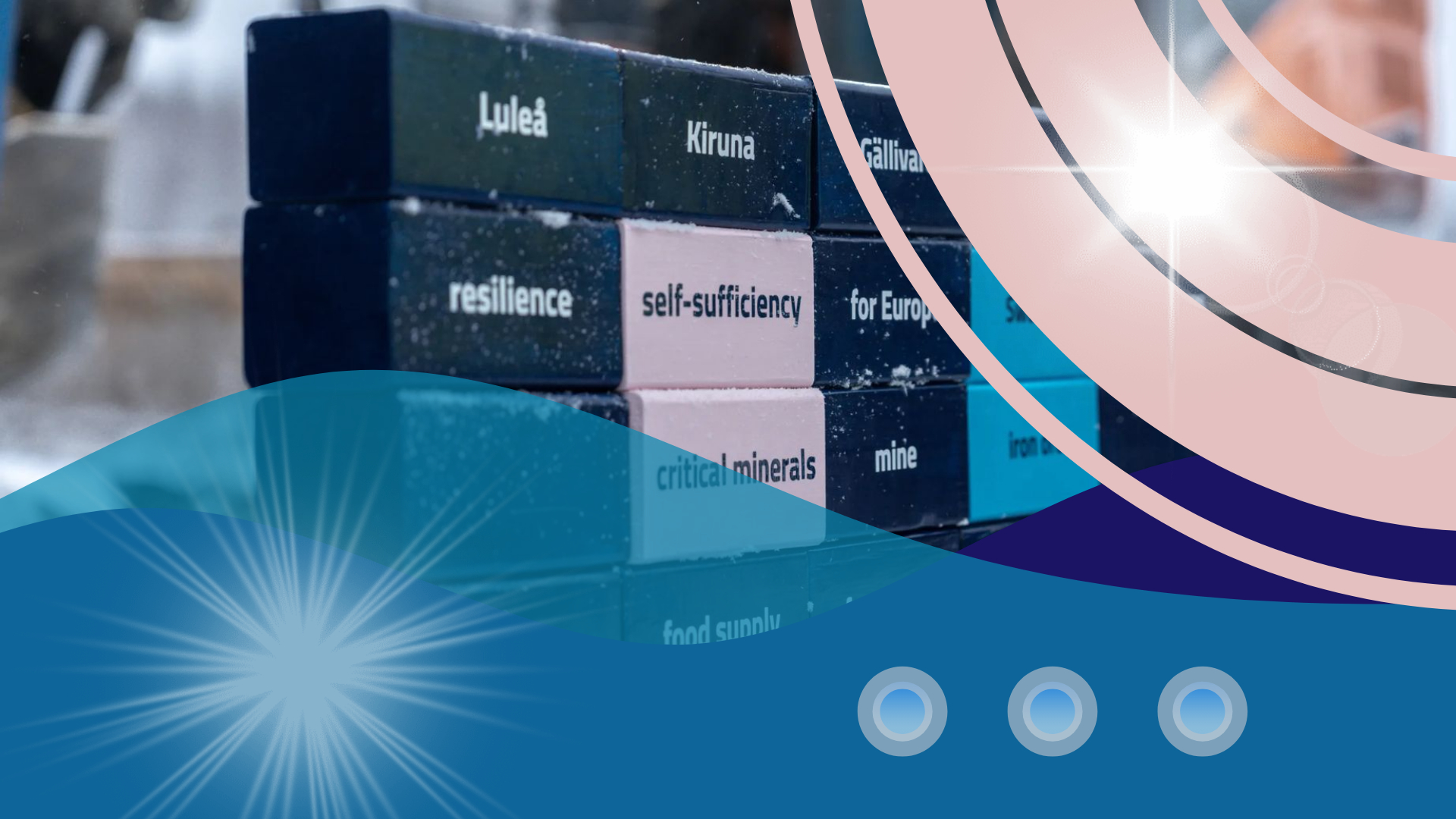
    Swedish state-owned mining company LKAB has announced it could fulfil approximately 18% of Europe’s rare earth requirements through its Per Geijer mine in the Arctic north, whilst breaking ground on a new processing facility.

    The firm commenced construction of an £62 million processing plant in Lulea, northern Sweden, which will transform mining waste into rare earth concentrate, phosphoric acid for fertiliser production, and gypsum.

    Darren Wilson, senior vice president of LKAB’s special products division, outlined the company’s ambitious plans: “Our initial phase will meet roughly 6% of European phosphate demand and 2.5% of rare earth requirements. Upon full expansion and development of Per Geijer, we anticipate meeting approximately 18% of rare earth demand”.

    The Lulea facility will initially process waste from LKAB’s existing Malmberget mine, with commercial operations expected to commence in late 2029 or early 2030. The facility’s development will proceed independently of the Per Geijer project, which boasts resources of approximately 1.7 million tonnes of rare earth oxides but requires additional regulatory approvals before mining can begin.

    Rare earth elements, comprising 17 crucial metals, are essential components in various products ranging from lasers to iPhones and green technologies vital for achieving Europe’s climate objectives. Their strategic importance has been heightened by growing trade tensions with China, the ongoing conflict in Ukraine, and increased focus on securing critical mineral supplies.

    The development aligns with the EU’s Critical Raw Materials Act, adopted in 2023, which aims to reduce the bloc’s dependence on foreign sources for vital minerals such as neodymium, dysprosium and praseodymium – essential components in permanent magnets used in wind turbines and electric motors.

    Whilst LKAB has submitted an application for processing rights at Per Geijer, the project still requires environmental permits and additional regulatory clearances before commercial operations can commence, a process that could take up to a decade.

  • European Lithium: Advancing Lithium and Rare Earth Projects with Saudi Collaboration

    European Lithium: Advancing Lithium and Rare Earth Projects with Saudi Collaboration

    European Lithium forges ahead with lithium and rare earth projects in tandem with a Saudi Arabian lithium refinery.

    European Lithium Ltd has made significant strides over the last quarter, advancing its lithium projects in Austria and Ireland, a rare earth project in Greenland, and a lithium refinery initiative in Saudi Arabia.

    The company has also appointed George Karageorge as the new Executive General Manager of Exploration. Additionally, European Lithium received confirmation from the Carinthian state government that an Environmental Impact Assessment (EIA) will not be required for the Wolfsberg Lithium Project. Furthermore, the company has completed technical studies and planning for an energy supply corridor in Austria.

    Leinster Lithium Project Acquisition in Ireland

    In November last year, European Lithium completed the acquisition of the Leinster Lithium Project in Ireland from Technology Metals plc (TM1). The transaction involved the transfer of 1,371,742 shares in 74%-owned subsidiary Critical Metals Corp (NASDAQ: CRML) to LRH Resources Limited, a subsidiary of TM1. The acquired project lies within the East Carlow Deformation Zone, a key structural trend associated with lithium-bearing pegmatite deposits.

    Currently in the early exploration phase, the Leinster Project has identified spodumene-bearing pegmatites in surface material and conducted drilling in 2023. The company plans further exploration in Q2 2025, starting with sampling and drilling across key target areas.

    Wolfsberg Lithium Project in Austria

    European Lithium’s Wolfsberg Lithium Project received confirmation from the Carinthian state government that an EIA will not be required, expediting the project’s development by simplifying regulatory approvals. The Wolfsberg Project has a long-term supply agreement with BMW AG for the delivery of battery-grade lithium hydroxide. Additionally, the project has completed planning for an energy supply corridor in collaboration with Austrian energy provider KELAG, with construction expected to begin in the first half of 2025.

    Tanbreez Rare Earths Project in Greenland

    EUR subsidiary Critical Metals Corp continued exploration work at the Tanbreez Rare Earths Project in Greenland. The company completed a 16-hole diamond drilling programme, with initial results confirming high-grade rare earth elements. Assays show an average of 4,722.51 ppm total rare earth oxides (TREO), with 26.96% classified as heavy rare earth oxides (HREO). Additional results include 101.67 ppm gallium oxide (Ga₂O₃), 1,852.22 ppm niobium pentoxide (Nb₂O₅), and 130.92 ppm tantalum pentoxide (Ta₂O). Geological studies have identified four high-grade mineralisation zones within the deposit, with potential to increase future production capacity. The Greenland government has extended certain deadlines under the Tanbreez Project’s exploitation licence, requiring mining operations to commence by 2028.

    Saudi Arabia Lithium Refinery Development

    European Lithium is advancing plans for a lithium refinery in Saudi Arabia through Arabian New Energy Corp, a joint venture with Obeikan Investment Group. Hatch Ltd, a global engineering firm, has been appointed to design the facility, which is expected to produce up to 20,000 metric tons of battery-grade lithium hydroxide per year. Representatives from Critical Metals Corp and Obeikan Investment Group visited two lithium hydroxide plants in China in December 2024 to gain technical insights into refinery operations.

    Additional Exploration Activities

    European Lithium is also progressing additional exploration projects:

    • Austrian Lithium Projects: Geological mapping and sampling continue at the Bretstein-Lachtal, Klementkogel, and Wildbachgraben projects. Three drill holes, totalling approximately 220 metres, are planned near Quarry Ebner.
    • Western Australia: Exploration licence E47/4144 is advancing through the regulatory application process under the WA Mining Act.
    • Ukraine: The company is monitoring the geopolitical situation and has paused fieldwork at its Dobra and Shevchenkivske lithium projects.

    As of 29 January 2025, European Lithium holds more than 66.4 million shares in Critical Metals Corp. Based on a closing price of US$8.07 per share, this investment is valued at approximately US$535.98 million (A$857.57 million).
  • From Black Gold to Black Diamonds: Upper Silesia’s Coal Legacy

    From Black Gold to Black Diamonds: Upper Silesia’s Coal Legacy

    Situated in Southern Poland, Upper Silesia is steeped in hundreds of years of mining tradition. The region’s old workers’ neighbourhoods, through their architecture and use of local motifs, serve as a reminder to locals and visitors alike of a time when men worked arm in arm with machines, and when Upper Silesia functioned as the industrial heartland of Europe.

    More than 300 years ago, people travelled from across the country and beyond to access the so-called “black gold” found in Upper Silesia. Beneath this rugged exterior, however, lies a rich cultural history with roots stretching back centuries. The region boasts its own dialect, which was banned for many years in Poland but survives to this day. It also has a tangible material dimension in coal, which is being repurposed in modern times.

    As folklore revival gains popularity in Poland, coal has become a commodity of a different quality. Mined in Upper Silesia since the 17th century, coal played a crucial role not only in the Polish economy but also for the entire European continent. Today, it is being transformed into jewellery as a symbolic tribute to the land from which it came.

    In Katowice, the capital of Upper Silesia, several workshops are turning coal into a new type of precious commodity: delicate, hand-crafted jewellery. One such brand is I Coal You, owned and operated by Katarzyna Depa, who has deep ties to the region. Depa explains that coal jewellery symbolises mining hardships and carries significant sentimental value. Her clients include not only visitors seeking unique souvenirs but also locals who view the crafts as a way to represent their culture.

    While the trend of making jewellery from coal is relatively modern, it has deeper roots in Upper Silesian tradition. The first coal beads appeared in the region in the 19th century, made by miners as gifts for their wives and girlfriends. These simple decorative forms were quick but thoughtful presents.

    Coal jewellery has become a symbol of the region’s ties to its mining heritage. It represents the work ethic and respect associated with the industry that sustained Upper Silesia for generations. As Depa notes, “This respect for this raw material, which Upper Silesia fed itself and all of Poland with, is what it’s all about.”

    The transformation of coal into jewellery also serves as a reminder of the physical and cultural landscape shaped by the mining industry. Each piece of coal jewellery is unique, reflecting the distinctiveness of the material itself. This artform brings respect to work that is often undervalued and allows people to appreciate the region’s industrial heritage.

    In recent years, Upper Silesia has seen a resurgence of local pride and cultural expression. The once-banned Silesian dialect now appears on tote bags and shop signs. Statues of local folkloric figures adorn streets, and artists depict the mining landscape in their work. Even as coal extraction has diminished, the material remains a permanent feature of the Silesian identity.

    As Depa poignantly states, “Polish highlanders wear coral beads from Italy, there are pieces of turquoise from Turkish wars in the Wawel treasury, and amber comes from the sea. But we have coal here and now, we can dig it up. And that’s probably the most beautiful thing about it. Besides, coal is simply beautiful as a stone.”

    This transformation of coal into jewellery symbolises Upper Silesia’s ability to honour its past while embracing new forms of cultural expression and economic activity. It represents a unique way of preserving the region’s heritage and identity in a changing world.

  • Canadian Gold Miner Files Technical Report for Serbian Project

    Canadian Gold Miner Files Technical Report for Serbian Project

    TORONTO, 31 January 2025 – Dundee Precious Metals Inc. (TSX: DPM), a leading Canadian-based international gold mining company, has announced the filing of a technical report for its Čoka Rakita gold project in Serbia. The report supports the Mineral Resource and Mineral Reserve estimate and pre-feasibility study for Čoka Rakita, as outlined in the company’s news release dated 18 December 2024.

    The technical report has been prepared in accordance with the Canadian Securities Administrator’s National Instrument 43-101 – Standards of Disclosure for Mineral Projects. Both the report and the December 2024 news release are accessible on SEDAR+ (www.sedarplus.ca) and the company’s website (www.dundeeprecious.com).

  • Ukraine’s President Extends Moratorium on State Mine Bankruptcies Through 2026

    Ukraine’s President Extends Moratorium on State Mine Bankruptcies Through 2026

    President Volodymyr Zelenskyi has signed legislation extending protections for state-owned mines in Ukraine, preventing their bankruptcy through January 1, 2026. The measure aims to preserve critical energy infrastructure during challenging times.

    The legislation, formally known as Bill No. 12220 “On some amendments to laws of Ukraine on restoration of solvency of certain state enterprises in critical condition in the sphere of energy,” received presidential approval on 29 January 2025, following its passage by the Verkhovna Rada on 14 January 20205.

    This protective measure specifically targets state enterprises in the energy sector that are experiencing financial difficulties, implementing a moratorium on bankruptcy proceedings. The law represents a strategic move to maintain stability in Ukraine’s energy sector by preventing the liquidation of state-owned mining operations.

    The extension of the moratorium underscores the government’s commitment to preserving its domestic energy production capabilities and protecting strategic state assets during a period of significant challenges for the country’s industrial sector.