Website: Europe.com

  • Ukraine’s Critical Materials Sector: Challenges and Investment Potential

    Ukraine’s Critical Materials Sector: Challenges and Investment Potential

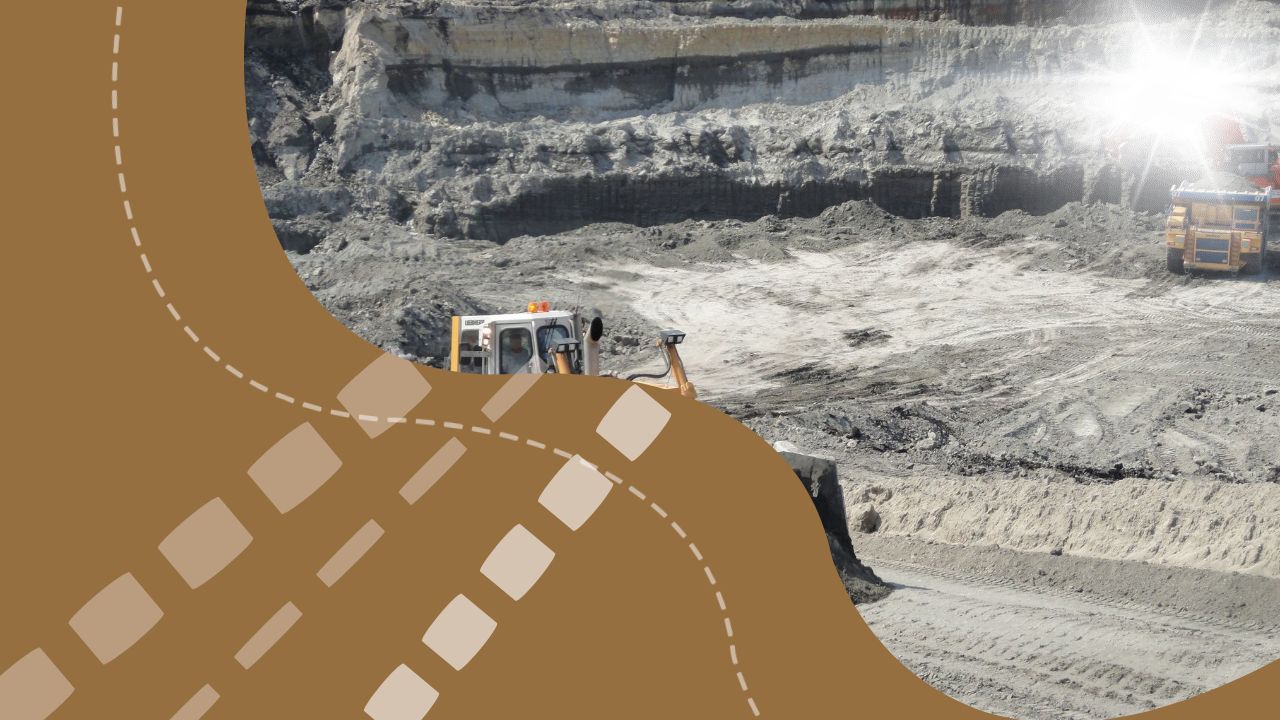
    Ukraine’s critical materials sector was the focus of the “Strategic Resources of Ukraine” Conference, held within the framework of the Economic Growth Strategy until 2040. The event, developed by Boston Consulting Group in partnership with the We Build Ukraine think tank, assessed investment prospects and key challenges in the industry.

    The metals and mining industry remains a cornerstone of Ukraine’s economy, contributing 6.1% to GDP and 30% of total exports (as of 2021). Despite the country’s vast reserves and historically low-cost structure, the industry faces asset losses, infrastructure damage, and labor shortages due to the ongoing war. Ferrous metals mining, concentrated in the Kryvyi Rih basin, remains largely under Ukrainian control, while non-ferrous materials, including precious metals and rare earth elements, are crucial for sectoral growth. However, the war has shifted export dynamics, increasing dependence on raw ore exports and leading to profitability declines and logistical challenges.

    Globally, the demand for critical raw materials is intensifying, driven by their essential role in industrial production, technological development, and renewable energy. However, supply chains face high geographic concentration, long project development timelines, declining resource quality, environmental concerns, and climate risks.

    Investment in Ukraine’s mining sector is hindered by multiple barriers:

    • State policy gaps, including the lack of an updated critical materials strategy and an outdated mineral classification system.
    • Institutional shortcomings, such as fragmented geological data, secrecy in resource information, and complex land acquisition procedures.
    • Limited state support, with no fiscal incentives, war risk insurance, or export assistance for mineral companies.

    Despite these obstacles, Ukraine has significant potential to attract international investment in critical raw materials extraction, processing, and exports. The country must develop a long-term strategy to leverage its mineral wealth, strengthen economic independence, and accelerate green energy transition.

  • A bizarre mining business’s fake audit reveals the potential for fraudsters at Companies House

    A bizarre mining business’s fake audit reveals the potential for fraudsters at Companies House

    A multibillion-pound mining firm, Gofer Mining plc, has been exposed as a firm with a fake audit and a true threat to tax fraud in the UK.

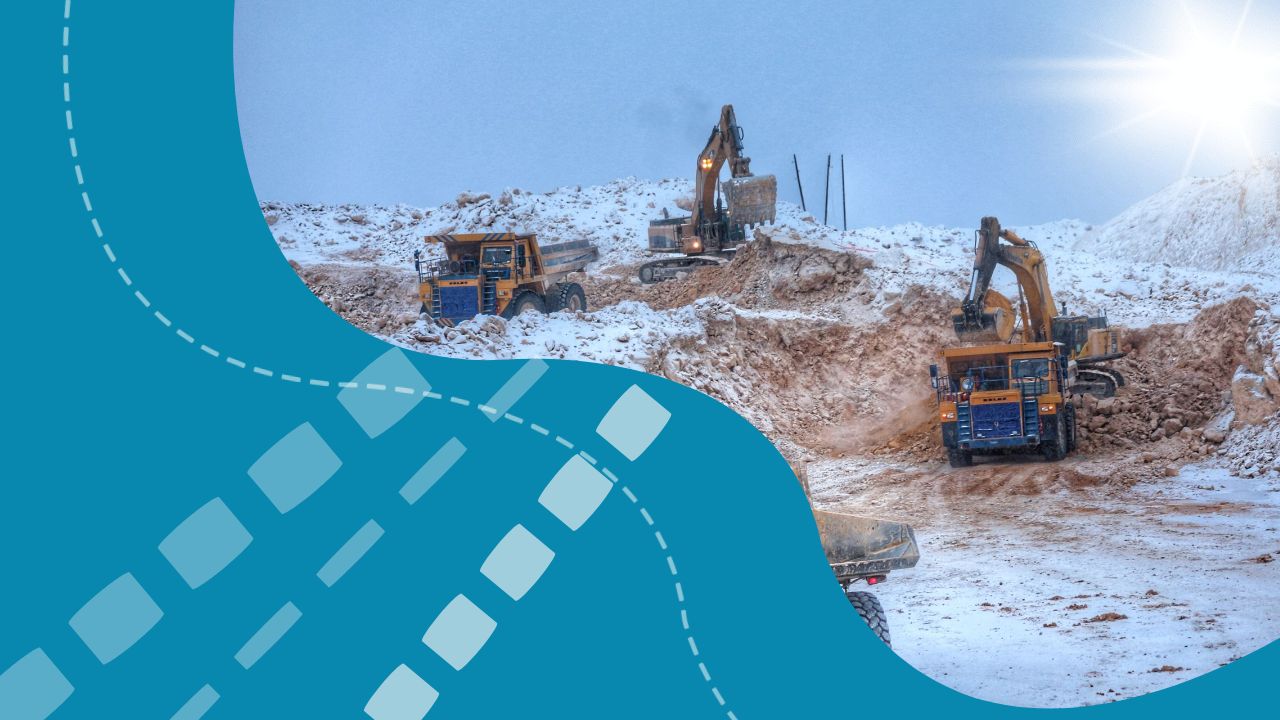
    At first glance, Gofer Mining appears to be just another large corporation, with its headquarters located in Canary Wharf and interests in mining in various parts of the world, including Greece, Congo, Kenya, Greenland, Tibet and Ukraine. However, a closer inspection reveals the company’s true colors – it has not filed accounts for several years, and its director, the “Duke of Commonwealth,” appears to have declared his own country, the Union State of British Commonwealth.

    According to the company’s account files, Gofer Mining has nearly 4,000 employees and has issued over 10 million passports in its new country. Gofer Mining’s involvement in a high-stakes attempt to seize control of a Ukrainian goldmine in 2020 highlights concerns over weak checks and a lack of enforcement at Companies House, the UK’s official register of companies.

    Investigations conducted by Dan Neidle, a former senior tax lawyer and founder of the Tax Policy Associates thinktank, have revealed evidence suggesting that Gofer Mining’s accounts have been falsified. Further concerns arise from Neidle’s findings that Gofer Mining was audited by a firm linked to its own director, Michail Roerich, rather than an independent auditor. There is no evidence of the named auditor, accounting firm Smith Barclay LLP, and its address is completely fake.

    Gofer Mining has a complex network of other companies associated with it, collectively claiming to have billions of assets on their balance sheets or tied up in shares. Furthermore, the firm has a past association with the now-defunct British Technology Bank, which claimed to be part-owned by the Bank of England.

    Roerich denied any involvement in falsifying the company’s accounts and instead stated that the company was being exploited by criminals. However, an investigation by The Observer found that the company’s Auditor, James Whitelaw, has no trace and the named accountancy firm, Smith Barclay LLP, was actually an offshoot of his partner, Roerich’s, current employer. Moreover, a warning notice from the FCA has also noted non-autorisation. Gofer Mining remains active despite prompt action being urged.

    The case highlights concerns over weak checks and a lack of enforcement at Companies House and questions around the veracity of audited accounts in the UK. Neidle stated that the UK is a “business centre” that fraudsters find particularly vulnerable and allured by Companies House’s access, independence, and reputation. Therefore, improvements are necessary to prevent fake auditors and document arrangements. Campaigners including Dan Neidle, warn that Companies House should not leave loopholes like loopholes against fraudulent entities.

    In response to the allegations, Companies House stated that they take fraud allegations seriously and that they are developing systems and processes to determine the accuracy of information.

  • Sixteen Finnish Projects Apply for EU Strategic Status Under Critical Raw Materials Act

    Sixteen Finnish Projects Apply for EU Strategic Status Under Critical Raw Materials Act

    Sixteen projects in Finland have applied for strategic project status under the European Union’s Critical Raw Materials Act, aiming to strengthen Europe’s raw material production and reduce external dependencies. The European Commission will review the applications and decide on the strategic designation by March 2025.

    On January 23, 2025, the Finnish Government confirmed that it would not exercise its national right to object to any of the applications. While the European Commission consults with Member States before making its final decision, the Finnish authorities have chosen to support all submitted projects.

    The Critical Raw Materials Act is a key component of the EU’s strategy to secure essential resources for industries such as renewable energy, battery production, and advanced technologies. Strategic project status grants selected projects regulatory advantages, faster permitting, and potential financial support to accelerate development.

    Due to confidentiality rules under the Act on the Openness of Government Activities, specific details about the applicants remain undisclosed during the evaluation process. However, the final list of approved strategic projects is expected to be published following the Commission’s decision in March.

  • Ukraine’s Critical Materials Sector: Challenges and Investment Opportunities

    Ukraine’s Critical Materials Sector: Challenges and Investment Opportunities

    Ukraine’s critical materials sector is at a crossroads as industry experts and policymakers seek solutions to investment barriers and economic growth challenges. The recent conference, Strategic Resources of Ukraine: Scenarios for the Development of the Subsoil Use Industry, held as part of the Economic Growth Strategy of Ukraine until 2040, outlined key issues and opportunities in the mining sector. The event was organized in collaboration with the Boston Consulting Group and the think tank We Build Ukraine.

    Ukraine’s mining industry, a major contributor to GDP and exports, is facing significant obstacles, including asset losses, supply disruptions, and infrastructure damage due to the ongoing conflict. While the Kryvyi Rih basin remains under Ukrainian control, non-ferrous metals, including rare earth elements and precious metals, present potential growth areas. However, challenges such as outdated geological data, a lack of strategic policies, and complex land acquisition processes hinder investment.

    On a global scale, access to critical raw materials is essential for industries, technological progress, and renewable energy development. However, risks such as high geographic concentration of production, lengthy project development times, and environmental concerns contribute to market volatility.

    To attract investors, Ukraine must address several barriers, including the absence of a clear state policy on critical materials, outdated classification systems, and limited support for businesses seeking mining rights. Additionally, the country lacks fiscal incentives, export support, and mechanisms to insure against war-related risks.

    Despite these challenges, Ukraine remains an attractive destination for investment in critical raw materials. By creating economic clusters and strengthening policies, the country can enhance its economic resilience, improve energy independence, and attract international investors. A strategic approach to resource development could unlock Ukraine’s vast raw material potential, contributing to long-term economic stability.

  • Aurubis Reports Strong Q1 Earnings Driven by High Metal Prices and Copper Demand

    Aurubis Reports Strong Q1 Earnings Driven by High Metal Prices and Copper Demand

    Aurubis, Europe’s largest copper producer, posted stronger-than-expected first-quarter earnings, fueled by rising metal prices, strong copper product sales, and increased revenue from sulphuric acid. The company also benefited from lower costs, contributing to a 17% year-on-year rise in pre-tax earnings to €130 million ($135 million), surpassing analyst estimates of €126 million.

    CFO Steffen Hoffmann highlighted the growing demand for sulphuric acid, widely used in fertilizers and the chemical industry, which is helping offset declining refining fees for copper concentrate. Analysts predict a sharp drop in benchmark refining fees from $80 per tonne to around $20–$25 in 2025, posing a challenge for smelters like Aurubis.

    Despite concerns over potential U.S. tariffs, Hoffmann reaffirmed the company’s strategic focus on local production. Aurubis is expanding its recycling plant in Georgia, adding a second module that will increase blister copper output from 35 to 75 kilotonnes.

    The Hamburg-based company, which recycles raw materials into copper anodes, cathodes, and wire rods, expects the artificial intelligence (AI) boom to drive further demand for its wire rod products, a crucial component in data centers.

    Aurubis confirmed its full-year outlook, maintaining confidence in sustained demand and strategic expansion.

  • Savannah Resources Halts Lithium Prospecting in Portugal Amid Landowner Injunction

    Savannah Resources Halts Lithium Prospecting in Portugal Amid Landowner Injunction

    London-based Savannah Resources has suspended exploration work at certain sites of its lithium project in northern Portugal following a legal injunction filed by local landowners. The injunction, issued by the Mirandela Administrative Court, challenges the Portuguese government’s decision to grant the company access to privately owned land for prospecting activities.

    The ruling only affects areas not owned by Savannah, but it has forced the company to temporarily halt operations that had been ongoing for the past two months. Savannah acknowledged the legal challenge, stating that it had anticipated the move and is handling the process with “serenity.”

    The Barroso lithium deposit, which Savannah is developing, is considered one of Europe’s most significant sources of spodumene, a key mineral for battery production. Recent prospecting results indicate that the deposit may exceed the previously estimated 28 million metric tons of high-grade lithium. The company aims to begin commercial production in 2027.

    To develop its four-mine project, Savannah requires approximately 840 hectares of land. Currently, the company controls only a fraction of this area, with private owners holding 24% and communal lands making up 75%. In December, the Portuguese government granted Savannah temporary access to over 520 hectares of non-owned land for a one-year period.

    The project has faced opposition from local communities and environmental groups, raising broader concerns about the European Union’s strategy to secure domestic sources of critical raw materials and reduce reliance on China. Despite the setback, Savannah remains confident in resuming work soon, stating that it has dealt with similar legal challenges in the past.

  • Ukraine’s Steel Industry Faces Crisis After Closure of Last Coking Coal Mine

    Ukraine’s Steel Industry Faces Crisis After Closure of Last Coking Coal Mine

    Ukraine’s steel producers are scrambling for alternatives after the country’s last operating coking coal mine in Pokrovsk shut down on Jan. 13. Metinvest Group, the mine’s owner, halted operations and evacuated workers as Russian forces advanced on the Donetsk Oblast town.

    The Pokrovsk mine, valued at around $1.8 billion before the war, was the last Ukrainian-controlled source of coking coal, a critical raw material for steelmaking. With its closure, domestic steel producers must now rely on costly imports, threatening Ukraine’s global competitiveness in the industry.

    “To produce 7.5 million metric tons of steel in 2024, we would need to import 1.9 million tons of coal. We have doubts whether such quantities can be secured, and import costs will further strain steelmakers,” said Oleksandr Kalenkov, head of Ukraine’s steelmakers’ association.

    Once a global top-10 steel producer, Ukraine has slipped below 20th place since Russia’s full-scale invasion. Annual coke production plummeted from 23.7 million tons in 2013 to just 2.7 million tons in 2023, reflecting the loss of key production sites in occupied territories.

    With no immediate domestic alternative, steelmakers, including Metinvest and ArcelorMittal Kryvyi Rih, will turn to imports from Poland, Australia, and the U.S. However, the added costs—estimated at $50 per ton for Australian coking coal—will raise steel production expenses by 11%, squeezing already thin profit margins.

    Before the war, the Pokrovsk mine supplied 66% of Ukraine’s steel industry with coking coal. Finding a replacement will require nearly 3 million tons of imports, but logistical and economic challenges loom large. Poland, the primary source of Ukraine’s coke imports (85% in 2024), has limited export capacity. Meanwhile, shipping coal from overseas can take over six weeks.

    Despite the industry’s struggles, steel remains a cornerstone of Ukraine’s economy, contributing 5.7% of GDP in 2023. While production grew 21% last year, forecasts for 2025 suggest a sharp decline. Without Pokrovsk, steel output could drop to as little as 2-3 million tons, potentially cutting 1% off GDP.

    Although global coking coal prices are currently low, Ukraine’s reliance on imports will inflate costs, impacting post-war reconstruction efforts. With domestic mining investments unlikely during wartime, Ukraine may eventually be forced to import steel itself, further increasing reconstruction expenses already estimated at nearly $500 billion.

  • Planning Permission Granted for UK’s Largest Lithium Extraction Facility

    Planning Permission Granted for UK’s Largest Lithium Extraction Facility

    Weardale Lithium, a groundbreaking natural resources development company situated in County Durham, has received unanimous planning permission from Durham County Council to establish the UK’s most extensive lithium extraction facility. The facility is set to produce battery-grade lithium carbonate from geothermal groundwaters and aims to scale up to a commercial production target of minimum 10,000 tonnes per annum.

    Located at the former cement works in Eastgate, Weardale, the facility marks a significant regeneration and redevelopment scheme, bringing the brownfield site back into sustainable use while providing both local and regional economic benefits. The project is aligned with the UK Government’s Critical Minerals Strategy and Battery Strategy and will establish a robust, long-term, and economically viable supply chain of critical minerals.

    Using Direct Lithium Extraction (DLE) technology, lithium will be extracted from geothermal groundwaters in a low-impact, low-carbon, and low-water usage method. Weardale Lithium has already engaged multinational firm KBR Inc. to provide technology licensing and proprietary engineering design for the plant. The proprietary engineering design is based on an integrated technology offering, which has already successfully produced battery-grade lithium carbonate at pilot scale.

    The demonstration plant’s construction will create between 20 and 50 jobs on site, with an additional employment boost in the local construction sector and supply chains. During the commercial phase, Weardale Lithium estimates approximately 125 highly skilled jobs will be created in the region, generating around £1 billion Gross Value Added (GVA) for the North East.

    The approved planning application represents a multi-million-pound investment in the local and regional economy, with the facility set to produce battery-grade lithium carbonate using renewable energy sources and a proven end-to-end process. The company’s goal is to make a significant contribution to the transition to a carbon-zero economy in the UK.

    Weardale Lithium is committed to sustainability and environmental responsibility, ensuring the extraction of lithium has a lower carbon footprint and higher sustainability credentials (low water consumption and low waste) than other lithium sources. The development is expected to provide national supply resilience and security with a lower environmental impact for electric vehicle and battery energy storage systems.

  • DTEK Energy Introduces New Coal Longwalls to Support Thermal Power Stations

    DTEK Energy Introduces New Coal Longwalls to Support Thermal Power Stations

    DTEK Energy’s coal mining enterprises continue to work on meeting the needs of thermal power plants, especially during the peak of the heating season.

    In January, DTEK Energy put two new coal faces into operation, the first of 2025, the company reported.

    “We must not only think about this heating season but also prepare for the summer peaks in demand and the next winter. We are working as a team—energy specialists, miners, and engineers. We are now introducing coal faces to ensure a stable supply of resources for our thermal power plants,” said DTEK Energy’s CEO, Oleksandr Fomenko.

    In 2024, the company’s investment in Ukrainian coal mining amounted to UAH 7.5 billion. These funds were directed towards the development and repair of major mine workings, equipping coal faces, providing mines with tunnelling equipment, underground mine transport, and projects to support production capacities.

    Previously, it was reported that DTEK would receive €62.8 million from the European Commission and $46.1 million from the US government.


    DTEK Energy ensures a closed cycle of electricity production from coal. As of January 2022, the company’s installed capacity in thermal generation was 13.3 GW. The company has established a full production cycle: coal mining and enrichment, engineering, and maintenance of mining equipment. It is part of the DTEK group, owned by Rinat Akhmetov. Currently, a large part of DTEK group’s thermal generation capacities have been destroyed due to Russian attacks.

  • Ferrexpo shares plummet 51% following $3.8 billion Ukrainian civil claim

    Ferrexpo shares plummet 51% following $3.8 billion Ukrainian civil claim

    Ferrexpo’s shares experienced a sharp decline, falling by as much as 51%, after the company announced that its Ukrainian subsidiary, Ferrexpo Poltava Mining (FPM), is facing a 157 billion Ukrainian hryvnias ($3.8 billion) civil claim in Ukraine. The claim was made due to allegations of illegal mining and the sale of subsoil, which has purportedly caused environmental damage.

    Ferrexpo, a Swiss-based iron ore producer listed in London, faced its most significant intraday drop on record, before recovering some losses to 23%. Previously, in mid-January, Ferrexpo responded to allegations made by the Prosecutor General’s Office of Ukraine against four senior managers of FPM, which concerned suspicions of illegal mining and sale of waste products.

    According to Ferrexpo, these minerals cannot be classified as a separate mineral resource. Furthermore, the company has stated that waste products have been sold for several years, and all activities were consistently inspected by the state. FPM plans to rigorously defend itself in the Ukrainian courts.

    Ferrexpo’s Poltava operation, their largest iron ore mine, is located in central Ukraine. Prior to the Russian invasion of Ukraine in 2022, Ferrexpo PLC was the world’s third-largest exporter of iron ore pellets. This is not the first time Ferrexpo has faced controversy related to its Ukrainian operations, further highlighting the delicate nature of the situation and the potential challenges to overcome.