Website: Europe.com

  • Savannah Resources Halts Lithium Prospecting in Portugal Amid Landowner Injunction

    Savannah Resources Halts Lithium Prospecting in Portugal Amid Landowner Injunction

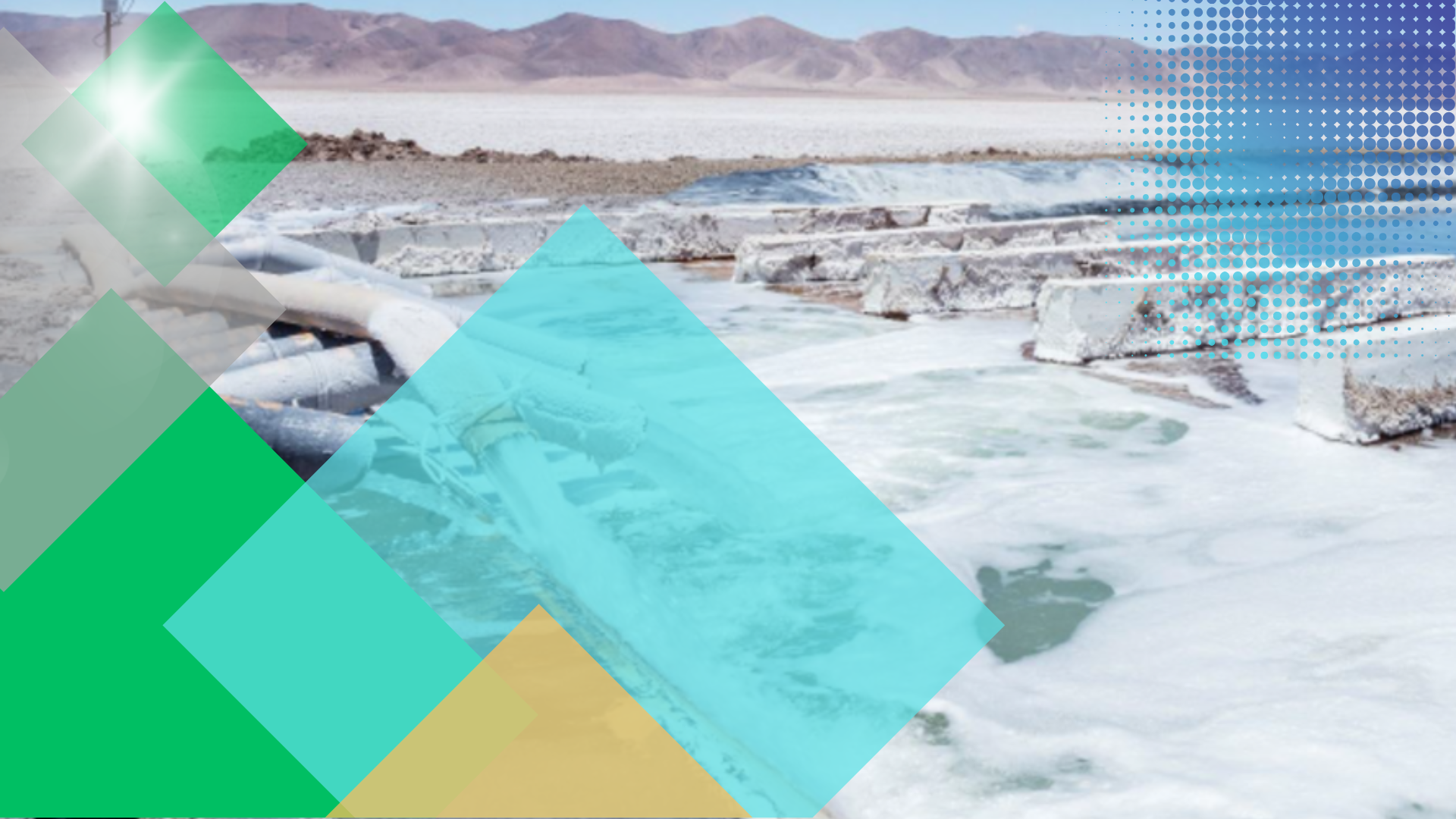
    London-based Savannah Resources has suspended exploration work at certain sites of its lithium project in northern Portugal following a legal injunction filed by local landowners. The injunction, issued by the Mirandela Administrative Court, challenges the Portuguese government’s decision to grant the company access to privately owned land for prospecting activities.

    The ruling only affects areas not owned by Savannah, but it has forced the company to temporarily halt operations that had been ongoing for the past two months. Savannah acknowledged the legal challenge, stating that it had anticipated the move and is handling the process with “serenity.”

    The Barroso lithium deposit, which Savannah is developing, is considered one of Europe’s most significant sources of spodumene, a key mineral for battery production. Recent prospecting results indicate that the deposit may exceed the previously estimated 28 million metric tons of high-grade lithium. The company aims to begin commercial production in 2027.

    To develop its four-mine project, Savannah requires approximately 840 hectares of land. Currently, the company controls only a fraction of this area, with private owners holding 24% and communal lands making up 75%. In December, the Portuguese government granted Savannah temporary access to over 520 hectares of non-owned land for a one-year period.

    The project has faced opposition from local communities and environmental groups, raising broader concerns about the European Union’s strategy to secure domestic sources of critical raw materials and reduce reliance on China. Despite the setback, Savannah remains confident in resuming work soon, stating that it has dealt with similar legal challenges in the past.

  • Ukraine’s Steel Industry Faces Crisis After Closure of Last Coking Coal Mine

    Ukraine’s Steel Industry Faces Crisis After Closure of Last Coking Coal Mine

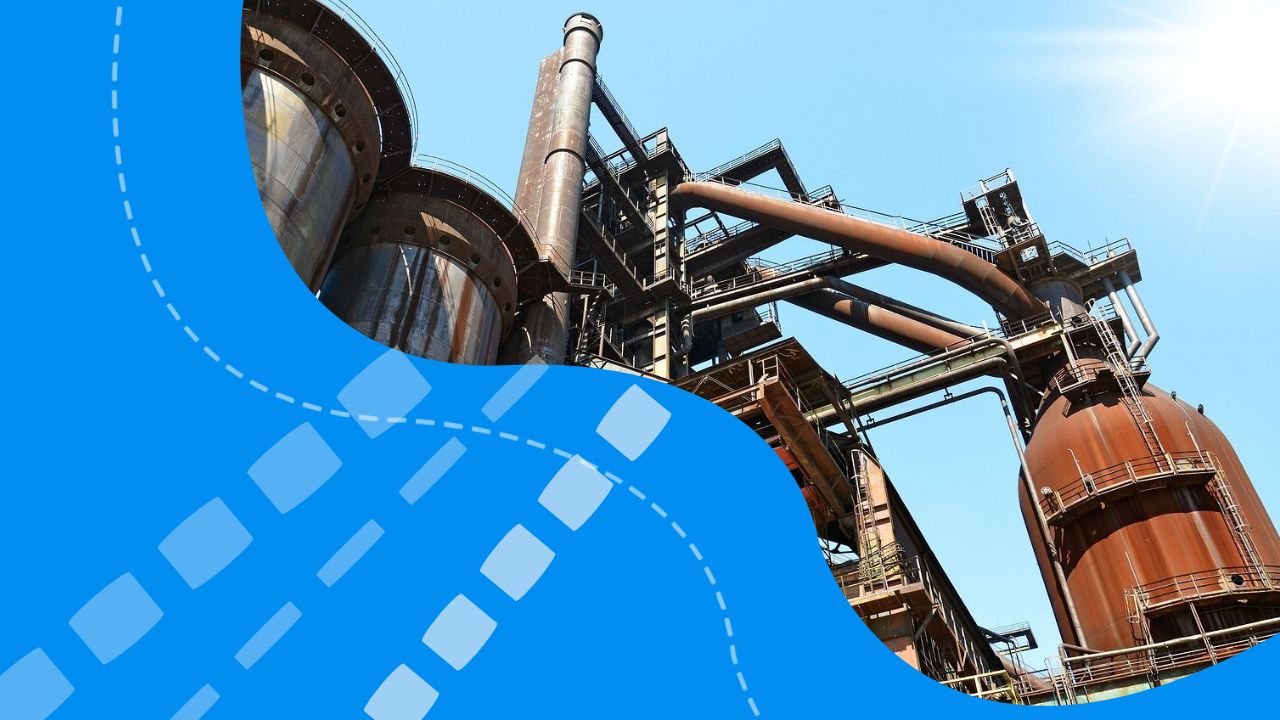
    Ukraine’s steel producers are scrambling for alternatives after the country’s last operating coking coal mine in Pokrovsk shut down on Jan. 13. Metinvest Group, the mine’s owner, halted operations and evacuated workers as Russian forces advanced on the Donetsk Oblast town.

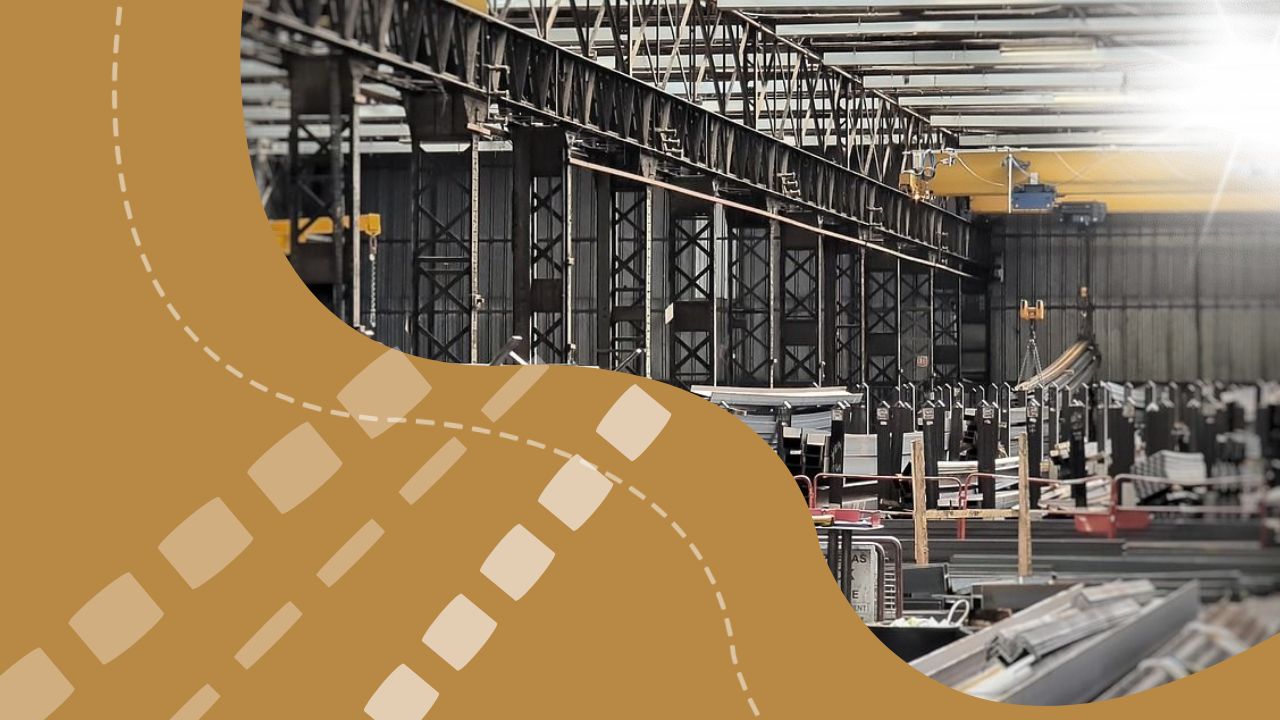
    The Pokrovsk mine, valued at around $1.8 billion before the war, was the last Ukrainian-controlled source of coking coal, a critical raw material for steelmaking. With its closure, domestic steel producers must now rely on costly imports, threatening Ukraine’s global competitiveness in the industry.

    “To produce 7.5 million metric tons of steel in 2024, we would need to import 1.9 million tons of coal. We have doubts whether such quantities can be secured, and import costs will further strain steelmakers,” said Oleksandr Kalenkov, head of Ukraine’s steelmakers’ association.

    Once a global top-10 steel producer, Ukraine has slipped below 20th place since Russia’s full-scale invasion. Annual coke production plummeted from 23.7 million tons in 2013 to just 2.7 million tons in 2023, reflecting the loss of key production sites in occupied territories.

    With no immediate domestic alternative, steelmakers, including Metinvest and ArcelorMittal Kryvyi Rih, will turn to imports from Poland, Australia, and the U.S. However, the added costs—estimated at $50 per ton for Australian coking coal—will raise steel production expenses by 11%, squeezing already thin profit margins.

    Before the war, the Pokrovsk mine supplied 66% of Ukraine’s steel industry with coking coal. Finding a replacement will require nearly 3 million tons of imports, but logistical and economic challenges loom large. Poland, the primary source of Ukraine’s coke imports (85% in 2024), has limited export capacity. Meanwhile, shipping coal from overseas can take over six weeks.

    Despite the industry’s struggles, steel remains a cornerstone of Ukraine’s economy, contributing 5.7% of GDP in 2023. While production grew 21% last year, forecasts for 2025 suggest a sharp decline. Without Pokrovsk, steel output could drop to as little as 2-3 million tons, potentially cutting 1% off GDP.

    Although global coking coal prices are currently low, Ukraine’s reliance on imports will inflate costs, impacting post-war reconstruction efforts. With domestic mining investments unlikely during wartime, Ukraine may eventually be forced to import steel itself, further increasing reconstruction expenses already estimated at nearly $500 billion.

  • Planning Permission Granted for UK’s Largest Lithium Extraction Facility

    Planning Permission Granted for UK’s Largest Lithium Extraction Facility

    Weardale Lithium, a groundbreaking natural resources development company situated in County Durham, has received unanimous planning permission from Durham County Council to establish the UK’s most extensive lithium extraction facility. The facility is set to produce battery-grade lithium carbonate from geothermal groundwaters and aims to scale up to a commercial production target of minimum 10,000 tonnes per annum.

    Located at the former cement works in Eastgate, Weardale, the facility marks a significant regeneration and redevelopment scheme, bringing the brownfield site back into sustainable use while providing both local and regional economic benefits. The project is aligned with the UK Government’s Critical Minerals Strategy and Battery Strategy and will establish a robust, long-term, and economically viable supply chain of critical minerals.

    Using Direct Lithium Extraction (DLE) technology, lithium will be extracted from geothermal groundwaters in a low-impact, low-carbon, and low-water usage method. Weardale Lithium has already engaged multinational firm KBR Inc. to provide technology licensing and proprietary engineering design for the plant. The proprietary engineering design is based on an integrated technology offering, which has already successfully produced battery-grade lithium carbonate at pilot scale.

    The demonstration plant’s construction will create between 20 and 50 jobs on site, with an additional employment boost in the local construction sector and supply chains. During the commercial phase, Weardale Lithium estimates approximately 125 highly skilled jobs will be created in the region, generating around £1 billion Gross Value Added (GVA) for the North East.

    The approved planning application represents a multi-million-pound investment in the local and regional economy, with the facility set to produce battery-grade lithium carbonate using renewable energy sources and a proven end-to-end process. The company’s goal is to make a significant contribution to the transition to a carbon-zero economy in the UK.

    Weardale Lithium is committed to sustainability and environmental responsibility, ensuring the extraction of lithium has a lower carbon footprint and higher sustainability credentials (low water consumption and low waste) than other lithium sources. The development is expected to provide national supply resilience and security with a lower environmental impact for electric vehicle and battery energy storage systems.

  • DTEK Energy Introduces New Coal Longwalls to Support Thermal Power Stations

    DTEK Energy Introduces New Coal Longwalls to Support Thermal Power Stations

    DTEK Energy’s coal mining enterprises continue to work on meeting the needs of thermal power plants, especially during the peak of the heating season.

    In January, DTEK Energy put two new coal faces into operation, the first of 2025, the company reported.

    “We must not only think about this heating season but also prepare for the summer peaks in demand and the next winter. We are working as a team—energy specialists, miners, and engineers. We are now introducing coal faces to ensure a stable supply of resources for our thermal power plants,” said DTEK Energy’s CEO, Oleksandr Fomenko.

    In 2024, the company’s investment in Ukrainian coal mining amounted to UAH 7.5 billion. These funds were directed towards the development and repair of major mine workings, equipping coal faces, providing mines with tunnelling equipment, underground mine transport, and projects to support production capacities.

    Previously, it was reported that DTEK would receive €62.8 million from the European Commission and $46.1 million from the US government.


    DTEK Energy ensures a closed cycle of electricity production from coal. As of January 2022, the company’s installed capacity in thermal generation was 13.3 GW. The company has established a full production cycle: coal mining and enrichment, engineering, and maintenance of mining equipment. It is part of the DTEK group, owned by Rinat Akhmetov. Currently, a large part of DTEK group’s thermal generation capacities have been destroyed due to Russian attacks.

  • Ferrexpo shares plummet 51% following $3.8 billion Ukrainian civil claim

    Ferrexpo shares plummet 51% following $3.8 billion Ukrainian civil claim

    Ferrexpo’s shares experienced a sharp decline, falling by as much as 51%, after the company announced that its Ukrainian subsidiary, Ferrexpo Poltava Mining (FPM), is facing a 157 billion Ukrainian hryvnias ($3.8 billion) civil claim in Ukraine. The claim was made due to allegations of illegal mining and the sale of subsoil, which has purportedly caused environmental damage.

    Ferrexpo, a Swiss-based iron ore producer listed in London, faced its most significant intraday drop on record, before recovering some losses to 23%. Previously, in mid-January, Ferrexpo responded to allegations made by the Prosecutor General’s Office of Ukraine against four senior managers of FPM, which concerned suspicions of illegal mining and sale of waste products.

    According to Ferrexpo, these minerals cannot be classified as a separate mineral resource. Furthermore, the company has stated that waste products have been sold for several years, and all activities were consistently inspected by the state. FPM plans to rigorously defend itself in the Ukrainian courts.

    Ferrexpo’s Poltava operation, their largest iron ore mine, is located in central Ukraine. Prior to the Russian invasion of Ukraine in 2022, Ferrexpo PLC was the world’s third-largest exporter of iron ore pellets. This is not the first time Ferrexpo has faced controversy related to its Ukrainian operations, further highlighting the delicate nature of the situation and the potential challenges to overcome.

  • Ukraine Open to Rare Earth Mining Collaboration: President Zelensky

    Ukraine Open to Rare Earth Mining Collaboration: President Zelensky

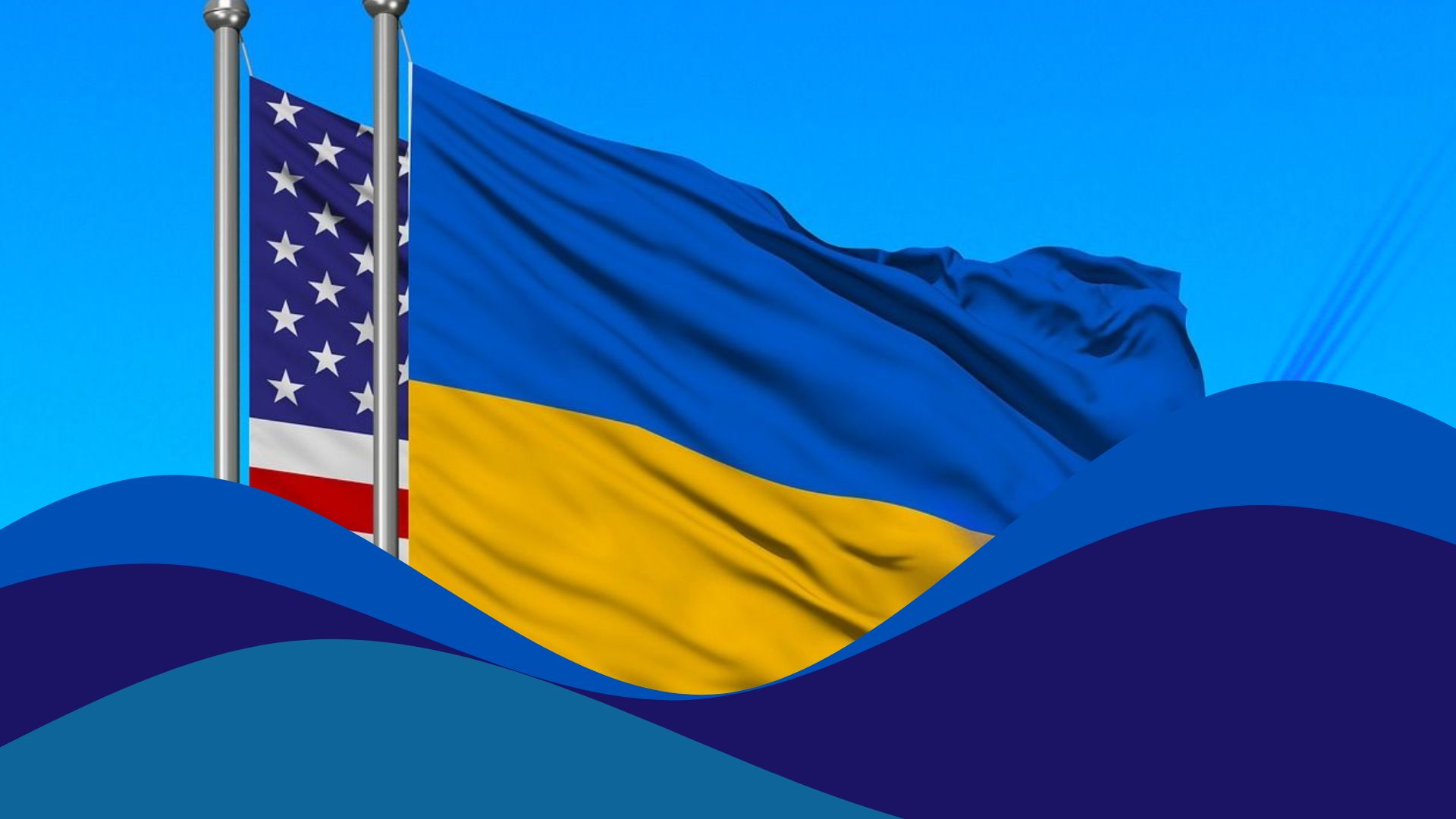
    President Volodymyr Zelensky stated that Ukraine is open to mining rare earths in partnership with allies, during a press briefing. This follows comments by U.S. President Donald Trump about Washington’s interest in Ukrainian rare earths in exchange for aid.

    Zelensky emphasised the importance of developing mineral resources with partners who support Ukraine militarily and economically. He noted that this collaboration is crucial to push back against Russian influence and prevent other adversarial nations, such as Iran or North Korea, from gaining control of these resources.

    Ukraine is home to 20 critical minerals and metals essential for industries like aerospace and electric vehicle manufacturing, including titanium and lithium. With the global shift towards renewable energy, demand for rare earth elements, such as cerium, yttrium, lanthanum, and neodymium, has surged.

    Trump’s interest in Ukraine’s minerals is likely driven by China’s current dominance in the rare earth market. Zelensky’s comments also reflect concerns about the future of U.S. aid under President Trump, who has criticised previous administrations’ support for Kyiv.

    The U.S. remains the largest supporter of Ukraine’s defence, providing over $91 billion in aid since 2022.

    As the global demand for rare earth minerals continues to rise, Ukraine’s mineral resources are likely to play an increasingly central role in geopolitics, making partnerships like the one suggested by Zelensky a key part of the country’s strategic future.

  • Not In My Country: Serbia’s Lithium Dilemma

    Not In My Country: Serbia’s Lithium Dilemma

    On 5 February 2025, the avant-première of the groundbreaking documentary Not in My Country took place at the European Parliament in an exclusive, invitation-only event. This compelling film delves into the heart of the fierce protests in Serbia over the proposed development of Europe’s largest lithium mine in the Jadar Valley. It examines the delicate balance between environmental preservation and the urgent drive for a climate-neutral future powered by lithium-ion batteries for clean mobility and energy storage. The documentary also sheds light on the geopolitical complexities surrounding Serbia’s aspirations for EU membership and allegations of political interference.


    The Film

    In December 2004, exploration geologists from the Anglo-Australian mining giant Rio Tinto made a remarkable discovery in the fertile Jadar Valley of Western Serbia: a unique lithium-boron-silicate mineral later officially named “jadarite.” Dubbed “Serbian kryptonite,” this potent mineral was hailed as a source of immense wealth for the Serbian people, promising to propel the Republic into a cleantech-based, future-proof, climate-neutral economy.

    Fast forward to 2020: Rio Tinto’s land acquisition programme began dividing the villagers of the Jadar Valley, sparking the birth of a local agricultural opposition movement. This quickly evolved into a diverse and determined national movement: Not In My Country! By 2022, mass demonstrations had grown so powerful that they forced the Serbian government to withdraw Rio Tinto’s permits. However, two years later, Serbia’s Constitutional Court reversed the decision, reigniting protests in Belgrade in July 2024 and splitting the nation into two camps—those in favour and those against the project.

    In Not in My Country , the film’s presenter seeks to understand how seemingly unlikely allies—Serbian nationalists, local farmers, urban environmentalists, scientists, and pro-EU, pro-democracy Serbs—have united against the Jadar project. The presenter engages with a multitude of voices from the Jadar Valley, Belgrade, and Brussels, exploring pressing questions:

    • Can Rio Tinto be trusted to uphold the strictest ESG standards?
    • Is Serbia merely an EU mining colony, sacrificing its environment so wealthy Europeans can drive oversized electric vehicles?
    • Is the Jadar project an entry ticket to the European Union?
    • Shouldn’t the EU open its own lithium mines before asking Serbia to open its Jadar mine?

    The Film Producers

    The documentary is co-developed and fully financed by SIM², the KU Leuven Institute for Sustainable Metals and Minerals. Recognising their pivotal role in achieving a climate-neutral society, SIM² is dedicated to advancing the sustainable production and recycling of critical metals and minerals through research, education, and wider-society learning, including the development of science communication documentaries.

    Dr. Peter Tom Jones, director of SIM², states: “When we embarked on producing this film, our goal was to create a ‘science communication’ documentary aligned with the mission of our KU Leuven Institute. However, we quickly realised that the Jadar project is so heavily politicised that it is challenging to separate a fact-based discussion on the intrinsic techno-environmental merits and pitfalls of this mining and refining project from the complex nature of Serbian politics. We discovered firsthand that this story is one of intimidation from all sides, filled with confusion, distrust, and deep-seated historical emotions and suspicions towards external players who come into Serbia and seem to want to dictate terms. With the recent disaster in Novi Sad and the ongoing massive student-led protests against the regime, all of this has become even more explosive. Is it a matter of the right mine at the wrong time and wrong place? Is it a question of not throwing the baby out with the bathwater?”


    The Panel Debate

    After the film’s screening in the European Parliament, David Rose moderated a unique panel discussion. The debate brought together MEPs Hildegard Bentele and Yvan Verougstraete, Julia Poliscanova from Transport & Environment, as well as direct proponents and opponents from Serbia. The aim of this panel was to investigate how to bridge the tensions between environmental preservation and people’s right to object to mining activities in their country, while addressing the pressing need to source metals such as lithium, which are essential enablers of the transition towards climate neutrality.


    Additional Information

    • Trailer : The trailer for Not In My Country is available here . The film will not be made public until all avant-première events have been completed. Journalists may request a protected link for reviewing purposes or obtain images and footage by contacting Journeyman Pictures directly or Peter Tom Jones via his LinkedIn profile.
    • SIM² KU Leuven : This interdisciplinary institute spans fields such as geology, chemistry, metallurgy, engineering, law, and economics. SIM² is one of Europe’s leading academic institutes, dedicated to advancing the sustainable production and recycling of critical metals through research, education, and wider-society learning. Notable examples include the award-winning documentaries Made In Europe: From Mine to Electric Vehicle (2023), The Sami Perspective (2024), and Europe’s Mining Renaissance: A Catalyst for Climate Neutrality (2024).

    For more information, visit https://kuleuven.sim2.be/ .

    • Journeyman Pictures : The film is distributed by Journeyman Pictures, a leading independent supplier of award-winning stories to the global theatrical, broadcast, digital, and educational markets. For more information, visit https://www.journeyman.tv/about/about-us .

    Disclaimer : SIM² has no financial interest in publishing its documentaries. It does not and will not receive royalties or commercial income from the airing of these films. The production of these films is solely part of SIM²’s commitment to “wider-society learning,” as acknowledged by the International Panel evaluating SIM²’s first four years as an official KU Leuven Institute.

  • Kremlin-backed Coalition Sees Coal Fortunes Blooming in Besieged Donbas Territories

    Kremlin-backed Coalition Sees Coal Fortunes Blooming in Besieged Donbas Territories

    According to reports by investigative news outlet Important Stories, a company linked to the family of former Ukrainian President Viktor Yanukovych has amassed a significant fortune by selling coal from Russian-occupied Ukrainian territories to Turkey.

    Energoresurs, a firm registered in Rostov-on-Don, Russia, has exported nearly 450,000 tonnes of coal between 2023 and 2024, sourced from occupied regions of Donbas and transported to Turkey via a combination of rail and sea routes. The investigation points to a direct connection between Energoresurs and Oleksandr Yanukovych, the president’s son, through his involvement in coal holdings and mining enterprises.

    Journalists discovered that the company received a substantial loan from Cypriot firm SL Holdings Limited, allegedly controlled by associates of Oleksandr Yanukovych. Furthermore, the coal is sold to an offshore company Energy Union, based in the British Virgin Islands, highlighting the complexity of transactions involved in these coal exports.

    Energoresurs stands accused of selling coal at significantly lower prices – averaging $60 per ton in 2024 – thereby minimising export duties, before reselling it at a higher price on international markets. Prior to Russia’s full-scale invasion of Ukraine in 2022, the company primarily exported coal to European nations including Bulgaria, Estonia, the Czech Republic, and Romania. Today, nearly all shipments are directed to Turkey.

    It is reported that between 2021 and 2023, Energoresurs generated approximately £260,000 (around $350,000 USD) in revenue at a “modest transfer price,” although the exact extent of this revenue is uncertain.

  • Trump Proposes Rare Earth Deals with Ukraine in Exchange for U.S. Aid

    Trump Proposes Rare Earth Deals with Ukraine in Exchange for U.S. Aid

    U.S. President Donald Trump announced on Monday that he wants Ukraine to supply the United States with rare earth minerals as compensation for financial aid provided to support Ukraine’s war efforts against Russia.

    Speaking to reporters at the White House, Trump stated that Ukraine was open to the idea, emphasizing the need for “equalization” in return for Washington’s nearly $300 billion in assistance.

    “We’re telling Ukraine they have very valuable rare earths,” Trump said. “We’re looking to do a deal with Ukraine where they’re going to secure what we’re giving them with their rare earths and other things.” However, it remains unclear whether Trump was using “rare earths” to refer specifically to rare earth elements or to a broader category of critical minerals.

    Rare earths are a group of 17 metals essential for electric vehicles (EVs), cellphones, and other electronics due to their role in power conversion. The U.S. Geological Survey classifies 50 minerals as critical to the nation’s economy and national security, including rare earth elements, nickel, and lithium.

    While Ukraine possesses significant deposits of uranium, lithium, and titanium, none rank among the world’s top fivein volume. The United States also has untapped reserves of these and other critical minerals.

    Currently, the U.S. has only one active rare earths mine and limited processing capacity, although several companies are working on domestic projects. Meanwhile, China remains the world’s largest producer of rare earths and other critical minerals.

  • Copper Demand Expected to Surge as Oil Consumption Declines

    Copper Demand Expected to Surge as Oil Consumption Declines

    Global demand for copper is projected to rise significantly, while oil consumption is expected to decline, reports inbusiness.kz citing EnergyProm.

    In Kazakhstan, copper ore production reached 160.2 million tons in January–December 2024, marking a 7.4% increase compared to the same period in 2023. However, the actual copper content in these ores ranges from 0.5% to 6%, with 5% considered exceptionally rich. The country’s copper concentrate production stood at 567.2 thousand tons, down 2.1% from the previous year, with copper content in the concentrate varying from 8% to 35%.

    Meanwhile, the global demand for copper is surging, with Goldman Sachs referring to it as the “new oil” due to its crucial role in clean energy technologies. According to the International Monetary Fund (IMF), copper demand is set to rise from 25.9 million tons in 2023 to 39.1 million tons by 2040, while oil consumption is expected to fall from 101.9 million to 66 million barrels per day. A significant portion of this growth will be driven by the electric vehicle (EV) industry, where copper is essential for battery components.

    Data from the U.S. Geological Survey indicates that global copper production reached 22 million tons in 2023, with North, South, and Central America dominating the market. These regions host 15 of the world’s 20 largest copper deposits.

    Chile led global production with 5 million tons in 2023, followed by China (1.7 million tons) and the U.S. (1.1 million tons). Russia ranked sixth with 910 thousand tons, while Kazakhstan also secured a spot among the top producers, mining 600 thousand tons.