Website: Eurasia.com

  • Phenogy Launches Europe’s Largest Sodium-Ion Battery Installation in Germany

    Phenogy Launches Europe’s Largest Sodium-Ion Battery Installation in Germany

    Swiss energy storage company Phenogy has unveiled its first commercial-scale sodium-ion battery deployment, marking the largest installation of its kind in Europe. The single-container system, located near Bremen Airport in northern Germany, delivers 400 kW of power with nearly 1 MWh of storage capacity. Paired with a 50 kW solar array, the unit operates in island mode, powering electric vehicle chargers and optimizing on-site energy consumption.

    One of the challenges for sodium-ion batteries at scale has been inverter compatibility due to their broader voltage range. To address this, Phenogy integrated eight Sunny Island X 50 inverters from SMA into its 20-foot PHENOGY 1.0 container. These pre-production inverters, designed for flexibility beyond lithium iron phosphate (LFP) systems, enable efficient voltage matching with the sodium-ion chemistry.

    While sodium-ion is often seen as a cheaper and more sustainable alternative to lithium-ion due to sodium’s abundance and lower extraction costs, the technology has yet to achieve mass-market maturity. China currently leads global deployment, with 100 MW-scale projects by companies such as CATL, BYD, and Huawei.

    Phenogy CTO Max Kory emphasized the strategic value of sodium-ion technology for Europe and North America, noting that reliance on Chinese lithium-ion precursors could pose long-term risks. “Lithium prices will rise again – with mine closures in China, the market is nearing a breaking point. As prices climb, alternative chemistries become more attractive, and sodium-ion is the prime candidate for building localized supply chains,” he told ESS News.

    Key to scaling production will be local cathode and anode manufacturing, particularly hard carbon derived from agricultural waste. While production costs remain higher than LFP today, Phenogy believes strategic buyers seeking supply chain independence will drive early adoption.

    Founded in 2019, Phenogy employs about 60 people across Europe and the US, with operations in South Carolina and research collaborations with the University of South Carolina, Exentis Group, and Fraunhofer Institutes. The company is positioning itself as a vertically integrated manufacturer to strengthen local supply chains and support the global energy transition.

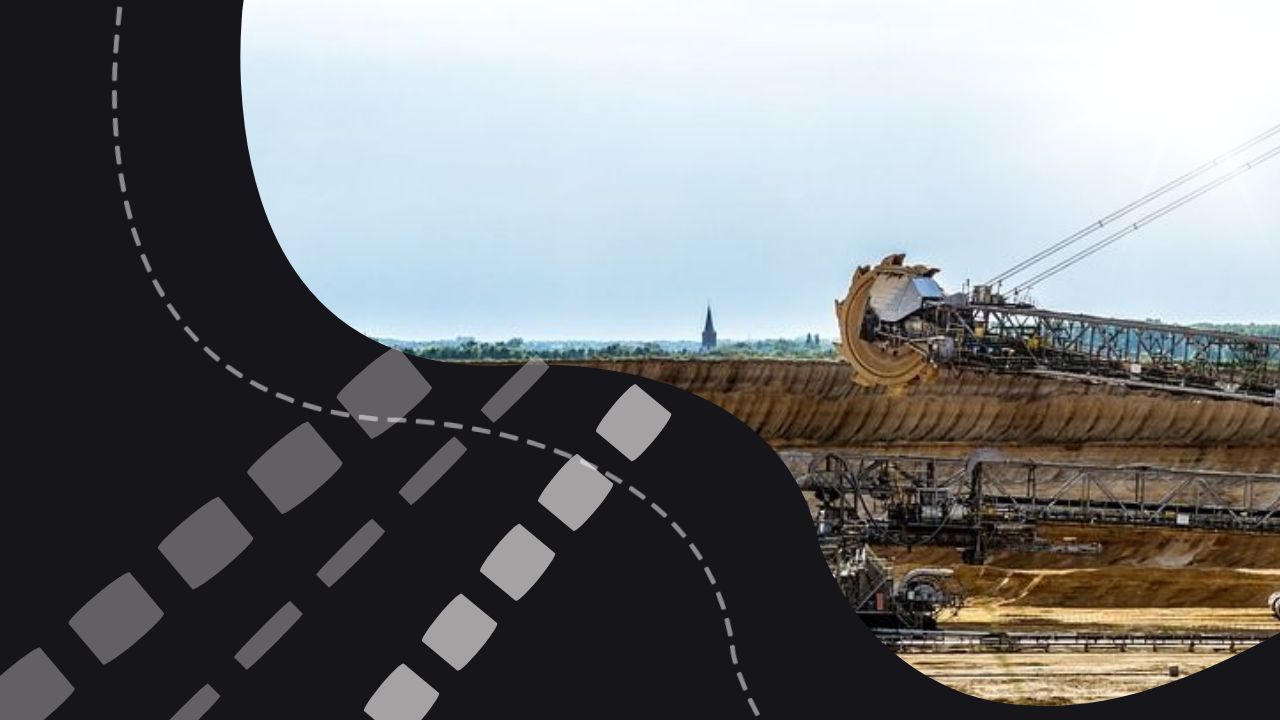
  • Sweden Lifts Uranium Mining Ban to Boost Nuclear Energy Security

    Sweden Lifts Uranium Mining Ban to Boost Nuclear Energy Security

    Sweden will officially lift its uranium mining ban on January 1, 2026, marking a major policy reversal aimed at strengthening energy security and supporting its low-carbon transition strategy. The decision, driven by the center-right coalition government that came to power in 2022, is rooted in Sweden’s renewed commitment to nuclear power, which currently provides about 20% of the country’s electricity.

    Until now, uranium mined as a by-product was treated as waste, a policy the government said undermined energy independence at a time of rising global competition for nuclear fuel. With the ban lifted, companies will be able to apply for uranium exploration and mining permits under rules aligned with other mineral projects.

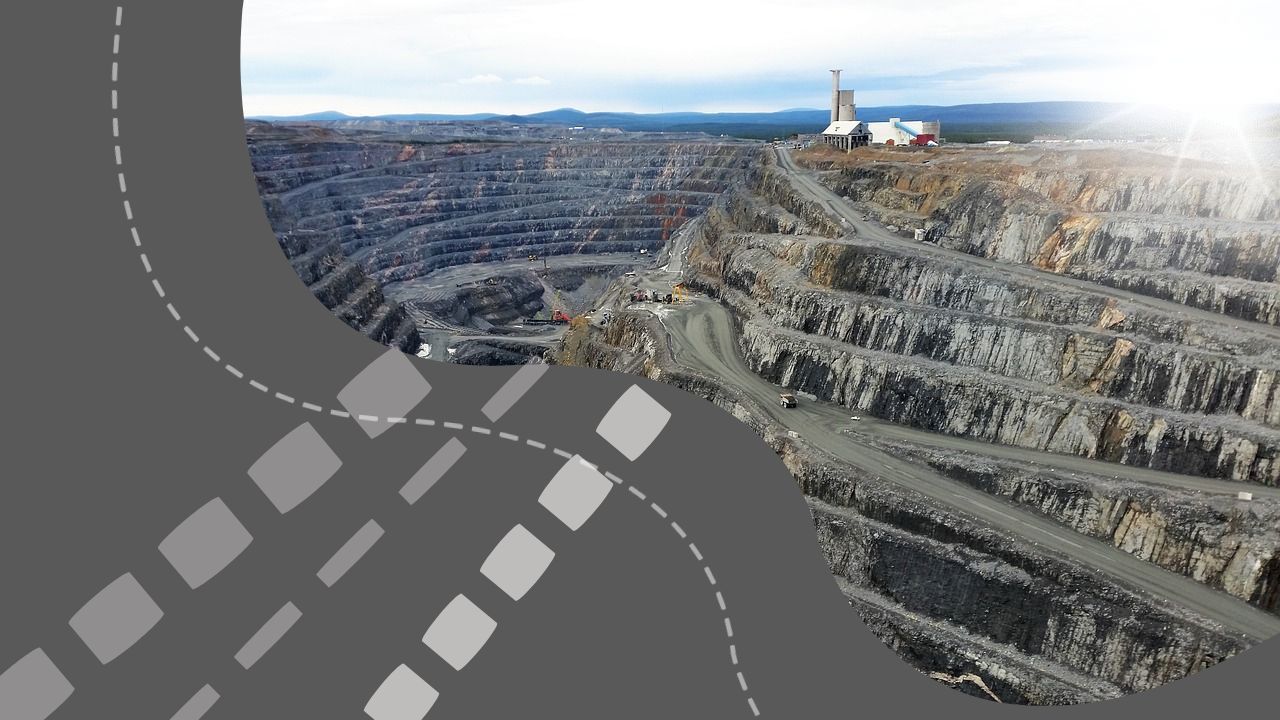
    Sweden’s uranium resources include the vast Viken deposit, considered one of the largest undeveloped uranium resources in the world, alongside other historically explored occurrences. The alum shale formations at Viken contain not only uranium but also vanadium, molybdenum, nickel, zinc, copper, potash, and phosphate, creating the potential for large-scale polymetallic mining.

    Open-pit and hybrid mining methods are being evaluated, with environmental safeguards such as dry-stack tailings and progressive reclamation central to future operations. Still, challenges remain, particularly the metallurgical complexity of processing fine-grained shale deposits. Advances in modern geophysics and processing, however, have improved prospects compared to earlier attempts.

    Officials and industry analysts say the move positions Sweden to play a key role in European energy security. Currently reliant on imports, Sweden’s uranium development could reduce dependence on suppliers such as Kazakhstan, Canada, and Australia while bolstering EU efforts under the Critical Raw Materials Act to secure strategic resources.

    The economic benefits could include regional job creation, skills development, and the establishment of value-added processing industries. Yet public acceptance, strict environmental oversight, and a lengthy regulatory process mean commercial production is still several years away.

    The policy shift reflects a broader global nuclear renaissance, with more than 60 new reactors under construction worldwide. Sweden’s uranium mining revival signals both a commitment to net-zero goals and a recognition of the strategic importance of critical minerals in today’s geopolitical landscape.

  • Primetals, Rio Tinto, and voestalpine Break Ground on Industrial-Scale Net-Zero Ironmaking Plant in Austria

    Primetals, Rio Tinto, and voestalpine Break Ground on Industrial-Scale Net-Zero Ironmaking Plant in Austria

    Construction has officially begun on an industrial-scale demonstration plant in Linz, Austria, that aims to revolutionize ironmaking with potential net-zero CO₂ emissions. The groundbreaking ceremony, held on September 25, 2025, brought together political leaders and industry representatives, marking a major step forward for green steel technology.

    The plant, dubbed Hy4Smelt, will combine Hydrogen-based Fine-Ore Reduction (HYFOR®) technology with an electric Smelter solution, both developed by Primetals Technologies. Scheduled to start operations by the end of 2027, the facility will produce hot briquetted iron, hot metal, and pig iron with a planned capacity of 3 tons per hour. Unlike conventional blast furnaces, HYFOR eliminates the need for agglomeration of iron ore fines and utilizes green hydrogen as a reducing agent, while the Smelter finalizes reduction using renewable energy.

    Voestalpine CEO Herbert Eibensteiner emphasized the project’s role in reaching net-zero steelmaking by 2050: “Seeing construction underway of the globally unique Hy4Smelt demonstration plant once again confirms our technological and innovation leadership in green steel production.”

    Rio Tinto will supply 70% of the iron ore for the plant and provide technical support, while Mitsubishi Corporation has joined as a strategic co-investor. The initiative also benefits from funding by the Austrian government’s “Transformation of Industry” program, as well as EU-backed initiatives like the Clean Steel Partnership and the Clean Hydrogen Partnership.

    Primetals Technologies has been testing HYFOR at a pilot plant since 2021, running over 50 campaigns with various iron ore sources. CTO Alexander Fleischanderl described the new project as “a major step toward net-zero CO₂ emissions in ironmaking,” stressing the urgent need to transition away from coal-fired blast furnaces.

    If successful, the HYFOR and Smelter technologies could become commercially available from 2028, offering a scalable pathway to decarbonize global steel production while tapping into low-to-medium grade ores that dominate the world’s supply.

  • Cornish Lithium Announces 50% Resource Increase at Trelavour Lithium Project

    Cornish Lithium Announces 50% Resource Increase at Trelavour Lithium Project

    Cornish Lithium has announced a significant 50% increase in the JORC-compliant Mineral Resource at its Trelavour Lithium Project in Cornwall, following a year of extensive drilling, sampling, testing, and modelling.

    The updated resource now stands at 88.5 million tonnes grading 0.21% Li₂O, equivalent to 183.5 thousand tonnes of contained lithium oxide. This equates to 454.5 thousand tonnes of lithium carbonate equivalent (LCE), representing a 50% increase compared to the 2022 estimate. Importantly, the upgrade includes a maiden declaration of resources in the Measured and Indicated categories, boosting geological confidence in the deposit.

    CEO Jamie Airnes highlighted the importance of the milestone: “Today’s resource upgrade also provides a strong foundation for our Feasibility Study, which we expect to publish later this year, moving us closer to our Development Consent Order application and commercial production. This is one more step in Cornish Lithium’s plan to secure the UK’s critical minerals supply, jobs and industrial future.”

    The project benefits from its location in a former china clay pit, with resources extending from the surface, resulting in a low strip ratio. To date, more than 20,000 metres of drilling have been completed, including exploration and geotechnical holes.

    Cornish Lithium aims to produce 10,000 tonnes per year of battery-grade lithium hydroxide, with commercial production targeted for 2029. The project is designed as a fully integrated operation with proprietary low-carbon processing technology, ensuring independence from overseas refineries and alignment with the UK’s clean energy transition.

  • European Green Transition Advances Olserum Rare Earth Project and Expands M&A Strategy

    European Green Transition Advances Olserum Rare Earth Project and Expands M&A Strategy

    European Green Transition PLC (AIM: EGT) has extended the key license for its Olserum Rare Earth project in Sweden until 2029, strengthening its position for partnership and sale discussions. The company noted that the project demonstrated district-scale potential in 2024, underscoring its strategic importance as Europe seeks to reduce dependence on imported critical minerals.

    EGT also confirmed a license extension at its Pajala copper project in Sweden until 2028, while the option agreement for the Altan Carbon credit project in northwest Donegal was extended by six months at no cost. The latter comes amid growing momentum in the carbon credit sector, bolstered by €3 million in peatland restoration funding from Meta, Microsoft, and Google.

    CEO Jack Kelly highlighted the company’s transition away from being a pure mining player: “This is not a mining company. We have mining and exploration assets which we are looking to partner or sell, but our key focus is on acquiring distressed, revenue-focused businesses.”

    The strategic shift is being led by Cathal Friel, EGT’s largest shareholder, who stepped in as executive chairman in June. Friel previously oversaw successful turnarounds at hVIVO and Amryt Pharma and is now guiding the company’s M&A strategy targeting revenue-stage businesses in the green economy.

    EGT reported a strong cash position of €2.9 million as of June 30, with no debt and no committed costs, providing flexibility to pursue acquisitions.

    On rare earths, Kelly stressed that Olserum remains a strategic asset: “There is no active rare earth mine in Europe today. Olserum could make a significant impact on European supply chains, especially as geopolitical tensions drive up prices and global players like Apple and the US government secure new long-term agreements in the sector.”

  • Neptune Energy Confirms 43 Million Tons of Lithium Resources in Germany’s Altmark Region

    Neptune Energy Confirms 43 Million Tons of Lithium Resources in Germany’s Altmark Region

    Neptune Energy has confirmed lithium resources of 43 million tons of lithium carbonate equivalent (LCE) in Germany’s Altmark region, positioning the area as one of the world’s largest project-based lithium deposits and a future cornerstone of Europe’s battery supply chain.

    The updated assessment, carried out with independent valuation agency Sproule ERCE, refines earlier estimates of 70 million tons of LCE announced by Neptune earlier this year. Despite the downward revision, the confirmed figure secures Altmark’s standing as a major resource, capable of supporting commercial extraction on a scale that could supply around 500,000 electric vehicles annually.

    “This new assessment underscores the great potential of our licence areas in Saxony-Anhalt. This enables us to contribute significantly to the German and European supply market for the critical raw material lithium,” said Andreas Scheck, CEO of Neptune Energy.

    Neptune has been testing direct lithium extraction (DLE) technology in the Altmark region since June, launching a pilot project in Steinitz using brine from existing gas wells and ion-exchange processes with its partner Lilac Solutions. A second pilot plant has since been commissioned to evaluate multiple DLE methods, and the company has already succeeded in producing battery-grade lithium carbonate.

    The company now holds three exploration licences in the Altmark – Mile A-L, Milde C-L, and Milde B-L – as well as the Jeetze-L production licence. Neptune plans to transition from pilot testing to commercial extraction in the coming years.

    Germany is ramping up efforts to secure raw material supply for its automotive sector, which hosts some of the world’s largest carmakers. Alongside Altmark, the country’s other key lithium projects include Zinnwald Lithium’s planned mine in the Ore Mountains and Lithium Energy’s work in the Upper Rhine Graben.

  • Middle Island Resources Begins Exploration at Bobija Polymetallic Project in Serbia

    Middle Island Resources Begins Exploration at Bobija Polymetallic Project in Serbia

    Australian copper and gold explorer Middle Island Resources announced on Wednesday that it has commenced exploration activities at the Bobija polymetallic project in western Serbia, which is prospective for gold, silver, copper, lead, and zinc.

    “The Bobija deposit and surrounding region remains inadequately explored and offers potential for the delineation of significant polymetallic mineralisation through a systematic exploration program. Furthermore, the full extent of the gold mineralisation is yet to be fully quantified, with gold potentially representing a major component,” the company stated.

    Earlier this month, Middle Island signed a binding share sale and purchase agreement to acquire local peer Konstantin Resources, whose Serbian portfolio includes the Bobija, Priboj, and Timok projects. Together, these projects cover 620 square kilometres and are prospective for gold and copper.

    The Bobija project itself comprises six mineral licences across 208 square kilometres. Historic work in the area included exploratory underground development and multiple drilling campaigns during the 1960s and 1980s by the former Yugoslav government, focused on barium, lead, zinc, and silver. Recent limited rock chip sampling by Konstantin Resources returned promising results, including assays of up to 5.24 grams per tonne of gold, 120 g/t of silver, 4.66% zinc, and 4.36% lead.

    Middle Island will seek shareholder approval for the acquisition of Konstantin Resources at a meeting scheduled for late October. The projects are located within the Western Tethyan Belt, a globally significant mineral province hosting major deposits such as Zijin Mining’s Čukaru Peki and Dundee Precious Metals’ Čoka Rakita in Serbia, as well as Rio Tinto’s Jadar project and Dundee’s Vareš project in Bosnia and Herzegovina.

  • Bulgaria and University of North Dakota to Research Rare Earth Metals

    Bulgaria and University of North Dakota to Research Rare Earth Metals

    The Bulgarian Energy Holding has signed a Memorandum of Understanding (MoU) with the University of North Dakota, USA, to conduct joint research on rare earth metals in Bulgaria. The agreement was formalized during Prime Minister Rosen Zhelyazkov’s visit to the United States for the 80th session of the UN General Assembly.

    “Today’s signing is extremely important for the development not only of the Bulgarian mining industry, but also for the technological progress of Bulgaria and the USA,” said Zhelyazkov. He emphasized that by leveraging the scientific potential of the University of North Dakota, Bulgaria can unlock new opportunities offered by its natural resources.

    The government press service noted that the collaboration marks a significant step in strengthening ties between the two countries in science, mining, and technology.

  • CIS Nations Discuss Subsoil Management at Astana Meeting

    CIS Nations Discuss Subsoil Management at Astana Meeting

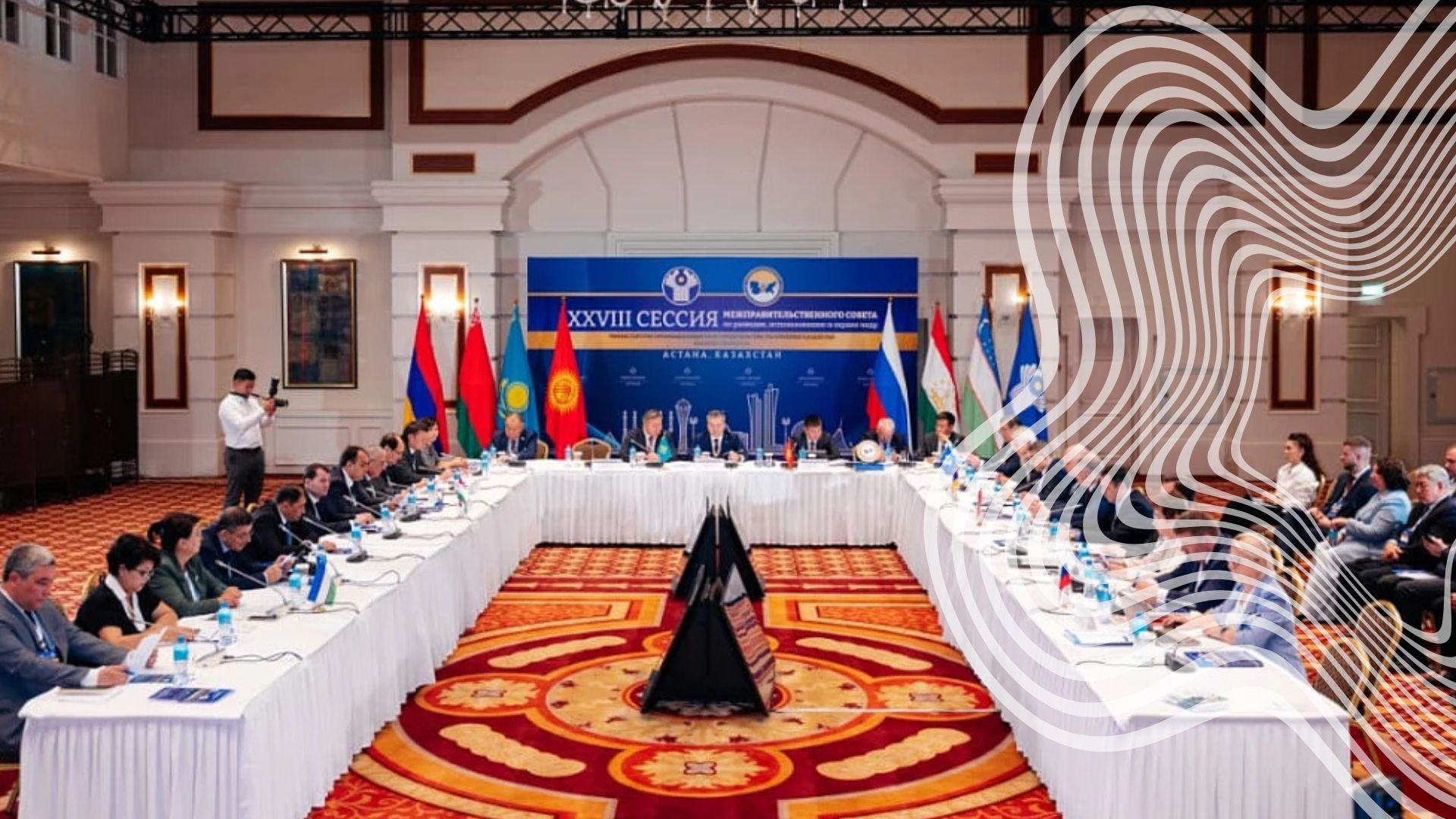
    The XXVIII Session of the Intergovernmental Council in Astana marked another step in ongoing efforts to strengthen cooperation among CIS countries in the field of geology and subsoil use. With delegates from Armenia, Belarus, Kazakhstan, Kyrgyzstan, Russia, Tajikistan, Uzbekistan and the CIS Executive Committee, the event reflected the region’s interest in consolidating expertise and maintaining a coordinated approach to mineral resource governance.

    The agenda addressed a broad range of issues, from modern methods of geological mapping and digitalisation of exploration processes to youth involvement and the preservation of geological heritage. This breadth indicates an awareness of the multiple challenges facing the sector, not only in economic terms but also in social and environmental dimensions.

    The 28th session of the Intergovernmental Council on Exploration, Use and Conservation of Mineral Resources (Межправительственного совета по разведке, использованию и охране недр) took place in Astana, Kazakhstan on 25September 2025, with representatives from seven post-Soviet states in attendance. The council’s primary objective is to promote cooperation and coordination among its member states in the field of mineral exploration, use, and conservation. However, the session’s proceedings also highlighted the challenges and tensions that arise from the extraction of Kazakhstan’s vast mineral resources.

    The council’s Chairman, Yerlan Esenaliuly Akbarov, emphasised the importance of strengthening cooperation and partnerships among member states to address the complex geological challenges facing the region. Marat Mammbetovich Jusupbekov, the Director of the Kyrgyz Geological Service, presented a report on the activities of the council during the 2024-2025 period, highlighting the progress made in implementing joint projects and promoting the development of modern geoscientific methods.

    While the council’s focus on cooperation and technology transfer is a positive step, concerns remain regarding the environmental and social impact of mineral extraction in Kazakhstan. The country’s extractive industries have faced criticism for their environmental record, and local communities have raised concerns about the lack of transparency and accountability in the decision-making process.

    The council’s discussion on modern methods and approaches to geological research and exploration suggests that the member states are aware of the need to balance economic development with environmental protection. However, the lack of concrete measures to address these concerns raises questions about the council’s commitment to sustainability.

  • Pakistan and Poland Eye Expanded Cooperation in Energy, Mining, and Agriculture

    Pakistan and Poland Eye Expanded Cooperation in Energy, Mining, and Agriculture

    Federal Minister for Commerce Jam Kamal Khan met with Poland’s Ambassador to Pakistan, Maciej Pisarski, on Wednesday to discuss expanding trade, investment, and energy cooperation. Talks highlighted opportunities in hydrocarbons, mining, and agriculture as areas of mutual interest.

    Khan praised the longstanding presence of Poland’s state-owned energy firm ORLEN, which has invested approximately $500 million in Pakistan’s oil and gas sector over the past 26 years. ORLEN now plans to double its investment over the next decade, a move that could further strengthen bilateral energy ties.

    Ambassador Pisarski pointed to new exploratory concessions in Sindh and Balochistan as particularly promising, while also underscoring the need to resolve pending issues to sustain investor confidence.

    The commerce minister encouraged Polish companies to explore partnerships in Pakistan’s agriculture value chain, especially in cold storage and processing facilities for fruits and vegetables. He also urged Poland to consider investment in Pakistan’s mining sector, highlighting copper and lignite reserves.

    Pisarski noted Poland’s global expertise in both energy and mining and expressed Warsaw’s readiness to explore joint ventures. The two sides agreed to pursue concrete initiatives and high-level engagements to convert proposals into projects.

    Khan reaffirmed Pakistan’s commitment to facilitating Polish investors, while Pisarski emphasized Poland’s interest in deepening its economic partnership with Islamabad.