Website: Eurasia.com

  • MINEX Eurasia’25: The New Resource Frontier: Unlocking Central Asia’s Critical Minerals Powerhouse

    MINEX Eurasia’25: The New Resource Frontier: Unlocking Central Asia’s Critical Minerals Powerhouse

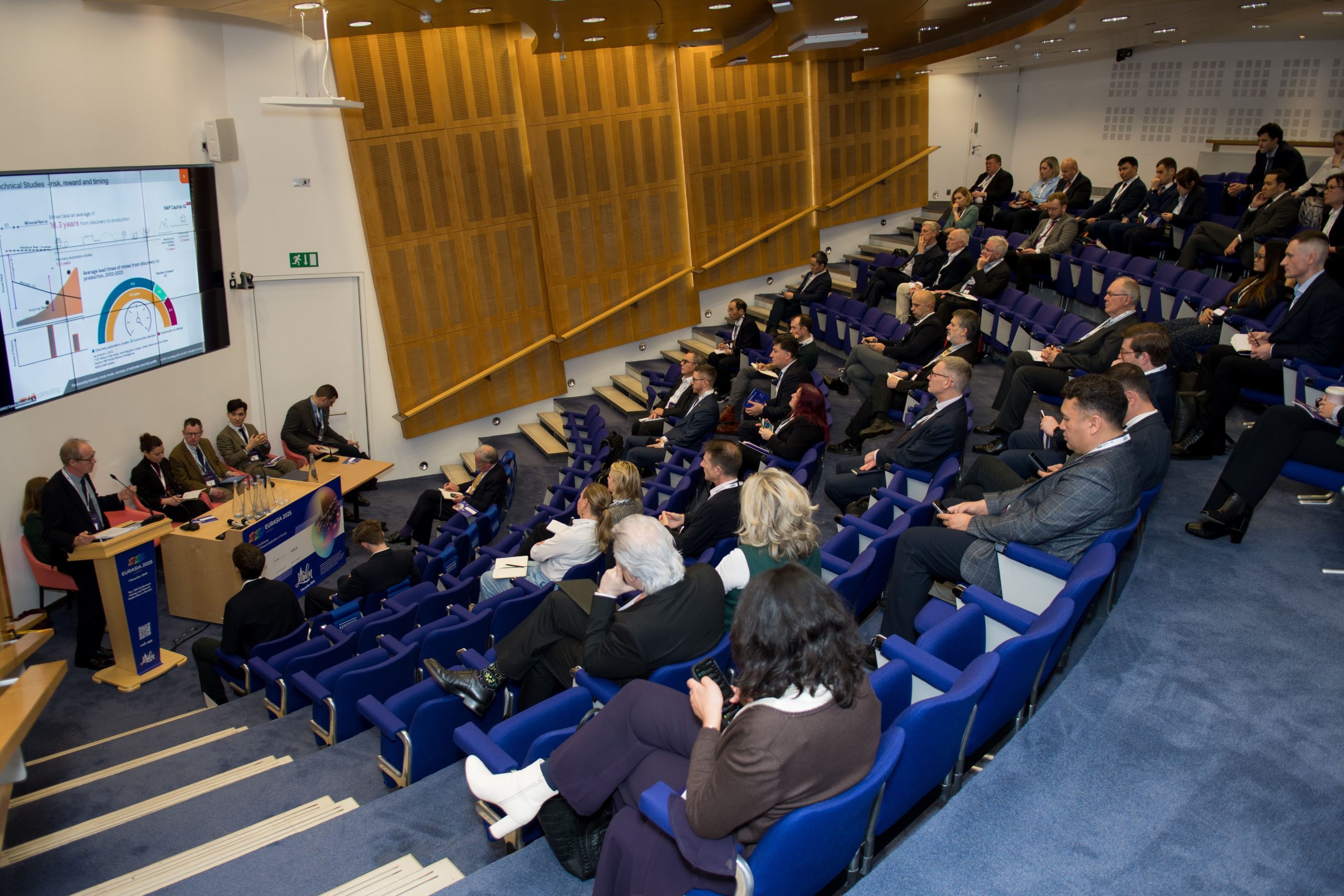
    [vc_row][vc_column][vc_text_separator title=”1 SESSION BRIEF” color=”blue” border_width=”5″ css=””][vc_empty_space][vc_empty_space][vc_raw_html css=””]JTNDaWZyYW1lJTIwc3R5bGUlM0QlMjdkaXNwbGF5JTNBYmxvY2slM0JtYXJnaW4lM0FhdXRvJTNCd2lkdGglM0ExMjgwcHglM0JtYXgtd2lkdGglM0ExMDAlMjUlM0Jhc3BlY3QtcmF0aW8lM0ExLjc3MDg4MzA1NDg5MjYwMTMlM0IlMjclMjBzcmMlM0QlMjdodHRwcyUzQSUyRiUyRmtpbGxlcnBsYXllci5jb20lMkZ3YXRjaCUyRnZpZGVvJTJGZTY2ZWQyZTMtZWM3OC00YjU5LTg3NDAtNjBjN2Q2YzZmZjYyJTI3JTIwZnJhbWVib3JkZXIlM0QlMjIwJTIyJTIwYWxsb3clM0QlMjJhdXRvcGxheSUzQiUyMGd5cm9zY29wZSUzQiUyMHBpY3R1cmUtaW4tcGljdHVyZSUzQiUyMiUyMGFsbG93ZnVsbHNjcmVlbiUzRSUzQyUyRmlmcmFtZSUzRQ==[/vc_raw_html][vc_empty_space]The opening session “The New Resource Frontier: Unlocking Central Asia’s Critical Minerals Powerhouse” at MINEX EURASIA 2025 set out a clear message: Central Asia is moving from geological promise to a contested, strategic hub in the global race for critical raw materials, but finance, governance and patient project development still lag the rhetoric. The speakers framed the region as both a major opportunity for investors and governments, and a test case for whether new supply chains can be built on higher environmental, social and governance standards rather than on geology alone.

    Setting the scene: promise and underinvestment


    The session opened with a reminder that Central Asia sits on world‑class deposits of lithium, tungsten, rare earths and other critical minerals hosted in major metallogenic belts stretching from Eastern Europe into China. Kazakhstan alone, the ninth‑largest country by area with one of the world’s lowest population densities, embodies this combination of scale, sparse settlement and rich geology. Yet despite this endowment, exploration spending in Central Asia remains modest compared with peer regions, and the number of Western exploration and development companies active on the ground is strikingly low.

    Using historical exploration data, the opening presentation underlined that Kazakhstan dominates regional exploration budgets but sits far below traditional mining jurisdictions when benchmarked internationally. The point was not to question the geological potential but to highlight a persistent investment gap and to ask why more junior and mid‑tier companies are not entering or partnering with the many capable local firms already operating in Kazakhstan, Uzbekistan and neighbouring states. The audience heard that while there are standout projects, such as a recently advanced vanadium feasibility study in southern Kazakhstan, these remain exceptions in a landscape where far more risk capital is needed to convert maps into mines.

    Time, risk and the reality of project development


    A second theme was the mismatch between political expectations and the realities of mine development timelines. Participants were reminded that moving from grassroots exploration to production is a multi‑stage, high‑attrition process: for every project that reaches construction, many fall away due to technical, economic or permitting barriers. Exploration, feasibility work and environmental and social assessment are all costly and time‑consuming, and the global average time from discovery to production has stretched from around 15 years to more than 16 years in recent datasets. Central Asia is not immune to these global trends, even if the region’s geology appears “easy” on maps.

    Speakers warned against the illusion that attractive maps and belts translate into quick wins, stressing that governments, investors and communities must be prepared for long‑term engagement. That, in turn, puts a premium on stable rules of the game and predictable permitting frameworks. The discussion linked the slow pace of project maturation to investor hesitation: if regulations, land access and environmental requirements are unclear or shifting, the long payback periods typical of mining become harder to justify, even in geologically rich terrain.

    Governance reforms: it’s not all about geology


    Several contributors emphasised that Central Asia’s emerging critical minerals story is increasingly a governance story. Kazakhstan was highlighted as a regional leader in modernising its mining framework: adoption of an international‑style reporting code (KAZRC), the creation of a national register of qualified experts, development of a mineral cadastre, and reforms to the subsoil and environmental codes. The shift towards “best available techniques” and away from “pay to pollute” approaches is starting to embed lower‑impact, more resource‑efficient mining practices into project design.

    These reforms are still evolving, but they signal to investors that rules are becoming more transparent and aligned with international standards. The message from the panel was that other Central Asian states do not need to reinvent the wheel: Uzbekistan’s new mining code and recent joint geological initiatives with Kazakhstan, including cooperation on rare earths and other critical minerals, were cited as examples of regional learning in action. The overarching argument was that geology unlocks interest, but modern, enforceable governance frameworks unlock capital at scale.

    Competing strategies: Kazakhstan and Uzbekistan


    The session contrasted how Kazakhstan and Uzbekistan are structuring their critical raw material strategies. In Kazakhstan, authorities initially hoped that clear long‑term potential would be enough to draw private domestic and foreign mining groups into critical minerals, but investors largely prioritised better understood copper and gold projects. A government “Comprehensive Plan” for rare and rare earth metals for 2024–2028, backed by relatively modest public funding, did little to shift that calculus. In response, the Development Bank of Kazakhstan has announced a multi‑year, billion‑dollar financing programme targeting extraction and processing of rare earths and critical minerals, explicitly accepting that the state will have to play a leading role in the next phase.

    Uzbekistan, by contrast, has moved faster to build an integrated, state‑anchored model. A dedicated state‑owned critical raw materials company, TMK (Uzbekistan Technological Metals Company), has been tasked with developing more than 100 investment projects across 25 strategic metals and minerals. By 2030, Uzbekistan aims to discover scores of new deposits, including tungsten, lithium, graphite, vanadium and titanium, and to massively scale tungsten mining and processing, with flagship projects such as the Sarakool deposit and an on‑site processing plant designed to serve both domestic users and global markets. This approach is explicitly built around upstream, midstream and downstream integration, using the state as a central partner for foreign investors rather than leaving the sector’s development to the private market alone.

    Local value creation and industrial policy


    Across both countries, the discussion highlighted a shift from simply exporting concentrates to capturing more value in‑country. Kazakhstan has identified four priority industrial uses for its critical raw materials: semiconductors, batteries, heat‑resistant alloys and permanent magnets. Existing plants, such as the Ulba Metallurgical Plant producing high‑end alloys, and new ventures processing battery‑grade manganese sulphate and graphite, are intended to seed domestic industries in batteries, electric vehicles, magnets, aerospace components, medical devices and renewable energy equipment.

    Uzbekistan’s TMK strategy similarly couples mining projects with processing plants and technology parks, positioning critical minerals as feedstock for broader industrialisation. Many of the high‑profile joint ventures are with Chinese state‑owned or large private mining, technology and engineering firms, which bring capital, processing technology and turnkey project delivery capabilities. These partnerships cover tungsten, molybdenum, nickel and other metals, and include plans for hydrometallurgical facilities, waste reprocessing and even joint development of energy storage systems. The panel noted that such deals can accelerate industrial build‑out but also deepen dependencies if governance and benefit‑sharing are not carefully managed.

    Geopolitics: a crowded chessboard


    Speakers framed 2025 as an inflection point in the global race for Central Asia’s critical raw materials. China still enjoys significant structural advantages: long‑term strategic planning, the Belt and Road infrastructure backbone, turnkey engineering and construction capacity, and the ability to mobilise large pools of capital. Chinese entities already dominate many rare earth, tungsten and PGM joint ventures in the region and are deeply embedded in local supply chains.

    However, other players are now asserting themselves more forcefully. The United States has moved beyond its traditional focus on hydrocarbons to seek offtake‑focused critical mineral deals underpinning both civilian and defence industries. Its approach is often more transactional, favouring secure supply over localised manufacturing, which can limit host‑country benefits to export revenues. The European Union is pursuing strategic partnerships that bundle moderate finance with technical assistance on exploration, ESG and technology transfer, but faces constraints on the sheer scale and speed of investment and risks being outcompeted by China and the US. Meanwhile, South Korea, Japan, Türkiye and the UK are positioning themselves as niche partners offering technology, standards and specialised services rather than dominating capital.

    OECD and UK: standards, finance and partnerships


    The OECD contribution to the session stressed that unlocking Central Asia’s minerals must go hand in hand with addressing governance, environmental and social risks. Its horisontal work programme on critical minerals in Central Asia focuses on three pillars: responsible business conduct and supply‑chain‑wide due diligence; environmental risk management and decarbonisation of mining, including water and waste; and tax and transfer pricing policies to ensure that a fair share of value remains in producer countries. Through regional dialogues and country‑level workshops in Kazakhstan, Kyrgyzstan and Uzbekistan, the OECD is working with governments to implement standards that can reduce corruption, illicit financial flows and environmental harm, and to produce a set of concrete policy recommendations scheduled for release in 2026.

    The UK presentation underlined London’s ambition to be a key partner in this transformation. A new UK critical minerals strategy directly links mineral demand to eight priority growth sectors and emphasises building resilient, diversified supply chains through international partnerships. Existing and forthcoming memoranda of understanding on critical minerals with Kazakhstan, Uzbekistan, Mongolia and Kyrgyzstan provide a political framework, while UK export finance tools are being adapted to support early‑stage project work and de‑risk responsible investment in overseas critical mineral projects that can supply UK industry. Case studies of UK companies already active in Central Asia—ranging from copper producers deploying renewable power to consultancies managing legacy mine waste and engineering firms supported by UK export credit- were used to illustrate how British expertise can span the full mine lifecycle, from exploration through rehabilitation.

    Conclusion: from optimism to execution


    The session closed on a deliberately optimistic note. Central Asia’s critical minerals endowment, combined with active reform in countries such as Kazakhstan and Uzbekistan and growing geopolitical attention from China, the US, the EU and the UK, creates a rare window to reshape global supply chains. Yet the speakers were clear that success will depend on more than geology and high‑level communiqués. It will require sustained exploration spending, realistic timelines, investor‑friendly but robust governance, and partnership models that balance foreign capital, local industrialisation and environmental responsibility. The message to the MINEX EURASIA audience was that the region has moved firmly onto the world’s critical minerals map; the challenge now is to turn that visibility into durable, sustainable projects that deliver for both global markets and local societies.[/ohio_text][/vc_column][/vc_row]
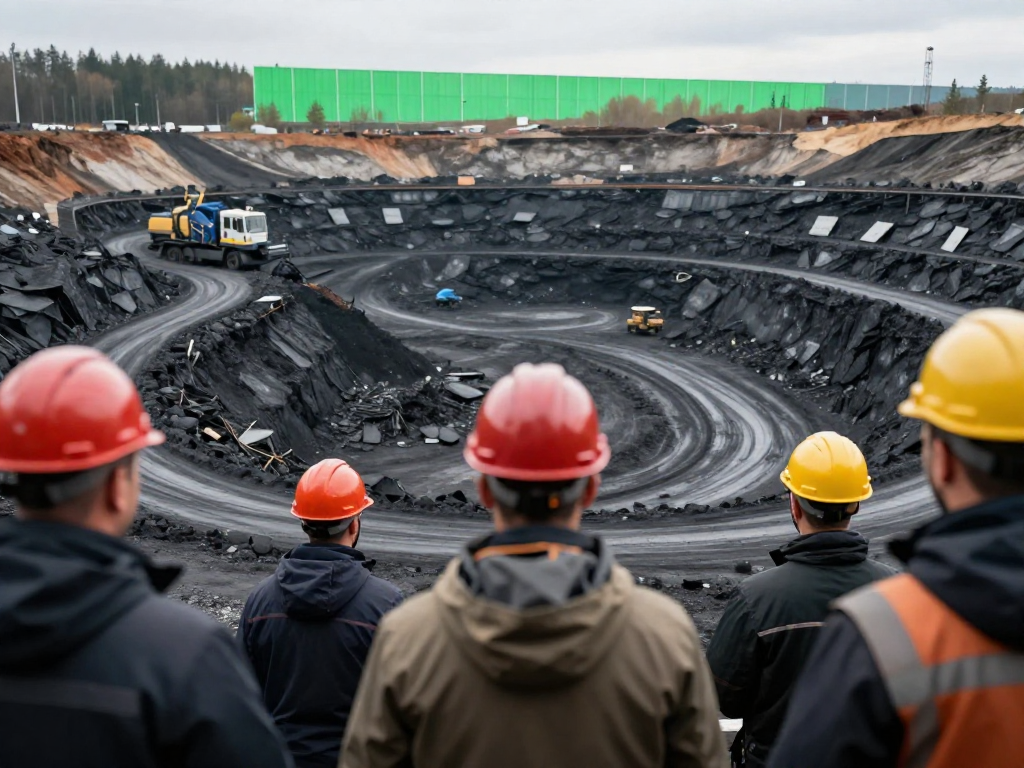
  • Tragedy in Ukrainian Mine: Two Miners Killed in Slurry Breach

    Tragedy in Ukrainian Mine: Two Miners Killed in Slurry Breach

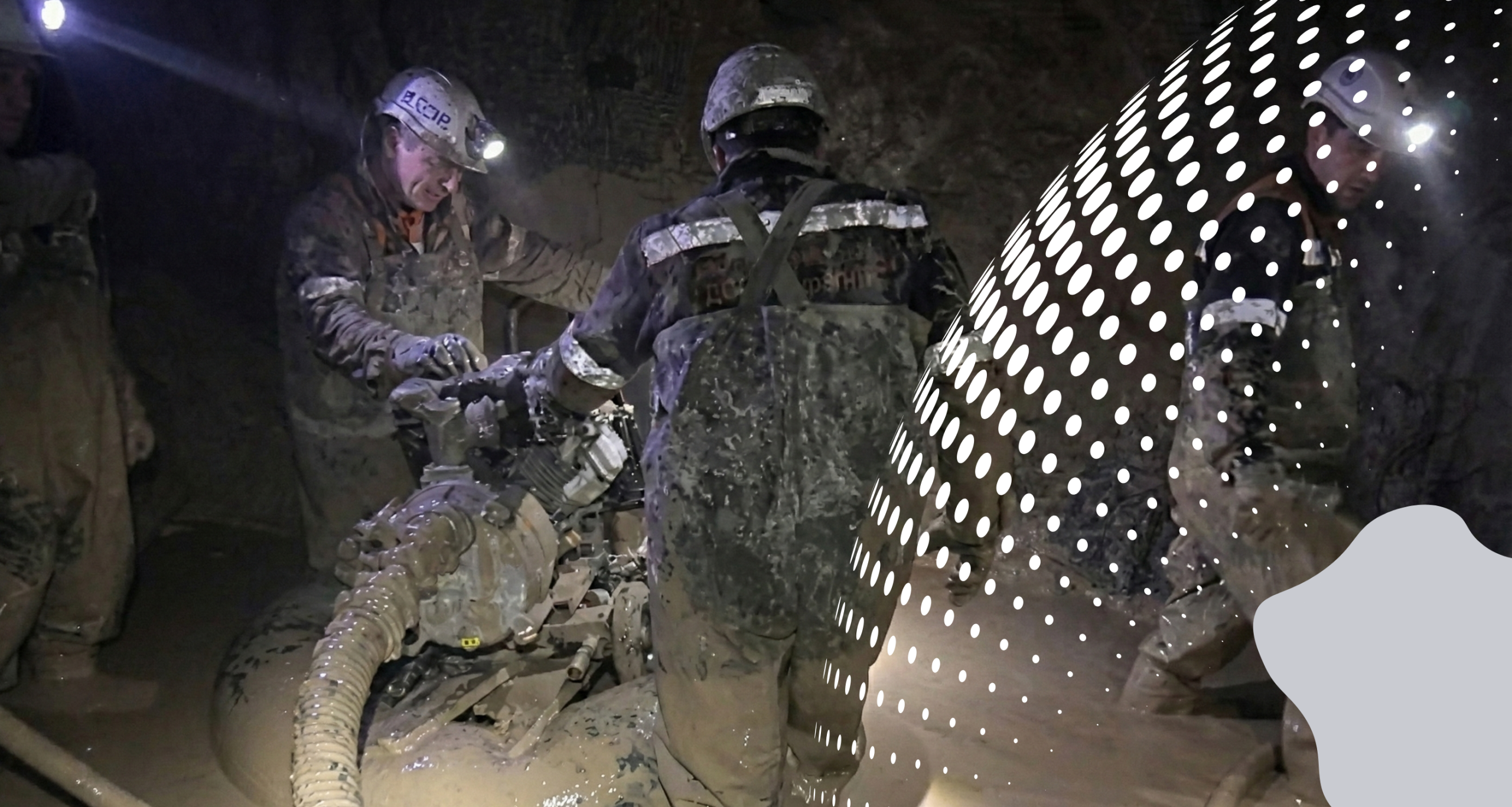
    Dnipropetrovsk, Ukraine – A devastating slurry breach in a coal mine in the Dnipropetrovsk region has resulted in the tragic loss of two miners’ lives. The rescue operation, which spanned over 14 days at a depth of 410 meters below the surface, concluded with the recovery of the deceased and a thorough assessment of the disaster site.

    According to the State Emergency Service, rescuers faced immense challenges as they battled a massive volume of slurry – a mixture of water and coal dust – following the breach. The team’s efforts were crucial in not only eliminating the immediate consequences of the accident but also locating the bodies of the two miners who were at the epicenter of the rupture. The search and evacuation operation was conducted under extraordinarily difficult conditions.

    “The operation was complicated by the large volume of slurry,” stated the State Emergency Service. “Employees of the plant, miners, and mine rescuers had to perform a colossal amount of work: pumping water from flooded horizons, handling and hauling away the slurry, searching for and evacuating the bodies of the deceased.”

    Investigators are currently working to determine the precise cause of the slurry breach and will focus on bolstering production safety protocols at the mine.

  • Poland’s Parliament Approves Bill Facilitating Coal Mine Closures and Compensation for Miners

    Poland’s Parliament Approves Bill Facilitating Coal Mine Closures and Compensation for Miners

    Poland’s parliament has approved a landmark government bill aimed at easing the country’s transition away from coal. The new legislation facilitates the closure of coal mines, introduces financial support for displaced miners, and promotes the redevelopment of former mining areas. The measure, which gained strong backing from Prime Minister Donald Tusk’s ruling coalition, is designed to support the country’s shift to cleaner energy sources while mitigating the impact on coal-mining communities.

    The bill, which will allow mining companies to close operations with state-backed financial support, is part of Poland’s broader energy transition plan. Under the legislation, coal mines can transfer their assets to local authorities or state entities for redevelopment projects, creating new opportunities for investment, revitalization, and infrastructure construction in former mining regions. In addition to mine closures, the bill provides protective benefits for workers, including severance payments of up to 170,000 zloty (€40,000) for those losing their jobs.

    The government aims to phase out thermal coal mining entirely by 2049, with an initial target of closing five mines within the next decade. The bill received broad support from MPs within the ruling coalition, with 241 votes in favor and just six against. However, the far-right opposition parties abstained from voting, with some critics arguing that the bill does not adequately provide alternatives to coal for affected communities.

    Poland remains Europe’s most coal-dependent nation, with coal accounting for 57% of its power generation in 2024. The transition away from coal has raised concerns, particularly in the Silesian-Dąbrowa region, home to many of the country’s coal mines. Despite this, the government has emphasised that the bill will help ensure a “just transition” for miners and stimulate new investment in coal regions.

    The legislation now heads to Poland’s Senate for approval before reaching President Karol Nawrocki’s desk for signing into law. While Nawrocki has previously voiced strong support for the coal industry, it remains to be seen whether he will sign the bill or veto it.

  • Steppe Gold Raises Production Forecast, Announces New Auditor

    Steppe Gold Raises Production Forecast, Announces New Auditor

    Ulaanbaatar, Mongolia – December 9, 2025 – Steppe Gold Ltd. (TSX: STGO) (OTCQX: STPGF) (FSE: 2J9) (“Steppe Gold”) today announced a significant upgrade to its fourth-quarter production guidance for the Boroo Gold mine, alongside a change in its external audit firm.

    Following strategic fleet upgrades implemented throughout 2025, coupled with focused maintenance and recovery efforts following a period of downtime in the third quarter, the Boroo Gold mine has demonstrated a remarkable turnaround. As a result, Steppe Gold now anticipates overall fourth-quarter production to surpass 23,000 ounces of gold, a considerable increase from the previously projected 15,000 ounces.

    With the processing of finished goods from September 30, 2025, completed in October, projected sales for the quarter are expected to exceed 30,000 ounces. Looking ahead, the Company projects full year production for the Group – encompassing all of Steppe Gold’s subsidiaries – to reach 70,000 ounces.

    Furthermore, Steppe Gold announced that Kingston Ross Pasnak LLP has resigned as the Company’s auditor, effective December 8, 2025. Emmerich, Córdova y Asociados S. Civil de R.L., a member firm of KPMG International, has been appointed as the successor auditor. This transition was driven by the desire to align the audit relationship with the broader Group and reinforce consistency and transparency across all related entities.

    Importantly, the audit change was executed without any modified opinions or reportable events as defined by National Instrument 51-102 – Continuous Disclosure Obligations (“NI 51-102”). The Board’s decision was reviewed and approved by the Audit Committee and the Board of Directors. All required documentation, including notices of change and supporting letters from both the former and successor auditors, has been filed on SEDAR+.

    Steppe Gold is recognized as Mongolia’s leading precious metals producer.

  • Scania and LKAB Unleash “Sleipner”

    Scania and LKAB Unleash “Sleipner”

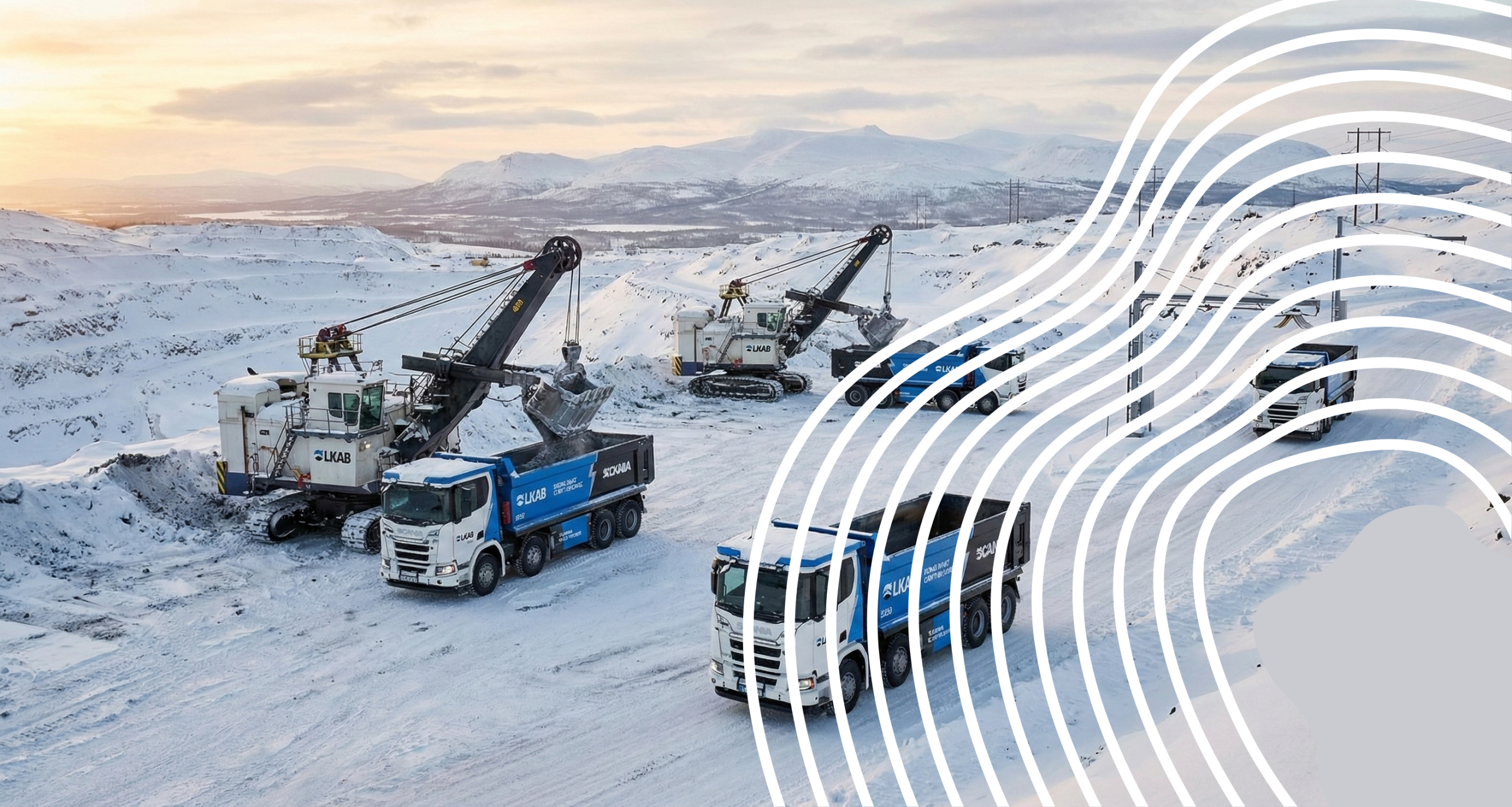
    Scania and LKAB have taken their collaboration to the next level with the introduction of a new fully electric 8×4 heavy tipper truck at LKAB’s Malmberget mine in northern Sweden. This groundbreaking vehicle, named “Sleipner” after Odin’s legendary eight-legged horse, is the first Scania electric truck to feature two steerable front axles. It has been designed to tackle the rigorous demands of mining transport, offering improved stability and load-bearing capabilities on tough mine roads.

    Sleipner represents a significant milestone in Scania’s commitment to electrifying heavy-duty transportation in challenging environments. With a total weight of 60 tonnes—38 tonnes of which is payload—the electric truck replaces its internal combustion counterpart, offering an eco-friendly alternative for transporting waste rock at LKAB’s mining operations.

    Powered by two MP20 battery packs with 416 kWh capacity, and a 400 kW electric motor, Sleipner has been built on Scania’s modular electric platform. This technology enables the vehicle to haul materials over a 5 km route with a 250-meter elevation gain while achieving substantial CO₂ savings. If successful, Sleipner could provide LKAB with a fully fossil-free solution for their transport needs, a major step in meeting their sustainability goals.

    “This vehicle is just the start of many more mining solutions to come,” said Tony Sandberg, Head of Scania Pilot Partner. The vehicle is the latest in a series of electric trucks operating at the Malmberget mine, demonstrating how Scania’s electric technology can be adapted for the toughest of environments.

  • Germany Reports “Constructive” Signals from China on Rare Earth Supplies

    Germany Reports “Constructive” Signals from China on Rare Earth Supplies

    German Foreign Minister Johann Wadephul says China has shown willingness to cooperate on rare earth exports to Europe, offering a rare moment of optimism amid deepening geopolitical and trade tensions. Speaking during a two-day visit to Beijing, Wadephul said Chinese officials indicated they would work “constructively” with European importers seeking general licences to secure supplies of rare earths — metals critical to electronics, defence technologies and electric vehicles.

    The minister met with Commerce Minister Wang Wentao, Foreign Minister Wang Yi and Vice President Han Zheng, using the talks to address Beijing’s recent export restrictions on rare earths, as well as concerns over industrial overcapacity in China’s EV and steel sectors. In a message posted following the meetings, Wadephul said Germany and China remained committed to “balanced economic relations,” while acknowledging the need to confront “imbalances” such as market-access barriers and trade controls.

    China introduced new export restrictions on several rare earth products this year, forcing global manufacturers to confront their dependence on Chinese supply. Wadephul said Beijing reassured him that it had “no intention” of burdening German companies with additional hurdles and encouraged them to apply for general licences under China’s evolving export framework. Wang Wentao also emphasised that the licensing system was designed to keep supply chains “stable and smooth.”

    The discussions come at a time of heightened strain in German-Chinese relations. Chancellor Friedrich Merz has pledged a firmer stance toward Beijing, and Wadephul previously cancelled an earlier trip after criticising China’s activities around Taiwan. German officials have repeatedly warned that the country — long one of China’s closest European trading partners — is now highly exposed to Beijing’s leverage over critical raw materials.

    Last month, Finance Minister Lars Klingbeil left China with only informal assurances regarding rare earth supplies, highlighting the limits of European influence. The European Union is preparing to mobilise at least €3 billion over the next year to reduce its dependency on China for strategic raw materials, including through mining, processing and recycling initiatives.

    Wadephul also used the Beijing meetings to press China to exert pressure on Russia to engage in “serious negotiations” over its war against Ukraine. He said European expectations were clearly conveyed: “If there’s one country that has influence on Russia, it’s China.”

  • GreenRoc Wins 30-Year Licence to Develop High-Grade Amitsoq Graphite Mine in Greenland

    GreenRoc Wins 30-Year Licence to Develop High-Grade Amitsoq Graphite Mine in Greenland

    GreenRoc Mining Plc has secured a 30-year exploitation licence for its Amitsoq graphite project in southern Greenland, clearing a major hurdle on the path to production. The approval, signed by Greenland’s Minister for Business and Mineral Resources Naaja Nathanielsen, marks the third long-term mining permit issued by the territory this year as it seeks to attract responsible investment while managing environmental and community concerns.

    CEO Stefan Bernstein called the licence a “very important milestone” for the company, underscoring the strategic role of graphite in the global energy transition and Europe’s need to establish secure supply chains. GreenRoc’s shares surged as much as 19% on the news, giving the explorer a market value of about £7.5 million.

    Amitsoq, located in the Nanortalik region, hosts one of the world’s highest-grade graphite deposits with a JORC resource of 23 million tonnes at 20.41% graphitic carbon, containing an estimated 4.71 million tonnes of graphite. The site includes a historic mine last operated in 1922. GreenRoc plans to fast-track development and expects annual production of about 80 000 tonnes of graphite concentrate once the mine is operational.

    Earlier this year, the project received “strategic” designation from the European Union for its potential to become a key supplier of graphite, now recognised as a critical raw material. Greenland’s mining sector, long constrained by strict regulations and limited financing, has seen momentum building amid renewed US and European interest in the Arctic territory’s natural resources. In October, GreenRoc secured a €5.2-million loan from Denmark’s export credit agency to support Amitsoq’s advancement.

    Alongside the graphite project, the company also holds ilmenite and iron assets in Greenland, positioning it as a growing player in the region’s critical minerals landscape.

  • Vulcan Energy Breaks Ground on Germany’s First Geothermal-Lithium Extraction Plant

    Vulcan Energy Breaks Ground on Germany’s First Geothermal-Lithium Extraction Plant

    Vulcan Energy has begun construction on its flagship Project Lionheart, officially laying the foundation stone for the combined geothermal and lithium extraction plant (G-LEP) in Landau, Germany. The ceremony, attended by European Investment Bank Vice-President Nicola Beer and other senior officials, follows the company securing a €2.2 billion (A$3.9 billion) financing package to fully fund Phase One of the development.

    Phase One Lionheart will deliver an integrated lithium and renewable energy project in the Upper Rhine Valley, targeting annual production of 24 000 t of lithium hydroxide monohydrate — enough for roughly 500 000 electric vehicle batteries — alongside 275 GWh of renewable electricity and 560 GWh of renewable heat for local consumers. The project has an expected operational life of about 30 years.

    The G-LEP facility is central to Vulcan’s plan to produce carbon-neutral lithium using deep geothermal brine, while also supplying long-term renewable district heating to the City of Landau. Executives described the groundbreaking as a major milestone for European critical raw material security and the region’s clean-energy transition.

    CEO Cris Moreno said the launch signalled strong momentum for Europe’s efforts to build domestic lithium supply chains and reduce reliance on imports. He added that Vulcan would now focus on advancing construction of the G-LEP and delivering climate-friendly lithium and renewable heat to the region.

  • Kazakhstan Advances Digital Transformation of Geology: 83% of Historical Data Digitised, AI-Driven Big Data System to Accelerate Subsoil Analysis

    Kazakhstan Advances Digital Transformation of Geology: 83% of Historical Data Digitised, AI-Driven Big Data System to Accelerate Subsoil Analysis

    Kazakhstan is rapidly digitising its geological sector as the National Geological Service continues large-scale work to collect, store and convert primary geological materials into digital format — a key step in modernising the management of the country’s mineral resource base.

    According to the Ministry of Industry and Construction, 83% of geological archives accumulated over the past 80 years — more than 3.8 million units of geo-data — have already been digitised. By the end of 2025, this figure is expected to reach 97.5%, with a full transition to digital operations planned for 2026. The result will be a national digital geological information fund, providing fast online access to geological data.

    A central component of the digitalisation programme is the introduction of a Big Data system powered by artificial intelligence, which will be integrated into the Unified Subsoil Use Platform. This system will automate the analysis of geological materials, significantly speed up the processing and verification of historical datasets, and enhance the accuracy of geological interpretation.

    Using optical text recognition and machine-vision technologies, the platform will convert both archival and current geological documents into machine-readable format. Big Data tools will also support the creation of a structured geological database and an intelligent chatbot designed to help users search for and analyse information quickly and efficiently.

    Experts say the digital transformation will provide a stronger foundation for resource forecasting, attract investment into exploration, improve transparency, and enhance Kazakhstan’s competitiveness in the global critical minerals market.

  • Kazakhstan Announces Major New Discoveries of Gold, Rare Earths and Strategic Metals as Geological Survey Intensifies

    Kazakhstan Announces Major New Discoveries of Gold, Rare Earths and Strategic Metals as Geological Survey Intensifies

    Kazakhstan is accelerating its nationwide geological exploration programme, aiming to expand the area of mapped and studied subsoil from 2.1 million sq km to 2.2 million sq km by 2026. According to the Ministry of Industry and Construction, the push is already yielding significant results: exploration work completed in 2024 across 11 sites has led to the identification of promising new deposits of precious, rare and strategic metals.

    Some of the most important discoveries span four key regions. In Abai Region, geologists have outlined forecast resources of 3,200 tonnes of beryllium, 1,100 tonnes of yttrium, and 200 tonnes of niobium. In East Kazakhstan, newly identified deposits are estimated to contain 20,600 tonnes of beryllium and 600 tonnes of tungsten.

    The Karaganda Region delivered the largest rare-earth findings, with early estimates indicating 935,400 tonnes of lanthanoids. Specialists also believe the region may host 98,700 tonnes of copper, 59,800 tonnes of yttrium, 33,480 tonnes of gallium, and 7,000 tonnes of molybdenum.

    Meanwhile, Kostanay Region emerged as the country’s gold leader, with forecast resources reaching 17,500 tonnes. Prospective copper reserves there are estimated at 13,480 tonnes.

    A separate initiative — the “Predictive Assessment of Collision-Zone Granitoids in Eastern Kazakhstan” — identified three target zones with substantial potential for niobium, zirconium, and rare-earth elements. Preliminary estimates suggest more than 500,000 tonnes of niobium, 2 million tonnes of zirconium, 947,000 tonnes of rare earths, as well as 79,800 tonnes of molybdenum and 399,100 tonnes of tungsten.

    As a result of 2024 exploration activities, five new deposits have been officially added to the national register: Kok-Zhon, Altyn-Shoko, Samombet, Studenchesky and Takyr-Kaldzhir. Newly booked reserves include 98 tonnes of gold, 36,000 tonnes of copper, 11 million tonnes of manganese, and more than 1.3 million tonnes of phosphorites.

    The discoveries underscore Kazakhstan’s growing role as a major source of critical minerals and precious metals, supporting both domestic industrialisation goals and international supply-chain diversification strategies.