Website: Eurasia.com

  • President Tokayev Reviews Qarmet’s 2025 Results and Supports Further Development Plans

    President Tokayev Reviews Qarmet’s 2025 Results and Supports Further Development Plans

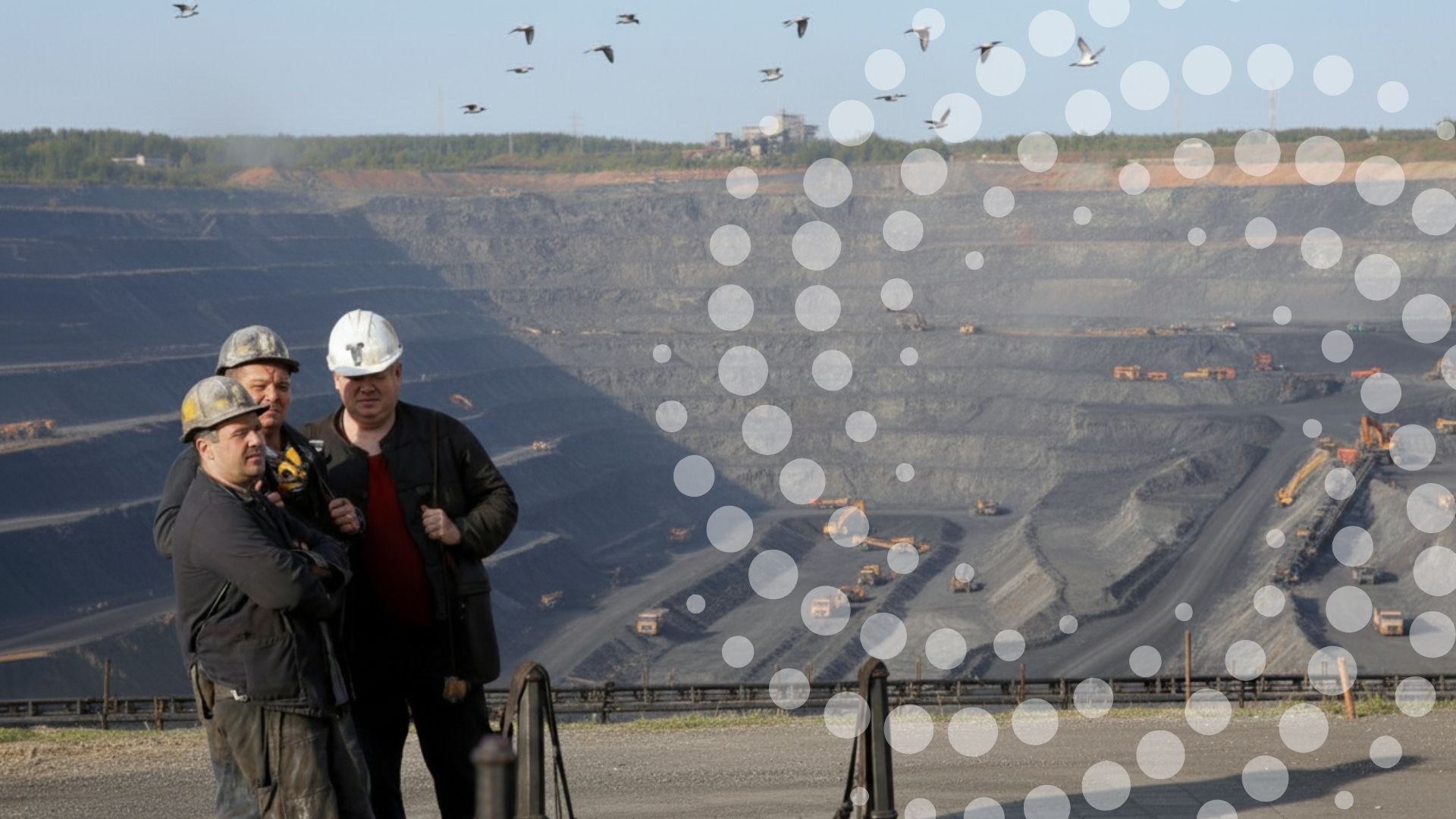
    Kazakhstan’s President Kassym-Jomart Tokayev has been presented with Qarmet’s preliminary operating results for 2025 and the key priorities of its investment program. The company reported strong positive dynamics, with steel production increasing by 22 percent over two years, coal concentrate output rising by 26 percent, and iron ore concentrate production growing by 32 percent. Over the same period, production costs were reduced by 28 percent, while the number of steel grades produced expanded from 260 to 350.

    Qarmet Chairman Andrey Lavrentyev reported on the implementation of nine major investment projects aimed at forming the country’s “steel framework” and reducing dependence on imported rolled metal products. The company is also expanding the production of new premium steel grades, including specialized products intended for the construction of nuclear power plants.

    The president was briefed on development programs for Qarmet’s coal and mining divisions, with particular emphasis placed on occupational safety and social initiatives. The company is upgrading its own medical and educational facilities, and a new collective labor agreement has been signed with trade unions. The agreement provides enhanced social guarantees for Qarmet’s workforce of 35000 employees.

    Tokayev was also informed about the creation of a large metallurgical cluster around Qarmet, enabling small and medium-sized enterprises to engage in deeper processing of raw materials. This initiative was launched jointly with the National Investment Holding Baiterek. In addition, Qarmet is carrying out systematic cooperation with machine-building plants to increase the use of domestically produced steel in manufacturing.

    Following the meeting, the president gave a positive assessment of the company’s performance and endorsed Qarmet’s proposed development plan. He stressed the importance of continuing comprehensive modernization efforts, addressing social issues, improving the environmental situation, and further expanding machine-building production.

  • East Star and Xinhai Agree on Joint Development of Verkh-Uba Copper Project in Kazakhstan

    East Star and Xinhai Agree on Joint Development of Verkh-Uba Copper Project in Kazakhstan

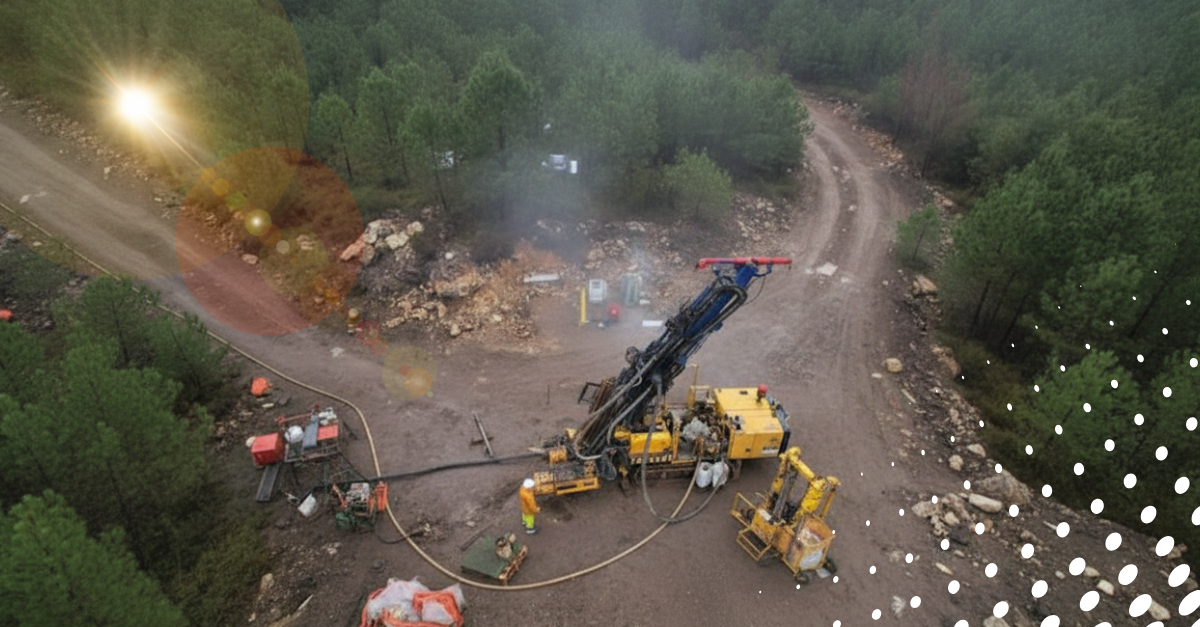
    UK-listed East Star Resources Plc has announced that it has signed a preliminary agreement with China’s Xinhai Mining Services Limited to jointly develop the Verkh-Uba copper deposit in Kazakhstan.

    Under the terms of the agreement, Xinhai Mining Services will lead the phased development of the project, which is estimated to require investments of around 65 million US dollars. The parties expect to finalize and sign a binding agreement within the next six months.

    The Chinese partner will fully finance all stages of project development, including approximately 5000 meters of additional drilling to refine resource estimates and the construction and commissioning of a mining and processing facility with an annual capacity of 1 million tonnes. As investment volumes increase at each stage, Xinhai’s stake in the joint venture will rise from an initial 15 percent to as much as 70 percent.

    East Star noted that the involvement of a strategic partner will reduce project risks and accelerate development timelines. The joint venture will also allow the company to redirect its efforts toward the discovery and evaluation of additional deposits, as East Star holds several other promising gold and copper licenses. These include the Talovskoye and Rulikhinskoye sites, with the latter estimated under JORC standards to contain 23 million tonnes of copper ore at an average grade of 2.4 percent.

    In Kazakhstan, East Star focuses on the exploration of gold and base metals and has been conducting exploration activities for more than three years at three sites: Verkh-Uba, Talovskoye, and Snezhnoye. In February 2025, the company reported the identification of additional base metal resources, with JORC-compliant estimates for Verkh-Uba at that time placing resources at 20.3 million tonnes of ore containing 1.16 percent copper, 1.54 percent zinc, and 0.27 percent lead.

  • Understanding Critical Infrastructure in Contemporary Mineral Markets: Romania’s Rare Earth Test Case

    Understanding Critical Infrastructure in Contemporary Mineral Markets: Romania’s Rare Earth Test Case

    As Europe confronts growing vulnerabilities in critical mineral supply chains, processing infrastructure has emerged as the decisive bottleneck separating genuine industrial autonomy from continued dependence on geographically concentrated production hubs. Within this context, Romania’s rare earth processing initiative stands as a litmus test for Europe’s ability to translate strategic policy into operational capability.

    The planned rare earth processing facility at Feldioara is more than a standalone industrial project. It reflects a deliberate shift in European thinking, recognising that sovereignty over critical materials depends less on mining alone and more on control of midstream processing and refining. With China controlling roughly 80% of global rare earth refining capacity, European policymakers have identified downstream infrastructure as the most effective leverage point to rebalance supply chains.

    Romania’s advantage lies in its legacy nuclear infrastructure. The Feldioara site builds on decades of uranium concentrate processing expertise under Nuclearelectrica and its subsidiary FPCU, offering an existing base of metallurgical know-how, regulatory compliance systems, and a trained technical workforce. This significantly shortens development timelines compared with greenfield processing projects and reduces execution risk in a sector where technical complexity has derailed many Western initiatives.

    Strategically, the project aligns closely with the EU’s Critical Raw Materials Act and related funding instruments, which prioritise processing, recycling, and midstream integration over pure extraction. By focusing on processing capacity capable of handling material from multiple upstream sources, Romania positions itself as a regional hub rather than a single-mine solution. This model enhances resilience and supports European industries spanning defence, electrification, energy infrastructure, and advanced manufacturing.

    The joint venture structure between state-owned FPCU and Critical Metals Corp reflects a broader European experiment in public–private governance for strategic infrastructure. State participation anchors the project within EU strategic autonomy objectives, while private-sector involvement brings market access, operational expertise, and commercial discipline. However, this structure also places a premium on transparent governance, clear decision-making authority, and alignment between commercial incentives and strategic goals.

    Supply integration with the Tanbreez rare earth project in Greenland adds a further geopolitical dimension. The Greenland–Romania corridor represents a fully Western-aligned alternative to Chinese processing routes, but it also introduces technical challenges. Eudialyte-hosted rare earth mineralisation requires specialised processing flowsheets, demanding innovation, pilot-scale testing, and cost discipline to remain competitive against established Asian processors.

    Ultimately, the Feldioara project encapsulates the broader European dilemma in critical minerals. Policy ambition is now clear, financing tools are emerging, and geopolitical incentives are strong. The remaining question is execution. Success would validate Europe’s shift from regulatory aspiration to industrial governance, creating a replicable model for other critical materials. Failure would reinforce the structural challenges that have long constrained Western processing capacity.

  • Serbia Zijin Copper Cleans Up Bor’s Legacy Pollution Through Smelter Modernisation and Dust Control

    Serbia Zijin Copper Cleans Up Bor’s Legacy Pollution Through Smelter Modernisation and Dust Control

    A new phase in Kazakhstan–European Union cooperation on critical raw materials was formally launched with the inauguration of the Kazakhstan–EU Gateway’s cooperation platform and its first flagship event, Strategic Partnership on Critical Raw Materials.

    The event, attended by Eureflect, was hosted at the Brussels headquarters of TÜSİAD, one of Turkey’s leading business associations, underscoring the Eurasian dimension of the initiative and its relevance for both European and regional industrial stakeholders. The choice of venue reflected the high-level political and business focus of the platform.

    Held on December 9, 2025, at Av. des Gaulois 13 in Brussels, the conference brought together policymakers, industry leaders and subject-matter experts from across Europe and Central Asia. Discussions centred on strengthening cooperation along the full critical raw materials value chain, from geological exploration and mining to processing, refining and downstream industrial integration.

    The Kazakhstan–EU Gateway is intended to serve as a structured platform to align Kazakhstan’s vast mineral resource base with Europe’s growing demand for secure, diversified and responsibly sourced critical raw materials. The initiative comes as the EU accelerates efforts to reduce strategic dependencies and deepen partnerships with resource-rich, politically aligned countries.

    Participants highlighted the importance of long-term frameworks, transparent governance and investment-friendly conditions to translate political alignment into tangible projects. The launch event marked an initial step toward building sustained collaboration between Kazakh institutions, European policymakers and industrial players seeking resilient supply chains.

  • Kazakhstan–EU Gateway Launches New Platform for Strategic Critical Raw Materials Cooperation

    Kazakhstan–EU Gateway Launches New Platform for Strategic Critical Raw Materials Cooperation

    A new chapter in Kazakhstan–European Union cooperation on critical raw materials opened on 9 December 2025 with the inauguration of the Kazakhstan–EU Gateway’s cooperation platform and its first flagship event, titled “Strategic Partnership on Critical Raw Materials.”

    The event was hosted in Brussels at the premises of TÜSİAD, one of Turkey’s leading business associations, underscoring the Eurasia-focused and high-level nature of the initiative. Located in the EU quarter at Avenue des Gaulois 13, the venue provided a strategic setting for discussions at the intersection of European policymaking, industry and international cooperation.

    The launch brought together policymakers, industry executives, analysts and experts to explore avenues for strengthening collaboration between Kazakhstan and the EU in the sourcing, processing and integration of critical raw materials into European value chains. Participants discussed supply security, investment frameworks, governance standards and the role of Central Asia in supporting Europe’s industrial resilience amid growing geopolitical pressures.

    The Kazakhstan–EU Gateway platform is intended to serve as a permanent forum for dialogue and project development, positioning Kazakhstan as a key strategic partner for Europe as it seeks to diversify supply chains and reduce dependence on dominant external suppliers of critical minerals.

  • EU Unveils New Raw-Materials Security Doctrine to Cut Foreign Dependence

    EU Unveils New Raw-Materials Security Doctrine to Cut Foreign Dependence

    The European Union has unveiled a new raw-materials security doctrine that marks a significant shift in its industrial and geopolitical strategy, moving from high-level policy guidance to execution-focused industrial governance.

    The doctrine sets quantified targets to reduce Europe’s reliance on foreign raw-material supplies by 50% within the next decade, acknowledging that full self-sufficiency is unrealistic but stressing the need for redundancy, diversification and domestic capacity. The strategy prioritises critical and strategic materials across extraction, processing and recycling, aligning Europe more closely with approaches taken by the United States and parts of Asia, while accounting for Europe’s stricter environmental and permitting frameworks.

    A central pillar of the doctrine is the recognition that Europe’s main vulnerability lies not only in limited mining, but in weak midstream capabilities. Insufficient refining, metallurgical transformation and component production have left European industry exposed to supply disruptions. The new approach seeks to strengthen these segments through financial incentives for processing plants, expanded recycling infrastructure and the creation of coordinated industrial clusters spanning automotive, aerospace, energy and defence sectors.

    Implementation speed is expected to be decisive. EU institutions acknowledge that lengthy permitting processes, local opposition and regulatory complexity have historically delayed strategic projects. To meet the doctrine’s ambitions, Brussels is expected to prioritise critical-project designation, streamline approvals and deploy stronger investment de-risking tools to accelerate development timelines.

    The doctrine underscores a broader shift in EU thinking, framing raw materials as a frontline industrial and security issue rather than a background commodity concern. By reinforcing domestic processing, recycling and midstream integration, the EU aims to position itself as a more resilient and competitive hub for strategic materials amid an increasingly contested global resource landscape.

  • REsourceEU Puts Europe’s Critical Minerals Strategy Into Action With Early Molybdenum and Lithium Backing

    REsourceEU Puts Europe’s Critical Minerals Strategy Into Action With Early Molybdenum and Lithium Backing

    Europe’s newly launched €3-billion REsourceEU funding package marks a decisive shift in the continent’s approach to securing resilient, competitive supply chains for critical and strategic raw materials. The first wave of support targets a select group of molybdenum and lithium projects, signalling that Brussels is moving beyond policy blueprints toward tangible industrial capacity.

    As reported by euromining.news, these early selections demonstrate that the EU’s critical raw materials agenda is entering an execution phase, focused on easing bottlenecks in alloy production, battery manufacturing and clean-technology deployment.

    Molybdenum moves into the strategic spotlight
    While it attracts far less attention than battery metals, molybdenum is essential to Europe’s industrial backbone. As a key alloying element in high-performance steels, it underpins defence manufacturing, energy infrastructure, petrochemicals and advanced engineering.

    Europe’s heavy reliance on imported molybdenum leaves these sectors exposed to geopolitical risk and price volatility. By prioritising European molybdenum projects under REsourceEU, the Commission is acknowledging that strategic vulnerability extends well beyond lithium and rare earths. Industrial resilience depends on securing the full spectrum of critical alloying materials that modern manufacturing requires.

    Lithium funding reinforces battery-chain ambitions
    Lithium remains central to Europe’s push to build a competitive battery ecosystem. Conversion plants across Germany, France, Portugal and the Nordic region are racing to scale production of battery-grade lithium chemicals, aiming to establish domestic midstream hubs in a market still dominated by fragmented and geopolitically sensitive global supply chains.

    REsourceEU funding is expected to reduce financing risk, unlock delayed investments and accelerate project timelines. This support is arriving at a critical moment, as European gigafactory capacity expands rapidly and automakers seek stable, low-carbon lithium supply.

    From policy vision to industrial reality
    The broader ambition of REsourceEU is to translate Europe’s raw-materials strategy into operational infrastructure. As highlighted in recent euromining.news analysis, long-term industrial competitiveness now hinges on secure, diversified and environmentally responsible material flows.

    By backing early leaders in molybdenum and lithium development, the EU is sending a clear signal: Europe intends to anchor strategic materials production at home rather than rely on volatile external suppliers. The challenge now lies in delivery. Projects must still overcome permitting hurdles, secure long-term offtake agreements and reach commercial scale.

    As construction advances and policy support deepens, euromining.news will continue to track both progress and remaining gaps to assess whether Europe’s strategic-materials ambitions translate into lasting industrial strength.

  • EU Reaches Provisional Deal to Strengthen Foreign Investment Screening Rules

    EU Reaches Provisional Deal to Strengthen Foreign Investment Screening Rules

    The Council of the European Union and representatives of the European Parliament have reached a provisional political agreement to revise the EU’s foreign direct investment (FDI) screening regulation, reinforcing the bloc’s ability to identify and mitigate security and public-order risks linked to foreign investments.

    The updated framework builds on the existing FDI screening system introduced in 2020 and responds to growing geopolitical, technological and supply-chain vulnerabilities. Under the agreement, all EU member states will be required to operate national screening mechanisms with a common minimum scope, ensuring that sensitive investments are assessed consistently across the bloc. Foreign investments made through EU-based subsidiaries will also fall within scope.

    The revised rules target a clearly defined set of sensitive sectors, including dual-use and military items, artificial intelligence, quantum technologies, semiconductors, critical raw materials, energy, transport and digital infrastructure, as well as key elements of electoral and financial market infrastructure. The aim is to harmonise approaches, reduce fragmentation between national regimes and lower administrative burdens for investors, while safeguarding cross-border security interests.

    While cooperation between member states and the European Commission will be strengthened, final decisions on whether to approve, condition or block an investment will remain the exclusive responsibility of the host member state. Where comments or opinions are issued by other member states or the Commission, the host country will be required to explain how these were taken into account.

    Operational improvements include plans for a shared EU database to prevent circumvention of screening rules, an optional single electronic filing portal for investors if requested by at least nine member states, and clearer risk assessment criteria.

    Denmark’s Minister for Industry, Business and Financial Affairs Morten Bødskov said the agreement strikes a balance between security and openness, focusing on the most sensitive technologies and infrastructure while keeping Europe attractive to global investors.

    The provisional deal now requires formal endorsement by both the Council and the European Parliament. Once adopted, the revised regulation will apply 18 months after its entry into force.

  • Critical Metals Corp and Romania’s FPCU Form 50:50 JV to Build EU Rare Earth Processing Hub Linked to Tanbreez

    Critical Metals Corp and Romania’s FPCU Form 50:50 JV to Build EU Rare Earth Processing Hub Linked to Tanbreez

    Critical Metals Corp. (Nasdaq: CRML) has executed a term sheet to establish a 50:50 joint venture with Romania’s state-owned Fabrica de Prelucrare a Concentratelor de Uraniu (FPCU), marking a major step toward creating a fully integrated, Western-aligned rare earth supply chain spanning mine to processing.

    Under the agreement, the JV will secure long-term offtake rights to 50% of Tanbreez’s rare earth concentrate production and advance plans to develop a state-of-the-art rare earth processing facility in Romania. The project is designed to supply European industries and defence sectors while reducing reliance on China, which currently controls more than 80% of global rare earth processing capacity.

    The JV structure is notable in that CRML will not issue debt or equity to fund the facility. The company will retain its 50% stake on a carried-interest basis, with no capital expenditure obligations related to construction. The plant is expected to produce a range of high-value outputs, including aerospace- and military-grade rare earth magnets.

    With this agreement, CRML will have 75% of Tanbreez’s future production committed under long-term offtake agreements with allied partners, following earlier deals allocating 10% to UCORE and 15% to ReAlloys. Once mining at Tanbreez is commissioned, CRML will supply half of the project’s concentrate to the Romanian JV for the full life of mine on competitive market terms.

    The partners will now work to finalise the technical and commercial framework for the JV, overseen by a dedicated development committee responsible for plant design, development strategy and commercialisation of processed products. Both CRML and the Romanian government plan to apply for funding under the EU’s recently announced €3.5-billion critical raw materials support package.

    CRML also confirmed it is updating its feasibility study to reflect a redesigned processing flowsheet at Tanbreez. The company is targeting an increase in concentrate grade from 2.2–2.5% to above 3% TREO, which is expected to improve mine-to-metal economics and downstream product quality. An updated feasibility study and revised timelines are expected by Q1 2026.

  • Strickland Metals Delivers 1.2Moz Maiden Gold Resource at Gradina, Lifting Rogozna Project Scale

    Strickland Metals Delivers 1.2Moz Maiden Gold Resource at Gradina, Lifting Rogozna Project Scale

    Strickland Metals has announced a maiden mineral resource estimate of 1.2 million ounces of gold at its Gradina deposit, significantly enhancing the scale and quality of the broader Rogozna project. The resource carries an average grade of 3.0 g/t gold, a level the company says materially upgrades the overall inventory and underscores the high-grade nature of the discovery.

    The maiden resource was delivered at a discovery cost of just US$10 per ounce, representing a strong return on exploration investment. Managing director Paul L’Herpiniere described the result as outstanding, noting that recent drilling returned multiple high-grade, gold-dominant intercepts along the length of the deposit.

    Gradina’s geometry and grade profile make it well suited to long-hole open stoping, a low-cost underground mining method that uses gravity-assisted ore extraction. The deposit hosts an estimated 3,100 ounces of gold per vertical metre, supporting efficient underground development. Potential access via adits from the eastern flank of the project could further simplify mining and ore haulage.

    The resource has already been optimised using an underground mining model based on a US$2,500/oz gold price and a 1.5 g/t cut-off grade, leaving a wide margin at current gold prices, which are trading above US$4,200/oz.

    Mineralisation at Gradina remains open in all directions. Strickland plans further drilling in several priority areas, including a 10 m to 23 m-wide gap zone between two major resource blocks that has seen little or no testing to date. Additional drilling will also target extensions to the north, south and at depth, where mineralisation remains open over an 800 m strike length.

    Drilling continues across the Rogozna project, with two rigs currently focused on the gap zone and three additional rigs testing regional targets. The company’s next milestone is a resource update for its flagship Shanac deposit, expected early next year.

    Strickland remains well funded, reporting $41.8 million in cash and liquid assets at the end of September, providing ample runway to advance exploration and resource development through the coming year.