Website: Eurasia.com

  • LKAB Commences Construction of Critical Minerals Facility – a First for Europe

    LKAB Commences Construction of Critical Minerals Facility – a First for Europe

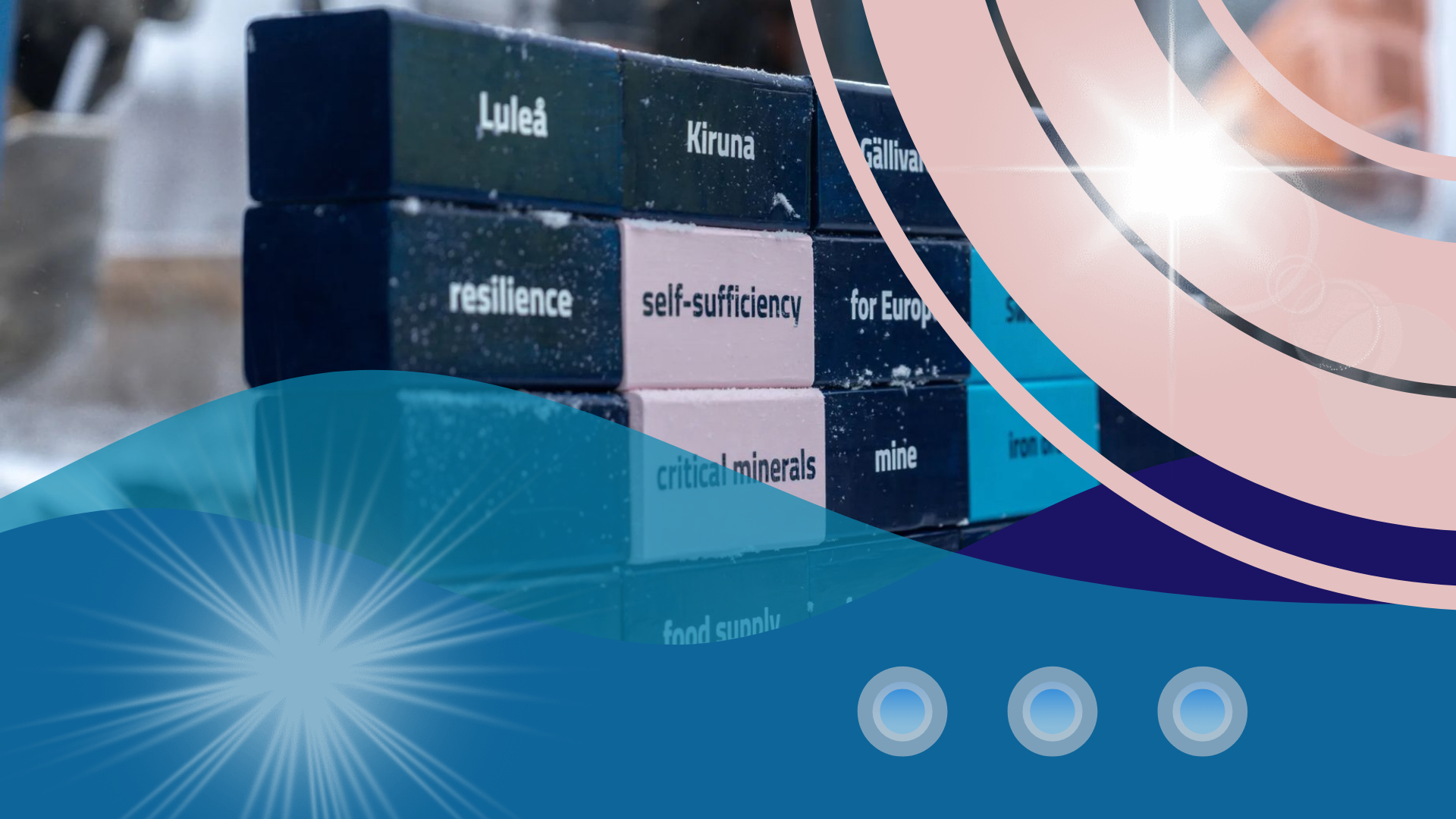
    LKAB has officially begun construction of its new Demonstration plant for processing phosphorus and rare earth elements in Luleå, Sweden. This facility will be the first of its kind in Europe and serves as a crucial building block in LKAB’s strategy to diversify its business with new minerals and improve resource utilisation.

    The construction of the demonstration plant is a major step forward for Europe’s critical minerals industry, as the continent currently relies heavily on imports for these essential materials. By extracting these minerals domestically, LKAB aims to strengthen Europe’s future competitiveness, improve security of supply, and enhance preparedness.

    Importance of Critical Minerals

    Phosphorus is a vital element for food security, as it is used in the production of mineral fertilisers. Rare earth elements are essential for the electrification and digitalisation of society, playing a crucial role in the production of permanent magnets for electric vehicles and wind turbines.

    LKAB’s demonstration plant is expected to meet approximately seven times Sweden’s needs and six percent of the EU’s demand for phosphorus in agriculture. The company also plans to extract rare earth elements from the facility, which are currently not mined in Europe.

    Government Support and Collaboration

    The Swedish government has recognized the importance of this project and has expressed its support for LKAB’s efforts. Minister for Energy, Business and Industry, Ebba Busch, emphasised the significance of the facility in reducing Europe’s import dependency and ensuring access to critical minerals for the future.  Several local and regional authorities have also welcomed the project, highlighting its potential benefits for the region’s economy and development.

    LKAB’s Investment and Future Plans

    LKAB has invested approximately 800 million SEK (approx 70 mln Euro) in establishing the demonstration plant, which is expected to be operational in 2026. The company plans to further develop and verify the process for utilising material flows from iron ore production in Gällivare, where apatite concentrate is produced for further refinement and production of critical minerals in Luleå.  The demonstration plant will also serve as a research and development center, providing an opportunity to explore and develop future potential sources for further refinement. LKAB has identified significant potential for extracting phosphorus and rare earth elements from other mineralizations, and the results from the plant will form the basis for future decisions on scaling up production.

    About LKAB

    LKAB is a leading international mining and minerals group that offers sustainable iron ore, minerals, and special products. The company is committed to developing carbon-free processes and products by 2045 and is driven by its vision of a sustainable future. With a workforce of over 5,200 employees in 12 countries, LKAB generated sales of about SEK 43 billion in 2023.

  • Romanian Government Extends Mining Licenses and Regulates Mineral Deposits

    Romanian Government Extends Mining Licenses and Regulates Mineral Deposits

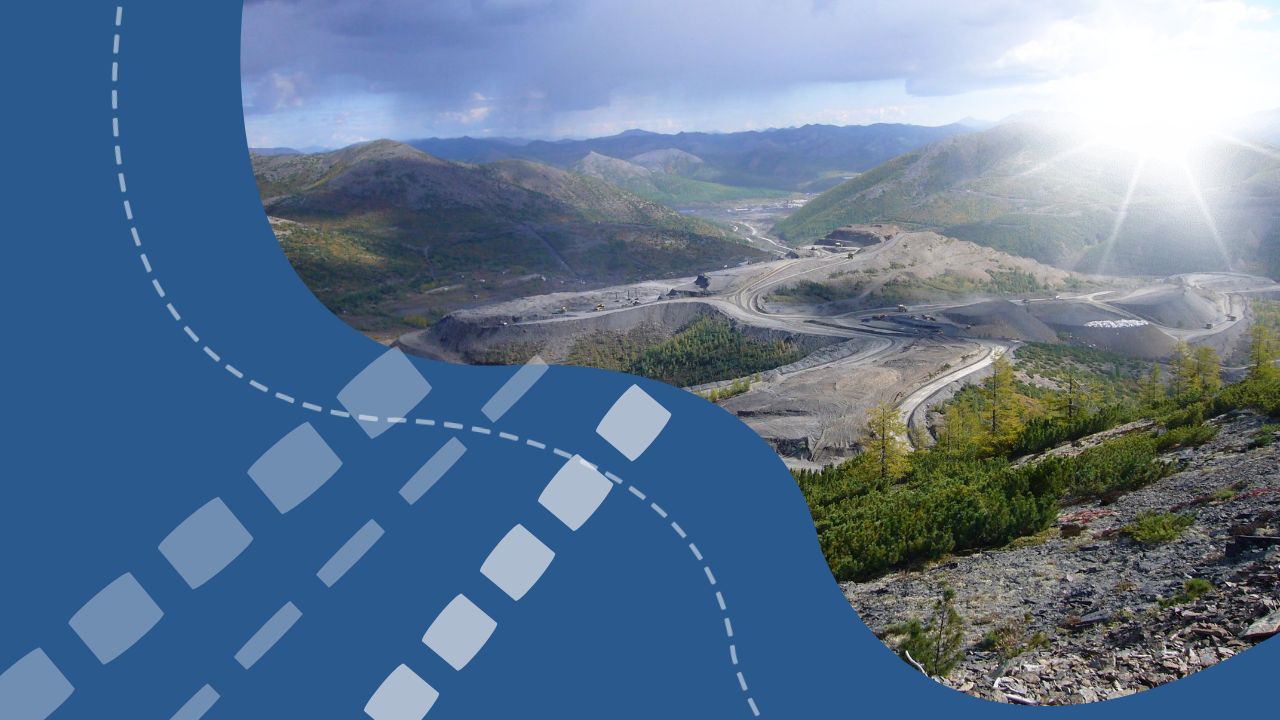
    The Romanian government has approved key legislative measures to regulate mineral exploitation across various regions, including Alba and Bistrița-Năsăud counties. Among the decisions is the registration of the Dealul Jgheabului and Pârâul Româneasa deposits as state public property, aligning with the country’s Mining Law.

    Additionally, the government extended the exploitation license for the Roșia Poieni mining perimeter by five years, until January 31, 2030. This move allows SC CUPRU MIN SA Abrud to continue extracting copper ore, limestone, and andesite under updated technical and economic conditions.

    Similarly, the mining licenses for dacite exploitation in the Tunel I – Măgura Ilvei and Poiana Ilvei – Măgura Sturzii perimeters have been extended for five years, with the possibility of successive renewals. These licenses, held by Romcim SA, ensure continued extraction activities within their respective areas.

    The license extensions include adjustments to mining royalties in accordance with recent legislative updates. These decisions reflect the government’s strategy to regulate and support mining operations while maintaining state control over critical mineral resources.

  • Newmont Expands Stake in Ariana Resources to Strengthen European Exploration

    Newmont Expands Stake in Ariana Resources to Strengthen European Exploration

    Newmont (TSX: NGT) (NYSE, ASX: NEM), the world’s largest gold miner, has increased its stake in UK-based Ariana Resources (AIM: AAU) by acquiring an additional 28.88 million shares for $871,000. This follows a $2.5 million investment in 2022, forming an alliance to advance copper and gold exploration in southeastern Europe.

    The alliance, now in its third year, is managed by Western Tethyan Resources (WTR), a Kosovo-based company in which Ariana holds a 76% interest, with technical support from Newmont. WTR has secured multiple exploration licenses across Kosovo, North Macedonia, Bosnia and Herzegovina, Bulgaria, Greece, and Serbia.

    Ariana’s managing director, Kerim Sener, stated that Newmont’s increased investment demonstrates a firm commitment to advancing projects in the region. The alliance has already conducted geological, geochemical, and geophysical surveys, leading to new exploration license applications and the identification of promising targets. Initial drill testing at the Hertica project has confirmed a copper-gold-molybdenum mineralized system.

    Under the alliance agreement, Newmont has the option to further invest $1 million over the next two years to acquire a 60% stake in any new WTR project. An additional $15 million investment in a pre-feasibility study could raise its stake to 75%. If Newmont proceeds with full-scale development, it can secure up to 85% ownership, with WTR retaining a 2% net smelter return if its interest falls below 10%.

    Beyond its interest in WTR, Ariana also holds gold assets in Zimbabwe, including the 1.83-million-ounce Dokwe project, and a 23.5% stake in a Turkish joint venture with the Kiziltepe mine and Tavsan and Salinbas projects. Additionally, it owns 61% of Venus Minerals, which operates copper exploration projects in Cyprus.

  • EU’s Pro-Business Roadmap Emphasises Mining Amid Economic Shift

    EU’s Pro-Business Roadmap Emphasises Mining Amid Economic Shift

    On Wednesday  29 January 2025, the European Union introduced a pivotal roadmap aimed at making Europe more business-friendly after years of prioritising green goals. With US President Trump’s aggressive trade policies and China’s technological advancements, the EU seeks to bolster growth by alleviating corporate burdens.

    “We need to reignite Europe’s innovation engine,” EU chief Ursula von der Leyen told a news conference to present the “competitiveness compass” — the first major initiative of her second mandate.

    Specific measures proposed:

      • Creating a new legal regime for innovative companies across the EU
      • Facilitating long-term energy agreements and grid investments
      • Providing targeted aid for industrial decarbonisation
      • Revising competition rules to allow creation of European tech giants
      • Promoting more mining in Europe for critical raw materials
      • Removing barriers in the EU single market for key sectors
      • Creating a “European savings and investments union” to boost startup funding

    The plan aims to streamline regulations, reduce energy costs for businesses, and support the development of green technologies. To achieve this, the EU will revise numerous laws, including those related to environmental standards and supply chains, to reduce the burden on companies.

    A key element of the strategy is to increase the EU’s self-sufficiency in critical raw materials, such as rare earths, which are essential for many advanced technologies. The EU currently relies heavily on imports from China and other countries for these materials.

    To address this dependency, the EU plans to encourage more mining within its borders. The European Commission has already received 170 mining projects and aims to facilitate the permitting process. The plan also includes provisions for joint purchases of critical raw materials and international partnerships to secure supply lines.

    This initiative has sparked concerns from environmental groups, who worry that it could lead to the weakening of environmental protections. However, the EU maintains that it remains committed to its climate goals, including achieving carbon neutrality by 2050.

    The EU’s new plan reflects the growing global competition for resources and technological dominance. By focusing on mining and streamlining regulations, the EU aims to strengthen its industrial base and secure its position in the global economy.

  • EU Unveils Competitiveness Compass, Signals Mining Industry Revival

    EU Unveils Competitiveness Compass, Signals Mining Industry Revival

    The European Commission has unveiled its new Competitiveness Compass, a strategic plan aimed at boosting the EU’s economic strength and innovation capacity. In a statement, European Commission President Ursula von der Leyen highlighted the need to address Europe’s vulnerabilities and reduce dependencies on external suppliers for critical resources.

    A key aspect of the plan involves reviving Europe’s mining industry to secure supplies of critical raw materials. Von der Leyen stated, “To reduce our dependency on China and other countries for rare earths and raw materials, we want more of these resources to be mined in Europe.”

    The Commission plans to facilitate the issuance of permits for mining projects, with Vice-President Stéphane Séjourné revealing that 170 mining exploitation or research projects have already been proposed. This move aims to diversify the EU’s supply chains for essential materials needed in green technologies, semiconductors, and other strategic sectors.

    The Competitiveness Compass also outlines the creation of a platform for the “joint purchase” of critical raw materials and the development of international partnerships to strengthen supply lines for green technologies.

    Environmental concerns are being balanced with economic imperatives, as the EU seeks to maintain its commitment to sustainability while boosting its industrial competitiveness. The plan includes measures to support industrial decarbonization and promote the development of low-carbon products.

    This renewed focus on domestic mining represents a significant shift in EU industrial policy, reflecting the bloc’s ambition to achieve greater strategic autonomy in key economic sectors while navigating the challenges of the green transition.

  • Lykos Metals Updates Shareholders on Bosnia Mining Projects

    Lykos Metals Updates Shareholders on Bosnia Mining Projects

    Lykos Metals Limited has provided shareholders with key updates on its mining projects in Bosnia and Herzegovina, highlighting progress and strategic adjustments. The company has accepted the government’s proposal to reduce the tenement application size for its Sockovac project, allowing it to prioritize primary drill targets. Meanwhile, the Jezero project’s exploration permit has been extended, with new results indicating promising mineralization.

    Beyond exploration, Lykos Metals is actively evaluating potential acquisitions and capital-raising opportunities to bolster its financial position and maximize shareholder value. These strategic initiatives align with the company’s long-term vision of expanding its asset portfolio and strengthening its presence in the region’s mining sector.

    Lykos Metals focuses on epithermal gold and polymetallic mineralization in Bosnia and Herzegovina. The company remains committed to advancing its projects through exploration and targeted investments.

  • Europe Sleepwalking into Critical Raw Materials Crisis, Warns Expert

    Europe Sleepwalking into Critical Raw Materials Crisis, Warns Expert

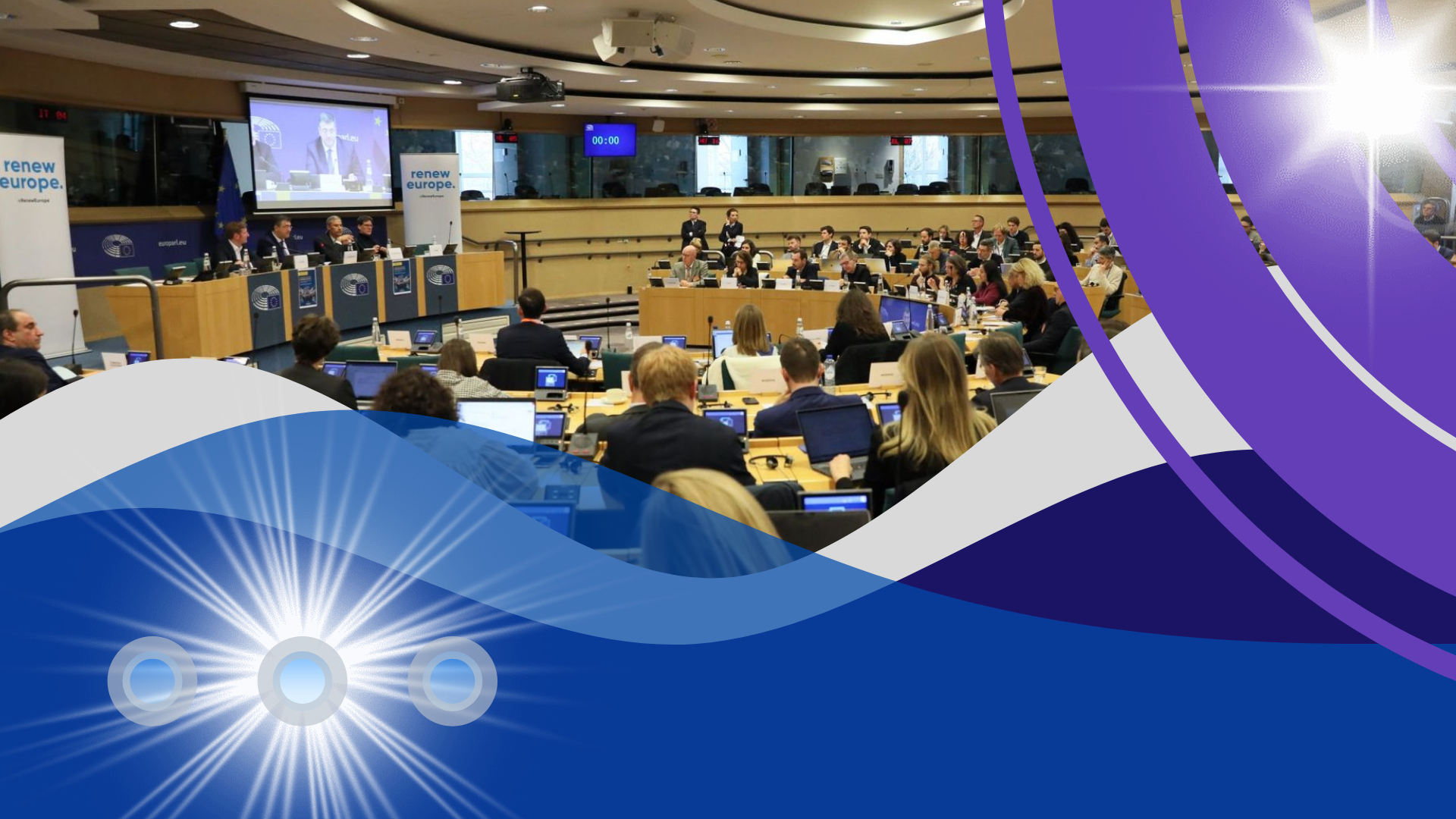
    29 January 20205, Brussels, Belgium — Peter Tom Jones, Director of the KU Leuven Institute for Sustainable Metals and Minerals (SIM2), issued a stark warning to European policymakers yesterday, declaring that failure to secure a self-sufficient critical raw materials (CRM) supply chain would leave Europe at the mercy of China. His remarks came during a high-stakes panel discussion in the European Parliament titled “Supporting the European Automotive Sector to Meet EU Green Transition Goals in Global Competition”, part of a broader event on supporting the EU automotive sector’s green transition.

    Europe’s “Abdication of Responsibility”

    Jones criticised Europe’s historic neglect of upstream mining and refining activities, accusing the bloc of outsourcing CRM production to the Global South while focusing solely on high-value downstream manufacturing. “This has been a significant abdication of our social and environmental responsibilities,” he said, arguing that reliance on external suppliers has left Europe exposed in an era of escalating geopolitical tensions.

    The panel, moderated by MEP Yvan Verougstraete and featuring industry leaders like Julia Poliscanova (Transport & Environment) and Sigrid de Vries (ACEA), highlighted the urgency of addressing supply chain vulnerabilities as the EU races to meet 2030 climate goals.

    China’s Vertical Dominance vs. Europe’s “Siloed Thinking”

    Jones underscored China’s dominance in building a vertically integrated “mine-to-EV” value chain, contrasting it with Europe’s fragmented approach. “While China plans strategically for the long term, Europe remains siloed and reactive,” he said, pointing to the recent shift by European automakers from nickel-manganese-cobalt (NMC) to lithium-iron-phosphate (LFP) batteries. This pivot, he warned, has destabilized Europe’s nascent mining and refining sectors, which lack the infrastructure to support LFP production at scale.

    Compounding these challenges are China’s anticipated export restrictions on magnet and LFP battery technologies—a move Jones called “existential” for Europe’s green transition.

    Call to Action: 15 Mining, Refining, and Recycling Projects by 2030

    Jones urged rapid implementation of the EU’s Critical Raw Materials Act (CRMA), demanding immediate support for at least 15 strategic mining projects, 15 refining facilities, and 15 battery/magnet recycling plants. “With just five years until 2030, we cannot afford delays,” he stressed, warning that opposition from “ideologically driven anti-mining activists” threatens Europe’s energy transition.

    His proposal aligns with calls from industry groups like Eurometaux and Euromines, which have long advocated for streamlined permitting and funding for CRM projects.

    The Path Forward: “Evidence-Based Environmentalism”

    Jones concluded with a plea for pragmatism, advocating “evidence-based environmentalism” that balances ecological concerns with strategic needs. “We must engage companies, governments, and the public to develop an ESG-proof model for responsible metal production in Europe,” he said.

    The event, organised by the Renew Europe faction, signals growing political momentum to secure Europe’s raw materials future. Yet with China’s shadow looming large, the bloc faces a race against time to transform rhetoric into action.

    Key Stakeholders React

    • Judith Kirton-Darling (industriAll Europe): Emphasised the need for “just transition” policies to protect workers in traditional industries.
    • Julia Poliscanova: Warned against repeating fossil fuel-era mistakes by prioritising extraction over circular economy solutions.
    • PROMETIA & Horizon Europe consortia: Highlighted ongoing projects like LITHOS and EXCEED to innovate in sustainable mining and recycling.

    Peter Tom Jones’s full remarks and policy recommendations are available on his LinkedIn profile.

  • Newmont Expands Investment in European Explorer Ariana Resources

    Newmont Expands Investment in European Explorer Ariana Resources

    Newmont, the world’s largest gold mining company, has increased its investment in Ariana Resources, a UK-based exploration firm, by purchasing additional shares for $871,000. This follows an initial $2.5 million investment in 2022 to explore copper and gold in southeastern Europe.

    The alliance, now in its third year of a five-year term, is overseen by Western Tethyan Resources (WTR), a Kosovo-based entity in which Ariana holds a 76% interest, with Newmont providing technical support. WTR holds several exploration licenses in Kosovo and is working on target generation in other southeastern European countries, including Bosnia and Herzegovina, Bulgaria, Greece, Kosovo, North Macedonia, and Serbia.

    To date, the exploration programs have involved generative work in Kosovo and North Macedonia, with additional projects across the region reviewed and assessed. According to Mentor Demi, Managing Director of WTR, they have collected geological, geochemical, and geophysical data over the past two years, generating multiple priority targets and securing new exploration licenses. The first project area, Hertica, has revealed a copper-gold-molybdenum mineralised system.

    Under the alliance terms, any project Newmont deems worthy of further development will be held under a wholly owned WTR entity. Newmont has the option to invest an additional $1 million over two years to earn 60% equity. Further spending of $15 million on a pre-feasibility study that identifies a mineral resource exceeding 2 million ounces of gold will increase Newmont’s stake to 75%. If Newmont decides to develop a mining project, funding will be on a pro-rata basis unless WTR opts out, allowing Newmont to earn up to 85%. Should either party withdraw or dilute their stake below 10%, they will relinquish their interest in exchange for a 2% net smelter return.

    The agreement allows Newmont to increase its stake in promising projects by funding further exploration and development. Beyond this venture, Ariana also has gold projects in Zimbabwe and Turkey, and copper projects in Cyprus.

  • £28.6m Direct Equity Investment to Reopen South Crofty Tin Mine in Cornwall, UK

    £28.6m Direct Equity Investment to Reopen South Crofty Tin Mine in Cornwall, UK

    A major boost for Cornwall’s economy and the UK’s critical mineral supply chain was announced today with a £28.6 million direct equity investment in Cornish Metals Inc. The funding, provided by the National Wealth Fund, will play a crucial role in reopening the historic South Crofty tin mine, generating over 300 direct local jobs.

    This substantial investment forms part of a larger £56 million funding round aimed at further de-risking the South Crofty project. The mine’s revival is particularly significant due to tin’s status as a critical mineral, essential for a range of green technologies including solar panels, wind turbines, electric vehicles (EVs), semiconductors, and energy storage. Securing domestic sources of tin is vital for the UK’s transition to net zero and its broader economic growth.

    Chancellor of the Exchequer, Rt Hon Rachel Reeves, welcomed the investment, stating: “Growth is this Government’s number one mission, and we’re going further and faster to kick start our economy so that we can put more money in people’s pockets. This is just the kind of investment that will help us do that, not only supporting the growth of the Cornish mining sector, but creating high-quality jobs and opportunity for the region and beyond.”

    John Flint, CEO, National Wealth Fund, said, emphasised the strategic importance of the investment: “Critical minerals are not only an important driver of the UK’s transition to net zero, but also of the UK’s growth mission, providing opportunities to anchor important supply chains in the UK. This is our second investment in critical minerals in Cornwall, and shows how we can mobilise private investment into local economies, creating skilled and long-term employment.”

    The reopening of South Crofty represents a significant step forward for the Cornish mining sector and underscores the UK’s commitment to securing its critical mineral resources for a sustainable future.

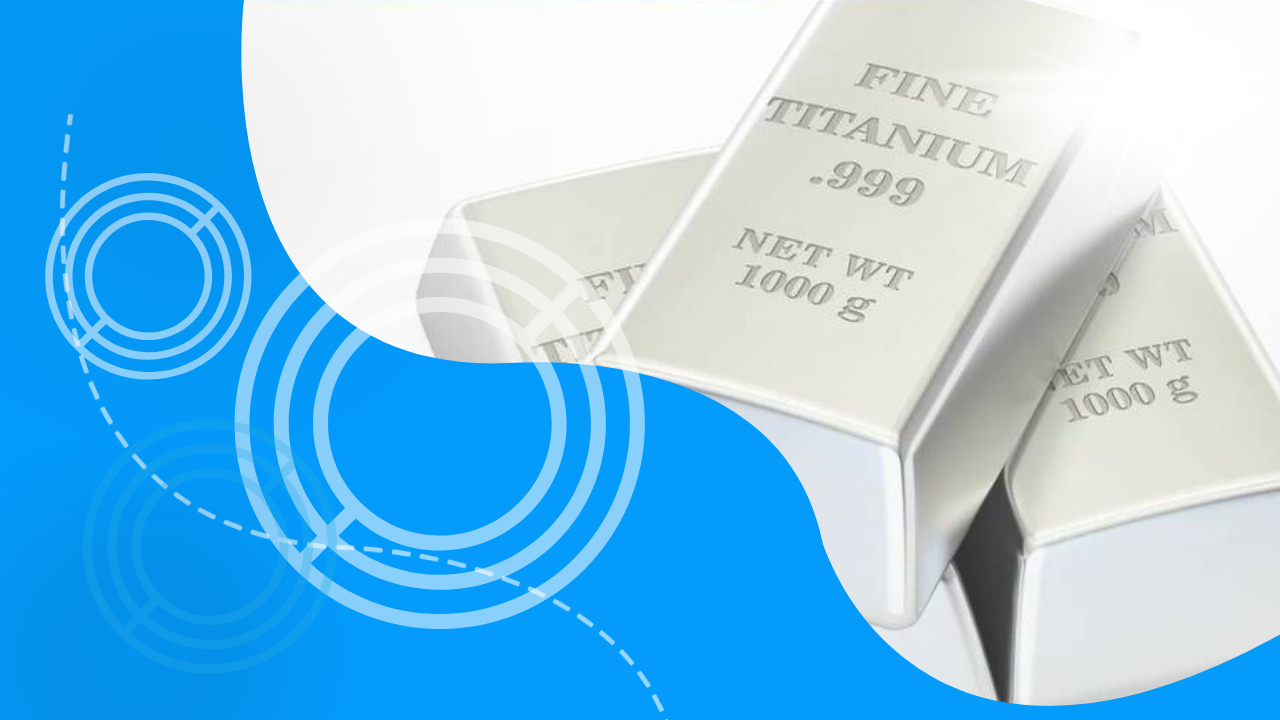
  • A new report examines the strategic importance of titanium metal for the European Union (EU) economy

    A new report examines the strategic importance of titanium metal for the European Union (EU) economy

    The EU relies heavily on titanium imports, a critical metal used in aerospace, defense, and green technologies. A new European Commission Joint Research Centre (JRC) report highlights the risks of this dependence, exacerbated by global tensions and limited suppliers. The report analyzes the titanium supply chain and proposes strategies to increase circularity and reduce import reliance.

    The EU’s titanium consumption is substantial and expected to grow. Currently, it imports significantly more titanium than it exports, primarily in the form of products and unwrought titanium. Civil aerospace accounts for the majority of this demand, supporting a large number of jobs and contributing significantly to the EU’s GDP. However, the EU faces geopolitical challenges due to its import dependence, especially with the war in Ukraine and the concentration of titanium production in a few countries like China, Japan, Russia, and Kazakhstan.

    The JRC report suggests that increasing circularity, particularly by recycling titanium scrap from aircraft, could significantly reduce import needs and boost the EU’s titanium sector employment. The report recommends several policy actions:

    • Reshoring titanium processing: Re-establishing domestic production capacity.
    • Improving titanium recycling: Addressing barriers to large-scale recycling from decommissioned aircraft.
    • Strengthening international partnerships: Diversifying supply sources through collaborations.
    • Supporting Ukraine’s titanium industry: Integrating Ukraine into the EU’s titanium value chain post-conflict.

    These recommendations align with EU priorities like decarbonization, reshoring, and critical raw materials security, and support existing and upcoming policies such as the Critical Raw Materials Act and the Net Zero Industry Act. The JRC report emphasizes the urgent need for the EU to enhance its strategic autonomy in the titanium supply chain through circularity, reshoring, partnerships, and support for Ukraine. Initiatives like the European Defence Agency’s work on titanium circularity demonstrate practical steps towards achieving these goals.