Website: Eurasia.com

  • Kazakhmys Corporation Explores New Ore Enrichment Technologies

    Kazakhmys Corporation Explores New Ore Enrichment Technologies

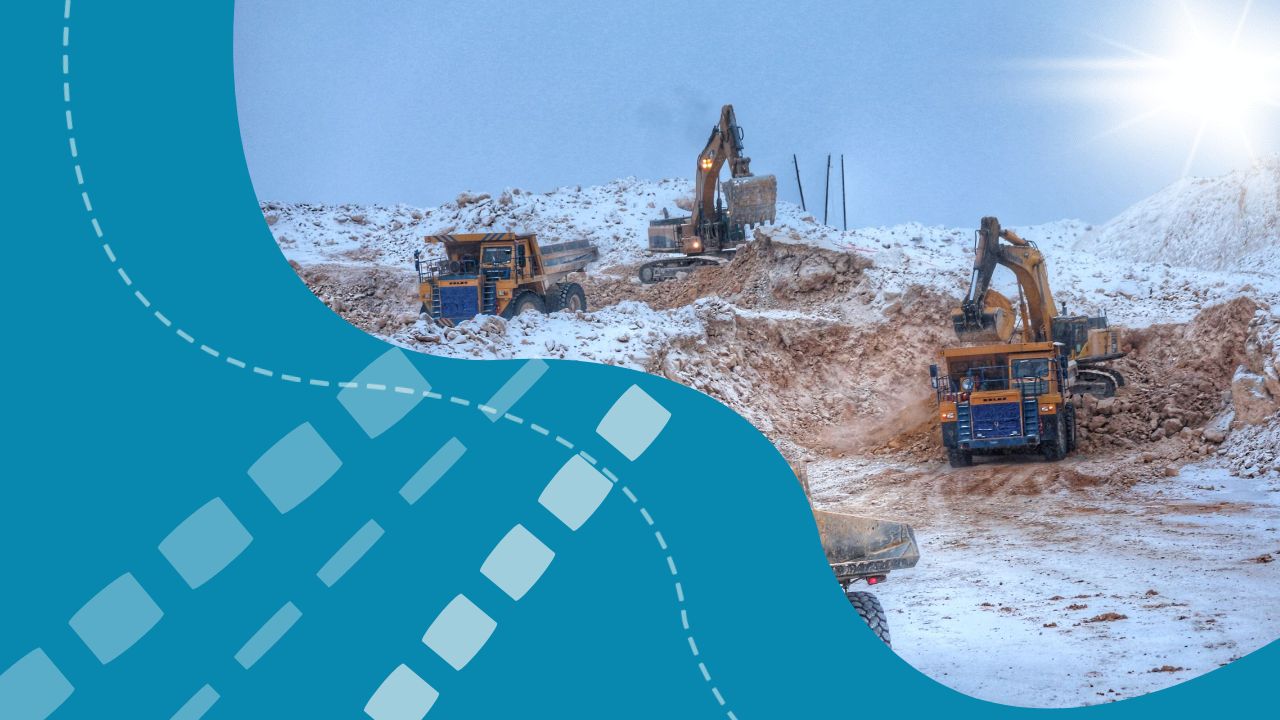
    In a bid to bolster its resource base, Kazakhmys Corporation is actively seeking new technologies in ore dressing. A recent hackathon held at the Karaganda Technical University named after S.D. Saginov focused on innovative solutions for flotation, a crucial process in the metallurgical industry.

    As many of Kazakhmys’ deposits are nearing depletion and current resource extraction methods are outdated, the corporation is looking to the future.

    “The challenge now is to find engineering solutions that are applicable to our specific cases – our ore, its chemical composition and properties,” explained Saken Shayakhmetov, Director of Sustainable Development at Kazakhmys JSC. “If we can significantly increase efficiency through these solutions, it will be a major breakthrough.”

    Three promising projects from the hackathon will be piloted on a smaller scale production. If proven successful, they will be implemented in larger-scale operations across the corporation.

    This initiative aligns with the government’s focus on sustainable development in the mining industry.

    “Today, we are tackling a specific problem – innovative copper leaching methods,” stated Sayasat Nurbek, Minister of Science and Higher Education of Kazakhstan. “This approach allows for the extraction of valuable minerals without disrupting the land, minimising mining damage, and promoting environmental protection.”

    Beyond technological advancements in ore dressing, Kazakhmys Progress, a subsidiary of Kazakhmys, has achieved a significant milestone.

    “Kazakhmys Progress” has launched the first production line of industrial selenium in Balhash. This marks the beginning of an environmentally friendly industrial-scale production process using a unique vacuum distillation method. The technology was developed by researchers at the Institute of Metallurgy and Enrichment, Satbayev University.
  • ZCMC Management Set to Revise Payment Terms for Employees

    ZCMC Management Set to Revise Payment Terms for Employees

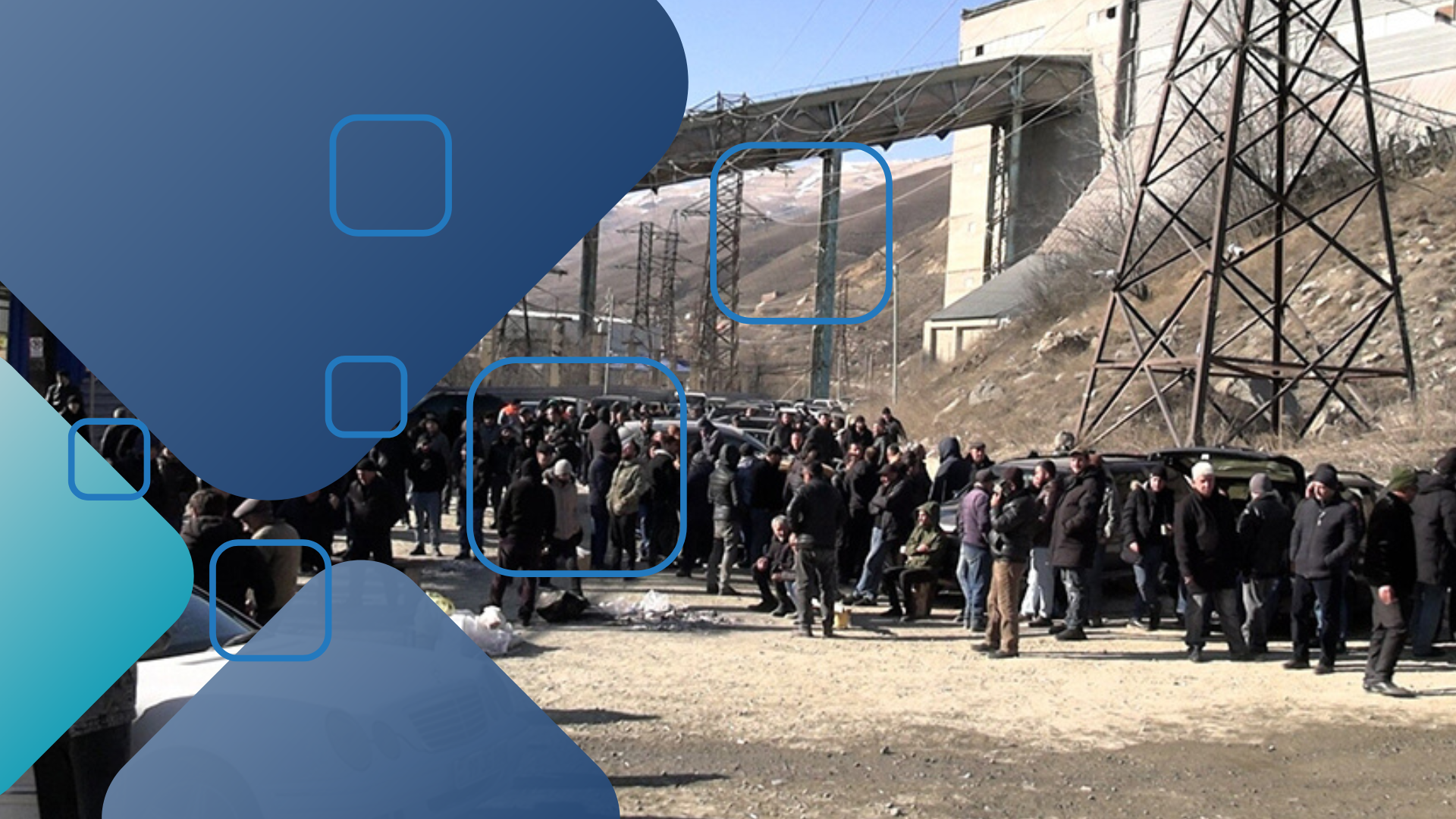
    KAJARAN, Armenia – The Zangezur Copper and Molybdenum Combine (ZCMC) management has announced a series of significant changes to its employee compensation, benefits, and working conditions, following recent strikes and demands for better treatment. The company issued a statement outlining its commitment to addressing employee concerns and urging workers to return to their posts.

    The planned changes include a comprehensive overhaul of the wage system, a new health insurance provider, and significant improvements to workplace infrastructure. The wage review, which began in September 2024, will factor in work experience and qualifications, and will increase the total wage fund by an average of 20%. The new system is expected to be implemented within a month of production resumption.

    Acknowledging employee dissatisfaction with the current health insurance plan, ZCMC will hold an open tender on February 17 to select a new provider. The chosen company will be expected to offer higher quality services that meet employee needs.

    ZCMC also announced plans to modernize its production facilities. Following a technical audit completed in December 2024, the company has begun designing and procuring new ventilation and aspiration systems. These are slated for installation by the end of 2025.

    “Dear employees, we urge you to return to your workplaces,” the ZCMC statement reads. “We can achieve these goals and solve these problems together. ZCMC is a close-knit team, and our common goal is the effective operation of the plant for the benefit of the well-being of employees, the development of the region and the prosperity of Armenia.”

    These announcements come after some ZCMC employees went on strike, demanding a 50% salary increase. The company deemed these demands “unrealistic” and the strikers’ actions as exceeding the bounds of the Labor Code.

    ZCMC is Armenia’s largest mining company, operating the Kajaran copper-molybdenum deposit, which has an estimated ore supply of 150 years. The company is a major contributor to the Armenian economy, consistently ranking among the top taxpayers. In 2024, ZCMC contributed approximately 102 billion drams to the state treasury, a 44% year-on-year increase. This includes 30.2 billion drams in direct taxes and 2.7 billion drams in indirect taxes. In December, Prime Minister Nikol Pashinyan announced that ZCMC had also transferred 33.25 billion drams to the state budget as government dividends, reflecting the government’s shareholder status in the company.

  • KAZ Minerals Sets Processing Record Despite Production Challenges in 2024

    KAZ Minerals Sets Processing Record Despite Production Challenges in 2024

    KAZ Minerals achieved record ore processing volumes in 2024, even as copper production declined due to lower grades at its maturing operations. The Kazakhstan-focused mining company processed 96.5 million tonnes of ore during the year, marking a 6% increase from 2023 and setting a new Group record.

    Andrew Southam, Chief Executive Officer, said: “In 2024, KAZ Minerals set a new milestone by processing 96.5 Mt of ore, a record for the Group and a 6% increase versus 2023. The concentrators at Aktogay and Bozshakol continued to perform above design capacity, highlighting the Group’s commitment to operational excellence.”

    Despite the processing milestone, copper production decreased to 380,000 tonnes in 2024 from 403,000 tonnes in the previous year. The reduction was primarily attributed to lower grades processed across the company’s operations as the ore bodies continue to mature, offsetting the benefits of increased throughput.

    The company also reported decreased production across its by-product portfolio. Output of gold, silver, and zinc declined compared to 2023 levels, as mining activities were conducted in areas with lower polymetallic content.

    On the sales front, KAZ Minerals demonstrated strong performance, with copper sales reaching 387,000 tonnes, exceeding production by 2%. This achievement was attributed to the successful sale of material that had been held in transit at the beginning of the year.

    The company’s ability to maintain high processing rates while managing declining grades underscores its operational capabilities. The continued strong performance of its concentrators at Aktogay and Bozshakol, operating above design capacity, reflects KAZ Minerals’ focus on maximising operational efficiency in the face of natural resource maturation challenges.

  • NMMC Receives First-Ever ESG Rating, Reinforcing Sustainability Commitment

    NMMC Receives First-Ever ESG Rating, Reinforcing Sustainability Commitment

    Navoi Mining & Metallurgical Company (NMMC), the world’s fourth-largest gold producer, has received its debut ESG Entity rating from Sustainable Fitch, marking a significant milestone in its sustainability journey. The company was assigned an ESG rating of ‘3’ (on a scale from 1 to 5, where 1 represents low risk and 5 represents high risk) and an overall entity score of 51 out of 100.

    The rating was based on a comprehensive assessment of NMMC’s sustainability strategy, corporate governance, environmental impact, and social responsibility programs. The company’s environmental and social performancereceived a favorable ‘3’ rating, highlighting strong internal policies on emissions and water management, the absence of major environmental incidents, and a low gender pay gap. Additionally, corporate governance was rated at ‘2’, recognizing adherence to international financial reporting standards, systematic internal audits, and structured risk management.

    NMMC’s ESG rating aligns with global mining industry standards, acknowledging the sector’s inherent environmental challenges, such as high energy and water consumption, greenhouse gas emissions, and industrial waste generation. Notably, NMMC is the first company in Uzbekistan’s mining sector to receive a public ESG rating, reinforcing its industry leadership and commitment to international sustainability principles.

    The company’s ESG efforts are part of a large-scale transformation program, in line with Uzbekistan’s national strategy “Uzbekistan-2030”. With 2025 declared the “Year of Environmental Protection and the Green Economy”in Uzbekistan, NMMC aims to further enhance its sustainability practices and strengthen investor confidence.

  • A bizarre mining business’s fake audit reveals the potential for fraudsters at Companies House

    A bizarre mining business’s fake audit reveals the potential for fraudsters at Companies House

    A multibillion-pound mining firm, Gofer Mining plc, has been exposed as a firm with a fake audit and a true threat to tax fraud in the UK.

    At first glance, Gofer Mining appears to be just another large corporation, with its headquarters located in Canary Wharf and interests in mining in various parts of the world, including Greece, Congo, Kenya, Greenland, Tibet and Ukraine. However, a closer inspection reveals the company’s true colors – it has not filed accounts for several years, and its director, the “Duke of Commonwealth,” appears to have declared his own country, the Union State of British Commonwealth.

    According to the company’s account files, Gofer Mining has nearly 4,000 employees and has issued over 10 million passports in its new country. Gofer Mining’s involvement in a high-stakes attempt to seize control of a Ukrainian goldmine in 2020 highlights concerns over weak checks and a lack of enforcement at Companies House, the UK’s official register of companies.

    Investigations conducted by Dan Neidle, a former senior tax lawyer and founder of the Tax Policy Associates thinktank, have revealed evidence suggesting that Gofer Mining’s accounts have been falsified. Further concerns arise from Neidle’s findings that Gofer Mining was audited by a firm linked to its own director, Michail Roerich, rather than an independent auditor. There is no evidence of the named auditor, accounting firm Smith Barclay LLP, and its address is completely fake.

    Gofer Mining has a complex network of other companies associated with it, collectively claiming to have billions of assets on their balance sheets or tied up in shares. Furthermore, the firm has a past association with the now-defunct British Technology Bank, which claimed to be part-owned by the Bank of England.

    Roerich denied any involvement in falsifying the company’s accounts and instead stated that the company was being exploited by criminals. However, an investigation by The Observer found that the company’s Auditor, James Whitelaw, has no trace and the named accountancy firm, Smith Barclay LLP, was actually an offshoot of his partner, Roerich’s, current employer. Moreover, a warning notice from the FCA has also noted non-autorisation. Gofer Mining remains active despite prompt action being urged.

    The case highlights concerns over weak checks and a lack of enforcement at Companies House and questions around the veracity of audited accounts in the UK. Neidle stated that the UK is a “business centre” that fraudsters find particularly vulnerable and allured by Companies House’s access, independence, and reputation. Therefore, improvements are necessary to prevent fake auditors and document arrangements. Campaigners including Dan Neidle, warn that Companies House should not leave loopholes like loopholes against fraudulent entities.

    In response to the allegations, Companies House stated that they take fraud allegations seriously and that they are developing systems and processes to determine the accuracy of information.

  • Sixteen Finnish Projects Apply for EU Strategic Status Under Critical Raw Materials Act

    Sixteen Finnish Projects Apply for EU Strategic Status Under Critical Raw Materials Act

    Sixteen projects in Finland have applied for strategic project status under the European Union’s Critical Raw Materials Act, aiming to strengthen Europe’s raw material production and reduce external dependencies. The European Commission will review the applications and decide on the strategic designation by March 2025.

    On January 23, 2025, the Finnish Government confirmed that it would not exercise its national right to object to any of the applications. While the European Commission consults with Member States before making its final decision, the Finnish authorities have chosen to support all submitted projects.

    The Critical Raw Materials Act is a key component of the EU’s strategy to secure essential resources for industries such as renewable energy, battery production, and advanced technologies. Strategic project status grants selected projects regulatory advantages, faster permitting, and potential financial support to accelerate development.

    Due to confidentiality rules under the Act on the Openness of Government Activities, specific details about the applicants remain undisclosed during the evaluation process. However, the final list of approved strategic projects is expected to be published following the Commission’s decision in March.

  • Ukraine’s Critical Materials Sector: Challenges and Investment Opportunities

    Ukraine’s Critical Materials Sector: Challenges and Investment Opportunities

    Ukraine’s critical materials sector is at a crossroads as industry experts and policymakers seek solutions to investment barriers and economic growth challenges. The recent conference, Strategic Resources of Ukraine: Scenarios for the Development of the Subsoil Use Industry, held as part of the Economic Growth Strategy of Ukraine until 2040, outlined key issues and opportunities in the mining sector. The event was organized in collaboration with the Boston Consulting Group and the think tank We Build Ukraine.

    Ukraine’s mining industry, a major contributor to GDP and exports, is facing significant obstacles, including asset losses, supply disruptions, and infrastructure damage due to the ongoing conflict. While the Kryvyi Rih basin remains under Ukrainian control, non-ferrous metals, including rare earth elements and precious metals, present potential growth areas. However, challenges such as outdated geological data, a lack of strategic policies, and complex land acquisition processes hinder investment.

    On a global scale, access to critical raw materials is essential for industries, technological progress, and renewable energy development. However, risks such as high geographic concentration of production, lengthy project development times, and environmental concerns contribute to market volatility.

    To attract investors, Ukraine must address several barriers, including the absence of a clear state policy on critical materials, outdated classification systems, and limited support for businesses seeking mining rights. Additionally, the country lacks fiscal incentives, export support, and mechanisms to insure against war-related risks.

    Despite these challenges, Ukraine remains an attractive destination for investment in critical raw materials. By creating economic clusters and strengthening policies, the country can enhance its economic resilience, improve energy independence, and attract international investors. A strategic approach to resource development could unlock Ukraine’s vast raw material potential, contributing to long-term economic stability.

  • Navoi Mining Secures ESG Rating, Reinforcing Sustainability Commitment

    Navoi Mining Secures ESG Rating, Reinforcing Sustainability Commitment

    Navoi Mining & Metallurgical Company (NMMC), the world’s fourth-largest gold producer, has received its first Environmental, Social, and Governance (ESG) Entity rating from Sustainable Fitch. The company was assigned a rating of ‘3’ on a five-point scale, where ‘1’ indicates low risk and ‘5’ represents high risk, with an overall entity score of 51 out of 100.

    The rating reflects an in-depth evaluation of NMMC’s sustainability initiatives, corporate governance standards, and environmental and social performance. The company’s environmental and social metrics earned a rating of ‘3,’ acknowledging strong internal policies on emissions and water management, an absence of major environmental incidents, and a low gender pay gap. Its corporate governance received a rating of ‘2,’ highlighting adherence to international financial reporting standards, robust internal audits, and a structured risk management framework.

    NMMC’s ESG rating aligns with global mining industry standards, considering the sector’s environmental footprint, high resource consumption, and waste generation. Notably, NMMC is the first mining company in Uzbekistan to secure a public ESG rating, reinforcing its leadership in sustainability and transparency.

    Eugene Antonov, First Deputy CEO and Head of Transformation at NMMC, emphasized the company’s commitment to ESG principles as part of its ongoing transformation program. He also noted that Uzbekistan’s designation of 2025 as the “Year of Environmental Protection and the Green Economy” aligns with NMMC’s sustainability goals under the national “Uzbekistan-2030” strategy.

    Boris Samoylenko, Head of ESG at NMMC, stated that the rating validates the company’s efforts to integrate sustainable practices while setting a benchmark for future improvements in ESG performance.

  • Unified Subsoil Use Platform Launched in Kazakhstan

    Unified Subsoil Use Platform Launched in Kazakhstan

    Kazakhstan has launched a unified platform for subsoil use, a digital system streamlining the process from applying for exploration or mining to auctioning and licensing. Kazakh Vice-Minister of Industry and Development Zhannat Dubiyrova announced the launch during a meeting of the Ministry of Industry and Infrastructure Development.

    As of today, 22 state services in the sphere of geology and subsoil use are available on the platform. The system allows potential users to pay their subscription fees directly through the platform.

    The interactive map feature on the platform provides a comprehensive picture of the requested area, from infrastructure to geological and geophysical reports.

    Moreover, the platform automates the control process for licenses and contracts related to solid minerals, increasing transparency and efficiency. Previously, this control was conducted manually for 3,000 licenses and contracts.

    The system has also automated the annual reports of subsoil users, eliminating the need for paperwork.

    The Kazakh Government’s National Geological Service has digitized over 56,000 open secondary geological reports to populate the platform.

    The launch of the platform was the result of significant work conducted since July 2024, which included studying international experience, re-engineering business processes, and reviewing system architecture. The project was based on best practices from Finland, Canada, the United Kingdom, and the United Arab Emirates.

    The development of the platform was carried out by the Information and Accounting Center (AIOC) under the Ministry of Finance of the Republic of Kazakhstan. The platform can be accessed at minerals.e-qazyna.kz.

    Since its launch, the platform has processed 506 applications for licenses and other state services in the digital format. In January 2025, the platform successfully held auctions for 21 mining sites, with over 50 companies participating. The total subscription bonus payment was 20.069 billion tenges.

    Thus, the launch of the Unified Platform for Subsoil Use marks an important milestone in the geology and subsoil use sector, elevating the interaction between state authorities and subsoil users to a new level, ensuring transparency and control over subsoil resources.

    Main Photograph: A screenshot of the Unified Platform for Subsoil Use in Kazakhstan

  • Uzbekistan’s Uranium Resources A Significant Asset for the Future

    Uzbekistan’s Uranium Resources A Significant Asset for the Future

    Uzbekistan’s Uranium Resources: A Significant Asset for the Future

    Uzbekistan is making strides in expanding its uranium resources through modernisation, digitalisation and strategic international partnerships. Recent geological explorations and research have revealed promising prospects for new deposits, positioning the nation as a key player in the global nuclear energy market.

    Domestic Exploration and Development

    The state-owned enterprise “Navoiuran” is spearheading the effort to boost the country’s uranium reserves. Through its dedicated geological exploration expeditions – “Bukantau”, “Nurota”, and “Zirabulok” – the company is actively surveying and drilling across the northern, central, and southern regions of Uzbekistan.These expeditions are focused on identifying new uranium deposits and enhancing the resource base. Exploration work involves detailed geological studies, geophysical surveys, and core sampling to assess the concentration of valuable elements such as Uranium, Molybdenum, and Selenium.

    International Collaboration

    Recognising the importance of global collaboration, Uzbekistan is actively partnering with foreign entities to accelerate uranium exploration and development. Notably, joint research initiatives with Japanese companies JOGMEC and Itochu have fostered financial and technological advancements. These collaborations have led to the successful implementation of international standards in research and geological services at the Jasaga deposit.

    Key Objectives and Future Prospects

    Uzbekistan has set an ambitious goal of expanding its uranium mineral resource base to 100,000 tonnes by 2030. To achieve this, “Navoiuran” is committed to:

    • Continued exploration and development activities
    • Implementing advanced technologies and digitalisation
    • Investing in training programs for young professionals
    • Attracting foreign investment through international partnerships

    By focusing on these key objectives, Uzbekistan aims to solidify its position as a major uranium producer, enhance its influence in the global energy sector, and strengthen its international standing.